

These chewy orange cookies bring together fresh citrus, a soft center, and a crackled sugar top in a cookie that’s both fun and festive. Made with real orange juice and zest, this easy crinkle cookies recipe delivers bold flavor and bright color in each bite. It’s ideal for baking with oranges during winter, gifting homemade holiday cookies, or adding something eye-catching to the dessert table.

Following a special diet?
Every recipe on this site can be converted to gluten-free, vegan, dairy-free, keto, nut-free or egg-free with adjusted ratios so nothing falls flat.
Try the Recipe Converter →The success of this orange crinkle cookie recipe comes down to one thing: balance. There’s a clear brightness from the juice, a clean zing from the zest, and a buttery richness underneath.
That contrast makes the cookie taste layered, not flat.
A chewy texture holds through the middle, while the outside stays light and crackled. The powdered sugar helps form those signature creases on top without making the cookie overly sweet. And with gel food coloring, they bake into orange colored cookies that actually look citrusy.
There’s no guesswork here. The ratios deliver structure and softness with reliability.
The Role of Each Ingredient
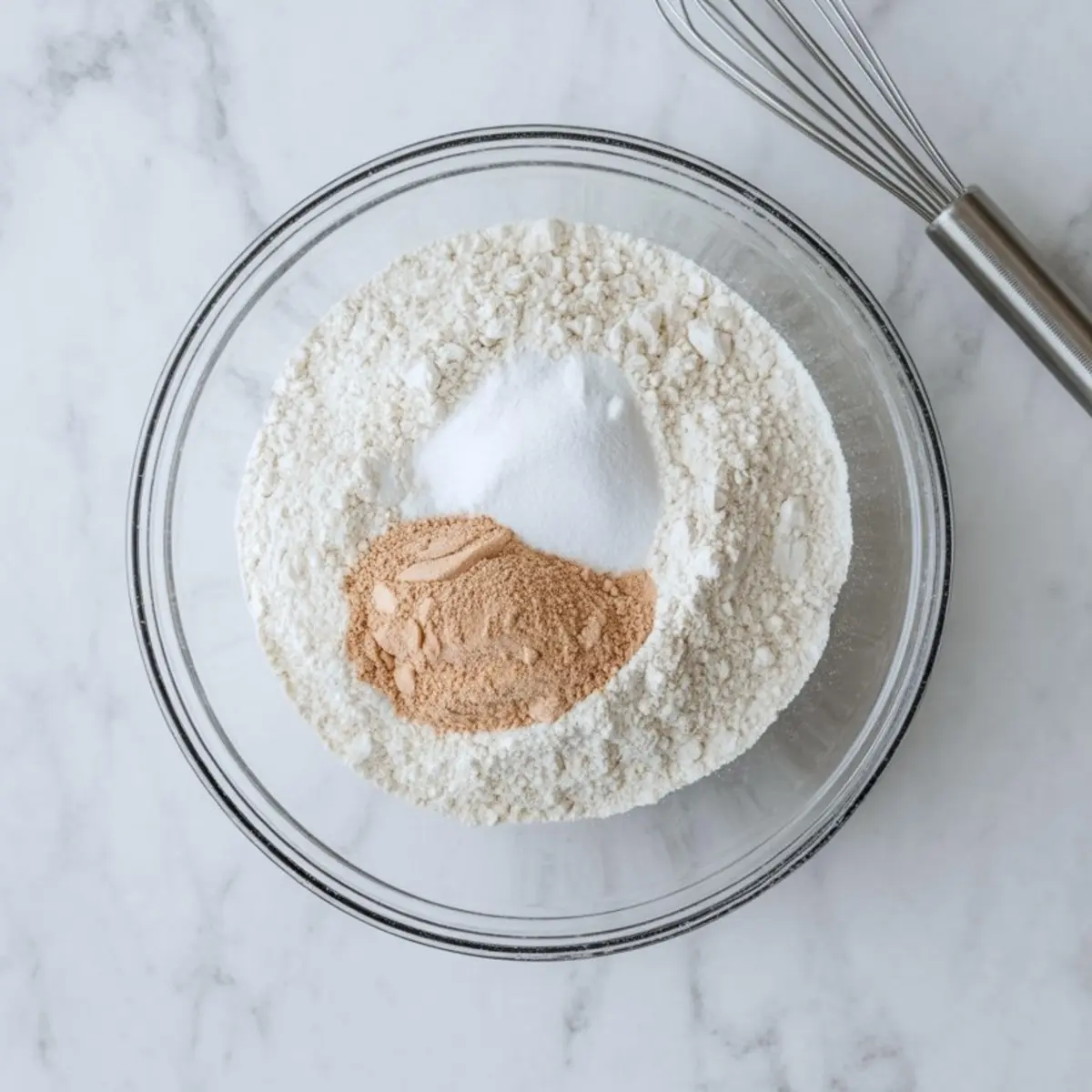
All-purpose flour gives the cookies a consistent, structured base. I don’t recommend swapping this unless you’ve tested the alternative.
Baking powder and baking soda both appear here in small amounts. Together, they give the dough lift and spread while holding the crinkle shape. Skipping one throws off the puff.
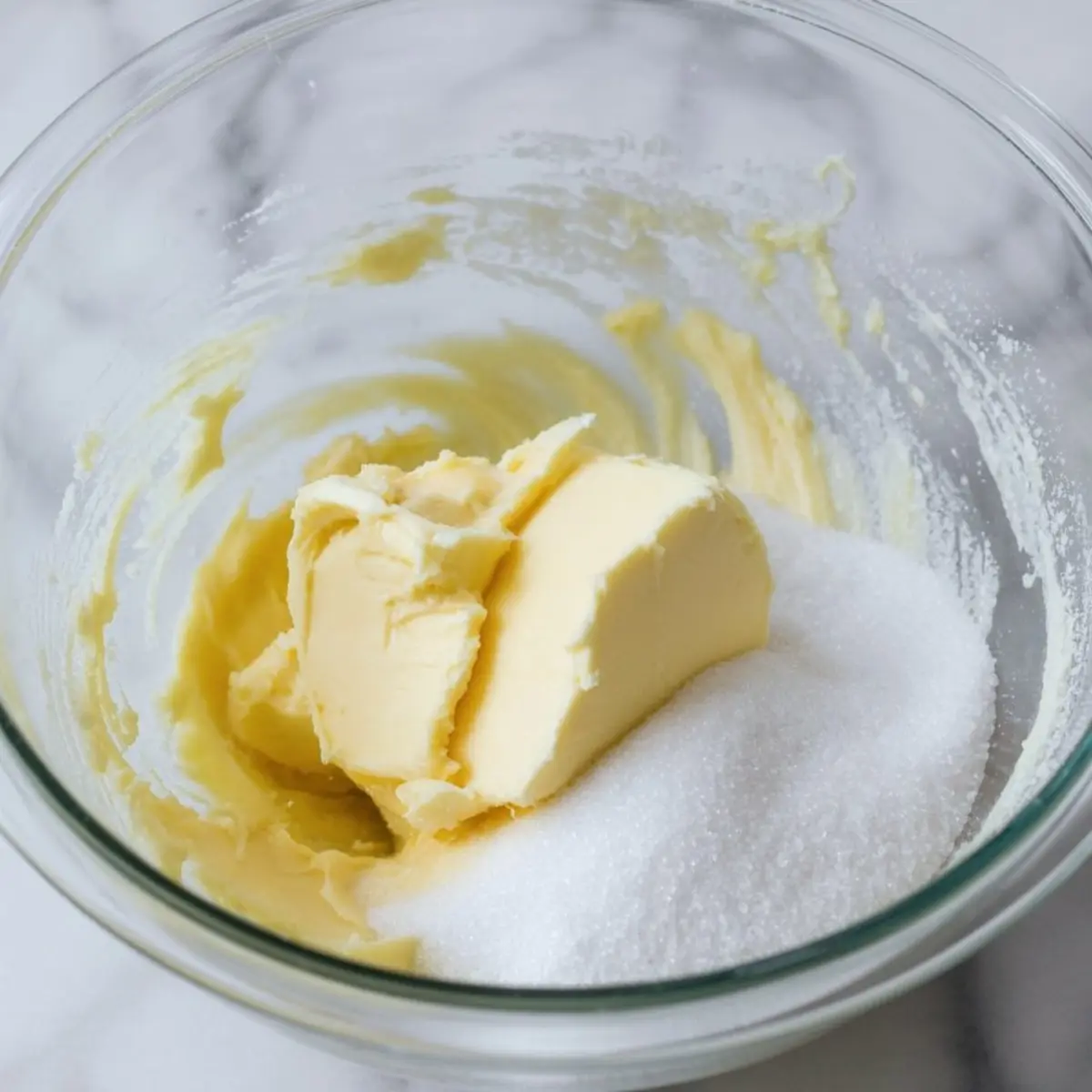
Unsalted butter adds a clean fat note and helps trap air when creamed with sugar. If using salted, reduce the added salt to a pinch.
The zest makes the biggest difference. I always use fresh oranges—no bottled juice or dried zest. The oil from the peel delivers a stronger hit of flavor than juice ever could.
The egg holds the dough together. Don’t use extra-large or the texture may lean too cakey.
Powdered sugar gives that classic crinkle finish. Don’t roll the cookies in granulated sugar first—go straight for powdered for better definition.
If you’ve baked my Lemon Crinkle Cookies, this method will feel familiar.
Why Zest Makes the Cookie
Of everything in this recipe, orange zest does the heavy lifting.
Juice adds flavor, but zest brings depth. It’s where the essential oils live, which carry more intensity. I use a microplane and avoid grating too deep. The white pith can add bitterness.
You can boost the flavor further with a drop of orange extract, but I rarely find it necessary if the zest is fresh and fragrant. Blood oranges also work beautifully and add a hint of berry note.
And for coloring? Gel food coloring gives a concentrated pigment that won’t water down the dough. A few drops go a long way. If you’ve worked with colored dough in 3-Ingredient Cake Mix Crinkle Cookies, you’ll know what I mean.
Step-by-Step Overview
Start by creaming the butter and sugar until it lightens in color. This introduces air that helps the cookies rise without becoming cakey. You should see a slight fluffiness.
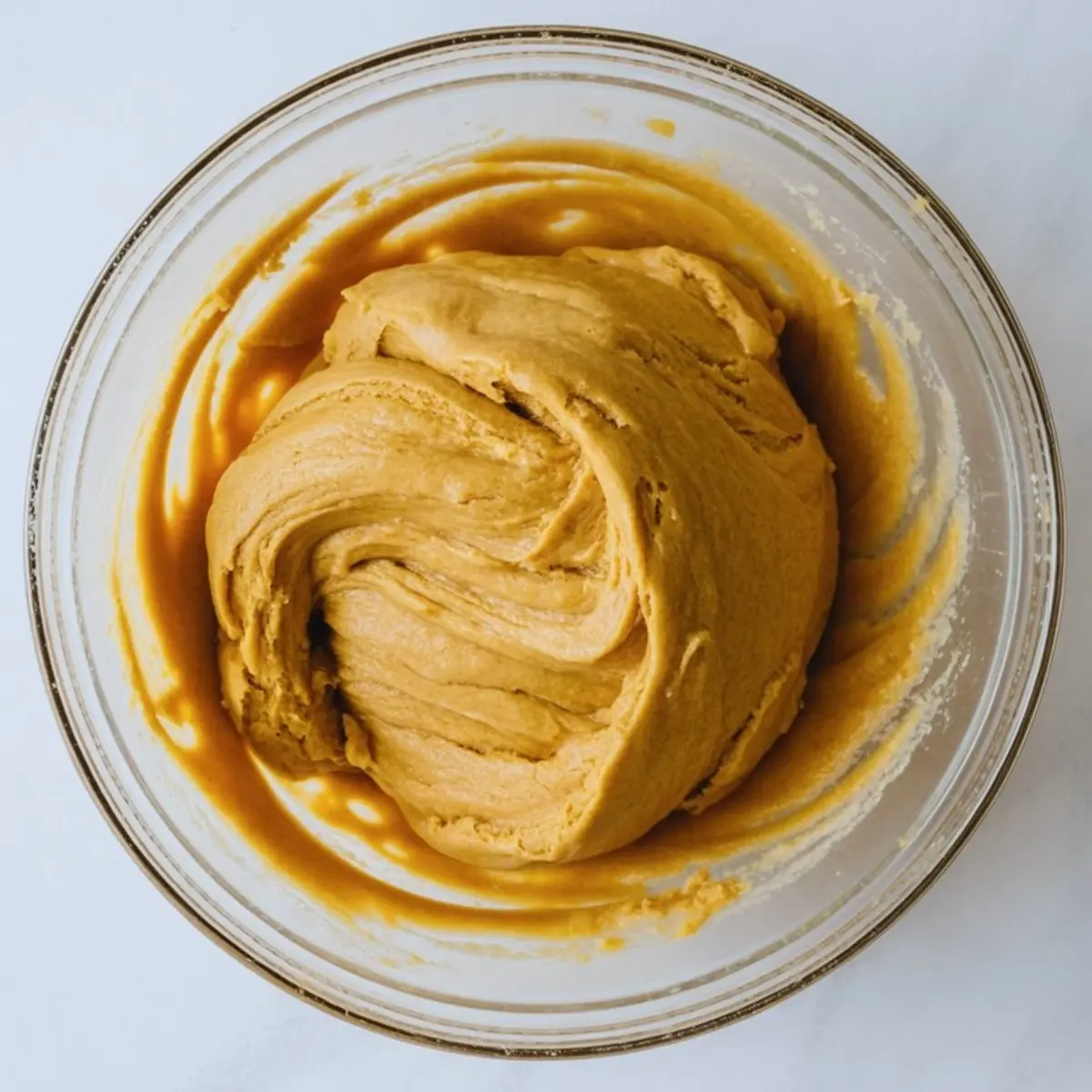
After adding the egg, zest, and juice, the dough will look soft and somewhat wet. That’s expected. Once the flour mixture goes in, it pulls everything together.
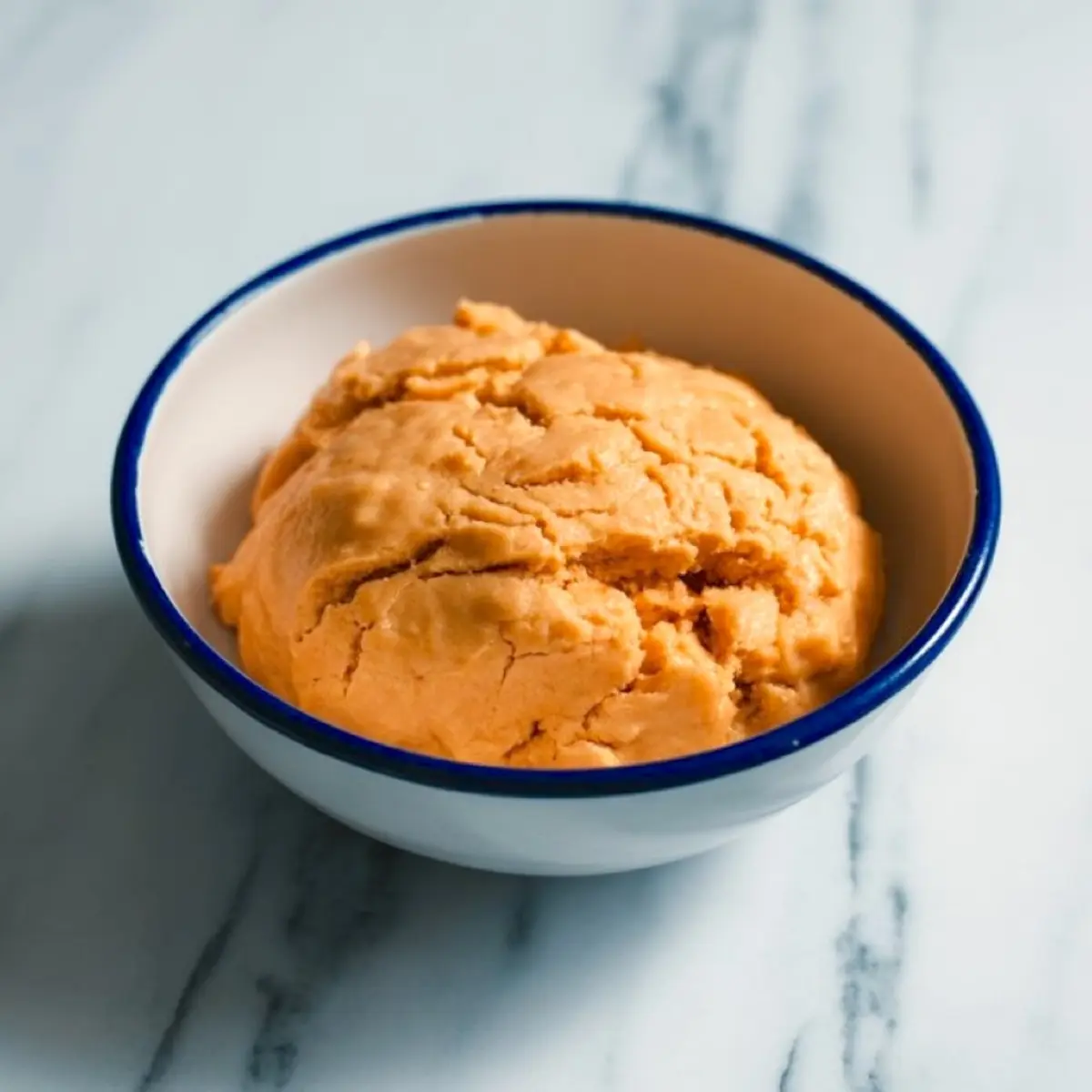
Don’t skip the chill. A 30-minute rest firms the dough just enough to roll and coat in sugar. Without it, the cookies will flatten too much and lose their shape.
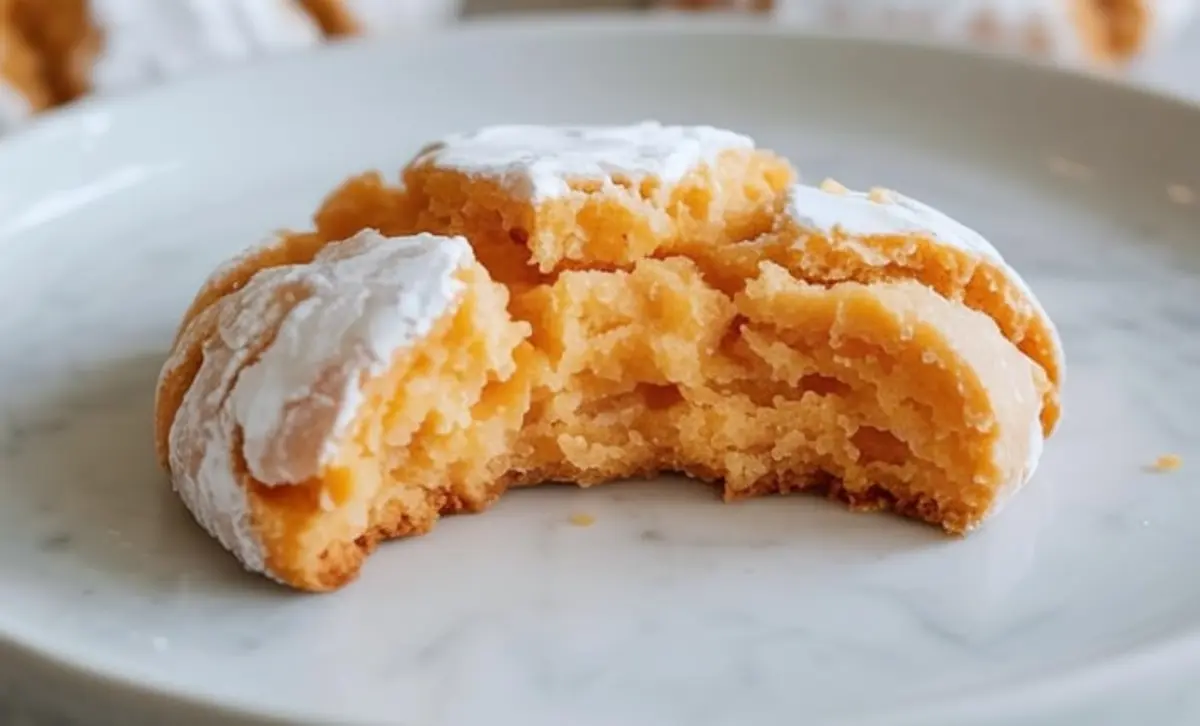
Once baked, the edges should set while the center stays slightly soft. That balance is key to chewy orange cookies. Letting them rest on the tray allows carryover heat to finish the job.
This is the same trick I use when baking Chocolate Crinkle Cookies.
How You Know They’re Ready
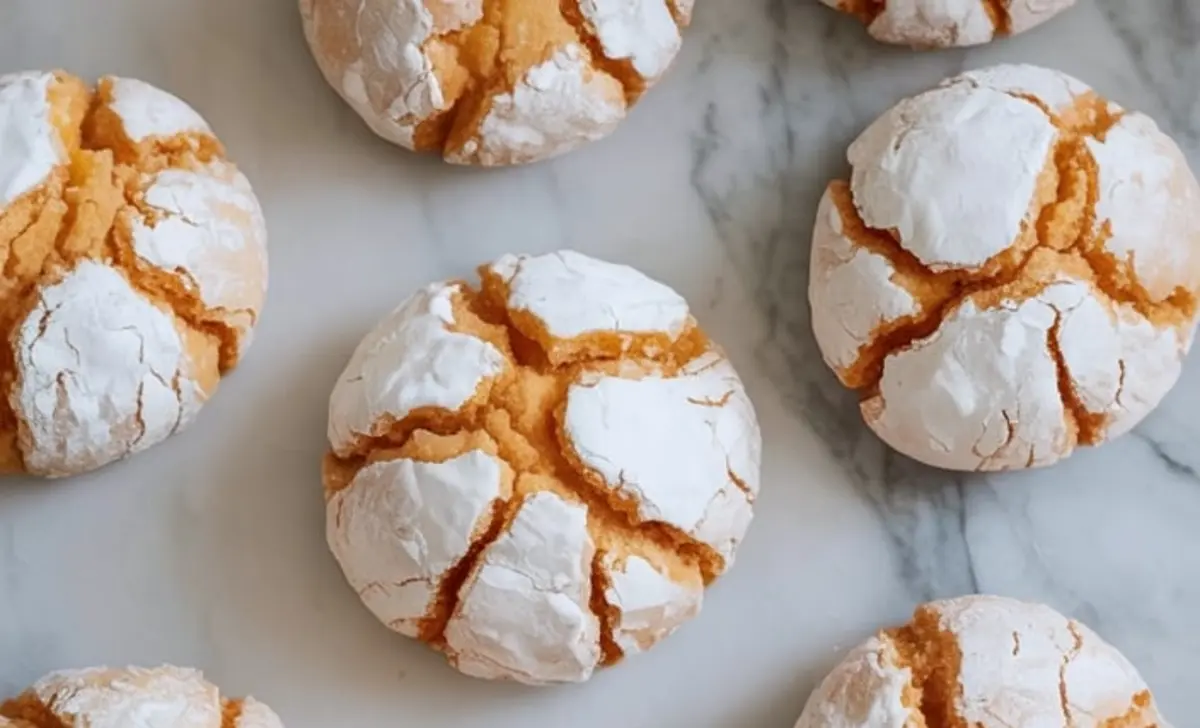
The cookies should look puffed, with visible cracks on top.
Edges will appear matte and set, but the center may look a touch glossy when you pull them out. That’s fine. Overbaking removes the chew and fades the citrus punch.
If the cookies haven’t cracked at all, it usually means the dough wasn’t chilled enough or the oven wasn’t hot enough when you started.
Problems and Fixes
Cookies spread too much? The dough was too warm. Chill longer next time.
No crinkles on top? Too little powdered sugar or dough wasn’t cold. Roll generously.
Dry texture? You may have overbaked. Take them out once edges set and centers puff.
Too pale? The gel coloring may have been under-mixed. Stir well before baking.
Flavor Variations
Add ¼ teaspoon ground cardamom for an orange cardamom twist, similar to my Orange Cardamom Cake.
Sub lemon zest and juice for a citrus blend. Try rolling in coconut sugar, though it won’t crinkle the same way.
For a darker version, mix in 1 tablespoon unsweetened cocoa powder.
How to Store and Freeze
Keep the cookies in an airtight container at room temperature for 3 to 4 days. They stay soft if you layer parchment between them.
For freezing, place the dough balls (uncoated) on a tray, freeze, then store in a zip bag. Roll in powdered sugar just before baking.
Baked cookies also freeze well. Wrap in plastic and store for up to 2 months.
Extra Tips from My Kitchen
Use a cookie scoop to portion evenly. It helps them bake at the same rate.
Line your tray with parchment for even bottoms and easy cleanup.
Rub the zest into the sugar before creaming. It intensifies the aroma.
Don’t skip the salt. Even in sweet cookies, it sharpens the flavor.
Save and Share This One

Save this crinkle cookies recipe to your Holiday Cookies or Orange Desserts Pinterest board so you can find it again.
Tried it with blood oranges or added a twist of spice? Share in the comments below, let’s swap ideas!
Orange Crinkle Cookies

These soft and chewy orange cookies are a zesty twist on a classic favorite. With a vibrant citrus aroma and crackly sugar-dusted tops, these orange crinkle cookies are perfect for winter bakes or festive trays. Made with real juice and zest, they deliver a bold flavor in every bite. Great for gifting, holiday cookies, or just baking something fun. Try these easy crinkle cookies recipe variations for a pop of color and flavor. Great option when baking with oranges or creating orange colored cookies.
Ingredients
- 1 ½ cups (190g) all-purpose flour
- ½ teaspoon baking powder
- ¼ teaspoon baking soda
- ¼ teaspoon salt
- ½ cup (115g) unsalted butter, softened
- ¾ cup (150g) granulated sugar
- 1 large egg
- 1 teaspoon vanilla extract
- 1 tablespoon fresh orange zest (from 1–2 oranges)
- 2 tablespoons fresh orange juice
- 3–5 drops orange gel food coloring (adjust for intensity)
- ⅓ cup (40g) powdered sugar, for rolling
Instructions
- PREHEAT AND PREP: Preheat the oven to 350°F (175°C) and line a baking sheet with parchment paper to prevent sticking and promote even baking.
- WHISK DRY INGREDIENTS: In a medium bowl, whisk together the flour, baking powder, baking soda, and salt until well combined. Set aside.
- CREAM BUTTER AND SUGAR: In a large mixing bowl, beat the softened butter and granulated sugar together for 2–3 minutes, until the mixture becomes pale and fluffy.
- ADD WET INGREDIENTS AND FOOD COLORING: Mix in the egg, vanilla extract, orange zest, and orange juice. Add the orange gel food coloring a few drops at a time, stirring until the desired brightness is reached and the mixture is smooth and evenly colored.
- COMBINE WET AND DRY: Gradually add the dry ingredients to the wet mixture, mixing just until the dough comes together. Avoid overmixing to keep the cookies tender. The dough will be soft and brightly colored.
- CHILL THE DOUGH: Cover the bowl and refrigerate for at least 30 minutes. Chilling helps the dough firm up, making it easier to shape and helping the cookies hold their crinkle shape during baking.
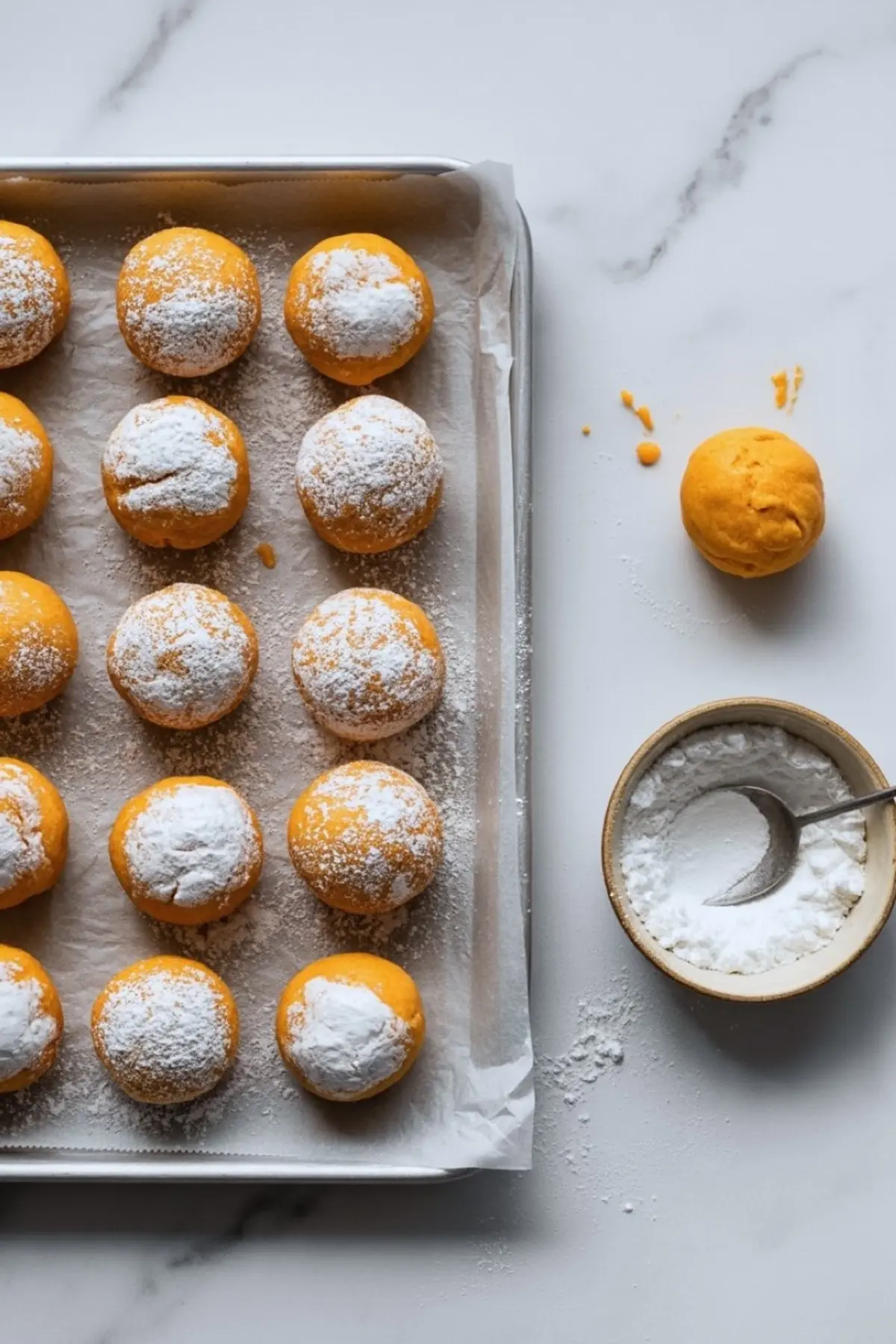
- SHAPE AND SUGAR: Scoop out 1-tablespoon portions of chilled dough and roll into balls. Coat each dough ball generously in powdered sugar, then place on the prepared baking sheet, spacing them about 2 inches apart.
- BAKE: Bake for 10–12 minutes, until the cookies have puffed, the tops are crinkled, and the edges are just set. The centers may look slightly soft but will continue to set as they cool.
- COOL: Let the cookies rest on the baking sheet for 5 minutes, then transfer to a wire rack to cool completely.
Notes
To boost the orange flavor, you can add ⅛ teaspoon of orange extract along with the zest and juice. For the most vibrant color, use gel food coloring rather than liquid. Store cookies in an airtight container for up to 4 days at room temperature.
