

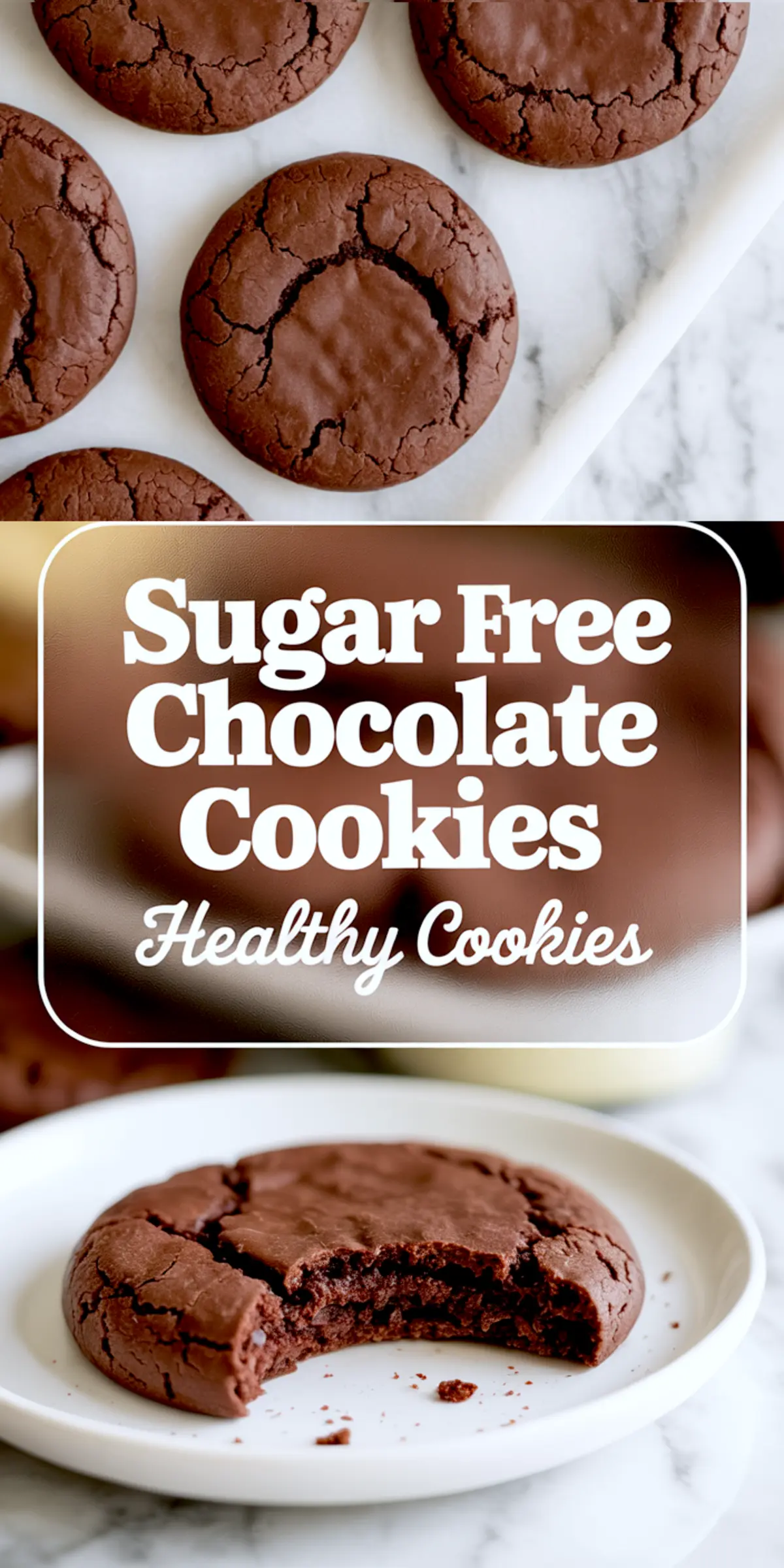
These sugar-free chocolate cookies are chewy, rich, and full of cocoa flavor, made without any added sugar or gluten. The recipe uses almond flour or coconut flour, granulated erythritol or monk fruit sweetener, and cocoa powder for a low carb chocolate cookie that fits diabetic-friendly baking. With a short prep time and reliable structure, these cookies come together fast and cool into soft centers with crisp edges, great for anyone looking for a quick, healthy dessert.
Following a special diet?
Every recipe on this site can be converted to gluten-free, vegan, dairy-free, keto, nut-free or egg-free with adjusted ratios so nothing falls flat.
Try the Recipe Converter →This recipe follows a 3:1 ratio of dry to wet, which creates a soft dough that doesn’t spread too thin. Almond flour provides a denser texture than wheat flour, so the fat from coconut oil or butter balances that dryness and creates a moist chew. Dutch-process cocoa gives a smoother flavor than natural cocoa, with less sharpness and more depth. A quick bake at 350°F keeps the center tender while setting the edges.
You’ll want to avoid overbaking here. That ten-minute mark matters. These cookies should still look slightly underdone when they come out of the oven. That’s the trick that holds onto the fudgy middle without drying them out.
Cocoa Powder Is the Backbone
Cocoa powder sets the tone. I use Dutch-process because it gives a darker color and smoother flavor. It doesn’t react with baking soda the same way natural cocoa does, which is why the small amount of baking soda here simply helps texture rather than adding lift. If you swap for natural cocoa, the cookies will bake a little differently. More puffed, less rich. That’s fine, just different.
To check your cocoa, run your fingers through it. Dutch-process feels a bit silkier and deeper in shade. If you see the word “alkalized,” that’s the one you want here. I’ve used Hershey’s Special Dark with good results, but any trusted Dutch-process brand will work.
Why These Ingredients Are Chosen
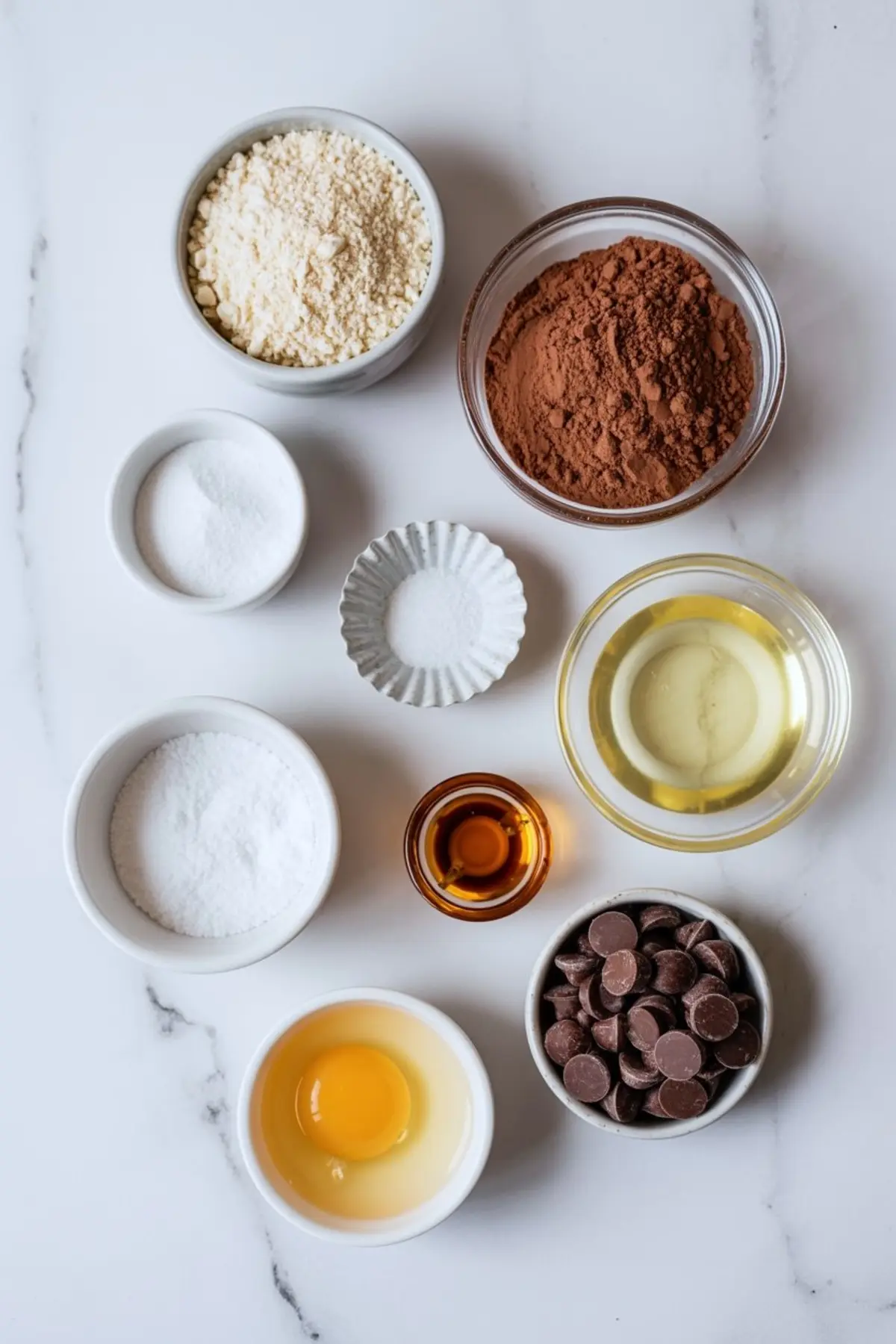
Almond flour creates that soft bite with a subtle nuttiness that complements the chocolate. It keeps the cookies gluten-free without adding starch. I’ve also made these with coconut flour, but you’ll need to reduce the amount by about 30% since it absorbs more moisture.
Coconut oil adds a clean, slightly sweet richness. Butter gives more depth and saltiness, so either one can work depending on what you want the cookie to lean toward. I lean coconut oil when I want a neutral base that lets the cocoa speak louder.
For sweetener, erythritol holds its shape and doesn’t affect moisture too much. Monk fruit blends work well too and leave less cooling aftertaste. Both measure like sugar and bake evenly, which matters when structure is minimal.
I added a small handful of sugar-free chocolate chips once when I had leftovers from my protein brownies. That little pop of texture makes these feel more treat-like, especially if you’re used to traditional cookies.
Related: Try these chewy, high-protein fudgy protein brownies for another refined sugar-free dessert.
What the Process Looks Like in the Bowl
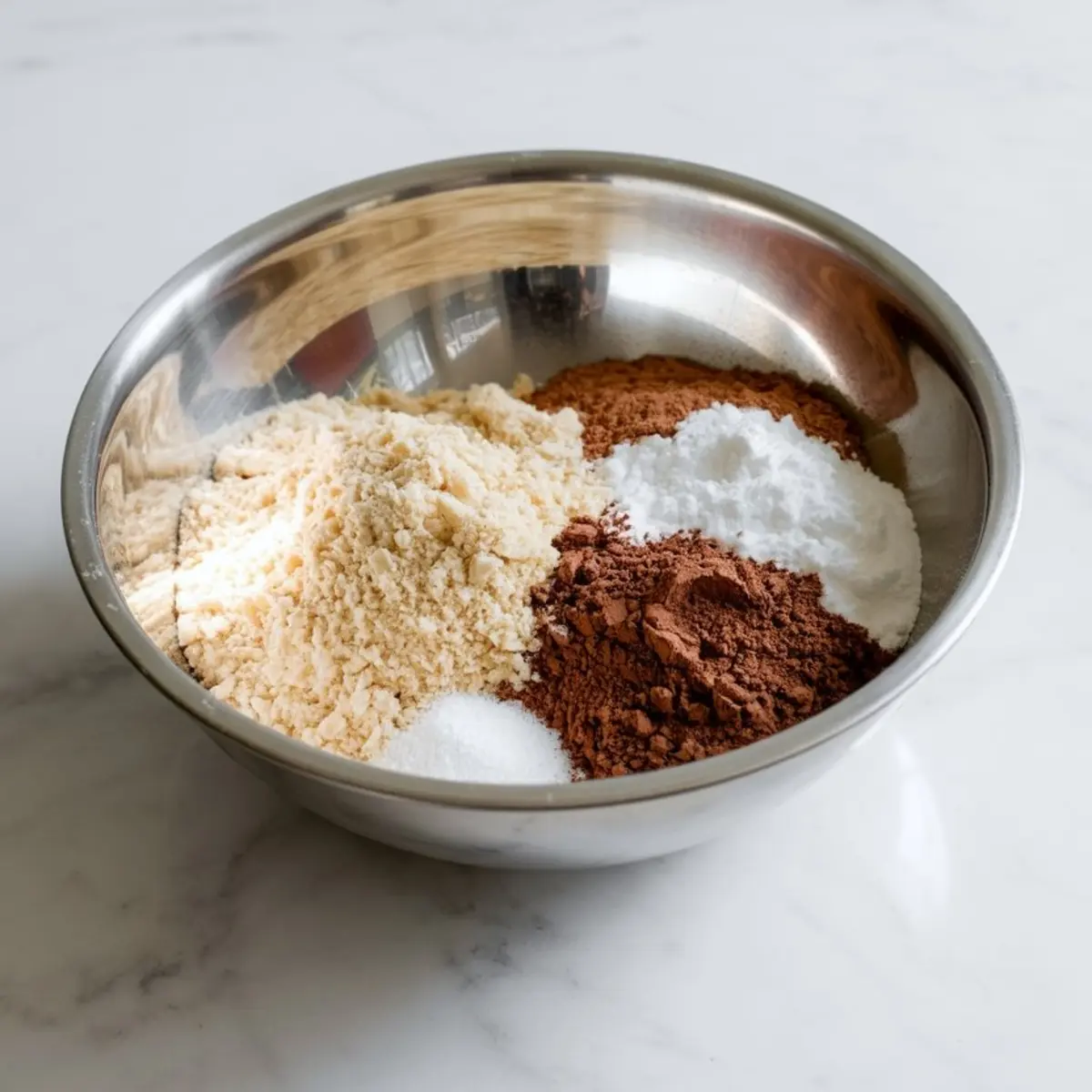
The dry mix should look even and fluffy before you add the wet. Any clumps of cocoa will bake into bitterness, so whisk thoroughly. Once you add the wet mixture, the dough will thicken almost immediately. It should be dense enough to scoop but not crumbly. If it’s dry, let it sit a minute. Almond flour absorbs slowly.
Flatten the dough balls slightly before baking. That helps them bake through without drying. After nine minutes, check the edges. They should look just set while the middle still jiggles slightly. Don’t touch them yet.
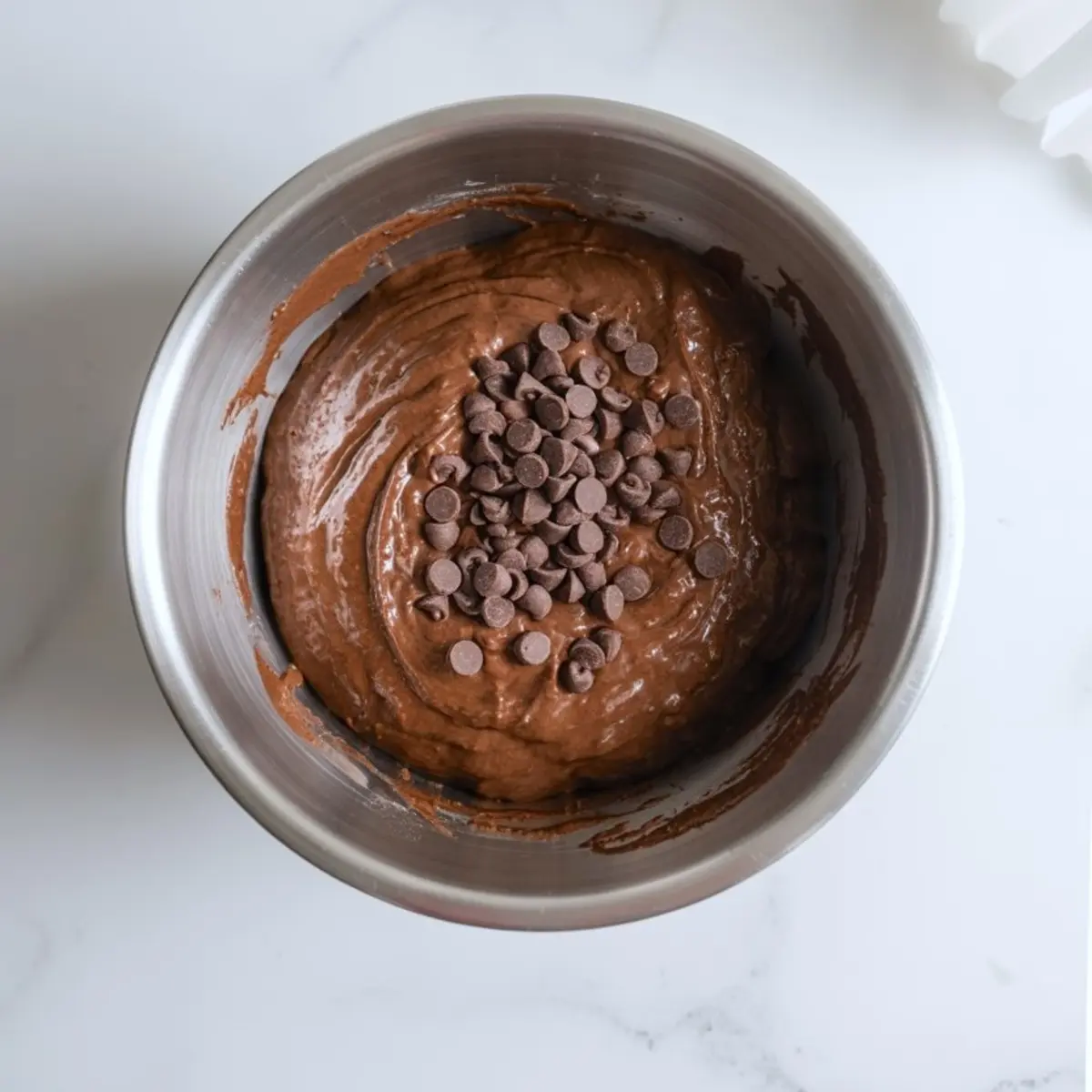
For a more cake-like texture, you can also try a similar chocolate base in my chocolate protein mug cake. The base bakes up soft with just a few changes in ratio.
Signs They’re Done (Even When They Look Soft)
The most reliable sign is a slight lift at the edges. They shouldn’t be cracking, just puffed. If the center still looks glossy, pull them. They’ll firm up while cooling. Overdone cookies from this batch turn grainy fast, especially with almond flour.
Underbaked ones will collapse but still taste good. If you’re unsure, bake a single cookie as a test and let it cool fully. That’s how I tested when I first worked out the ratios.
Common Problems and Quick Fixes
If they spread too much, your dough was too warm or your oven too hot. Chill it for 10 minutes and try again.
If the dough feels oily, it’s likely from overmixing or too much coconut oil. Add a tablespoon of almond flour.
If the cookies are crumbly, the egg might have been too small. Use a large egg and mix fully.
If they’re too dry, check your sweetener. Some blends dry out more than others.
This texture is similar to my protein cottage cheese brownies, so if you liked those, this one will feel familiar.
Variations You Can Try
For peppermint chocolate cookies, add 1/2 teaspoon peppermint extract and top with crushed sugar-free candy.
To make mocha cookies, stir in 1/2 teaspoon instant coffee or espresso powder into the dry mix.
For double chocolate, increase chips to 1/2 cup and press a few into the tops before baking.
You can swap almond flour for 1/2 cup coconut flour and one extra egg, but the result will be drier and more dense. Still worth testing.
How to Store and Reheat
Keep the cookies in an airtight container at room temperature for up to 3 days. In the fridge, they’ll last 5 to 6 days and stay firmer.
Freeze in layers with parchment paper between for up to 2 months. Thaw at room temperature or warm in the oven for 2 to 3 minutes at 300°F.
They soften slightly over time but keep their shape well.
Tips You’ll Want to Remember
Use parchment paper or silicone mat. These cookies stick to bare pans.
Always measure almond flour by weight if possible. Cup measurements can vary a lot.
Don’t skip the rest after baking. That 5-minute tray rest finishes the cook.
Mix wet ingredients fully before adding to dry. It helps texture stay smooth.
You’ll notice a pattern here. low heat, short bake, long cool. That sequence matters.
I follow the same balance in these almond flour cookies and it consistently delivers a soft middle and clean edges.
Save This Sugar-Free Cookie Recipe
You can pin this recipe to your sugar-free dessert board for quick access next time cravings hit. Let me know in the comments if you try it with coconut flour or add a variation. I always read through your feedback and update my notes.
Sugar-Free Chocolate Cookies
These sugar free chocolate cookies are rich, chewy, and made with simple ingredients for a healthier dessert option. For anyone cutting back on sugar, these low carb chocolate cookies are also keto-friendly and great for diabetic-friendly baking. Made with almond flour or coconut flour, they’re gluten-free and full of chocolate flavor. Try these sugar free cookies for diabetics as part of your weekly meal prep or holiday treat table. They’re one of the best sugar free desserts easy to whip up for guilt-free snacking.
Ingredients
- 1 cup almond flour
- 1/3 cup unsweetened cocoa powder (Dutch-process preferred)
- 1/2 teaspoon baking soda
- 1/4 teaspoon salt
- 1/3 cup melted coconut oil or unsalted butter
- 2/3 cup granulated erythritol or monk fruit sweetener
- 1 large egg
- 1 1/2 teaspoons pure vanilla extract
- 1/4 cup sugar-free chocolate chips or chopped dark chocolate (optional)
Instructions
- PREHEAT THE OVEN: Set your oven to 350°F (175°C) and line a baking sheet with parchment paper or a silicone baking mat.
- MIX THE DRY INGREDIENTS: In a large bowl, whisk together the almond flour, cocoa powder, baking soda, and salt until the mixture is evenly combined and no lumps remain.
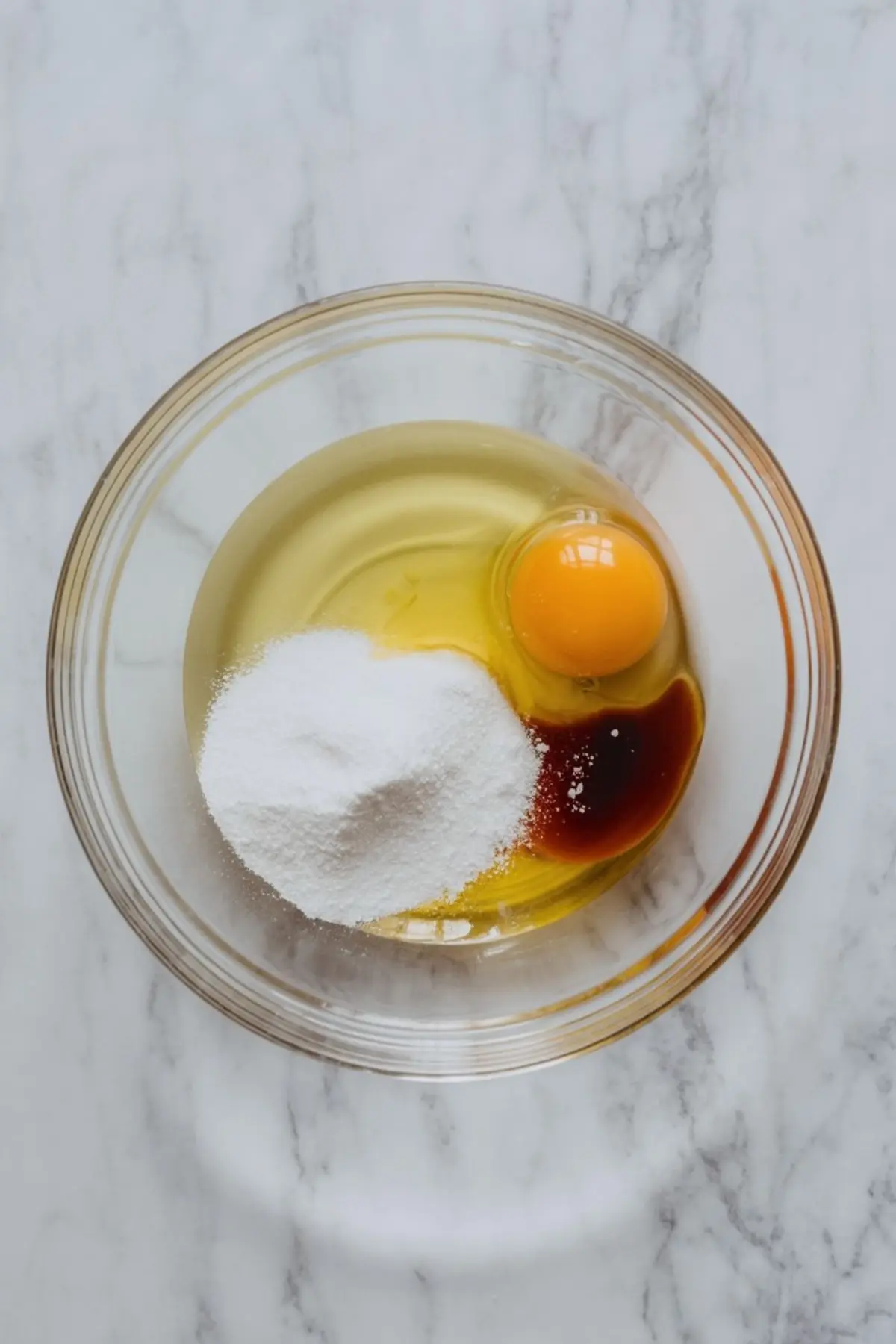
- COMBINE THE WET INGREDIENTS: In a separate bowl, stir together the melted coconut oil or butter, sweetener, egg, and vanilla extract. Mix until smooth and slightly thickened.
- FORM THE COOKIE DOUGH: Pour the wet mixture into the dry ingredients and stir until a thick, cohesive dough forms. If using chocolate chips or chunks, fold them in at this stage.
- SHAPE THE COOKIES: Scoop out tablespoon-sized portions of dough and roll into balls. Place them on the prepared baking sheet, spacing them about 2 inches apart. Flatten each cookie slightly with your fingers or the back of a spoon.
- BAKE: Place the baking sheet in the oven and bake for 9 to 11 minutes, until the edges appear set but the centers are still soft. Do not overbake; they will continue to firm up as they cool.
- COOL: Let the cookies rest on the baking sheet for 5 minutes after removing from the oven. Then transfer them to a wire rack to cool completely.
Notes
Cookies will look slightly underbaked when first removed from the oven—this helps maintain their fudgy texture as they cool. Almond flour yields a soft, chewy center, while Dutch-process cocoa enhances the rich chocolate flavor. You may substitute all-purpose flour if gluten-free is not required.
Nutrition Information
Yield
12Serving Size
1Amount Per Serving Calories 191Total Fat 6gSaturated Fat 1gUnsaturated Fat 5gCholesterol 17mgSodium 155mgCarbohydrates 27gFiber 3gSugar 5gProtein 6g

27 carbs per 1 cookie or the whole batch?
That’s per one cookie 😊 The nutrition info is based on a batch of 12 cookies, so each one comes out to around 27g carbs. Keep in mind that can vary a bit depending on the exact ingredients or brands you use
Can white flour be subbed in for the almond flour? If so is it the same amount?
Hi, Michele! White flour can be used instead of almond flour, but the texture and flavor will change a bit. Almond flour gives these cookies a softer, slightly nutty bite, while white flour makes them more structured and a little less moist. I’d start by using slightly less—about 3/4 of the amount of almond flour called for—and see how the dough feels. You may need to adjust slightly depending on how it comes together.