
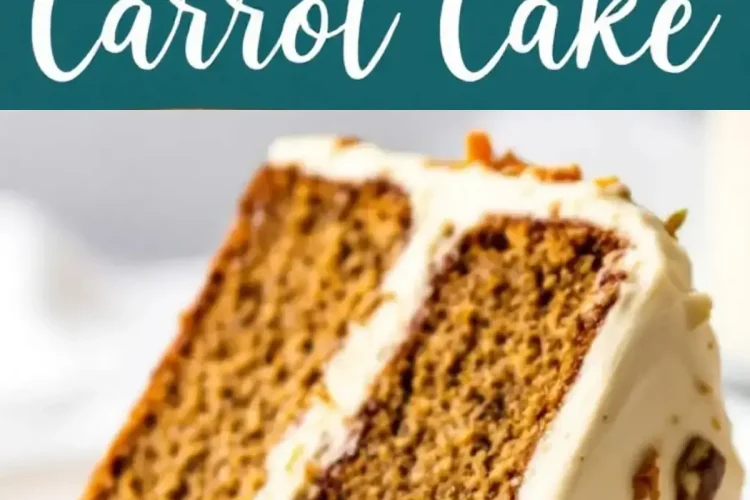
I still remember the weekend brunch where I tasted my first slice of carrot cake. My friends and I laughed over latte foam while sharing bites of that sweet, spiced treat. I decided then that I would recreate those flavors in my own kitchen and share them with everyone.
I woke up early on a rainy morning to attempt my initial version. My small apartment smelled like cinnamon and sugar, which made the damp weather feel cozy. That sense of warmth stayed with me and shaped this recipe you see today.
I noticed how my closest friends kept requesting this carrot cake for birthdays, anniversaries, and regular Sunday gatherings. My mother asked me to bring it for a spring event, and the guests devoured every crumb. That moment confirmed that simple ingredients can spark big smiles around any table.
Following a special diet?
Every recipe on this site can be converted to gluten-free, vegan, dairy-free, keto, nut-free or egg-free with adjusted ratios so nothing falls flat.
Try the Recipe Converter →Why This Carrot Cake Shines
This cake starts with a balanced mix of cinnamon, nutmeg, and ginger. These spices gently complement the sweetness of carrots, which bring natural moisture and color. My relatives swear that freshly grated carrots give this recipe an extra depth that packaged shreds often miss.
I combine two types of sugar for a nuanced flavor. Brown sugar adds a subtle richness, while granulated sugar ensures lightness. That approach prevents any one note from dominating.
I keep the mixing straightforward. Two bowls handle the dry and wet ingredients, and a whisk unites them with minimal fuss. You can prepare the batter in minutes without needing extra equipment.
Ingredient Highlights and Prep
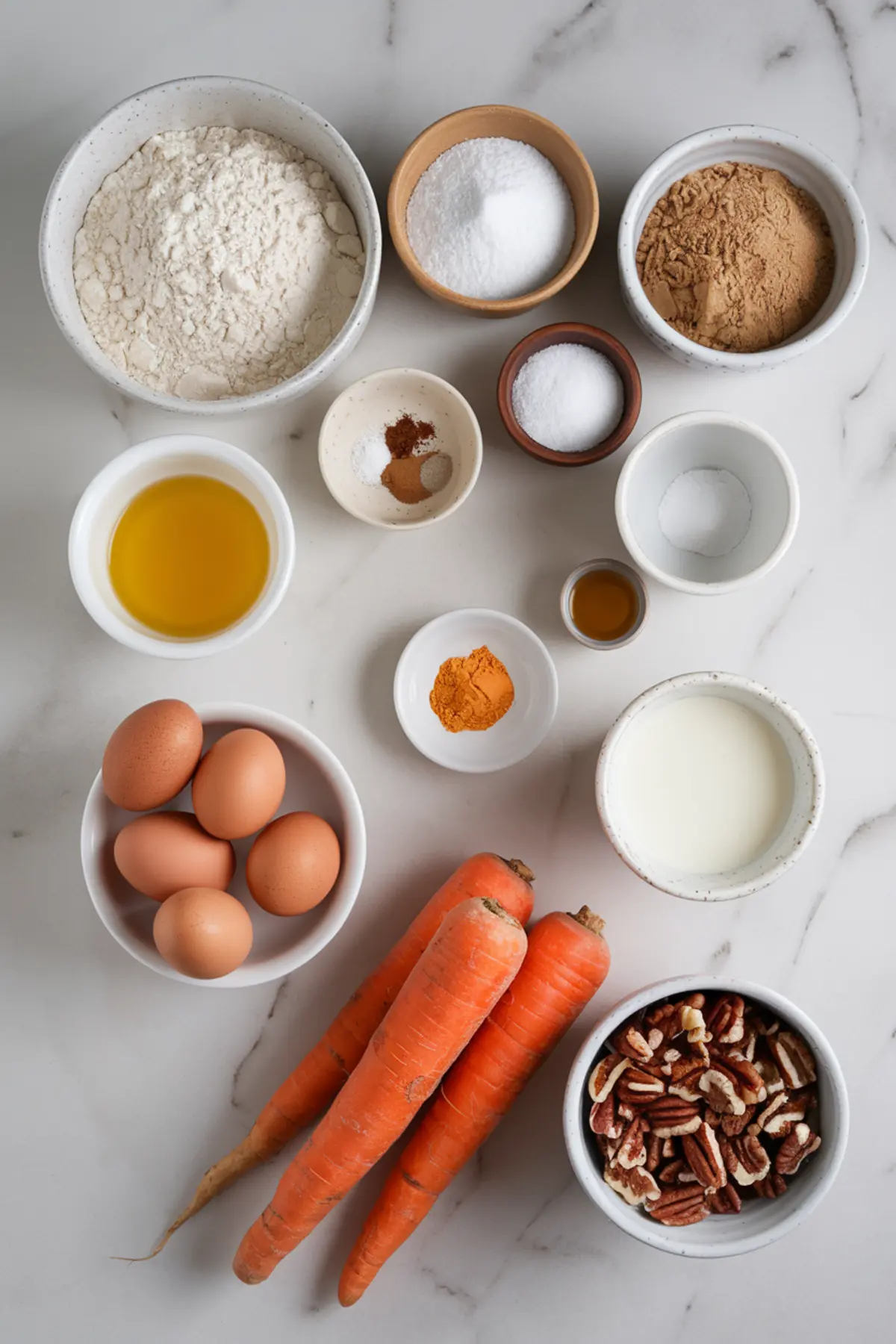
Flour, baking powder, baking soda, and salt form the base. Cinnamon, nutmeg, and ginger provide warmth, though some people enjoy a dash of allspice too. Fresh carrots deliver texture, so I grate them fine for an even crumb.
Oil, eggs, and vanilla create a smooth foundation. These elements lock in moisture, preventing the cake from drying out. My friends appreciate that the recipe remains tender for days.
I add nuts or raisins when I want extra crunch or bursts of sweetness. Pecans or walnuts suit me best, but you can skip them if you prefer a softer bite. My father likes raisins for a fruity touch, though I sometimes omit them for simplicity.
Simple Steps for Great Results
I begin by preheating the oven to 350°F, then greasing and lining the cake pans with parchment. A quick dusting of flour on the pans also helps the layers release cleanly. That small effort spares me any headache later.
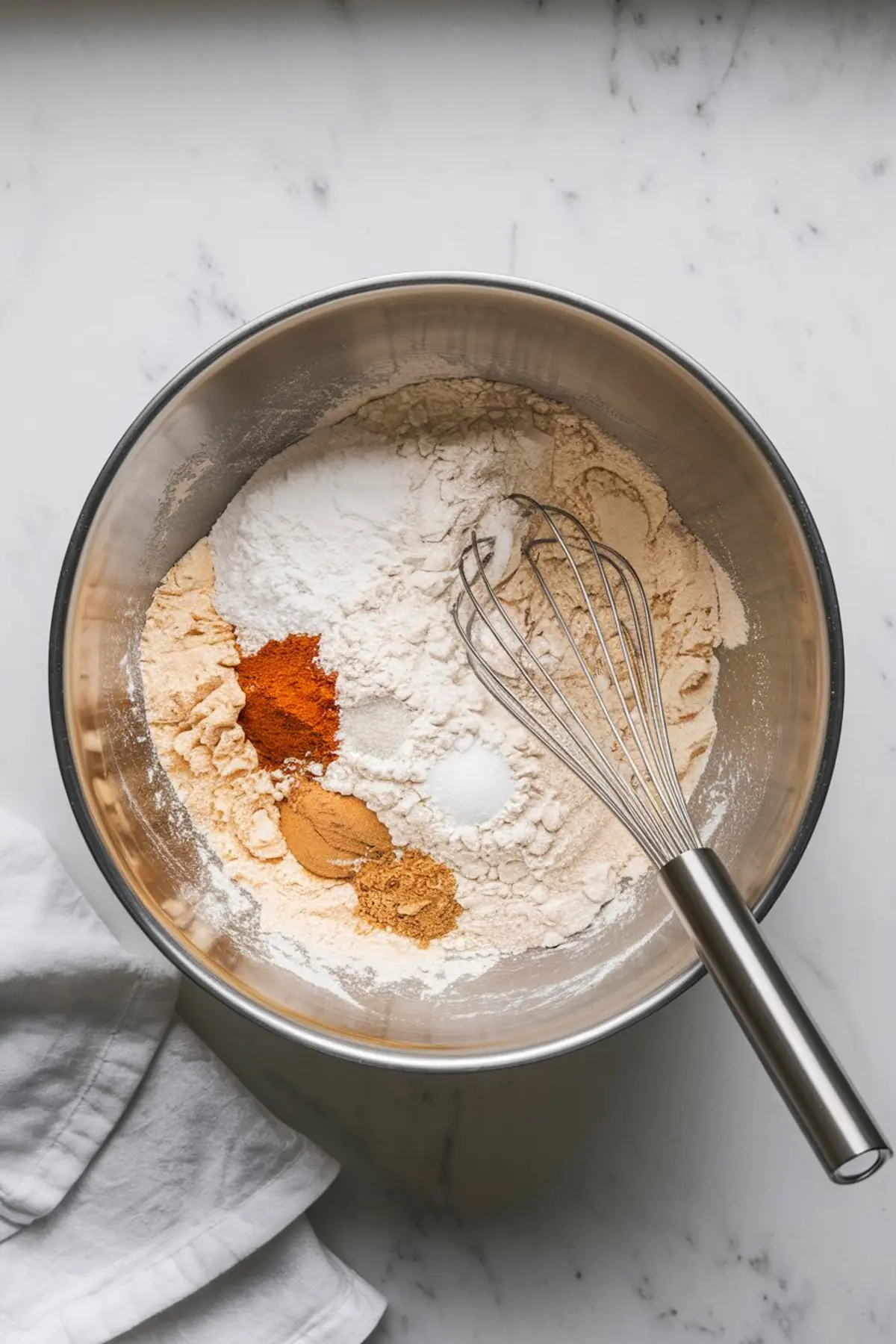
Dry ingredients combine in a medium bowl, and I whisk them thoroughly. My wet mixture includes both sugars, oil, and eggs, whisked until it looks smooth. Vanilla provides an aromatic lift that pairs well with the spices.
I stir in the grated carrots, then pour in the dry mixture. Stirring gently prevents a dense result, and I fold in nuts or raisins if desired. That final batter smells sweet and fragrant, even before baking.
Baking for Your Chosen Layers
Two 9-inch pans work if you want a classic two-layer cake. Three 8-inch pans turn this into a taller showpiece, and four 6-inch pans offer an impressive tower. Baking times vary, but a clean toothpick test signals readiness.
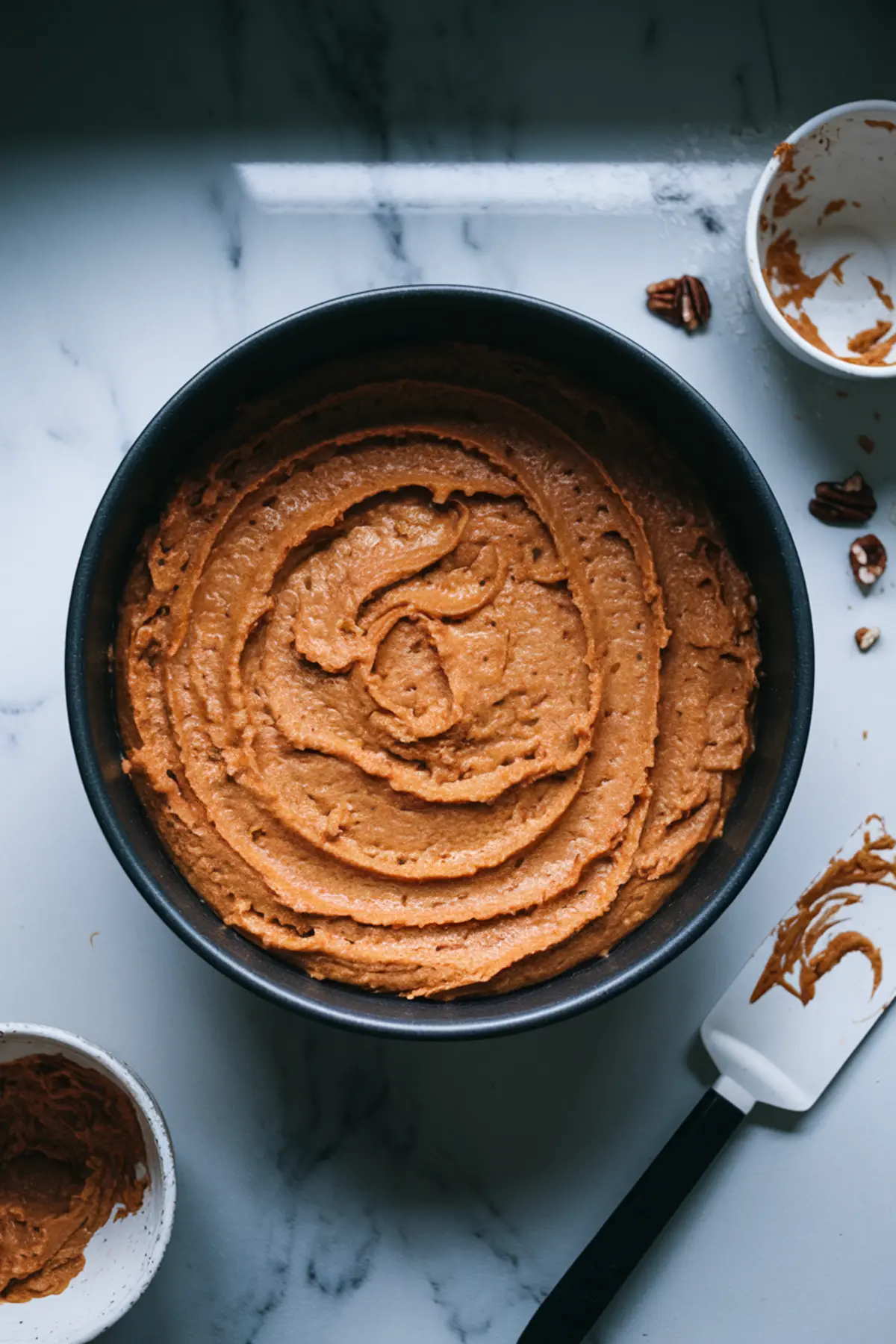
I rotate my pans halfway through for even cooking, though that step is optional if your oven heats uniformly. My grandmother taught me to place the pans slightly apart so hot air can circulate. That trick avoids uneven edges or burnt spots.
I let the cakes cool in their pans for about 10 minutes. Removing them too soon can lead to cracks, so patience pays off. Transferring them to a wire rack then ensures they reach room temperature without trapping steam.
Cream Cheese Frosting Magic
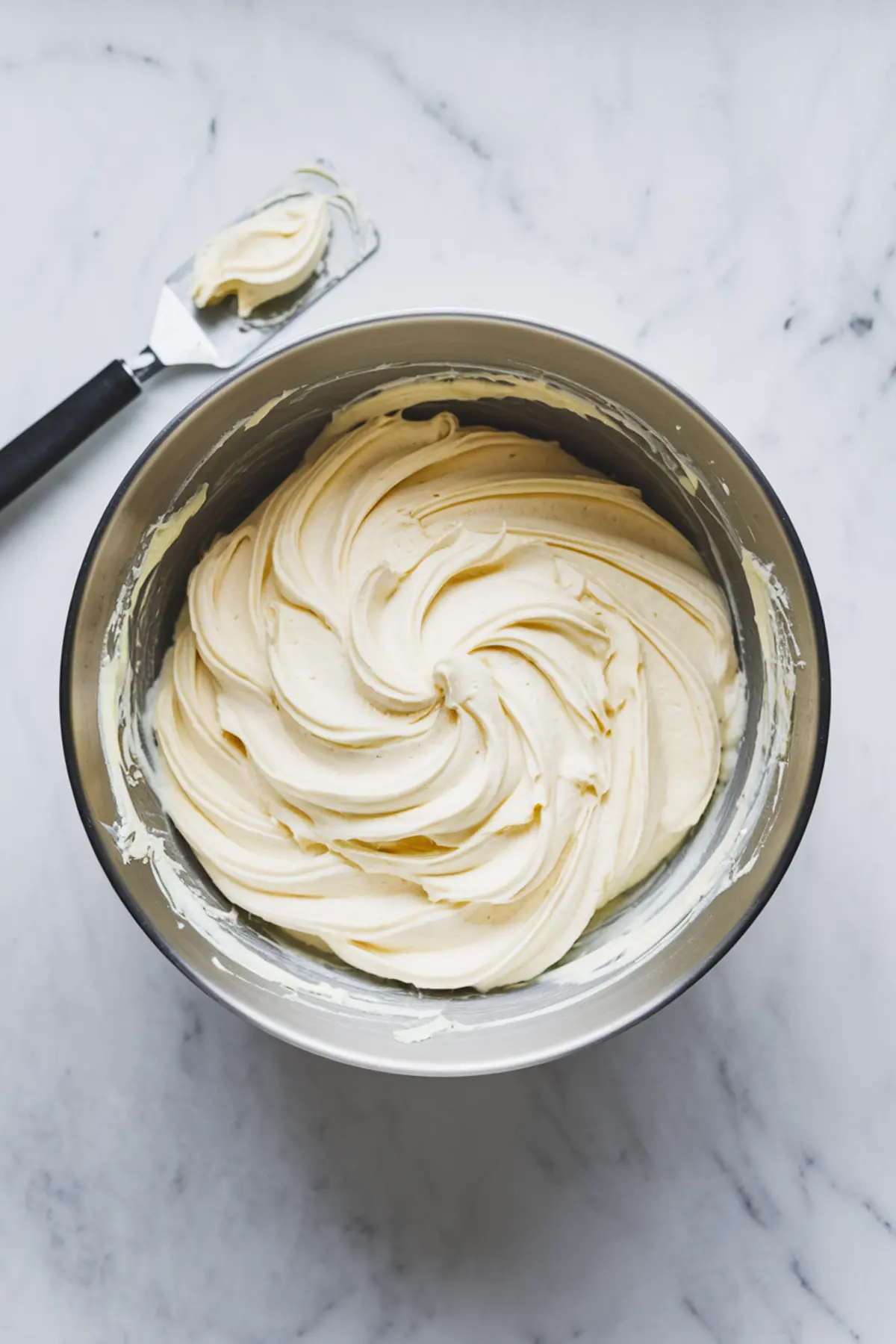
Softened butter and cream cheese form the heart of this frosting. A gradual addition of powdered sugar helps me control consistency and sweetness. Vanilla extract and a pinch of salt bring the flavors together for a silky finish.
I double this frosting if I’m layering more than two cakes. My cousin loves an extra-thick layer between each tier. That approach impresses guests, especially when you slice into four distinct layers.
I keep the frosting smooth but not too stiff. A fluffy texture spreads more easily over the cake. Piping details become simpler, though a simple swirl with an offset spatula also looks inviting.
Assembly and Decoration
I place the first layer on a serving plate and spread a moderate amount of frosting on top. Another layer goes over that, followed by more frosting. Repeating these steps yields a uniform stack that stands tall.
I also cover the sides with a thin crumb coat to lock loose pieces in place. A quick chill in the fridge helps the frosting set, which prevents crumbs from mixing into the final coat. That move looks professional without requiring fancy tools.
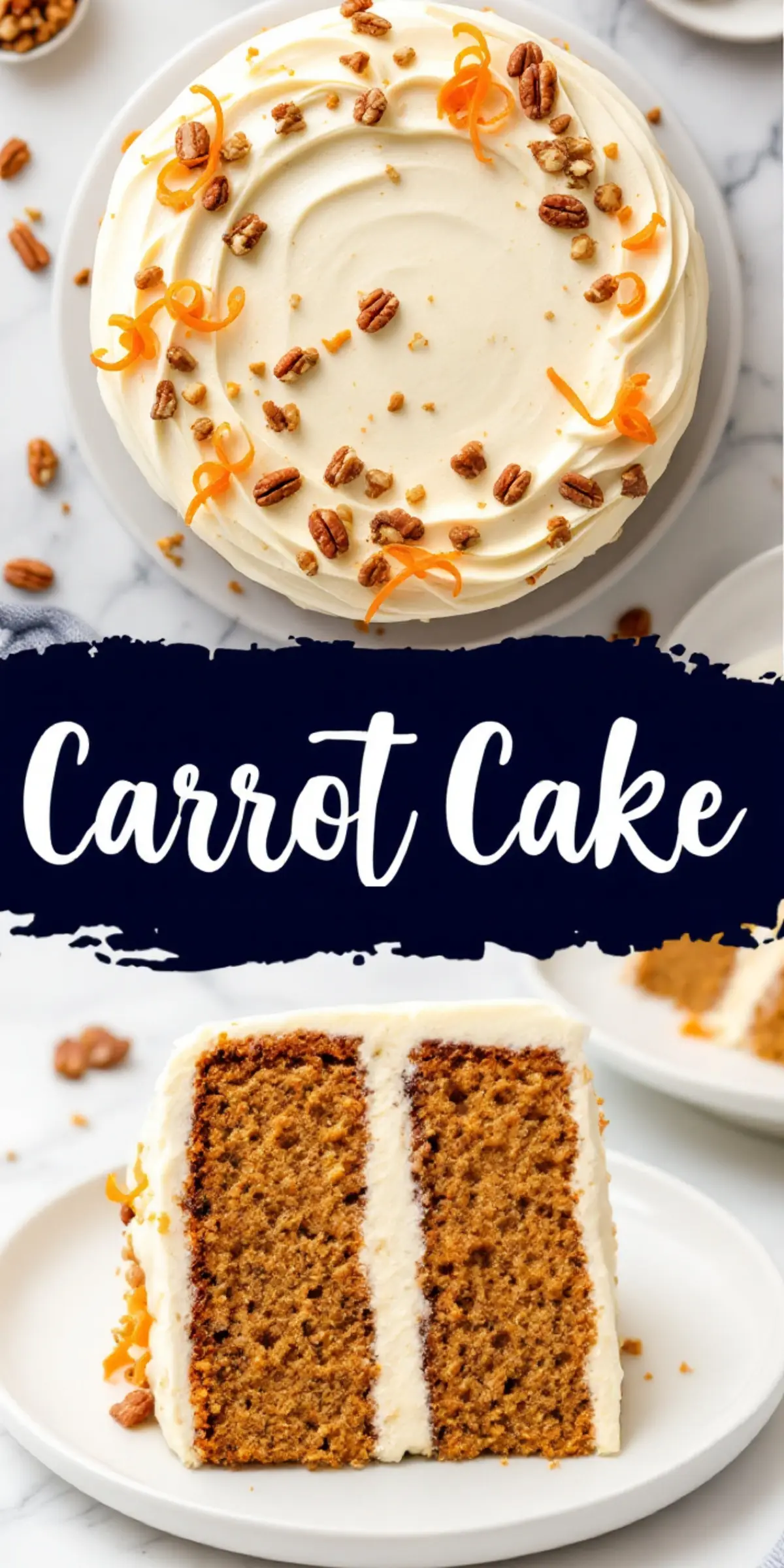
My finishing touches vary. Sometimes I sprinkle chopped pecans or walnuts on top, while other times I add extra grated carrots for a pop of orange. A dusting of cinnamon also brings that cozy scent right to the forefront.
Personal Tips and Tricks
I often bake the layers a day before frosting. That schedule lets them cool fully, so the final assembly goes smoothly. My best friend loves how neat the slices turn out when the cake is slightly chilled.
Accurate measuring helps maintain a consistent texture. Scooping flour too heavily might yield a dense crumb. I spoon flour into my measuring cup, then level it off to get the right amount.
My family occasionally requests added spices. A sprinkle of clove or cardamom can shift the flavor profile. Adapt this recipe to your personal taste, as it remains flexible under minor spice tweaks.
Serving and Storing
This cake tastes lovely at room temperature. The frosting softens and the flavors meld together. I slice leftovers and store them in an airtight container in the refrigerator for up to five days.
I set cold slices out on the counter for a short time before serving. That step revives the crumb and frosting texture. People often say it tastes even better the next day.
Some prefer to freeze unfrosted layers, which is easy to manage. I wrap each layer in plastic wrap, then seal them in a freezer bag. Thawing them overnight sets you up for a relaxed frosting session the following day.
Other Easter Desserts to Explore
I suggest my Carrot Cake Roll if you enjoy rolled cakes with cream cheese filling. That recipe features a similar taste in a fun shape that impresses guests. My nephew loves that swirl effect.
Another family tradition is the Simnel Cake. That option includes fruit and marzipan, which add variety to the Easter menu. My grandmother always served it next to the carrot cake for a colorful dessert table.
I recommend Italian Easter Cookies for a more casual approach. They pair well with coffee or tea when friends gather for conversation. Some folks also like a sweet-savory blend, so the Strawberry Pretzel Salad brings another texture to the party.
Connecting with Personal Favorites
I enjoy hearing how others adapt these recipes. My sister sometimes experiments with alternative flours and different frostings. She once used half whole-wheat flour and found the cake still had an appealing softness.
I remember a friend who asked me to bake this cake for her bridal shower. She planned a pastel theme and wanted extra piped frosting details. That day proved how a simple carrot cake can become a whimsical celebration piece.
I love seeing photos of your final result. Your creativity inspires me to keep refining my approach. Trust your instincts if you crave more nuts or an extra swirl of frosting.
Baking Adventures for All
I encourage new bakers to read through the recipe before starting. Familiarity reduces last-minute surprises. This cake welcomes all skill levels, so you can achieve a rewarding outcome no matter your baking background.
Friends who tasted this cake at my apartment often asked for the recipe. They marveled at how quickly it came together from basic pantry items. I once whipped it up right after work, proving that a busy schedule doesn’t rule out homemade treats.
I suggest having fun with it. Cake is about bringing people together, and a relaxed mindset helps you enjoy the process. My father’s motto is: “Bake with a light hand and a happy heart.”
Save and Share Your Creations
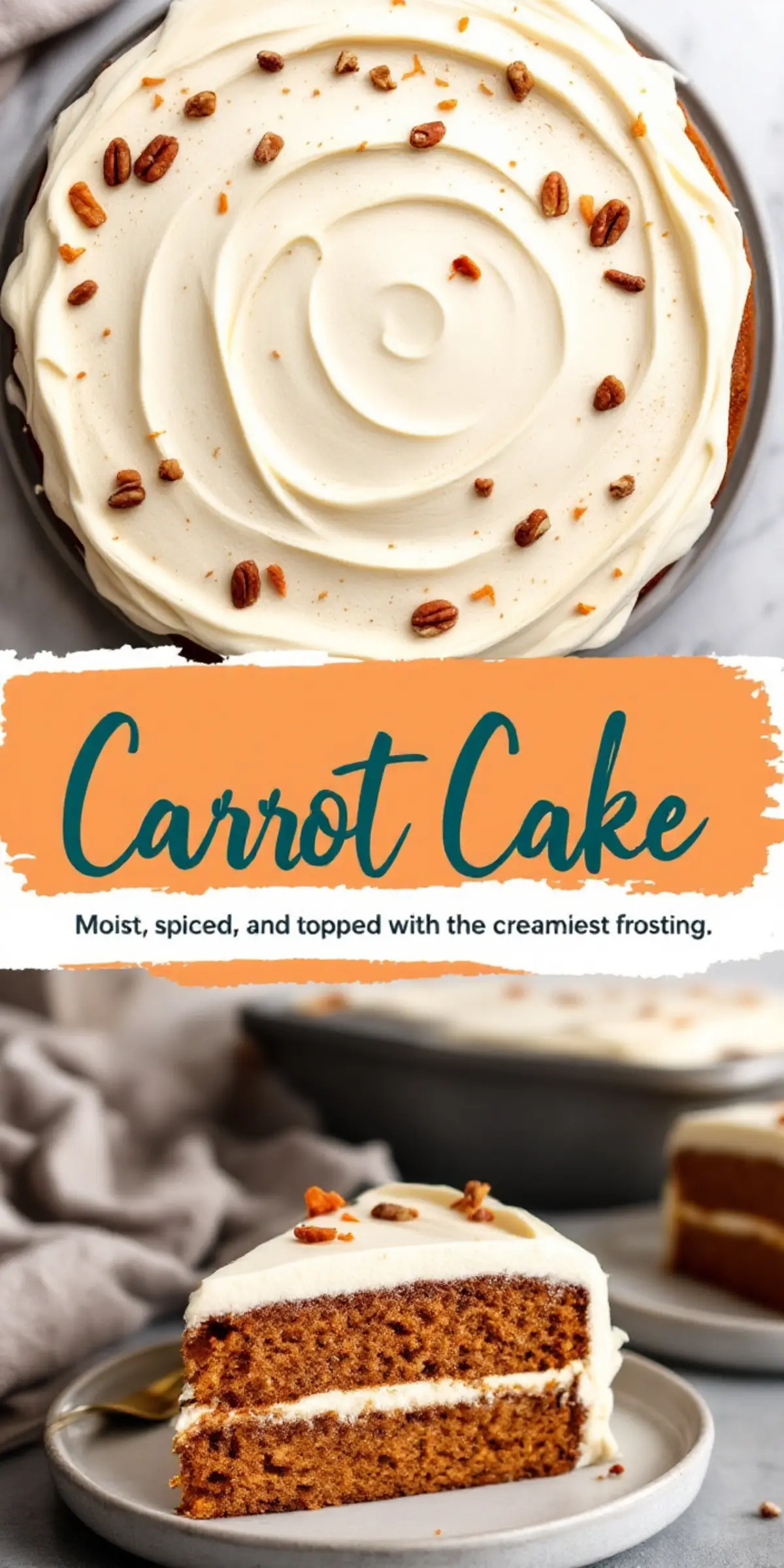
Please save this recipe on your Pinterest board if you plan to try it soon. Sharing your experience in the comments below helps grow our little baking community. Questions or tips are always welcome, so let me know if you need a hand.
The Best Carrot Cake Recipe
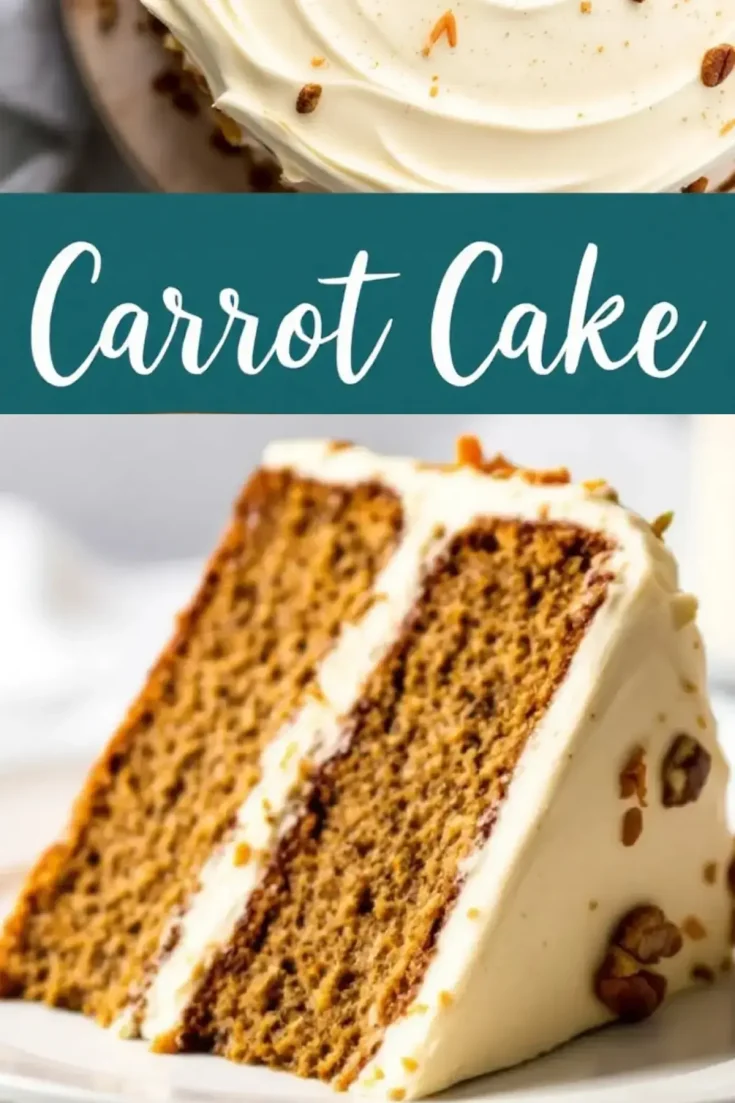
Carrot cake features a moist, spiced crumb with finely grated carrots, warm cinnamon, and a hint of nutmeg. A smooth cream cheese frosting adds richness, making it perfect for layering. This recipe includes options for 2, 3, or 4 layers, with adjustable frosting quantities to ensure complete coverage.
Ingredients
- FOR THE CAKE:
- 2 cups (250g) all-purpose flour
- 2 teaspoons baking powder
- 1 teaspoon baking soda
- 1 teaspoon salt
- 2 teaspoons ground cinnamon
- ½ teaspoon ground nutmeg
- ½ teaspoon ground ginger
- 1 ¼ cups (250g) granulated sugar
- ½ cup (100g) brown sugar
- 1 cup (240ml) vegetable oil
- 4 large eggs
- 2 teaspoons vanilla extract
- 2 ½ cups (250g) finely grated carrots
- ¾ cup (100g) chopped pecans or walnuts (optional)
- ½ cup (80g) raisins (optional)
- FOR THE CREAM CHEESE FROSTING:
- 8 oz (225g) cream cheese, softened
- ½ cup (115g) unsalted butter, softened
- 3 ½ cups (440g) powdered sugar
- 1 teaspoon vanilla extract
- Pinch of salt
- To make a 3- or 4-layer cake, increase the frosting by 1.5x or 2x to ensure full coverage.
Instructions
- PREP THE OVEN AND PANS: Preheat the oven to 350°F (175°C). Grease and line cake pans with parchment paper. For a 2-layer cake, use two 9-inch round cake pans. For a 3-layer cake, use three 8-inch round cake pans. For a 4-layer cake, use four 6-inch round cake pans or slice two 9-inch cakes in half.
- MIX THE DRY INGREDIENTS: In a medium bowl, whisk together the flour, baking powder, baking soda, salt, cinnamon, nutmeg, and ginger. Set aside.
- COMBINE THE WET INGREDIENTS: In a large mixing bowl, whisk together the granulated sugar, brown sugar, and vegetable oil until smooth. Add the eggs one at a time, mixing well after each addition. Stir in the vanilla extract.
- FOLD IN THE CARROTS: Gently mix in the grated carrots, then add the dry ingredients. If using, fold in the chopped nuts and raisins.
- BAKE THE CAKE: Divide the batter evenly between the prepared cake pans. For a 2-layer cake, bake for 30-35 minutes. For a 3-layer cake, bake for 25-30 minutes. For a 4-layer cake, bake for 20-25 minutes. Check for doneness by inserting a toothpick in the center—if it comes out clean, the cakes are done. Let the cakes cool in the pans for 10 minutes, then transfer to a wire rack to cool completely.
- MAKE THE FROSTING: Beat the cream cheese and butter together until smooth. Add the powdered sugar, one cup at a time, mixing on low speed. Stir in the vanilla extract and a pinch of salt. Beat until fluffy and creamy.
- ASSEMBLE THE CAKE: Place one cake layer on a serving plate. Spread a layer of frosting over the top. Repeat with additional layers if making a 3- or 4-layer cake. Frost the entire cake with the remaining frosting.
- DECORATE AND SERVE: Top with chopped nuts, grated carrots, or a dusting of cinnamon if desired. Slice and serve.
Notes
Carrot Preparation: Use freshly grated carrots for the best texture and moisture. Pre-shredded carrots are often too dry and coarse.
Pan Sizes & Adjustments: This recipe provides options for 2, 3, or 4 layers. Adjust the baking time accordingly based on the pan size.
Mixing Tip: Avoid overmixing once the dry ingredients are added to prevent a dense cake. Stir until just combined.
Storage: Store the cake in an airtight container in the refrigerator for up to 5 days. Bring to room temperature before serving for the best texture.
Freezing: Wrap unfrosted cake layers tightly in plastic wrap and freeze for up to 3 months. Thaw overnight in the refrigerator before frosting.
Frosting Adjustments: If making a taller cake, increase the frosting by 1.5x for three layers or 2x for four layers to ensure full coverage.
