
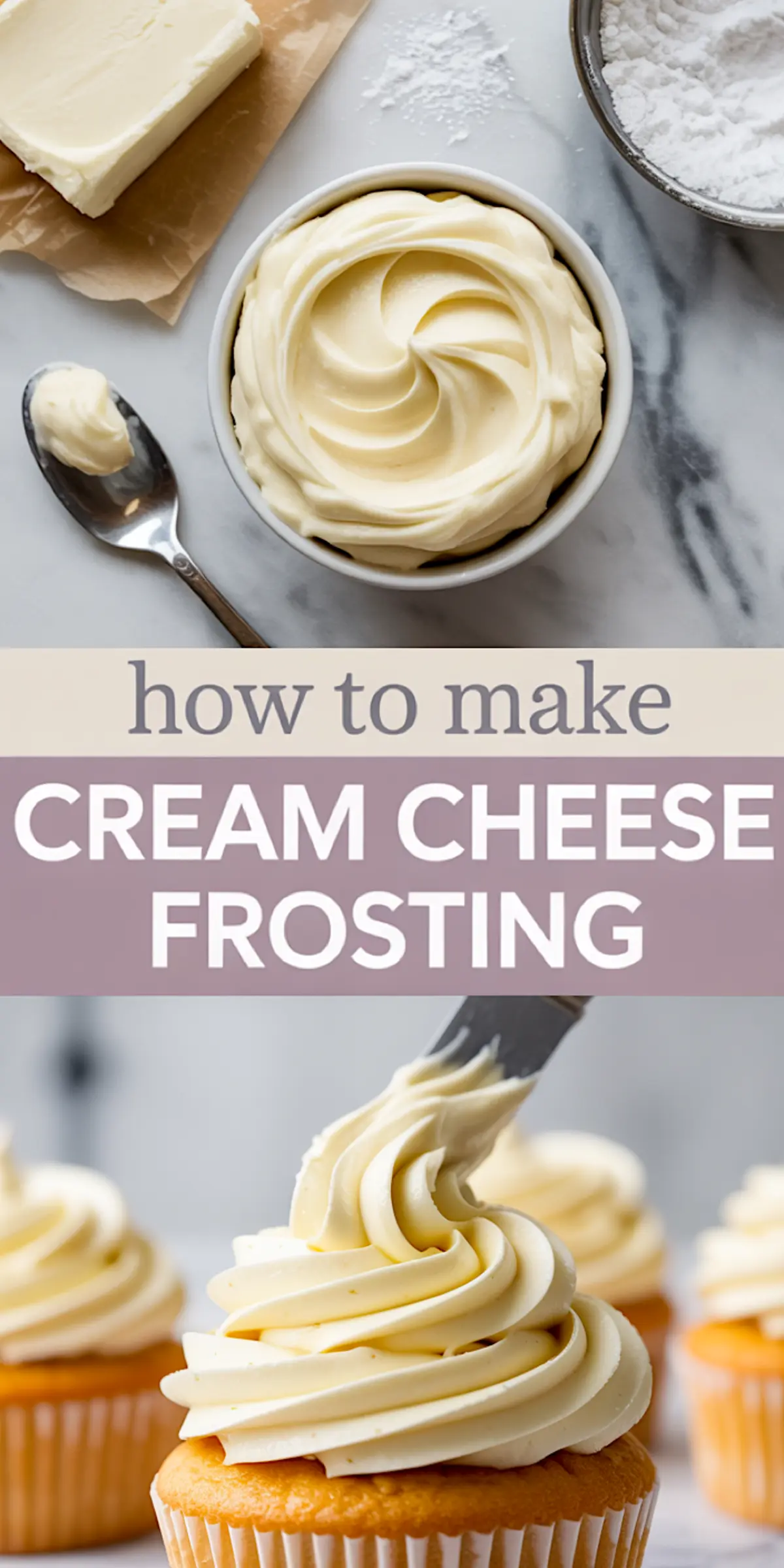
This cream cheese frosting is a thick, tangy frosting made with 1 cup of softened butter, one 8 oz block of full-fat cream cheese, 4 cups of sifted powdered sugar, vanilla, and a pinch of salt. It takes about 10 minutes of mixing once the butter and cream cheese have softened, and it frosts 24 cupcakes.
The trick is the order. Beat the butter alone until pale, add the cream cheese, then the sugar one cup at a time. Done that way it spreads smoothly, pipes a swirl that holds, and does not slump off the cake an hour later.
Following a special diet?
Every recipe on this site can be converted to gluten-free, vegan, dairy-free, keto, nut-free or egg-free with adjusted ratios so nothing falls flat.
Try the Recipe Converter →How Much Cream Cheese Frosting for Cupcakes, Layer Cakes and Sheet Cakes
One batch is enough for:
- 24 cupcakes spread with an offset spatula or topped with a modest piped swirl
- A 2 layer 8 or 9 inch cake with a filling layer and a thin, even coat on the top and sides
- A 9×13 sheet cake or a pan of bars with a generous layer on top
For tall bakery swirls on every cupcake, or a 3 layer cake, make 1½ batches. Carrot cake is the obvious match, and this is the amount I would make for my carrot cake recipe or a tray of carrot cake cupcakes.
Equal Butter and Cream Cheese: Why This Ratio Pipes
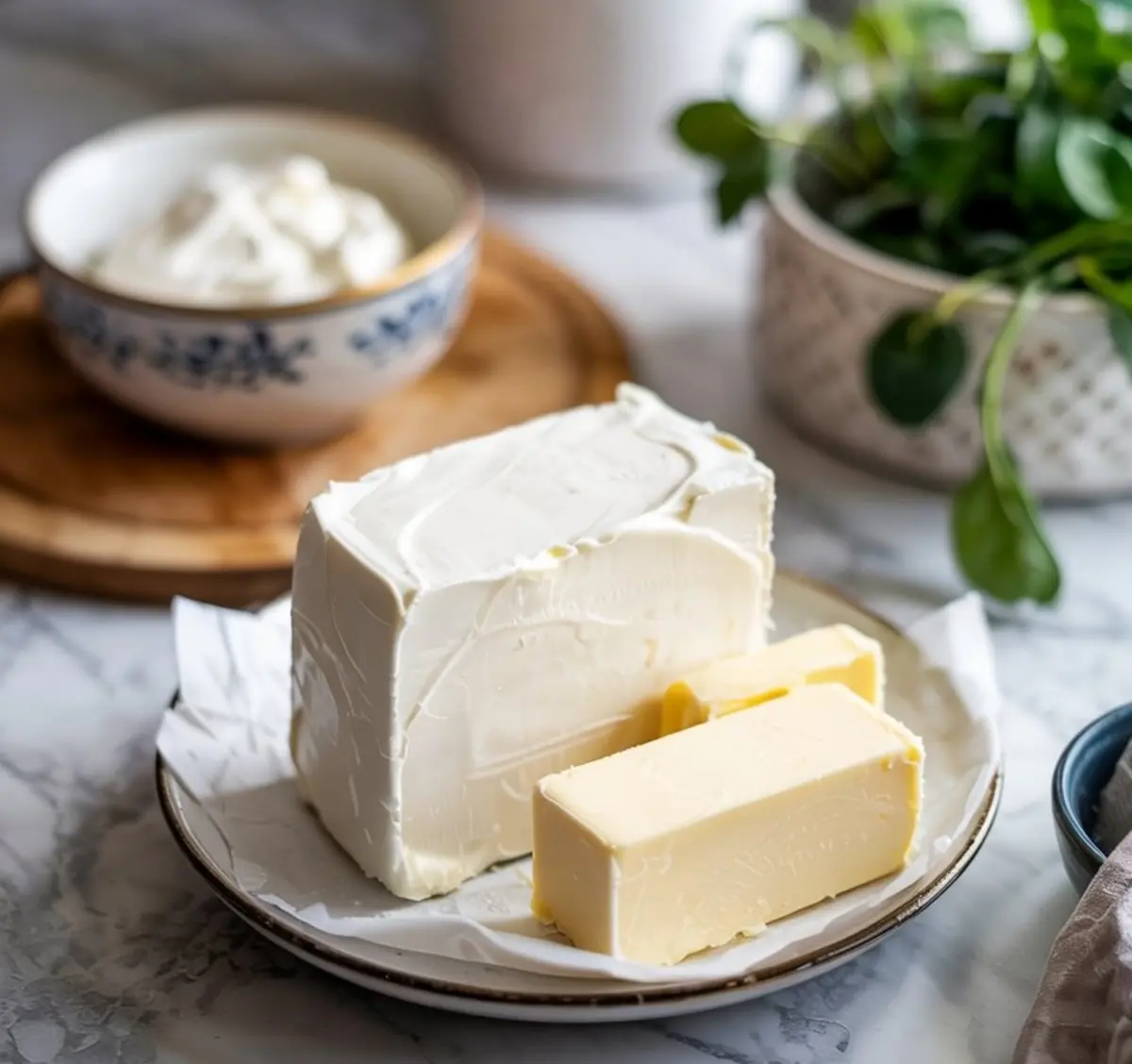
By weight this recipe is 226 g butter, 226 g cream cheese, and 480 g powdered sugar. Equal parts butter and cream cheese is what keeps it firm. Butter sets up as it cools, so the frosting holds a piped edge, while the cream cheese brings the tang. Recipes that use twice as much cream cheese as butter taste tangier but stay soft.
That softer style has its place. My cinnamon roll frosting uses 4 oz cream cheese, only 4 tablespoons of butter, and a splash of milk, because it is meant to melt into warm rolls. For layer cakes and cupcakes, stay with this one. If you need something even sturdier for stacked tiers, cream cheese buttercream is the next step up, and for a light, whipped topping there is Cool Whip cream cheese frosting.
Brick Cream Cheese vs Tub Cream Cheese
Use full-fat brick cream cheese, the kind sold in foil-wrapped 8 oz blocks. Spreadable tub cream cheese has more water and air whipped in. In my experience, frosting made with it starts to sag and weep within an hour or two, even when it looked fine in the bowl.
Low-fat blocks cause the same problem. If your frosting is going on a cake that will sit out at a party, the full-fat block is the one ingredient not worth swapping.
Lumps Start With Cold Cream Cheese
Take the butter and cream cheese out of the fridge at least 30 minutes ahead. Both should dent easily when you press them but should not look shiny or greasy. On a cold day, cut the butter into cubes and unwrap the cream cheese so they warm faster.
Temperature matters more for the cream cheese than for the butter. Cold cream cheese beaten into soft butter breaks into tiny curds, and those specks stay no matter how long you mix. If it happens, let the bowl sit on the counter for 10 minutes and beat again. Stubborn lumps can be pressed through a fine sieve. Do not microwave the frosting to fix it; the butter melts and the whole batch turns soupy.
How to Make Cream Cheese Frosting: Butter, Cheese, Then Sugar
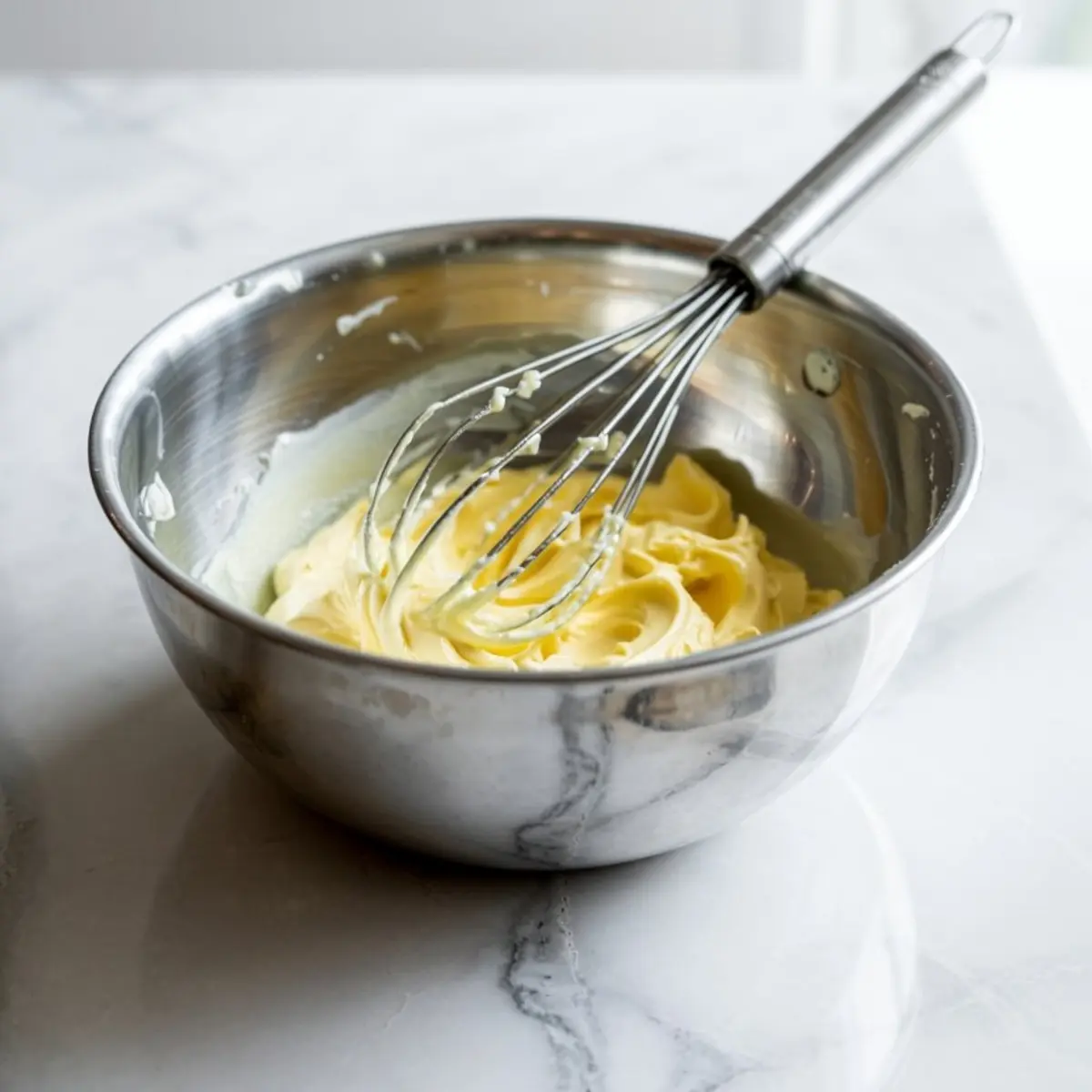
Beat the butter on medium-high for 2 to 3 minutes, until it turns noticeably paler and fluffy. Add the cream cheese and beat another 2 to 3 minutes, scraping the bowl once or twice, until there are no streaks. Then beat in 1½ teaspoons vanilla and ¼ teaspoon salt. The salt is small but it matters: I have compared batches with and without it, and without it the frosting tastes flat and only sweet.
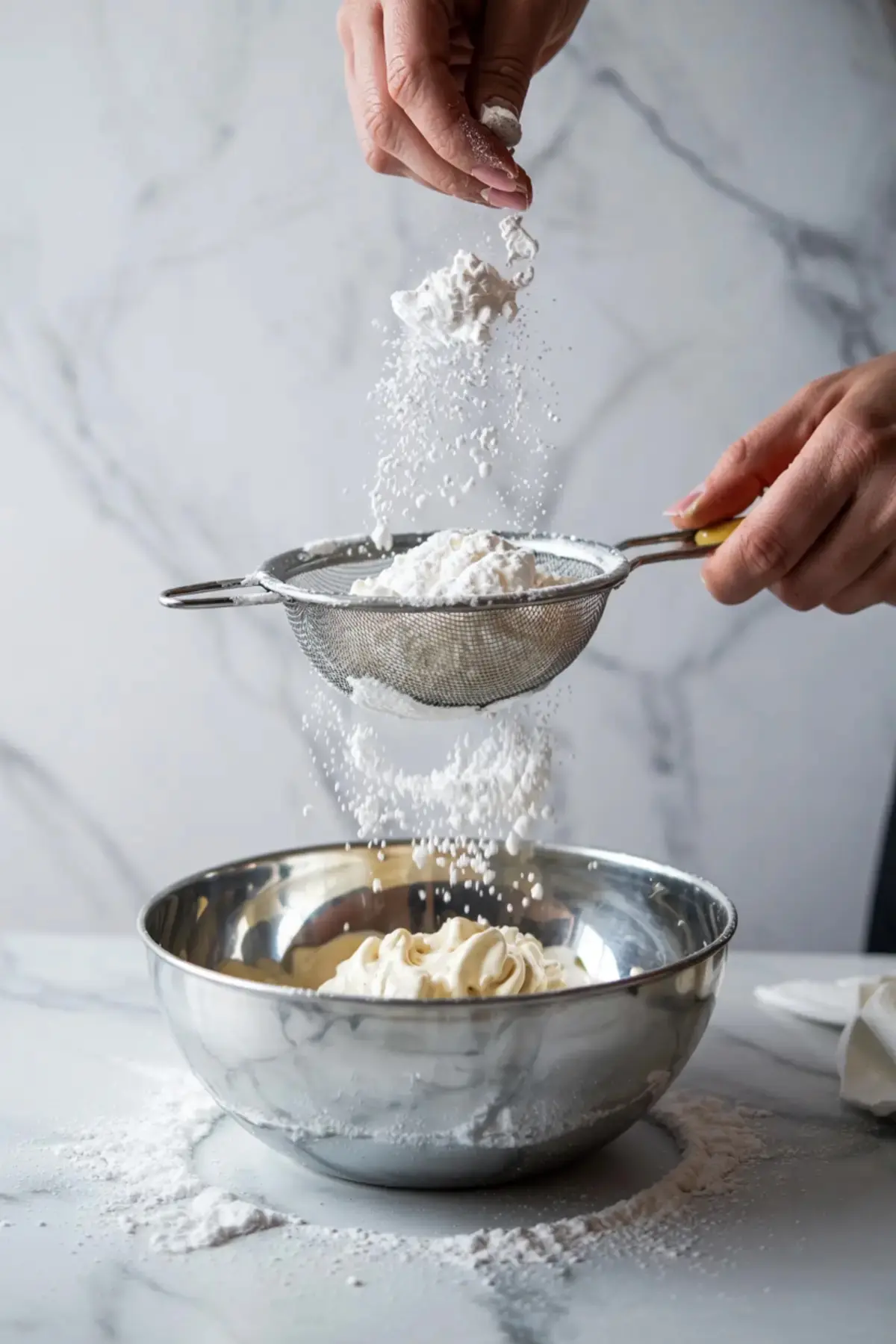
Sift the powdered sugar first, then turn the mixer to its lowest speed and add it one cup at a time. Once it is all in, go back to medium-high for 2 to 3 minutes. The frosting is ready when it looks smooth and holds a soft peak on the spatula.
Too stiff to spread? Beat in the optional tablespoon of heavy cream. Too soft to pipe? Add powdered sugar a tablespoon at a time, or chill the bowl for 10 to 15 minutes before filling the piping bag.
Soft or Runny Cream Cheese Frosting? Four Causes and Their Fixes
- Overbeating after the cream cheese goes in: stop at the times above. Long beating warms and thins it.
- A warm kitchen or warm hands on the piping bag: chill the frosting for 20 to 30 minutes, then beat for a few seconds to smooth it.
- Tub or low-fat cream cheese: there is no full fix. Chill it well and use it for spreading instead of piping.
- Cream added too early: add the optional heavy cream only at the end, and only if the frosting is truly stiff.
Piling in cups of extra powdered sugar is tempting, but it mostly makes the frosting sweeter. Chilling firms it up better.
Keeping Frosted Cakes and Leftover Frosting
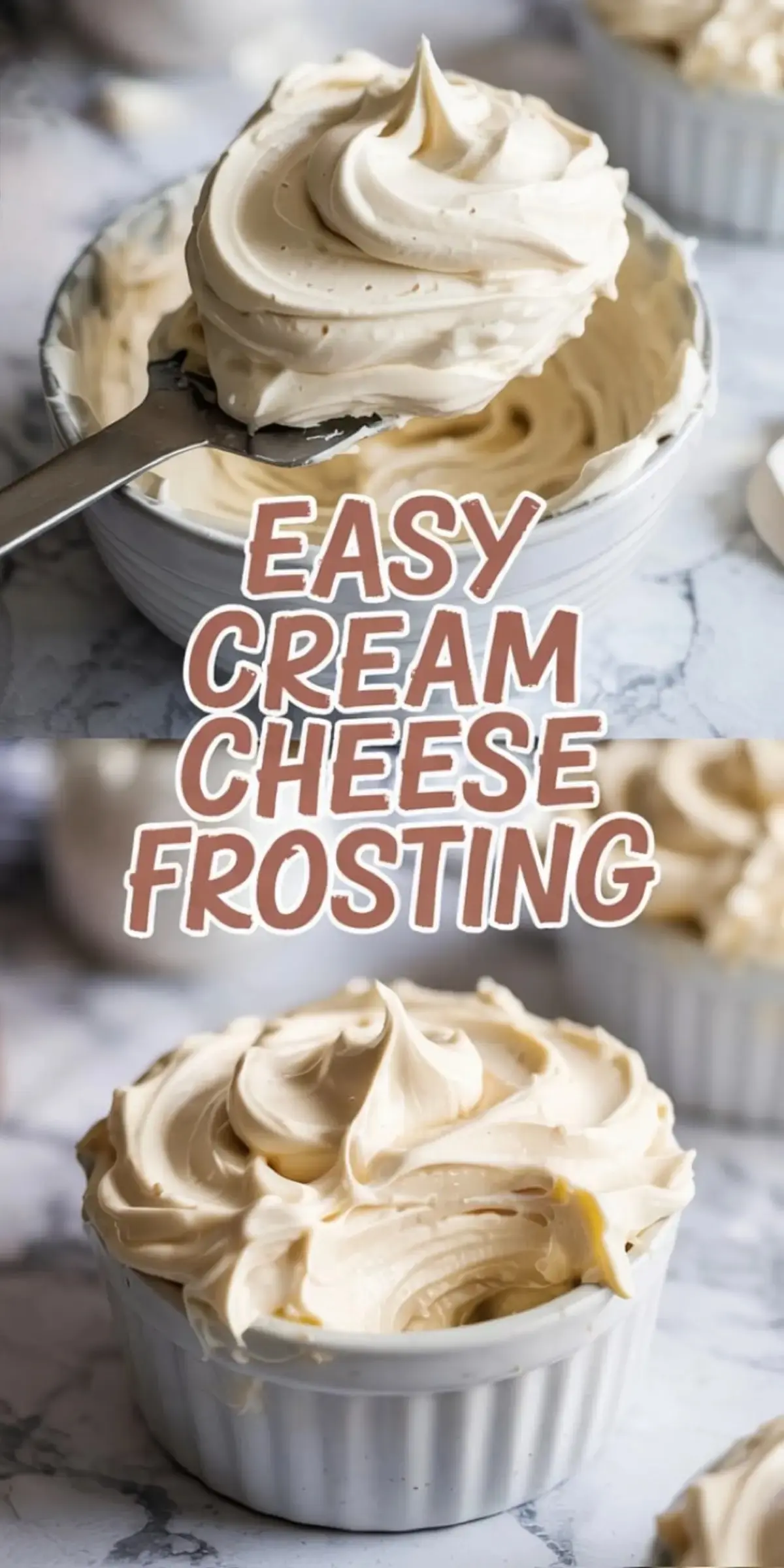
Cream cheese frosting can sit at room temperature for about 2 hours while you work or serve. After that, refrigerate the cake or cupcakes, loosely covered. Leftover frosting keeps in a sealed container in the fridge for up to 5 days.
It also freezes well for up to 3 months. Thaw it overnight in the fridge, let it soften on the counter, then beat it for a minute to bring back the smooth texture. Before serving a chilled cake, give it about 30 minutes at room temperature. Cold frosting tastes waxy and the tang gets lost.
Cakes and Cupcakes to Frost With It
The tang works best against spice and warm flavors: carrot cake, pumpkin, banana, and red velvet. Try it on red velvet cupcakes, a banana cake, or spread thick over carrot cake bars. It is also good on plain vanilla cupcakes when you want something less sweet than buttercream.
For a maple version for fall cakes, see my maple cream cheese frosting.
Cream Cheese Frosting Quick Answers
Is cream cheese icing the same as cream cheese frosting?
Yes. The names are used for the same thing. In the UK and Australia it is usually called cream cheese icing, and icing sugar is the same as powdered sugar.
Does cream cheese frosting need to be refrigerated?
Yes, after about 2 hours at room temperature. Keep a frosted cake in the fridge and let it stand 30 minutes before serving.
Can I make it with a hand mixer?
Yes. A hand mixer works fine for one batch. Keep the same beating times and scrape the bowl more often.
Can I use it on cookies?
Yes, spread it on soft cookies or sandwich two together. It stays soft, so the cookies should be kept in the fridge and should not be stacked.
Save this cream cheese frosting to your Pinterest baking board, and if you used it on a carrot cake or a batch of cupcakes, tell me in the comments how it held up.
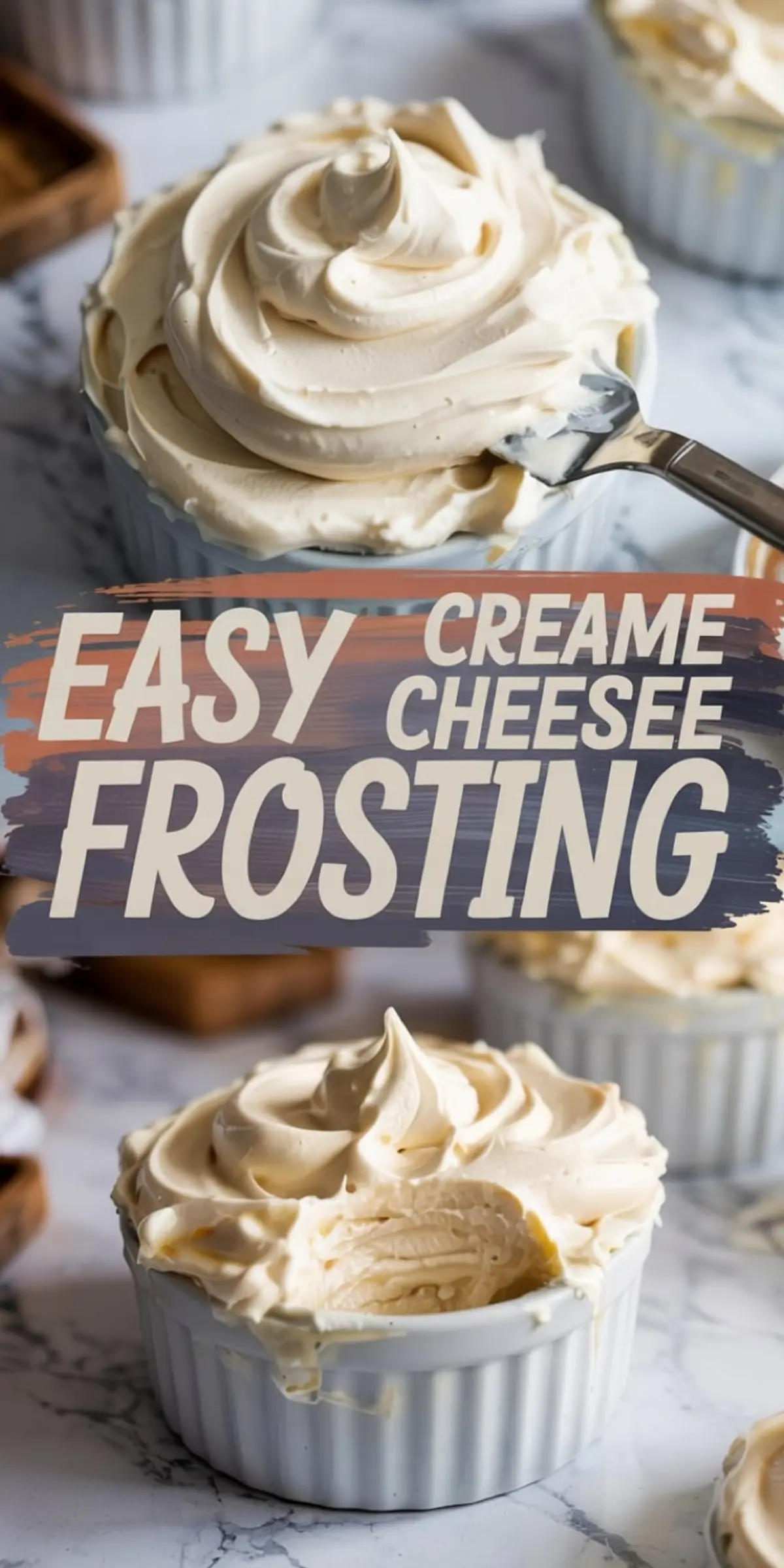
Easy Cream Cheese Frosting Recipe
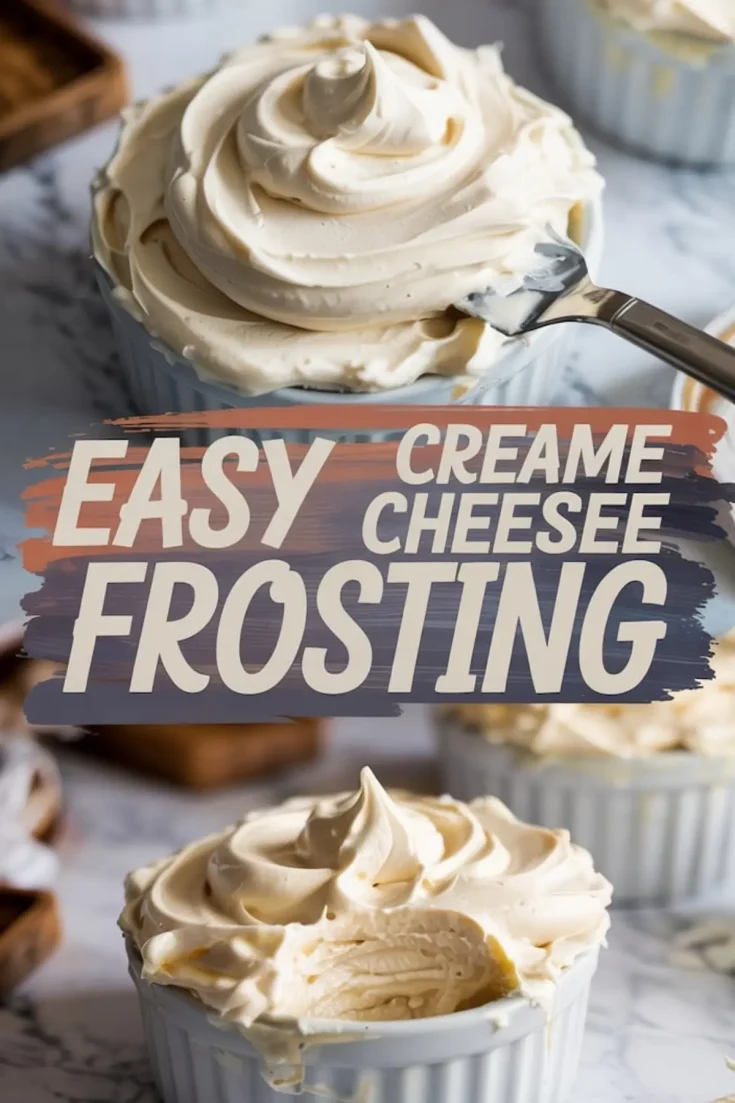
This easy cream cheese frosting is a thick, tangy frosting made with full-fat brick cream cheese, unsalted butter, sifted powdered sugar, vanilla, and a pinch of salt. It takes about 10 minutes of mixing and makes enough cream cheese icing for 24 cupcakes, a 2 layer 8 or 9 inch cake, or a 9x13 sheet cake. Equal weights of butter and cream cheese keep it firm enough to pipe, and beating the butter first, then the cream cheese, then the sugar one cup at a time keeps it smooth and lump free. Use it as a cream cheese frosting for cupcakes, carrot cake, red velvet, banana cake, pumpkin bars, or soft cookies. It keeps 5 days in the fridge and freezes for 3 months.
Ingredients
- 1 cup (226g) unsalted butter, softened
- 8 oz (226g) full-fat cream cheese, softened
- 4 cups (480g) powdered sugar, sifted
- 1 ½ teaspoons pure vanilla extract
- ¼ teaspoon salt
- 1 tablespoon heavy cream, optional (for fluffier consistency)
Instructions
- SOFTEN INGREDIENTS PROPERLY: Remove the butter and cream cheese from the refrigerator at least 30 minutes before starting. They should be soft to the touch but not greasy. Proper temperature helps ensure a smooth, lump-free frosting.
- BEAT THE BUTTER FIRST: Using a stand mixer or hand mixer, beat the butter on medium-high speed for 2 to 3 minutes until it looks pale and fluffy. This aerates the butter and builds the base for a light texture.
- ADD THE CREAM CHEESE: Add the softened cream cheese to the butter and beat for another 2 to 3 minutes until the mixture is fully blended and smooth. Scrape down the sides of the bowl to make sure everything is evenly mixed.
- ADD VANILLA AND SALT: Mix in the vanilla extract and salt until just combined. This enhances the flavor of the frosting.
- GRADUALLY ADD POWDERED SUGAR: Reduce the mixer speed to low and add the sifted powdered sugar one cup at a time. After all the sugar is added, increase the speed to medium-high and beat for 2 to 3 minutes until the frosting is smooth, fluffy, and stable.
- OPTIONAL: ADJUST CONSISTENCY: If the frosting feels too thick, add 1 tablespoon of heavy cream and beat again until smooth. If it’s too soft, add extra powdered sugar a tablespoon at a time until the desired texture is reached.
Notes
Use full-fat brick cream cheese, not whipped, tub, or low-fat versions, which make the frosting soft and runny. Soften the butter and cream cheese for at least 30 minutes so they are the same temperature; cold cream cheese forms small lumps. If the frosting is too soft to pipe, chill it for 10 to 15 minutes (up to 30 in a warm kitchen) rather than adding lots of extra sugar. Frosted cakes can sit out for about 2 hours, then refrigerate. Store leftover frosting in the fridge for up to 5 days or freeze for up to 3 months; thaw overnight in the fridge and beat briefly before using.
Nutrition Information
Yield
24Serving Size
1Amount Per Serving Calories 44Total Fat 4gSaturated Fat 2gTrans Fat 0gUnsaturated Fat 1gCholesterol 12mgSodium 56mgCarbohydrates 1gFiber 0gSugar 1gProtein 1g
