
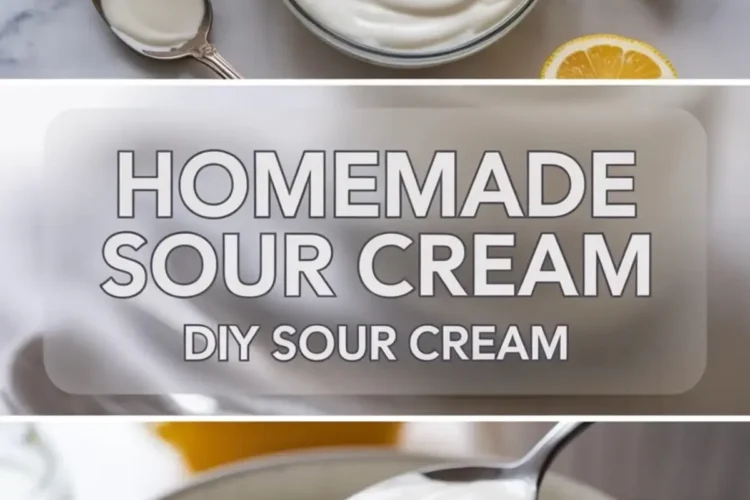
A good homemade sour cream recipe is more useful than it first sounds. It is one of those simple kitchen basics that can quietly improve all kinds of baking and cooking, from pancakes and muffins to taco toppings, creamy dips, and potato dishes. When the texture is right, homemade sour cream feels fresh, silky, and pleasantly tangy without the overly flat finish some store tubs can have after sitting in the fridge for a while.
This keyword set points in a few different directions, but homemade sour cream recipe is still the cleanest target for the actual dish. The recipe is not just about sour cream in general, and it is not a substitute-only angle. It is a practical cultured method that shows how to make sour cream at home with a short ingredient list and a realistic process.
Following a special diet?
Every recipe on this site can be converted to gluten-free, vegan, dairy-free, keto, nut-free or egg-free with adjusted ratios so nothing falls flat.
Try the Recipe Converter →Why Homemade Sour Cream Works So Well
The appeal is partly flavor and partly control. When you make sour cream yourself, you can taste the tang as it develops and stop once it reaches the balance you like. That gives the finished cream more personality than a generic tub, especially if you are using it in a recipe where the sour cream flavor matters and should not disappear into the background.
Texture is the other big reason. A successful batch thickens into something smooth and spoonable rather than thin or watery, which means it works well for both savory topping uses and baking applications. If you already use sour cream in breakfast bakes, sour cream pancakes are a good example of how that tangy richness can make a simple recipe feel fuller.
You Only Need A Few Ingredients
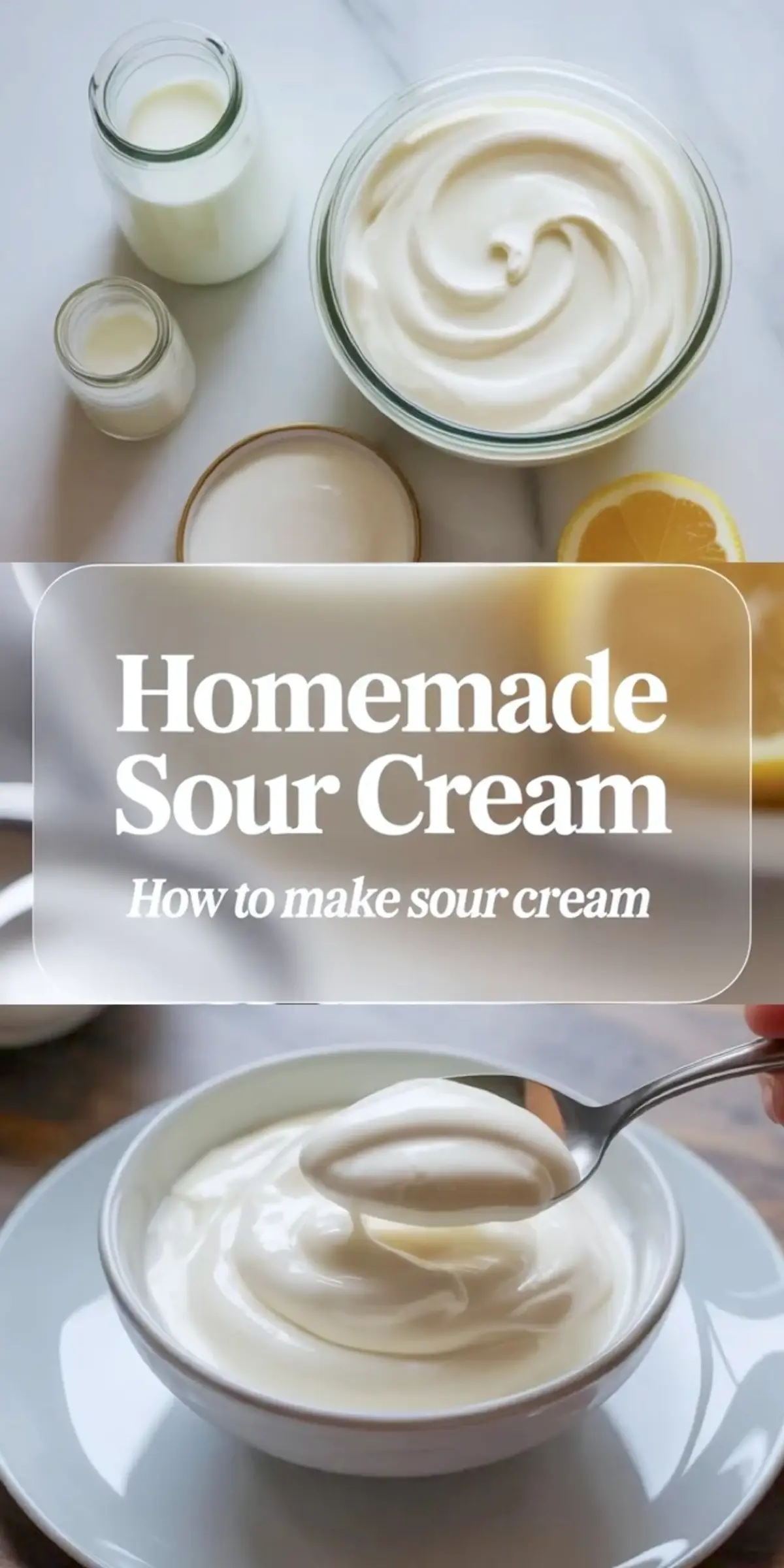
One reason this recipe is so approachable is that the ingredient list stays short. Heavy cream and cultured buttermilk do most of the work, because the cream supplies the richness while the buttermilk provides the live culture and tang. A little lemon juice can push the acidity slightly further, and some versions include a pinch of salt depending on how you plan to use the finished sour cream.
That simplicity is helpful because it makes the process feel practical rather than precious. You are not chasing a complicated fermentation project. You are creating a cultured dairy staple you can keep in the refrigerator and use throughout the week.
The Resting Step Does Most Of The Real Work
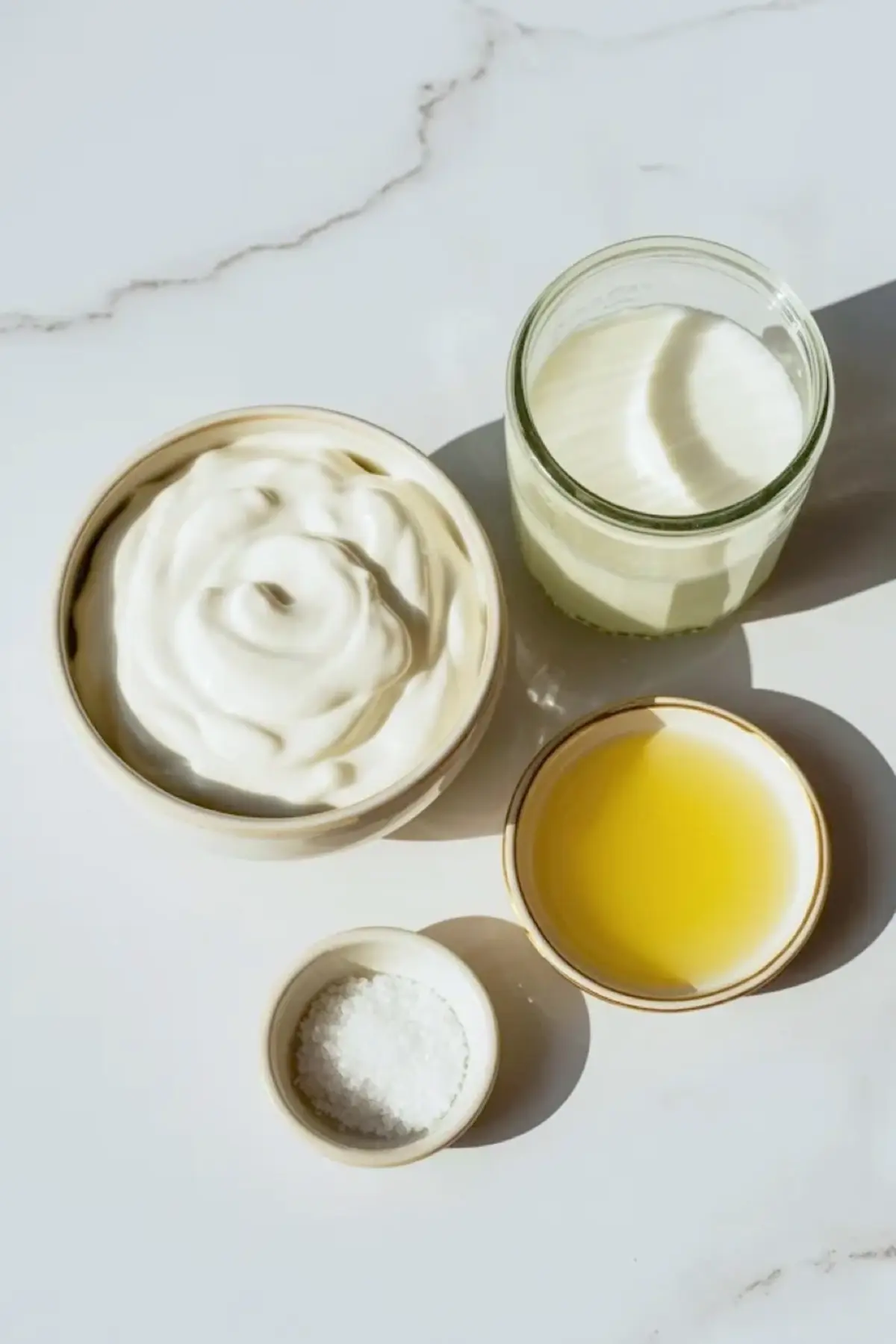
The actual hands on method is minimal. Stir the heavy cream and buttermilk together until smooth, then cover the mixture and let it rest at room temperature long enough for the culture to thicken the cream. That resting period is where the transformation happens. The mixture develops body, a slight tang, and the creamy consistency people expect from sour cream.
Because kitchen temperatures vary, the exact resting time can shift a little. Warmer rooms move faster, cooler rooms take longer. The goal is not to force a rigid clock but to watch for a texture that looks thicker and cultured before chilling. For another recipe where sour cream changes texture in a big way, sour cream blueberry muffins show how valuable that richness can be in baking.
How To Tell When The Texture Is Ready
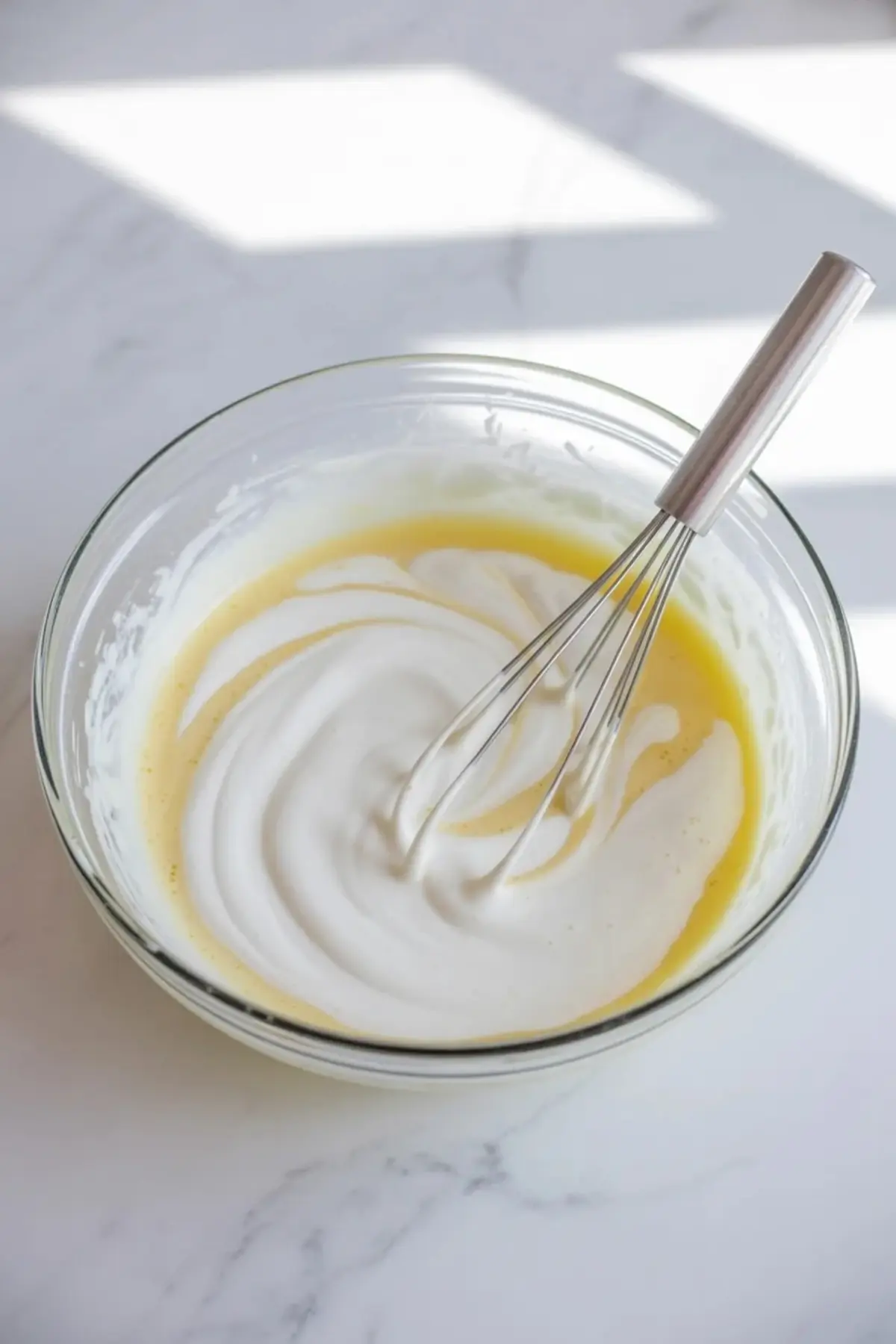
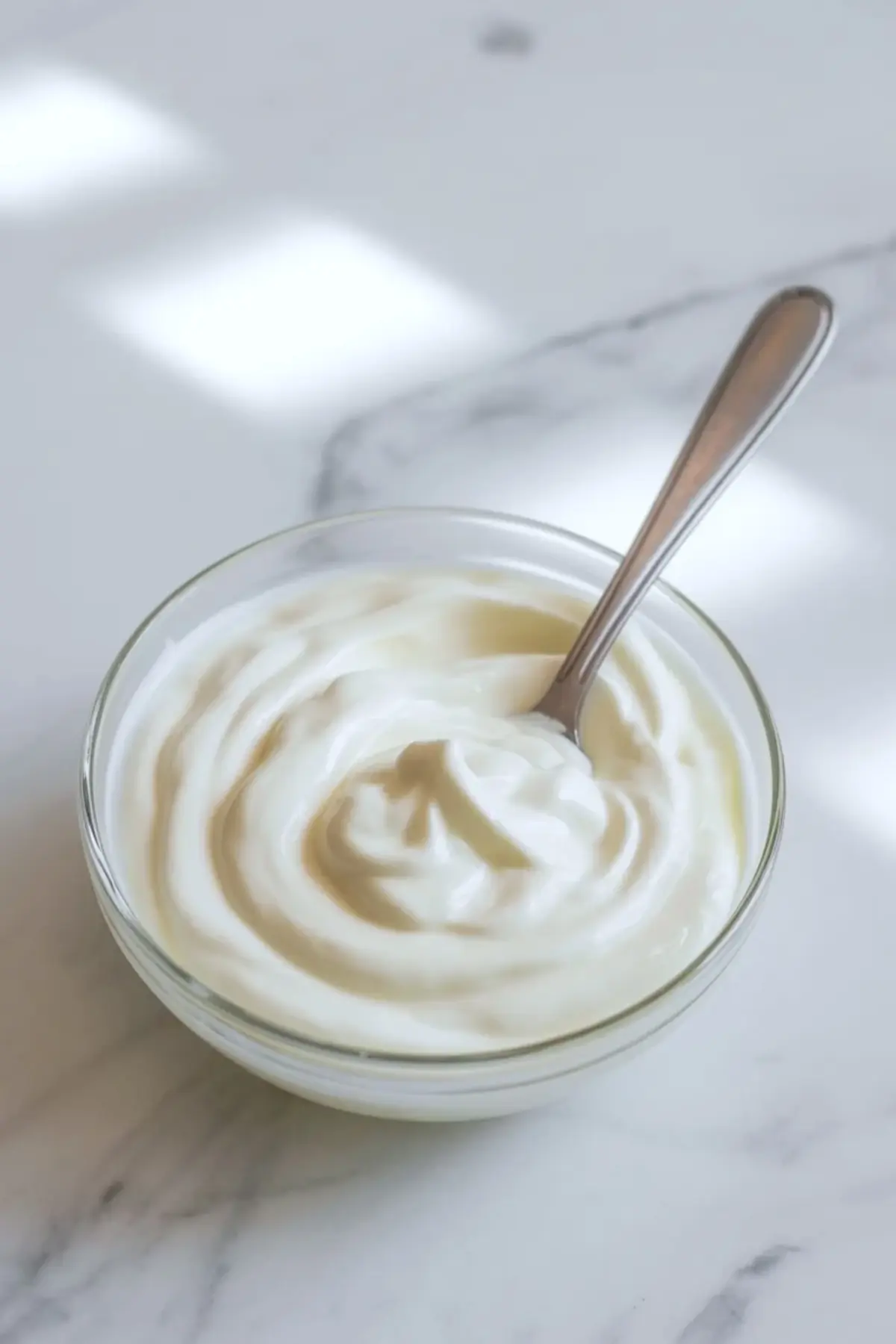
Before chilling, the mixture should already look thicker than plain cream and hold a gentle swirl when stirred. After chilling, it becomes even smoother and more substantial. You want a texture that looks creamy and spoonable, not runny, with a mild tangy aroma that signals the culture had enough time to work.
If the mixture still looks too loose after the first rest, it usually just needs more time rather than more ingredients. That is one of the easiest fixes in the whole process. Patience matters more than extra tinkering.
Best Ways To Use Homemade Sour Cream
Once chilled, the sour cream becomes a flexible staple. Use it for baked potatoes, tacos, chili, dips, dressings, cakes, and muffins, or stir it into sauces that need a creamy tang. It is especially useful when you have a recipe that depends on both richness and acidity, since homemade sour cream brings both in one ingredient.
It also helps reduce waste when you already have cream and buttermilk on hand. Instead of letting those ingredients sit, you turn them into something you can actually build multiple meals and desserts around.
Storage Tips And Why This Recipe Is Worth Saving
Store homemade sour cream in a clean airtight container in the refrigerator and give it a gentle stir before using if any separation appears. Keeping the container clean and cold helps the texture stay pleasant for longer, and using a dry spoon each time makes the batch last better. Because the recipe is so simple, it is easy to make a fresh batch again instead of stretching an old one too far.
Save this homemade sour cream recipe for the times you want a small kitchen project with a genuinely useful payoff. It is easy, low effort, and more versatile than it looks at first glance, which makes it the kind of staple recipe people return to once they realize how often they reach for sour cream.
Homemade Sour Cream Recipe
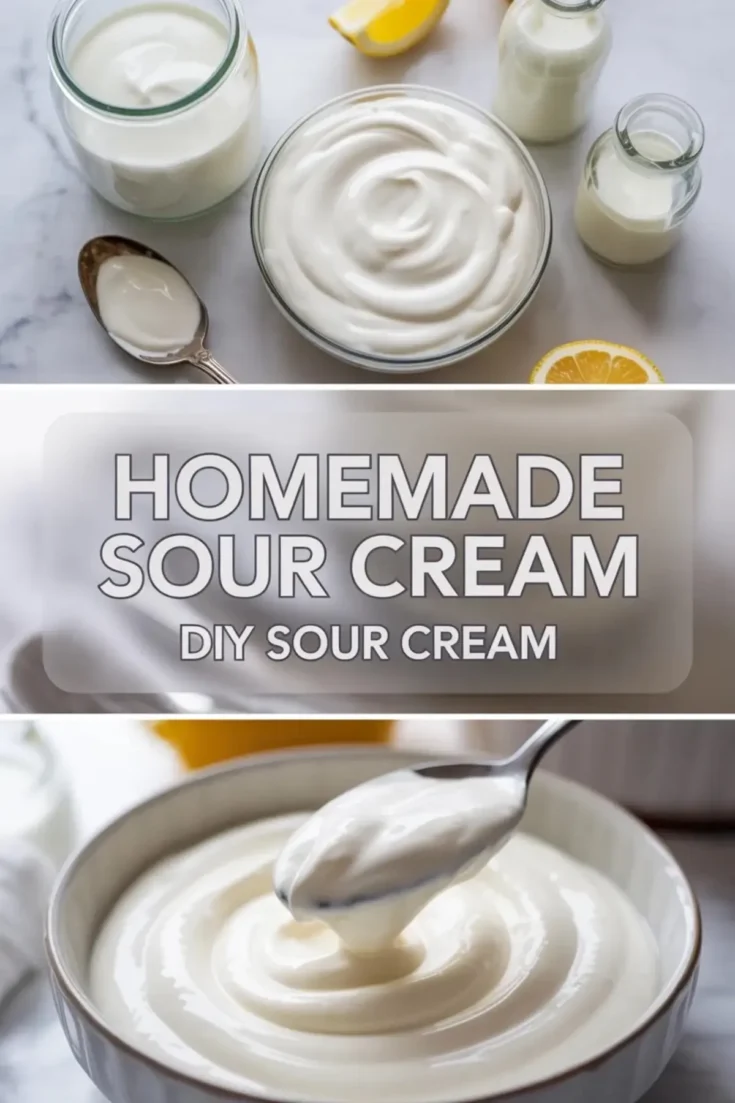
This homemade sour cream recipe shows how to turn heavy cream and buttermilk into a thick, tangy cultured sour cream with very little hands on work. The method is simple: stir the ingredients together, let the mixture rest at room temperature until it thickens, then chill until smooth and creamy. It is a useful recipe when you want fresh sour cream for baking, dips, tacos, potatoes, pancakes, and cakes, or when you want more control over the flavor and texture than a store tub gives you. If you want an easy homemade sour cream recipe that feels reliable, practical, and repeatable, this version gives you a clear method and a creamy finish that works across sweet and savory recipes.
Ingredients
- 2 cups heavy cream
- 1/4 cup buttermilk
- Optional Additions
- 1 teaspoon lemon juice for extra tang
- Pinch of salt for flavor
Instructions
MIX THE INGREDIENTS: Pour the heavy cream into a clean glass jar or medium bowl. Add the buttermilk and stir gently with a spoon or whisk until fully combined and smooth. Add the lemon juice at this stage if using for a stronger tangy flavor. Avoid overmixing to keep the texture creamy.
COVER AND REST: Cover the jar loosely with a lid or clean kitchen towel and leave it at room temperature for 12 to 24 hours. During this time, the cultures in the buttermilk naturally thicken the cream and create the classic tangy flavor. Warmer kitchens may thicken the mixture faster, while cooler kitchens may require the full resting time.
CHECK THE TEXTURE: Remove the cover and stir the sour cream gently. The mixture should look thick, creamy, and slightly firm with a mild tangy aroma. If the texture still appears thin, allow it to rest for a few more hours at room temperature until properly thickened.
CHILL BEFORE SERVING: Transfer the sour cream to the refrigerator and chill for at least 4 hours before serving. Chilling helps the texture become thicker, smoother, and creamier. Stir before using if needed.
Notes
Store homemade sour cream in an airtight container in the refrigerator for up to 2 weeks.
Use homemade sour cream in dips, soups, tacos, baked potatoes, cakes, cheesecakes, and frosting recipes.
For the best texture, use full-fat heavy cream and cultured buttermilk.
Nutrition Information
Yield
2Serving Size
1Amount Per Serving Calories 884Total Fat 92gSaturated Fat 58gUnsaturated Fat 34gCholesterol 281mgSodium 128mgCarbohydrates 9gSugar 9gProtein 8g
