
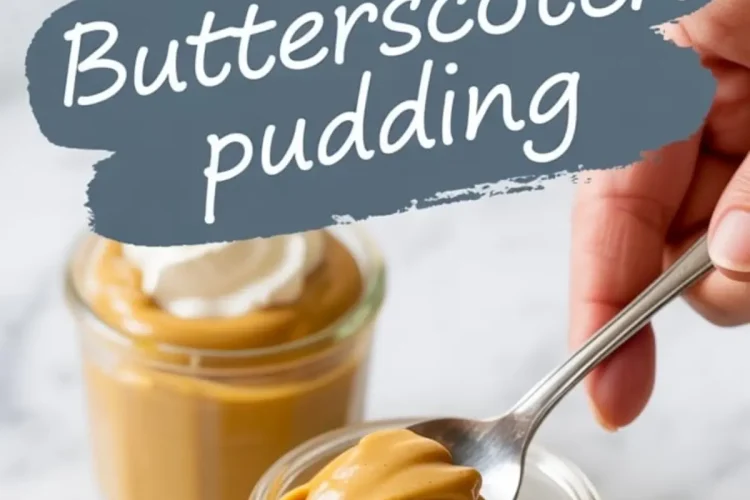
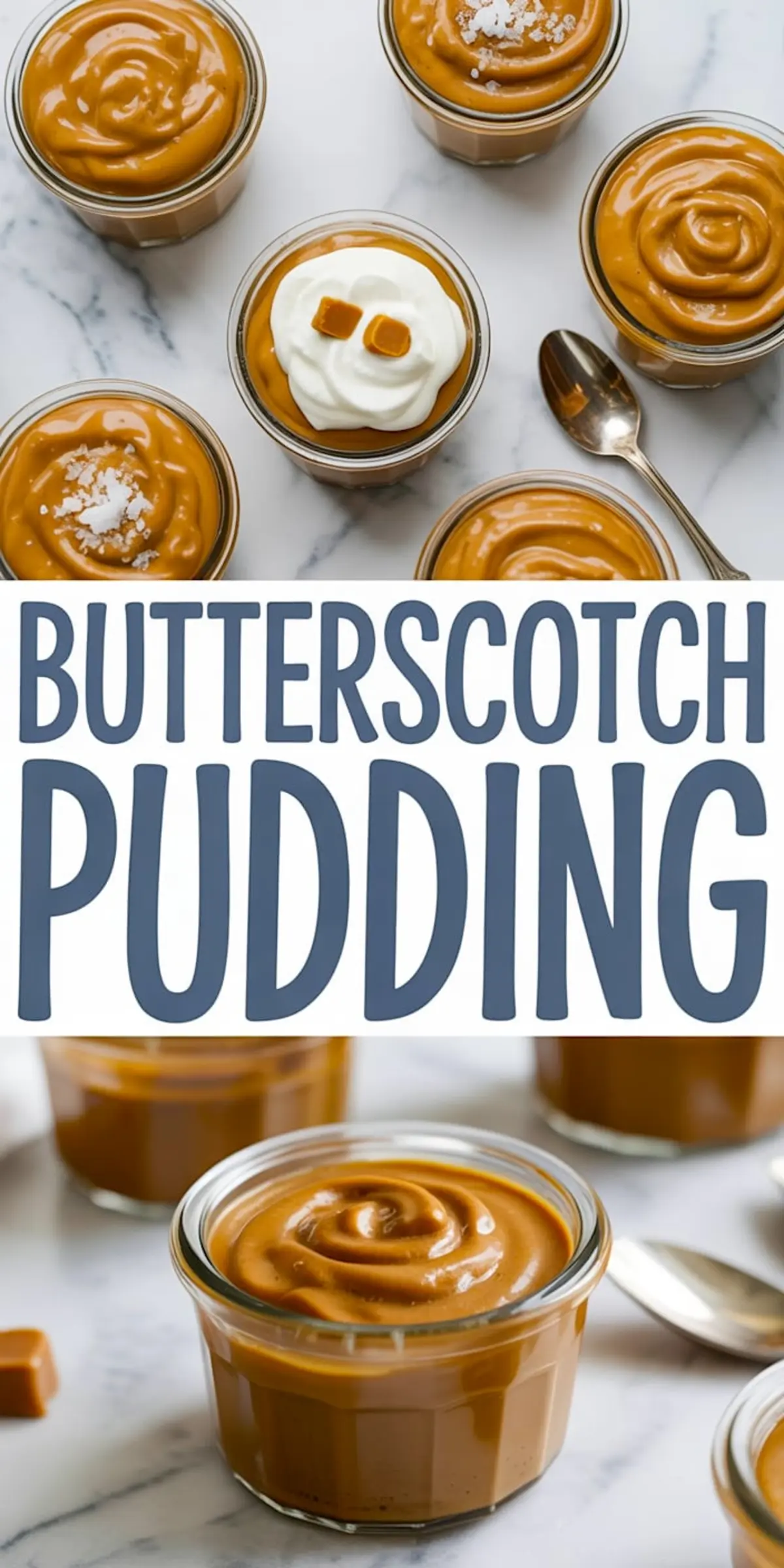
This homemade butterscotch pudding is a stovetop custard made with butter, dark brown sugar, whole milk, heavy cream, egg yolks and a little cornstarch. It takes about 25 minutes at the stove, fills 6 small jars or ramekins and needs 2 hours in the fridge to set.
The flavor comes from the first two minutes. Butter and dark brown sugar bubble together in the pan until they smell toasty, and that base is what makes it taste like butterscotch and not like plain vanilla pudding with brown sugar in it.
Following a special diet?
Every recipe on this site can be converted to gluten-free, vegan, dairy-free, keto, nut-free or egg-free with adjusted ratios so nothing falls flat.
Try the Recipe Converter →One Pan of Butterscotch, in Numbers
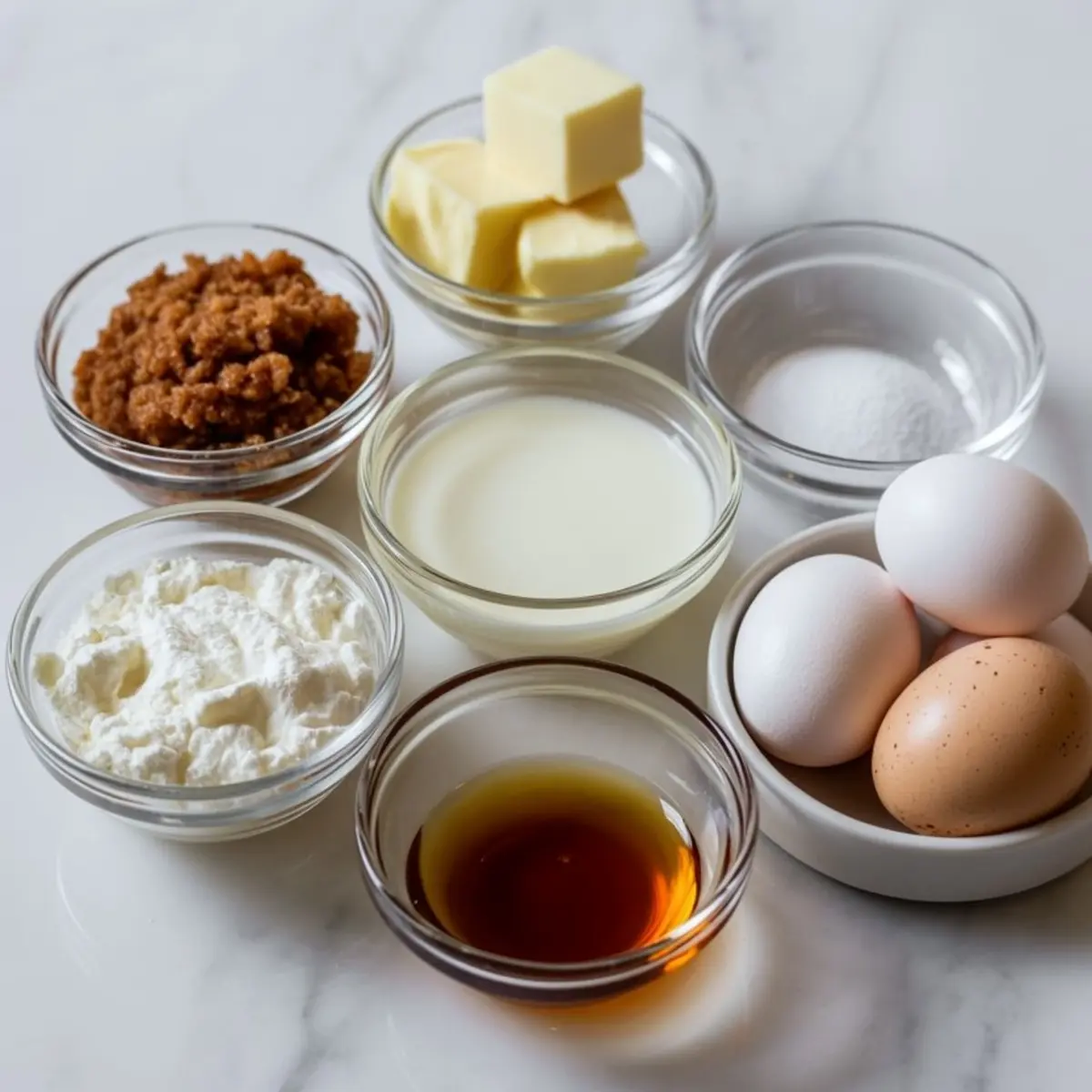
- Base: 4 tablespoons butter, 1 cup dark brown sugar, ½ teaspoon kosher salt
- Dairy: 2 cups whole milk and 1 cup heavy cream
- Thickener: 4 egg yolks and 3 tablespoons cornstarch for those 3 cups of dairy
- Finish: 1½ teaspoons vanilla, stirred in off the heat
- Time: 10 minutes prep, about 15 minutes cooking, 2 hours chilling
- Makes: 6 servings
Butter and Brown Sugar First
Melt the butter in a medium saucepan over medium heat, then add the brown sugar and salt. Stir for about 2 minutes, until the sugar has dissolved and the mixture bubbles and looks glossy. Watch the smell more than the clock. When it shifts from sweet to rounder and slightly toasty, the base is ready.
Use a heavy pan if you have one. Brown sugar catches on thin pans, and a few scorched spots make the whole pudding bitter.
Warm the Dairy, Then Temper the Yolks
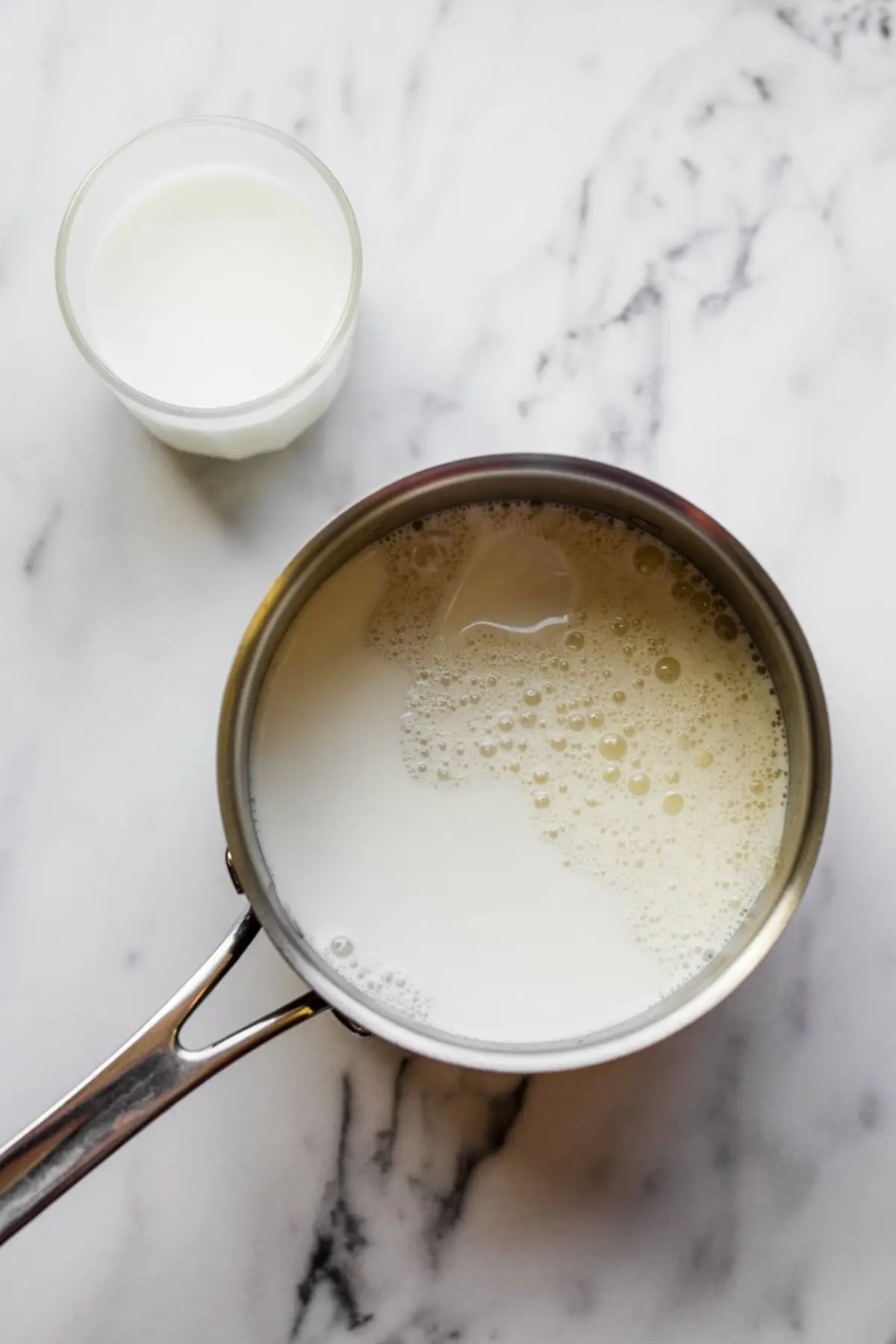
In a second pan or in the microwave, heat the milk and cream until warm but not boiling. Warm dairy blends into the yolks smoothly; boiling dairy cooks them on contact.
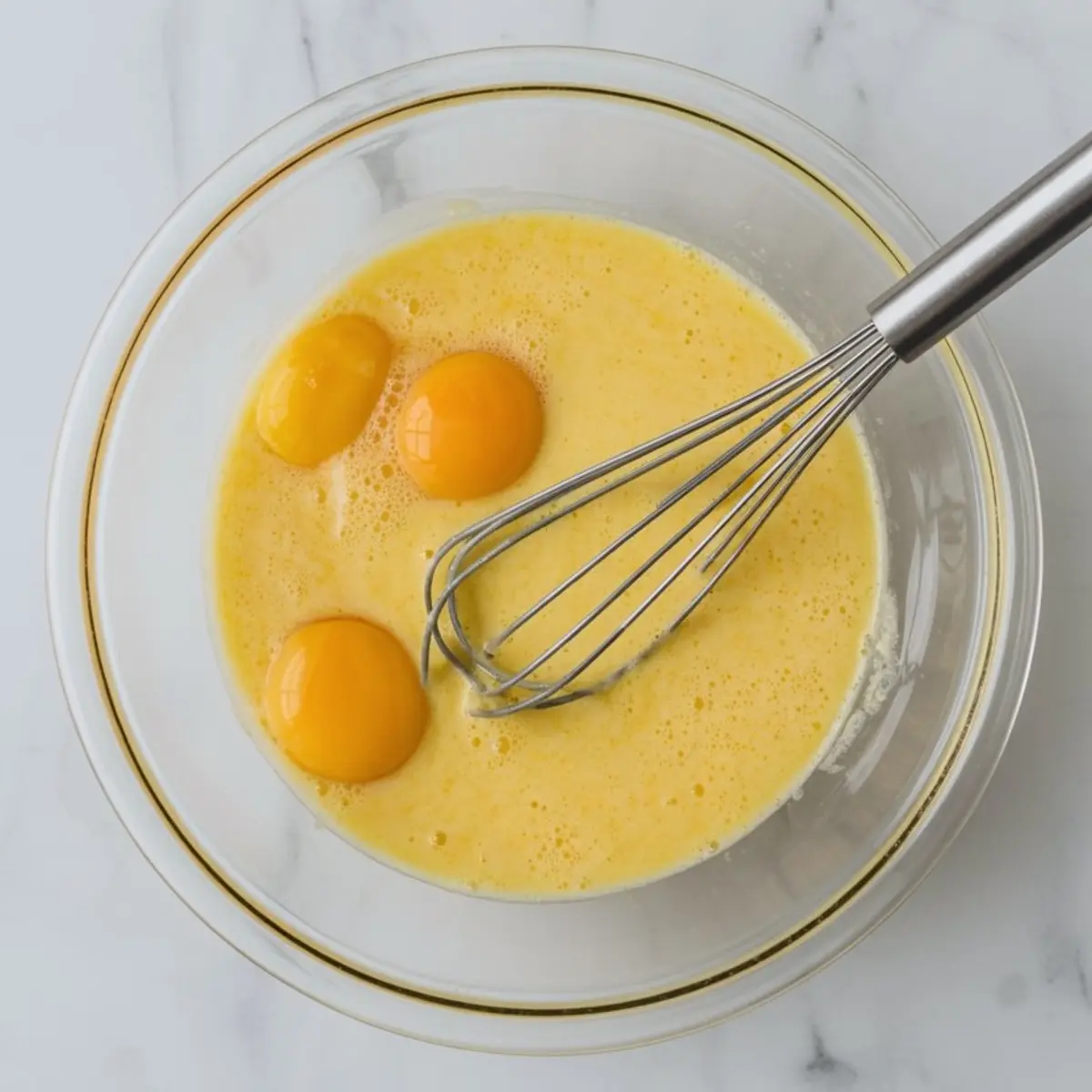
In a bowl, whisk the 4 yolks with the cornstarch until smooth, with no dry streaks. Now add the warm dairy a ladle at a time, whisking the whole time. Once about half of it is in, the yolks are warm enough that the rest can go in faster. This is tempering, and going slowly here is what keeps you from getting sweet scrambled eggs.
I have tried this with only milk in a pinch. The pudding comes out thinner and paler and sets with less body, so keep the cup of cream.
Cooking It Until It Is Really Thick
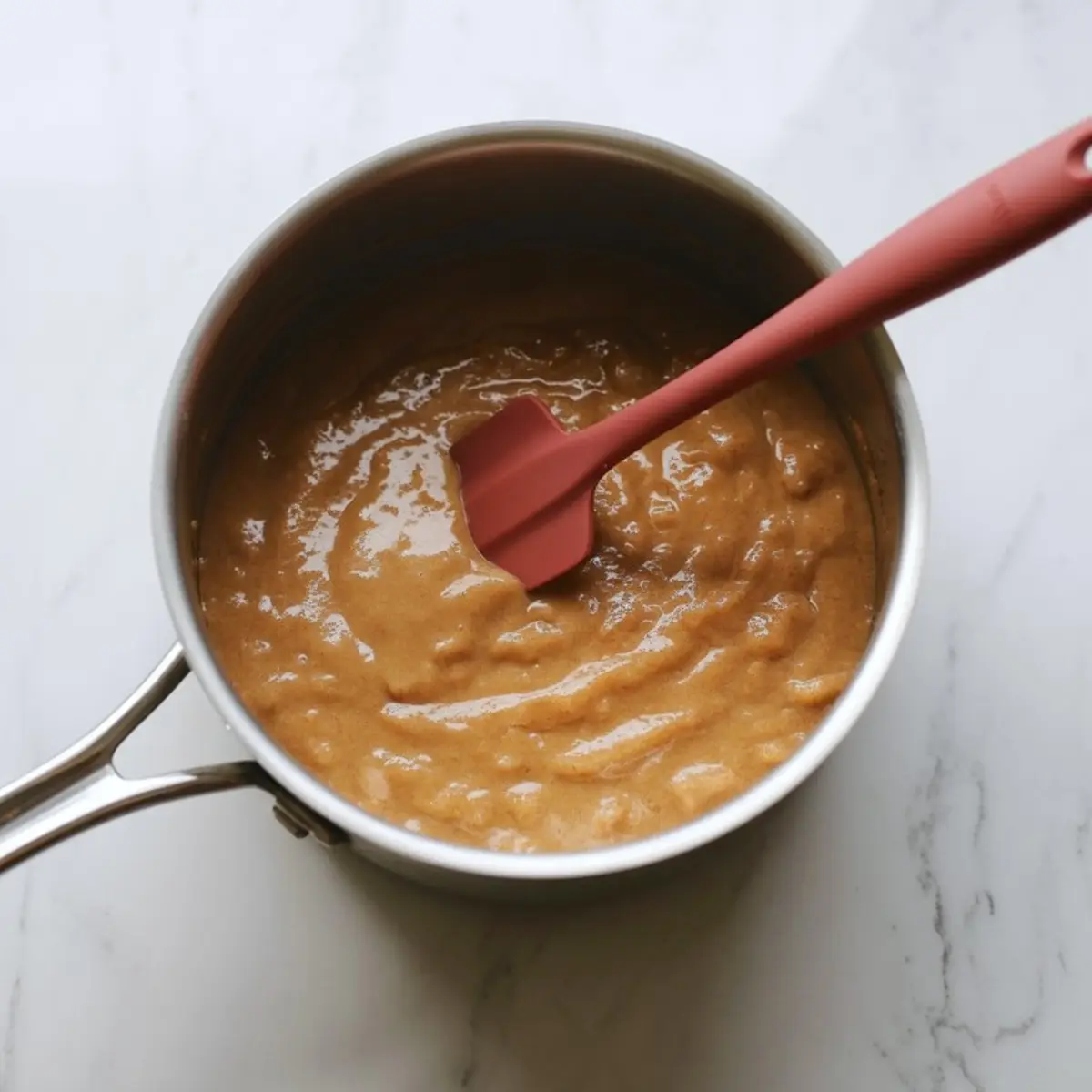
Pour the yolk mixture slowly into the pan of bubbling brown sugar, whisking constantly. Do not panic if some of the sugar seizes into sticky clumps when the cooler liquid hits it. Keep whisking over medium heat and scrape the corners of the pan; the clumps melt back as the pudding heats.
Cook for 5 to 8 minutes, whisking without stopping, until the pudding is thick and smooth. Then wait for a few slow, thick bubbles to break the surface and whisk for 1 more minute. That last minute matters. Egg yolk and cornstarch puddings that come off the heat too early look thick in the pan and then turn thin in the fridge.
Take the pan off the heat and stir in the vanilla. If you see any lumps, push the pudding through a fine sieve into a clean bowl. It takes a minute and gives the smoothest result.
Dark or Light Brown Sugar?
I have made this pudding with both. Dark brown sugar has more molasses, and the pudding tastes stronger and deeper, close to a thick butterscotch sauce. Light brown sugar gives a softer caramel note, which suits children or anyone who finds molasses bitter. The amount stays the same, 1 cup either way. That same dark sugar warmth is in my butterscotch toffee crunch cookies, if you want it in a crisp cookie.
Is It Butterscotch Pudding or Butterscotch Custard?
Both names fit. This is a stovetop custard: the 4 egg yolks give it a rich, silky body and the cornstarch makes it firm enough to hold its shape on a spoon. It is not baked, so it needs no water bath, and it is softer than a baked egg custard pie.
Butterscotch and caramel are not the same thing either. Butterscotch is brown sugar cooked briefly with butter. Caramel starts with white sugar cooked until it turns amber, as in this caramel sauce. Butterscotch tastes more of molasses and butter, caramel more of toasted sugar.
Chilling and Making It Ahead
Pour the warm pudding into 6 ramekins or jars and press plastic wrap right onto the surface of each one. Without it, a rubbery skin forms as the pudding cools. Chill for at least 2 hours. Warm, it is soft and loose; cold, it sets and the sweetness tastes more balanced.
Make it the night before if that suits you. Covered, it keeps in the fridge for up to 3 days, and jars with lids are the easiest way to store it.
Butterscotch Desserts to Build on It
- Pie: chill the pudding in a blind-baked crust for a soft butterscotch pie.
- Raspberries: a few fresh raspberries on top cut the sweetness with something sharp.
- Layered jars: alternate the pudding with crushed cookies and toffee bits, or spoon in a little date caramel between layers.
- Plated dessert: serve it next to a thin slice of butterscotch crunch cake for soft against crunchy.
- Simple: unsweetened whipped cream and a pinch of flaky salt. The base already has a cup of sugar, so the cream does not need more.
For a warm butterscotch dessert in the same spirit, try sticky toffee pudding, or for a bake sale, butterscotch marshmallow squares.
If the Pudding Goes Wrong
- Thin after chilling: it came off the heat before it bubbled. Next time, whisk for 1 full minute after the first slow bubbles.
- Small lumps: the yolks set in spots or the sugar clumped. Push it through a fine sieve while warm.
- Grainy or curdled: the dairy went into the yolks too fast or too hot. Strain it; if it is badly curdled, start the yolk step again.
- Bitter, dark flecks: the sugar scorched on the bottom. Use a heavier pan and lower the heat slightly.
- Skin on top: the plastic wrap was not touching the surface. Stir the skin in or lift it off.
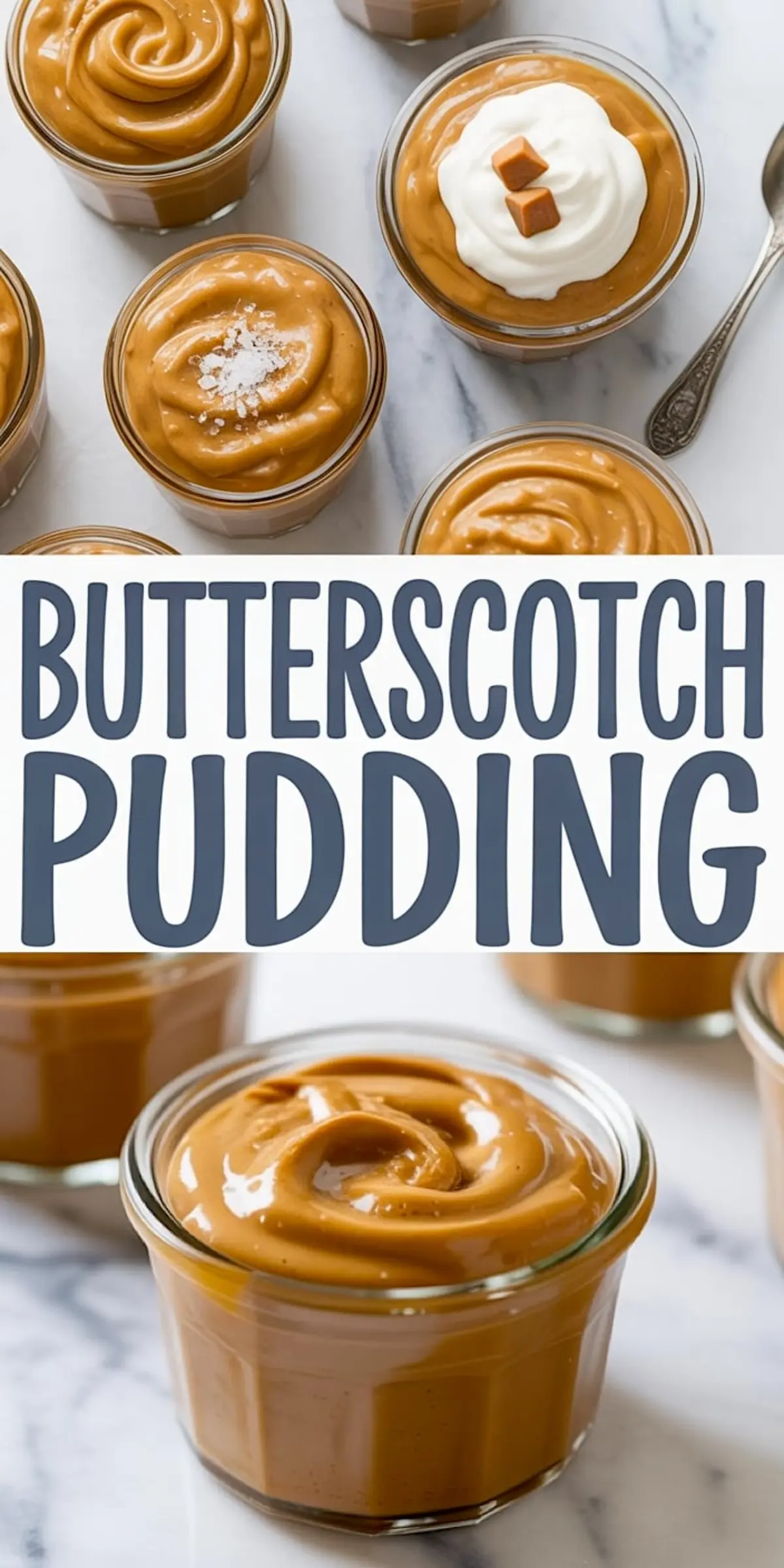
Pin this butterscotch pudding to your fall dessert or pudding board. If you make it, tell me in the comments whether you used dark or light brown sugar and what you put on top.
Butterscotch Pudding Recipe
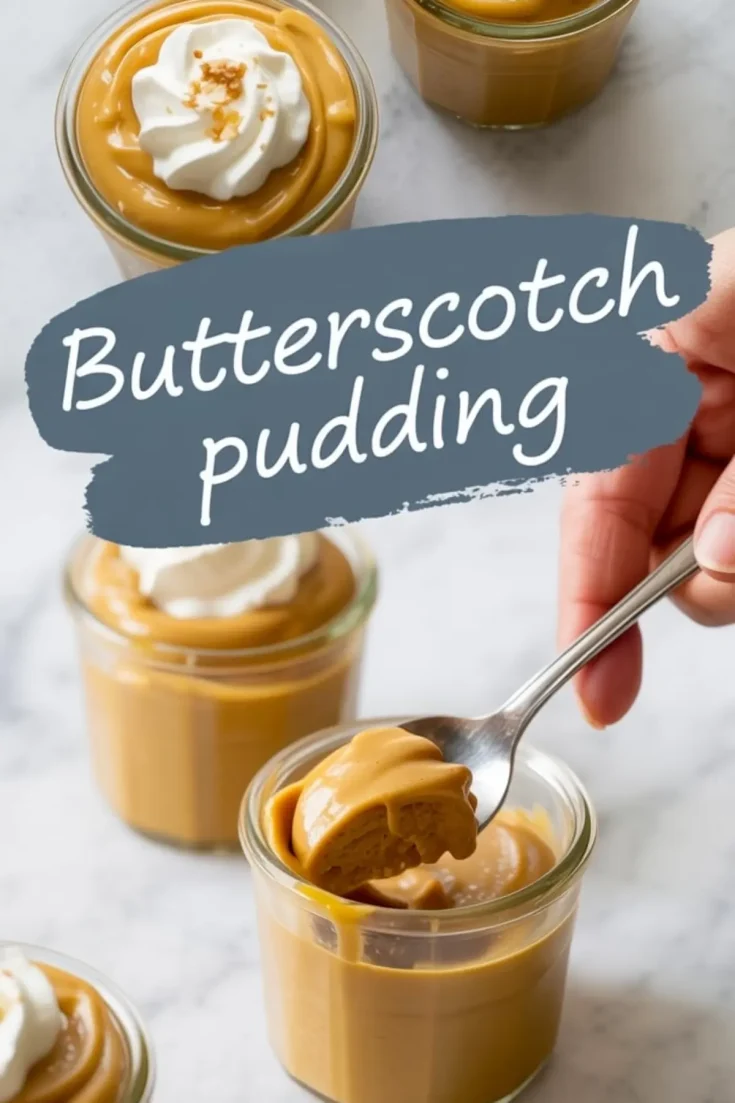
This homemade butterscotch pudding is a stovetop custard made with butter, dark brown sugar, whole milk, heavy cream, egg yolks, cornstarch and vanilla. It takes about 25 minutes at the stove, makes 6 servings and chills for 2 hours into a thick, silky, deep caramel-colored pudding. The butter and brown sugar bubble together first, which gives the real butterscotch flavor, and the yolks are tempered with warm milk so the custard stays smooth. Serve this butterscotch pudding recipe in jars with whipped cream, flaky sea salt or fresh raspberries, use it as butterscotch pie filling, or layer it with crushed cookies and toffee for a fall dessert. Light brown sugar gives a milder taste, and it keeps 3 days in the fridge.
Ingredients
- 4 tablespoons (1/2 stick) unsalted butter
- 1 cup dark brown sugar
- 1/2 teaspoon kosher salt
- 2 cups whole milk
- 1 cup heavy cream
- 3 tablespoons cornstarch
- 4 large egg yolks
- 1 1/2 teaspoons pure vanilla extract
- Optional toppings: whipped cream, flaky sea salt, crushed toffee bits
Instructions
- MELT THE BUTTER AND BROWN SUGAR: In a medium saucepan over medium heat, melt the butter. Add the brown sugar and salt, and stir until the sugar is dissolved and the mixture is bubbling, about 2 minutes. The mixture should look glossy and smell rich.
- WARM THE MILK AND CREAM: In a separate saucepan or in the microwave, gently heat the milk and heavy cream until just warm but not boiling. This helps the ingredients blend smoothly in the next steps.
- MAKE THE SLURRY: In a medium bowl, whisk together the egg yolks and cornstarch until smooth and fully combined. Slowly whisk in the warm milk mixture, a little at a time, to temper the yolks. Go slowly to avoid curdling.
- COMBINE AND COOK: While whisking constantly, slowly pour the tempered egg mixture into the saucepan with the brown sugar mixture. Continue to cook over medium heat, whisking constantly, until the pudding thickens to a smooth, creamy consistency, about 5 to 8 minutes. Do not stop whisking to prevent clumping.
- FINISH WITH VANILLA: Once the pudding has thickened, remove the saucepan from the heat and stir in the vanilla extract. If any lumps remain, strain the pudding through a fine-mesh sieve into a clean bowl for an extra-smooth texture.
- CHILL AND SERVE: Pour the pudding into individual ramekins or jars. Press plastic wrap directly onto the surface of each to prevent a skin from forming. Chill in the refrigerator for at least 2 hours before serving. Top with whipped cream and a sprinkle of flaky sea salt, if desired.
Notes
Dark brown sugar adds a deeper molasses flavor, but light brown sugar can be used for a milder taste. Add the warm milk to the yolks a little at a time; once half is in, the rest can go in faster. If the brown sugar clumps when the egg mixture goes in, keep whisking over medium heat and it will melt back. Cook until a few slow bubbles break the surface and whisk 1 more minute, or the pudding thins out in the fridge. Strain through a fine sieve if any lumps remain. Press plastic wrap directly onto the surface to stop a skin from forming. Store covered in the refrigerator for up to 3 days and serve well chilled.
Nutrition Information
Yield
6Serving Size
1Amount Per Serving Calories 460Total Fat 30gSaturated Fat 17gTrans Fat 1gUnsaturated Fat 10gCholesterol 231mgSodium 369mgCarbohydrates 41gFiber 0gSugar 37gProtein 9g
