
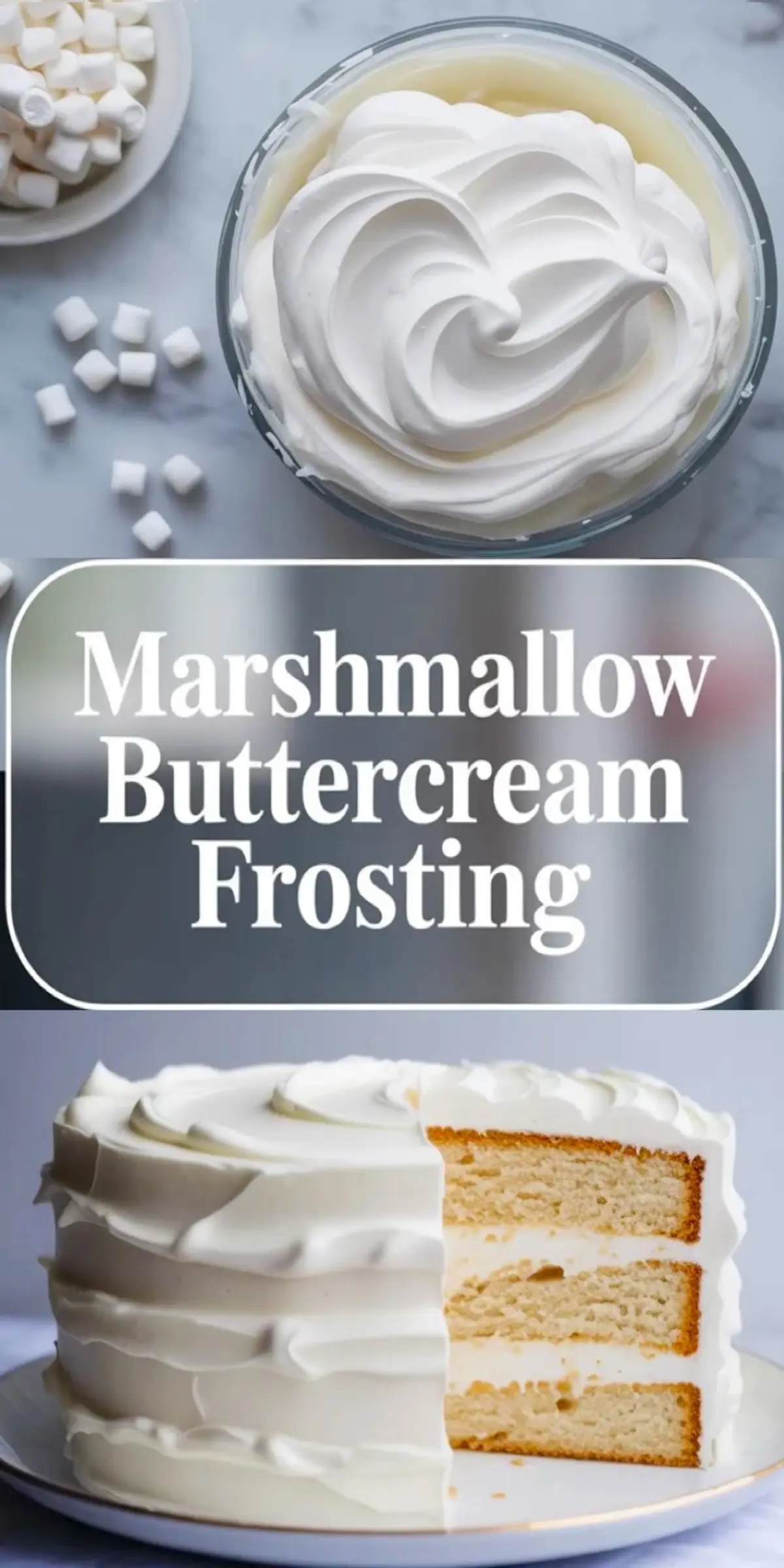
This marshmallow buttercream frosting recipe shows how to make marshmallow buttercream frosting with butter, marshmallow creme, powdered sugar, and vanilla to create a fluffy marshmallow buttercream with smooth structure and light sweetness. This buttercream marshmallow frosting spreads easily, pipes neatly, and belongs in every baker’s list of marshmallow frosting recipes, easy marshmallow frosting ideas, and frosting recipes easy enough for everyday baking.
Following a special diet?
Every recipe on this site can be converted to gluten-free, vegan, dairy-free, keto, nut-free or egg-free with adjusted ratios so nothing falls flat.
Try the Recipe Converter →The texture stays light and creamy, almost like whipped marshmallow cream blended with classic buttercream. That gentle sweetness makes a fluffy frosting recipe that pairs beautifully with cakes, cupcakes, and cookies. A small swirl on a cupcake always makes people pause. I notice that every single time.
Why This Buttercream Method Works
This frosting works because the butter forms the structure while marshmallow creme brings elasticity and air. The butter holds shape while the marshmallow fluff keeps the texture soft and pillowy. That balance creates stability with a lighter mouthfeel. I like that combination because it spreads easily yet still pipes tall swirls.
The ratio also matters. One cup butter supports two cups marshmallow creme, which creates body without turning the frosting sticky. Powdered sugar thickens the mixture while keeping the flavor smooth. I learned this ratio after testing several batches. Too much sugar creates stiffness. Too little sugar weakens the structure.
Many bakers also enjoy classic marshmallow frosting. I often point readers to this version of marshmallow frosting because it highlights a lighter whipped texture that pairs beautifully with chocolate cakes.
Ingredients That Shape the Texture
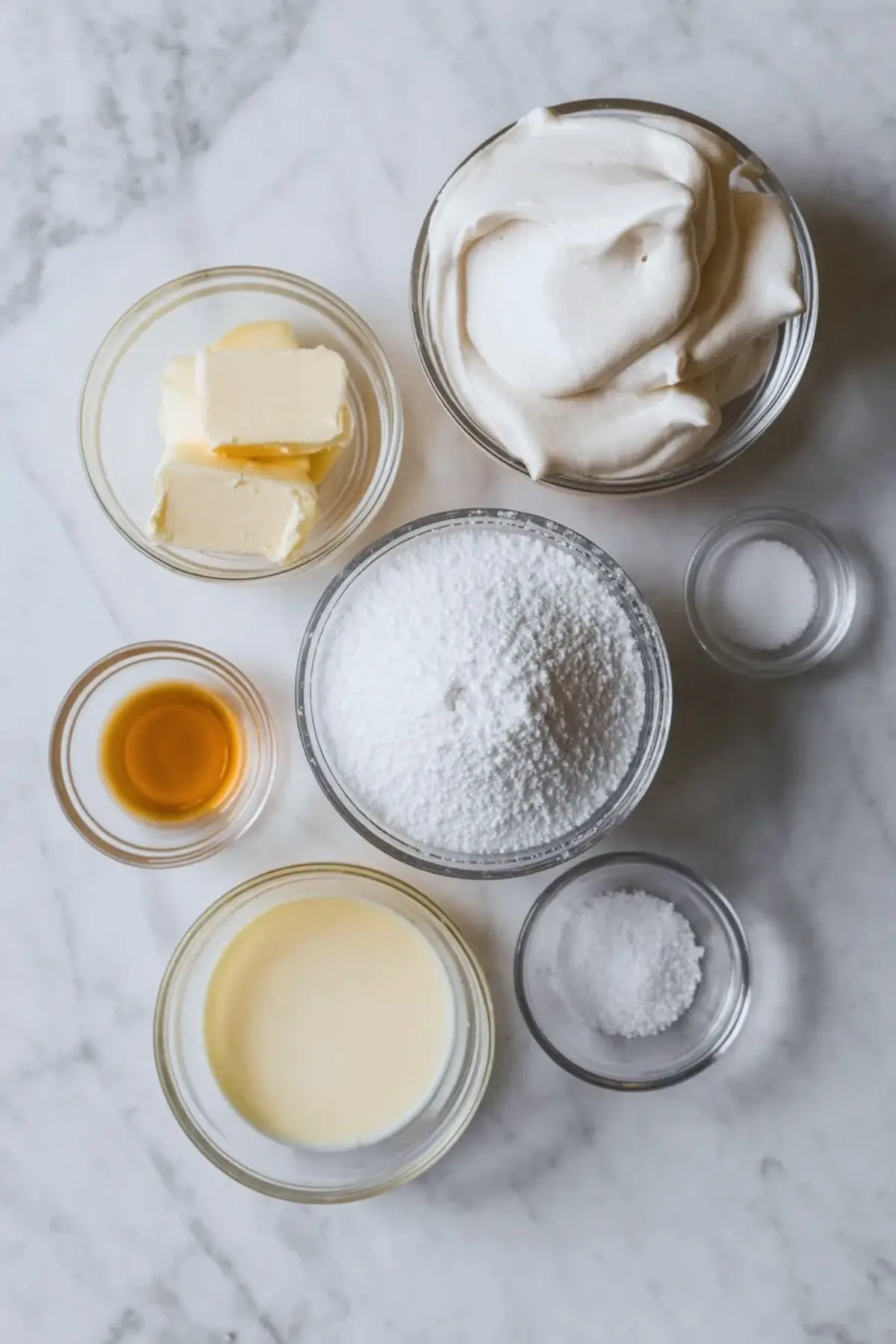
Butter creates the base structure. Softened butter traps air while mixing and gives the frosting its creamy body. High quality unsalted butter works best because the flavor stays clean and the salt level remains controlled. A slightly pale color during mixing tells me the butter is ready.
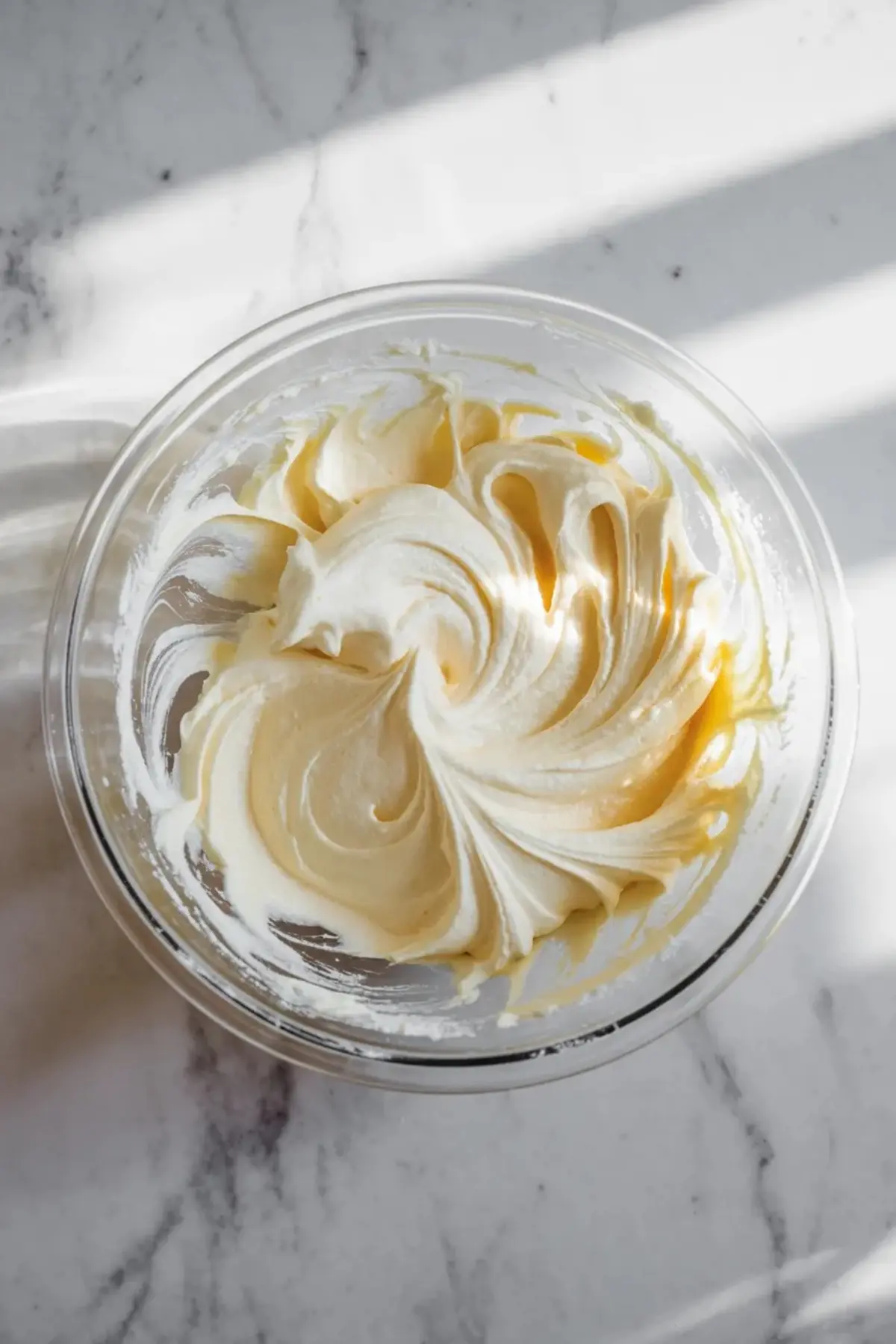
Marshmallow creme gives this buttercream marshmallow frosting its signature softness. The creme blends smoothly into butter and builds a glossy, fluffy mixture. I usually keep a jar of marshmallow fluff in the pantry because it saves time during frosting days.
Powdered sugar thickens the frosting and stabilizes the mixture. Fine powdered sugar dissolves quickly and leaves the frosting silky. Bakers who enjoy lighter toppings sometimes explore whipped cream frosting since it creates a softer topping with less sweetness.
Vanilla extract adds warmth and rounds the flavor. Heavy cream loosens the mixture so it spreads easily across cakes. A pinch of salt sharpens the sweetness and helps the marshmallow flavor stand out. Small ingredients carry large influence here. I notice the difference immediately.
The Role of Marshmallow Creme
Marshmallow creme defines the texture of this fluffy marshmallow buttercream. The ingredient blends air into the butter and gives the frosting a gentle elasticity. The mixture stretches slightly when lifted with a spatula. That stretch signals proper mixing.
Some bakers prefer traditional cooked frostings. The classic Ermine Frosting uses a flour based base that creates a silky texture with mild sweetness. Each frosting style brings a slightly different personality to cakes.
Mixing The Frosting Step By Step
The process begins with whipping softened butter until it turns pale and creamy. The mixer pushes air into the butter and builds the structure for the final frosting. That early mixing step changes everything. I usually watch the color carefully.
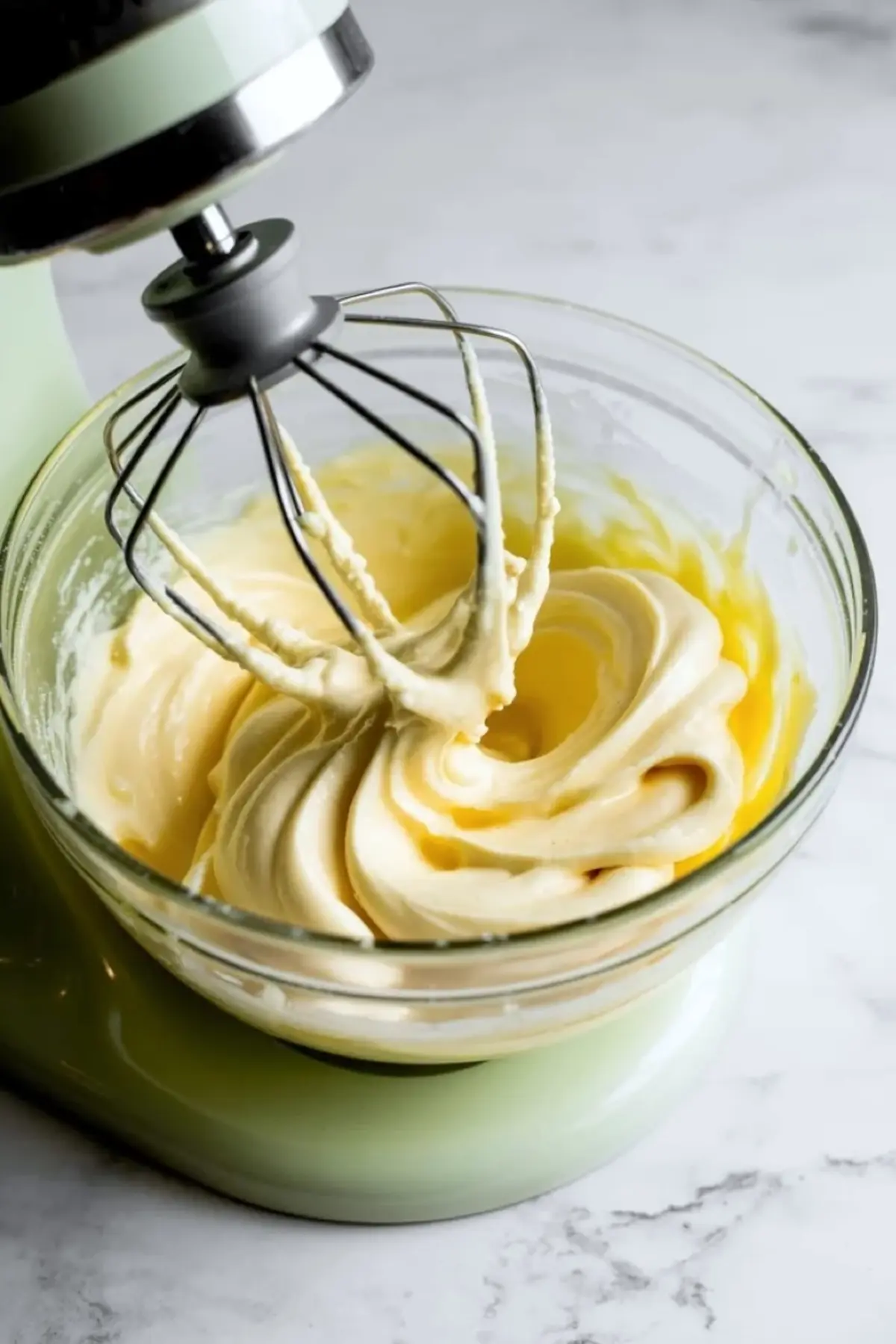
Marshmallow creme blends into the butter next. The mixture becomes glossy and smooth as the ingredients combine. Powdered sugar follows gradually to prevent clumps and to maintain a smooth texture.
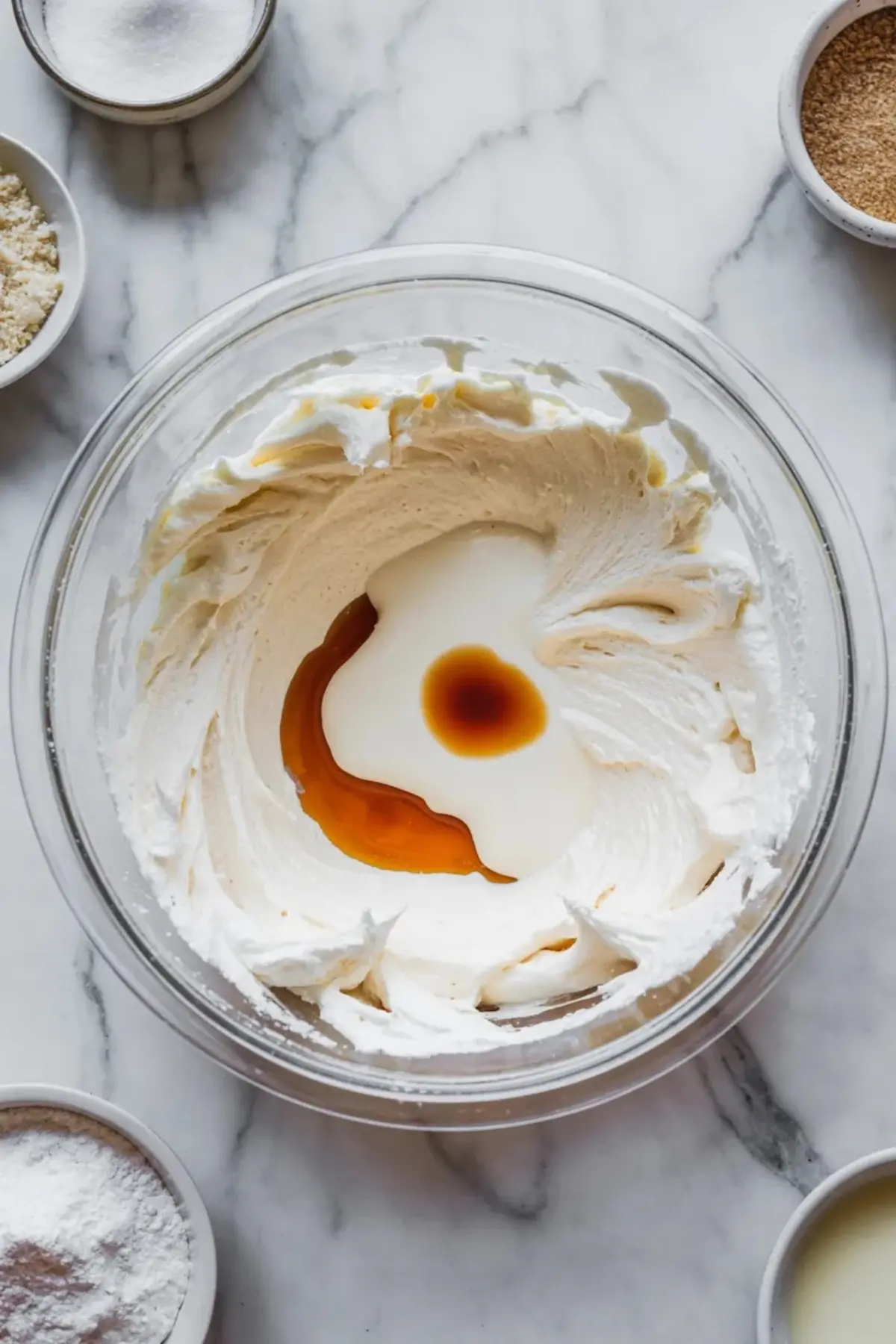
Vanilla and salt finish the flavor while cream adjusts the consistency. A final whipping stage lifts the frosting and creates that cloud like body. Some bakers experiment with flavored buttercreams such as Coconut Buttercream Frosting when they want a different flavor profile.
How To Know The Frosting Is Ready
The finished frosting looks pale, smooth, and slightly glossy. A spoon dragged through the bowl leaves soft ridges that slowly settle back into the mixture. That texture signals proper aeration.
The frosting should hold shape on a spatula yet spread easily across a cake layer. Overmixed frosting becomes too loose while undermixed frosting looks dense. I rely on texture rather than strict timing.
Troubleshooting Common Issues
Frosting that feels too soft usually contains excess cream or warm butter. Chilling the bowl briefly restores structure. A few minutes in the refrigerator often solves the issue.
Grainy frosting often means powdered sugar clumps remained during mixing. Sifting the sugar before adding it prevents this problem. Smooth frosting depends on smooth ingredients.
A frosting that feels heavy usually lacks enough whipping time. Extra mixing builds air and restores the fluffy structure. That step fixes most texture problems.
Flavor Variations
A cocoa powder addition turns this frosting into a light chocolate marshmallow buttercream. Two tablespoons cocoa powder create a gentle chocolate flavor without overpowering the marshmallow notes.
Almond extract offers a soft bakery style flavor that pairs well with vanilla cakes. Lemon zest brightens the frosting and adds freshness. Small changes shift the entire personality of the frosting.
Strawberry powder or freeze dried berry powder also works well. The powder blends smoothly into the buttercream and gives the frosting a natural fruit flavor.
Storage And Shelf Life
This frosting stays stable at room temperature for several hours during decorating. Cakes frosted with marshmallow buttercream hold their shape well during short events.
Refrigeration extends storage for up to three days. A quick rewhip restores the texture after chilling. Freezing also works for longer storage, though I usually prepare fresh frosting for best texture.
Practical Tips From My Kitchen
Room temperature butter creates the smoothest base. Cold butter leaves lumps while melted butter destroys the structure. I usually leave butter out for about thirty minutes.
Powdered sugar added slowly prevents sugar clouds in the kitchen. I learned that lesson quickly during early baking days. Slow mixing keeps the process calm and tidy.
Chilling the frosting briefly helps with piping decorations. A slightly firmer texture creates sharper swirls on cupcakes.
Serving Ideas
This fluffy frosting recipe spreads beautifully on vanilla layer cakes. Chocolate cupcakes also welcome the soft marshmallow flavor.
I often pipe it onto sugar cookies or sandwich cookies. The frosting also works well as a filling between cake layers. A simple swirl on a cupcake always draws attention.
Save This Recipe
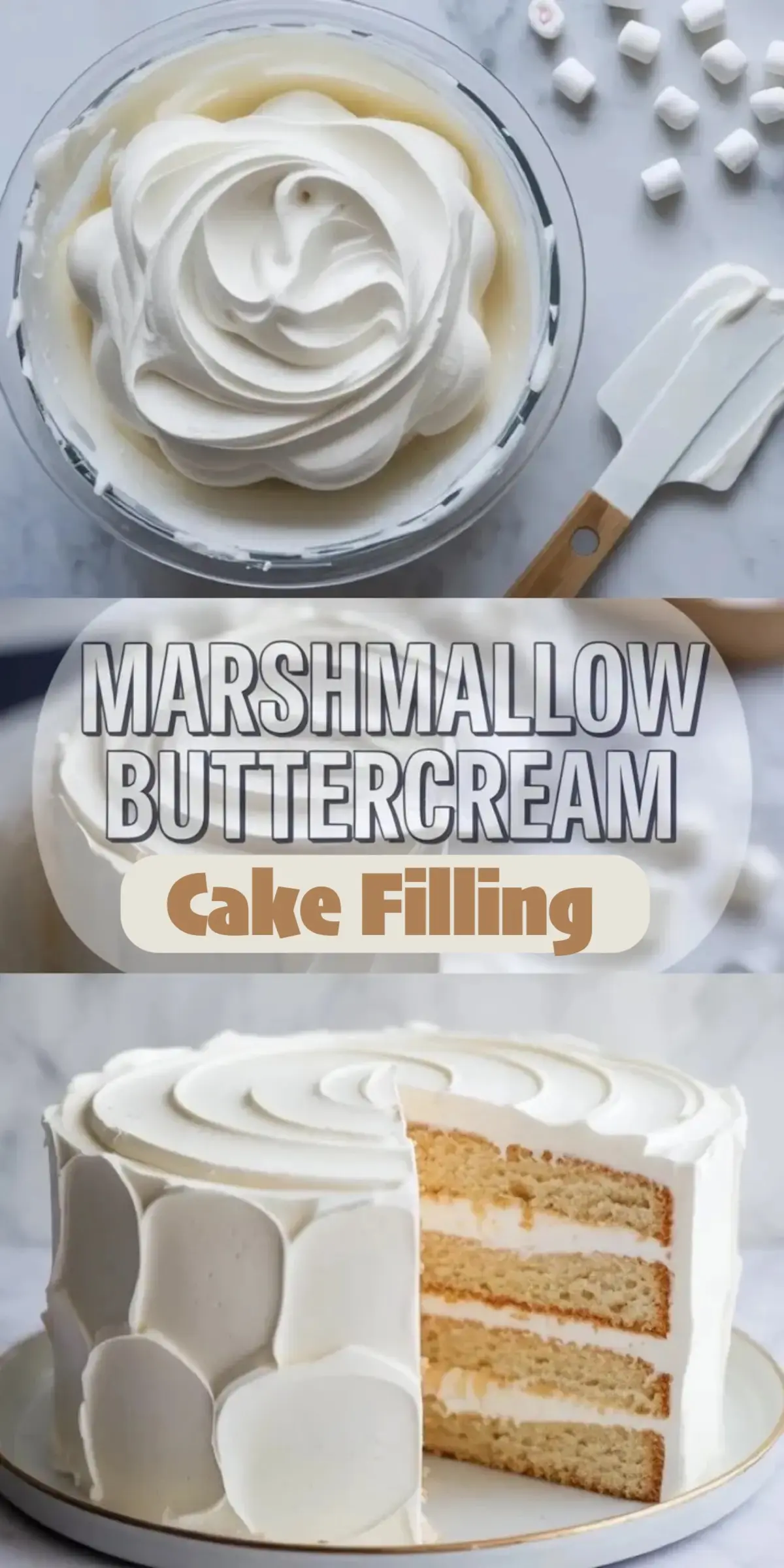
Save this marshmallow buttercream frosting recipe to your Pinterest dessert board so you can find it again during your next baking day.
Readers often share creative twists and flavor ideas in the comments. Tell me how your fluffy marshmallow buttercream turned out or ask any question that comes to mind. I always enjoy hearing what happens in your kitchen.
Marshmallow Buttercream Frosting Recipe
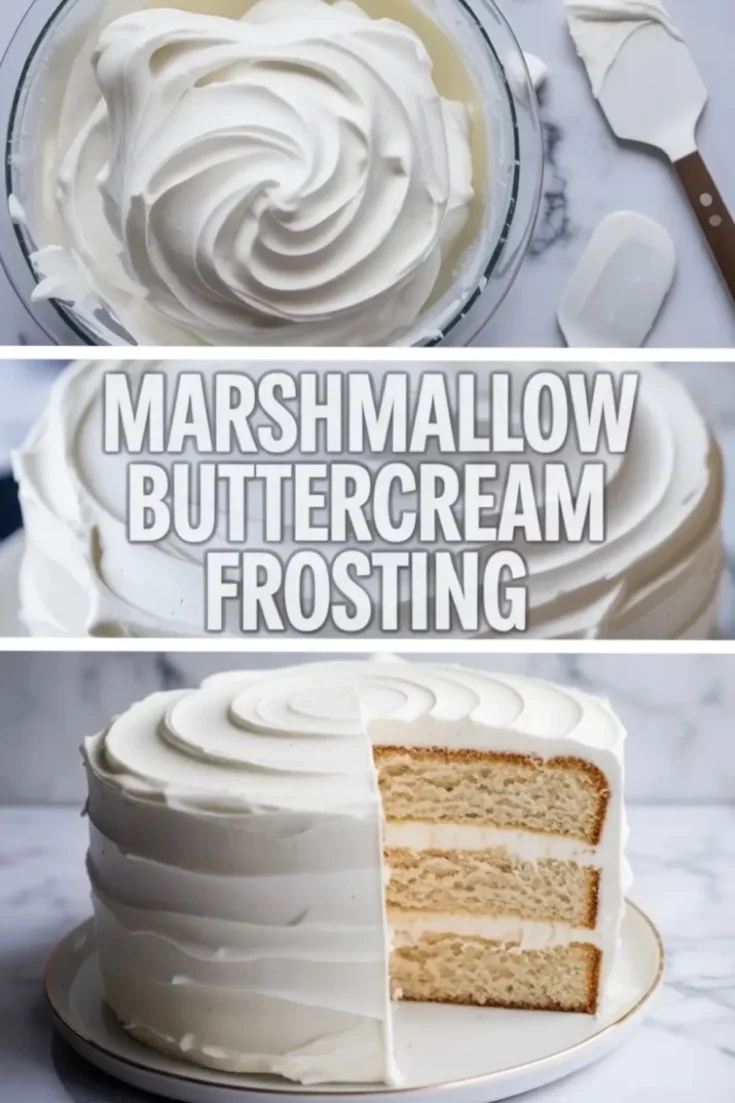
This creamy marshmallow buttercream frosting recipe creates a light, airy topping with a smooth texture and sweet marshmallow flavor. The recipe shows how to make marshmallow buttercream frosting using simple ingredients to produce a silky buttercream marshmallow frosting that spreads and pipes beautifully.
The result is a soft fluffy marshmallow buttercream that works perfectly on cakes, cupcakes, and cookies. It is a reliable option among marshmallow frosting recipes and a simple easy marshmallow frosting you can prepare in minutes.
The frosting can also be made using marshmallow fluff frosting for extra creaminess and stability. Add this recipe to your collection of frosting recipes easy and go-to desserts whenever you want a sweet fluffy frosting recipe with classic marshmallow flavor.
Ingredients
- 1 cup (226 g) unsalted butter, softened
- 2 cups marshmallow creme (marshmallow fluff)
- 2½ cups powdered sugar
- 1 teaspoon vanilla extract
- 1–2 tablespoons heavy cream or milk
- ¼ teaspoon salt
Instructions
STEP 1: BEAT THE BUTTER: Place softened butter into a large mixing bowl. Use a hand mixer or stand mixer on medium speed for 2 to 3 minutes until the butter becomes pale and creamy. Proper creaming builds the base structure that supports the final fluffy texture.
STEP 2: ADD THE MARSHMALLOW CREME: Add marshmallow creme to the whipped butter. Mix on medium speed for about 2 minutes until the mixture becomes smooth and airy. Scrape the sides of the bowl to ensure even blending.
STEP 3: ADD THE POWDERED SUGAR: Add powdered sugar gradually, about one cup at a time. Start mixing on low speed to prevent the sugar from scattering, then increase to medium speed after the sugar begins to incorporate. Continue mixing until the frosting thickens and smooths.
STEP 4: ADD VANILLA AND SALT: Pour in vanilla extract and add salt. Mix for about 1 minute until the flavorings distribute evenly through the frosting.
STEP 5: ADJUST THE TEXTURE: Add 1 tablespoon heavy cream or milk and mix until incorporated. Check the consistency. Add an additional tablespoon if needed until the frosting becomes smooth and spreadable.
STEP 6: WHIP FOR EXTRA FLUFFINESS: Increase mixer speed to medium-high and whip the frosting for 2 to 3 minutes. This step adds air and creates the light, cloud-like texture that spreads easily and pipes neatly.
Notes
For piping decorations, chill the frosting for 10 to 15 minutes to help it hold sharper shapes.
For a thicker frosting, reduce the cream slightly.
Store leftover frosting in an airtight container in the refrigerator for up to 3 days. Bring to room temperature and re-whip before using.
