
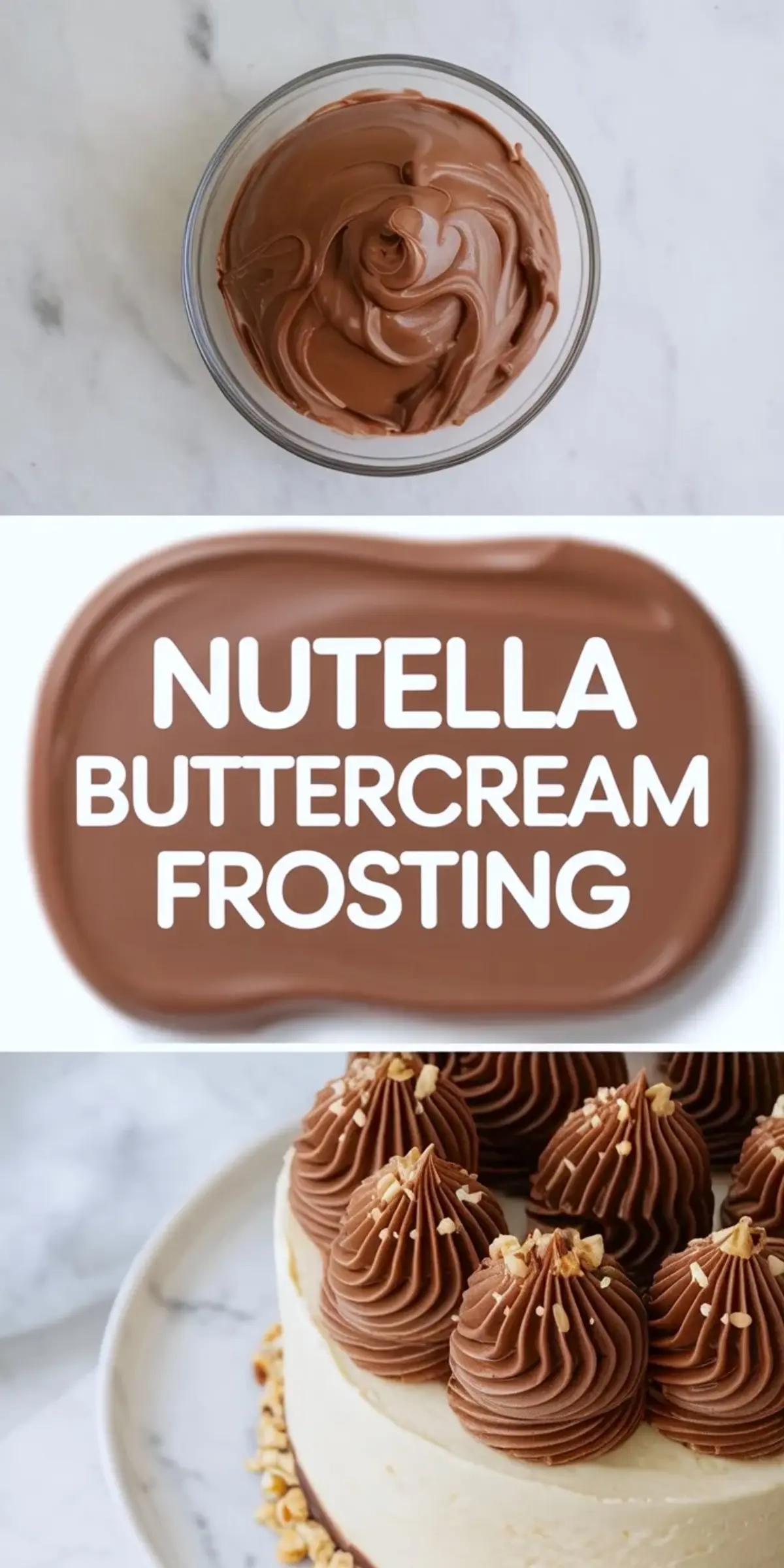
This Nutella buttercream frosting recipe gives you a frosting that tastes like a true chocolate hazelnut spread but behaves like a usable buttercream. It comes out smooth, fluffy, and rich enough to taste like more than basic chocolate icing, yet it still spreads cleanly and pipes with real definition when the texture is balanced well.
That is what makes it useful. You can swirl it onto cupcakes, drag it across brownies, or layer it into cakes without fighting a runny bowl of frosting. If you have been looking for an easy Nutella frosting that actually holds its shape, this one lands in a very practical middle ground.
Following a special diet?
Every recipe on this site can be converted to gluten-free, vegan, dairy-free, keto, nut-free or egg-free with adjusted ratios so nothing falls flat.
Try the Recipe Converter →What Gives This Frosting Its Texture
The balance here comes from starting with butter as the structure and using Nutella as the flavor driver, not the only base. Nutella on its own is soft and glossy, so the butter and powdered sugar do the heavy lifting that keeps the frosting airy enough to pipe and thick enough to stay where you put it. The cream is there to fine tune the texture, not flood it.
That also makes this frosting more flexible than a straight chocolate spread topping. You can keep it slightly firmer for cupcakes or loosen it just enough for smoother cake coverage. If you also like the deeper chocolate hazelnut direction in fillings, this Nutella cake filling recipe is a good next move for layer cakes that need more than frosting alone.
The Ingredients That Matter Most
Softened butter matters more than people think in this recipe. If it is too cold, the frosting stays dense and can look slightly broken. If it is too warm, the whole bowl gets slack fast. You want butter that yields when pressed but still holds its shape. Sifted powdered sugar also helps more than usual here because Nutella already brings a heavy texture and any lumps make the final frosting feel less smooth.
Nutella is obviously the main flavor, but the vanilla and pinch of salt sharpen it so the frosting does not read flat or overly sweet. A little cream or milk gives you control at the end, which matters if you are using the frosting on cupcakes one day and as a softer cake coating the next. For another frosting style that behaves very differently, 7 minute frosting shows what a lighter, glossy topping looks like beside a rich butter based option.
Start With Butter That Is Truly Soft
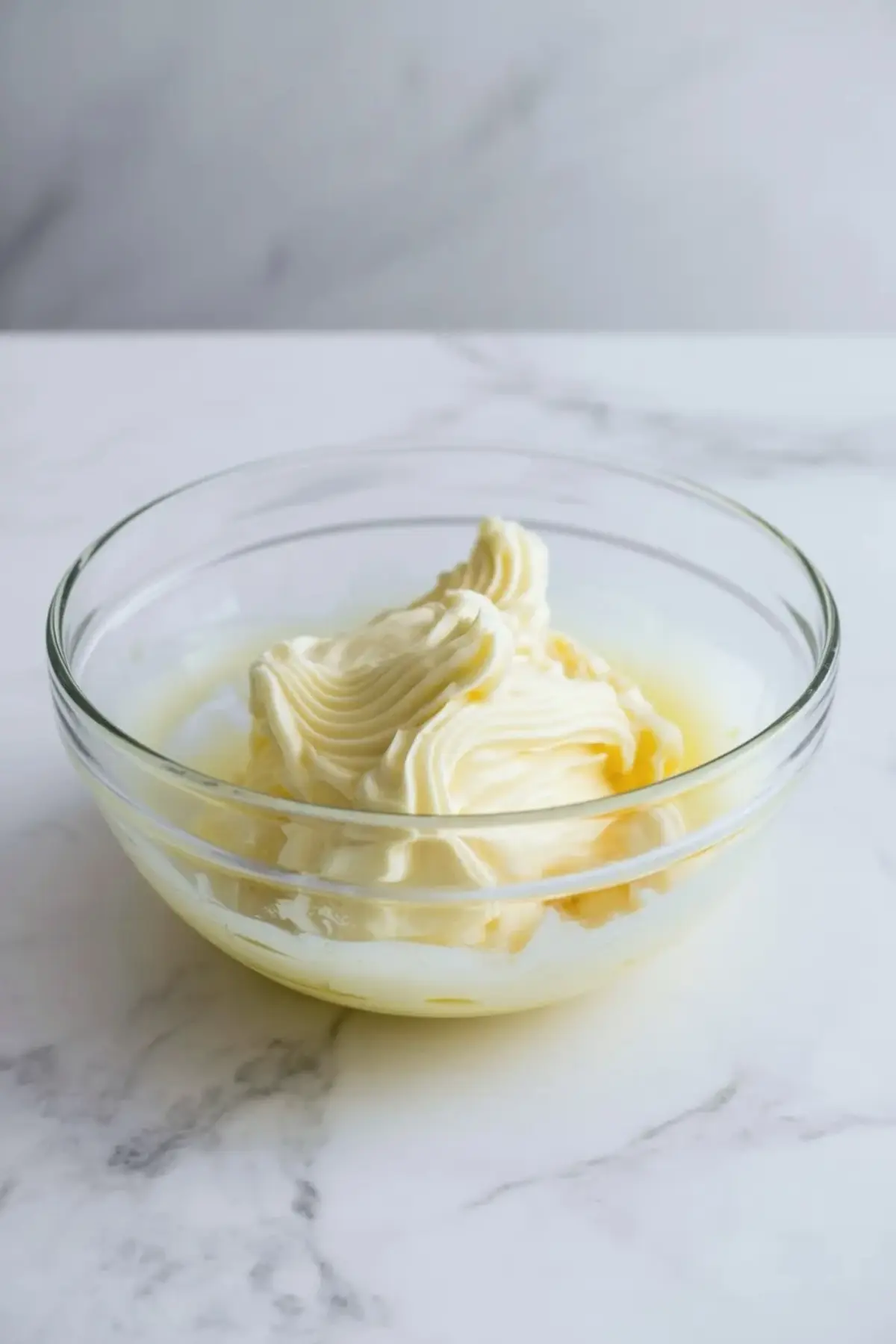
The best way to get a lighter result is to whip the butter well before adding anything else. Give it a few minutes until it looks paler and creamier, because that early air is what keeps the finished frosting from turning heavy. This step is simple, but it is also where a lot of dense buttercream starts to go wrong.
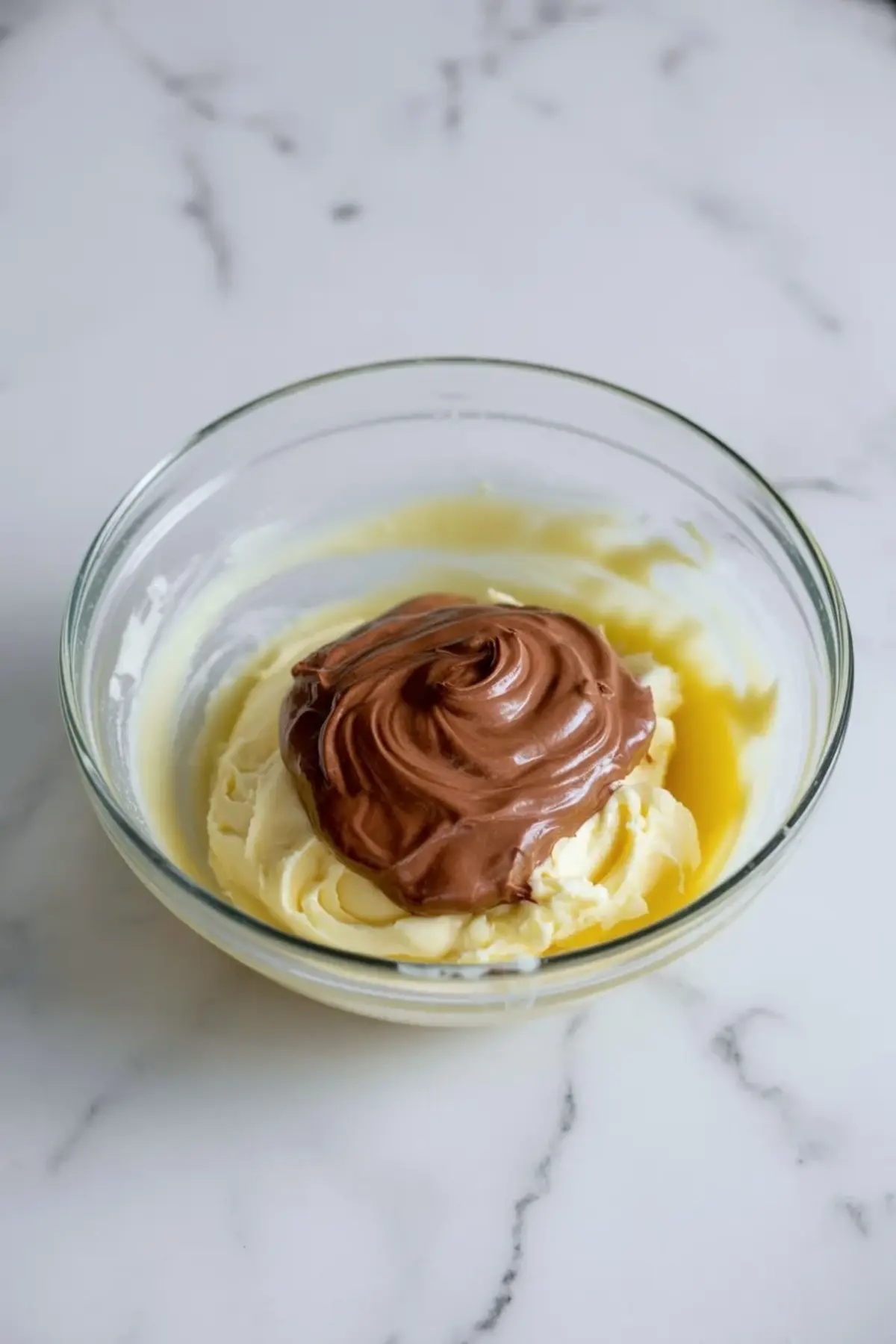
Once the butter is whipped, add the Nutella and mix until the color is even and the bowl looks smooth. At that point you can start the powdered sugar slowly so you keep the texture under control. The goal is a frosting that feels full and fluffy, not stiff and chalky.
How To Keep The Frosting Fluffy
The easiest mistake with Nutella frosting is pushing it too far in either direction. Too much sugar too fast and it gets heavy. Too much cream and it starts to slump. Add the sugar in stages, then use the cream a little at a time at the end until the frosting looks spreadable and holds soft peaks when you lift the beaters.
This is also the point where you should think about the job the frosting needs to do. For cupcakes, keep it a little thicker so the swirls stay neat. For coating a cake, let it soften slightly more so it glides across the crumb without tearing it. It is especially good on chocolate cupcakes like Chocolate Oreo Cupcakes, where the hazelnut note cuts through the darker cocoa base nicely.
Storage, Serving, And Smart Adjustments
Because this frosting contains both butter and Nutella, it firms up in the fridge and softens again at room temperature. Store leftovers covered, then let the bowl sit out briefly and re whip it before using. If it comes back too firm, add a small splash of cream. If it loosens too much, beat in a little extra powdered sugar until it returns to shape. A brief re whip usually brings back the airy texture quickly.
Use this Nutella buttercream frosting recipe when you want a frosting that feels richer than plain vanilla buttercream but still easier to manage than ganache. It works on cupcakes, birthday cakes, sandwich cookies, brownies, and simple loaf cakes. Save it for the next time you want easy chocolate hazelnut icing that tastes indulgent and still behaves like real buttercream. It is the kind of frosting that makes even a plain vanilla cupcake feel much more special.
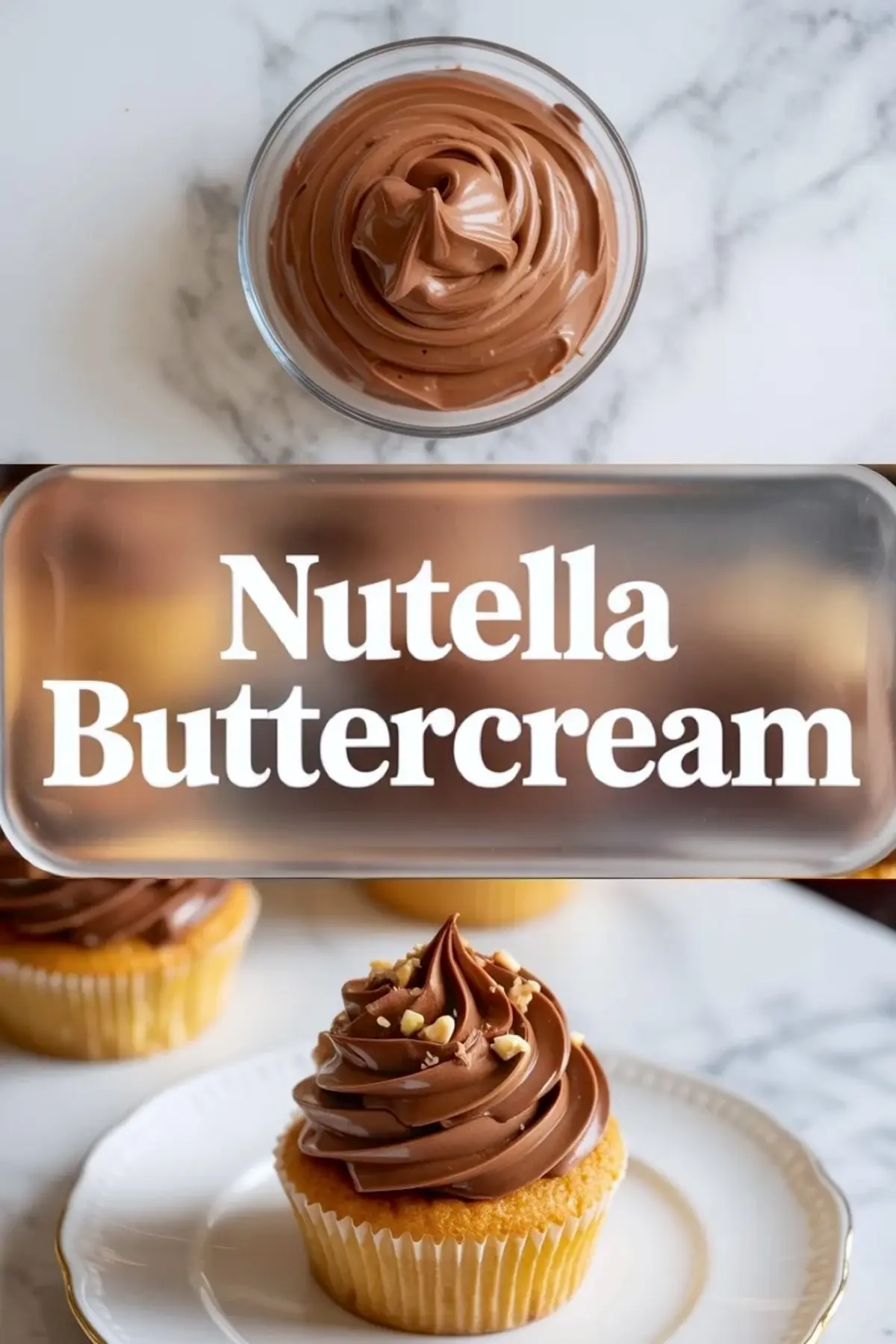
Nutella Buttercream Frosting
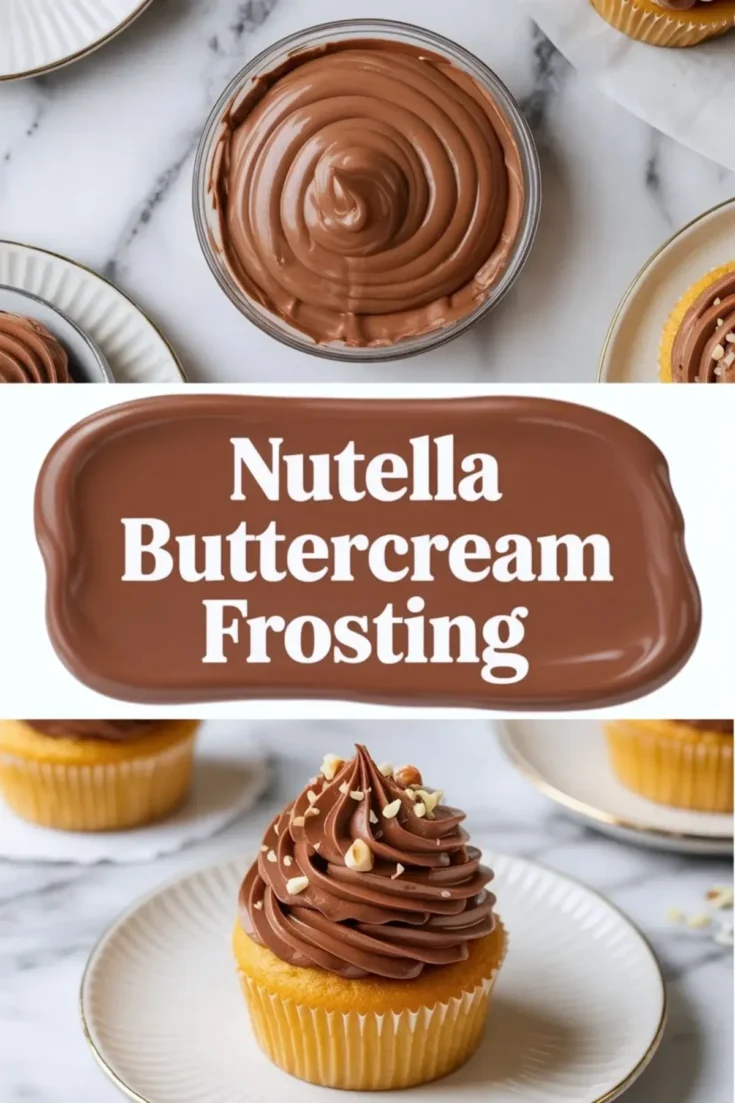
Save this Nutella buttercream frosting recipe when you want a chocolate hazelnut icing that tastes richer than plain chocolate frosting but still pipes cleanly. It starts with whipped butter, Nutella, sifted powdered sugar, and a little cream to build a frosting that feels smooth, fluffy, and easy to spread. Use it on cupcakes, layer cakes, brownies, sandwich cookies, or sheet cakes when you want clear Nutella flavor without a loose or greasy finish. If you need an easy Nutella frosting for cupcakes or a Nutella cake frosting that can be adjusted thicker for piping or softer for swooping over cake layers, this one gives you that control and keeps the chocolate hazelnut flavor clear in every bite.
Ingredients
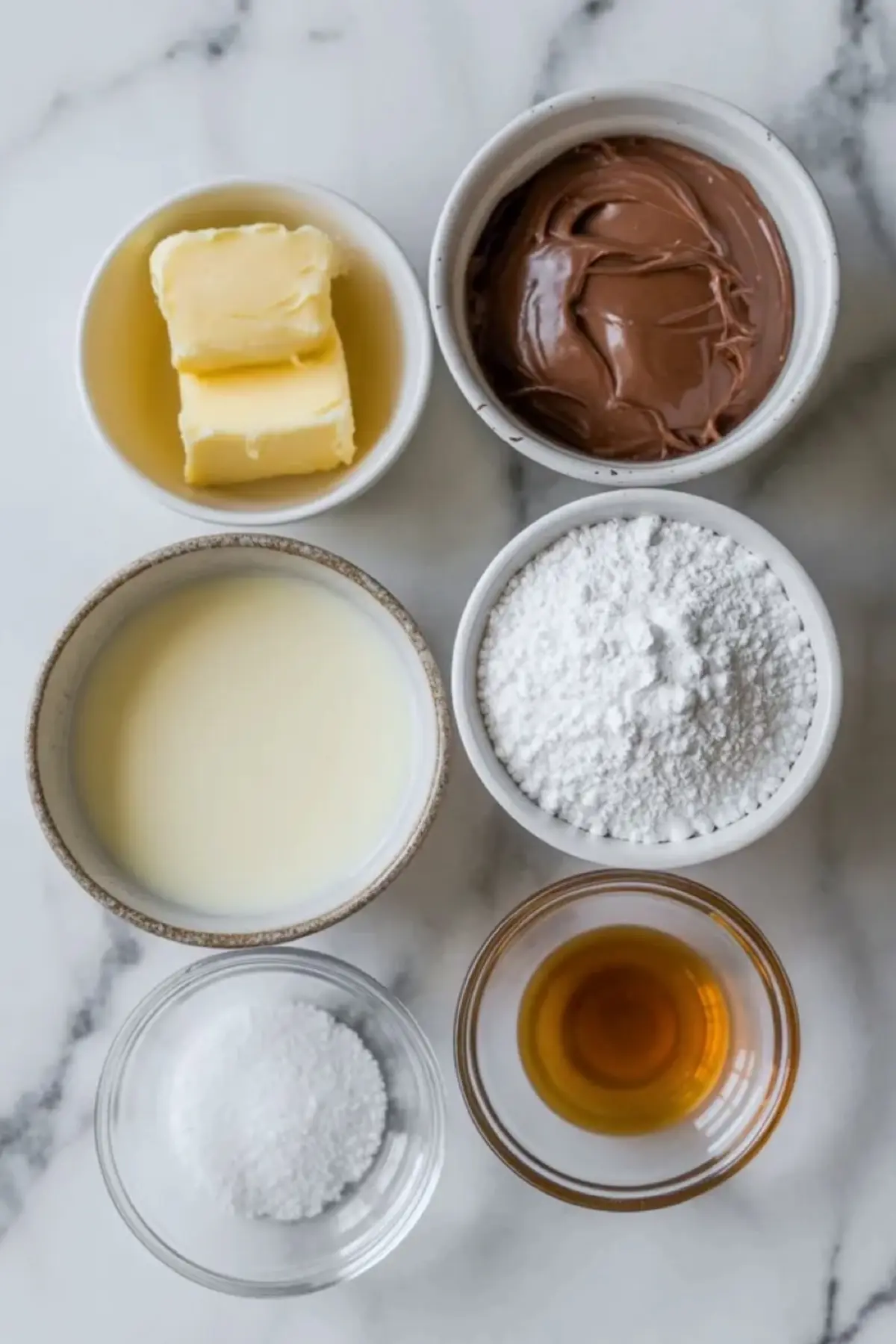
- 1 cup (226g) unsalted butter, softened
- 1 ½ cups (375g) Nutella
- 3–4 cups (360–480g) powdered sugar, sifted
- 2–4 tablespoons heavy cream or milk
- 1 teaspoon vanilla extract
- Pinch of salt
Instructions
BEAT THE BUTTER: Place the softened butter in a large mixing bowl and beat with a hand mixer or stand mixer for 2–3 minutes until light and creamy. Scrape down the sides of the bowl to keep the texture even.
ADD NUTELLA: Add the Nutella to the butter and mix until fully combined and smooth. The mixture should look creamy with a uniform chocolate color.
INCORPORATE POWDERED SUGAR: Add the powdered sugar gradually, one cup at a time. Start mixing on low speed to prevent spilling, then increase speed as it blends. Continue until the frosting thickens and becomes smooth.
ADD CREAM AND VANILLA: Pour in the vanilla extract and 2 tablespoons of cream or milk. Beat until the frosting becomes light and fluffy. Add more cream one tablespoon at a time if needed to loosen the texture.
ADJUST CONSISTENCY: Check the frosting by spreading it with a spatula. Add more powdered sugar if it feels too soft, or add small amounts of cream if it feels too stiff. Mix well after each adjustment.
FINAL WHIP: Beat the frosting on medium-high speed for 2–3 minutes until airy and smooth. The frosting should hold its shape and be easy to pipe or spread.
Notes
Use butter that is soft but not melted to ensure a stable texture.
Sift powdered sugar to avoid lumps and achieve a smooth finish.
Store frosting in an airtight container in the refrigerator for up to 5 days; bring to room temperature and re-whip before use.
Nutrition Information
Yield
14Serving Size
1Amount Per Serving Calories 145Total Fat 15gSaturated Fat 9.8gUnsaturated Fat 5.5gCholesterol 38mgSodium 3.0mgCarbohydrates 1.7gFiber 0.1gSugar 1.5gProtein 0.3g
