
This Russian Buttercream Frosting recipe uses just four ingredients to create a silky, stable frosting that spreads like a dream. The base is unsalted butter and sweetened condensed milk, creating a smooth Russian buttercream that pipes well and holds its shape without relying on powdered sugar. For anyone searching for an easy buttercream frosting with condensed milk, this method keeps things simple, flavorful, and mess-free.
The key lies in ratio and method. Equal parts butter and sweetened condensed milk yield a structure that stays smooth without turning greasy. Whipping the butter until pale and fluffy before incorporating milk ensures the emulsion holds. Most frosting recipes rely on sugar volume or egg whites for body. This one doesn’t need either.
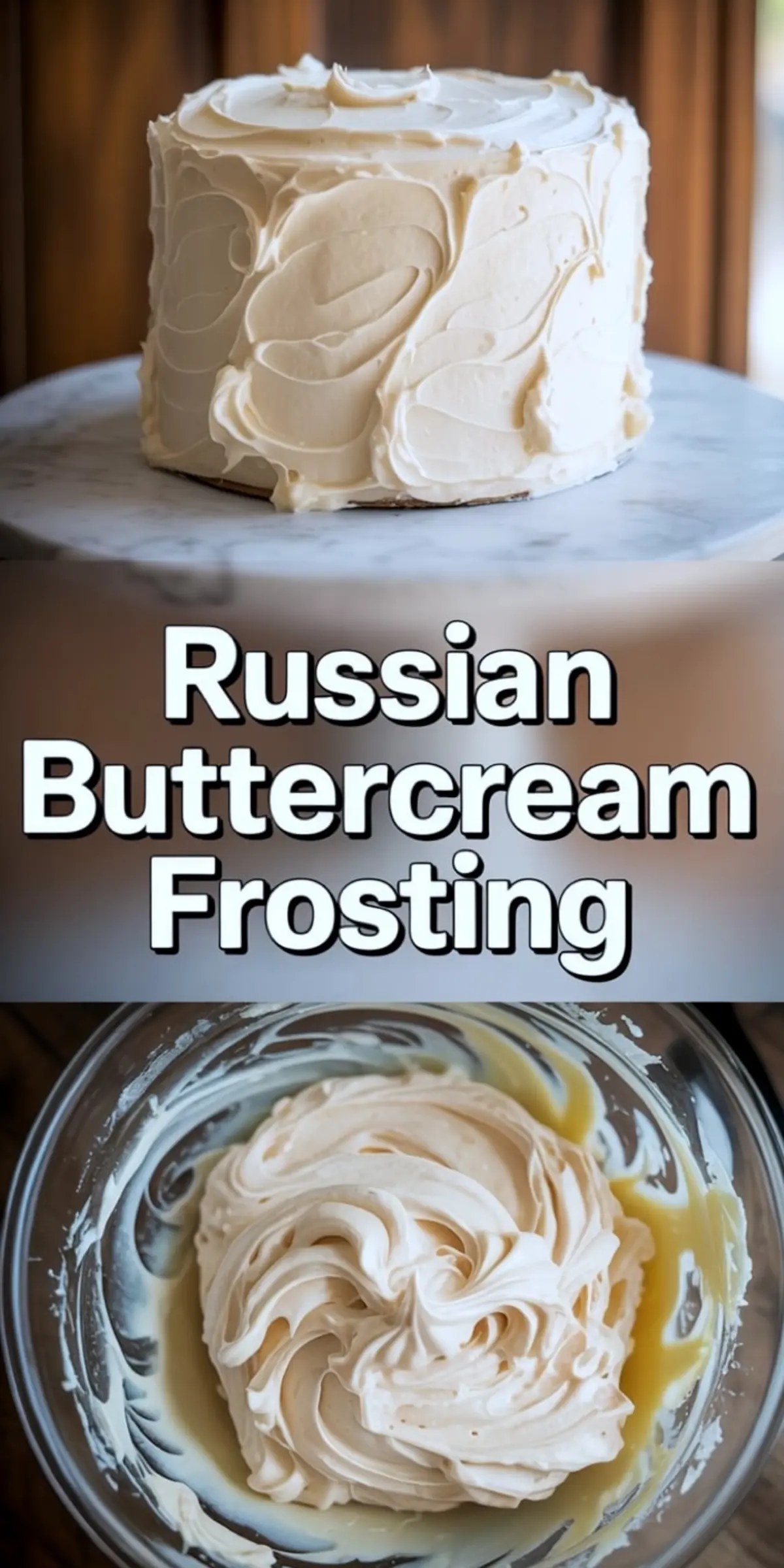
A single can of sweetened condensed milk provides enough structure, sweetness, and shine. That consistency matters—too much milk makes it soupy, too little leaves the butter exposed and grainy. The precision is what gives it that professional finish.
Compared to a Swiss or Italian buttercream frosting, this version comes together in less time and doesn’t involve cooked syrups or thermometers. It’s direct. It’s dependable. And once you master the technique, it’s surprisingly versatile.
What You Need
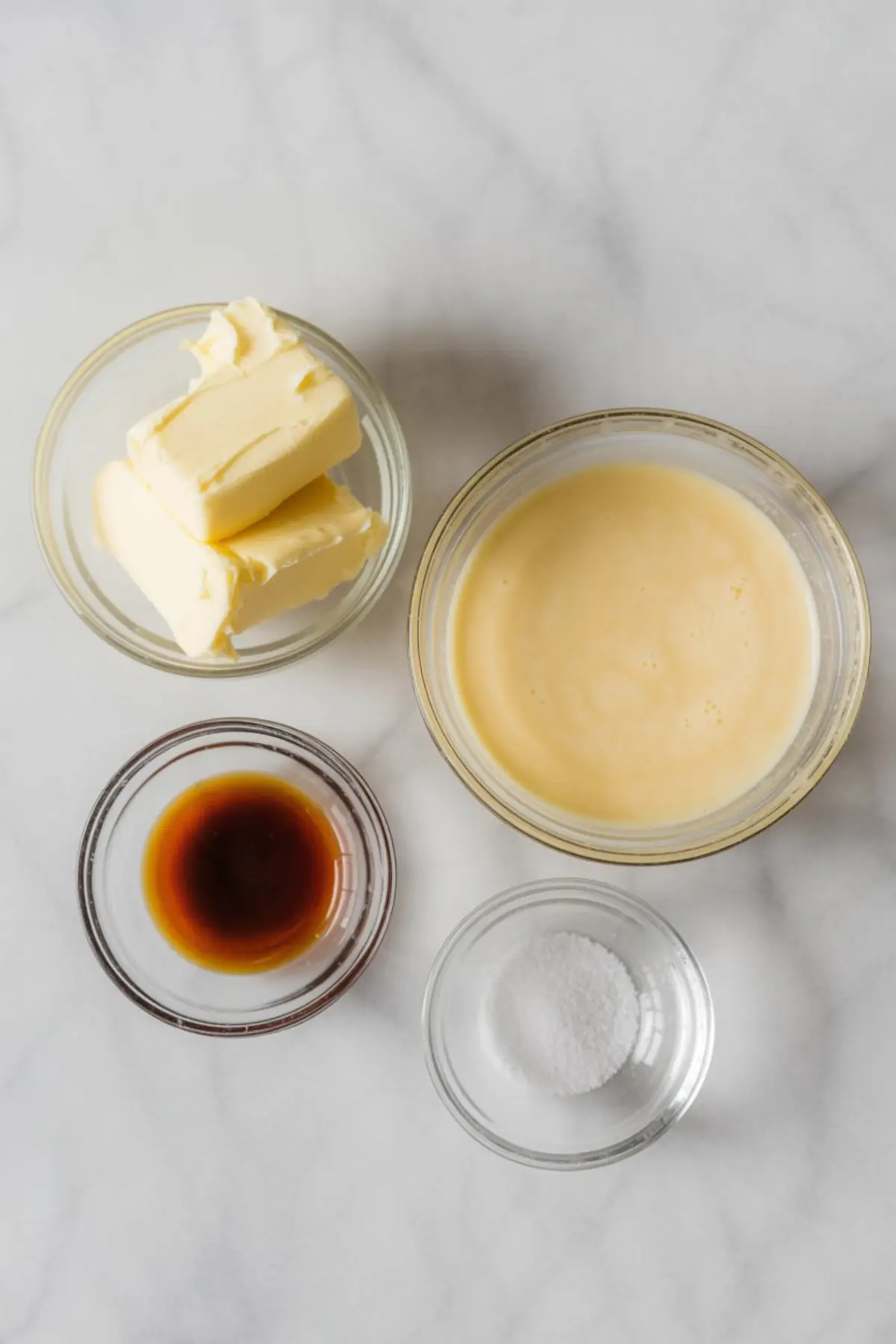
Unsalted butter should be fully softened, not just left out for an hour. I press it gently—if it dents under a finger without any resistance, it’s ready. Cold butter breaks the emulsion. Too warm and it turns slick. That middle ground gives you a frosting that spreads clean and holds shape.
Sweetened condensed milk gives both sweetness and structure. I use full-fat versions only. Low-fat can be watery and ruin the texture. The thickness of the condensed milk matters more than the brand. Look for a slow pour when tipping the can.
A splash of vanilla extract adds aroma. I’ve skipped it once or twice, and each time the frosting tasted flat. A good quality extract lifts the sweetness without making it cloying. That pinch of salt? It sharpens the flavor and keeps the finish clean.
If you’re curious about other types, try this Vanilla Buttercream Frosting as a point of comparison. You’ll feel the difference immediately when spreading.
The Condensed Milk Technique
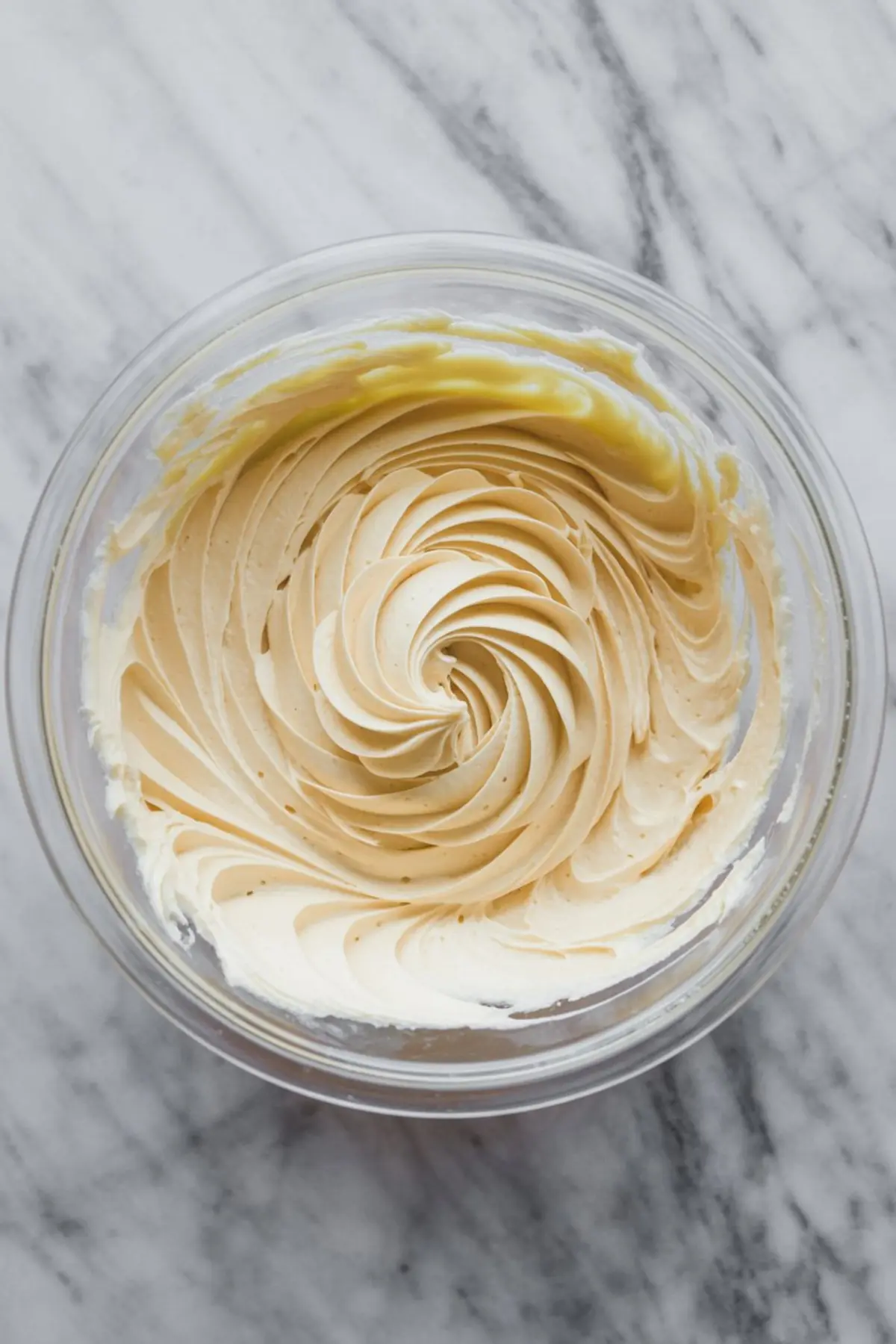
The way you add the milk matters more than people think. Spoon by spoon. Not poured all at once. That slow addition lets each bit emulsify fully into the butter, giving the finished frosting a whipped, mousse-like texture.
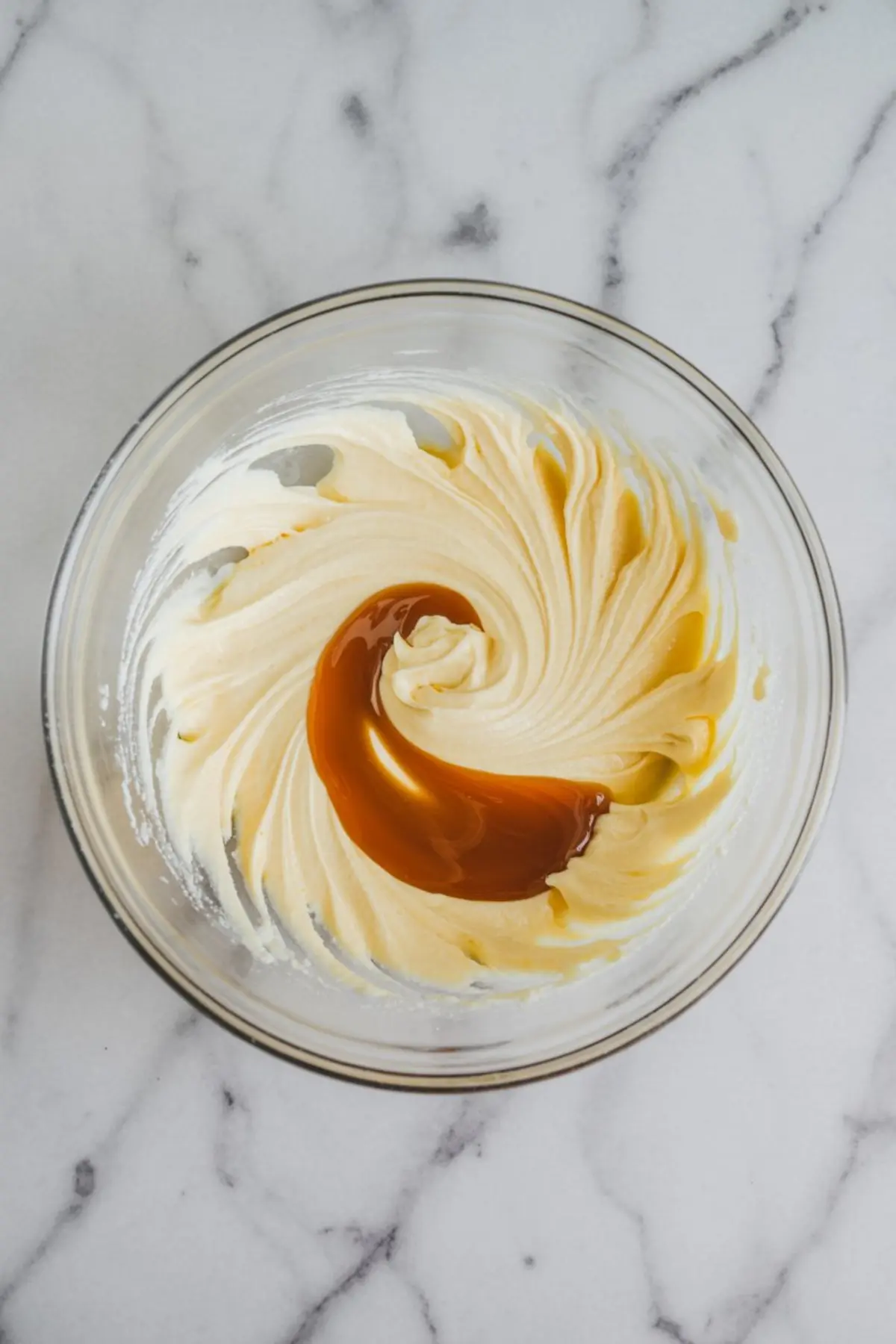
If you rush it, it splits. You’ll see streaks or a glossy layer of fat trying to separate. That’s the frosting telling you to slow down. I’ve tested it at least a dozen times always better to go slow. Once it’s all in, a quick final beat with vanilla and salt brings it together.
The result? A smooth Russian buttercream that’s stable enough for layers but soft enough to bite through without resistance.
How to Make It Smooth
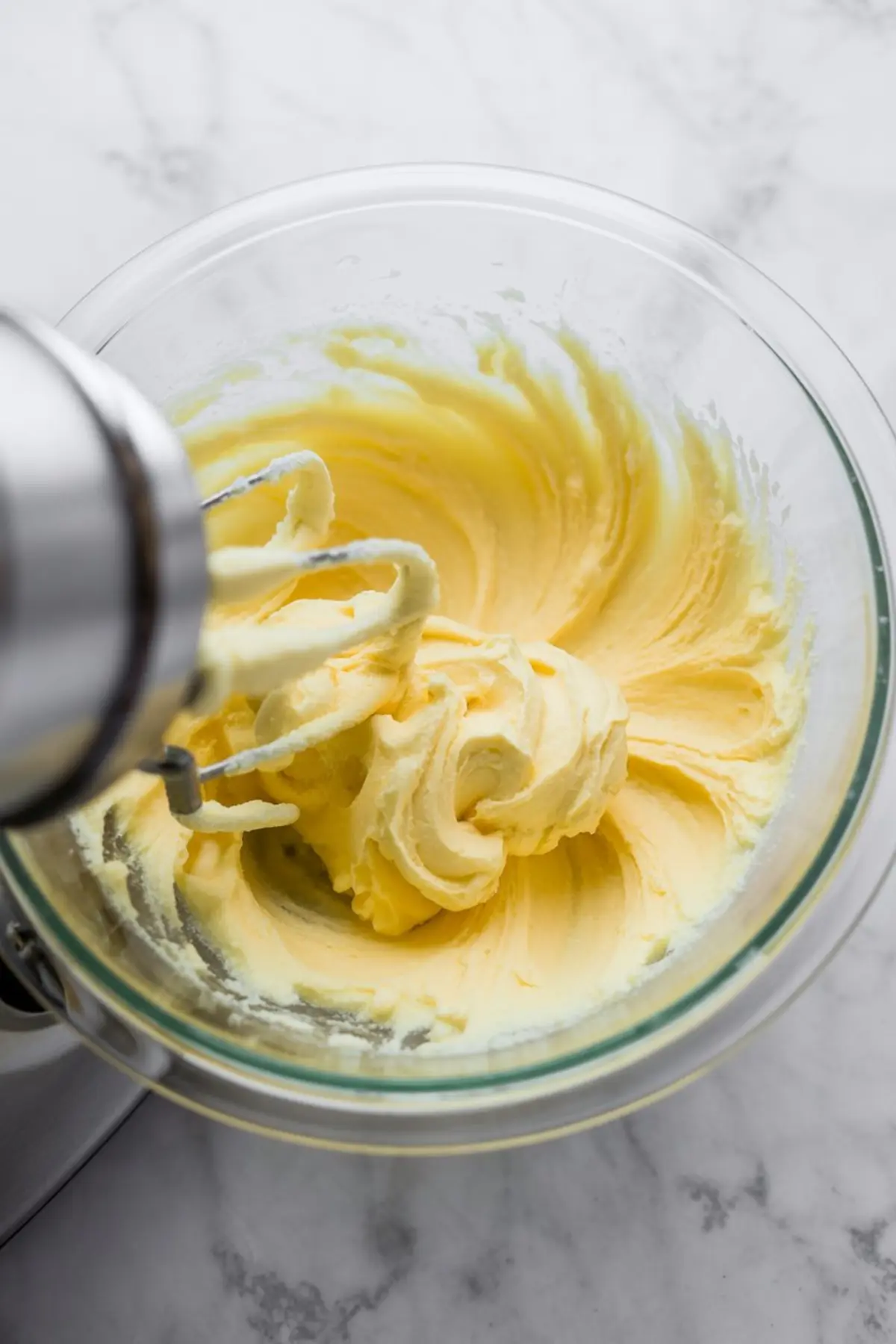
Whip the butter for a full 5 to 7 minutes. The color should change. If it still looks yellow, it’s not there yet. Once it turns pale and the volume increases, you’ll know you’re ready to add the milk.
If you see curdling after the first few spoonfuls, don’t stop. Keep beating. It almost always resolves itself after 2 or 3 more additions. I’ve only had one batch fail, and that butter was slightly too cold.
You can refrigerate the finished frosting to firm it up, but always re-whip before using. Straight from the fridge, it will feel hard and dense.
This Chocolate Buttercream Frosting uses a very different method, so it’s worth comparing texture if you’re experimenting with different cake pairings.
Storage and Variations
Stored in an airtight container, this frosting lasts about a week in the fridge. For longer storage, freeze it flat in a bag, then thaw overnight in the fridge and re-whip. It won’t look right straight from thawing, but it recovers well with mixing.
You can swap vanilla for almond extract for a nutty twist, or mix in citrus zest for brightness. For chocolate variation, beat in 2 tablespoons of unsweetened cocoa powder at the end. That adds depth without thinning the consistency.
Try a peanut version by whipping in a tablespoon or two of this Peanut Butter Frosting instead of vanilla. It transforms the base into something closer to a mousse.
Save This Recipe
If you’re building a collection of frosting recipes easy enough for weekly baking, save this Russian Buttercream Frosting to your Pinterest board. Come back to it any time you want something smooth, quick, and dependable.
Tried it? Tell me how it went in the comments. Ask questions, share swaps, or just say hi. I read every one.
Russian Buttercream Frosting
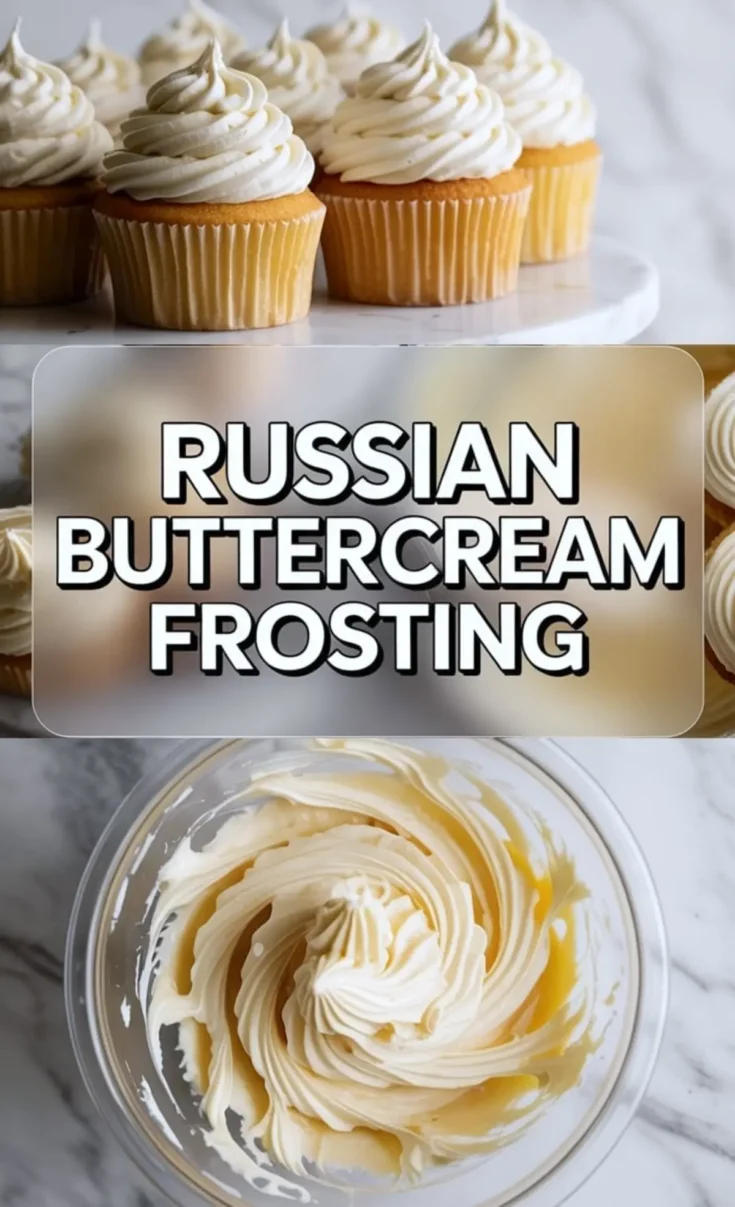
Make silky, rich frosting in minutes with this Russian Buttercream Recipe. Made using sweetened condensed milk, this easy frosting delivers a smooth, creamy texture without needing powdered sugar. Perfect for piping or spreading, this buttercream frosting with condensed milk is ideal for cakes, cupcakes, or even sandwich cookies. If you’re looking for a no-fuss buttercream recipe with fewer ingredients and maximum flavor, this smooth Russian buttercream is the one to try. Save this for your go-to collection of frosting recipes easy and impress with every swirl.
Ingredients
- 1 cup (2 sticks / 226g) unsalted butter, softened to room temperature
- 1 can (14 oz / 397g) sweetened condensed milk
- 1 tsp vanilla extract (optional but recommended)
- Pinch of salt
Instructions
- SOFTEN THE BUTTER: Let the butter sit at room temperature until it becomes very soft, but not melted. It should be easily spreadable, which helps create a light and airy texture in the finished frosting.
- WHIP THE BUTTER: In a stand mixer fitted with the paddle attachment or using a hand mixer, beat the softened butter on high speed for 5 to 7 minutes. Scrape down the sides of the bowl as needed. The butter should turn pale, fluffy, and smooth with no visible lumps.
- ADD THE CONDENSED MILK: Reduce the mixer speed to medium. Begin adding the sweetened condensed milk one spoonful at a time. Continue beating until each addition is fully absorbed before adding the next. This slow incorporation prevents the frosting from splitting and ensures a silky, cohesive texture.
- ADD FLAVORINGS: Once all the condensed milk is incorporated, mix in the vanilla extract and a pinch of salt. Beat the frosting for another 30 seconds to blend everything evenly.
- USE OR STORE: Use immediately to frost cakes or cupcakes, or store in an airtight container in the refrigerator for up to 1 week. Bring to room temperature and re-whip briefly before using if chilled.
Notes
If your frosting looks slightly curdled at any point, keep whipping—it usually smooths out after a few extra minutes. For a firmer consistency, chill the buttercream for 10–15 minutes before piping.
Nutrition Information
Yield
1Serving Size
1Amount Per Serving Calories 1954Total Fat 206gSaturated Fat 129gUnsaturated Fat 77gCholesterol 547mgSodium 76mgCarbohydrates 22gSugar 22gProtein 5g
