
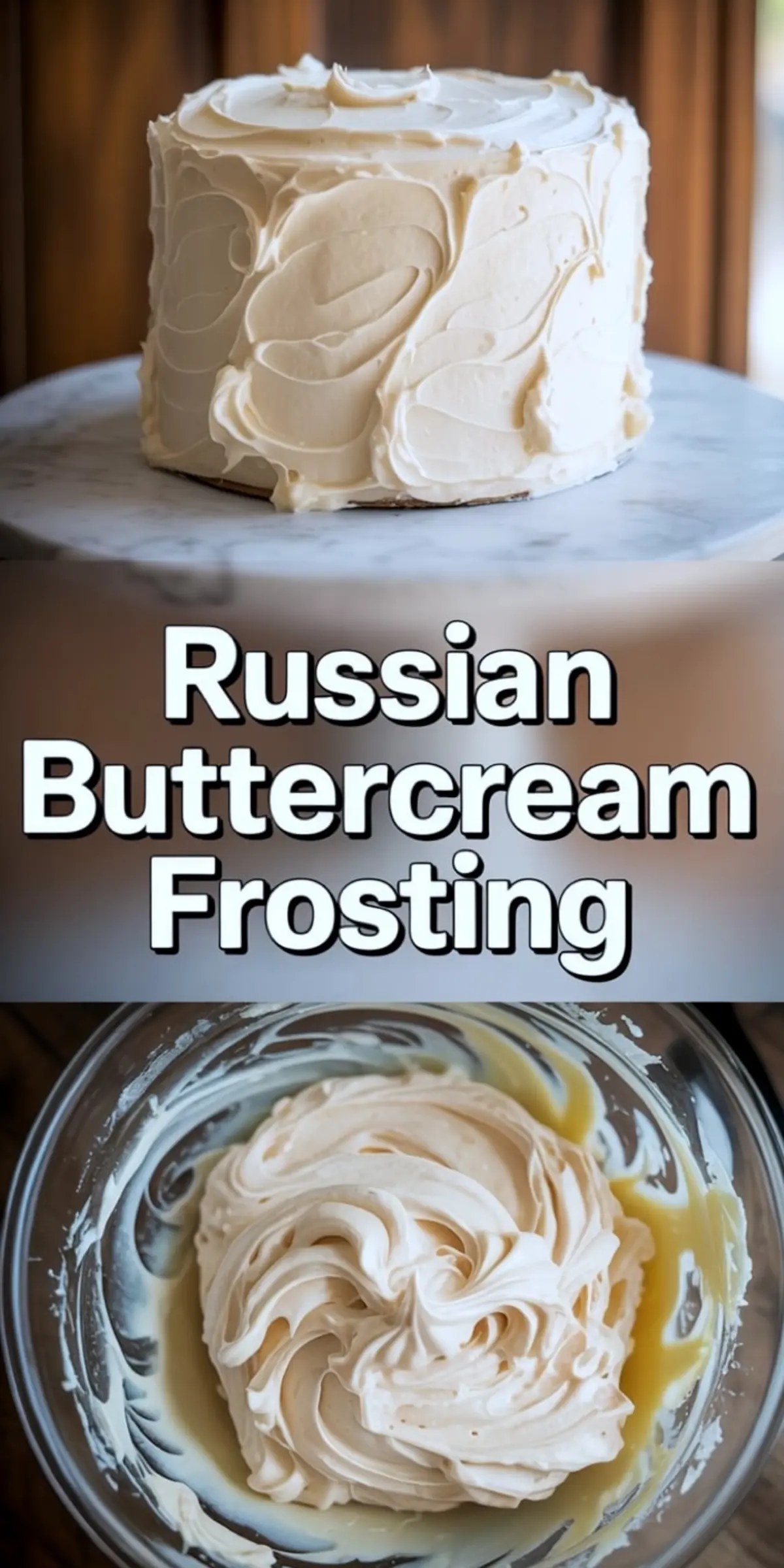
Russian buttercream is a silky frosting made by whipping 1 cup (226 g) of softened unsalted butter with one 14 ounce (397 g) can of sweetened condensed milk, plus a little vanilla and a pinch of salt. No powdered sugar. No cooking. It takes about 10 minutes and frosts 12 cupcakes generously or one 8 inch cake.
Two things make it work. The butter is beaten for 5 to 7 minutes until it turns almost white, and the condensed milk goes in one spoonful at a time. Rush either one and it splits.
Following a special diet?
Every recipe on this site can be converted to gluten-free, vegan, dairy-free, keto, nut-free or egg-free with adjusted ratios so nothing falls flat.
Try the Recipe Converter →What Makes a Buttercream Russian?
In Russia and much of Eastern Europe, butter beaten with sweetened condensed milk is the everyday cake cream. The name spread abroad along with Russian piping tips, since this was the frosting piped with them. Condensed milk buttercream, condensed milk icing, sweetened condensed milk frosting: same thing, other names.
It tastes of milky caramel, not plain sugar. And it never dries to a crust. If you want a slightly stiffer version for tall piping, my condensed milk frosting with optional powdered sugar uses the same butter and can, with up to a cup of sugar beaten in for hold.
Butter to Condensed Milk Ratio in Grams and Cups
This is not an equal parts frosting. By weight, the can is about 1¾ times the butter: 226 g butter to 397 g condensed milk. By volume, that is 1 cup of butter to roughly 1¼ cups of condensed milk.
That ratio is why it pipes without powdered sugar: the butter holds the shape while the thick milk sweetens it and gives it shine. More milk and it turns loose. Less and it tastes like sweet butter.
Butter Temperature and the Right Can
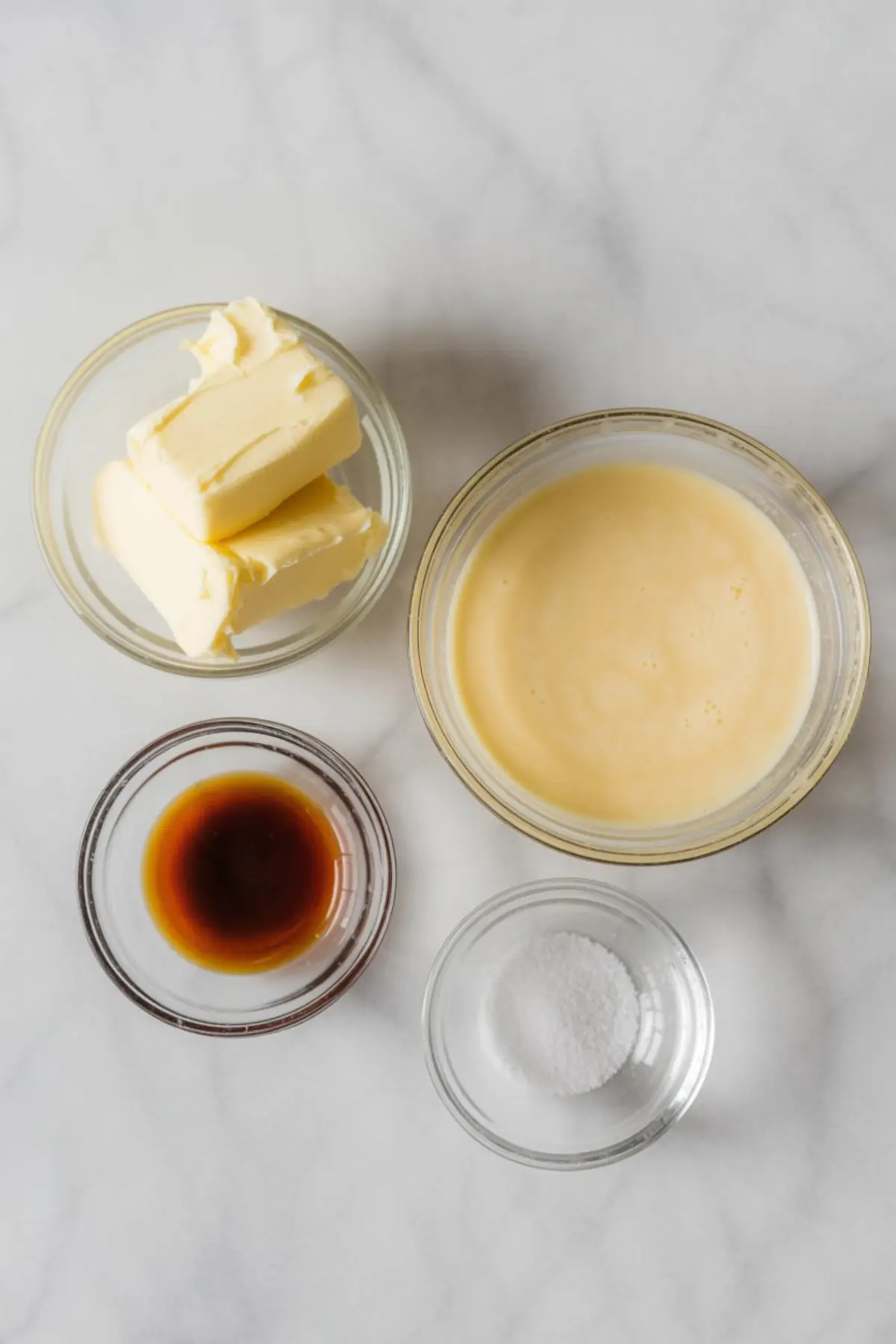
Soften the butter until a finger presses into it with no resistance, around 65 to 68°F (18 to 20°C). It should look matte, not oily. Cold butter makes it curdle. Melting butter makes it slick.
Leave the condensed milk on the counter too. Milk straight from the fridge chills the whipped butter and makes it look broken. Use full fat sweetened condensed milk that pours slowly from the can; low fat cans run thinner and give a softer frosting.
Evaporated milk will not work. It is unsweetened and thin, so the frosting never thickens. Vanilla is optional, though without it the flavor goes flat, and the salt keeps the sweetness in check.
Making It: Whip, Spoon In, Flavor
Beat the butter on high with the paddle or a hand mixer for 5 to 7 minutes, scraping the bowl a few times. Watch the color. It is ready when it has gone from yellow to pale ivory and looks fluffy, with no lumps.
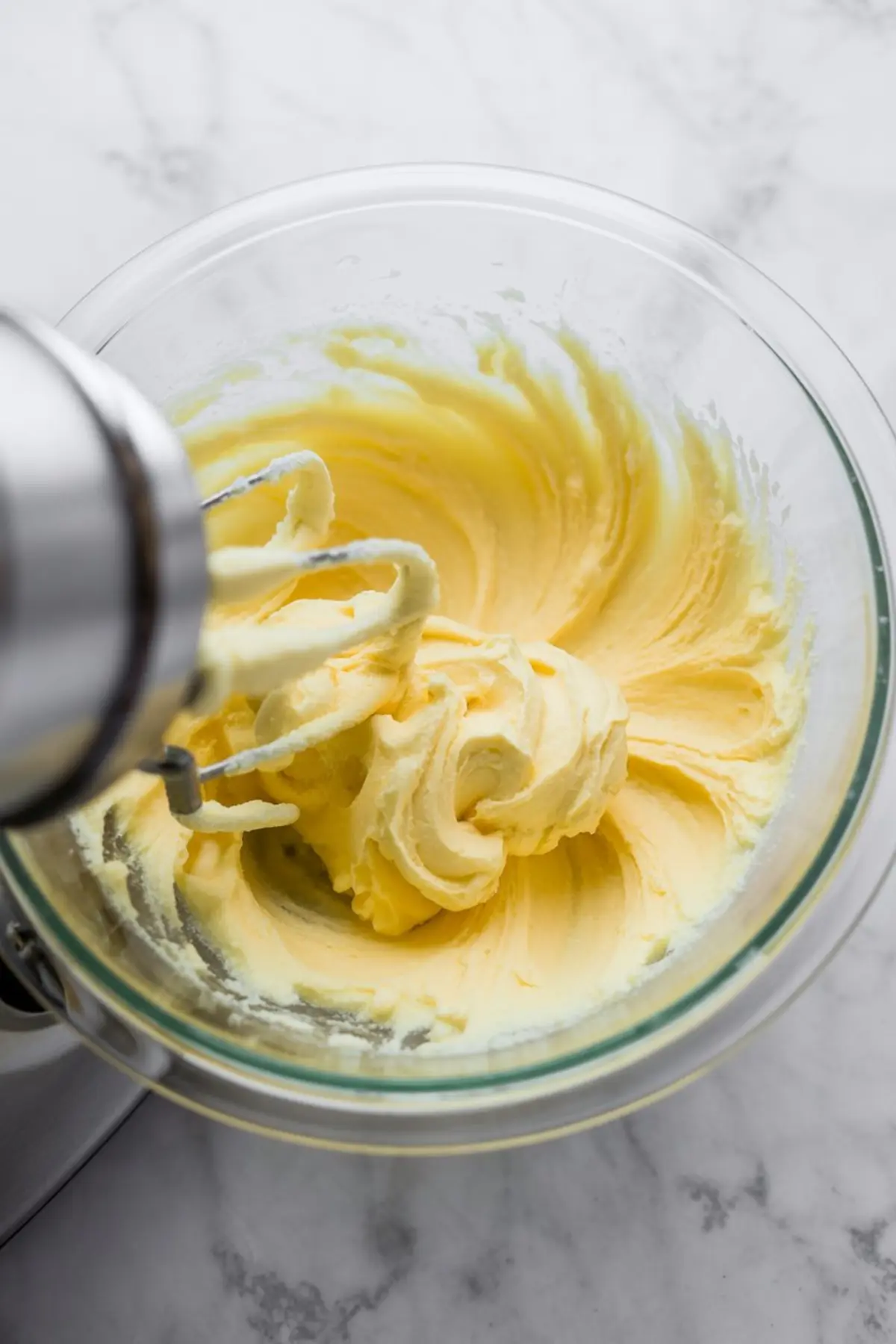
Turn the mixer down to medium. Add the condensed milk one spoonful at a time and wait until each one disappears into the butter before adding the next. It takes a few minutes. Pouring it all in at once is the usual reason this frosting splits.
Halfway through it may look curdled or streaky. Keep beating. It usually comes back after two or three more spoonfuls.
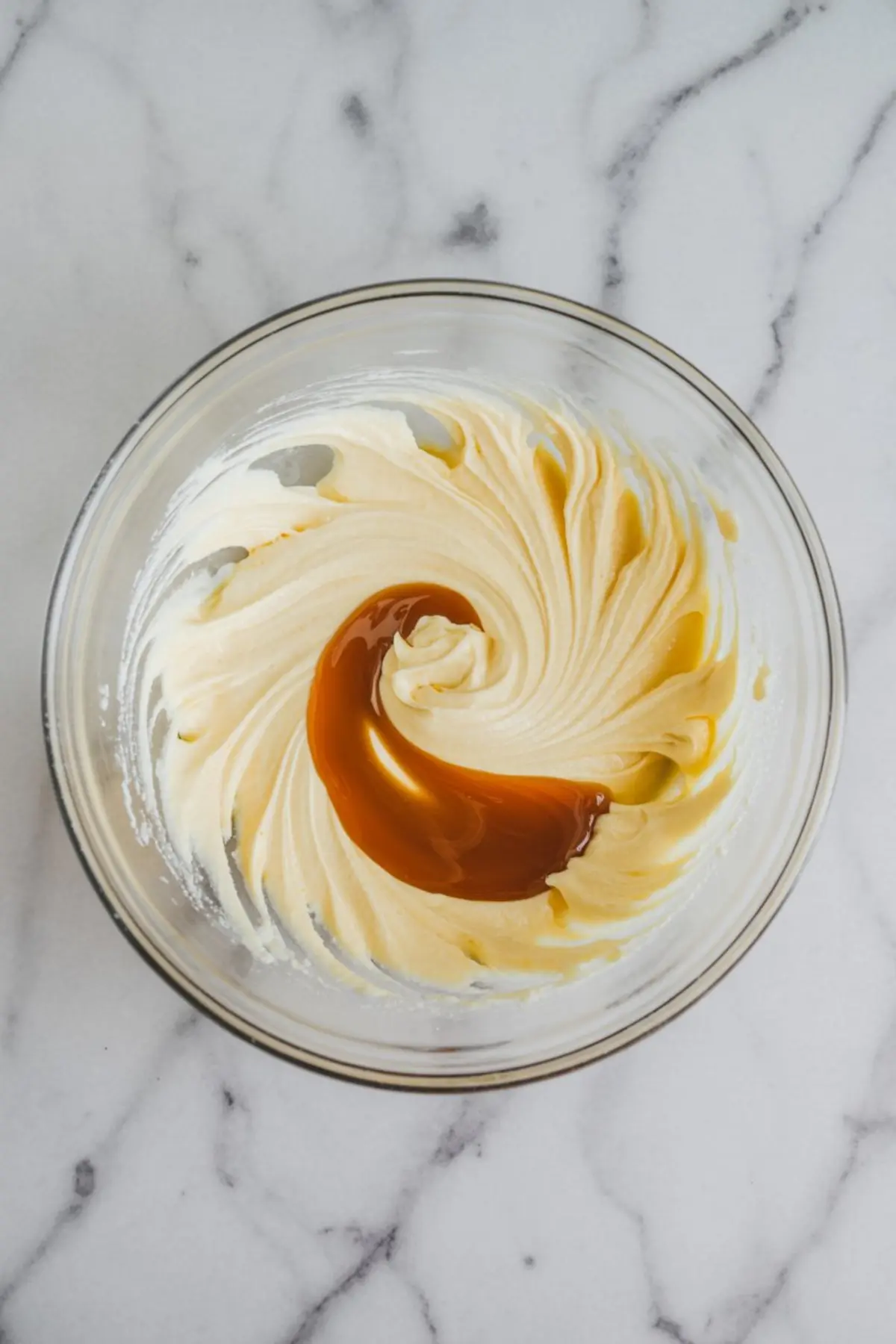
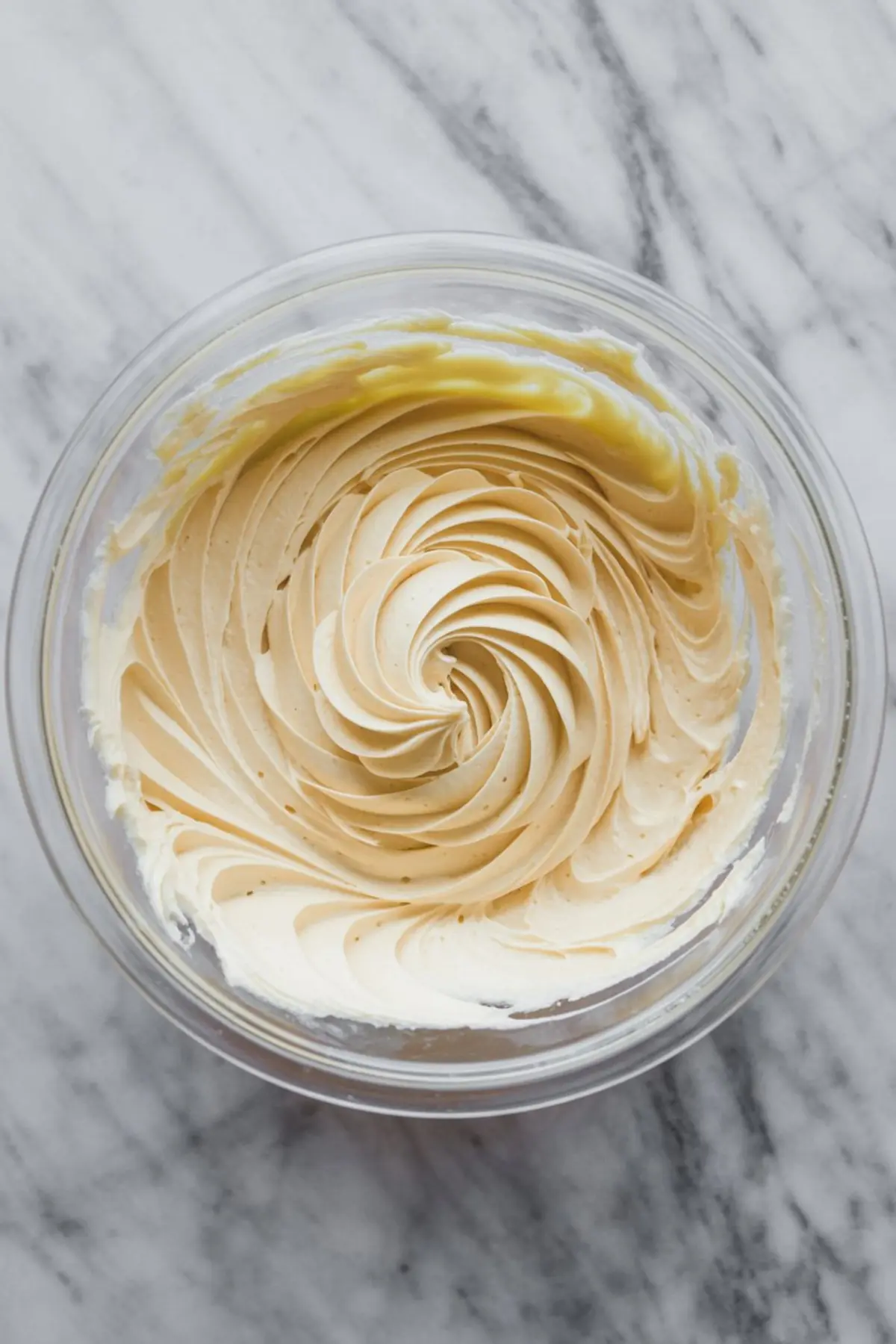
Once all the milk is in, add the vanilla and salt and beat for 30 seconds more. The finished buttercream is glossy, pale ivory and soft enough to swirl, and it holds a ridge when you drag a spoon through it.
Curdled, Soupy or Greasy: Saving a Split Batch
- Looks curdled or grainy: the butter or milk was too cold. Keep the mixer running and wrap a warm towel around the bowl for a few seconds, or warm the sides with a hair dryer on low. It smooths out once the butter softens a little.
- Soupy or runny: the butter was too warm or the milk went in too fast. Chill the bowl for 10 to 15 minutes, then beat again on medium.
- Greasy layer on top: the emulsion broke from heat. Chill briefly and re-whip; it should turn matte and fluffy again.
- Too soft to pipe: chill 10 to 15 minutes and test a single swirl before filling the whole bag.
Russian vs American vs Swiss Meringue Buttercream
- Russian buttercream: butter and sweetened condensed milk. The can holds about 215 g of sugar, so it is noticeably less sweet than an American buttercream. Soft, silky, never crusts, and softens quickly in a warm room.
- American buttercream: butter beaten with powdered sugar, usually around 4 cups (about 480 g) for the same cup of butter. Sweetest of the three, and it forms a light crust that helps with stiff piping.
- Swiss meringue buttercream: egg whites and sugar heated, whipped to a meringue, then beaten with butter. Light, not very sweet, and the most stable for layer cakes. See my Swiss meringue buttercream for that method, or the Italian buttercream frosting if you are comfortable with hot sugar syrup.
Pick Russian buttercream for a fast, silky frosting with no eggs and no thermometer. For a cake that will sit out in a warm room, pick a meringue buttercream.
Piping and Coloring It
Fresh from the mixer it is a little soft for detailed piping. Chill it for 10 to 15 minutes, stir with a spatula to knock out air bubbles, and pipe one test swirl. Sharp ridges? Fill the bag, but only halfway, so your hand does not warm it.
Use gel color. Liquid coloring adds water and loosens it. Since the whipped butter is so pale, pastels come out clean.
On a layer cake, spread a thin crumb coat, chill the cake for 20 to 30 minutes, then add the final layer. It sits well on a moist vanilla cake and on homemade chocolate cupcakes, and it is soft enough to sandwich between cookies.
Cocoa, Caramel and Peanut Butter Versions
- Chocolate: beat in 2 tablespoons of unsweetened cocoa powder at the end. It deepens the flavor without thinning the frosting.
- Caramel: use a can of dulce de leche instead of the condensed milk. In Russia the same caramel is made by slowly cooking a can of condensed milk, and this version is a favorite there too.
- Almond or citrus: swap the vanilla for ½ teaspoon almond extract, or beat in the finely grated zest of 1 lemon or orange.
- Peanut butter: beat in 2 tablespoons of smooth peanut butter with the vanilla. Want it strongly peanut? Use my peanut butter frosting instead.
For a true chocolate frosting, this chocolate buttercream frosting gives a darker, fudgier finish. My vanilla buttercream frosting is the plain white option.
Fridge, Freezer and a Frosted Cake
Keep the buttercream in an airtight container in the fridge for up to 1 week. It sets hard when cold. Let it soften on the counter, then beat it briefly.
To freeze, press it flat in a freezer bag and keep it for up to 2 months. Thaw overnight in the fridge, bring to room temperature and re-whip. It looks broken at first and comes back after a minute or two.
Because it is made with milk, store a frosted cake in the fridge. Take it out about 30 minutes before serving so the frosting softens and tastes creamy, not waxy.
Quick Answers About Condensed Milk Frosting
Does Russian buttercream crust?
No. It stays soft to the touch, so it will not form the dry outer skin American buttercream does.
Is Russian buttercream very sweet?
It is sweet but milder than powdered sugar frostings, with a caramel milk flavor. The salt keeps it balanced.
Can I use evaporated milk instead of sweetened condensed milk?
No. Evaporated milk has no added sugar and is much thinner, so the frosting will stay runny.
Will it hold up in warm weather?
Not well. It softens faster than American or Swiss meringue buttercream, so keep the cake cool and serve it within a few hours.
Russian Buttercream Frosting
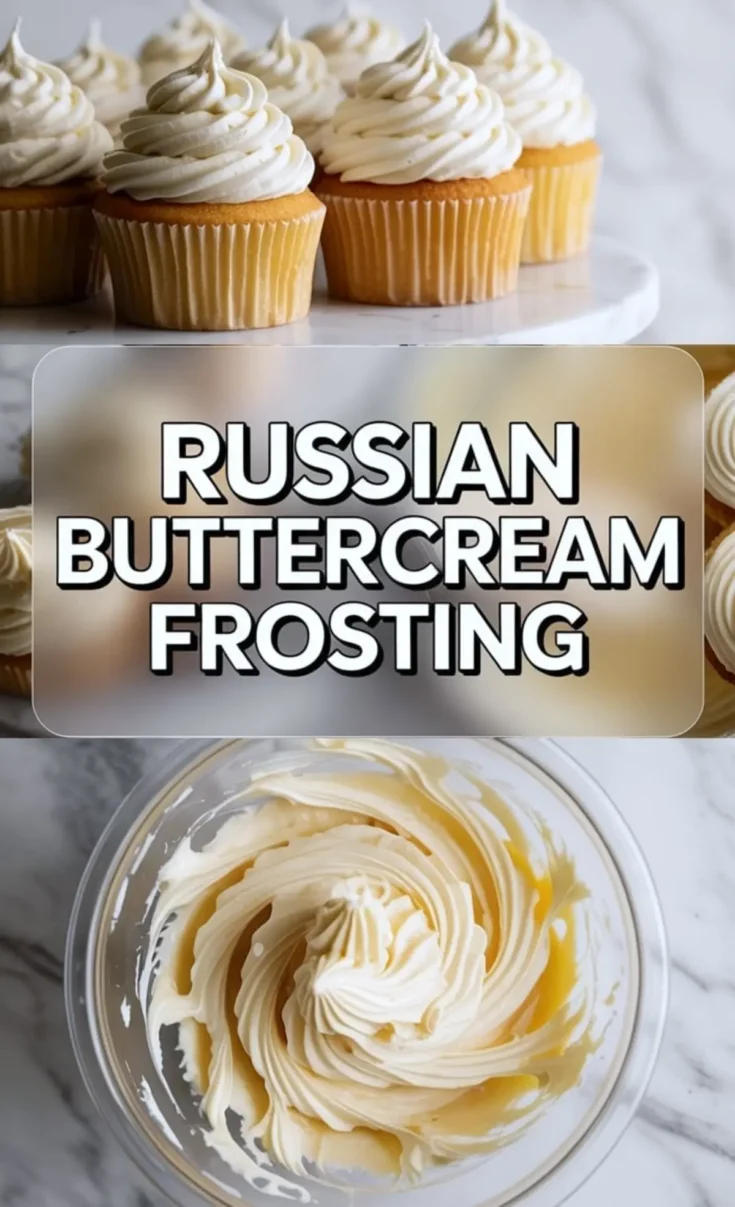
This Russian buttercream is a silky condensed milk frosting made with 1 cup of softened unsalted butter, one 14 ounce can of sweetened condensed milk, vanilla and a pinch of salt, with no powdered sugar. It takes about 10 minutes and frosts 12 cupcakes or one 8 inch cake with a smooth, soft finish that pipes clean ridges. The butter is whipped for 5 to 7 minutes until pale, then the condensed milk goes in one spoonful at a time, so this buttercream with condensed milk stays glossy instead of splitting. Use it on vanilla or chocolate cupcakes, layer cakes, sandwich cookies or birthday cakes when you want a less sweet frosting. Beat in 2 tablespoons of cocoa for chocolate, and keep it in the fridge for 1 week or frozen for 2 months.
Ingredients
- 1 cup (2 sticks / 226g) unsalted butter, softened to room temperature
- 1 can (14 oz / 397g) sweetened condensed milk
- 1 tsp vanilla extract (optional but recommended)
- Pinch of salt
Instructions
- SOFTEN THE BUTTER: Let the butter sit at room temperature until it becomes very soft, but not melted. It should be easily spreadable, which helps create a light and airy texture in the finished frosting.
- WHIP THE BUTTER: In a stand mixer fitted with the paddle attachment or using a hand mixer, beat the softened butter on high speed for 5 to 7 minutes. Scrape down the sides of the bowl as needed. The butter should turn pale, fluffy, and smooth with no visible lumps.
- ADD THE CONDENSED MILK: Reduce the mixer speed to medium. Begin adding the sweetened condensed milk one spoonful at a time. Continue beating until each addition is fully absorbed before adding the next. This slow incorporation prevents the frosting from splitting and ensures a silky, cohesive texture.
- ADD FLAVORINGS: Once all the condensed milk is incorporated, mix in the vanilla extract and a pinch of salt. Beat the frosting for another 30 seconds to blend everything evenly.
- USE OR STORE: Use immediately to frost cakes or cupcakes, or store in an airtight container in the refrigerator for up to 1 week. Bring to room temperature and re-whip briefly before using if chilled.
Notes
Have both the butter and the condensed milk at room temperature, around 65 to 68°F (18 to 20°C). Cold milk makes the frosting look curdled.
If it looks curdled, keep beating and warm the outside of the bowl for a few seconds. If it turns soupy, chill it for 10 to 15 minutes and beat again.
For firmer piping, chill the buttercream for 10 to 15 minutes before filling the bag. Use gel coloring, not liquid.
Do not use evaporated milk; it is unsweetened and thin and the frosting will not thicken.
Store airtight in the fridge for up to 1 week or freeze for up to 2 months. Bring to room temperature and re-whip before using.
Nutrition Information
Yield
12Serving Size
1Amount Per Serving Calories 163Total Fat 17gSaturated Fat 11gUnsaturated Fat 6.4gCholesterol 46mgSodium 6.3mgCarbohydrates 1.8gSugar 1.8gProtein 0.4g
