
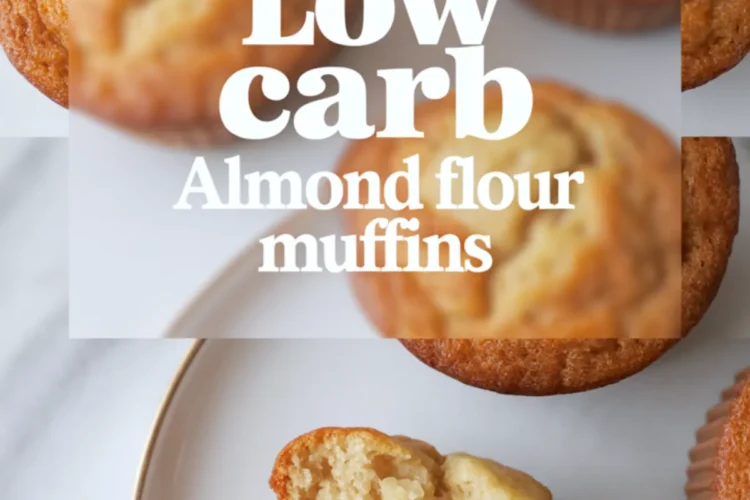
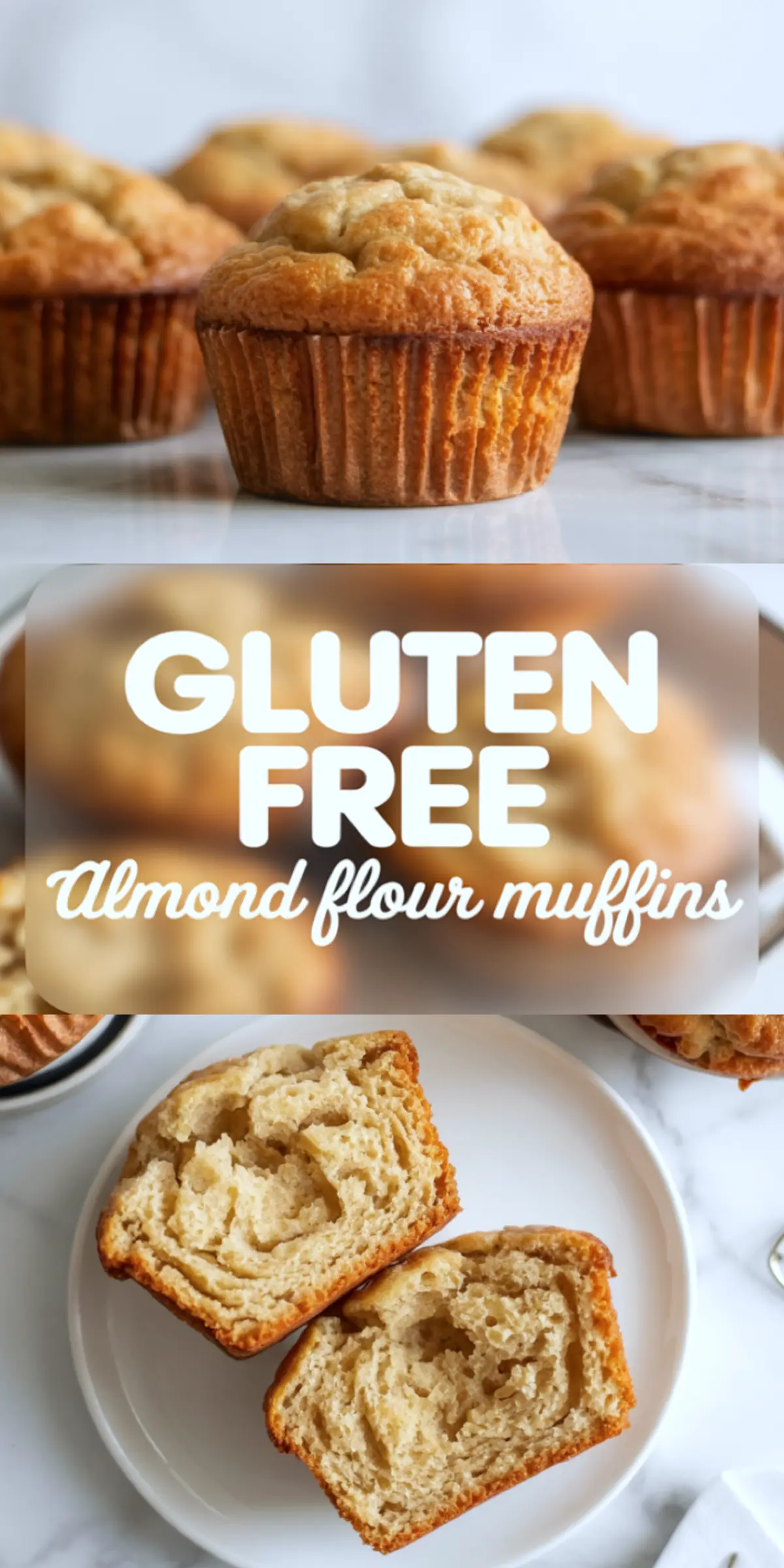
These almond flour muffins are soft, subtly sweet, and quick to prepare. The recipe blends blanched almond flour with a touch of coconut flour for structure, using maple syrup or erythritol as sweetener. Whether you’re baking for low-carb snacks, gluten free breakfast options, or want grain free almond flour recipes that actually taste good, this one holds up. These muffins stay moist, store well, and bake up with golden tops and tender centers.
Following a special diet?
Every recipe on this site can be converted to gluten-free, vegan, dairy-free, keto, nut-free or egg-free with adjusted ratios so nothing falls flat.
Try the Recipe Converter →The texture comes from a specific ratio: two parts almond flour to a small amount of coconut flour. Almond flour on its own can feel dense or overly moist, but coconut flour balances it without drying it out. You need only a quarter cup of coconut flour here, but it makes a difference.
Eggs also matter. I use three large eggs to bind and lift the batter. That may sound like a lot for 12 muffins, but almond flour snacks need that extra support. The result is light and springy, not crumbly or wet. A simple whisk does the job. No mixer needed.
Why I Chose These Ingredients
Almond flour forms the base, and I always reach for blanched almond flour with a fine grind. Anything coarser changes the texture and doesn’t bake evenly. Coconut flour thickens the batter and holds moisture without needing gums or starches.
Maple syrup works well for flavor, but I often use erythritol when I want a lower carb version. Both combine easily with the almond milk and eggs. If you’ve made my Almond Flour Pancakes, you’ve seen how important liquid balance is with nut-based flours.
Coconut oil or butter adds richness. I melt it first, then whisk it in with the vanilla extract. It’s worth using a good vanilla. This is a simple muffin, and every flavor shows.
Spotlight: Almond Flour Itself
You can’t make good almond flour muffins without the right kind of almond flour. I’ve tried superfine and medium grind, and there’s no question. Superfine blanched almond flour always bakes more evenly. It absorbs liquid differently than almond meal, and it gives these muffins a finer crumb.
Baking with almond flour also means keeping an eye on sweetness. This flour already has a natural nuttiness and hint of sweetness. That’s why I pull back on the sweetener. Too much syrup or honey, and you’ll lose the balance. If you’ve enjoyed my Almond Flour Cookies, you’ll recognize the same balance here.
Step-by-Step Texture Cues
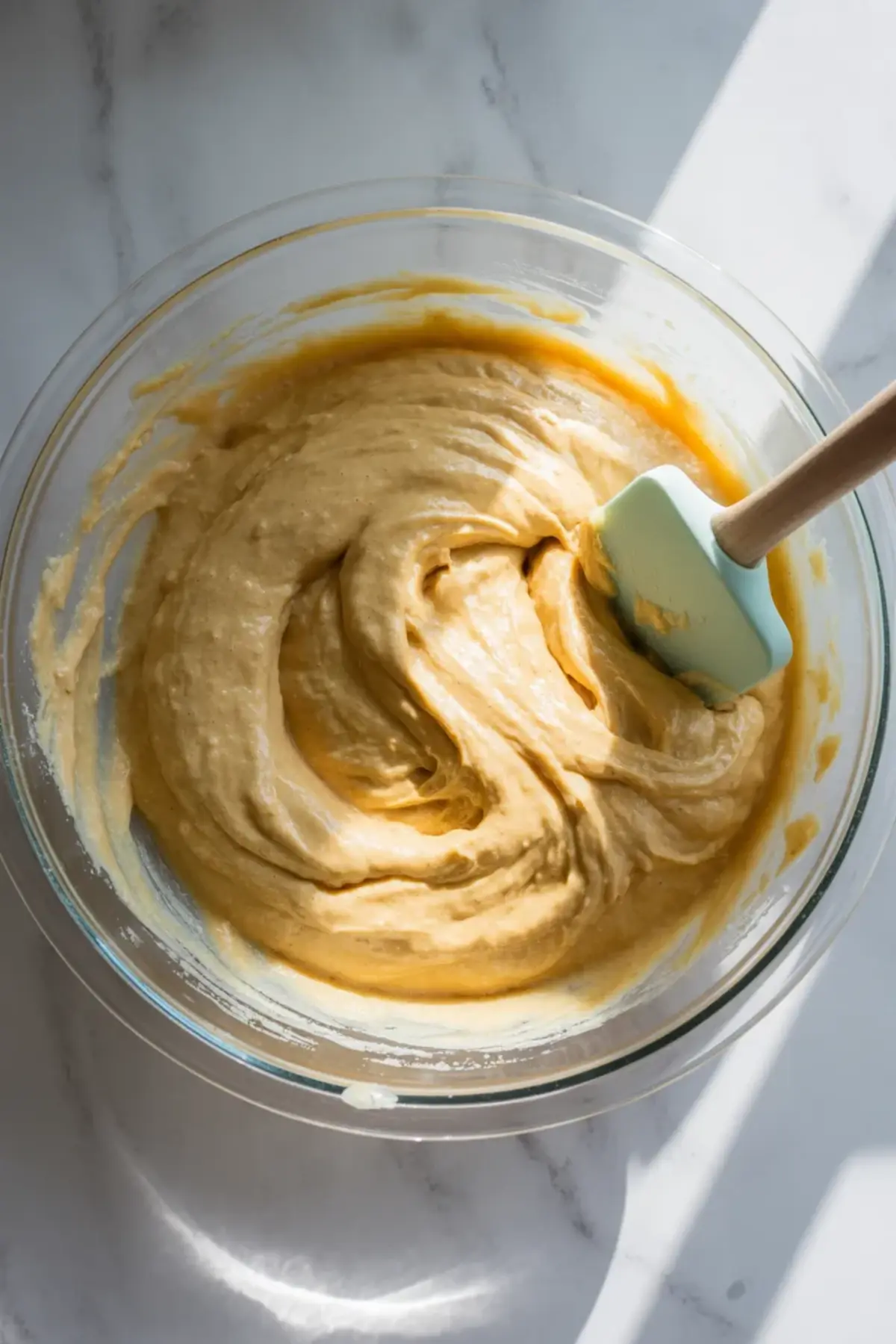
The batter should be thick and spoonable, not pourable. After mixing the wet into the dry, I stop stirring when the flour is fully moistened but not glossy. That’s the visual cue I trust.
The tops of the muffins turn golden brown between 18 and 22 minutes. If the centers feel set and spring back slightly when touched, they’re ready. A toothpick should come out with a few moist crumbs, not wet batter.

Let them cool for at least 5 minutes in the tin before transferring to a rack. Almond flour baked goods need that cooling time to hold shape, just like my Chickpea Muffins.
Common Issues and How to Fix Them
If your muffins sink after baking, it usually means the batter was overmixed or the oven wasn’t fully preheated. If they feel too wet inside, try measuring the almond flour by weight, not volume. If they turn out dry, check the freshness of the almond flour and avoid overbaking.
Batter sticking to the liners? Use parchment liners or lightly grease a silicone muffin tray.
Ways to Adjust the Flavor
Add ½ teaspoon cinnamon for warmth or a teaspoon lemon zest for brightness. You can stir in ¼ cup fresh blueberries or chopped strawberries. To make chocolate chip almond flour muffins, fold in ⅓ cup dark chocolate chips.
You can also swap the maple syrup for ¼ cup granulated monk fruit sweetener and bump up the almond milk by a tablespoon to balance the dryness. That gives you a low carb option with zero added sugar.
How to Store and Freeze Them
At room temperature, they stay fresh for three days in an airtight container. In the fridge, they last up to one week. For longer storage, freeze the muffins in a zip-top bag for up to two months. Thaw at room temp or microwave for 15 seconds.
They stay soft even after freezing, which makes them a go-to in my weekly prep, just like my Quinoa Protein Muffins.
Quick Tips from My Kitchen
Use a cookie scoop for even portioning. Always let the coconut oil cool slightly before adding it to the eggs, so it doesn’t cook them. Don’t skip the salt. Just ¼ teaspoon balances the sweetness. Keep almond flour tightly sealed in the fridge to maintain freshness.
Watch your baking time closely after 18 minutes. Ovens vary.
Serving Ideas for These Muffins
Slice and spread with almond butter for a protein snack. Serve warm with Greek yogurt and berries.
Drizzle with a little maple syrup for breakfast. Top with lemon glaze for a spring brunch.
Pack into lunchboxes or snack boxes for on-the-go days. Break apart and serve with coconut whipped cream and fruit for dessert.
Save This Recipe and Share Yours Too
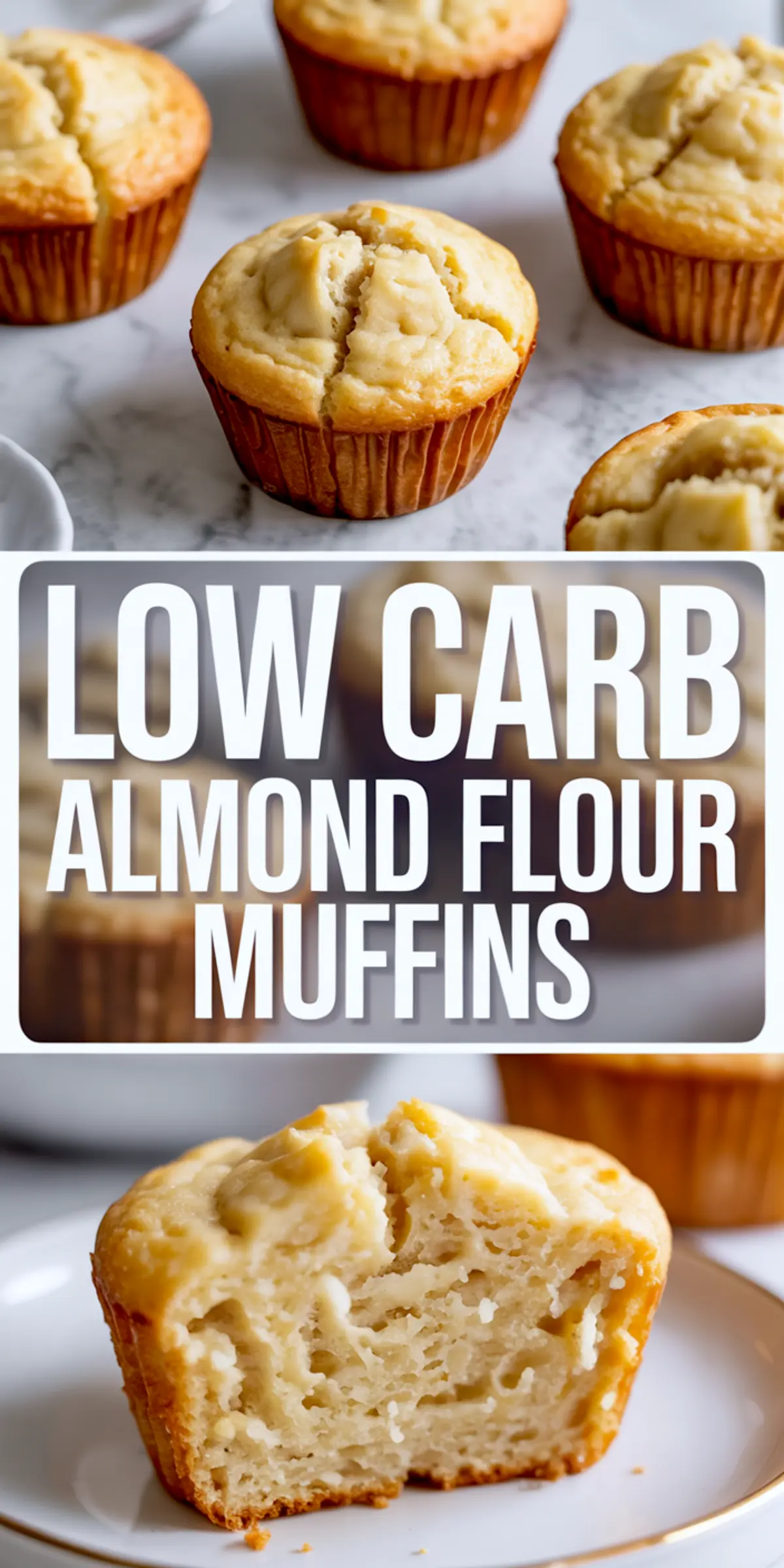
Pin this recipe to your “Healthy Muffin Recipes” or “Almond Flour Snacks” boards for later. If you try these muffins or give them your own twist, I’d love to hear what you did. Share in the comments if you made changes, had questions, or just want to say hi.
Fluffy Almond Flour Muffins (Gluten-Free & Low-Carb)
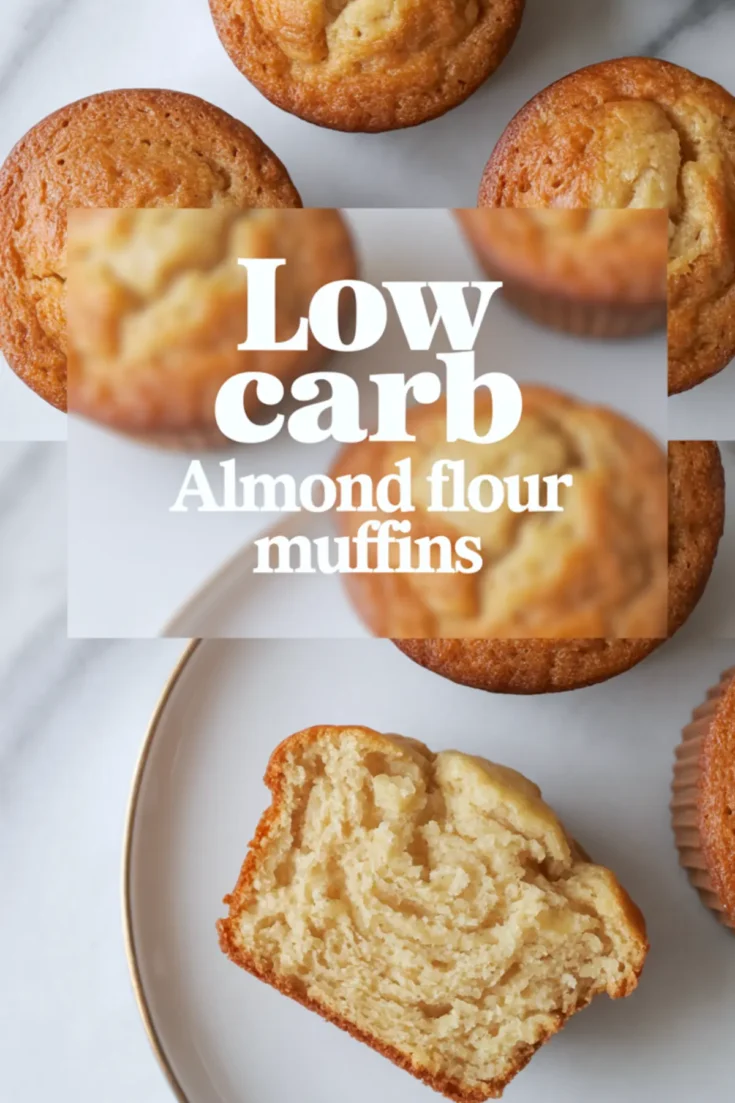
These almond flour muffins are soft, satisfying, and made with wholesome ingredients. Perfect for those looking for gluten free, low carb options or anyone baking with almond flour regularly. Great for meal prep, these healthy muffin recipes also work well as quick almond flour snacks. Whether you’re searching for grain free baked goods or muffins made with almond flour, this recipe delivers taste and texture. Add them to your favorite almond flour recipes or everyday muffin recipes for a nutritious upgrade.
Ingredients
- 2 cups blanched almond flour
- 1/4 cup coconut flour
- 1 teaspoon baking powder
- 1/2 teaspoon baking soda
- 1/4 teaspoon salt
- 3 large eggs, room temperature
- 1/3 cup maple syrup or honey (or 1/4 cup erythritol for low-carb version)
- 1/3 cup unsweetened almond milk
- 1/4 cup melted coconut oil or butter
- 1 1/2 teaspoons vanilla extract
- Optional: 1/2 teaspoon cinnamon or lemon zest
Instructions
- PREHEAT THE OVEN: Set your oven to 350°F (175°C) and line a 12-cup muffin tin with paper liners or lightly grease each cup with oil or butter.
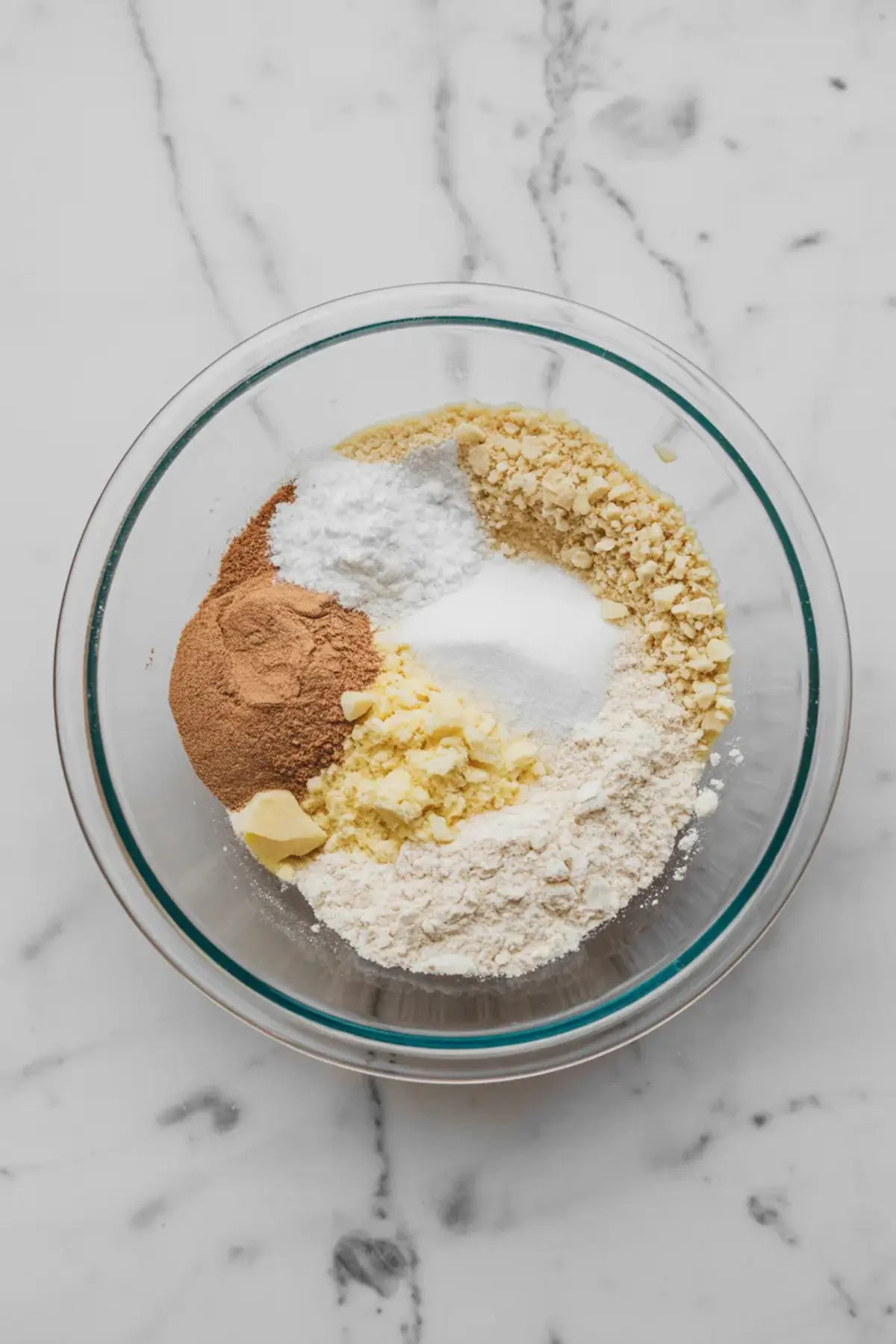
- MIX THE DRY INGREDIENTS: In a large mixing bowl, whisk together the almond flour, coconut flour, baking powder, baking soda, and salt until well combined and no clumps remain.
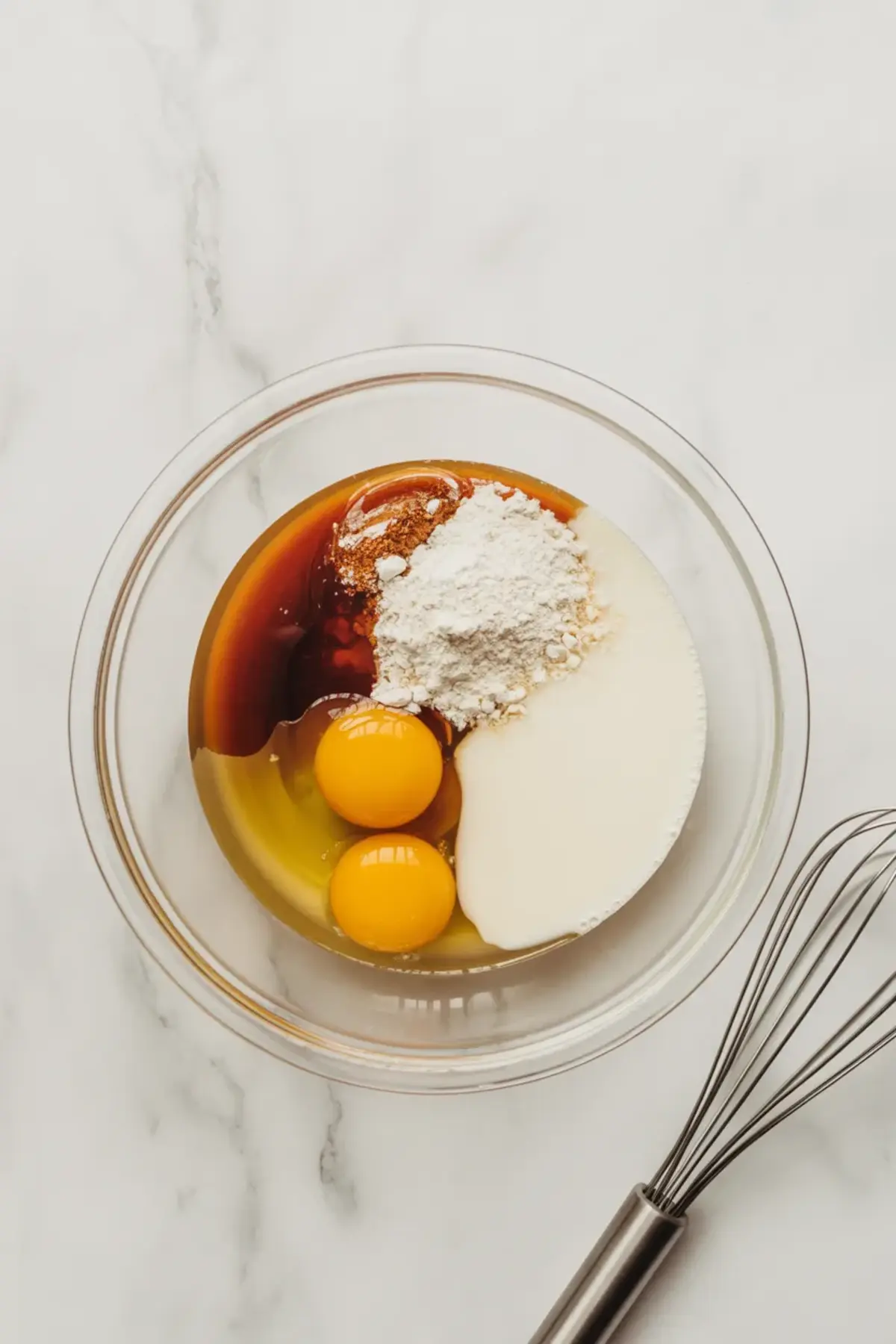
- COMBINE THE WET INGREDIENTS: In a separate bowl, beat the eggs until smooth. Add the maple syrup or chosen sweetener, almond milk, melted coconut oil or butter, and vanilla extract. Whisk until the mixture is fully combined.
- COMBINE WET AND DRY MIXTURES: Pour the wet ingredients into the bowl of dry ingredients. Stir gently until just combined. Do not overmix; the batter should be thick but scoopable.
- FILL THE MUFFIN TIN: Divide the batter evenly between the 12 muffin cups, filling each about three-quarters full to allow room for rising.
- BAKE THE MUFFINS: Place the muffin tin in the preheated oven and bake for 18 to 22 minutes, or until the tops are golden brown and a toothpick inserted into the center of a muffin comes out clean.
- COOL BEFORE SERVING: Allow the muffins to cool in the tin for 5 minutes, then transfer them to a wire rack to cool completely. Muffins will firm up as they cool.
Notes
These muffins can be flavored with cinnamon or lemon zest for a subtle variation. Store leftovers in an airtight container at room temperature for up to 3 days, or freeze for longer storage.
Nutrition Information
Yield
12Serving Size
1Amount Per Serving Calories 351Total Fat 28gSaturated Fat 7gUnsaturated Fat 21gCholesterol 47mgSodium 183mgCarbohydrates 17gFiber 6gSugar 7gProtein 11g
