
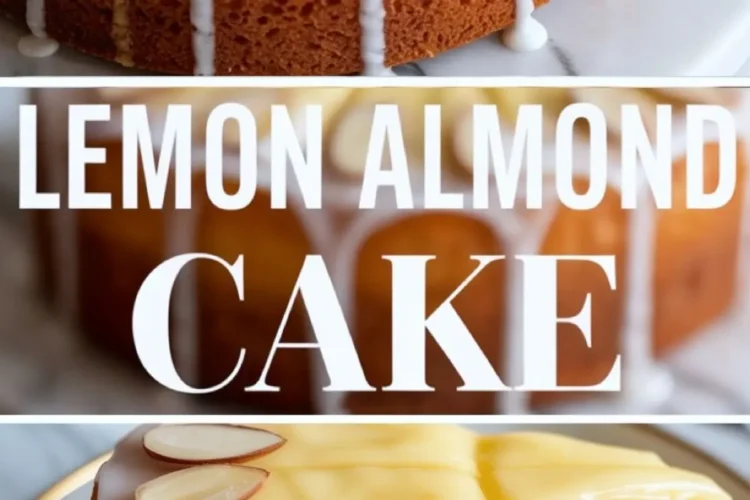
This lemon almond cake recipe uses a blend of finely ground almonds, fresh lemon zest, and two types of glaze for a layered citrus finish. It’s a warm cake with bright lemon flavor and a tender crumb from the almond flour. This almond cake recipe works well as a spring dessert, afternoon bake, or part of your collection of easy lemon desserts and almond recipes.
Lemon zest and almond extract meet halfway. One sharp and fresh, the other warm and nutty. That combination carries through the crumb, the glaze, and even the aroma as it cools.
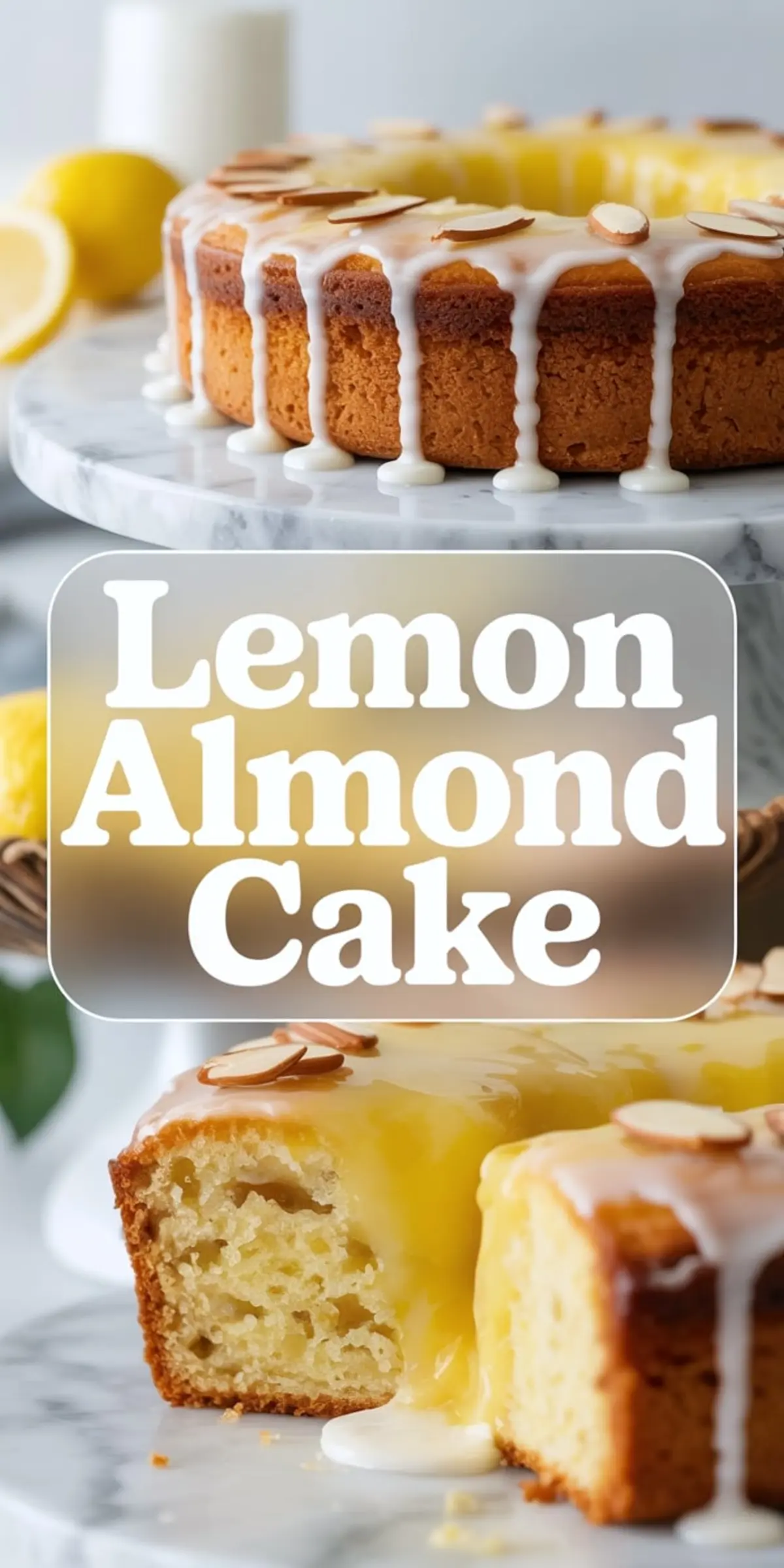
The ratio of butter to sugar sits at 1:1, keeping it rich but balanced. The sour cream adds moisture and helps break up the density that often comes with almond cakes. A double glaze seals everything in. First the lemon syrup while it’s still warm, then a thick sugar drizzle once cooled.
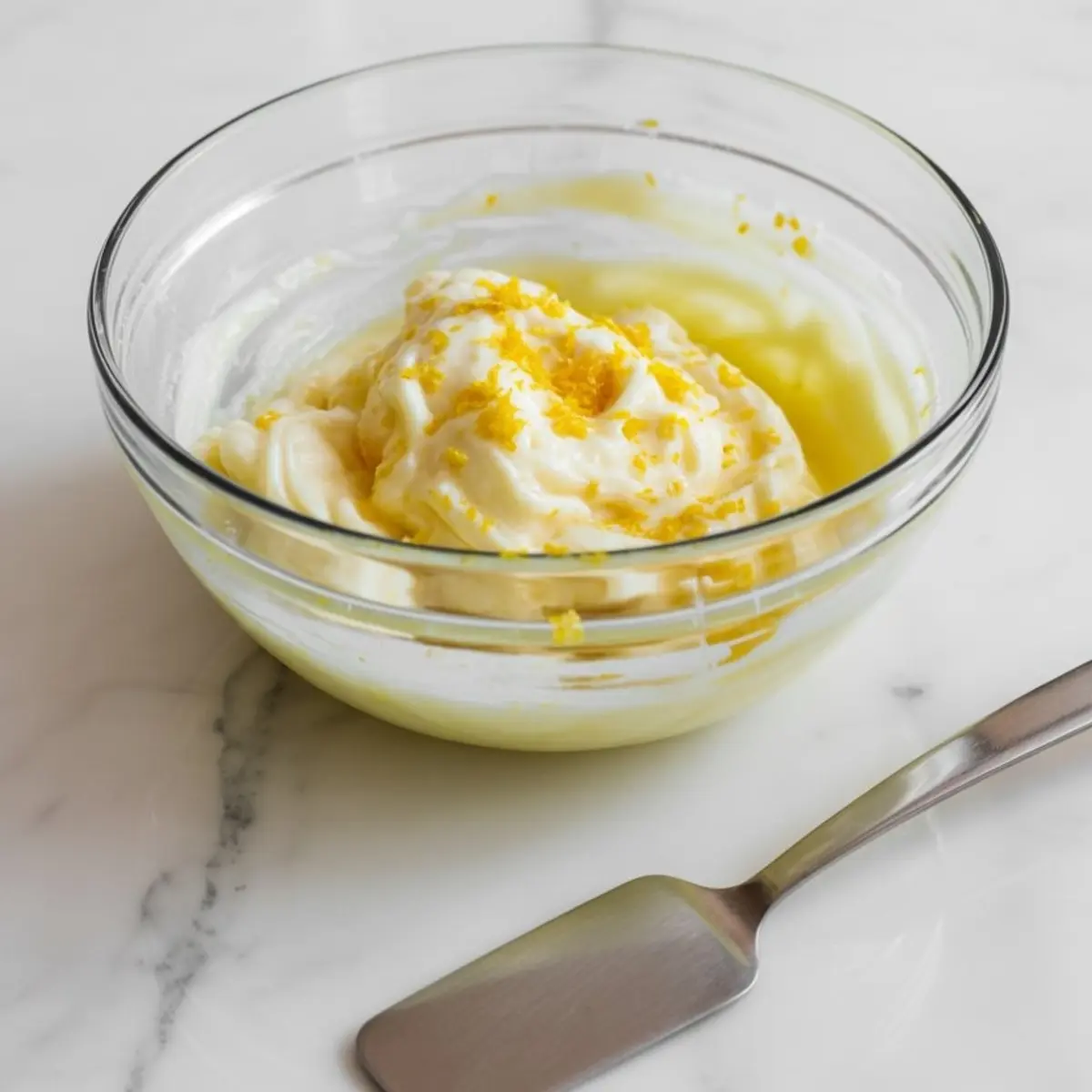
Texture stays light without becoming fragile. Flavor stays bold without becoming sharp. The structure comes from the all-purpose flour, but the almond flour keeps the crumb soft. This isn’t a dry, sugary loaf. It eats like cake. A proper one.
If you’re looking for a fresh citrus dessert without leaning entirely on sponge, this one has range.
Ingredient Breakdown and Why Each One Matters
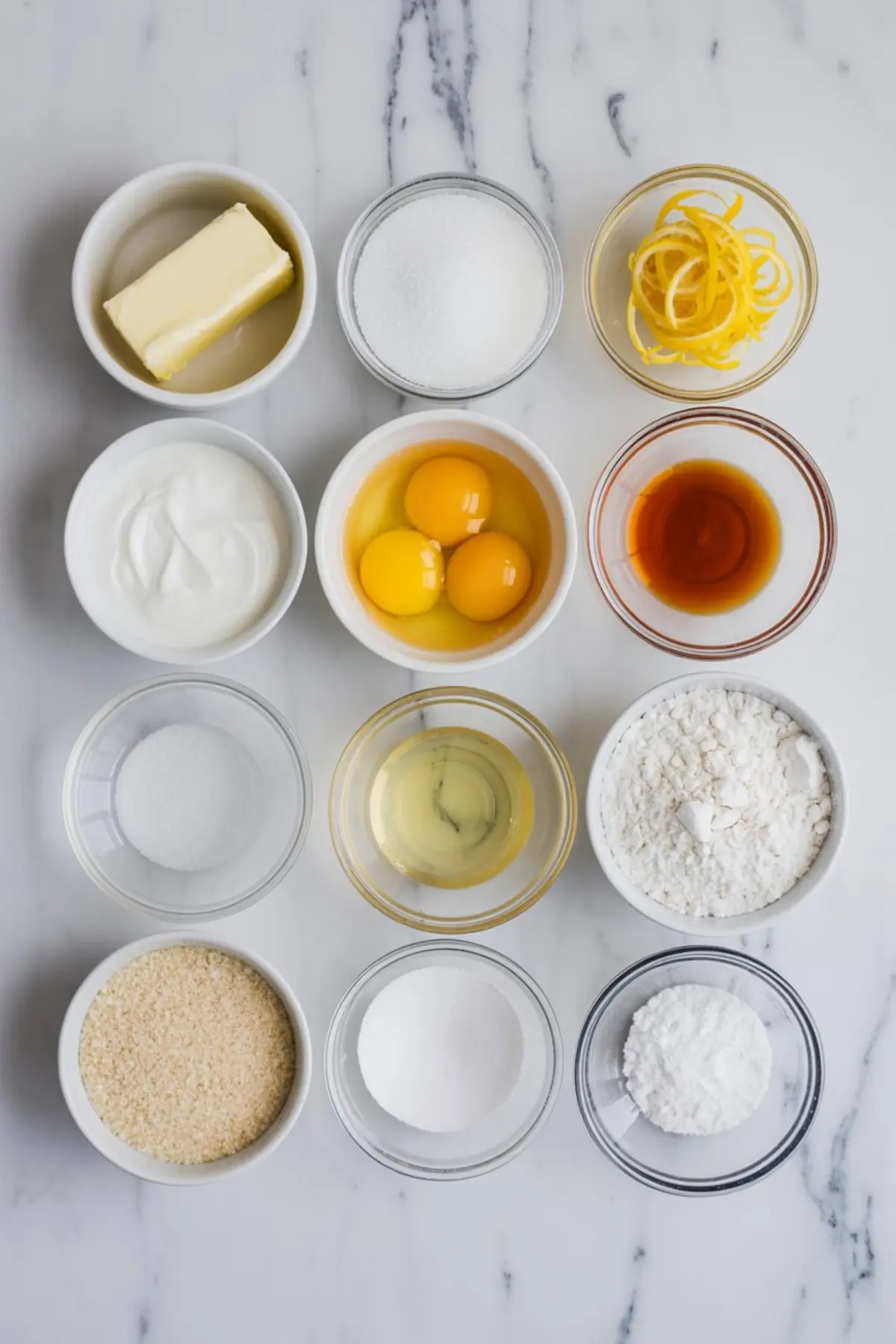
Butter sets the base. I use unsalted so I can control the seasoning. Room temperature butter makes it easier to cream properly with the sugar and lemon zest, which is where flavor starts building. Granulated sugar gives the structure and sweetness without turning it cloying.
Lemon zest goes in early to release the oils into the butter. This is non-negotiable. It makes the lemon flavor bloom without needing too much juice. I use two full lemons.
Sour cream or Greek yogurt both work. I reach for whichever is in the fridge. Sour cream gives a slightly silkier result. Either one adds acidity and moisture.
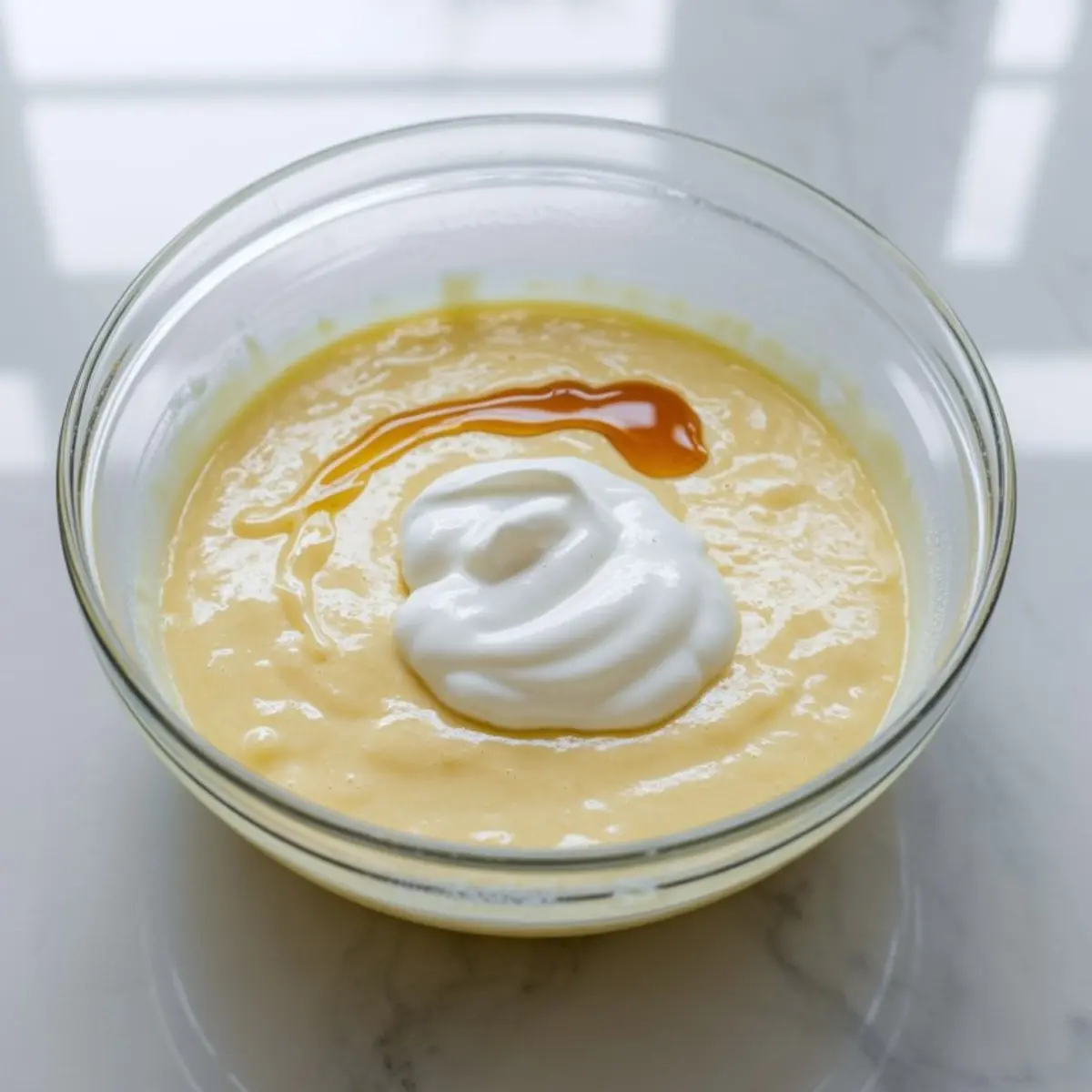
The vanilla rounds out the lemon. The almond extract lifts the nuttiness without overpowering. These two keep it from tasting flat.
Almond flour changes the crumb. I use finely ground, not coarse meal. It shouldn’t feel gritty. Combined with all-purpose flour, the mix holds shape but melts easily when warm.
If you’ve made my Lemon Mascarpone Cake, this one goes in a more textured, nutty direction. Less cream, more cake.
Glaze Spotlight: Why Two Are Better Than One
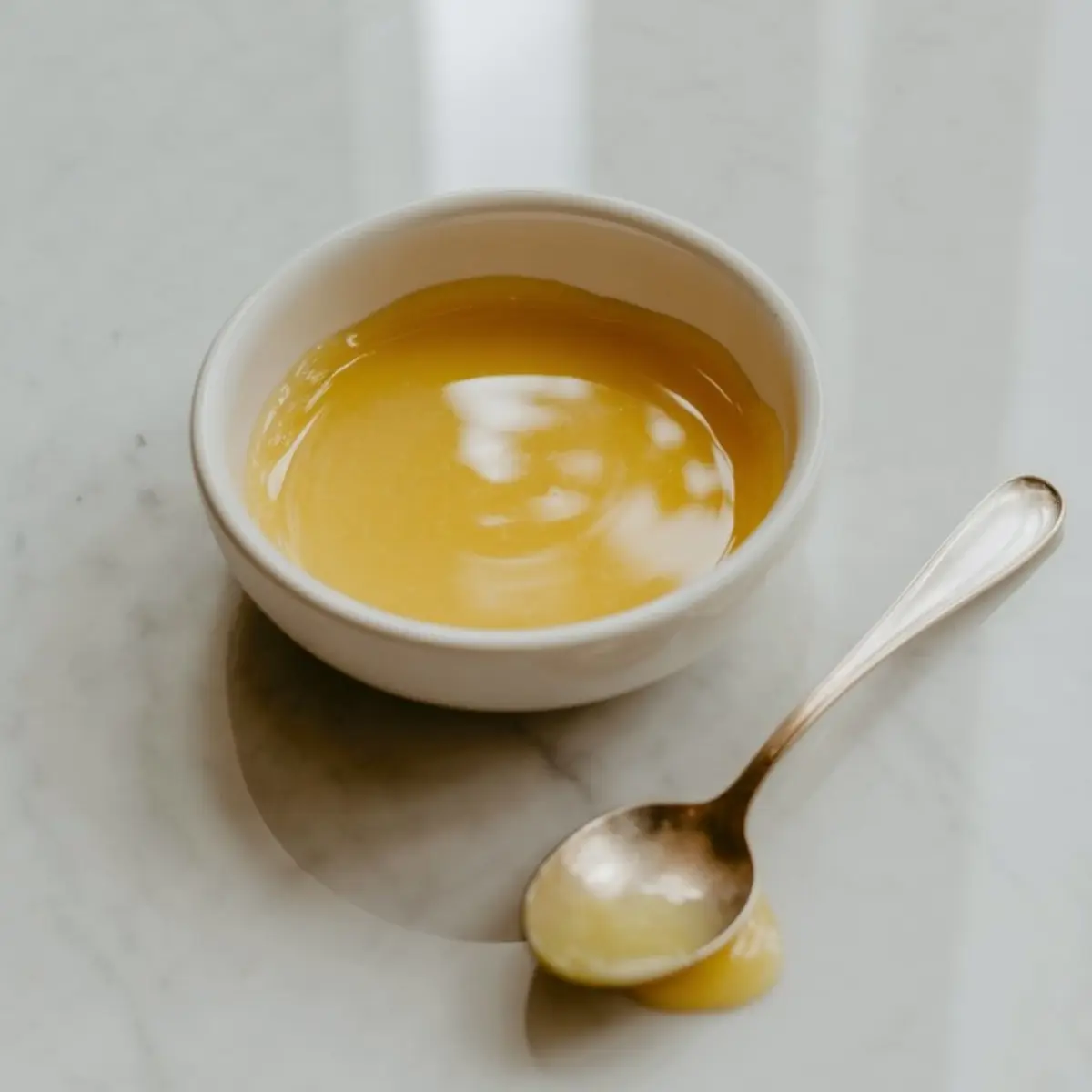
The lemon glaze starts with juice and sugar, cooked just enough to dissolve. No simmering. Spoon it over the cake while warm and let it sink in. This gives depth and moisture, not just surface gloss.
The second glaze is powdered sugar mixed with milk or water. Thicker, drizzled only after the cake cools. I add a little vanilla or lemon extract here too. It sets fast, so work quickly. The contrast between the two layers makes each slice more flavorful.
That technique came from testing my Lemon Raspberry Cake, where the glaze needed a little backup to hold shape under the raspberries.
Signs It’s Done and What to Watch For
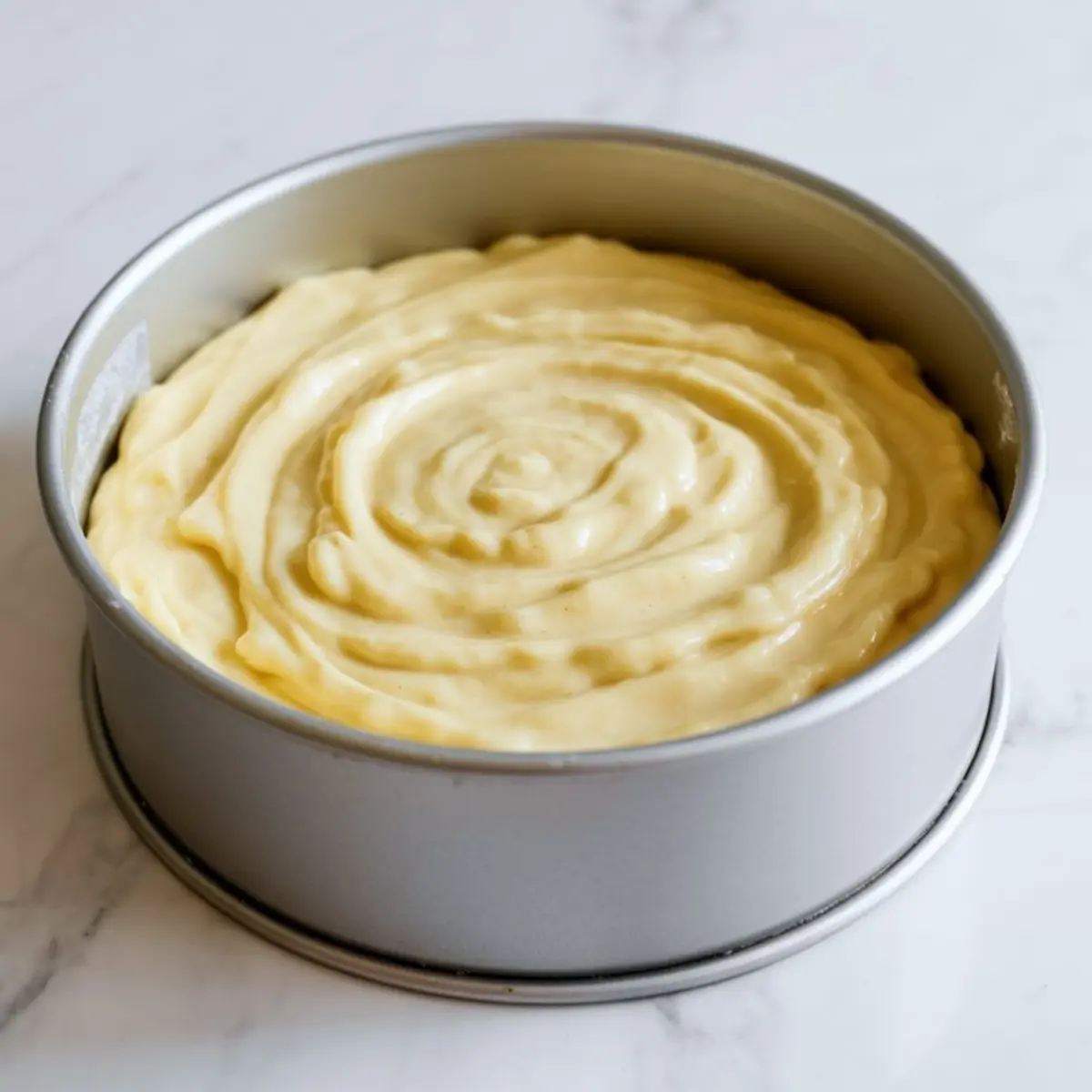
The cake should turn lightly golden on top. A toothpick will come out clean, maybe with one or two moist crumbs. If the center dips or jiggles, it needs another five minutes.
A cracked top isn’t a problem. The glaze will hide it, and it usually means the inside stayed soft. What you want to avoid is a dry edge or tough outer ring. If that happens, reduce bake time by three minutes next round or check your oven placement.
I aim for 45 minutes in a 9-inch pan, but ovens vary. Check at 40.
Tips from the Kitchen
Use parchment if you’re working with a round pan. It helps with release after glazing.
Toast the almonds before sprinkling them. I toss mine in a dry skillet for about three minutes until golden and fragrant.
If you enjoy lighter cakes with structure, the Naked Lemon Blueberry Cake also uses yogurt for softness but leans more fruity than nutty.
Don’t skip the resting time after baking. Let the warm glaze soak in, then give it time to cool completely before adding the white glaze. Otherwise, it melts right off.
Serving and Storage Notes
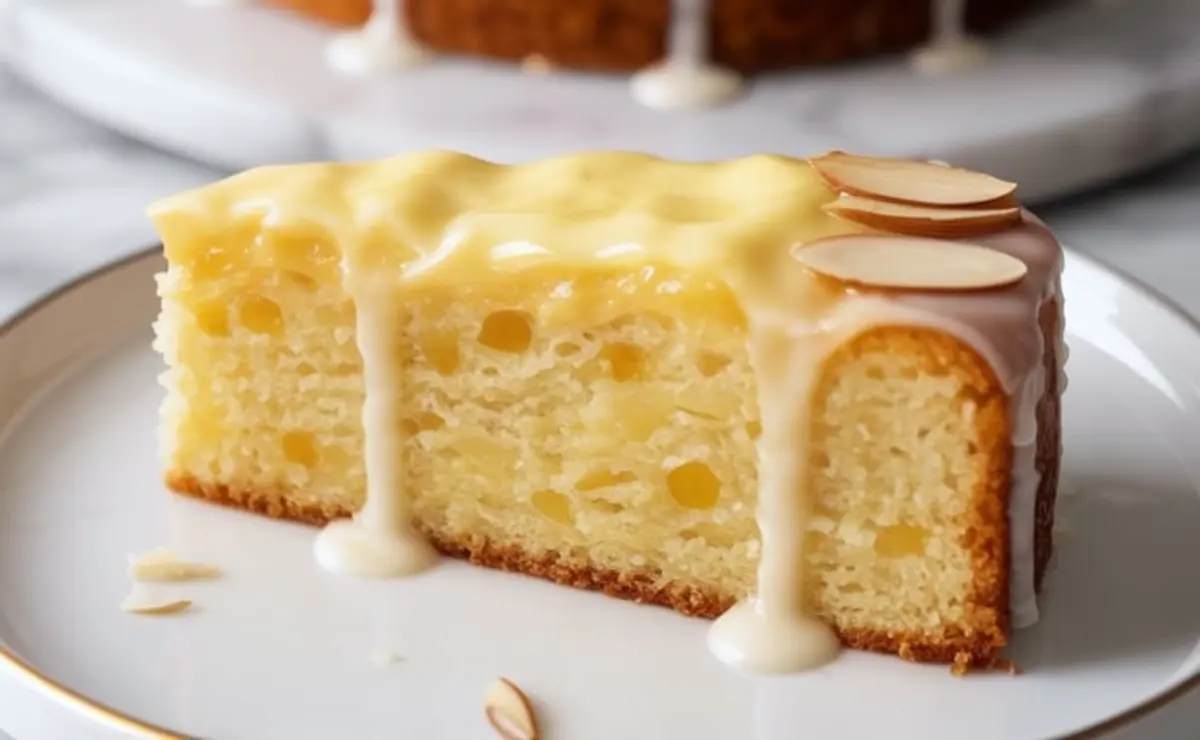
This cake holds well at room temperature for up to two days if tightly covered. In the fridge, it keeps for four. I don’t recommend freezing once glazed, but the unglazed cake freezes fine for up to a month. Thaw overnight, glaze just before serving.
Serve it warm with tea, or cold with whipped cream. I also like a thin slice with yogurt for breakfast. Sometimes I skip the second glaze and just do the lemon syrup, especially if I’m bringing it as a gift.
For another moist citrus-forward bake, try the Lemon Cream Cheese Dump Cake. It’s easier but hits similar notes.
Save This Recipe and Share Yours
Save this Lemon Almond Cake recipe to your lemon desserts or almond cake ideas board. I’d love to hear if you make a version with orange or swap in ricotta. Leave a comment and let me know how it went or what you’d try next time.
Lemon Almond Cake Recipe
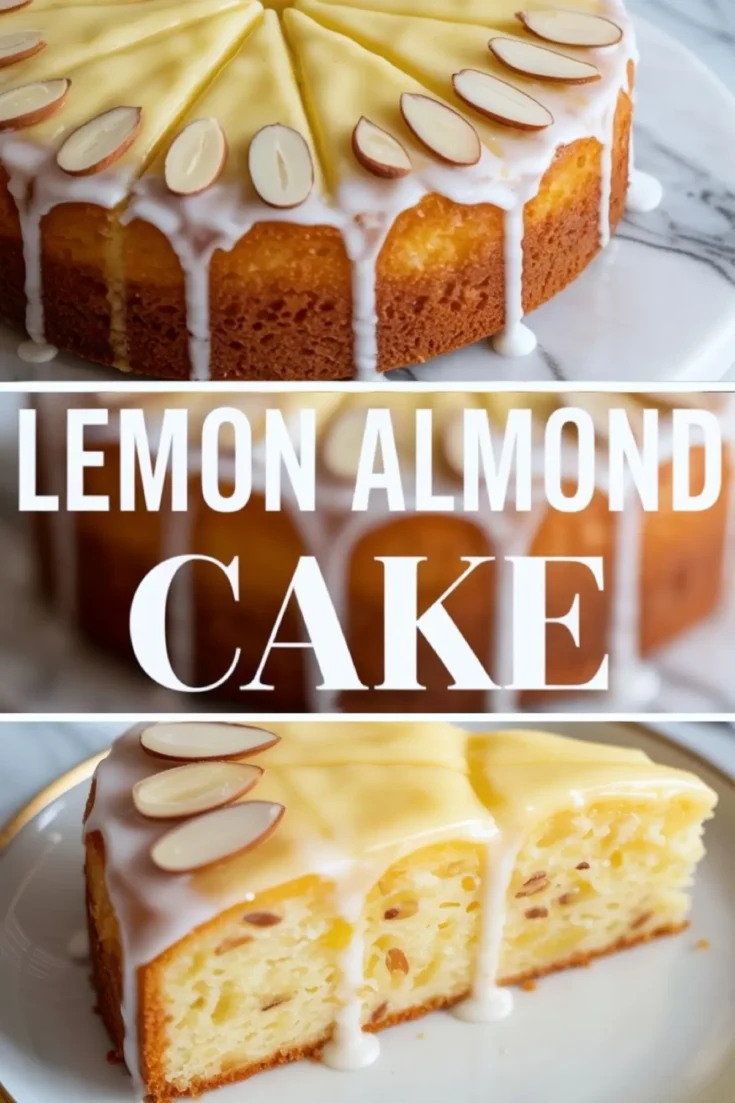
This lemon almond cake is soft, fragrant, and filled with balanced citrus and nutty flavor. Made with finely ground almonds and fresh lemon zest, this recipe is ideal for those who love light yet satisfying desserts. Whether you serve it as an afternoon treat or finish a meal with it warm, the texture remains rich without being heavy. A go-to almond cake recipe for spring or summer, and a perfect addition to your list of favorite lemon desserts. Try this crowd-pleasing bake next time you’re craving almond cakes or looking to use your go-to almond recipes creatively.
Ingredients
- FOR THE CAKE
- 1 cup (226g) unsalted butter, room temperature
- 1 cup (200g) granulated sugar
- Zest of 2 large lemons
- 3 large eggs, room temperature
- 1/2 cup (120g) sour cream or Greek yogurt
- 1 tsp vanilla extract
- 1/2 tsp almond extract
- 1 1/4 cups (150g) all-purpose flour
- 1 cup (100g) almond flour (finely ground almonds)
- 1 1/2 tsp baking powder
- 1/4 tsp salt
- FOR THE LEMON GLAZE (FIRST LAYER)
- 1/4 cup fresh lemon juice
- 1/2 cup (100g) granulated sugar
- FOR THE WHITE SUGAR GLAZE (SECOND LAYER)
- 1 cup (120g) powdered sugar, sifted
- 2–3 tbsp milk or water (adjust for thickness)
- Optional: a few drops of vanilla or lemon extract
- TOPPING
- 1/4 cup sliced almonds, lightly toasted
Instructions
- PREHEAT AND PREPARE THE PAN: Preheat oven to 350°F (175°C). Grease a 9-inch round cake pan or bundt pan thoroughly. If using a round pan, line the bottom with parchment paper for easier release.
- CREAM BUTTER, SUGAR, AND LEMON ZEST: In a large mixing bowl, beat together the butter, granulated sugar, and lemon zest until the mixture is pale and fluffy, about 3–4 minutes. This helps distribute the lemon oils evenly throughout the batter.
- ADD EGGS: Add the eggs one at a time, beating well after each addition. Scrape down the sides of the bowl to maintain a smooth and cohesive batter.
- MIX IN SOUR CREAM AND EXTRACTS: Add the sour cream, vanilla extract, and almond extract to the bowl. Mix until fully combined and the batter is creamy.
- COMBINE DRY INGREDIENTS: In a separate bowl, whisk together the all-purpose flour, almond flour, baking powder, and salt. Add this mixture to the wet ingredients and mix on low speed just until no dry streaks remain. Avoid overmixing.
- BAKE THE CAKE: Pour the batter into the prepared pan and smooth the surface evenly. Bake for 40–45 minutes, or until a toothpick inserted into the center comes out clean and the top is lightly golden.
- MAKE THE LEMON GLAZE: While the cake is baking, combine the lemon juice and granulated sugar in a small saucepan. Warm over low heat, stirring occasionally, until the sugar is fully dissolved. Set aside.
- GLAZE THE WARM CAKE: After removing the cake from the oven, let it cool in the pan for 10–15 minutes. Use a skewer or toothpick to poke small holes across the top. Slowly spoon the warm lemon glaze over the cake, allowing it to absorb gradually.
- COOL COMPLETELY: Let the cake cool fully on a wire rack before adding the second glaze. The surface should be dry to the touch.
- ADD THE WHITE SUGAR GLAZE: In a bowl, whisk together the sifted powdered sugar and milk (or water) until the glaze is thick but pourable. Add a few drops of vanilla or lemon extract, if using. Drizzle generously over the cooled cake in thick ribbons.
- TOP WITH ALMONDS: While the glaze is still wet, sprinkle the toasted sliced almonds over the top so they adhere as the glaze sets. Let the glaze firm up for 10–15 minutes before slicing and serving.
Notes
To toast almonds, place them in a dry skillet over medium heat for 3–5 minutes, stirring often until lightly golden and fragrant. Let cool before using. Cake can be made a day ahead and stored tightly covered at room temperature.
Nutrition Information
Yield
10Serving Size
1Amount Per Serving Calories 679Total Fat 23gSaturated Fat 14gUnsaturated Fat 9gCholesterol 110mgSodium 372mgCarbohydrates 111gFiber 2gSugar 64gProtein 9g
