

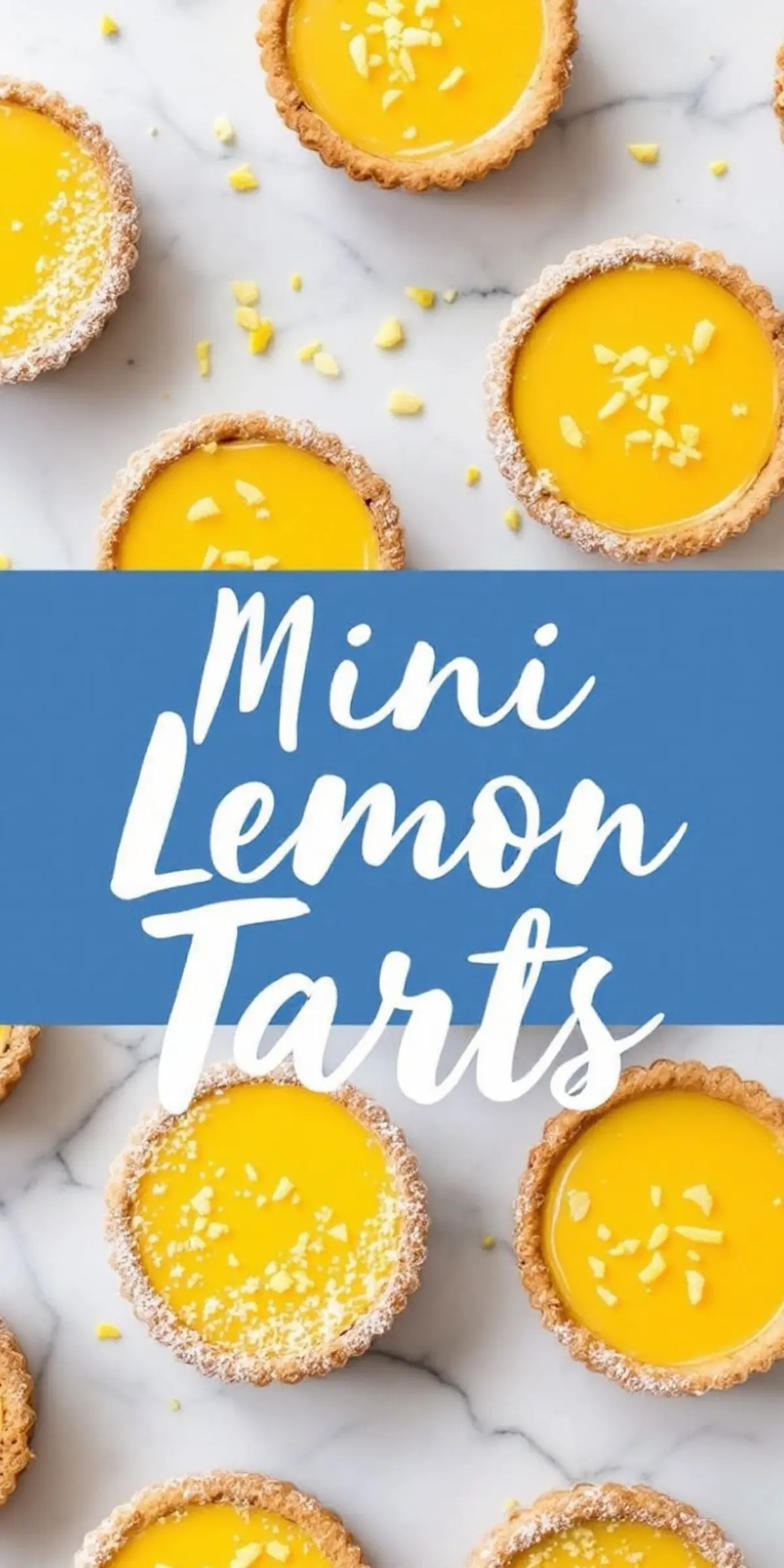
My fondness for tiny desserts began many years ago, and mini lemon tarts have always held a special place in my kitchen. I can still picture my grandmother’s warm smile as she dusted powdered sugar on her homemade pastries. I remember the bright citrus smell that filled her home, making me wish I could have that same aroma around me every day.
That memory motivates me to recreate this tangy classic. I love how these tarts bring a mix of buttery crust and refreshing lemon flavor. My taste buds always welcome that pop of zest, reminding me of gatherings where small, bite-sized sweets brought smiles to everyone’s faces.
I enjoy tinkering with different methods and passing the knowledge along, so you can build your own little sweet escapes.
Following a special diet?
Every recipe on this site can be converted to gluten-free, vegan, dairy-free, keto, nut-free or egg-free with adjusted ratios so nothing falls flat.
Try the Recipe Converter →Ingredients for a Crisp and Zesty Foundation
Freshness stays at the top of my mind whenever I gather supplies for mini lemon tarts. All-purpose flour, cold unsalted butter, granulated sugar, and a touch of salt form the basis of the crust. One egg yolk and a splash of vanilla extract add richness, while a tablespoon of ice water helps create a dough that holds together.
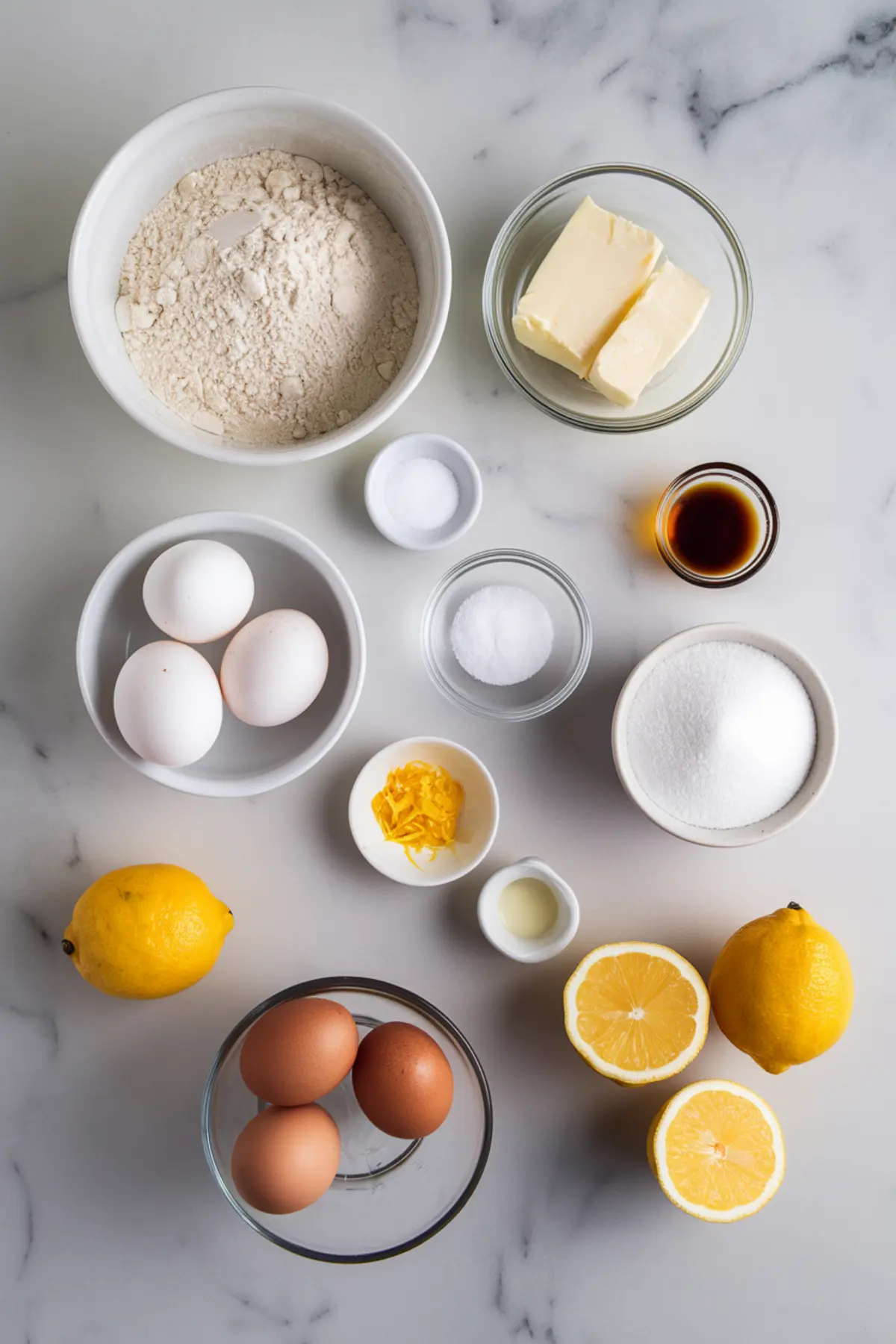
The filling includes large eggs, freshly squeezed lemon juice, sugar, melted butter, and heavy cream. A bit of lemon zest adds that extra burst of fragrance, tying everything together. I have found that fresh juice gives a better flavor profile than bottled, which sometimes introduces a slightly off taste.
My grandmother’s approach involved whisking everything by hand and tasting for the right amount of tang. I follow that same routine, because the natural brightness of fresh lemon still thrills me, and I think you will feel that spark too.
Building the Buttery Tart Shell
Making the crust involves bringing cold butter cubes into contact with flour, sugar, and salt. A food processor or pastry blender offers the simplest path, and I usually pulse carefully until coarse crumbs form. That moment always feels slightly therapeutic, because I get the satisfaction of seeing the butter mix with dry ingredients, creating a crumbly texture that bakes into a crisp shell.
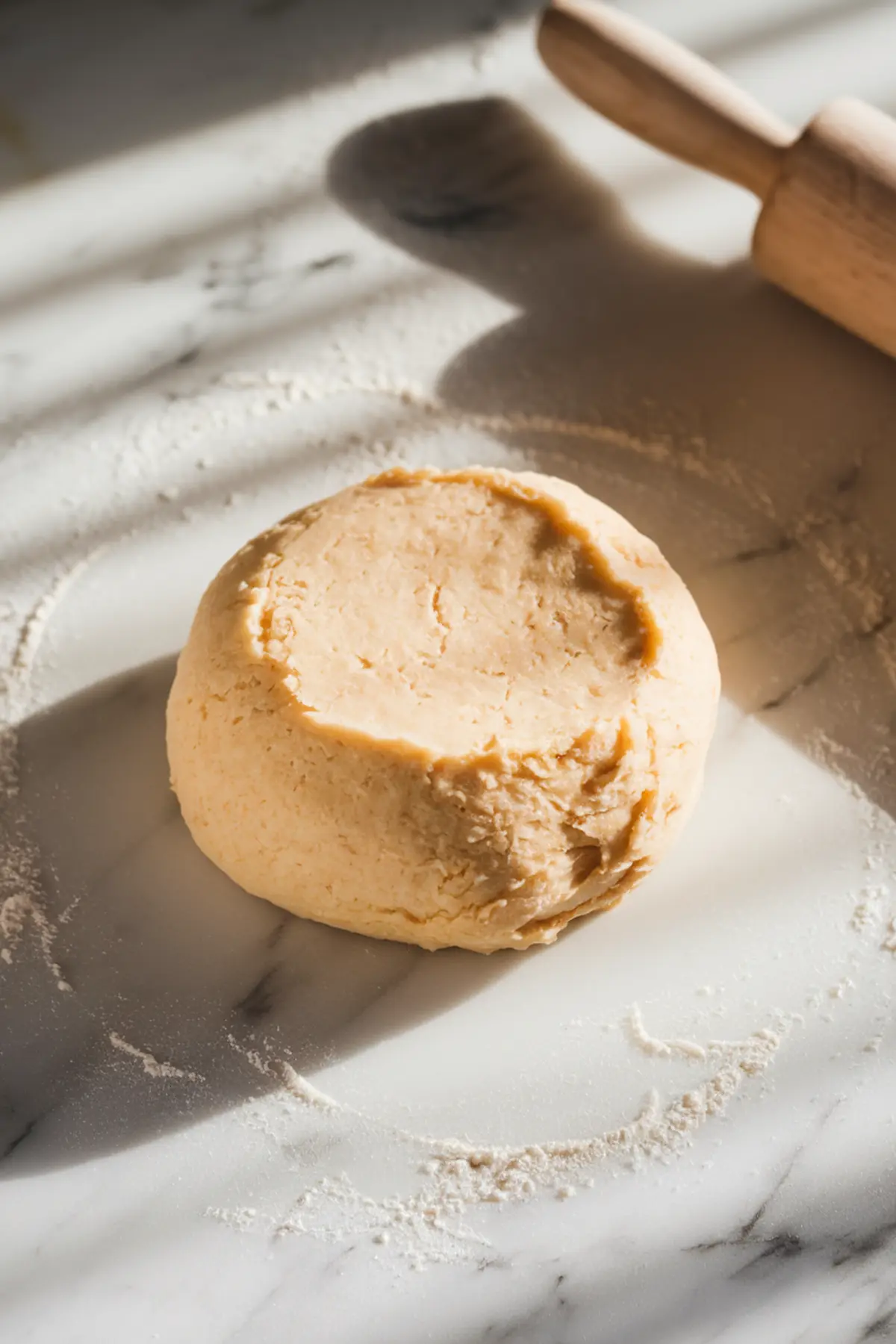
One egg yolk, vanilla, and a tablespoon of ice water join the dough next. A brief knead helps unify it into a smooth ball. My mother taught me to chill the dough, and that step prevents any unwanted stickiness while rolling it out later. I keep the dough in plastic wrap inside the fridge for about 30 minutes.
Rolling out the chilled dough yields a thin layer ready for shaping. I press circles of dough into mini tart molds, trim off the excess, and give the bottoms a few pricks with a fork. A short pre-bake sets them into crispy shells, and that step gives the crust enough structure to hold the lemon filling without turning soggy.
Crafting the Tangy Lemon Filling
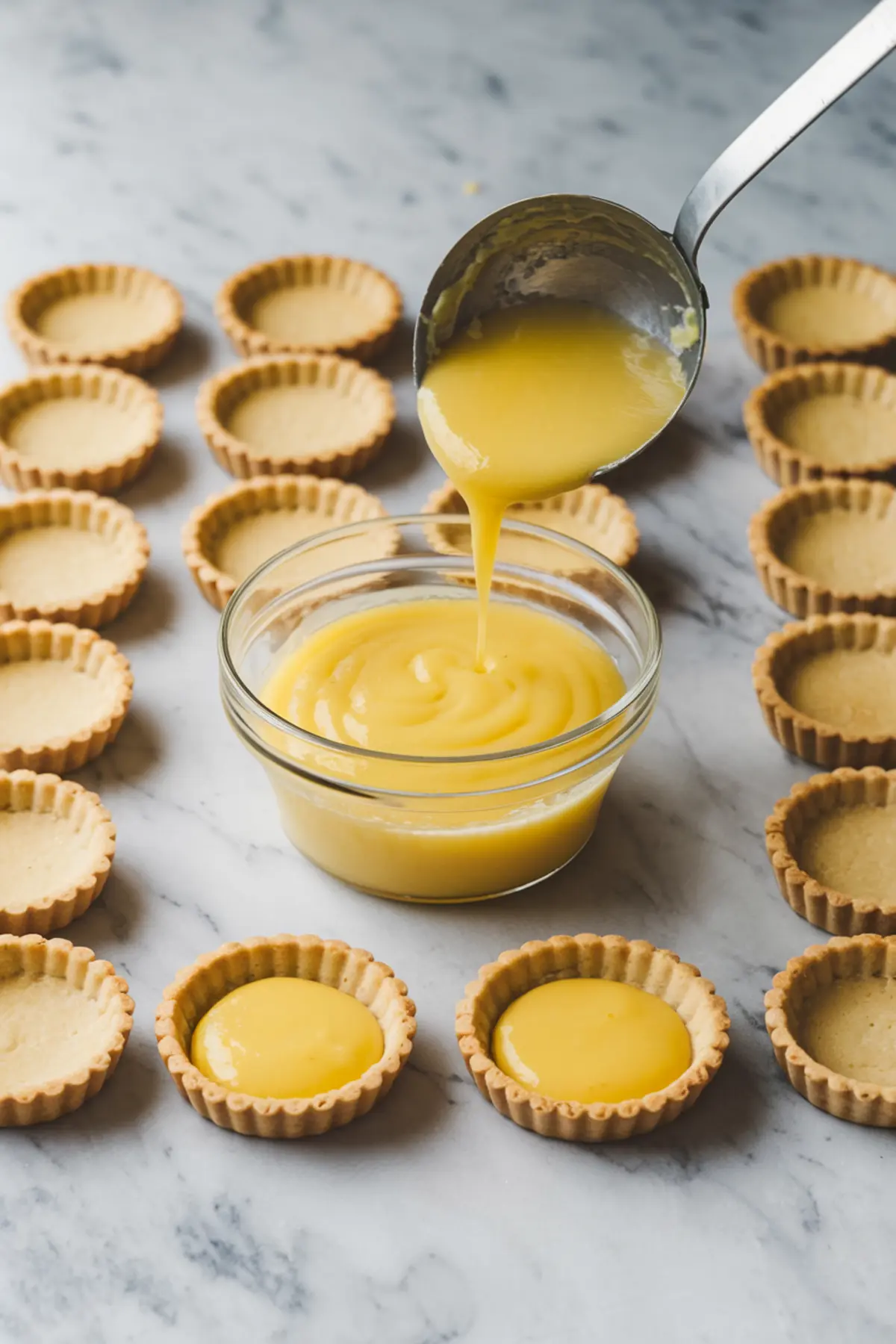
A lemon-based mixture that balances sharpness with creaminess keeps these tarts from tasting flat. Three large eggs, half a cup of lemon juice, lemon zest, and sugar come together in one bowl. I add melted unsalted butter and heavy cream to enrich the flavor. That combination produces a velvety custard that sets gently while baking.
A key point is to whisk until smooth, so no lumps remain. I recall the first time I tried rushing this step, and I ended up with bits of egg that cooked unevenly. My best advice is to go steadily and watch the mixture transform into a pale yellow liquid.
This mixture gets poured right into the cooled crusts. Each mini tart is almost filled to the top before returning to the oven, which I bring down to 325°F (160°C). A short bake sets the custard, leaving a soft wobble in the middle that finishes cooking as the tarts rest.
Final Bake and Cooling Time
A short baking period of about 12 to 15 minutes usually does the trick. I keep an eye on them to avoid letting the filling turn rigid, because slight movement at the center is normal. That gentle shake vanishes once they sit at room temperature, and then I move them into the refrigerator for an hour or more.
Chilling time gives them a creamy texture that tastes amazing against the crisp crust. My husband often hovers around the kitchen, waiting impatiently for that first bite. Patience truly pays off here, because the flavors meld and turn delightfully bright.
This resting step became a personal ritual for me. I place them on a tray, admire their sunny hue, and imagine the moment when guests take that first forkful.
Tasty Variations and Extra Zing
These mini lemon tarts allow many possibilities for toppings. A light dusting of powdered sugar remains the simplest choice, but candied lemon peel can boost the citrus punch. Crushed nuts, such as almonds or pistachios, add a crunchy element that contrasts nicely with the soft filling. Shredded coconut offers a tropical note, while white chocolate shavings sweeten each bite.
I sometimes toast a small portion of meringue and swirl it on top, creating a lemon meringue–style dessert. My friend swears by a sprinkle of crushed graham crackers for extra texture. You might also try a drizzle of caramel, though I prefer to highlight the lemon essence as the main attraction.
Another idea: pair these tarts with a bright treat like Lemon Brownies or these lemon crumb bars for a lovely dessert assortment. Each recipe offers its own spin on citrus, and I find guests enjoy tasting a few lemon-based sweets at the same gathering.
Baking Tips from My Kitchen
Chilled dough always performs better. That cold butter inside the crust helps maintain a flaky outcome. I rely on high-quality lemons for the juice and zest, because their bright flavor carries the dessert. Squeezing your own lemons avoids the preservatives that sometimes sneak into bottled juices.
I poke small holes in the base of each shell with a fork before baking. My grandmother’s wisdom taught me that helps prevent puffing. She sometimes added pie weights or dried beans, which I do if I worry the dough might lose shape. A few precautions keep the crust from shrinking or forming air pockets.
You can also experiment with the sweetness level. I sometimes add an extra tablespoon of sugar if my lemons taste very tart. You might discover your own sweet spot through a small taste test before baking.
Serving and Storing These Citrus Gems
Serving these mini tarts cold highlights their creamy texture. My friends enjoy that first slice, especially if there’s a swirl of whipped cream on top. The base of the tart remains crisp if stored in an airtight container, but it might soften after a couple of days in the fridge.
Leftovers hold well for three days, though I rarely see them last that long in my home. Freezing is not recommended, since that affects the consistency of the filling. I make enough to share with neighbors, and they appreciate a tangy treat in mini form.
I believe a tart that fits snugly in one’s hand carries a sense of delight. My own children agree, and they sometimes request these after school, always with that bright lemon filling front and center.
Closing Thoughts: Pin for Later and Share Your Experience
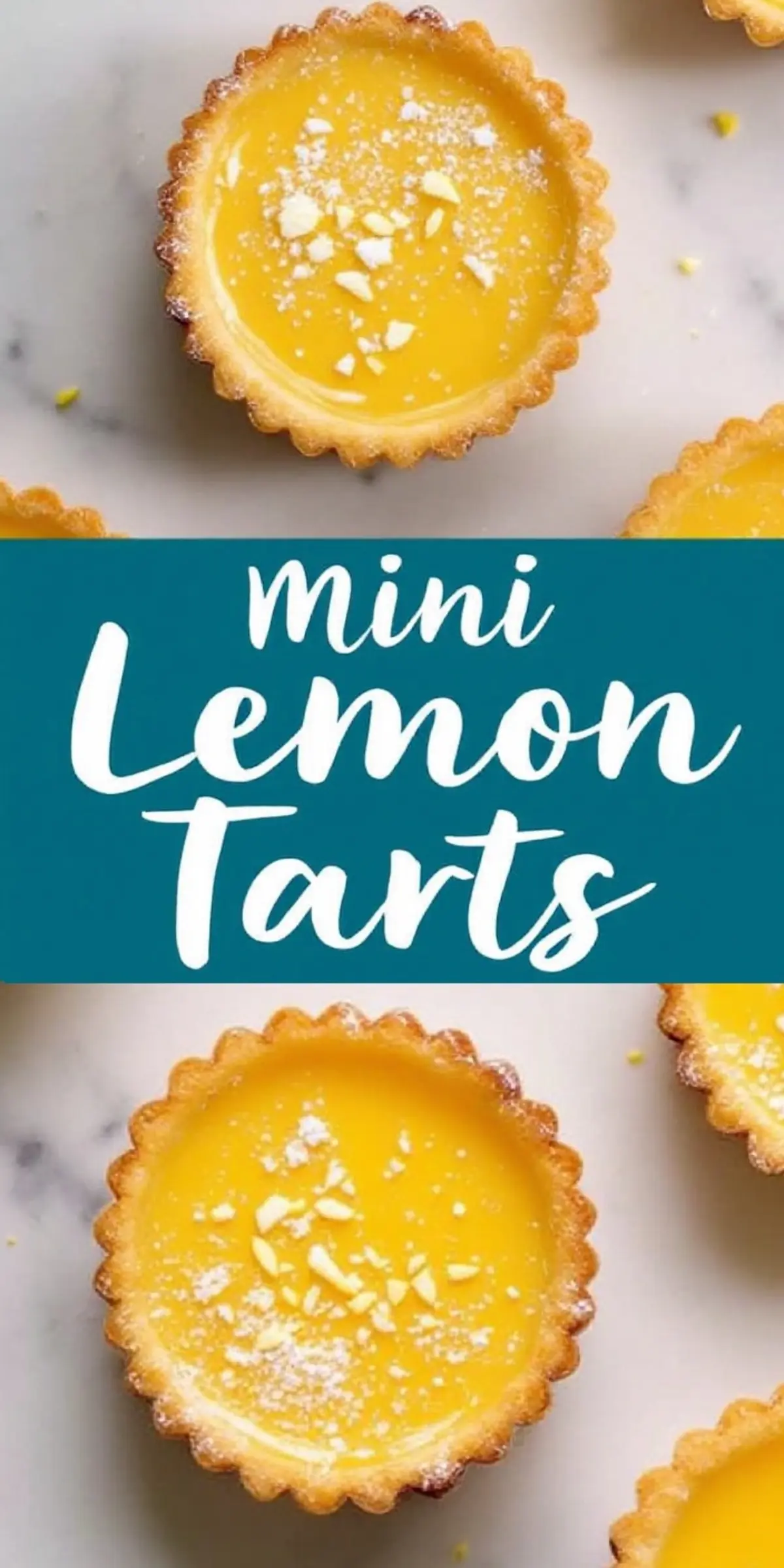
A single bite of these mini lemon tarts takes me back to my grandmother’s warm kitchen. I hope these steps and tips help you craft your own batch with confidence. The bright citrus tones can lift any gathering, offering a simple delight that brings a smile.
Pin this recipe on your favorite board, so you can revisit the instructions whenever cravings strike. I’d love to hear how your mini lemon tarts turn out, so drop a comment below if you have questions or fun ideas to add. This friendly space thrives on shared creativity, and your voice enriches our baking community.
Mini Lemon Tarts

A crisp, buttery tart shell holds a smooth and tangy lemon filling in these mini lemon tarts. Each bite combines a delicate pastry with bright citrus flavor. Choose from a variety of toppings to add texture and sweetness.
Ingredients
- FOR THE TART CRUST:
- 1 ¼ cups (160g) all-purpose flour
- ½ cup (115g) unsalted butter, cold and cubed
- ¼ cup (50g) granulated sugar
- 1 egg yolk
- 1 tablespoon ice water
- ½ teaspoon vanilla extract
- ¼ teaspoon salt
- FOR THE LEMON FILLING:
- 3 large eggs
- ½ cup (120ml) freshly squeezed lemon juice (about 3 lemons)
- 1 tablespoon lemon zest
- ½ cup (100g) granulated sugar
- ¼ cup (60g) unsalted butter, melted
- ¼ cup (60ml) heavy cream
- FOR TOPPING (OPTIONAL):
- Powdered sugar
- Candied lemon peel
- Crushed almonds or pistachios
- Shredded coconut
- White chocolate shavings
- Toasted meringue
Instructions
- PREPARE THE TART CRUST: In a food processor, pulse together the flour, sugar, and salt until combined. Add the cold butter cubes and pulse until the mixture resembles coarse crumbs. Add the egg yolk, vanilla extract, and ice water, then pulse again until the dough starts to come together. Turn the dough onto a lightly floured surface, knead it gently into a ball, wrap it in plastic wrap, and chill for 30 minutes.
- SHAPE AND BAKE THE CRUST: Preheat the oven to 350°F (175°C). Grease a mini tart pan or prepare mini tartlet molds. Roll out the chilled dough to about ⅛-inch thick, then cut circles to fit into the tart molds. Press the dough into each mold and trim the edges. Prick the bottom of each tart with a fork. Bake for 10-12 minutes, or until lightly golden. Let them cool completely.
- MAKE THE LEMON FILLING: In a bowl, whisk together the eggs, lemon juice, lemon zest, and sugar until smooth. Stir in the melted butter and heavy cream until fully combined. Pour the filling into the cooled tart shells, filling them almost to the top.
- BAKE THE TARTS: Reduce the oven temperature to 325°F (160°C). Bake for 12-15 minutes, or until the filling is just set and slightly wobbly in the center. Remove from the oven and let the tarts cool at room temperature before refrigerating for at least 1 hour.
- ADD THE TOPPINGS: Before serving, add your choice of topping. Lightly dust with powdered sugar, sprinkle candied lemon peel for extra citrus flavor, add crushed almonds or pistachios for crunch, or top with white chocolate shavings. For a tropical touch, use toasted shredded coconut. To create a lemon meringue-style tart, add a swirl of toasted meringue.
Notes
For the best tart crust, keep the butter as cold as possible before mixing. Cold butter creates a flaky texture when baked. If the dough feels too soft after mixing, chill it for an additional 10-15 minutes before rolling it out.
When rolling out the dough, lightly flour the surface to prevent sticking. Rolling the dough too thin may cause it to tear, while rolling it too thick can result in a dense crust. Aim for about ⅛-inch thickness for the ideal balance of crispness and structure.
To ensure even baking, press the dough firmly into the tart molds and prick the bottom with a fork. This prevents air pockets from forming, which can cause the crust to puff up. If available, use pie weights or dried beans when pre-baking the crust for extra stability.
For the lemon filling, use freshly squeezed lemon juice for the best flavor. Bottled lemon juice may have preservatives that can alter the taste. Zesting the lemons before juicing them helps extract more zest without squeezing too hard, which can introduce bitterness from the pith.
When baking the filled tarts, watch for slight wobbling in the center. Overbaking can cause the filling to become too firm and lose its silky texture. The filling will continue to set as it cools, so it's important to allow enough chilling time in the refrigerator before serving.
For toppings, powdered sugar should be dusted just before serving to prevent it from dissolving into the filling. Candied lemon peel adds a chewy, tangy contrast, while crushed nuts provide crunch. White chocolate shavings or toasted coconut can balance the tartness with sweetness. If using meringue, lightly toast it with a kitchen torch for a caramelized finish.
Store leftover tarts in an airtight container in the refrigerator for up to three days. Serve chilled or let them sit at room temperature for 10 minutes before eating for a softer texture. The crust may soften slightly over time, but the flavors will continue to develop. Freezing is not recommended, as the texture of the filling may change once thawed.
Nutrition Information
Yield
12Serving Size
1Amount Per Serving Calories 233Total Fat 8gSaturated Fat 5gTrans Fat 0gUnsaturated Fat 3gCholesterol 70mgSodium 109mgCarbohydrates 36gFiber 2gSugar 22gProtein 4g
