
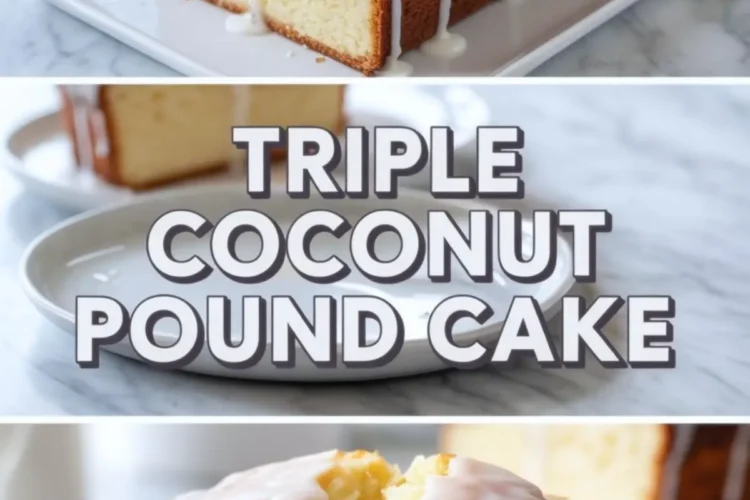
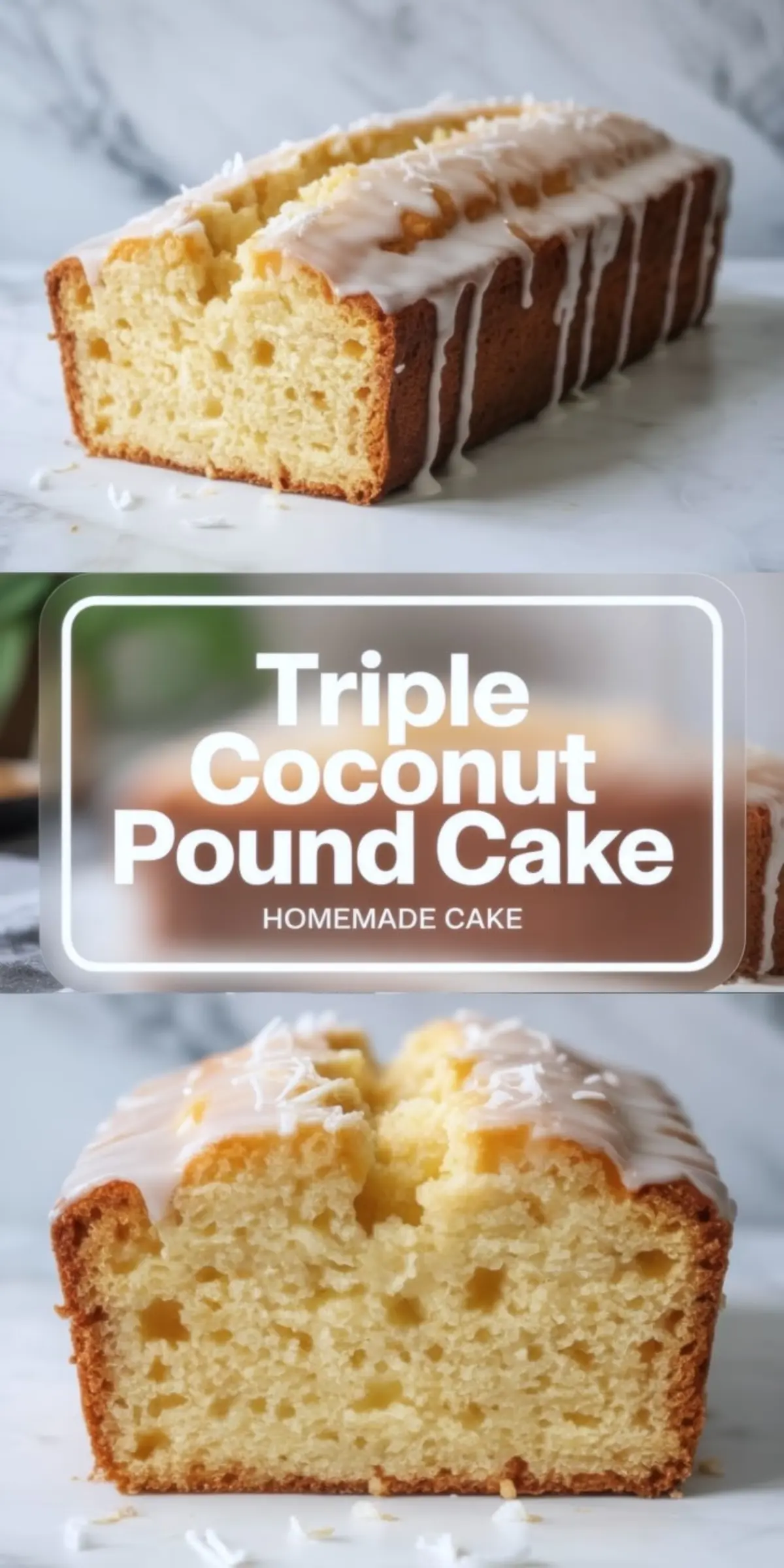
This triple coconut pound cake layers flavor in three ways: shredded coconut, full-fat coconut milk, and coconut glaze. It blends the richness of a coconut cake with the structure of a traditional pound cake. If you’re searching for coconut cake recipes that stay moist and slice cleanly, this is one to bookmark. It holds its shape, delivers strong flavor, and finishes with a smooth, sweet glaze.
Coconut milk replaces traditional dairy here, which keeps the crumb rich and tender without feeling heavy. The butter-to-sugar ratio leans classic: 1 cup butter to 1 3/4 cups sugar. That slightly higher sugar volume gives a more pronounced crust and a balanced sweetness that works with the coconut extract.
A small amount of baking powder helps lighten the batter without compromising the dense pound cake structure. I tested this cake without it, and the difference was noticeable. The lift matters, but too much causes cracks and doming. That 1/2 teaspoon hits the mark.
Ingredient Roles and Why They Matter
I use sweetened shredded coconut because it adds both texture and moisture. Unsweetened coconut can dry the batter and give the crumb a tougher chew. The sweetened version melts into the crumb more evenly, and the sugar helps with browning.
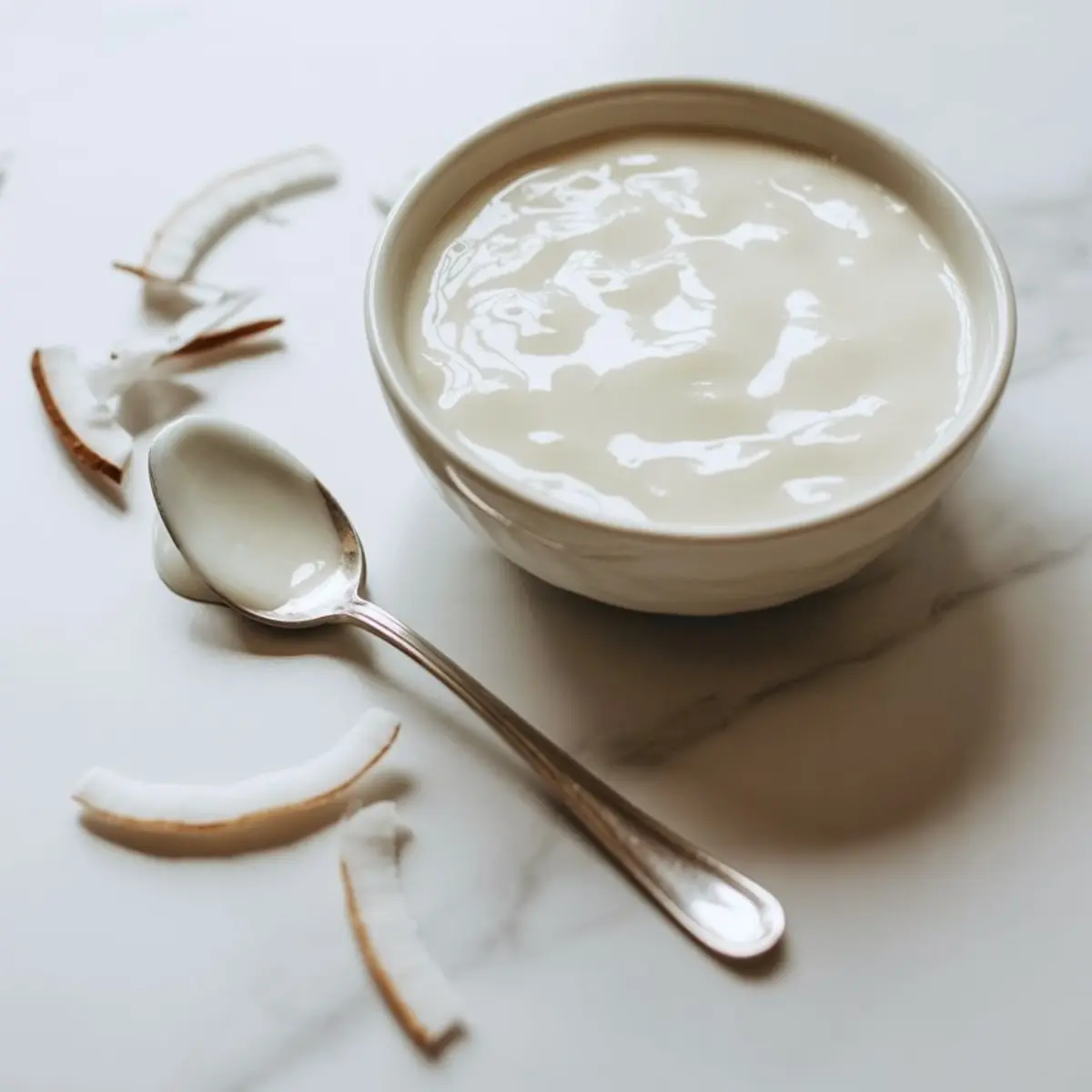
Full-fat coconut milk gives body to the batter and makes the glaze smoother. Low-fat or light versions won’t emulsify well and can leave the cake crumb less consistent. You’ll need to shake the can thoroughly before opening. It separates easily.
Coconut extract builds depth. I use 1 1/2 teaspoons in the batter and just 1/4 teaspoon in the glaze. Too much and the flavor turns sharp. A small amount is enough to highlight the natural sweetness of the coconut without going artificial. If you don’t have it, vanilla can work, but the final result won’t have the same tropical intensity.
Shredded Coconut: The Core Element
Out of all the ingredients, the shredded coconut has the biggest influence on both flavor and texture. It softens as it bakes but doesn’t disappear. That means the loaf has a slight chew in every slice, but without strings or grit. I fold it in at the end by hand so it doesn’t break up from overmixing.
I tested it with both fine and long strands. The fine shreds blend better and keep the batter evenly thick. You can toast it for a deeper flavor, but for this cake, I prefer the natural sweetness and moisture of the raw version. Toasted coconut works better sprinkled on top.
Mixing and Baking: How It Should Look
Once you cream the butter and sugar, the mixture should look pale and fluffy. That stage takes 3 to 4 minutes with a stand mixer on medium-high. Don’t rush it. It sets the foundation for the final texture.
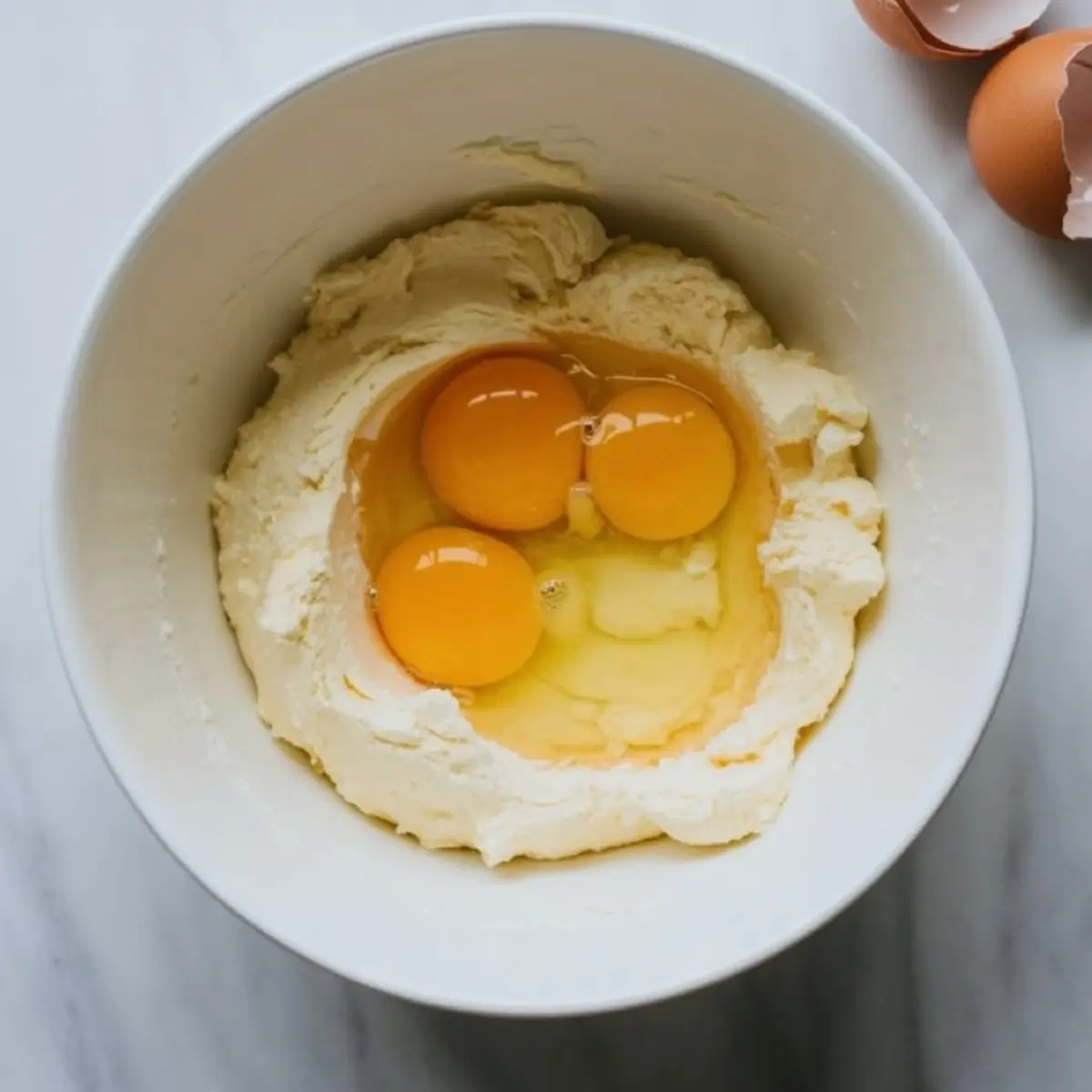
After adding the eggs and extract, the batter turns glossy and thick. Dry ingredients go in next, alternating with the coconut milk. Always start and end with the flour mix. Overmixing here can toughen the crumb. Just blend until you don’t see streaks.
At the final stage, folding in the shredded coconut by hand gives the best texture. The batter should feel thick but spreadable. I use a standard 9×5 loaf pan and line it with parchment for easy release. Bake at 325°F for about 65 minutes, checking at the 50-minute mark for browning.
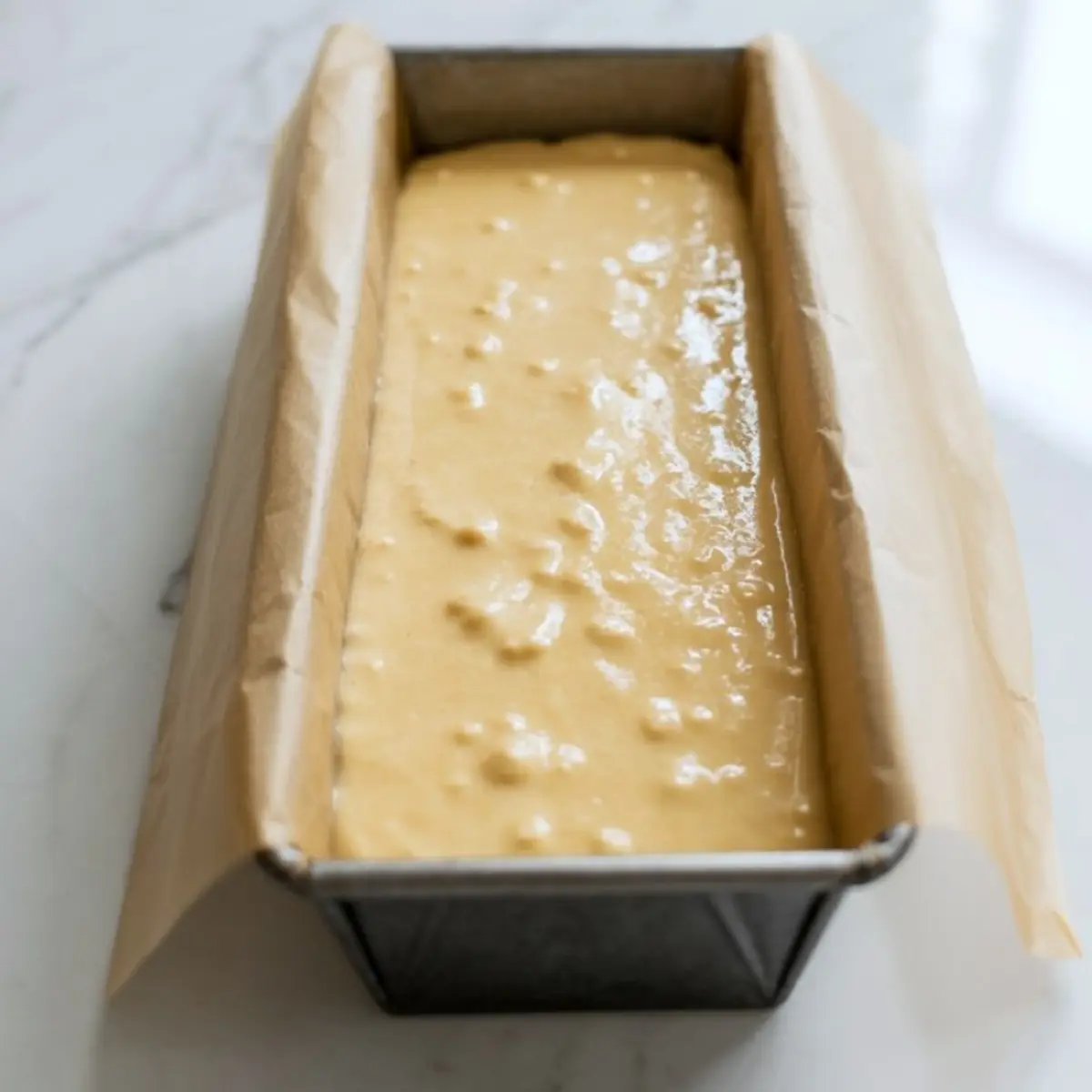
Signs It’s Ready
The top should be golden and gently domed. A toothpick inserted into the center should come out with just a few moist crumbs. If it comes out wet, give it 5 more minutes.
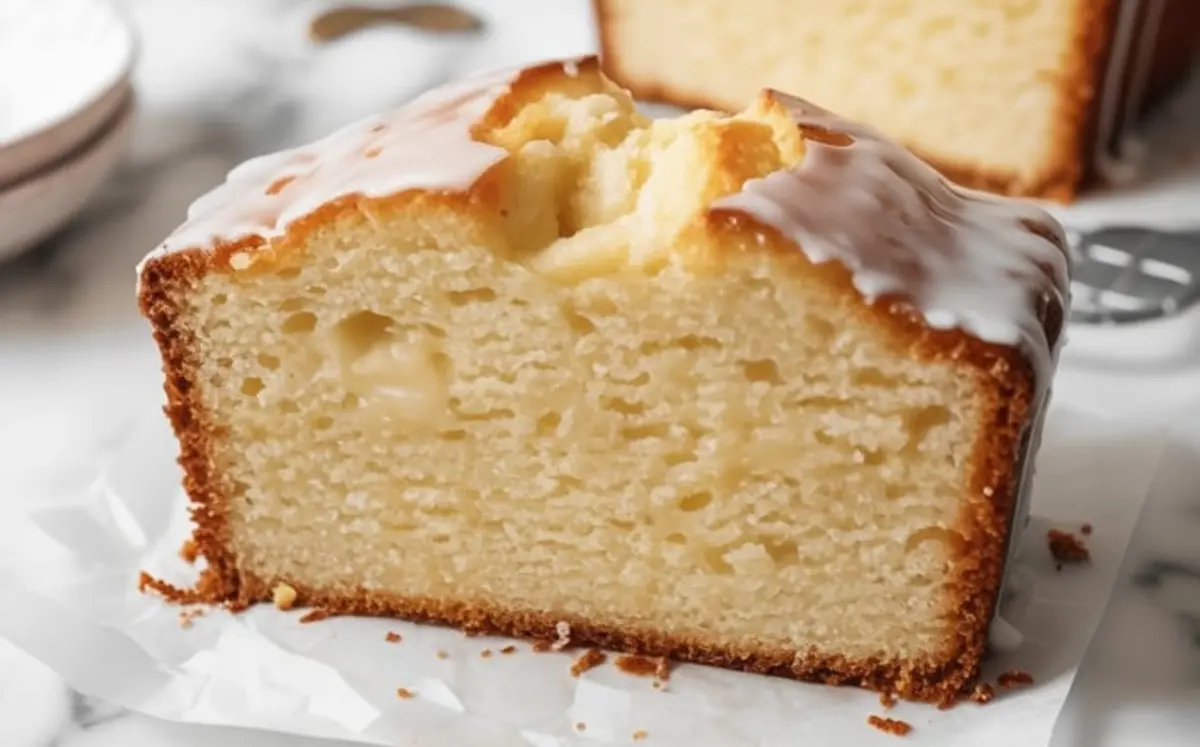
If it browns too fast on top, lay foil loosely over the loaf around the 50-minute mark. The sides may pull away slightly when the cake is fully baked. That’s a good sign, not a flaw.
Common Issues and Quick Fixes
If the cake sinks, it may be from underbaking or cold eggs. Always bring eggs to room temperature. If the texture feels dry, double-check your coconut milk. It must be full-fat. Light versions don’t deliver the same fat content.
Cracking usually means the oven was too hot or the pan was too close to the top rack. Move it down a notch and check your oven thermometer. If the glaze runs off completely, the cake may have been too warm. Let it cool fully first.
Flavor Variations That Work
Add 1/2 teaspoon lime zest for a coconut-lime twist. You can also fold in 1/2 cup chopped macadamia nuts or white chocolate chips. Both pair well with the coconut base.
For a darker version, replace 1/4 cup of the flour with almond flour and use unsweetened coconut. The crumb turns richer and more toothsome. Another option: swap the glaze with a thin layer of white chocolate ganache and sprinkle toasted coconut on top.
How to Store It
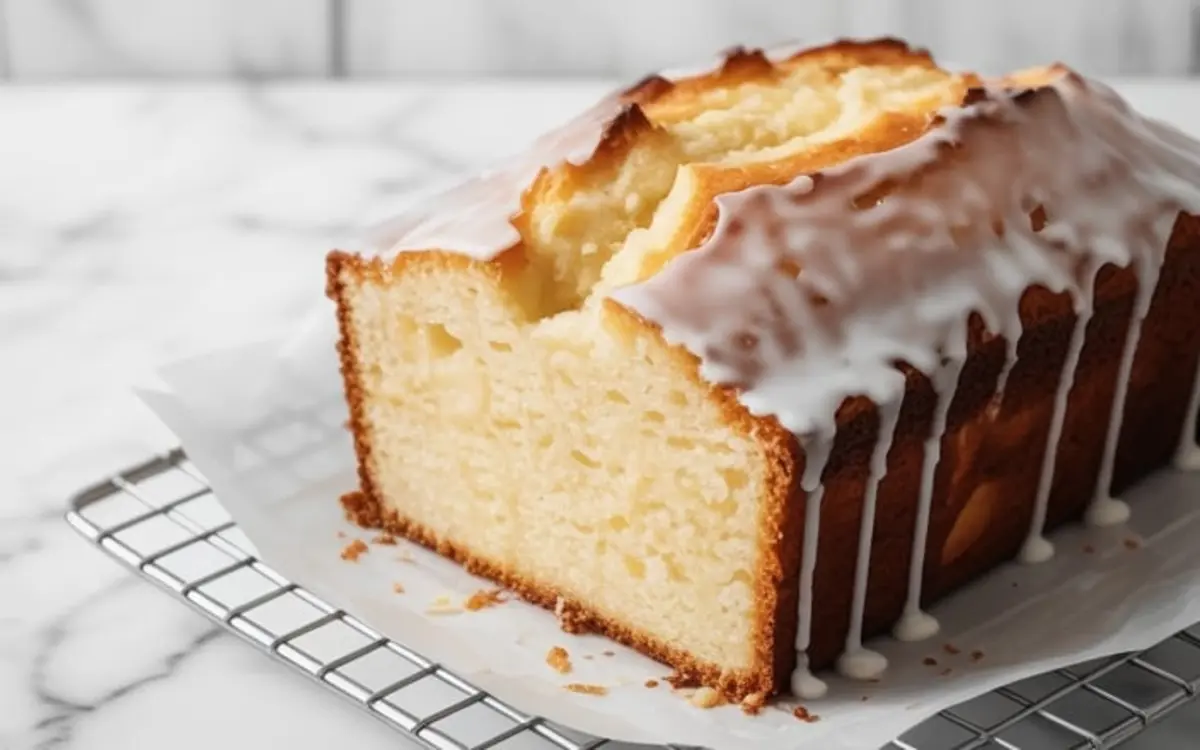
On the counter, it stays soft for 3 days if wrapped well. In the fridge, it lasts 5 to 6 days, but I recommend letting it come to room temperature before serving. It firms up when cold.
To freeze, wrap the loaf tightly in plastic and foil. It keeps for 2 months. Thaw in the fridge overnight. I like to toast individual slices briefly if I freeze them glazed.
Notes from Testing
Use parchment with overhangs. It makes lifting the cake cleaner. Shake the coconut milk thoroughly before opening. If there are large solid parts, stir well before measuring. Let the cake cool completely before glazing. Warm cake will melt the glaze and make it run.
If you prefer lighter texture, beat the eggs a full 30 seconds before adding to the batter. It helps trap air. A metal loaf pan bakes more evenly than ceramic or glass in my tests.
Save This Recipe and Share Your Twist
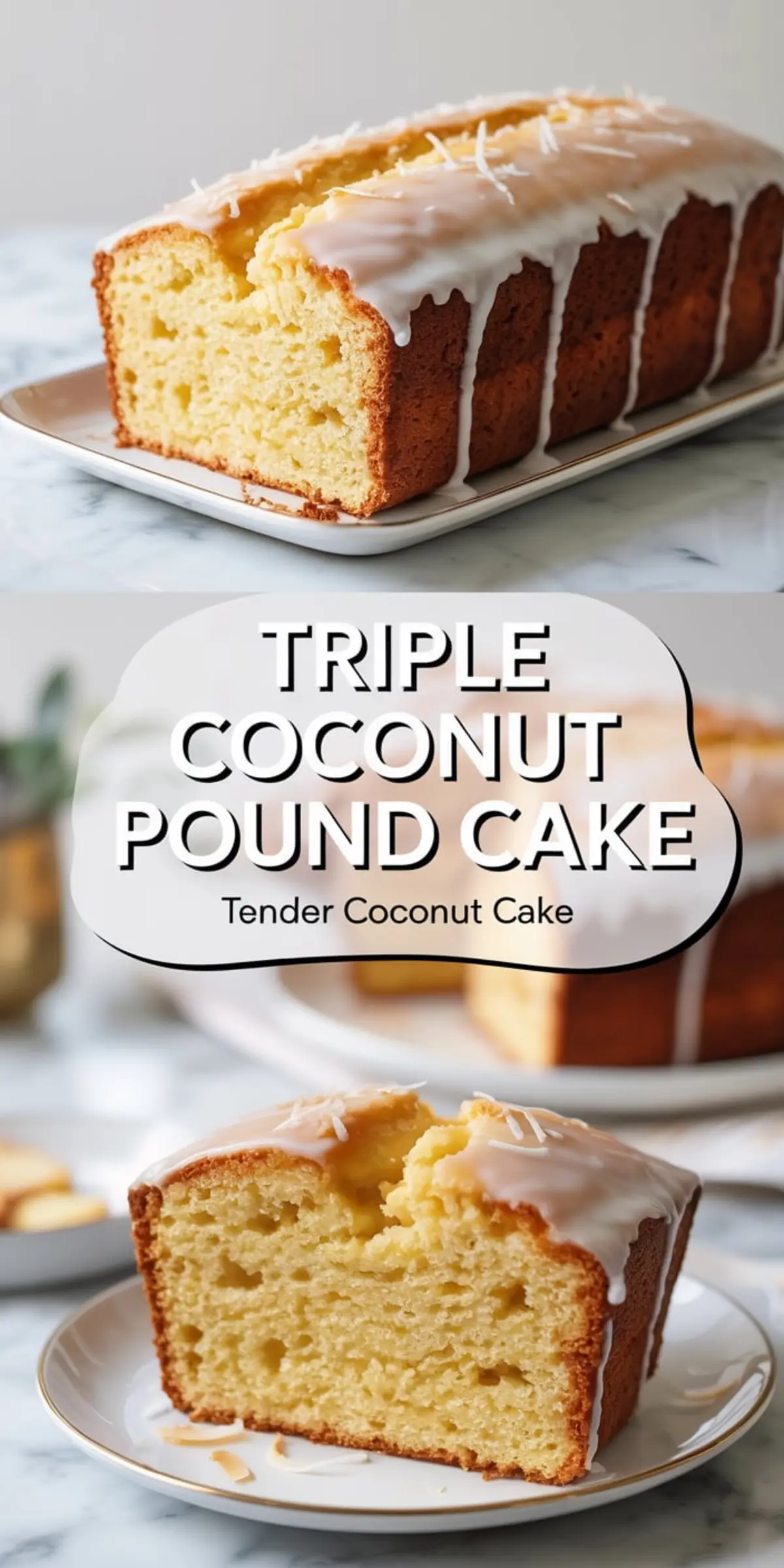
Save this Triple Coconut Pound Cake to your coconut dessert board so you can find it anytime. Let me know if you add a twist. Drop a comment below and share how it turned out.
Triple Coconut Pound Cake Recipe
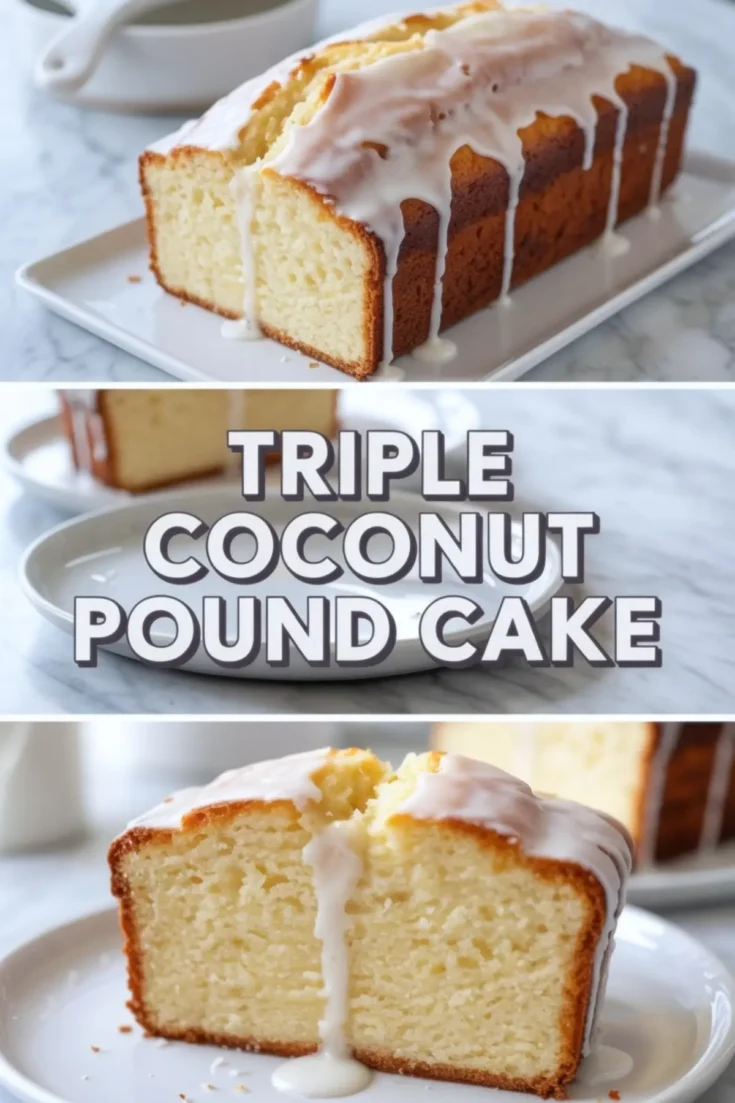
This rich and moist coconut pound cake delivers tropical flavor in every bite. Made with simple pantry staples, it’s the perfect dessert for coconut lovers. Whether you’re baking for a gathering or looking for a comforting treat, this coconut pound cake recipe is a must-try. Enjoy the texture of coconut cream cake with the structure of a classic pound cake recipe. Save this if you’re searching for the best coconut cake recipe ever, loaded with flavor and ideal for any dessert table.
Ingredients
- FOR THE CAKE:
- 1 cup (2 sticks) unsalted butter, softened
- 1 ¾ cups granulated sugar
- 4 large eggs, room temperature
- 1 ½ teaspoons coconut extract
- 2 cups all-purpose flour
- ½ teaspoon baking powder
- ½ teaspoon salt
- ½ cup canned full-fat coconut milk (shake well before using)
- 1 cup sweetened shredded coconut
- FOR THE COCONUT GLAZE:
- 1 cup powdered sugar
- 2 to 3 tablespoons coconut milk
- ¼ teaspoon coconut extract
- Optional: extra shredded coconut for topping
Instructions
- PREHEAT AND PREP: Preheat the oven to 325°F (163°C). Grease a standard 9x5-inch loaf pan and line it with parchment paper, leaving some overhang for easy lifting after baking.
- CREAM BUTTER AND SUGAR: In a large mixing bowl, beat the softened butter and granulated sugar together on medium-high speed for 3–4 minutes until the mixture is light, fluffy, and pale in color.
- ADD EGGS AND COCONUT EXTRACT: Add the eggs one at a time, beating well after each addition to ensure they are fully incorporated. Mix in the coconut extract until smooth.
- MIX DRY INGREDIENTS: In a separate bowl, whisk together the flour, baking powder, and salt until evenly combined.
- COMBINE WET AND DRY: Add the dry ingredients to the butter mixture in three batches, alternating with the coconut milk. Begin and end with the dry ingredients. Mix on low speed until just combined, being careful not to overmix the batter.
- FOLD IN COCONUT: Using a rubber spatula, gently fold in the shredded coconut until evenly distributed throughout the batter.
- BAKE: Pour the batter into the prepared loaf pan and smooth the top. Bake for 60–70 minutes, or until a toothpick inserted into the center comes out clean. Check the cake at the 50-minute mark; if the top is browning too quickly, tent it loosely with foil to prevent overbaking.
- COOL AND GLAZE: Allow the cake to cool in the pan for 15 minutes, then lift it out and place it on a wire rack to cool completely. Once cooled, whisk together the powdered sugar, coconut milk, and coconut extract until smooth. Drizzle the glaze over the cake, letting it drip down the sides. Sprinkle with extra shredded coconut if using.
Notes
For clean slices, let the glaze set for 15–20 minutes before cutting. Shake the coconut milk well before measuring to ensure even consistency. Use full-fat coconut milk for the richest texture.
Nutrition Information
Yield
10Serving Size
1Amount Per Serving Calories 760Total Fat 44gSaturated Fat 33gUnsaturated Fat 11gCholesterol 129mgSodium 276mgCarbohydrates 82gFiber 5gSugar 37gProtein 10g
