
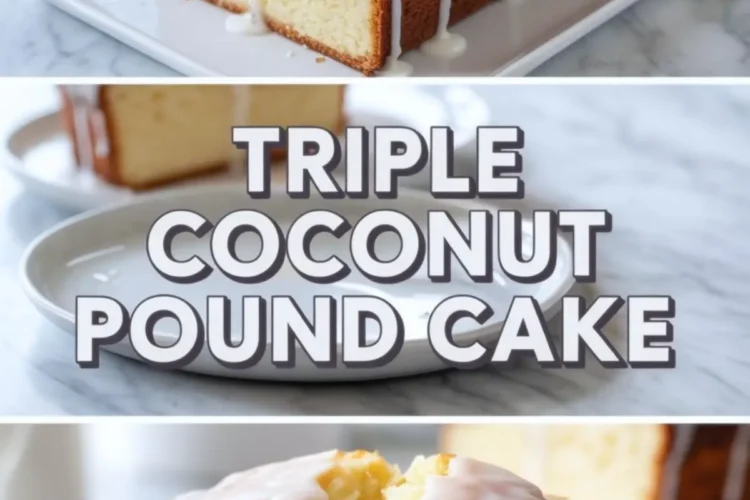
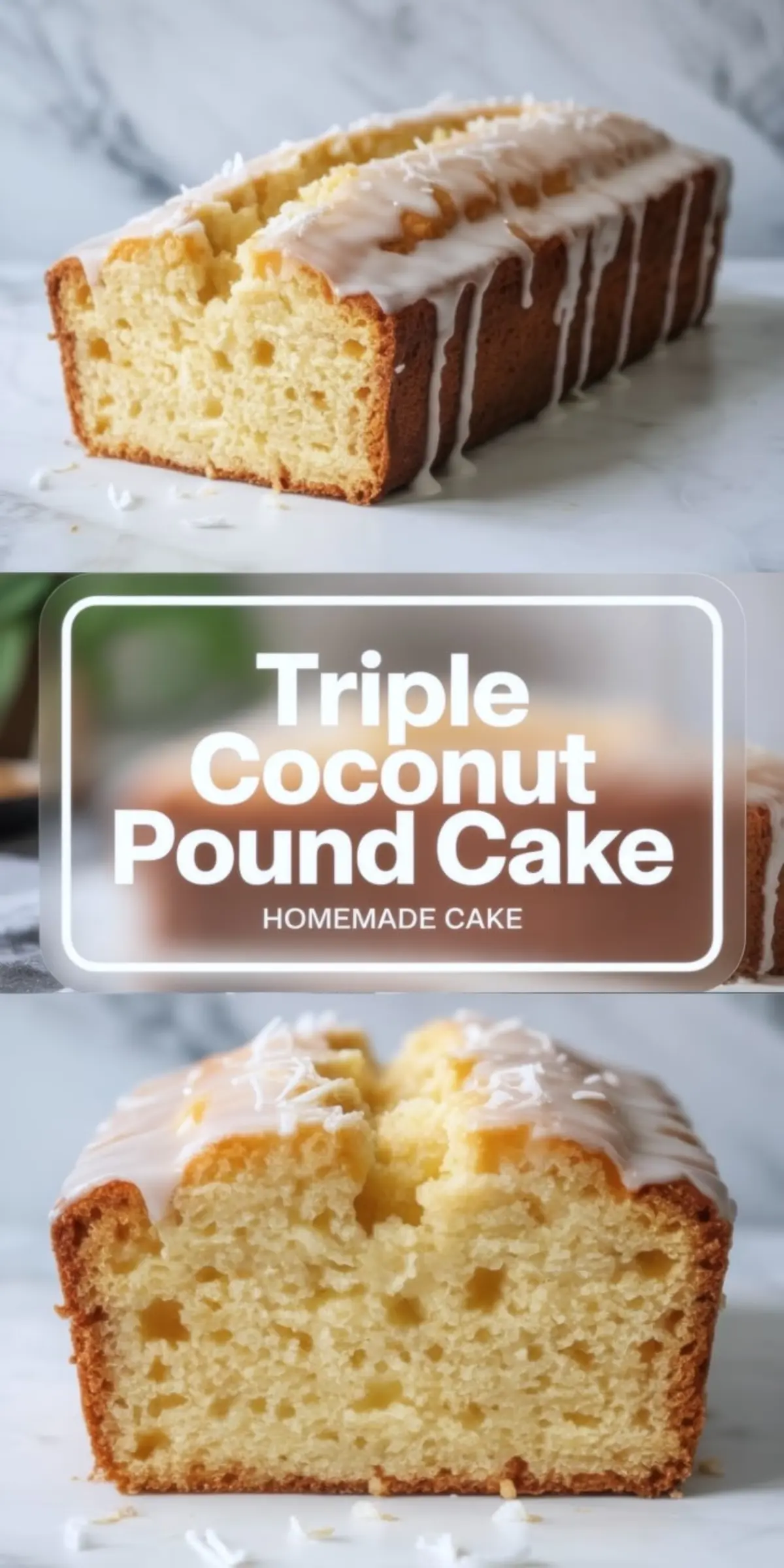
This coconut pound cake gets its coconut three ways: sweetened shredded coconut in the crumb, canned full-fat coconut milk as the only liquid, and a coconut milk glaze on top. It bakes in one 9×5 inch loaf pan at 325°F for 60 to 70 minutes and gives you 8 to 10 thick slices.
The trick is the coconut milk. Use canned full-fat, shake it hard, and let it sit until it is no longer cold. That keeps the batter smooth, the crumb moist, and the coconut flavor clear without tasting like sunscreen.
Following a special diet?
Every recipe on this site can be converted to gluten-free, vegan, dairy-free, keto, nut-free or egg-free with adjusted ratios so nothing falls flat.
Try the Recipe Converter →Three Layers of Coconut and What Each One Does
Sweetened shredded coconut is the backbone. It softens in the oven but never disappears, so every slice has a gentle chew. I use the sweetened kind because it brings moisture with it; unsweetened coconut soaks up liquid from the batter and leaves the crumb drier and tougher. Fine shreds spread more evenly than long strands. Go fine.
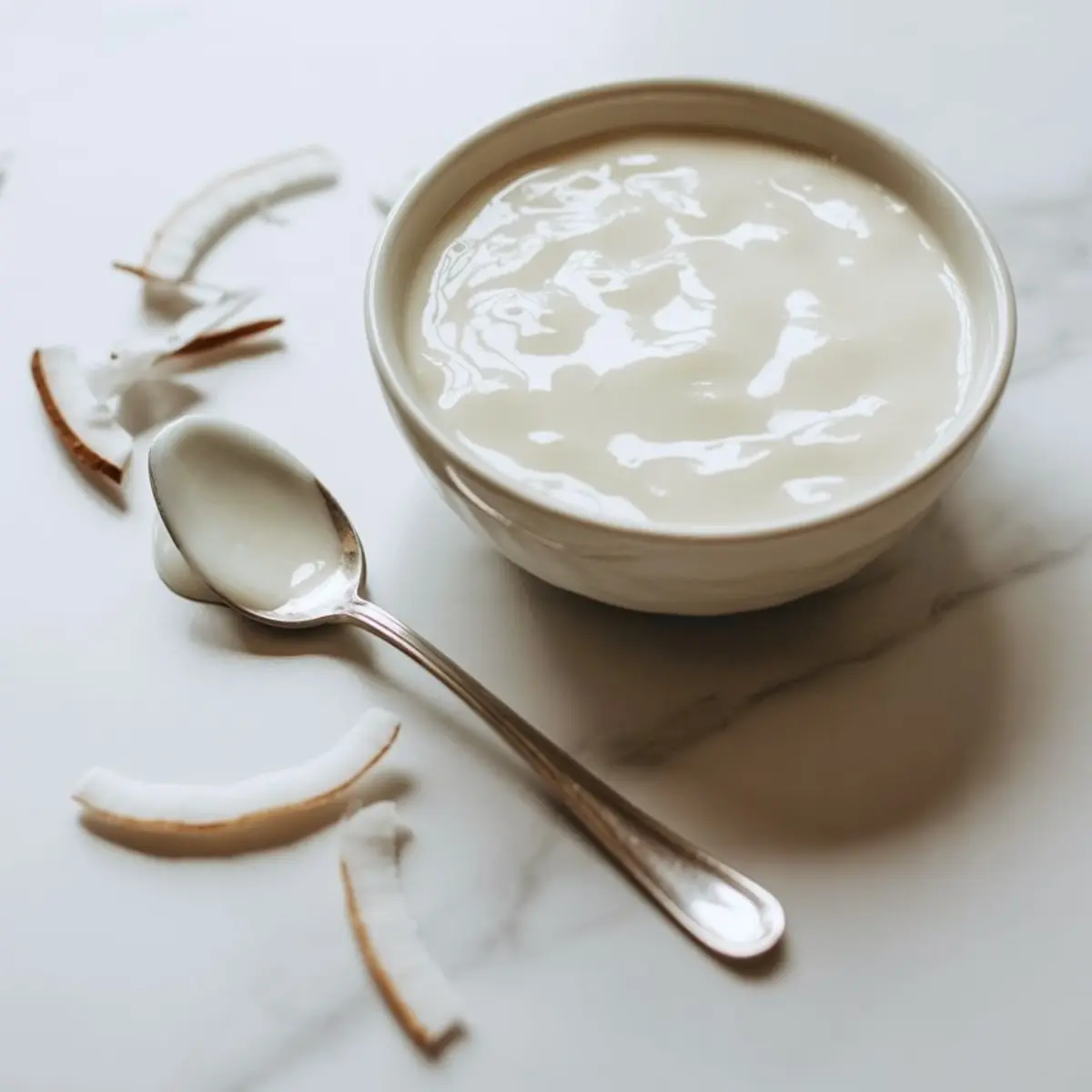
Coconut milk takes the place of the milk or sour cream a regular pound cake would use. The butter stays, all 2 sticks of it. Coconut fat adds richness on top of the butter, which is why this loaf stays soft for days.
Coconut extract does the rest: 1½ teaspoons in the batter and ¼ teaspoon in the glaze. More than that turns sharp and perfume-like. Vanilla works if you have no coconut extract, but the cake will taste more like a buttery pound cake with coconut in it.
Canned Coconut Milk vs Carton Coconut Milk vs Cream of Coconut
These three sit side by side in the store. They are not interchangeable here.
- Canned full-fat coconut milk: the one to use. It is thick, rich and unsweetened, so it adds body to the batter and makes a glaze that sets.
- Carton coconut milk (the drink): mostly water. The cake bakes up thinner in flavor and the glaze stays runny.
- Cream of coconut: heavily sweetened and syrupy. Swapped in cup for cup, it makes the loaf too sweet and heavy and it browns too fast.
- Light canned coconut milk: works in a pinch, but the crumb is less rich and the glaze is thinner.
The fat in a can separates into a firm layer on top and thin liquid underneath, so shake the can before opening, pour it into a bowl, and whisk it until smooth before you measure the ½ cup.
Mixing Coconut Pound Cake Batter So It Stays Smooth
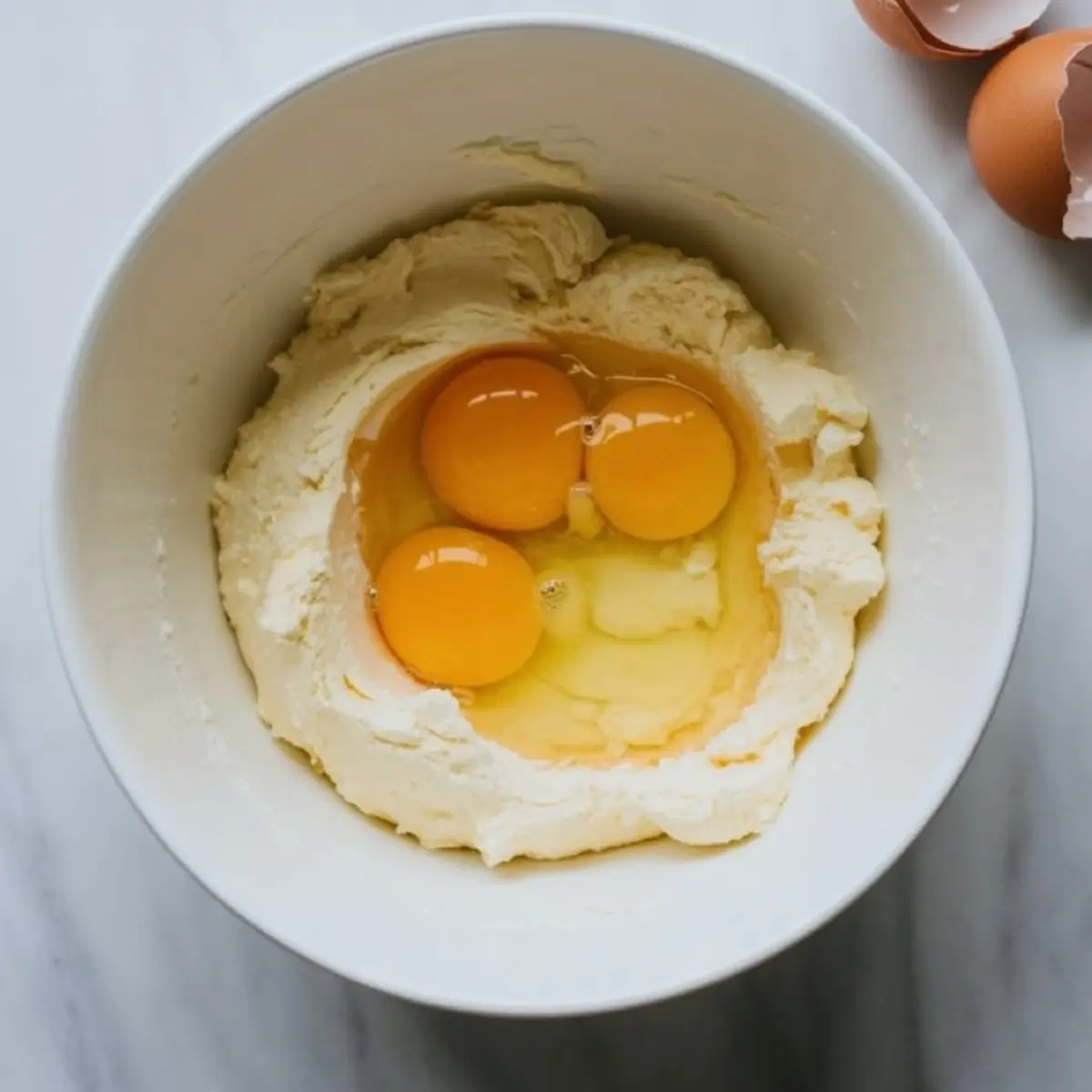
Cream the softened butter and sugar on medium-high for 3 to 4 minutes, until it turns pale and fluffy. This is where most of the lift in a pound cake comes from, since there is only ½ teaspoon of baking powder. Add the 4 room temperature eggs one at a time. Beat well after each, then add the coconut extract.
Now the part that trips people up. Cold coconut milk firms up the moment it hits creamed butter, and the batter breaks into greasy flecks. Let the coconut milk come to room temperature. Or warm it for 10 seconds in the microwave. If the batter still looks a little curdled, keep going: it usually comes back together once the flour goes in.
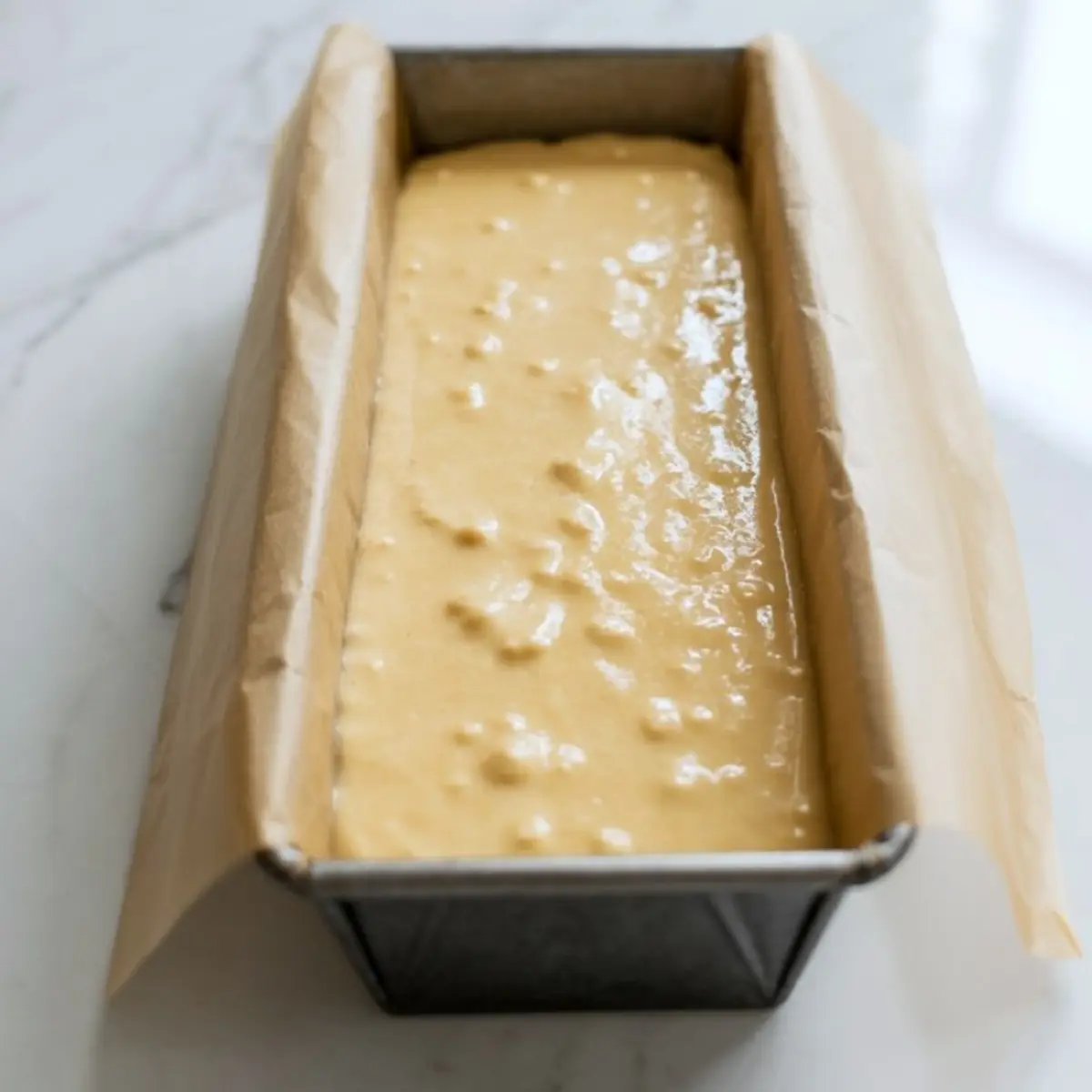
Add the flour mixture in three parts, alternating with the coconut milk, starting and ending with flour. Mix on low only until you stop seeing dry streaks. Then fold in the shredded coconut by hand with a spatula. Stop there. The batter should be thick but spreadable.
How Long to Bake Coconut Pound Cake in a 9×5 Loaf Pan
Grease the pan and line it with parchment, leaving an overhang on the long sides so you can lift the loaf out. A metal pan bakes more evenly than glass or ceramic. Bake at 325°F for 60 to 70 minutes. The low temperature is on purpose: a pound cake this dense needs time for the center to cook before the crust gets too dark. The same idea runs through my brown sugar cinnamon pound cake.
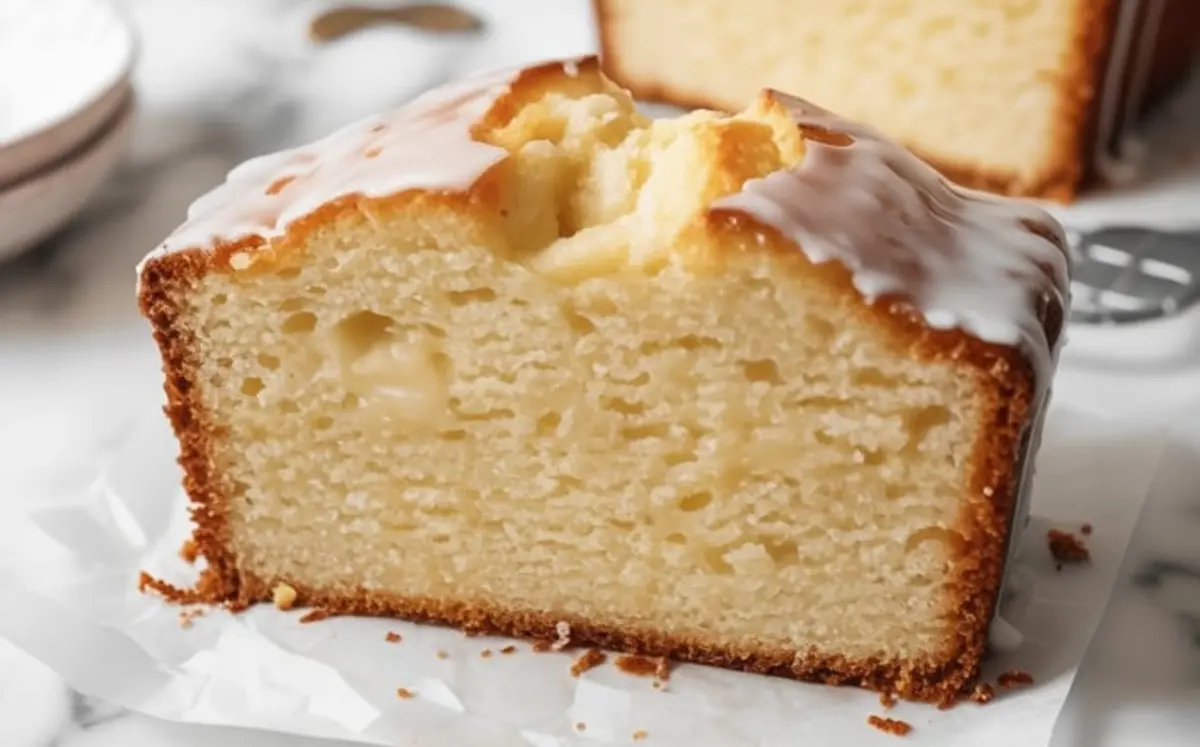
Look at the top at 50 minutes. Deep golden already? Lay foil loosely over it. The cake is done when a skewer in the center comes out clean, the top springs back, and the sides pull away slightly from the pan. An instant read thermometer should show about 205°F to 210°F in the middle. A crack along the top is normal for a loaf pound cake.
Cool the cake in the pan for 15 minutes, then lift it onto a wire rack and let it cool completely, about 2 hours.
Getting the Coconut Glaze to Stay on the Loaf
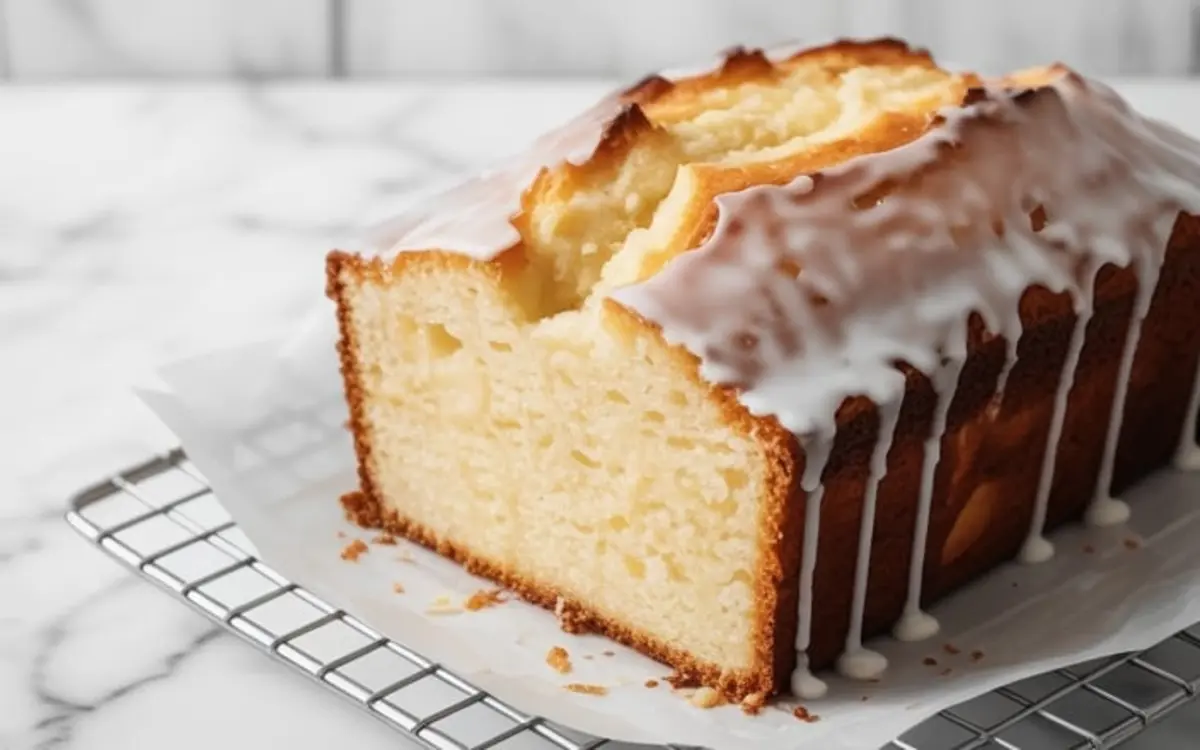
Whisk the 1 cup powdered sugar and ¼ teaspoon coconut extract with 2 tablespoons coconut milk first. Lift the whisk: the glaze should fall in a slow, thick ribbon. Only add the third tablespoon if it is too stiff to pour. Too thin? It soaks in or slides straight off.
Pour it over a fully cooled cake. Not slightly warm. Fully cooled, because warm cake melts the glaze into a sticky film. Scatter extra shredded coconut on top while the glaze is wet, then wait 15 to 20 minutes before slicing so the cuts stay clean.
Want something richer on top? A thin layer of white chocolate ganache with toasted coconut, or a swirl of coconut buttercream frosting, both work on this loaf.
Why a Coconut Pound Cake Sinks, Cracks or Turns Dry
- Sunken middle: underbaked, or cold eggs and coconut milk made the batter split. Bake until the skewer is clean, not just until the top looks done.
- Dry, crumbly slices: light or carton coconut milk, unsweetened coconut, or too much flour. Spoon the flour into the cup and level it instead of scooping.
- Dark crust, raw center: oven running hot or the pan sitting too high. Check with an oven thermometer and bake on the middle rack.
- Gummy streak near the bottom: the batter was overmixed after the flour, or the cake was cut while warm.
Coconut Lime, Macadamia and Other Twists
Add ½ teaspoon lime zest to the batter for a coconut lime loaf. Fold in ½ cup chopped macadamia nuts or white chocolate chips along with the shredded coconut. For a toasted coconut pound cake, keep the batter as written and press toasted coconut onto the wet glaze, where it stays crisp.
If you like a tangier crumb, my coconut cream cheese pound cake uses cream cheese, and the Southern sour cream coconut cake is the layer cake version for a bigger crowd.
Keeping Coconut Pound Cake Moist for Days
Wrap it well. It stays soft on the counter for 3 days. In the fridge it keeps 5 to 6 days, but cold firms the butter and coconut fat, so let slices sit out for 20 minutes before eating.
To freeze, wrap the cooled loaf in plastic and then foil, freeze it for up to 2 months, and thaw it overnight in the fridge still wrapped, so any condensation forms on the wrap and not on the crust. Glazed slices freeze fine too; a quick toast brings them back.
Coconut Milk Pound Cake Questions
Can I bake this coconut pound cake in a Bundt pan?
Yes, but double the recipe for a 10 to 12 cup Bundt pan, grease every ridge, and plan on a longer bake at 325°F, starting to check at 65 minutes and going by a clean skewer rather than the clock. For a Bundt that is built for it, see my white chocolate coconut Bundt cake.
Can I use unsweetened coconut?
You can, but expect a slightly drier, chewier crumb. Soak it in 2 tablespoons of hot water for 10 minutes, then fold it in.
Can I use coconut cream instead of coconut milk?
Unsweetened coconut cream works if you thin it with a little water to the thickness of heavy cream. Do not use sweetened cream of coconut.
What should I do with the leftover coconut milk?
Use it in the glaze, then stir the rest into oatmeal or rice pudding. Leftover shredded coconut goes straight into a batch of coconut macaroons.
Triple Coconut Pound Cake Recipe
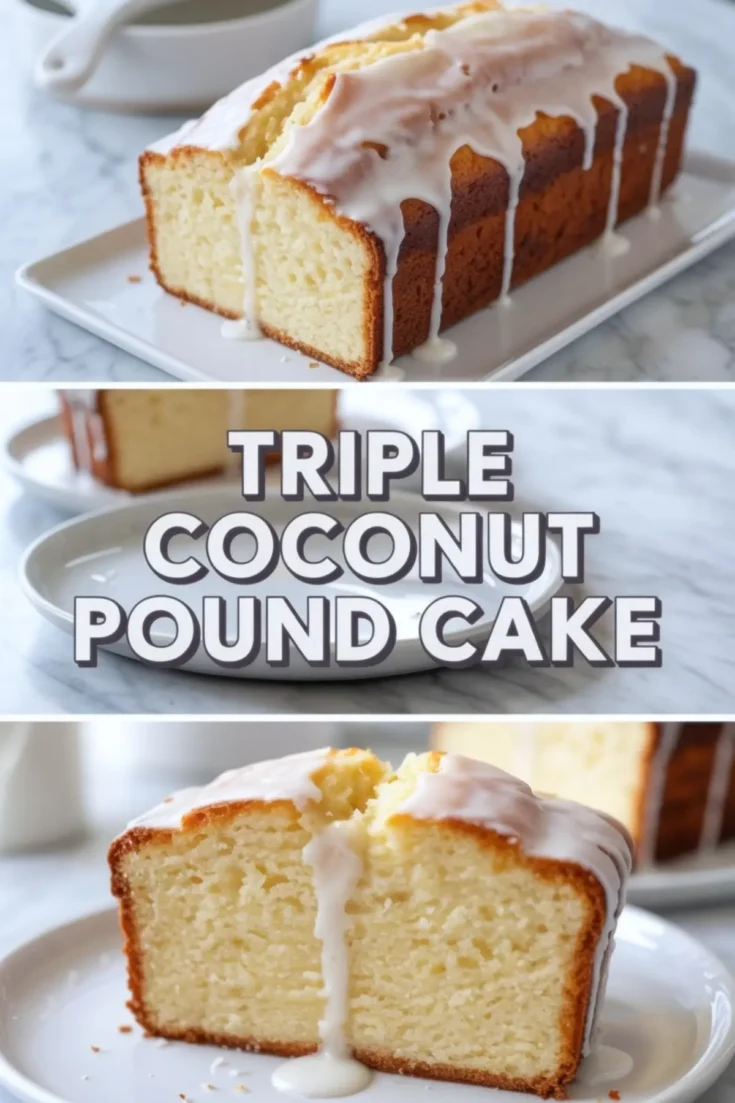
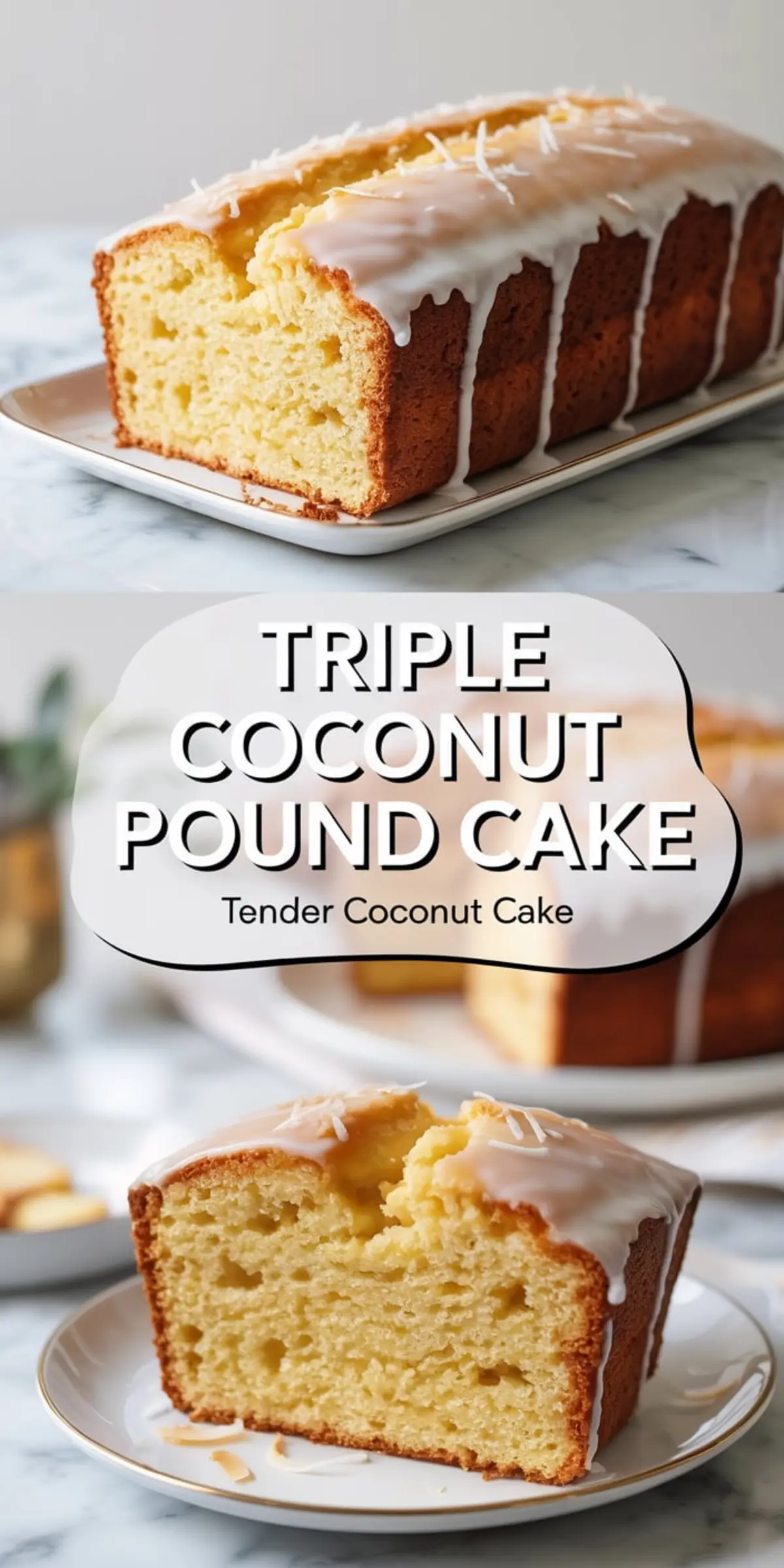
This coconut pound cake is a moist, buttery loaf made with butter, sugar, eggs, canned full-fat coconut milk, sweetened shredded coconut and coconut extract, finished with a coconut milk glaze. It bakes in one 9x5 inch loaf pan at 325°F for 60 to 70 minutes and gives 8 to 10 thick slices with a soft, slightly chewy crumb. Coconut milk is the only liquid, so use it at room temperature: cold coconut milk splits the creamed butter. Serve this coconut milk pound cake with coffee, as an Easter or brunch cake, or topped with toasted coconut or white chocolate ganache. Add lime zest for a coconut lime loaf. Keeps 3 days wrapped at room temperature and freezes for 2 months.
Ingredients
- FOR THE CAKE:
- 1 cup (2 sticks) unsalted butter, softened
- 1 ¾ cups granulated sugar
- 4 large eggs, room temperature
- 1 ½ teaspoons coconut extract
- 2 cups all-purpose flour
- ½ teaspoon baking powder
- ½ teaspoon salt
- ½ cup canned full-fat coconut milk (shake well before using)
- 1 cup sweetened shredded coconut
- FOR THE COCONUT GLAZE:
- 1 cup powdered sugar
- 2 to 3 tablespoons coconut milk
- ¼ teaspoon coconut extract
- Optional: extra shredded coconut for topping
Instructions
- PREHEAT AND PREP: Preheat the oven to 325°F (163°C). Grease a standard 9x5-inch loaf pan and line it with parchment paper, leaving some overhang for easy lifting after baking.
- CREAM BUTTER AND SUGAR: In a large mixing bowl, beat the softened butter and granulated sugar together on medium-high speed for 3–4 minutes until the mixture is light, fluffy, and pale in color.
- ADD EGGS AND COCONUT EXTRACT: Add the eggs one at a time, beating well after each addition to ensure they are fully incorporated. Mix in the coconut extract until smooth.
- MIX DRY INGREDIENTS: In a separate bowl, whisk together the flour, baking powder, and salt until evenly combined.
- COMBINE WET AND DRY: Add the dry ingredients to the butter mixture in three batches, alternating with the coconut milk. Begin and end with the dry ingredients. Mix on low speed until just combined, being careful not to overmix the batter.
- FOLD IN COCONUT: Using a rubber spatula, gently fold in the shredded coconut until evenly distributed throughout the batter.
- BAKE: Pour the batter into the prepared loaf pan and smooth the top. Bake for 60–70 minutes, or until a toothpick inserted into the center comes out clean. Check the cake at the 50-minute mark; if the top is browning too quickly, tent it loosely with foil to prevent overbaking.
- COOL AND GLAZE: Allow the cake to cool in the pan for 15 minutes, then lift it out and place it on a wire rack to cool completely. Once cooled, whisk together the powdered sugar, coconut milk, and coconut extract until smooth. Drizzle the glaze over the cake, letting it drip down the sides. Sprinkle with extra shredded coconut if using.
Notes
Use canned full-fat coconut milk, not the carton drink or sweetened cream of coconut. Shake the can, whisk the coconut milk smooth and let it come to room temperature before measuring. If the top browns before 50 minutes, tent loosely with foil. The cake is done when a skewer comes out clean. Cool completely before glazing; start the glaze with 2 tablespoons coconut milk and add the third only if needed. Let the glaze set for 15 to 20 minutes before cutting. Store wrapped at room temperature for 3 days, in the fridge for 5 to 6 days, or freeze up to 2 months.
Nutrition Information
Yield
10Serving Size
1Amount Per Serving Calories 760Total Fat 44gSaturated Fat 33gUnsaturated Fat 11gCholesterol 129mgSodium 276mgCarbohydrates 82gFiber 5gSugar 37gProtein 10g
