
This Plum Jam Recipe is the kind of preserve that earns repeat use because it does more than fill a jar. Plum jam already has sweetness, acidity, and a deeper fruit flavor than many lighter spreads, so once the fruit cooks down properly, the result feels rich, bright, and genuinely useful. It tastes homemade in the best way.
If you like jam with real fruit character instead of flat sugar sweetness, this easy plum jam is a strong one to keep around. It works on toast, yes, but it also slips easily into yogurt, dessert fillings, and simple pastry bakes when you want a homemade plum jam with more depth. One batch goes a long way.
Following a special diet?
Every recipe on this site can be converted to gluten-free, vegan, dairy-free, keto, nut-free or egg-free with adjusted ratios so nothing falls flat.
Try the Recipe Converter →Plum Flavor and Natural Tartness
Plums make good jam because they already carry the balance a preserve needs. They have sweetness, but they also have enough tartness to stop the finished jam from feeling heavy. That gives the flavor more shape and makes the fruit taste clearer after cooking.
That balance is what separates plum jam from softer, sweeter spreads that can blur into one note. The final result should feel bright, slightly rich, and still very much like fresh fruit that has simply been concentrated into something spoonable.
Texture, Gloss, and Spreadability
A good plum jam should be soft and glossy, thick enough to spread cleanly but loose enough to feel natural on toast or biscuits. It should not slump like syrup, and it should not turn stiff or rubbery either. The texture is part of what makes the jam useful across breakfast and dessert.
When the consistency lands properly, the jam works just as well in a yogurt bowl as it does inside pastries or layered onto scones. That kind of flexibility is a strong reason to keep an easy plum jam recipe in rotation.
What the Fruit Contributes
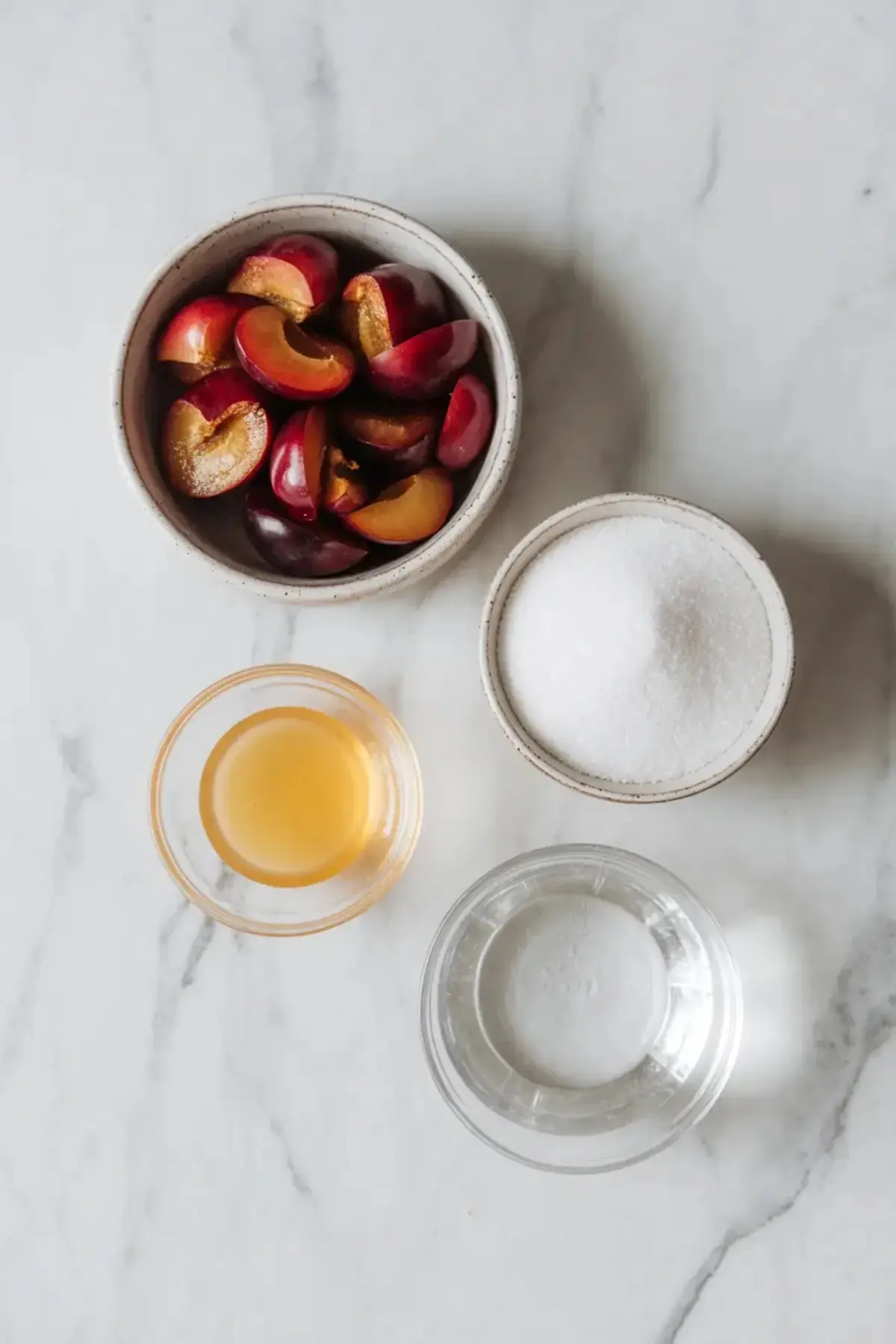
The fruit matters more here than almost anything else. Ripe plums give the jam stronger color, deeper sweetness, and a cleaner finish, while underripe fruit can leave the batch feeling sharper and thinner than you want. Because the ingredient list is usually simple, the plums do most of the flavor work.
That simplicity is part of the appeal. A homemade plum jam recipe does not need much distraction around it. Good fruit, proper cooking, and attention to texture usually get you most of the way there.
Where This Jam Fits Best
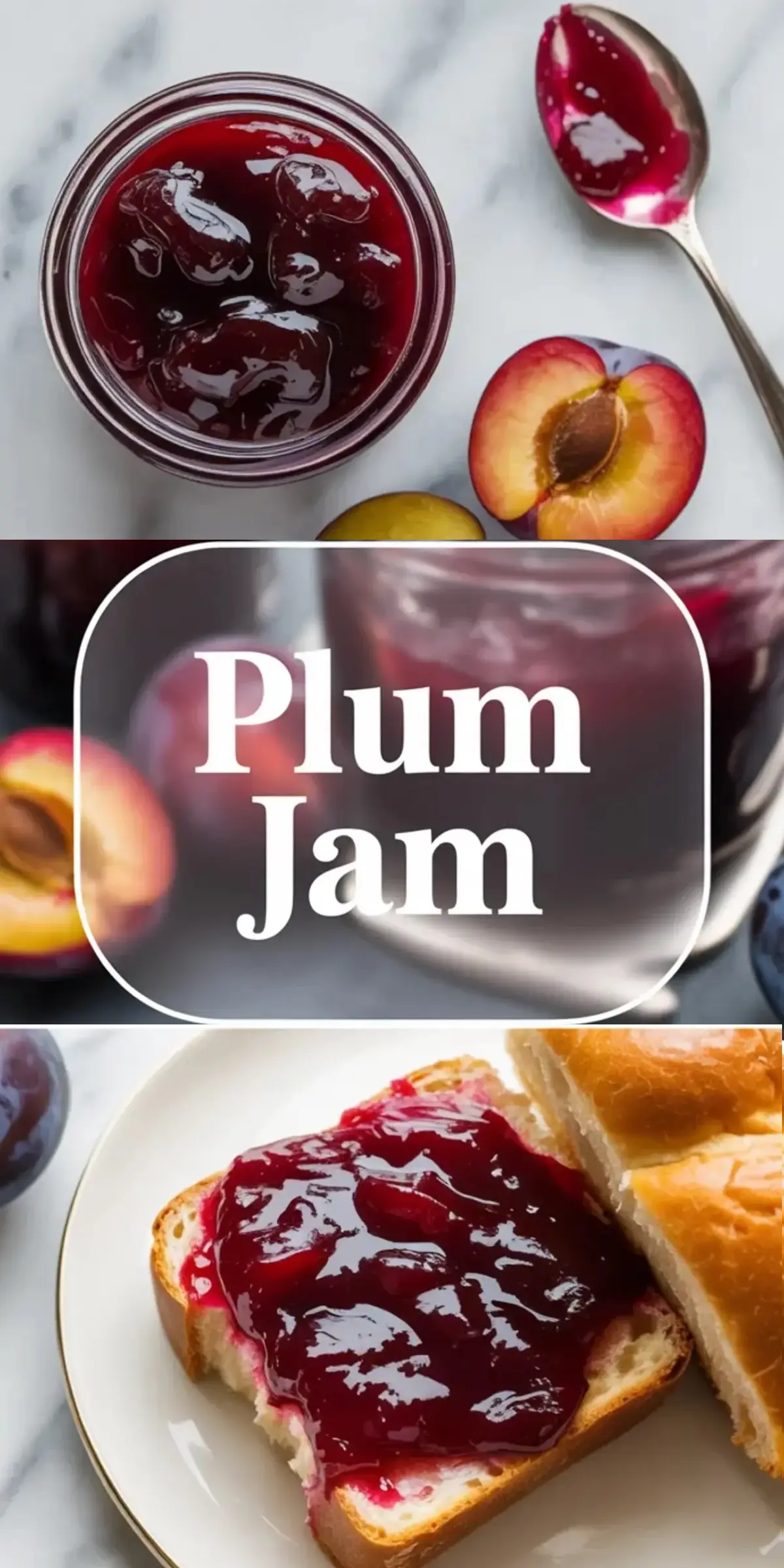
This is an easy breakfast spread, but it should not be limited to breakfast. Plum jam belongs on biscuits, toast, and pancakes, but it also works beautifully as a cake filling, a thumbprint cookie center, or a spoonful stirred into plain yogurt when you want something fruitier and sharper than a berry preserve.
If you already like fruit-forward bakes such as pineapple jam or seasonal desserts like peach dump cake, plum jam gives you that same homemade fruit energy in a slightly darker, richer direction.
Why Homemade Jam Still Wins
Store-bought plum jam can be fine, but homemade has the advantage of tasting more like actual fruit and less like a generic sweet spread. You control the texture, the thickness, and how much the tartness stays present, which matters more with plums than with some milder fruits.
That is why even a simple plum jam recipe can feel more satisfying than something pulled off a shelf. The flavor stays clearer, and the final jar feels more tailored to the fruit instead of built to sit quietly in the background.
Simple Serving Ideas
Plum jam goes well with buttered toast, flaky biscuits, pastries, and soft breads, but it also works in less obvious places. It can give more depth to a breakfast board, balance a creamy dessert, or add fruit contrast to a plain cheesecake slice without needing any extra work.
If you want another homemade spread to keep nearby, something like pineapple jam gives a brighter tropical option, while a bread like sweet condensed milk bread gives plum jam an especially soft and rich base.
How to Tell It Is Ready
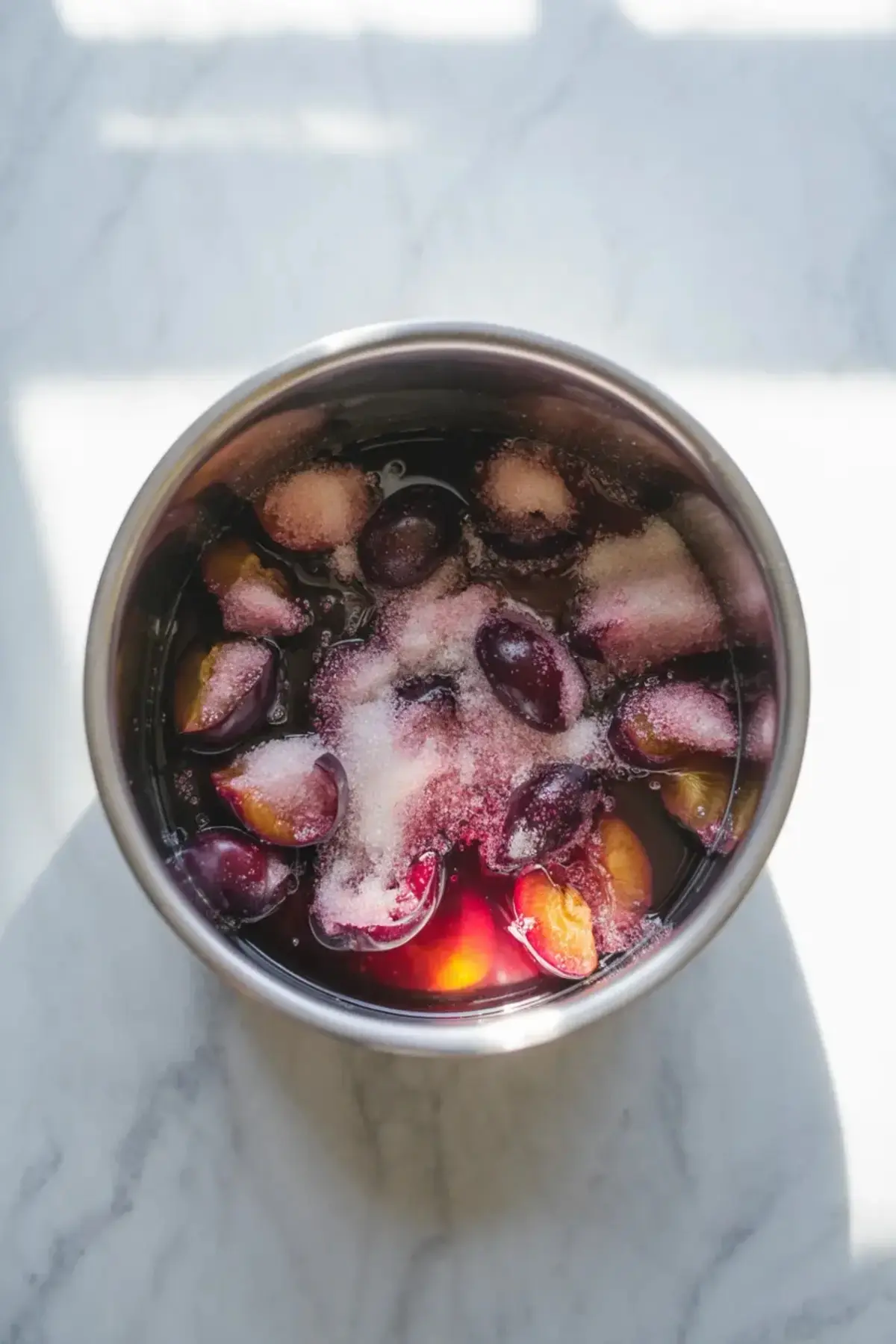
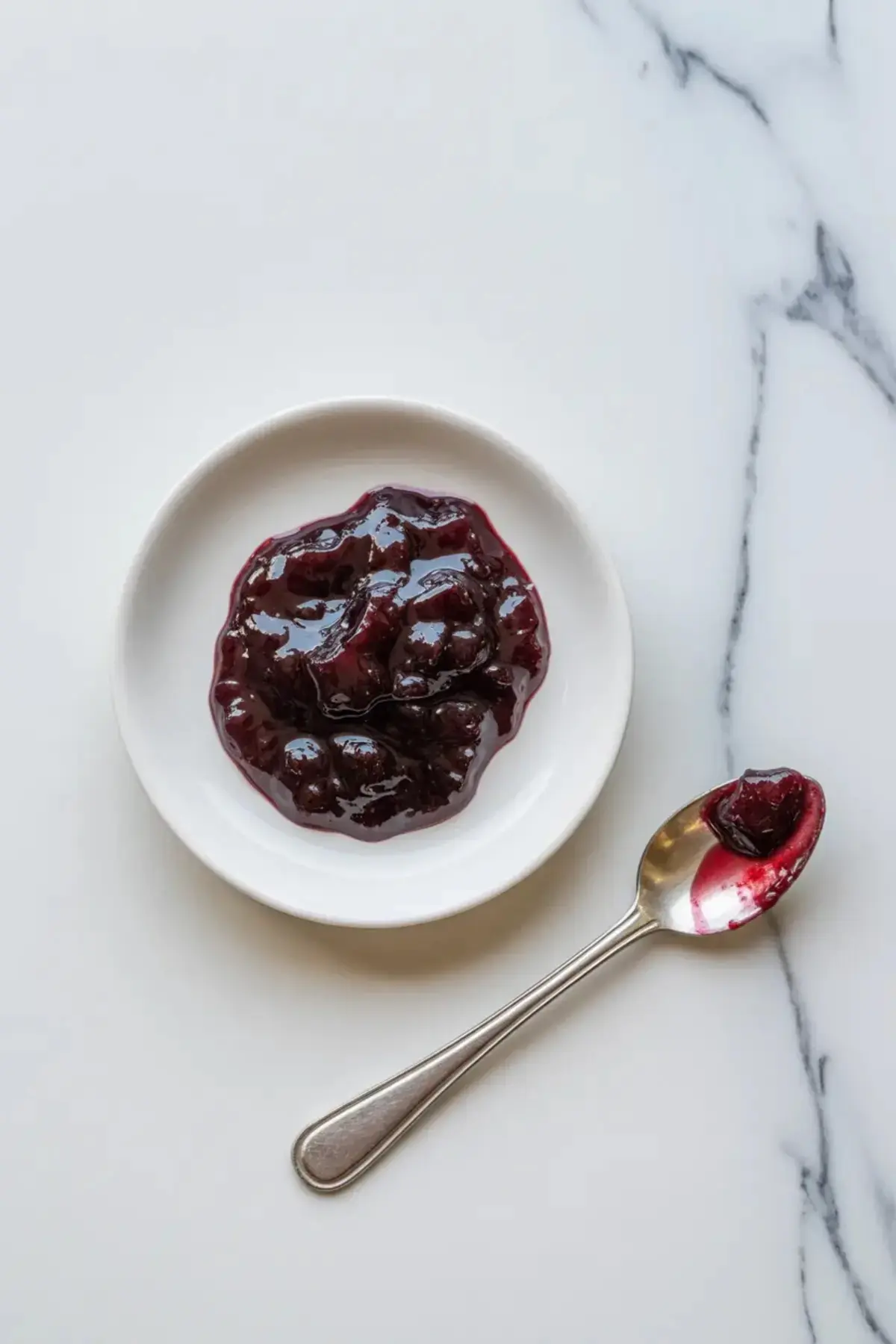
The jam should look glossy, thicker than it started, and able to hold softly on a spoon. It should not run like juice, but it should still feel spreadable. The fruit should be broken down enough to feel like jam rather than chopped fruit in syrup.
The main thing is not to overcook it. Plum jam continues to settle as it cools, and the texture will firm up after it leaves the heat. Stopping at the right point keeps the result softer, fresher, and easier to use.
Small Batch Appeal
One of the best things about plum jam is that it works well as a practical homemade batch, not just as a major preserving project. That makes it easier to justify, easier to repeat, and easier to keep seasonal fruit from going to waste when you do not need an all-day canning session.
That small-batch usefulness is part of why it belongs in a normal kitchen. It is a recipe you can make because the fruit is ready, because breakfast needs help, or because you want one good jar instead of a production line.
Seasonal Fruit Worth Saving
Plums have a short window when they feel especially right, and jam is one of the easiest ways to carry that flavor forward. The finished preserve keeps the fruit from disappearing into one season and gives you a way to pull it back into breakfasts and desserts later.
That is why plum jam recipe ideas stay useful year after year. They turn ripe fruit into something practical, flexible, and rewarding enough to make again the next time plum season comes around.
Save This Recipe
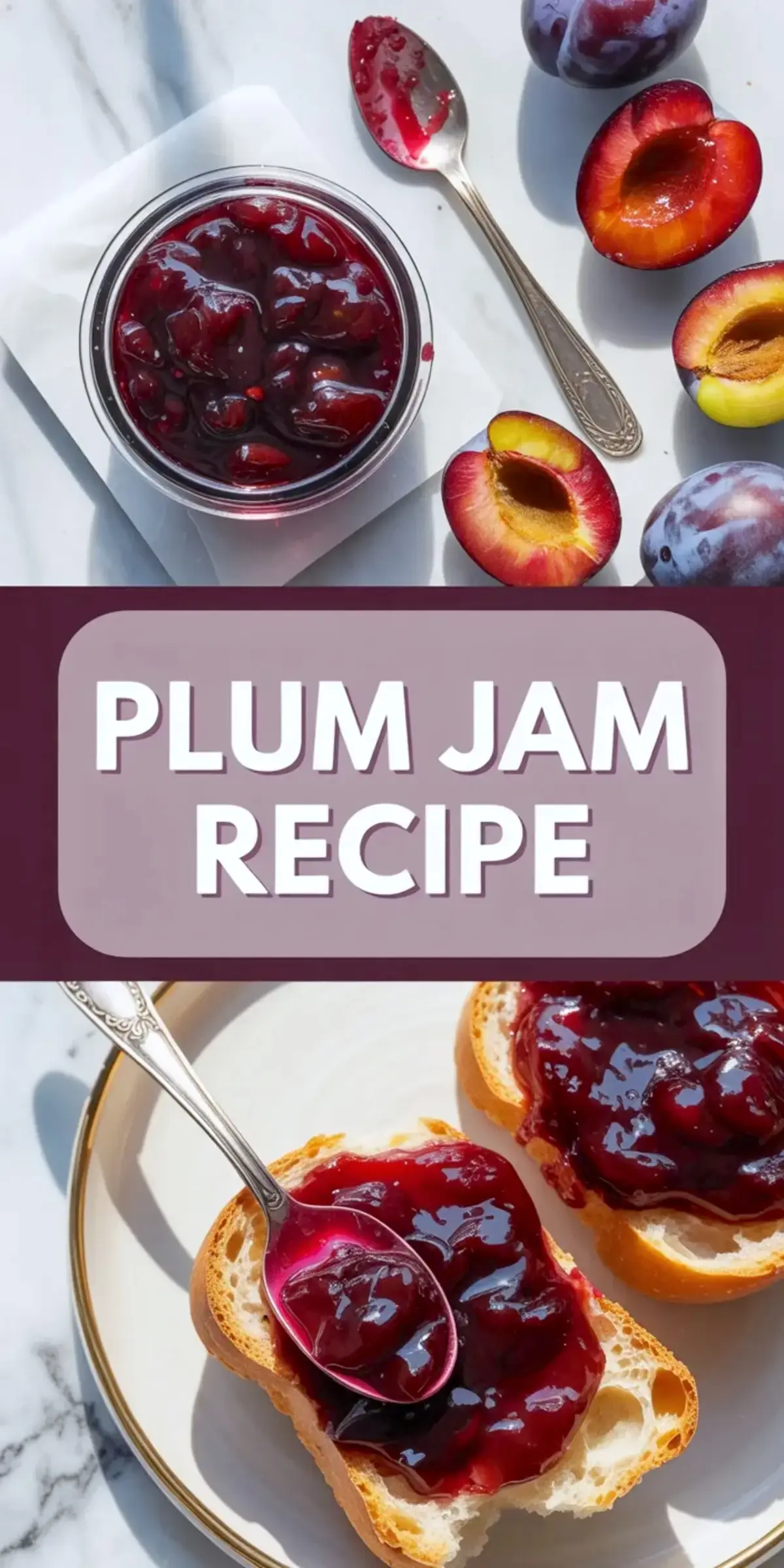
Save this plum jam recipe for the next time you want a homemade fruit preserve with sweet-tart flavor, glossy texture, and more range than the average breakfast spread. It is easy to make, easy to use, and worth keeping close once the jar is open.
If you try it, leave a comment and say how you used it first. Toast is the obvious start, but plum jam tends to find its way into more places once it is sitting in the fridge.
Plum Jam Recipe
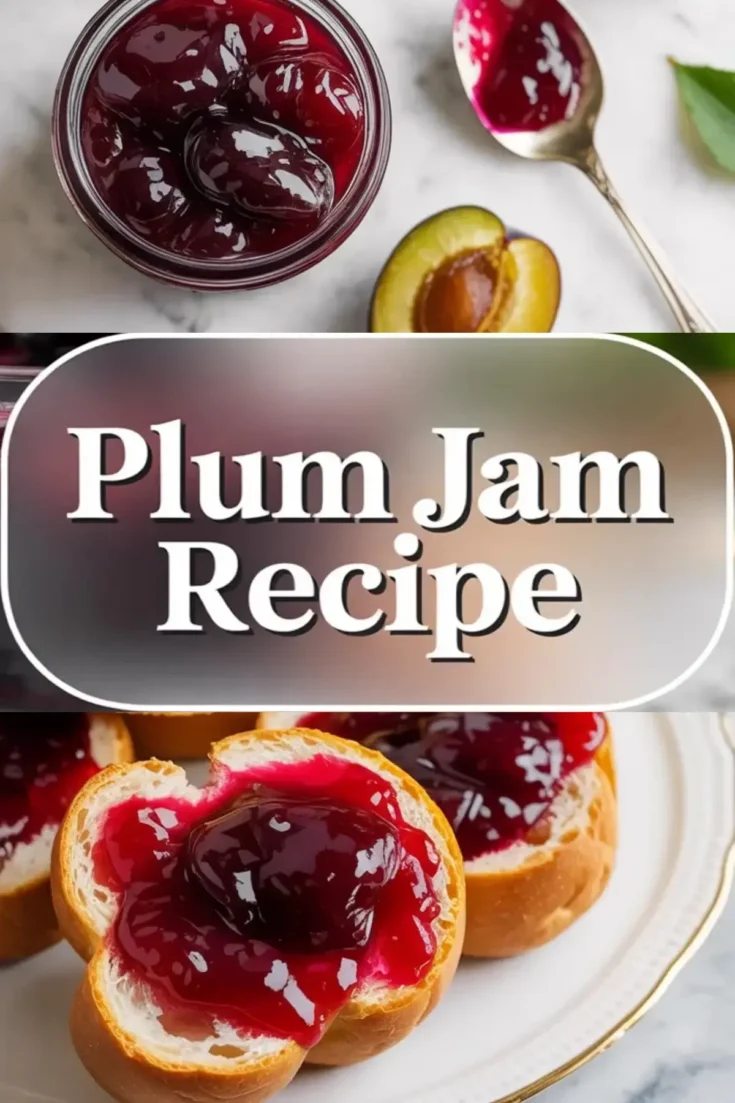
Save this Plum Jam Recipe for a sweet-tart homemade preserve with real fruit flavor and a soft, glossy texture that spreads beautifully. It is an easy plum jam that works well on toast, biscuits, yogurt, and desserts, and gives you a practical way to turn ripe plums into a jam that feels both simple and a little more special than store-bought. If you love plum jam, plum jam recipes, easy jam recipes, and homemade fruit preserves you will actually use, this is one to keep in regular rotation. The finished jar tastes bright, rich, and fruit-forward, with enough depth to work at breakfast, in baking, or as a quick way to lift plain everyday desserts.
Ingredients
- 2 pounds (900 g) ripe plums
- 1 ½ cups (300 g) granulated sugar
- 1 tablespoon fresh lemon juice
- ¼ cup water
Instructions
PREPARE THE PLUMS: Wash the plums thoroughly under cool running water. Cut each plum in half and remove the pits. Chop the plums into small chunks. Leave the skins on, as they provide color, texture, and natural pectin for thickening.
COMBINE THE INGREDIENTS: Place the chopped plums into a large heavy-bottomed pot. Add the granulated sugar, fresh lemon juice, and water. Stir until evenly combined. Let the mixture rest for 15–20 minutes to allow the sugar to draw out the natural juices from the fruit.
COOK THE JAM: Place the pot over medium heat. Stir frequently to prevent the fruit from sticking to the bottom. As the mixture heats, the sugar will dissolve and the plums will begin to soften. Once the mixture reaches a boil, reduce the heat to maintain a steady simmer. Continue cooking for 20–30 minutes, stirring every few minutes, until the mixture thickens and the bubbles become slower and heavier.
TEST FOR DONENESS: Place a small plate in the freezer for a few minutes. Spoon a small amount of jam onto the cold plate and let it sit for 30 seconds. Run your finger through the center of the jam. If it wrinkles slightly and holds its shape, the jam is ready. If it remains runny, continue cooking for 5–10 minutes and test again.
COOL AND STORE: Remove the pot from the heat. Allow the jam to cool slightly for a few minutes. Carefully spoon the hot jam into clean jars. Let the jars cool completely at room temperature before sealing with lids. Store in the refrigerator for up to 3 weeks, or process using proper canning methods for longer storage.
Notes
Use fully ripe plums that feel slightly soft when gently pressed for the best flavor and natural sweetness.
Stir consistently during cooking to prevent scorching.
For smoother jam, use an immersion blender after cooking to reach the desired consistency.
If long-term pantry storage is desired, follow safe water bath canning guidelines.
