

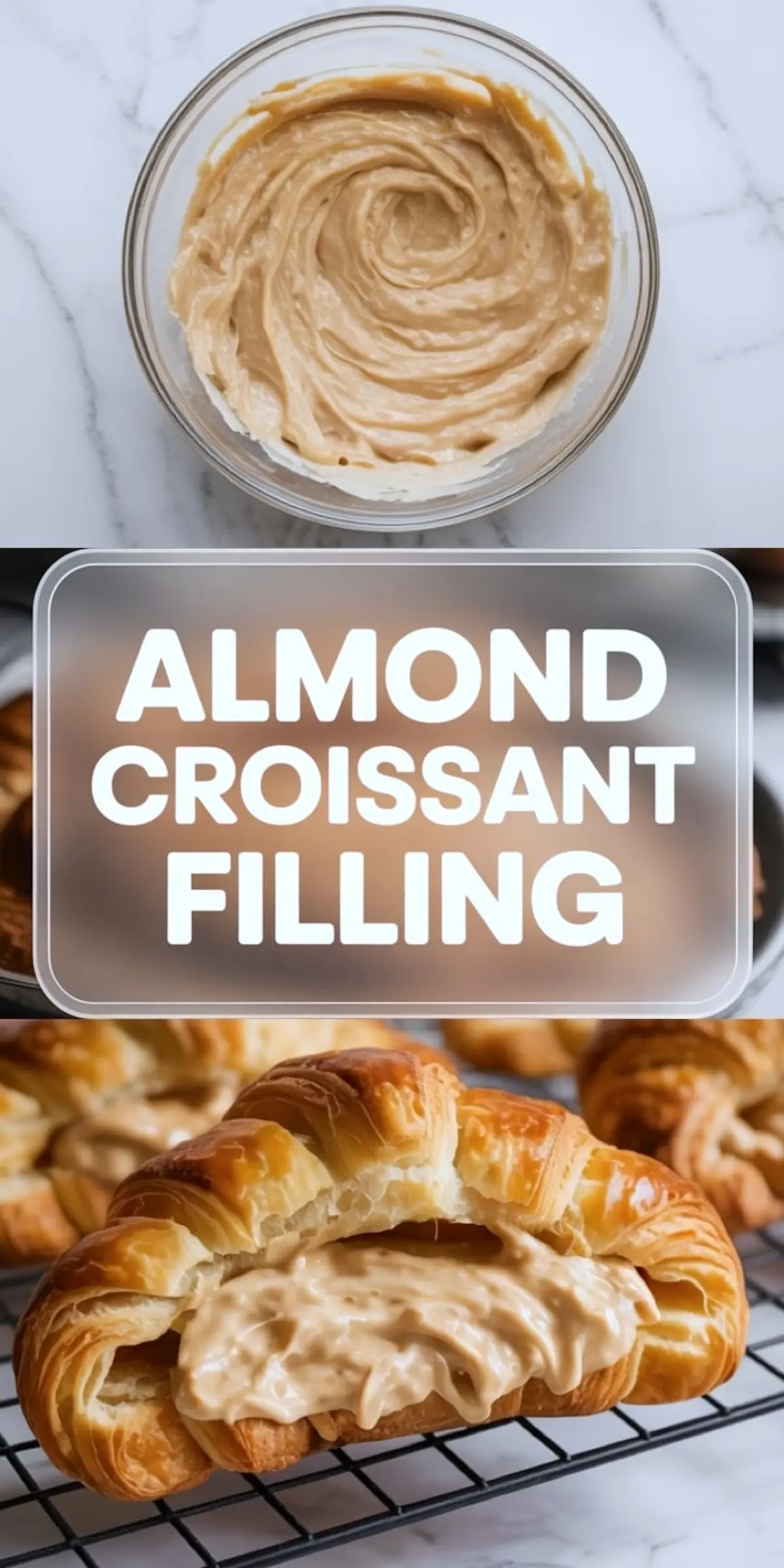
This almond croissant filling recipe brings the texture and flavor of freshly baked French pastries right into your kitchen. It blends almond flour, sugar, eggs, and butter into a smooth frangipane-style spread that transforms any croissant recipe or store-bought pastry into something special. You can use it for easy breakfast recipes, full homemade croissants, or as a fast upgrade when time runs short.
Following a special diet?
Every recipe on this site can be converted to gluten-free, vegan, dairy-free, keto, nut-free or egg-free with adjusted ratios so nothing falls flat.
Try the Recipe Converter →The almond extract deepens the nutty base while the optional dark rum adds a bakery-style aroma. The result is a rich, creamy filling that bakes up soft in the center with golden edges once it hits the oven.
The ratio of almond flour to butter is key. A full cup of almond flour to half a cup of butter creates a balanced texture that’s neither greasy nor too dense.
Sugar keeps the crumb light and crisp, while eggs bind everything together. Most almond croissant recipes use a similar blend, but this version holds its shape better in the oven, even without chilling.
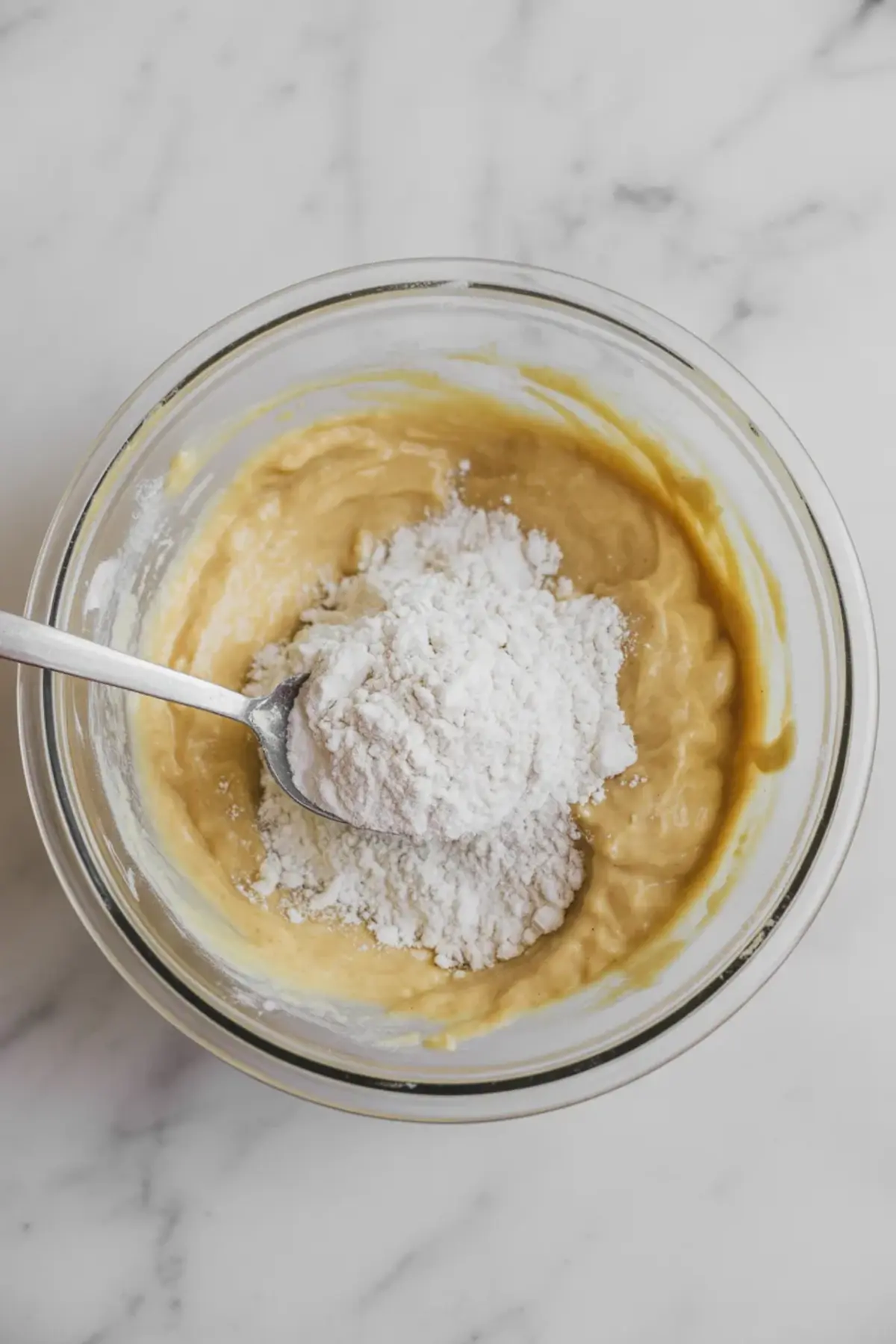
You’ll also notice that adding a tablespoon of all-purpose flour helps stabilize the mix, especially if you skip refrigeration. That one spoon makes it easier to spread into croissants without it melting out while baking.
Ingredient Insights and Choices
Start with unsalted butter. It allows better control over the final salt balance, and it creams more evenly when softened properly.
Almond flour should be finely ground and pale in color. Coarser or darker almond meal will make the texture grainy. I stick with blanched almond flour to keep the color light and smooth.
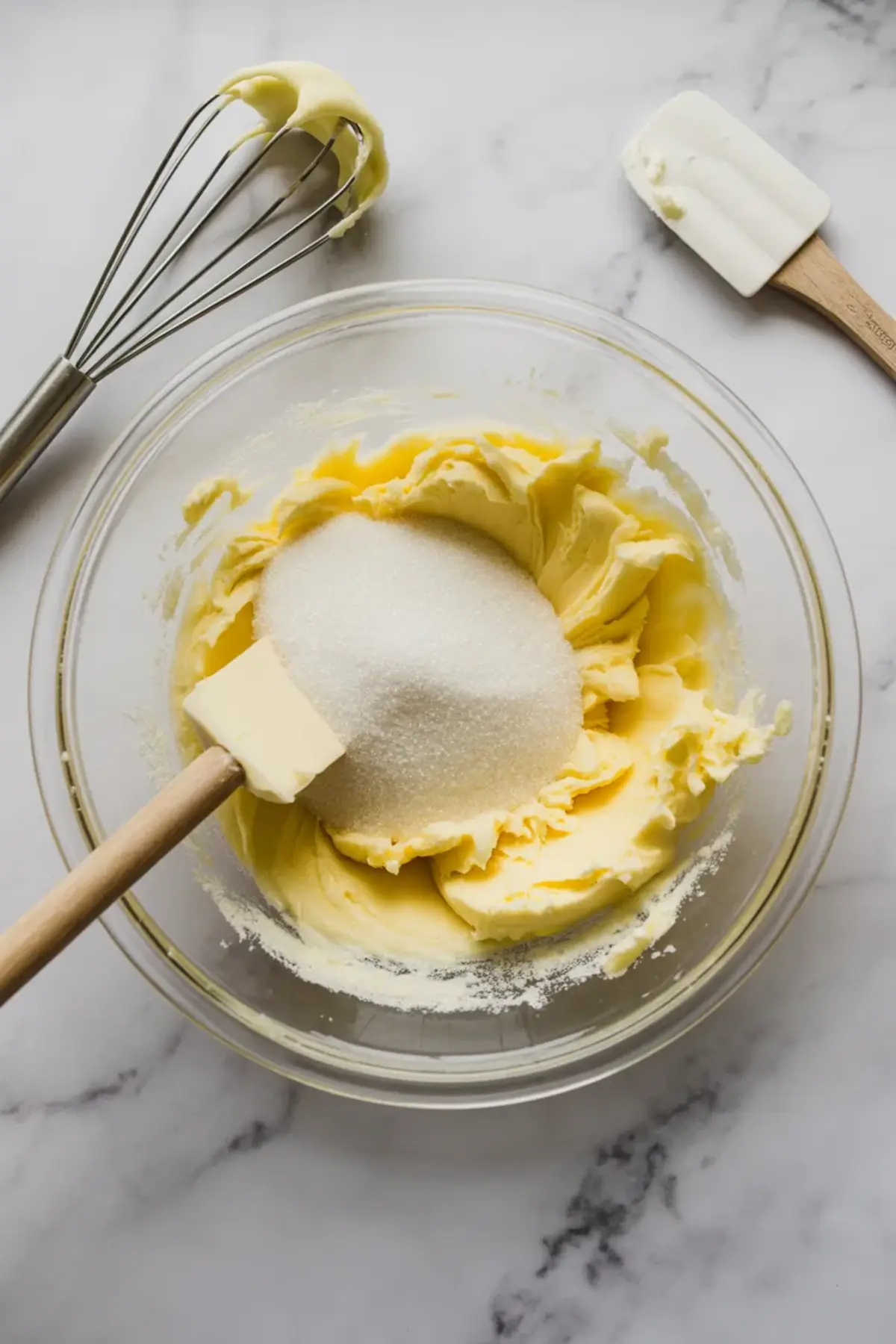
I chose regular granulated sugar over powdered because it whips more air into the butter during creaming. That step helps the filling puff slightly in the oven.
Almond extract is strong, so don’t use more than a teaspoon. It sharpens the flavor without overpowering. If you have it, a touch of dark rum deepens the profile and brings that distinct croissant shop scent.
If you’re baking something like this Blueberry Cream Cheese Croissant Casserole, that same extract works beautifully in the custard layer too:
Focus on the Almond Flour
The almond flour carries both texture and taste here. Its fat content enriches the filling, while its protein gives a slight chew. Freshness matters. If it smells flat or bitter, it’s past its prime.
Check for a fine, soft feel between your fingers. That’s the kind that blends smoothly and avoids grittiness. If you store it in the fridge, bring it to room temperature before adding so it doesn’t stiffen the mix.
If you run out, hazelnut flour can work in a pinch, but the flavor will shift noticeably. It becomes more earthy, less floral.
Step-by-Step Texture Check
Cream the butter and sugar until they lose their graininess. You want a visibly pale mixture. If it still looks dense or gritty after two minutes, keep going.
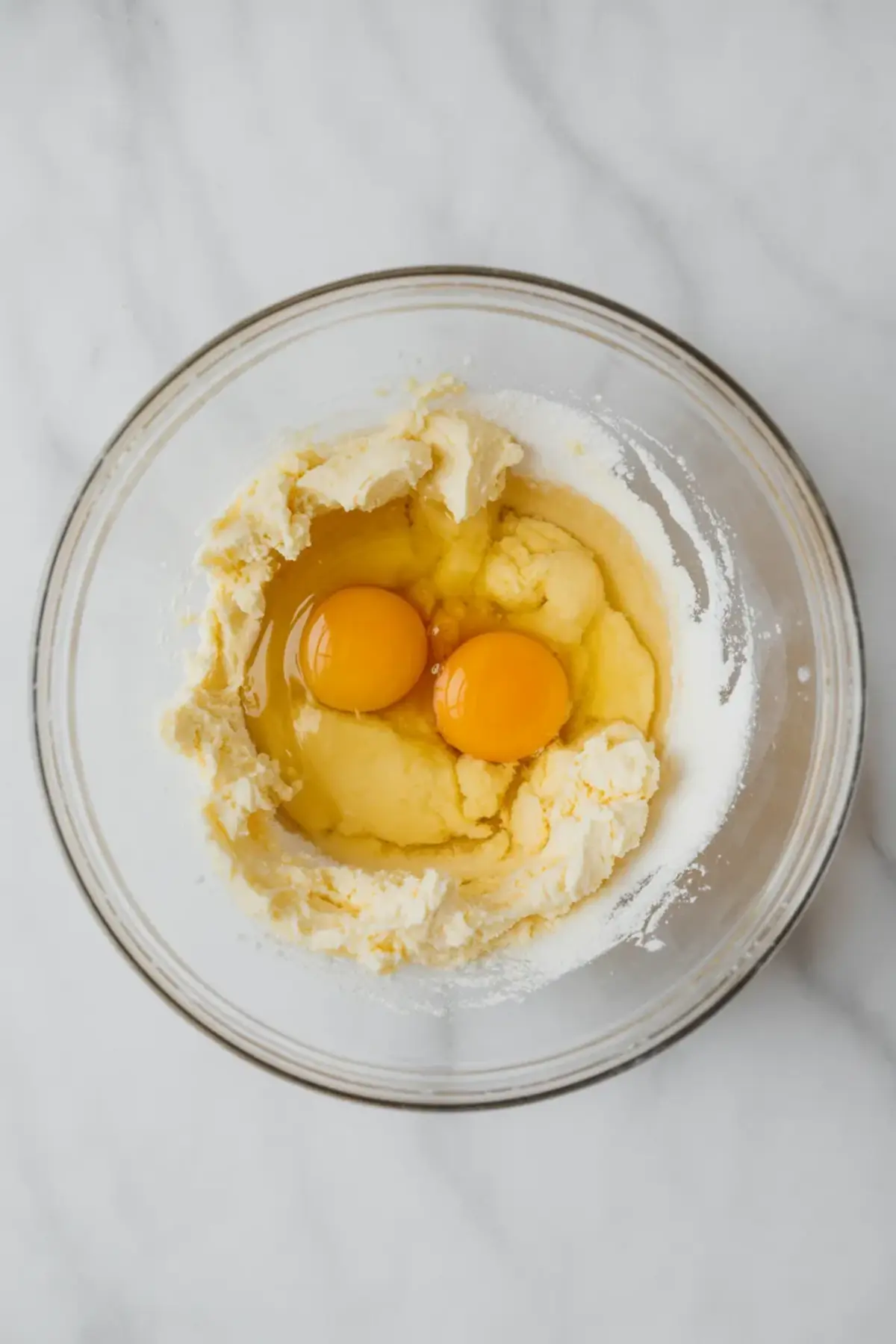
When you add the eggs, expect it to look a bit broken. That’s normal. The flour and almond flour will bring it together again.
Once everything is combined, the mixture should feel thick, almost like cake batter. It should hold its shape when spooned but still spread easily. If it seems too soft, chill it for 20 to 30 minutes. The butter will firm up just enough.
If you’re assembling pastries like these Homemade Chocolate Croissants, use a piping bag for easier control:
Doneness and Baking Clues
The filling sets as it bakes, turning light golden at the edges. You’ll notice a subtle dome where the filling puffs slightly, then settles.
If the edges brown too quickly, reduce the temperature slightly next time. Underdone filling stays wet in the center and doesn’t hold when sliced. Overdone filling dries out and loses the soft contrast.
You want a baked texture that’s firm enough to cut, but still creamy when warm.
Fixes for Common Issues
If the filling leaks, the croissant may have been overfilled or undersealed. Try folding more tightly and using less next time.
A greasy finish usually means the butter wasn’t fully creamed or the almond flour was too coarse.
If the flavor tastes flat, check the almond extract. Low-quality brands often have a bitter aftertaste. You can add a touch of vanilla to smooth it.
For dry texture, reduce baking time slightly or mix in an extra teaspoon of butter.
Ways to Use or Change It
Add 1 tablespoon of orange zest for a citrus lift. It makes the filling brighter and cuts through the richness.
Replace half the almond flour with pistachio flour for a green-tinted filling. It pairs well with chocolate croissants, like these Pistachio Chocolate Croissants:
Swirl in 2 tablespoons of raspberry jam before baking to add color and a tart edge.
Use brown sugar instead of white for a toasted caramel note.
Storage Tips
Store extra filling in an airtight container in the refrigerator for up to 5 days. Bring it to room temperature before using so it spreads smoothly.
You can freeze it for up to 1 month. Let it thaw in the fridge overnight before baking.
Avoid microwaving to soften it. That melts the butter too unevenly. Stirring at room temperature works better.
Practical Notes from Testing
Use a paddle attachment if you’re mixing in a stand mixer. The whisk traps too much air.
Soften the butter ahead of time. Cold butter won’t cream, and melted butter won’t aerate.
If you’re short on time, spread the filling on sliced day-old croissants and bake until golden. Quick, and still delicious.
If using store-bought croissants, pick ones with some flake left. Too soft or bready, and the filling won’t have that crisp edge contrast.
Serving Ideas
Bake inside croissants, slice and serve warm. Use between two puff pastry squares for almond pastry bites.
Pipe into muffin tins lined with dough for almond croissant muffins. Spoon over toast and broil lightly.
Spread into cinnamon roll dough before rolling up.
Save This Almond Croissant Recipe for Later
Add this almond croissant filling recipe to your breakfast board and save it for your next weekend bake.
Have questions or tried a twist of your own? Let me know in the comments below. I’d love to hear what you added or how you used it.
Almond Croissant Filling Recipe
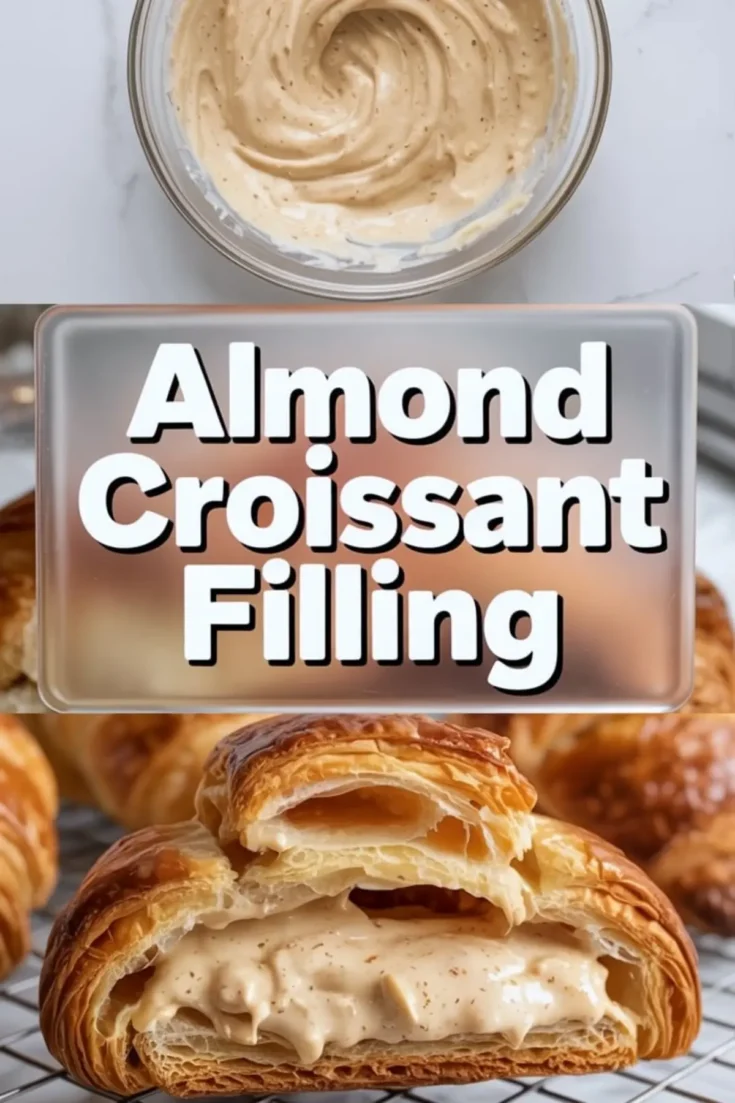
Make your own almond croissant with this easy filling recipe that transforms any pastry into a bakery-style treat. Ideal for homemade almond croissants, this rich filling is perfect for a quick upgrade to store-bought pastries or a full croissant recipe from scratch. Great for easy breakfast prep or weekend baking, the mix of almonds, sugar, and butter brings out that classic freshly baked flavor. Pairs perfectly with your favorite coffee. A must-try for fans of homemade croissants and breakfast recipes easy to make.
Ingredients
- ½ cup (1 stick) unsalted butter, softened
- ½ cup granulated sugar
- 1 cup almond flour
- 2 large eggs
- 1 teaspoon pure almond extract
- 1 tablespoon all-purpose flour
- 1 tablespoon dark rum (optional)
- Pinch of salt
Instructions
- CREAM THE BUTTER AND SUGAR: In a medium mixing bowl, use a hand mixer or spatula to beat the softened butter and sugar together until the mixture becomes light in color, fluffy, and smooth. This process should take about 2 minutes.
- ADD THE EGGS: Crack in the eggs one at a time, mixing thoroughly after each addition. The mixture may appear slightly curdled, but this is normal and will come together in the next step.
- MIX IN ALMOND FLOUR AND FLAVORINGS: Add the almond flour, almond extract, salt, and all-purpose flour. Stir until the mixture is fully combined and smooth, with no dry spots remaining.
- ADD THE RUM: Pour in the dark rum if using, and stir until incorporated. The rum enhances the almond flavor and gives the filling a French bakery aroma.
- CHILL (OPTIONAL): Use immediately or refrigerate for 30 minutes to firm up the texture. Chilling makes the filling easier to pipe or spread into croissants.
Notes
Store leftovers in an airtight container in the refrigerator for up to 5 days. Let come to room temperature before using for best spreadability.
