
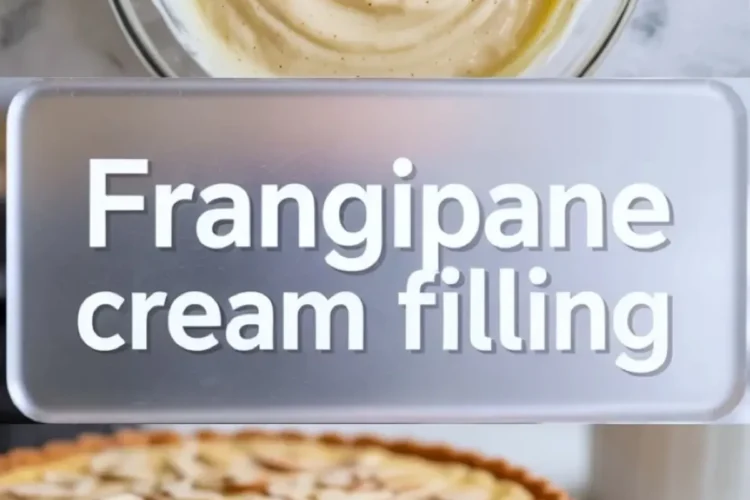
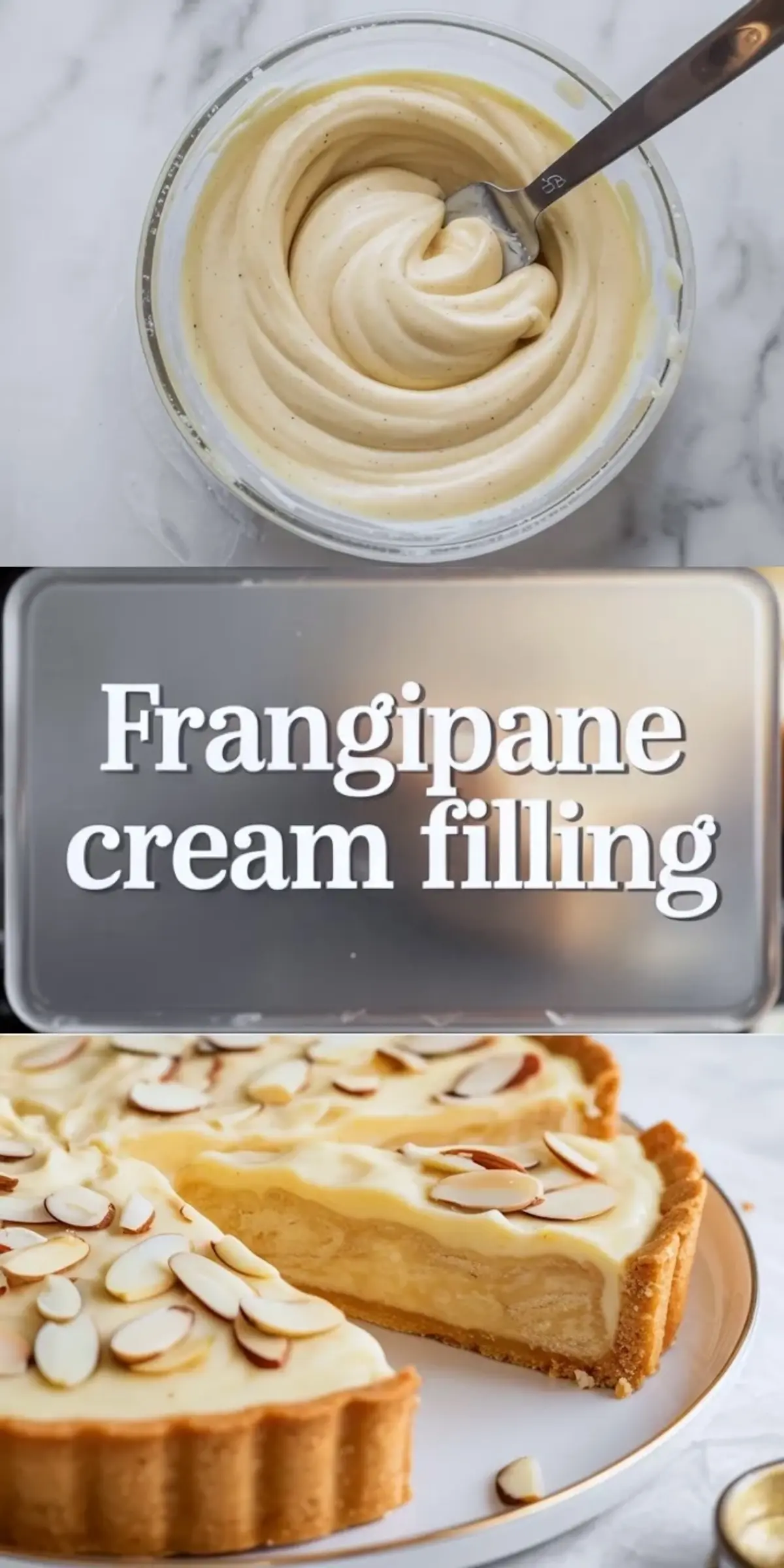
Frangipane cream filling is a soft almond cream made from butter, sugar, almond flour and eggs, with a spoonful of flour, vanilla and a little almond extract. You spread it into a tart shell or onto pastry, and it bakes into a tender, golden almond layer. It takes about 30 minutes, including a 15 minute rest, and makes one tart filling or enough for 8 to 10 pastries.
The one thing that matters most: have the butter and eggs at room temperature. Then it stays smooth and glossy instead of splitting.
Following a special diet?
Every recipe on this site can be converted to gluten-free, vegan, dairy-free, keto, nut-free or egg-free with adjusted ratios so nothing falls flat.
Try the Recipe Converter →Frangipane by the Numbers
- Base: 113 g butter, 100 g sugar, 100 g almond flour, 2 large eggs, 2 tablespoons all purpose flour
- Makes: about 1 2/3 cups (roughly 430 g), one tart filling or 8 to 10 pastries
- Time: 15 minutes to mix, 15 to 20 minutes to rest
- Texture before baking: thick and creamy, holds a line when you drag a spoon through it
- Fridge: up to 3 days, unbaked
Frangipane vs Almond Cream: Is There a Difference?
Yes, though the two names get used for the same thing all the time. Almond cream, or crème d’amande in French pastry, is roughly equal weights of butter, sugar, ground almonds and eggs. Classic French frangipane is that almond cream folded together with some pastry cream, which makes it a little softer and more custardy.
This recipe is the almond cream style, with 2 tablespoons of flour added so it holds up under juicy fruit. It is what most bakers mean when they say frangipane today. If you want the French version, fold in a few spoonfuls of cooled vanilla pastry cream just before you spread it.
How to Mix Almond Cream Without Splitting It
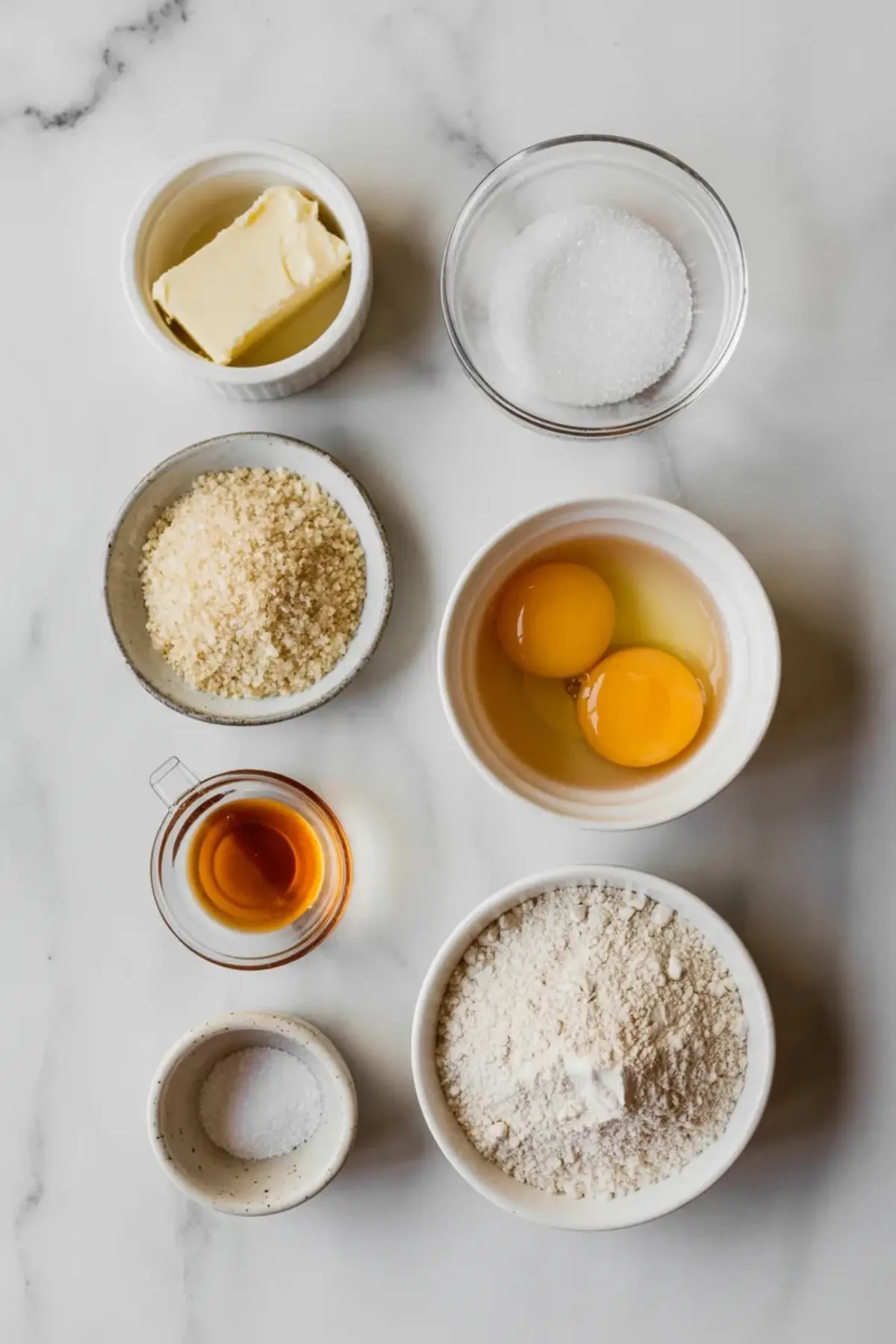
Take the butter and eggs out of the fridge about an hour ahead. The butter should dent easily when you press it but not look shiny or melted.
Beat the butter and sugar for 2 to 3 minutes with a hand or stand mixer. You are looking for pale, light and fluffy, not just blended. That air is what lets the filling puff a little in the oven.
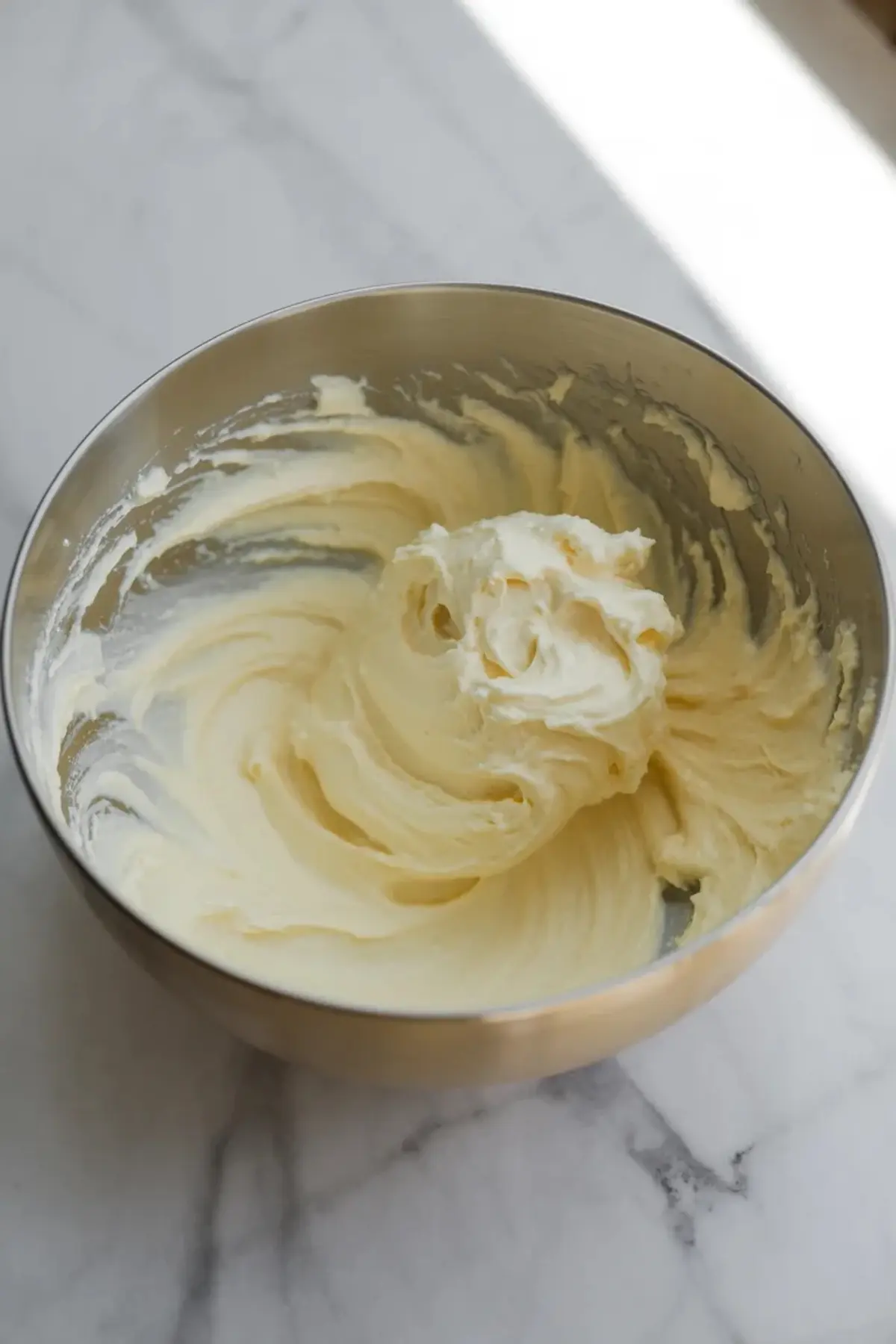
Add the eggs one at a time and beat well after each. Cold eggs firm the butter back up, and then it cannot hold the liquid, which is why frangipane curdles. If it starts to look grainy, add a spoonful of the almond flour with the second egg, or hold the bowl over warm water for a few seconds and beat again. Stir in the vanilla and the almond extract.
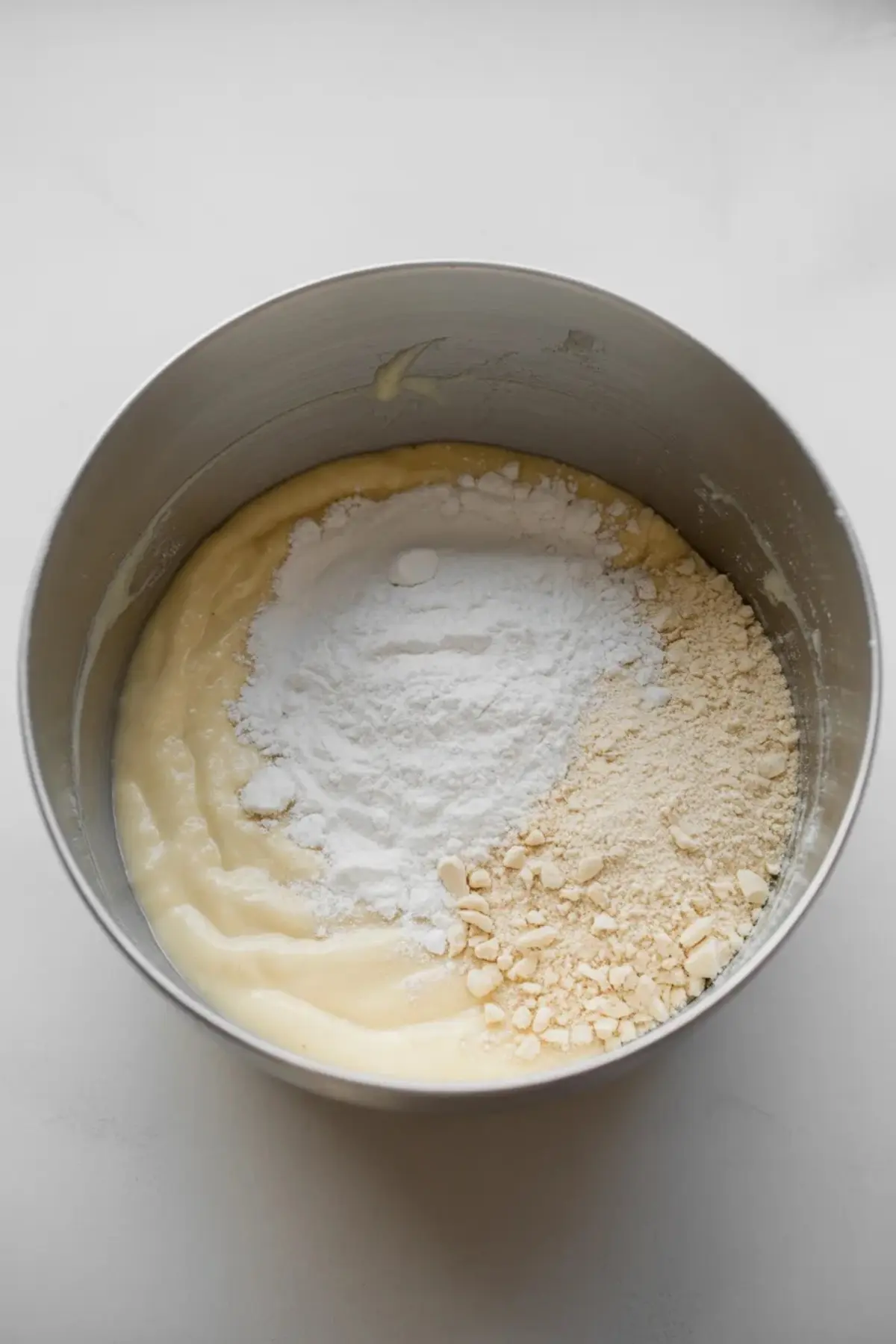
Add the almond flour, flour and salt and mix on low just until no dry pockets remain. Stop there. More beating will not make it smoother, and it can make the baked layer dense. Let the bowl sit at room temperature for 15 to 20 minutes; the almond flour soaks up some moisture and the cream thickens enough to spread neatly.
How Long to Bake Frangipane in a Tart or Pastry
The card covers the filling itself, because how long it bakes depends on what you put it in. As a general guide, bake it at 350°F (175°C).
- Tart: spread it into a blind baked or part baked shell and fill only about two thirds of the way, because frangipane puffs as it bakes and settles as it cools. A 9 inch tart with fruit usually needs 30 to 40 minutes.
- Pastries and galettes: a thin layer of a tablespoon or two bakes in about the same time as the pastry.
- Done when: the top is puffed and deep golden, the center springs back when you press it, and a toothpick comes out clean of wet batter.
Let a tart cool for at least an hour before slicing. Warm frangipane is still soft in the middle and will smear.
Fruit and Jam That Pair With Frangipane
Pears are the old favorite, as in this pear tart. Plums, apricots, cherries, figs, raspberries and thin apple slices all work too. Press the fruit gently into the surface instead of burying it. The almond cream rises up around the pieces and catches their juice, so the pastry underneath stays crisp.
For a Bakewell style tart, spread a thin layer of cherry jam over the base before the frangipane goes in. On a free form crust it makes a quick frangipane galette, and the same filling goes under sliced apples in an apple galette. You can also spread it inside croissants or on day old brioche before baking.
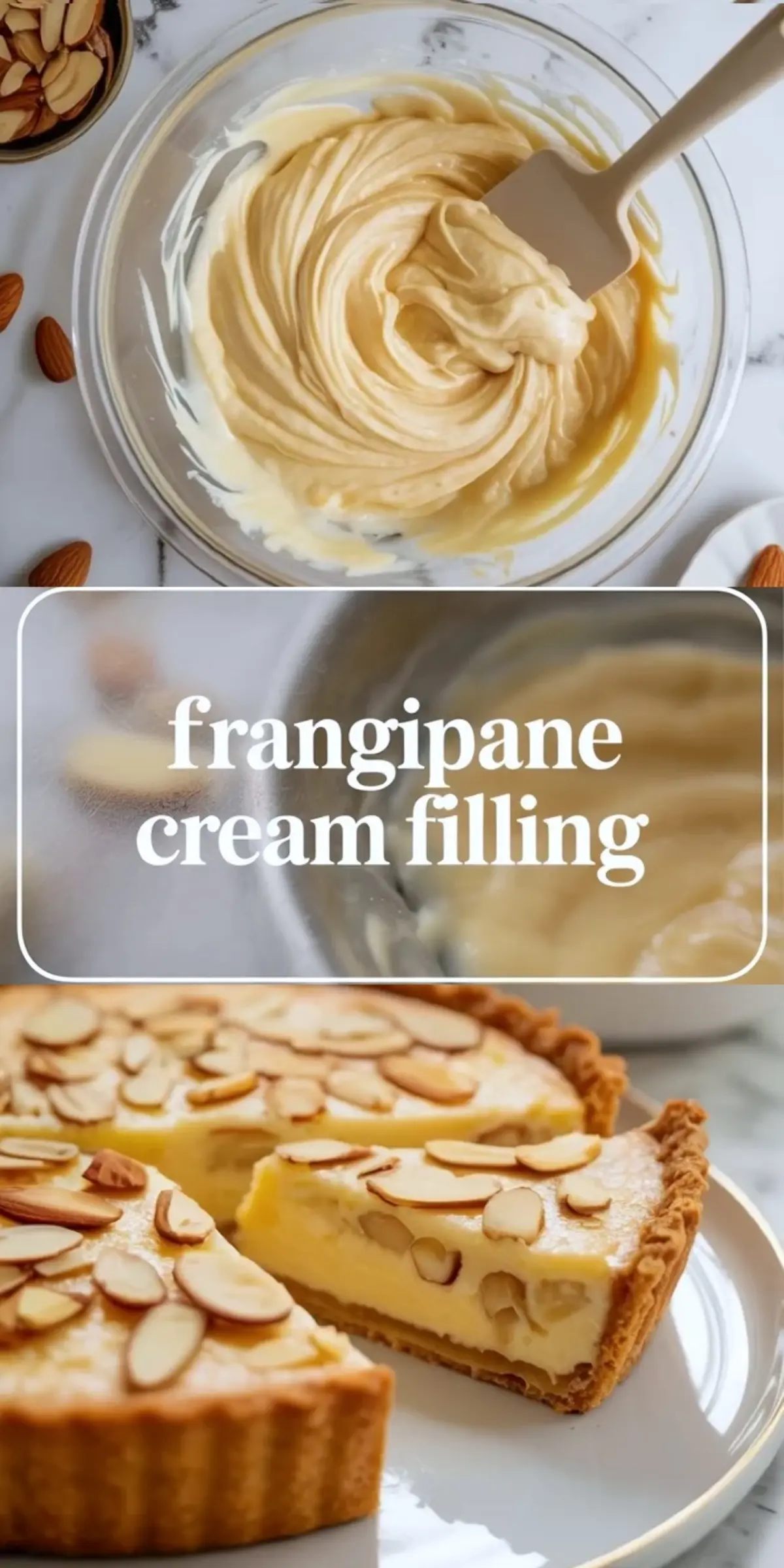
Why Frangipane Turns Greasy, Curdled or Gummy
- Curdled while mixing: the eggs were cold or went in too fast. Warm the bowl slightly and beat again; the flour will pull it together.
- Greasy after baking: the butter was too soft or melted, or coarse almond meal released its oil. Use soft but cool butter and finely ground blanched almond flour.
- Dense or gummy: it was overmixed after the flour went in, or it came out of the oven too early. Mix only until combined and bake until the center springs back.
- Overflowed the shell: too much filling. Two thirds full is plenty.
- Weak almond flavor: add the optional almond extract, but no more than the ½ teaspoon; it turns bitter quickly.
Making Frangipane Ahead
Unbaked frangipane keeps for up to 3 days in an airtight container in the fridge. Cold, it is stiff as butter, so leave it out for 20 to 30 minutes and stir before spreading. It also freezes for about a month; thaw it overnight in the fridge.
A baked frangipane tart is best the day it is made, while the crust is crisp. Leftovers keep covered in the fridge for a couple of days. Bring a slice back to room temperature before serving and the almond flavor comes back. If you like this flavor, the almond amaretto cake is a good next bake.
Quick Almond Cream Questions
Can I use almond meal instead of almond flour?
Yes, but the filling will be darker, a little coarser and denser. Finely ground blanched almond flour gives the smoothest result.
Do I need to blind bake the tart shell?
It helps. A shell baked until just set before the frangipane goes in stays crisp under the wet filling and fruit.
Can I make frangipane without almond extract?
Yes. The extract is optional; the almond flour already gives a mild, nutty flavor, and vanilla alone keeps it gentle.
Frangipane Cream Filling Recipe
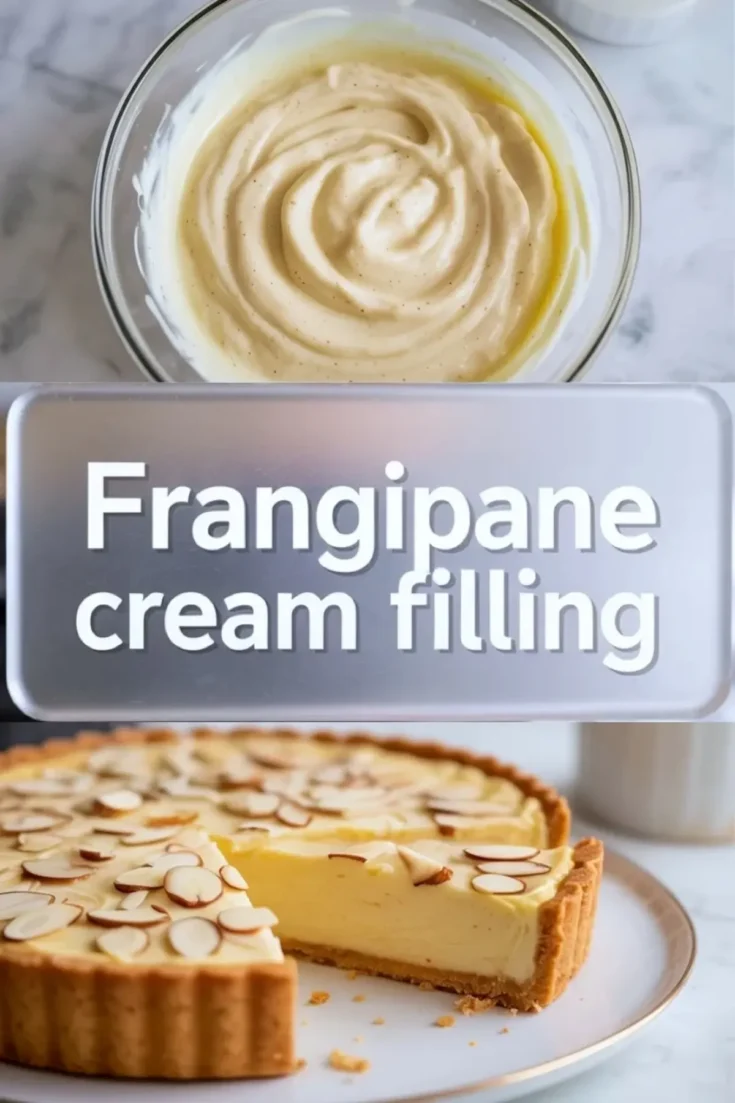
This frangipane cream filling is a soft almond cream made with butter, sugar, almond flour, eggs, vanilla and a little flour. It takes about 30 minutes, including a short rest, and makes roughly 1 2/3 cups, enough for one tart or 8 to 10 pastries, with a thick, spreadable texture that bakes into a tender, golden layer. Room temperature butter and eggs, added one at a time, keep the almond cream filling smooth instead of curdled, and 2 tablespoons of flour help it hold up under juicy fruit. Use it as a filling for pear tarts, plum or apricot tarts, frangipane galettes, Bakewell style tarts with jam, or almond croissants. Fold in some pastry cream for the French style, and keep it up to 3 days in the fridge.
Ingredients
- 1/2 cup (113g) unsalted butter, softened
- 1/2 cup (100g) granulated sugar
- 1 cup (100g) almond flour
- 2 large eggs, room temperature
- 1 teaspoon vanilla extract
- 1/2 teaspoon almond extract (optional)
- 2 tablespoons all-purpose flour
- Pinch of salt
Instructions
CREAM BUTTER AND SUGAR: Place softened butter and granulated sugar in a mixing bowl and beat until the mixture becomes pale, light, and fluffy, about 2–3 minutes using a hand mixer or stand mixer.
ADD EGGS: Add eggs one at a time, mixing thoroughly after each addition to keep the mixture smooth and stable.
ADD EXTRACTS: Stir in the vanilla extract and almond extract, mixing until fully incorporated and aromatic.
ADD DRY INGREDIENTS: Add almond flour, all-purpose flour, and salt, then mix gently until all ingredients are combined and no dry pockets remain.
MIX UNTIL SMOOTH: Continue mixing just until the filling becomes smooth and creamy, avoiding overmixing to maintain a soft texture.
REST FILLING: Let the mixture rest at room temperature for 15–20 minutes to allow the texture to settle and thicken slightly.
USE OR STORE: Use immediately in tarts or pastries, or transfer to an airtight container and refrigerate until ready to use.
Notes
Use butter and eggs at room temperature and add the eggs one at a time; cold eggs make the mixture curdle. If it looks grainy, add a spoonful of the almond flour with the second egg.
Finely ground blanched almond flour gives the smoothest texture; coarse almond meal bakes denser and can turn greasy.
To bake, spread into a blind baked tart shell no more than two thirds full and bake at 350°F (175°C) until puffed, golden and springy in the center, usually 30 to 40 minutes for a fruit tart.
Refrigerate unbaked frangipane for up to 3 days or freeze for about 1 month. Let it soften at room temperature before spreading.
Nutrition Information
Yield
1Serving Size
1Amount Per Serving Calories 3125Total Fat 234gSaturated Fat 76gUnsaturated Fat 158gCholesterol 643mgSodium 156mgCarbohydrates 202gFiber 33gSugar 137gProtein 70g
