

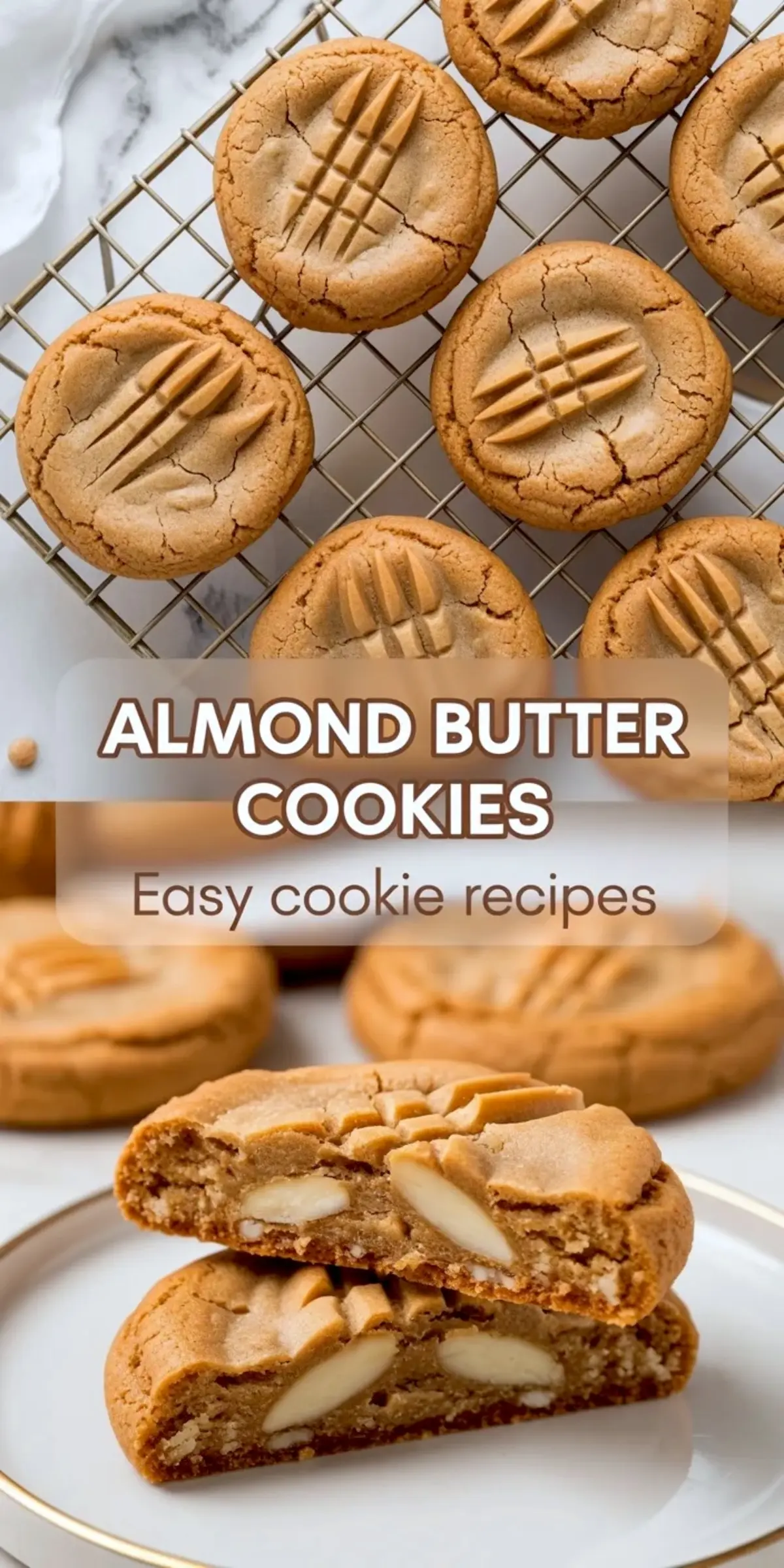
A strong almond butter cookies recipe needs more than nutty flavor. It also needs enough structure to hold together cleanly, enough softness to stay appealing after cooling, and just enough sweetness to support the almond butter without burying it. This version gets that balance right with butter, brown sugar, and a dough that bakes into tender centers with lightly crisp edges.
The cookies feel familiar if you already like soft peanut butter cookies, but the flavor is calmer and a little toastier. Almond butter brings a deeper nuttiness, and the whole almonds on top give each cookie a little extra crunch without making the dough feel heavy. They look polished, but the method is straightforward from start to finish.
Following a special diet?
Every recipe on this site can be converted to gluten-free, vegan, dairy-free, keto, nut-free or egg-free with adjusted ratios so nothing falls flat.
Try the Recipe Converter →Why Almond Butter Changes the Flavor Profile
Almond butter does not hit as loudly as peanut butter, which is exactly why it works well here. The flavor is softer, warmer, and a little more buttery tasting, so the cookies come across as richer without needing extra add-ins. That makes them a good choice when you want something simple that still tastes distinct from an everyday cookie tray staple.
It also plays well with brown sugar. The molasses note rounds out the nuttiness instead of fighting it, which helps the cookies taste balanced rather than one-note sweet. If you like cookie recipes with the same kind of chewy finish, black sesame cookies bring a similarly deep, toasted flavor in a different direction.
Ingredients That Matter Most
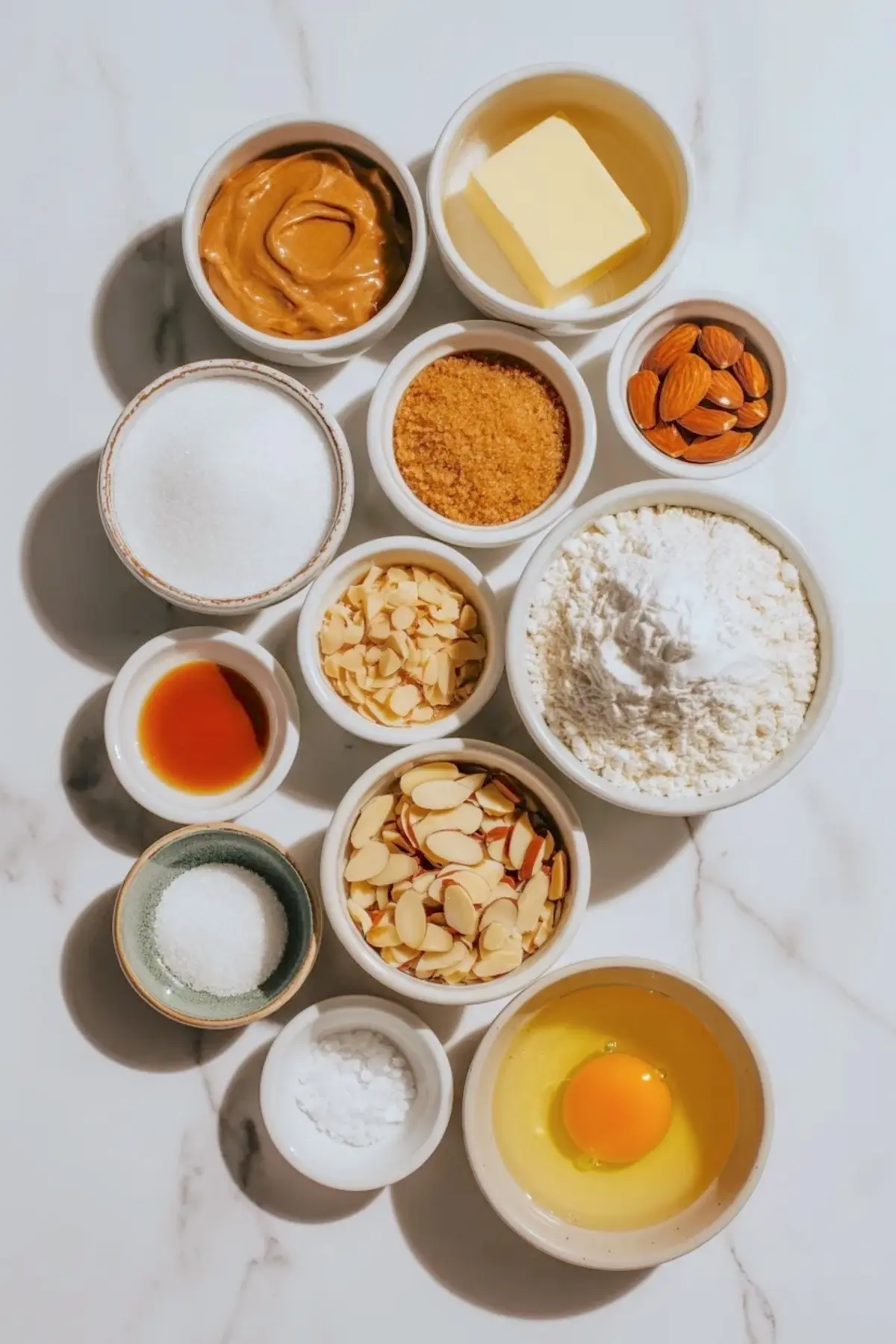
Because the ingredient list is short, each part has a job. Almond butter provides most of the flavor, butter softens the texture, brown sugar helps the centers stay chewy, and a little granulated sugar keeps the edges from turning dull. The flour is there for structure, but not so much that it dries the cookies out.
The almond topping matters too. Pressing whole almonds into the tops before baking adds crunch and gives the cookies a more finished look. Flaky salt and white chocolate are optional, but both can work if you want a slightly sharper or sweeter finish once the cookies have cooled.
What the Mixing Step Needs from You
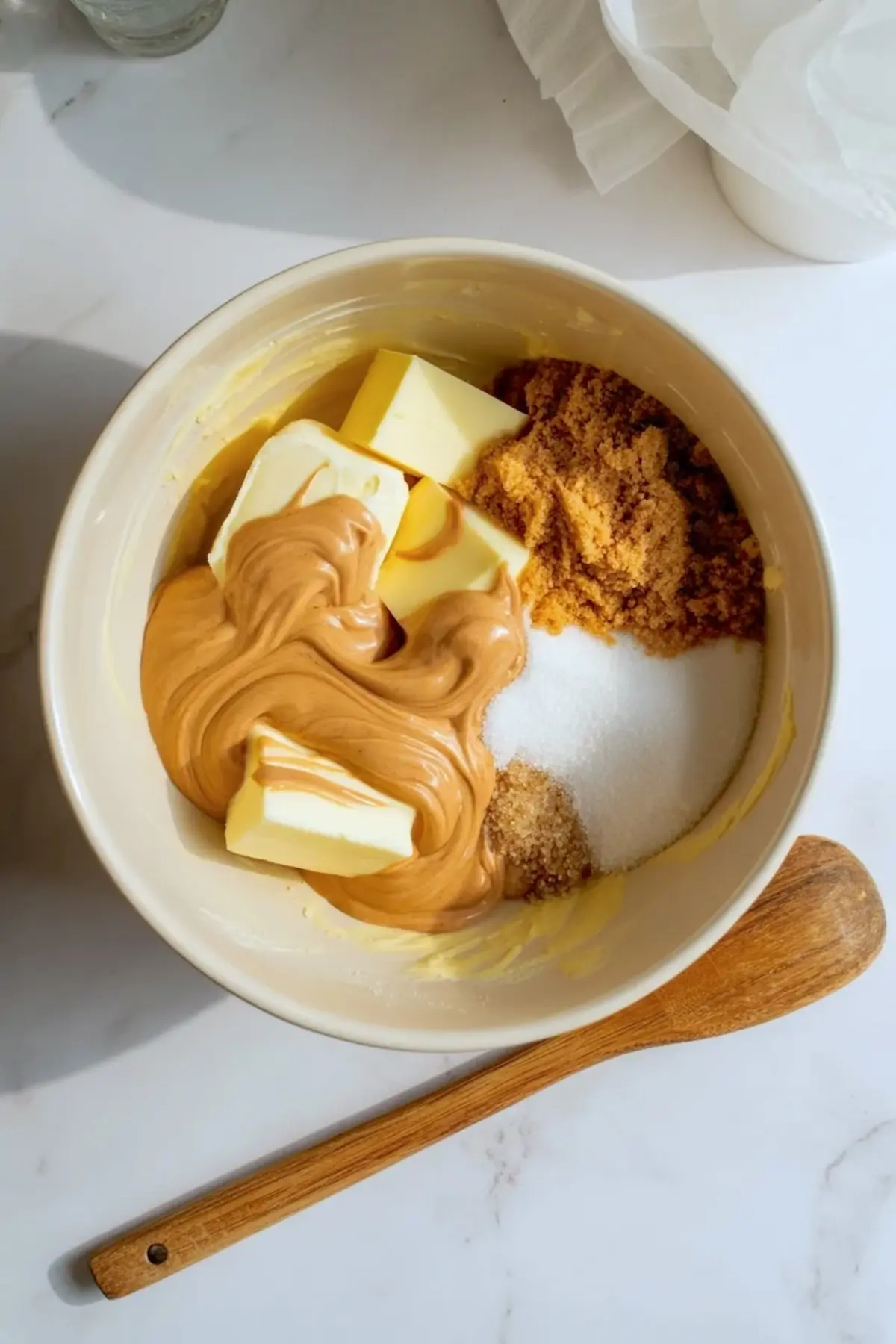
The first important texture decision happens when you cream the butter, almond butter, and sugars together. You want the mixture fully smooth and a little lighter looking before the egg goes in. That step helps the cookies bake up softer and more evenly instead of turning dense in the center.
After the dry ingredients go in, stop mixing as soon as the dough comes together. Overworking the flour can tighten the texture, which is the opposite of what you want in a soft almond butter cookie. The dough should feel thick, easy to scoop, and just soft enough to flatten slightly under your hand.
Shaping the Cookies So They Bake Evenly
Scooping evenly matters more than people think with cookies like these. Similar sized dough balls bake at the same pace, which helps you keep the centers soft without ending up with random dry cookies around the tray. A gentle flatten before baking also helps the dough spread into a better final shape.
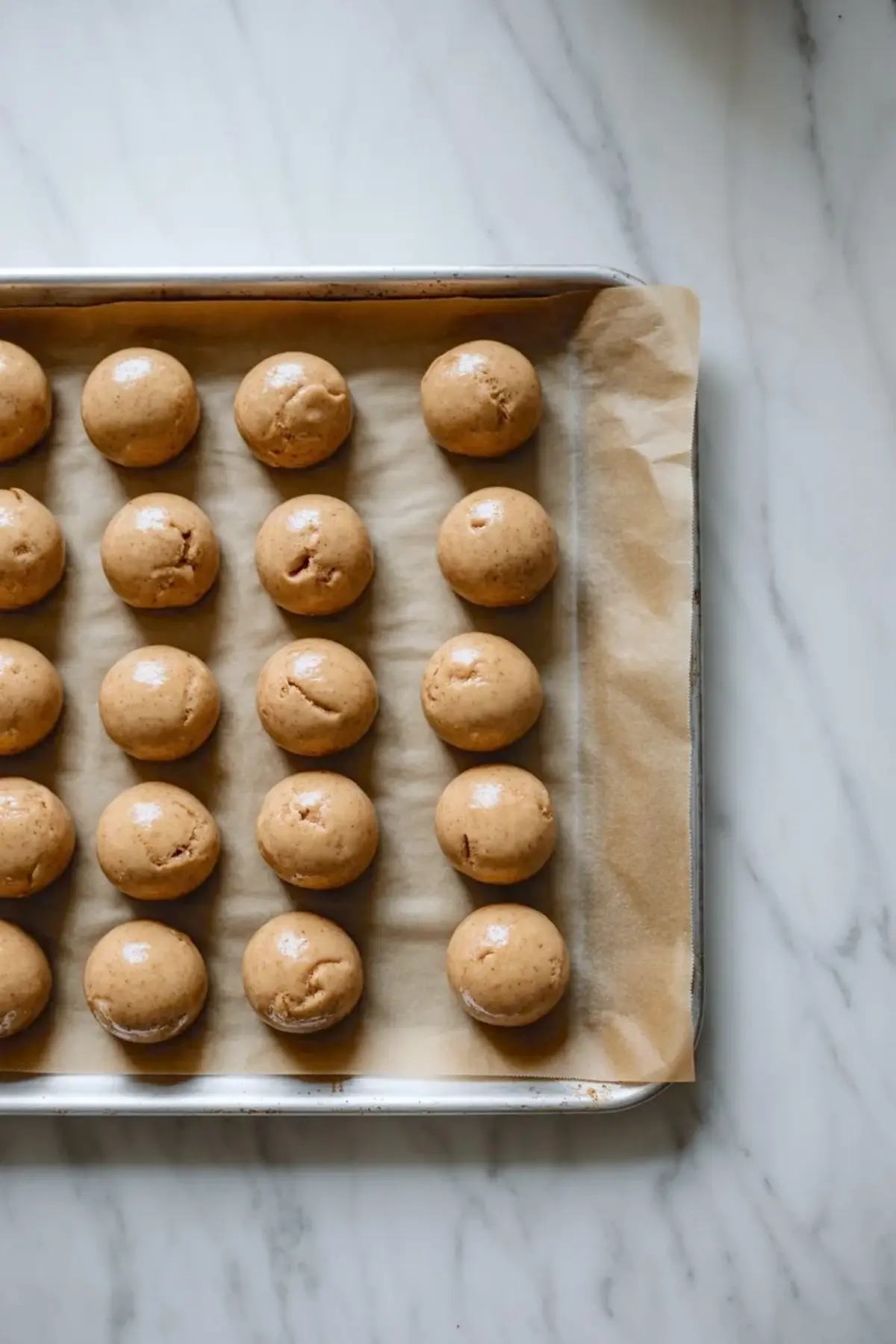
Once the dough is portioned, press the almonds into the tops firmly enough that they stay put in the oven. Leave a little room between each cookie because the dough does spread, even if it does not flatten dramatically. If you want another cookie project with a tidy bakery style finish, cream cheese thumbprint cookies are a good next bake.
How to Tell When the Texture Is Right
The cookies are ready when the edges are lightly golden and the centers still look soft. They should not look raw, but they also should not feel fully firm in the oven. That slight underdone look is what lets them finish setting on the tray instead of drying out on the second half of the bake.
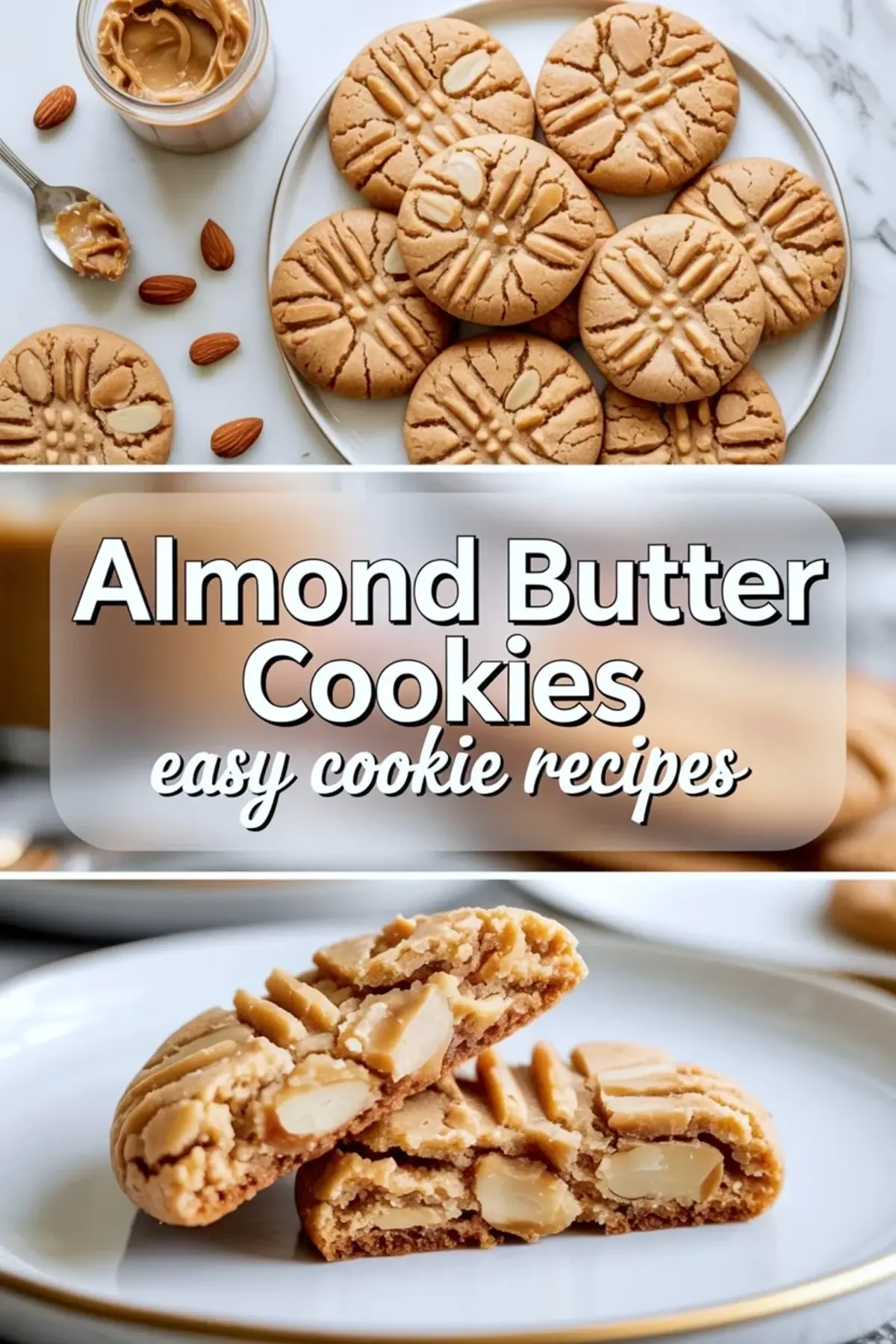
Once cooled for a few minutes, they should hold together easily while still feeling tender when broken open. If you bake until the centers look completely set in the oven, the final texture will be firmer than intended. Almond butter cookies are at their best when they lean soft and a little chewy, not crisp all the way through.
Serving and Storage That Actually Help
These cookies are good the day they are baked, but they also hold well for a few days in an airtight container, which makes them practical for lunchbox treats or casual weekend baking. If you want to dress them up a little, a light white chocolate drizzle works best after they have cooled completely so the tops stay neat.
Save this almond butter cookies recipe for the next time you want an easy cookie that tastes nutty, soft, and a little more grown up than the usual peanut butter version. The dough is simple, the almond topping gives it character, and the finished tray looks like you put in more effort than you really did.
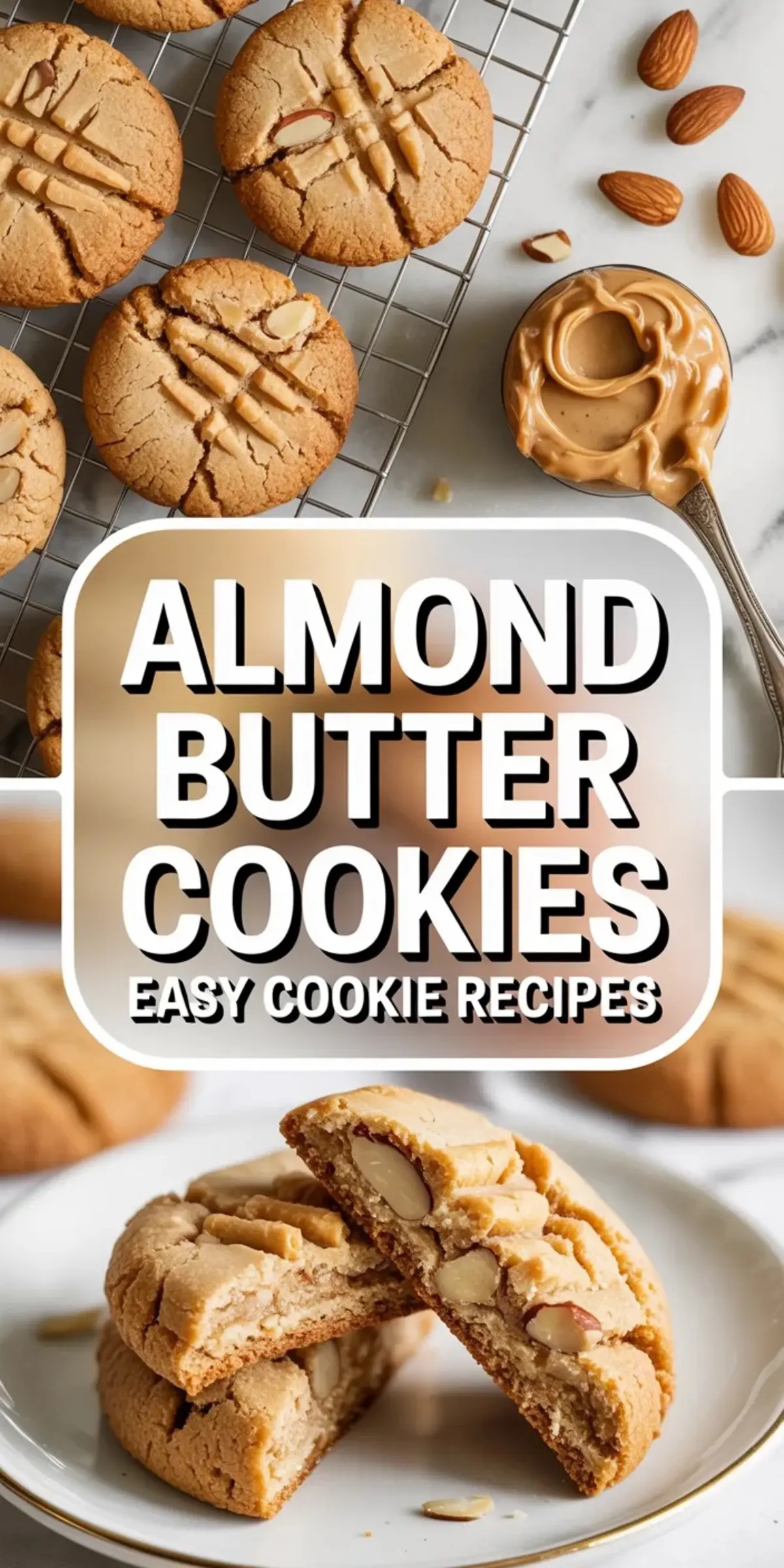
Almond Butter Cookies
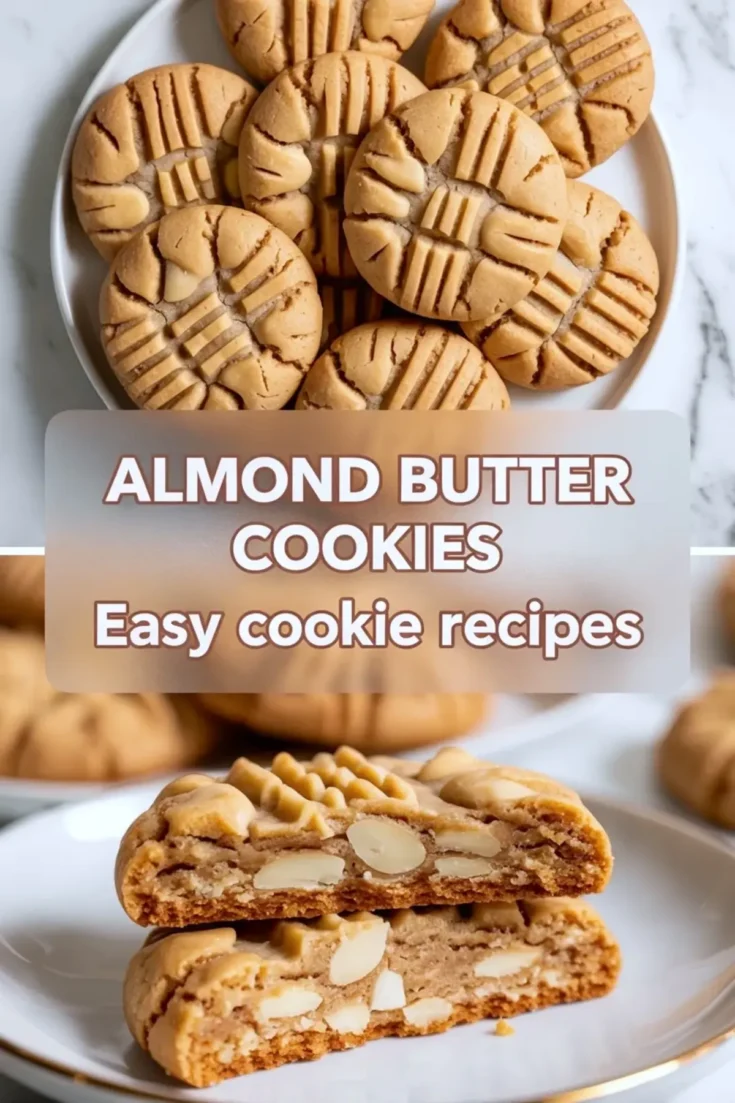
This almond butter cookies recipe makes soft chewy cookies with deep nutty flavor, lightly crisp edges, and tender centers that stay pleasant after cooling. Almond butter gives the dough a richer, toastier taste than standard peanut butter cookies, while brown sugar and butter help the texture stay soft instead of dry or crumbly. Whole almonds pressed on top add crunch and make the cookies look bakery finished without any complicated shaping. A little flaky salt or white chocolate drizzle can dress them up, but the base cookie is already balanced and flavorful on its own. If you want easy almond butter cookies that feel homemade and reliable, this recipe keeps the method simple and the texture consistent from start to finish.
Ingredients
- 1 cup creamy almond butter
- ½ cup unsalted butter, softened
- ¾ cup brown sugar
- ¼ cup granulated sugar
- 1 large egg
- 1 teaspoon vanilla extract
- 1 ¼ cups all-purpose flour
- ½ teaspoon baking soda
- ¼ teaspoon salt
- FOR THE TOPPING
- ½ cup whole almonds
- Melted white chocolate, optional
- Flaky sea salt, optional
Instructions
PREPARE THE OVEN: Preheat the oven to 350°F (175°C). Line a baking sheet with parchment paper to prevent sticking and help the cookies bake evenly.
MIX THE BUTTER AND SUGARS: In a large mixing bowl, beat the softened butter, almond butter, brown sugar, and granulated sugar together until smooth, creamy, and fluffy, about 2 minutes.
ADD THE EGG AND VANILLA: Mix in the egg and vanilla extract until fully combined. The mixture should look smooth and glossy.
COMBINE THE DRY INGREDIENTS: In a separate bowl, whisk together the flour, baking soda, and salt. Gradually add the dry ingredients into the wet mixture and stir until a soft cookie dough forms.
SHAPE THE COOKIES: Scoop about 2 tablespoons of dough and roll into balls. Arrange them on the prepared baking sheet, leaving space between each cookie. Gently flatten each dough ball slightly with your hand or the bottom of a glass.
ADD THE ALMONDS: Press whole almonds into the center of each cookie dough ball. Add one or several almonds depending on the look you prefer. Sprinkle lightly with flaky sea salt if desired.
BAKE THE COOKIES: Bake for 10–12 minutes or until the edges are lightly golden and the centers look soft.
COOL AND SERVE: Let the cookies cool on the baking sheet for 5 minutes before transferring them to a wire rack. Drizzle with melted white chocolate if desired before serving.
Notes
Pressing the almonds into the center before baking gives the cookies a bakery-style appearance and extra crunch.
Store the cookies in an airtight container for up to 4 days to keep them soft.
For a stronger almond flavor, use roasted salted almonds as the topping.
