

These Lemon Oatmeal Cookies combine the brightness of fresh lemon juice and zest with the cozy texture of oats. They bring together the chewy bite of oatmeal cookies and the citrus lift of lemon desserts, with the added option of white chocolate for contrast. If you enjoy baking recipes for cookies that feel both familiar and fresh, this one offers a sweet spot between comfort and flavor. Think soft lemon oatmeal cookies with chewy centers, crisp edges, and just enough tang to keep you reaching for another.

Following a special diet?
Every recipe on this site can be converted to gluten-free, vegan, dairy-free, keto, nut-free or egg-free with adjusted ratios so nothing falls flat.
Try the Recipe Converter →This dough uses a classic creaming method, but it’s the ratio of butter to oats that gives these cookies their unique structure. Two full sticks of butter create a rich base, but it’s the combination of quick oats and flour that builds texture.
Old-fashioned oats hold their shape better than instant oats. I don’t recommend using steel-cut oats here, as they don’t soften enough during baking. A touch of baking soda gives just the right lift without puffing the cookies too much.
The citrus flavor depends entirely on the quality of the lemons. I always use fresh lemon juice and zest from unwaxed lemons. If you want a bright result, that’s non-negotiable.
Ingredient Breakdown and Why I Use Them
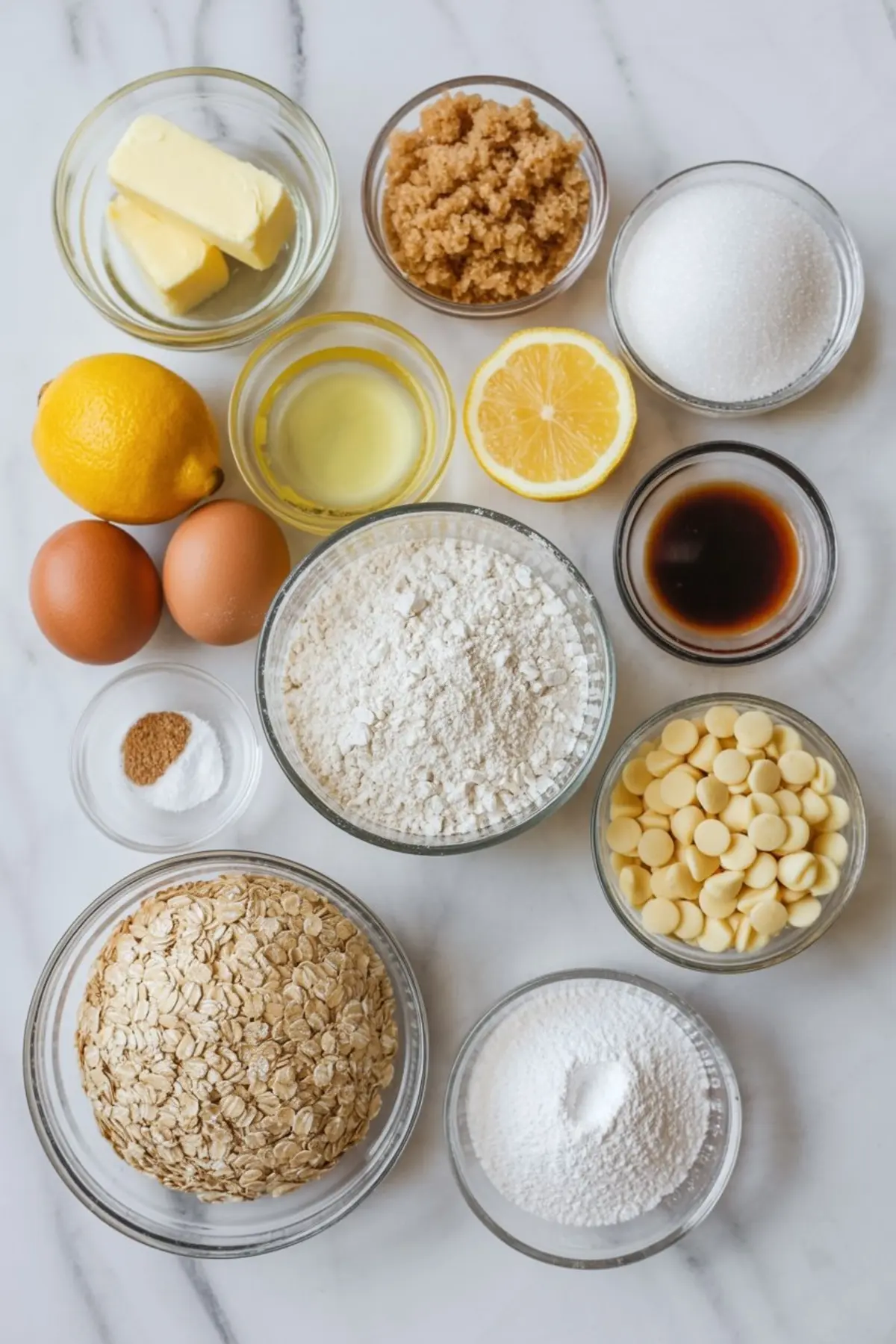
Softened butter gives these cookies their creamy, smooth base. I cream it with two types of sugar—brown and white. Brown sugar helps the cookies stay chewy. White sugar supports spreading and crisp edges.
Eggs hold everything together. I use two to help balance the high fat content from the butter and keep the dough pliable. Lemon juice and zest do the heavy lifting on flavor. I use both because the juice alone lacks that citrus punch unless it’s paired with the oils from the zest.
Quick oats make the base of these lemon oat cookies work. They soften during baking but still give chew. For those looking for chewy oatmeal cookies, don’t skip them.
You can leave out the white chocolate chips, but I recommend them. They add a mellow sweetness that balances the lemon. The dough handles them well and they don’t overwhelm.
Spotlight on Lemon
The zest is where the flavor lives. I use the zest of two full lemons because that’s where the citrus oils sit. Juice adds acidity, but zest gives depth.
You can test your lemons by scratching the skin lightly with your thumb. If you smell a sharp citrus scent, they’re ready. Avoid bottled juice. It doesn’t taste like lemon.
If you’re out of fresh lemons, I’d rather you wait than substitute. But if you must, orange zest and juice will work. The cookies will be softer, and sweeter. You’ll lose that clean finish that only lemon brings.
For another citrus-inspired idea, you might enjoy these Lemon Blueberry Cookies.
Making the Cookies
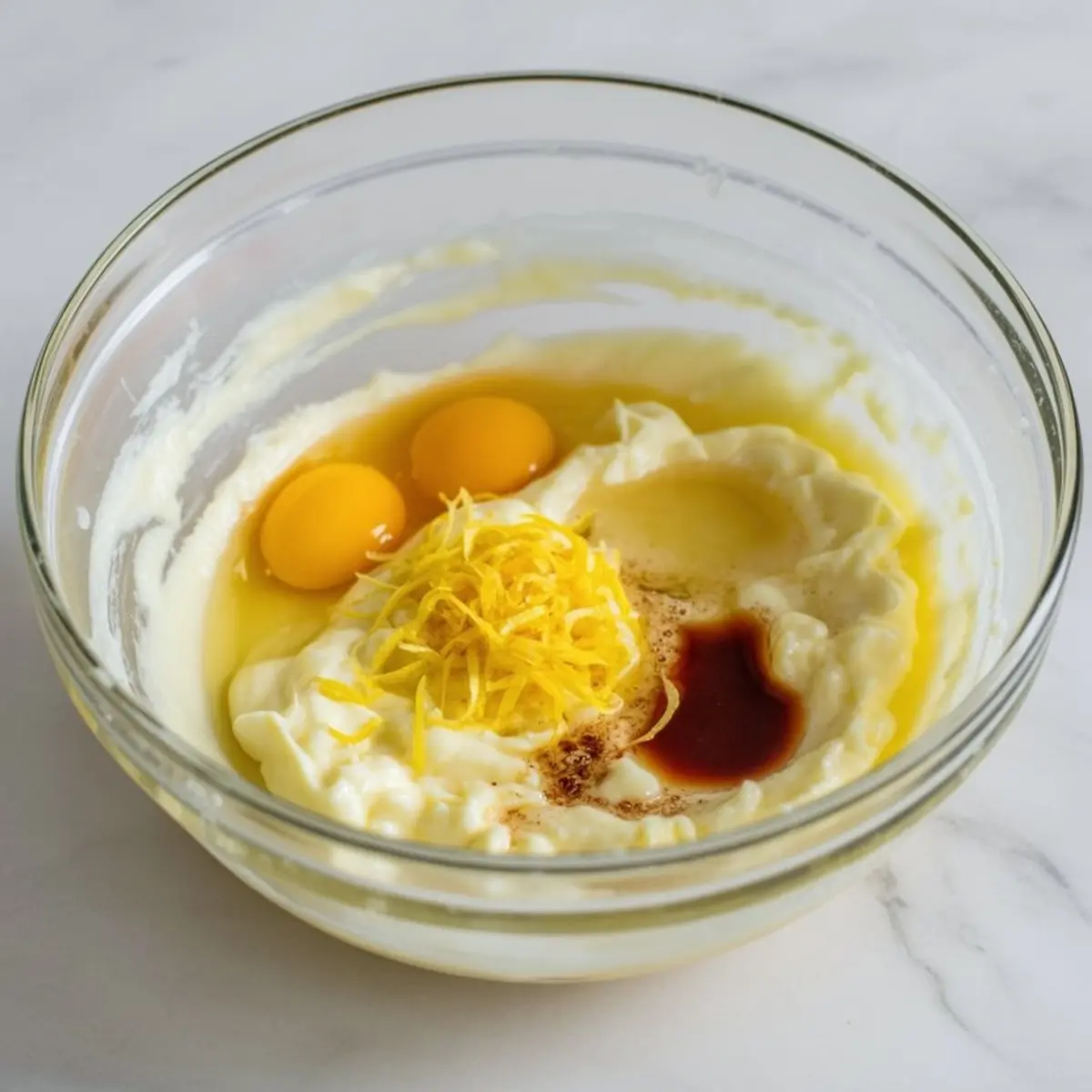
Once the butter and sugars are fully creamed, the eggs go in one at a time. Don’t rush this. Scrape down your bowl, especially if you’re using a stand mixer.
Lemon juice can curdle the batter a little. That’s fine. The flour and oats will pull it together.
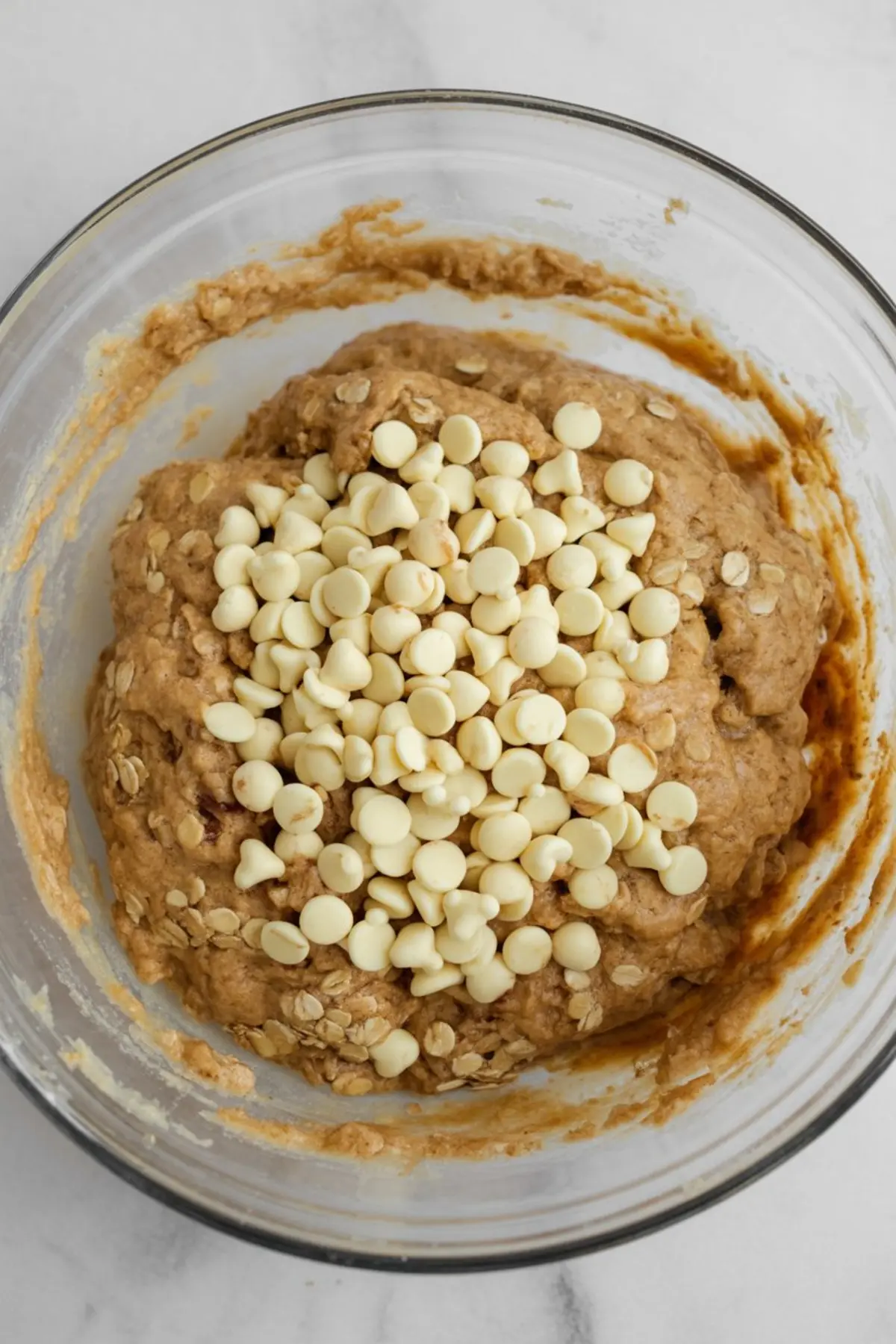
Once you fold in the oats and chocolate chips, the dough should be thick and sticky. That’s exactly what you want. If it’s too soft, chill for 15 minutes before scooping.

Use a medium cookie scoop or spoon to portion. Flatten them slightly. I don’t press them too much, just enough to encourage even baking.
These bake at 350°F for about 11 minutes. Look for golden edges and just-set centers.
If you enjoy this texture and want another option, the Oatmeal Lemon Crumble Bars offer a softer base with a buttery topping.
How You Know They’re Ready
The edges should look firm and slightly golden. The centers will still look a bit pale but not wet. They’ll finish setting as they cool.
An overbaked batch will turn dry fast, especially with oats involved. A soft center at the 10-minute mark usually means you’re on track.
Let them cool on the baking tray first. That few minutes gives them structure before you move them.
Lemon Glaze Tips

This glaze is optional, but I always include it. Powdered sugar with fresh lemon juice and zest, whisked until smooth. It should fall slowly from a spoon, not run.
Start with less juice and adjust. You want the glaze to sit on top, not soak in. Let it dry fully before storing.
If you’re into citrus-forward cookies with a slightly fancy edge, the Lemon Churro Cookies are another fun one to try.
Troubleshooting and Fixes
If your cookies are flat, the butter was probably too soft or warm. Chill the dough next time.
If they’re dry, the bake time ran too long. Ovens vary, so start checking at 9 minutes.
Too cakey? You might have overmixed the dough after adding flour. Mix just until combined.
Glaze too thin? Add more powdered sugar, one spoon at a time.
Variations and Adjustments
Swap lemon for orange juice and zest for a sweeter twist. Keep all other ratios the same.
Leave out white chocolate or add chopped dried cranberries instead. Start with ¾ cup.
For a nuttier version, fold in ½ cup of finely chopped almonds.
Add a sprinkle of flaky salt after glazing for a subtle contrast.
Curious about another soft and fragrant lemon cookie? Try the Lemon Ricotta Cookies next.
Storage Instructions
Room temperature: Keep in an airtight container for 3 days. Stack only after glaze has fully dried.
Fridge: Not necessary, but can extend freshness by 2 more days.
Freezer: Freeze unbaked dough balls or fully baked and glazed cookies. Thaw at room temp. Reheat gently if desired.
Avoid microwaving glazed cookies directly. The glaze may melt and turn sticky.
Extra Tips From My Testing Notes
Always use room temperature butter, not melted. It impacts spread and texture.
Measure flour with a spoon and level method. Too much will make them dry.
Don’t skip the zest. Juice alone won’t carry the lemon flavor.
Mix by hand if your mixer tends to overwork doughs.
If you like chewy oatmeal cookies, don’t replace quick oats with instant or steel cut.
Save This Lemon Oatmeal Cookie Recipe

Pin this recipe to your Lemon Desserts or Cookie Flavors board so you can come back when that craving hits.
Let me know in the comments if you’ve tried a variation—or if you found a new favorite twist!
Lemon Oatmeal Cookies

These chewy lemon oatmeal cookies bring together the brightness of citrus and the hearty comfort of oats. Perfect for cookie swaps or afternoon tea, this baking recipe for cookies uses quick oats and fresh lemon zest to create soft, chewy centers and a lightly crisp edge. If you’re into trying new cookie flavors, this simple twist on oatmeal cookies is a refreshing change from the classic. A must-try for fans of oatmeal lemon cookies and homemade baking.
Ingredients
- For the cookies:
- 1 cup (2 sticks) unsalted butter, softened
- 3/4 cup light brown sugar, packed
- 1/4 cup granulated sugar
- 2 large eggs
- 2 tablespoons lemon juice (freshly squeezed)
- Zest of 2 lemons
- 1 teaspoon vanilla extract
- 1 3/4 cups all-purpose flour
- 1/2 teaspoon baking soda
- 1/2 teaspoon salt
- 2 1/2 cups old-fashioned oats
- 1 cup white chocolate chips (optional but highly recommended)
- For the lemon glaze:
- 1 1/4 cups powdered sugar
- 2–3 tablespoons lemon juice (start with 2)
- 1 teaspoon lemon zest
Instructions
- PREHEAT THE OVEN: Preheat the oven to 350°F (175°C) and line two baking sheets with parchment paper or silicone baking mats. Set aside.
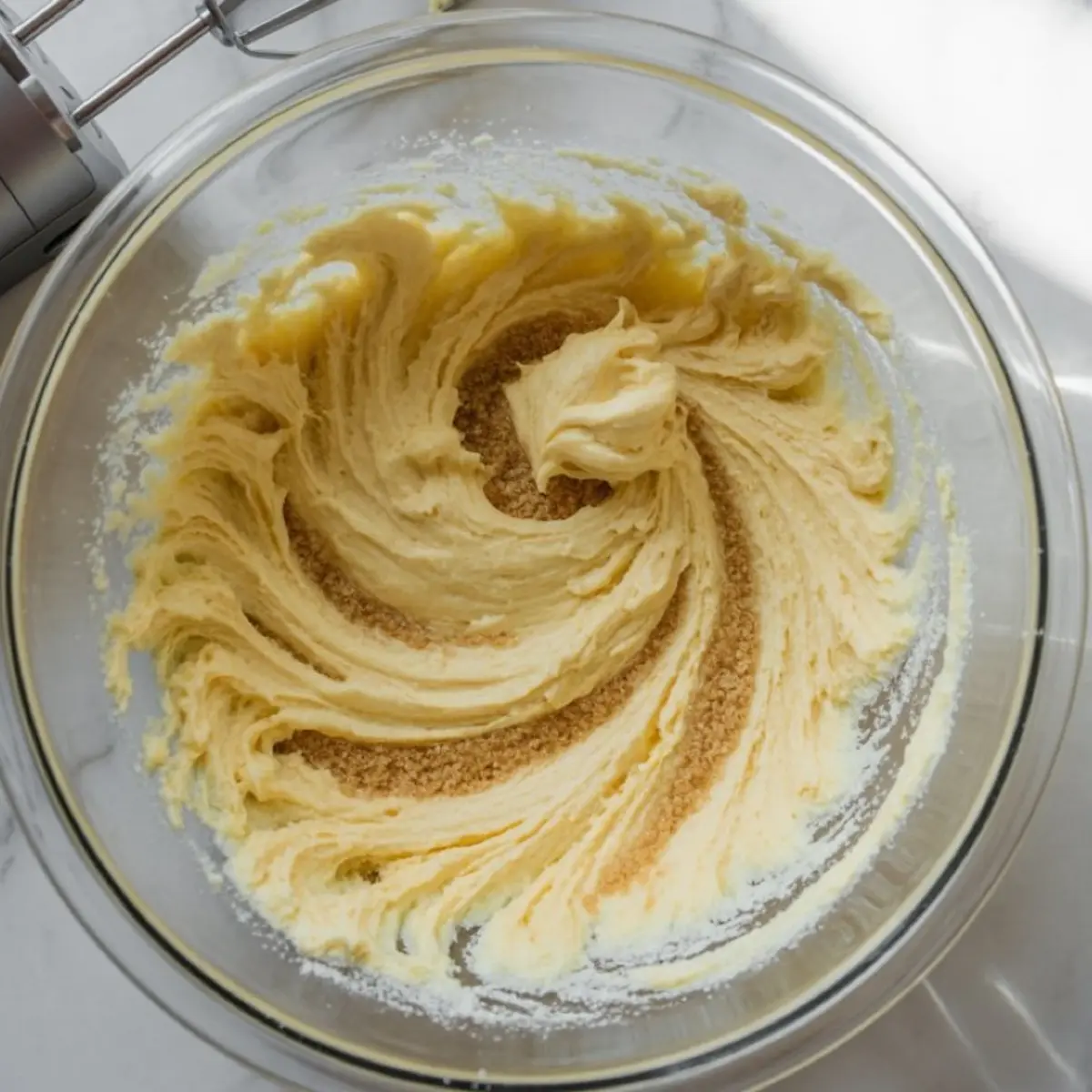
- CREAM BUTTER AND SUGARS: In a large mixing bowl or stand mixer, cream the softened butter, light brown sugar, and granulated sugar together until the mixture is light and fluffy, about 2 to 3 minutes. Scrape down the bowl as needed for even mixing.
- ADD EGGS AND FLAVORINGS: Beat in the eggs one at a time, then mix in the lemon juice, lemon zest, and vanilla extract. The batter may look slightly curdled due to the lemon juice, but this is normal and will not affect the final result.
- COMBINE DRY INGREDIENTS: In a separate medium bowl, whisk together the all-purpose flour, baking soda, and salt. Gradually add the dry ingredients to the wet mixture, mixing just until incorporated without overmixing.
- ADD OATS AND CHOCOLATE CHIPS: Fold in the old-fashioned oats and white chocolate chips, if using. The cookie dough will be thick and slightly sticky at this stage.
- PORTION AND BAKE: Using a cookie scoop or tablespoon, drop about 2 tablespoons of dough per cookie onto the prepared baking sheets, spacing them about 2 inches apart. Gently flatten the tops with your fingers or the back of a spoon. Bake for 10 to 12 minutes, or until the edges are golden and the centers are just set. Let the cookies cool on the baking sheet for a few minutes before transferring them to a wire rack.
- MAKE THE GLAZE: While the cookies are cooling, whisk together the powdered sugar, lemon juice, and lemon zest in a small bowl until smooth. The glaze should be thick but pourable. Adjust with more lemon juice or powdered sugar to reach the desired consistency.
- GLAZE THE COOKIES: Once the cookies are completely cool, spoon or drizzle the glaze over the tops of each cookie. Allow the glaze to set completely before storing or serving.
Notes
Cookies can be stored in an airtight container at room temperature for up to 3 days. For best results, let the glaze fully dry before stacking. White chocolate chips add a creamy sweetness that balances the tart lemon flavor but can be omitted if preferred.
Nutrition Information
Yield
24Serving Size
1Amount Per Serving Calories 391Total Fat 14gSaturated Fat 8gUnsaturated Fat 6gCholesterol 40mgSodium 161mgCarbohydrates 61gFiber 4gSugar 29gProtein 7g
