

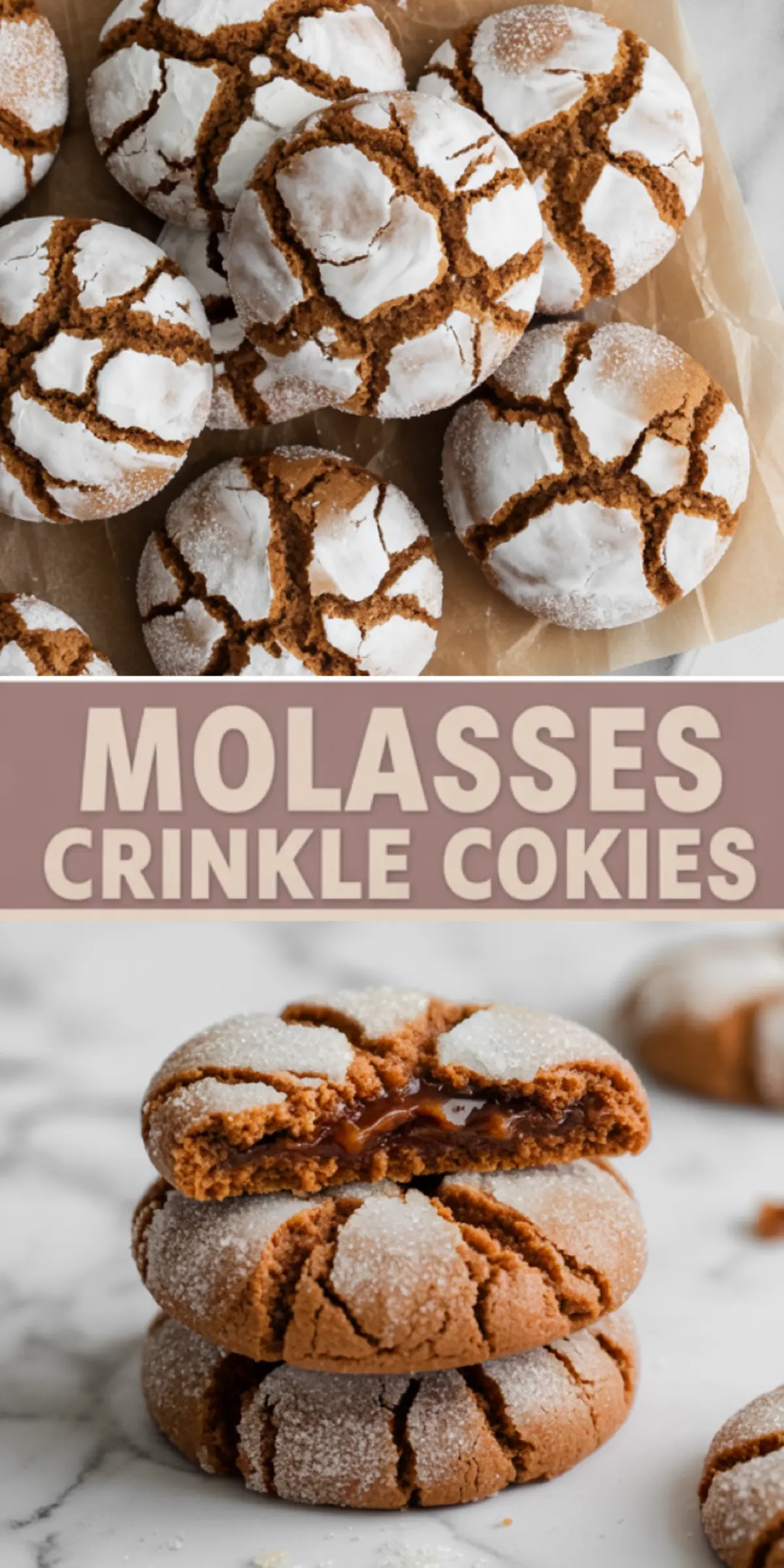
Molasses crinkle cookies are soft, chewy spice cookies made with unsulfured molasses, brown sugar, cinnamon, ginger and a pinch of cloves, rolled in sugar so the tops crack open in the oven. One batch makes 24 cookies. You need 15 minutes of mixing, an hour of chilling, and 9 to 11 minutes at 350°F.
That hour in the fridge is the one step not to skip. Cold dough holds its shape, takes the sugar coating evenly, and gives you deep cracks instead of flat, dull cookies.
Following a special diet?
Every recipe on this site can be converted to gluten-free, vegan, dairy-free, keto, nut-free or egg-free with adjusted ratios so nothing falls flat.
Try the Recipe Converter →Molasses Crinkle Numbers to Know
- Yield: 24 cookies from 1½ tablespoon balls of dough
- Time: 15 minutes prep, 1 hour chill, 9 to 11 minutes per tray, about 1 hour 25 minutes in all
- Oven: 350°F (175°C), parchment-lined sheet, balls 2 inches apart
- Spices: 1 teaspoon cinnamon, 1 teaspoon ginger, ¼ teaspoon cloves
- Molasses: ¼ cup (80g) unsulfured, not blackstrap
- Keeps: 5 days airtight at room temperature; dough balls freeze for 3 months
Unsulfured Molasses, Brown Sugar and Three Spices
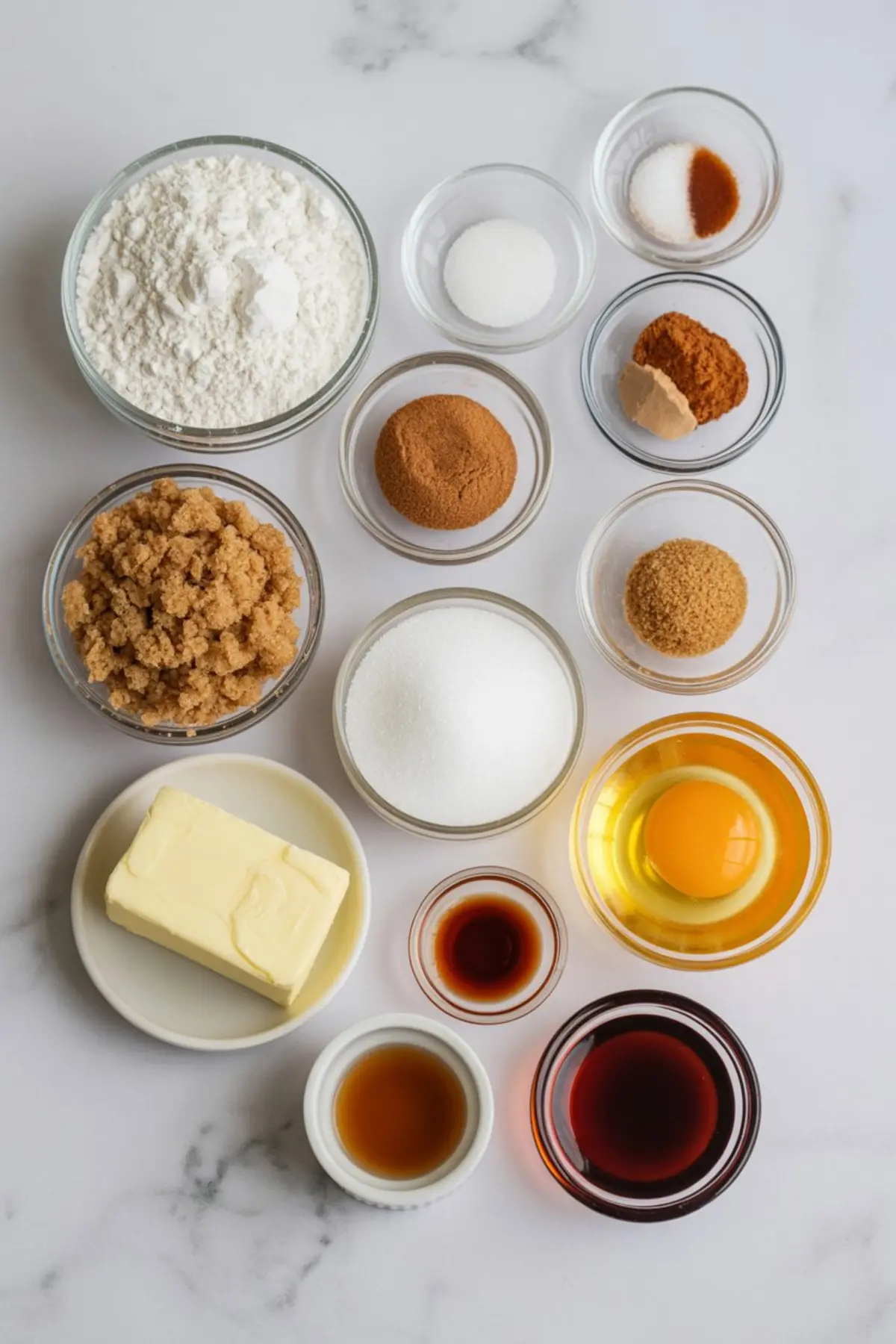
Use unsulfured molasses, the regular kind sold for baking. I have tested blackstrap too, and it leaves a bitter finish that flattens the spices. Grease the measuring cup before you pour in the ¼ cup (80g), so all of it slides out. A short measure gives paler, less chewy cookies.
The molasses and ¾ cup (150g) packed brown sugar keep the centers moist and chewy. The ½ cup (100g) granulated sugar helps the edges crisp. Ginger brings the bite, cinnamon the warmth, and the small amount of cloves makes them taste like a holiday cookie tin without turning medicinal.
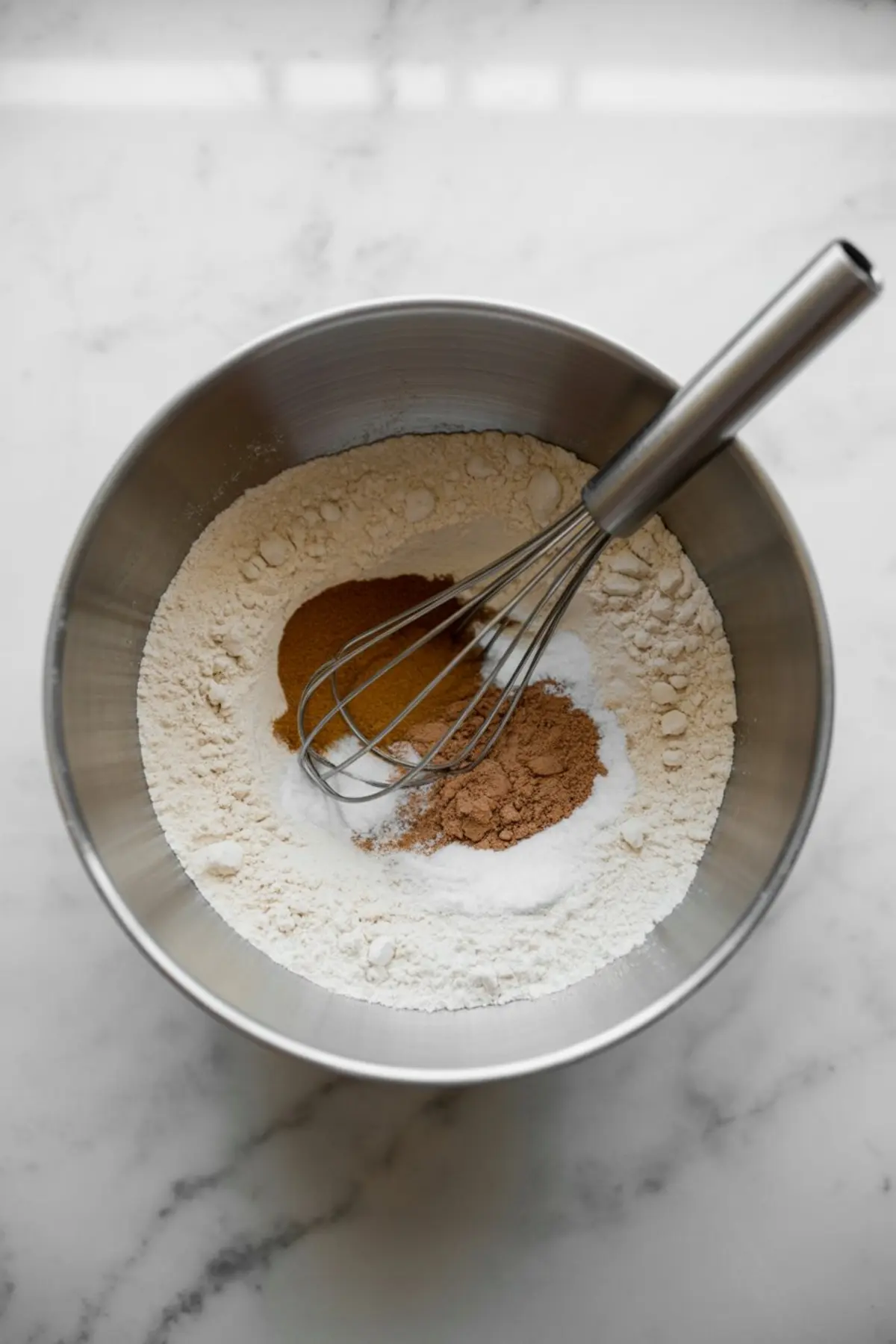
Whisk the 2¼ cups (280g) flour with 2 teaspoons baking soda, ½ teaspoon salt and the spices before anything else. Spoon the flour into the cup and level it, or weigh it. Packed flour is the most common reason these bake up puffy and cakey.
Prefer a flatter, plainer cookie without the sugar crust? My best molasses cookies keep it simple.
Softened Butter, Melted Butter or Shortening?
I have made this dough with melted butter and with softened butter. Melted butter gives a little more chew, but every melted butter batch in my notes spread too far, even after chilling. Softened butter, creamed with both sugars for 2 to 3 minutes until light, holds air and gives a cookie that stays domed.
Many older molasses crinkle recipes, including the well known Betty Crocker one, use shortening. Shortening melts at a higher temperature, so those cookies spread less and bake up taller and softer, but they taste flatter. Butter tastes richer and gives crisper edges. You can swap the ¾ cup butter for the same amount of shortening if you prefer that older style.
Why the Molasses Dough Needs a Full Hour in the Fridge
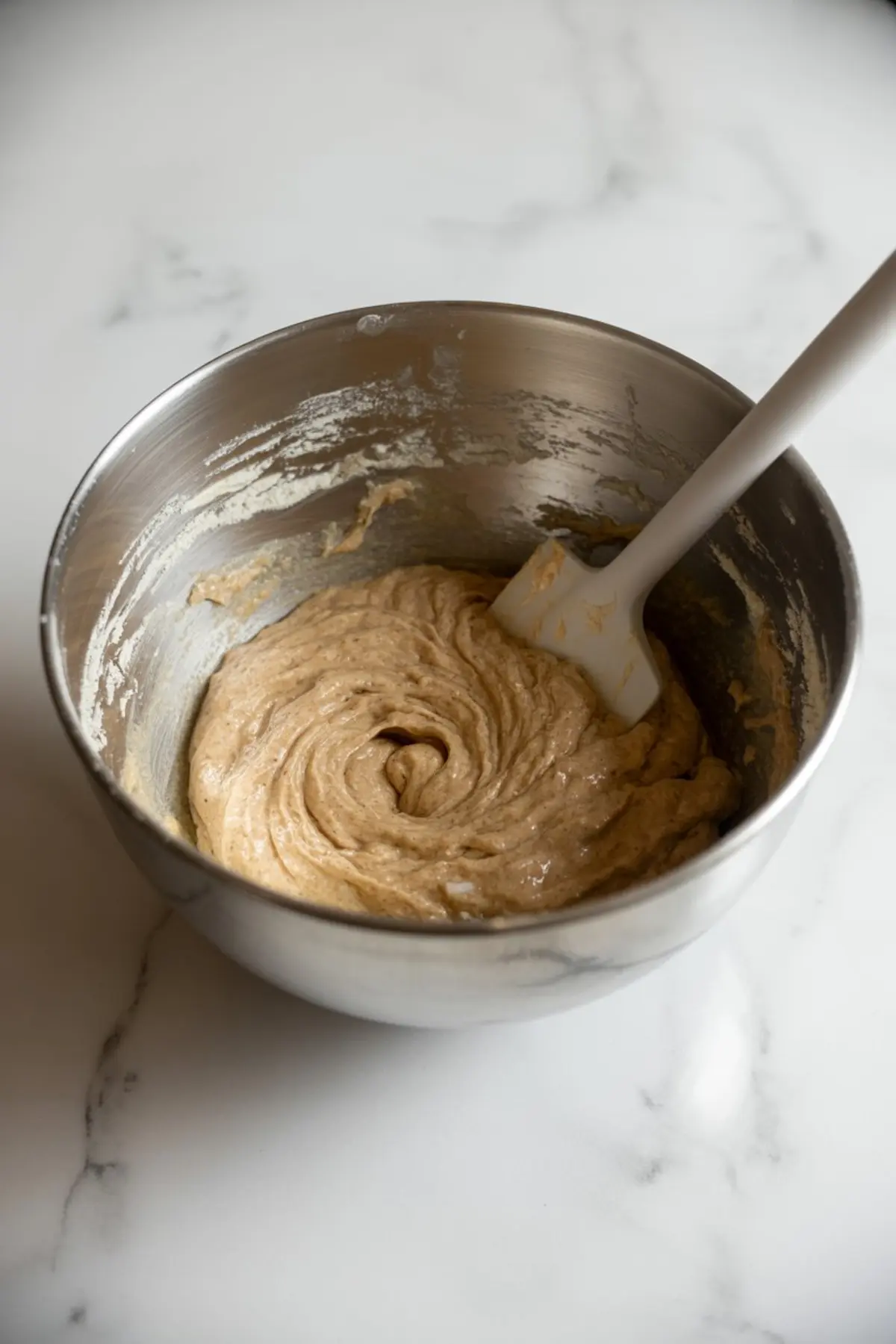
Beat in the egg, molasses and vanilla until smooth, then add the dry ingredients on low and stop as soon as no flour streaks remain. More mixing makes the cookies tough. The dough will be soft and sticky at this point, too soft to roll.
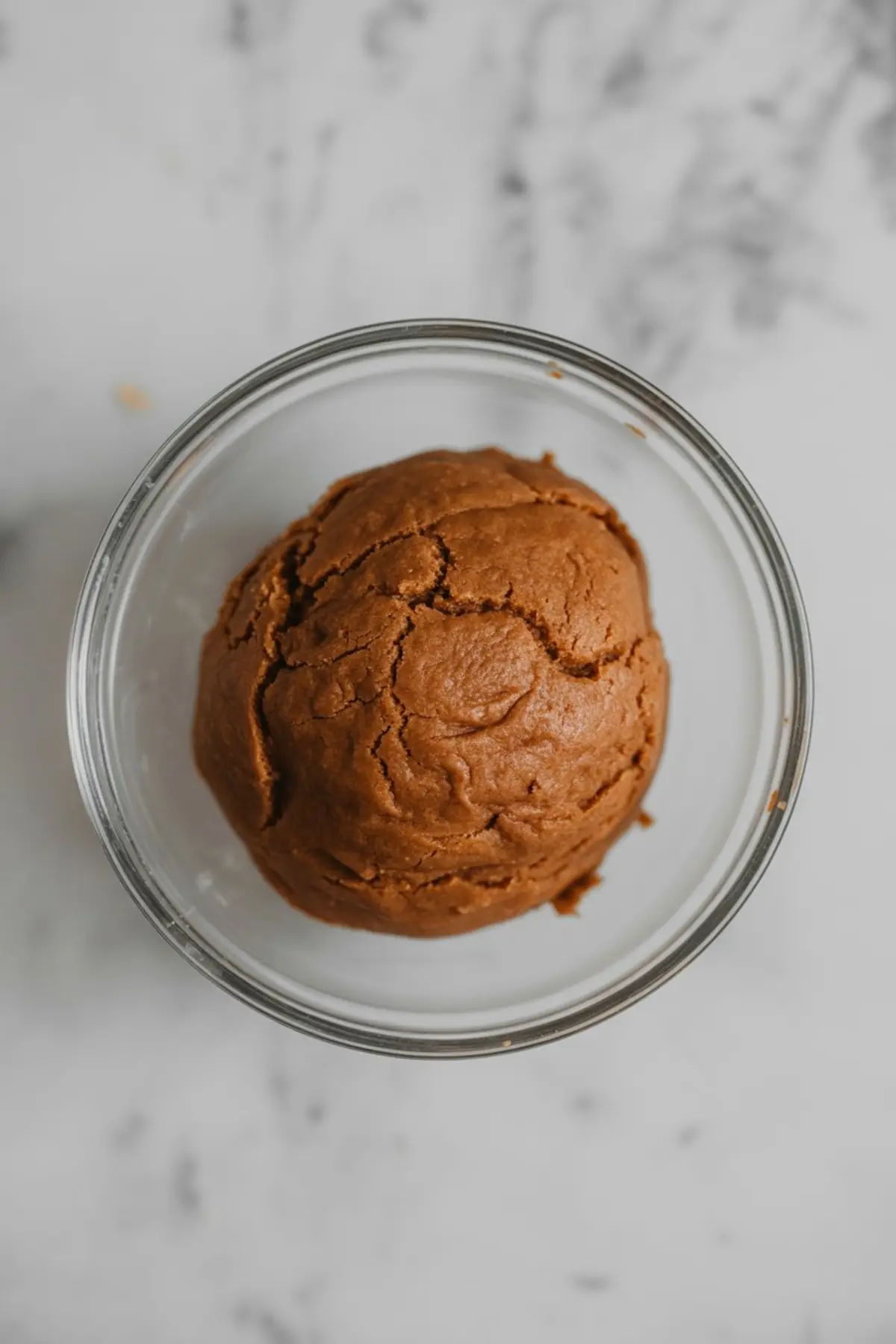
Cover it and chill for at least 1 hour. The butter firms up again, so the cookies spread slowly in the oven, and the surface becomes dry enough for the sugar to cling in an even layer. Skip it, and you get thin cookies with a shiny surface and hardly any cracks.
Rolling in Sugar for Deep Molasses Crinkles
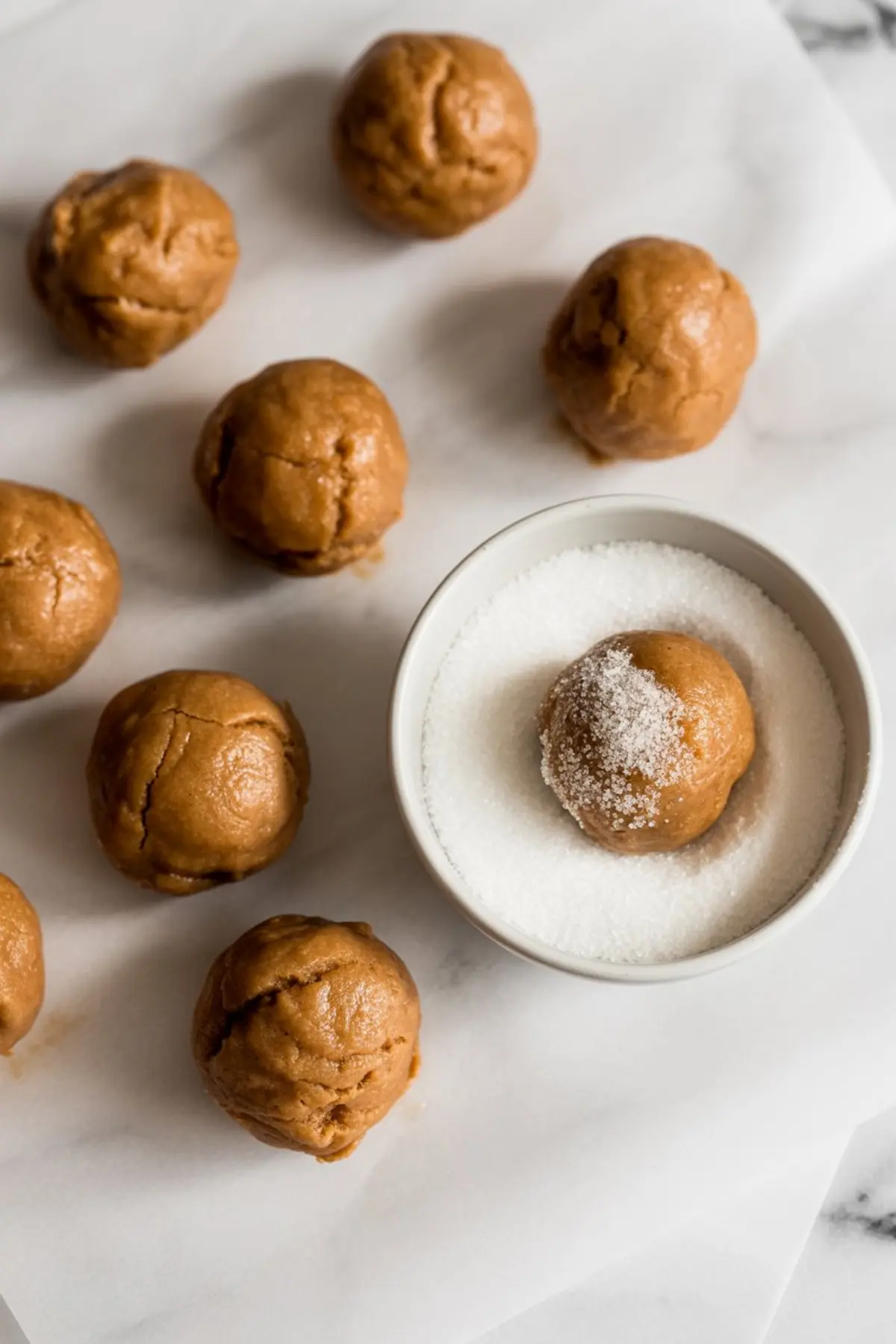
Scoop 1½ tablespoons of dough, roll it into a smooth ball, and roll it in granulated sugar until fully coated. Bigger balls need longer in the oven and tend to lose their crackle. Coarse sugar sparkles more; fine sugar looks softer.
The cracks form because the sugar coat dries and sets the outside first, while the baking soda keeps pushing the soft center up and out. More sugar on the surface means wider, deeper cracks. For the bright white tops in the photos, roll each ball in granulated sugar first and then in powdered sugar.
Space them 2 inches apart on a parchment-lined sheet. Use a cool sheet for each tray, because dough on a hot pan starts to spread before the oven can set it.
Chewy or Crisp: Timing the Tray
Bake at 350°F for 9 to 11 minutes. At 9 minutes the centers stay soft with just-set edges. At 11 they are firmer but still chewy. I pull them when the tops have split and the edges look set, while the middles still look slightly underdone. They sink a little and finish on the hot sheet during the 5 minute rest, then move to a rack to cool completely.

Inside, a good one is soft and dense with a moist, almost sticky center under the cracked crust.
Flat, Puffy or Crackless Molasses Cookies
- Flat and greasy: the butter was too soft or melted, the dough was not chilled a full hour, or the sheet was still hot. Chill the remaining dough for 15 minutes and use a cool sheet.
- Puffy and cakey: too much flour. Weigh 280g or spoon and level it, and stop mixing once the flour disappears.
- Smooth tops, few cracks: the balls were not fully coated in sugar, or the dough was warm. Roll generously and bake straight from the fridge.
- Dry and hard: baked past 11 minutes or made bigger than 1½ tablespoons and baked longer to compensate.
Keeping Molasses Crinkles Soft, and Freezing the Dough
Once completely cool, store the cookies in an airtight container at room temperature for up to 5 days. The sugar coating stays dry and does not turn sticky.
To bake ahead, roll the dough into balls (without the sugar coat), freeze them on a tray, then bag them for up to 3 months. Roll in sugar and bake straight from frozen, adding 1 to 2 minutes. I keep the sugar in a small bag alongside, so I can bake a few at a time.
Coffee, Tea and Cookie Swap Trays
They are good on their own with coffee or black tea. At cookie swaps I have seen them sandwiched with vanilla buttercream or marshmallow filling. On a holiday tray they sit well next to gingerbread crinkle cookies, which add a fourth spice, and fudgy chocolate crinkle cookies.
For more bite, try ginger molasses cookies. For the same crackled look without molasses, there are pecan pie crinkle cookies and quick cake mix crinkle cookies.
Molasses Crinkle Questions
How do I make crunchy molasses cookies?
Flatten the sugared balls slightly and bake 1 to 2 minutes past 11, until the edges darken and the centers look set. They crisp as they cool.
What is the difference between molasses crinkles and ginger molasses cookies?
Molasses crinkles are milder and rolled in sugar to crack. Ginger molasses cookies use more ginger for a spicier bite.
Can I leave out the cloves?
Yes. The cookies taste a little less deep and wintry, but the texture does not change.
Molasses Crinkle Cookies Recipe

These molasses crinkle cookies are soft, chewy spice cookies made with unsulfured molasses, brown sugar, butter, cinnamon, ginger, and cloves, rolled in sugar for a crackled top. One batch makes 24 cookies: 15 minutes of mixing, a 1 hour chill, and 9 to 11 minutes at 350°F, for chewy centers and lightly crisp edges. Chilling the dough keeps the cookies from spreading and lets the sugar coat set first, so the tops crack wide as they bake. Bake these old fashioned molasses crinkles for Christmas cookie trays, cookie swaps, fall bake sales, or with coffee and tea. Swap the butter for shortening for taller, softer crinkles, or roll in powdered sugar too for white tops. Store 5 days airtight; freeze dough balls 3 months.
Ingredients
- 2 ¼ cups (280g) all-purpose flour
- 2 tsp baking soda
- ½ tsp salt
- 1 tsp ground cinnamon
- 1 tsp ground ginger
- ¼ tsp ground cloves
- ¾ cup (150g) packed brown sugar
- ½ cup (100g) granulated sugar (plus more for rolling)
- ¾ cup (170g) unsalted butter, softened
- 1 large egg
- ¼ cup (80g) unsulfured molasses
- 1 tsp vanilla extract
Instructions
- PREPARE THE DRY INGREDIENTS: In a medium bowl, whisk together the flour, baking soda, salt, cinnamon, ginger, and cloves until evenly combined. Set the bowl aside.
- CREAM THE BUTTER AND SUGARS: In a large bowl, use a hand mixer or stand mixer to beat the softened butter, brown sugar, and granulated sugar until the mixture is light and fluffy, about 2 to 3 minutes.
- ADD THE WET INGREDIENTS: Beat in the egg, molasses, and vanilla extract to the butter mixture until smooth and fully incorporated.
- COMBINE WET AND DRY: Gradually add the dry ingredients to the wet mixture, mixing on low speed just until no streaks of flour remain. Do not overmix the dough.
- CHILL THE DOUGH: Cover the dough and refrigerate it for at least 1 hour. Chilling is important for a chewy center and to prevent the cookies from spreading too much.
- PREPARE TO BAKE: Preheat the oven to 350°F (175°C) and line a baking sheet with parchment paper.
- SHAPE THE COOKIES: Scoop about 1½ tablespoons of dough and roll it into a ball. Roll each dough ball in granulated sugar to coat the outside thoroughly.
- ARRANGE ON SHEET: Place the sugar-coated dough balls on the prepared baking sheet, spacing them about 2 inches apart to allow for spreading.
- BAKE THE COOKIES: Bake the cookies for 9 to 11 minutes, until the tops are crinkled and the edges look set. The centers should appear slightly soft—this helps ensure a chewy texture.
- COOL COMPLETELY: Let the cookies cool on the baking sheet for 5 minutes, then transfer them to a wire rack to cool completely.
Notes
Use unsulfured molasses, not blackstrap, which tastes bitter. Spoon and level the flour or weigh 280g; too much flour makes cakey cookies with few cracks. Chill the dough for at least 1 hour and use a cool baking sheet for each tray so the cookies do not spread flat. Pull them when the tops have cracked and the edges look set; the centers firm up during the 5 minute rest on the sheet. To maintain softness, store cooled cookies in an airtight container at room temperature for up to 5 days. Dough can also be frozen in pre-rolled balls for up to 3 months; roll in sugar and bake directly from frozen, adding 1 to 2 minutes to the baking time.
Nutrition Information
Yield
24Serving Size
1Amount Per Serving Calories 61Total Fat 1gSaturated Fat 0gTrans Fat 0gUnsaturated Fat 0gCholesterol 9mgSodium 161mgCarbohydrates 12gFiber 0gSugar 3gProtein 1g
