

This apricot grunt is an old-fashioned fruit dessert: 4 cups of sliced apricots cooked with sugar, cinnamon, vanilla, and lemon, with spoonfuls of soft biscuit dough cooked right on top. It takes about 45 minutes and serves 6. The one thing that matters most is a light hand with the dough, so the dumplings come out fluffy instead of tough.
I first made one in my small college apartment kitchen, in a skillet on a tiny stove. It is still what I make when apricots are cheap and I have no patience for pie crust. You can cook it covered on the stovetop, the traditional way, or bake it at 375°F for golden tops.

What a Grunt Is, Next to a Cobbler or Dump Cake
A grunt is a New England dessert of stewed fruit with dumplings cooked on top in a covered pan. The name is usually said to come from the sound the fruit makes as it bubbles under the dough. Because the lid traps the steam, the dumplings stay soft and pale, more like a steamed bun than a biscuit. That softness is the point.
- Grunt: covered pan on the stove, dumplings steam and stay tender.
- Cobbler: baked uncovered, so the biscuit topping browns and crisps, like this easy peach cobbler.
- Dump cake: no dough at all, just dry cake mix and butter over fruit, as in a peach dump cake.
This recipe covers both styles. Stovetop gives you a true grunt. The oven version lands somewhere between a grunt and a cobbler, with a crisper top and the same syrupy fruit underneath.
Fresh or Canned Apricots for the Filling
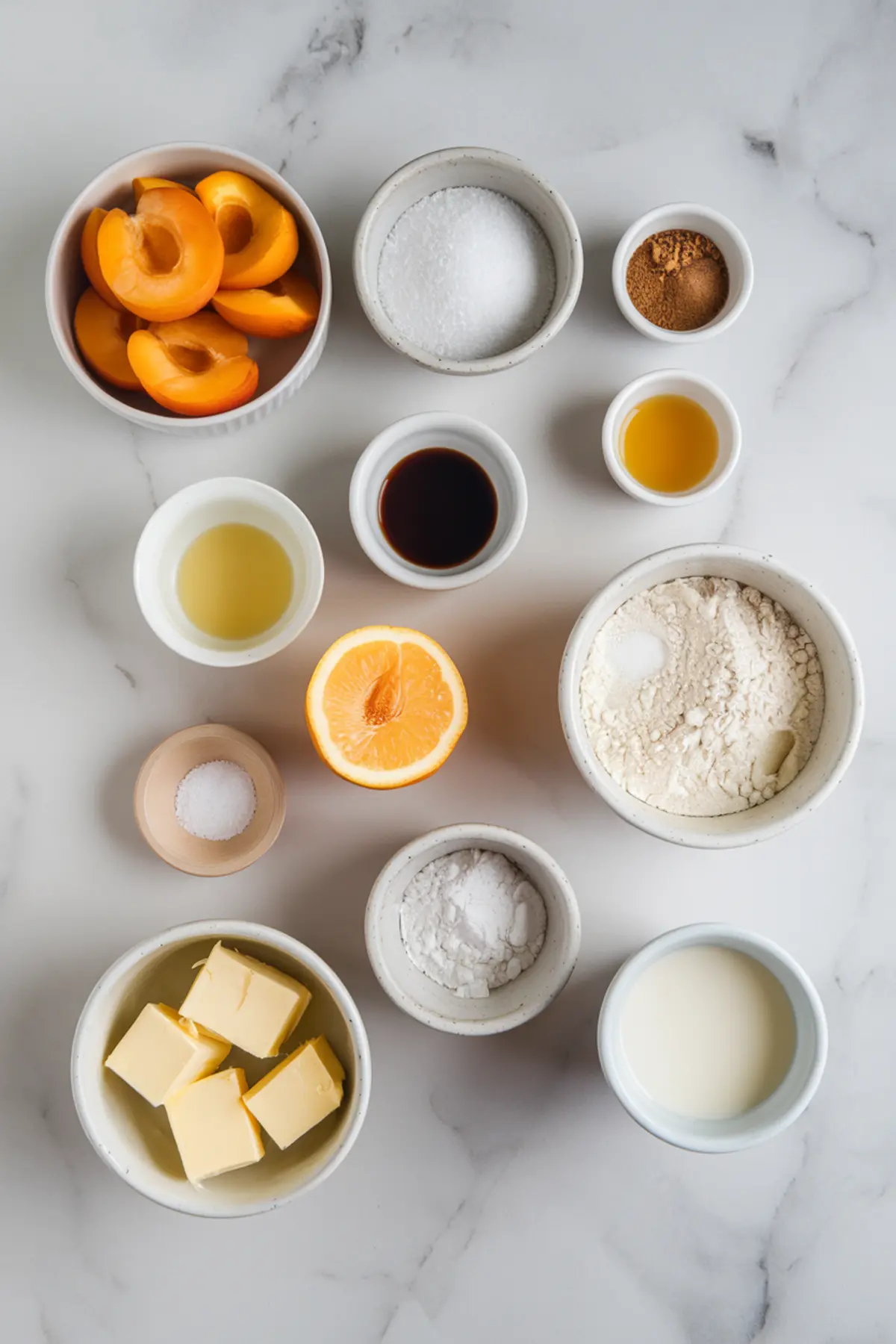
Either works. For fresh apricots, you need about 1½ pounds of ripe but still firm apricots, halved, pitted, and sliced. No need to peel them; the skins soften as they cook. If they taste very tart, add 1 extra tablespoon of sugar. For canned, drain them well. The can syrup thins the filling and makes the whole pan sweeter than you want, so tip them into a sieve and give them a few minutes.
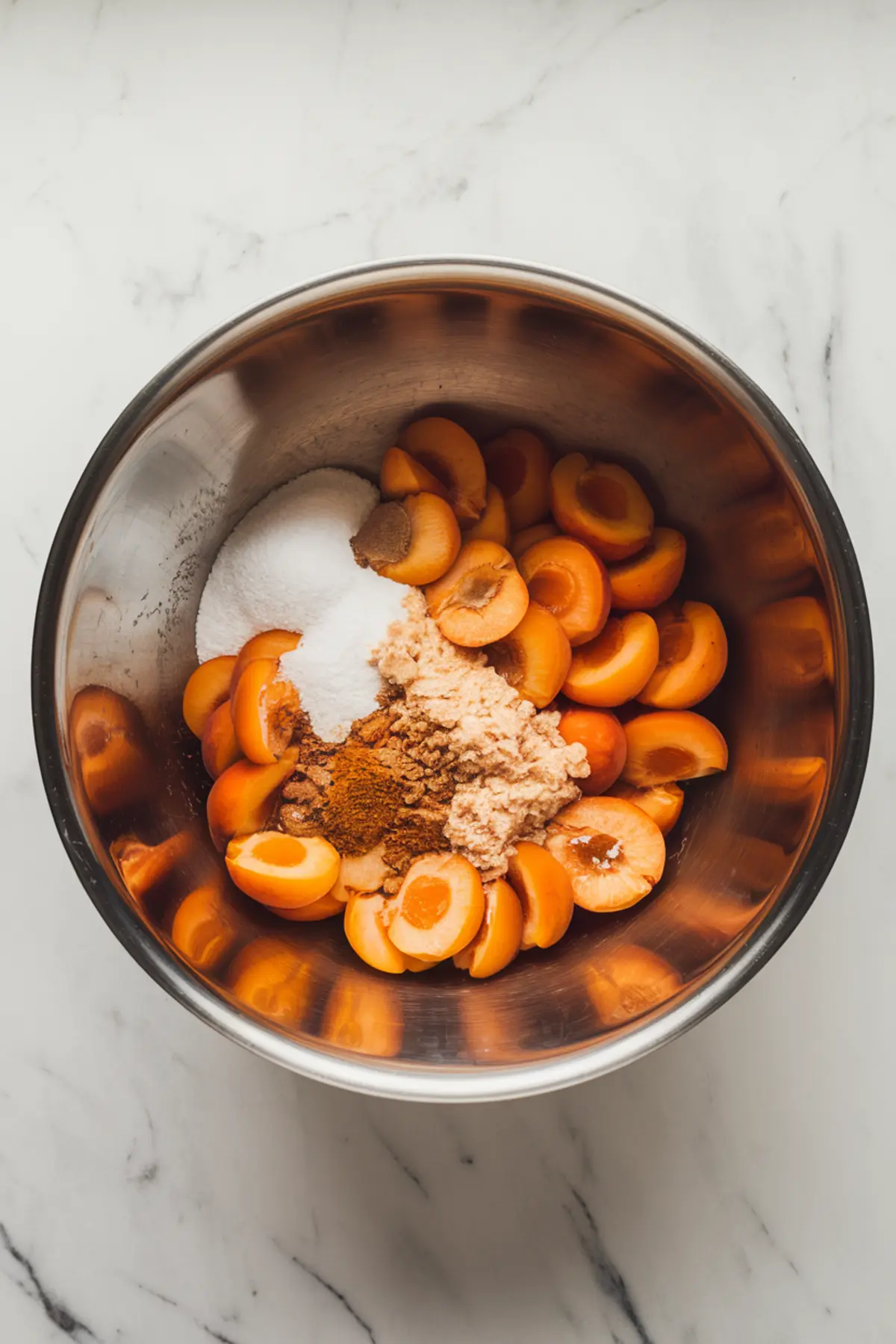
The fruit goes into the pan with ½ cup granulated sugar, ¼ cup brown sugar, 1 teaspoon cinnamon, 1 teaspoon vanilla, and 1 tablespoon lemon juice. Then 1 tablespoon cornstarch, whisked smooth into ½ cup water, gets poured over and stirred in. That is not much thickener, on purpose. This filling should stay saucy, because the dumplings drink up the syrup from below. It thickens more as it stands. If it ends up too thick, stir in a splash of warm water.
A pinch of nutmeg is good here, and almond extract in place of the vanilla suits apricots very well.
Dumpling Dough That Stays Light
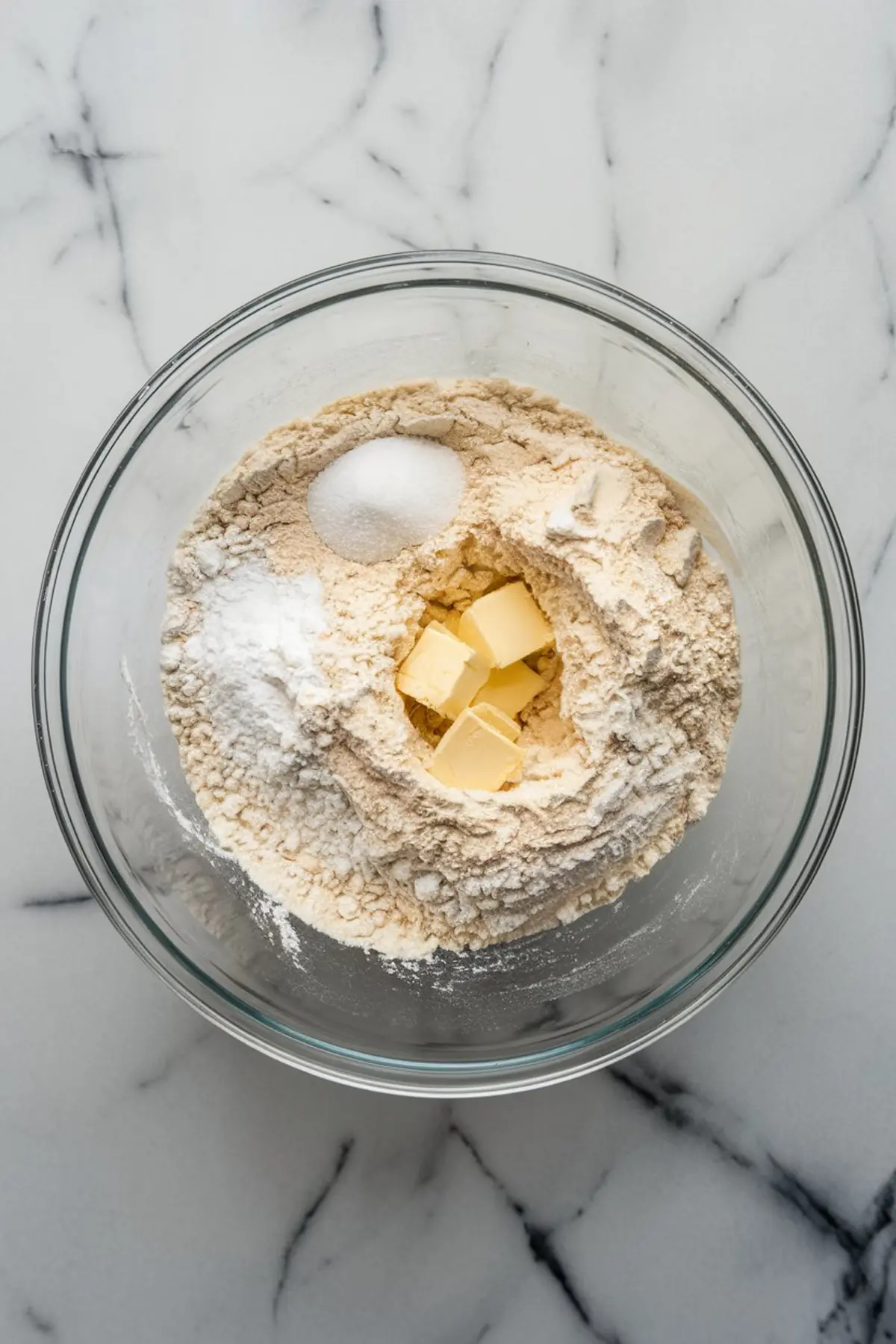
Whisk 1½ cups all-purpose flour, 2 tablespoons sugar, 2 teaspoons baking powder, and ½ teaspoon salt. Work in ¼ cup cold, cubed butter with a pastry cutter or your fingertips until it looks like coarse crumbs. Cold butter matters here. The small pieces melt and puff in the heat, which keeps the dumplings tender.
Pour in ½ cup whole milk and 1 teaspoon vanilla and stir only until no dry flour shows. Stop right there. The dough should be soft but not overly sticky. This is where I went wrong the first few times. Keep stirring and the dough gets tough, and the dumplings come out dense and chewy.
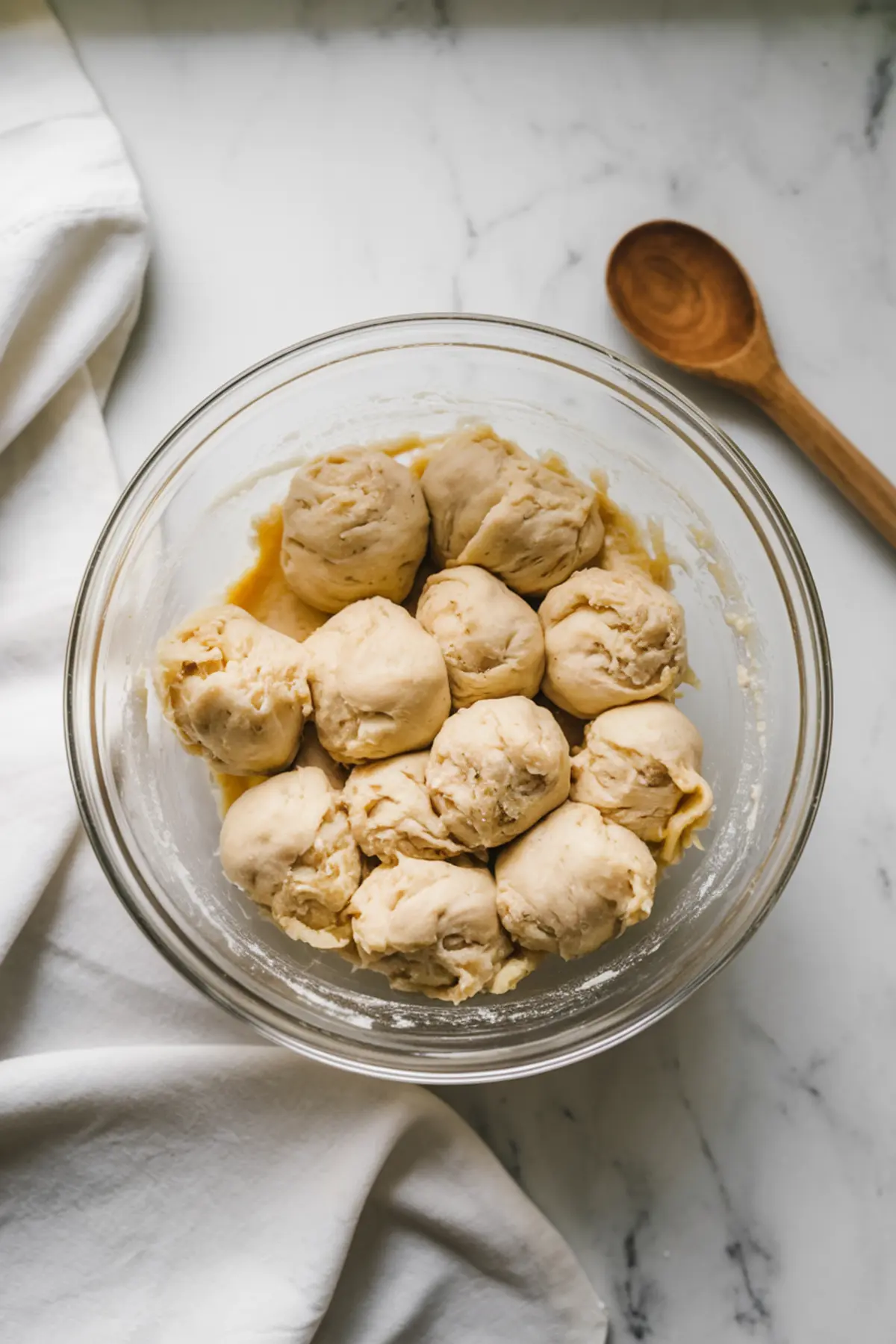
Drop the dough over the fruit in rough spoonfuls about the size of a golf ball. Leave gaps. The dumplings puff up as they cook and need the room, and those gaps are where the steam escapes instead of collecting under the dough.
Cooking It Covered on the Stove or Baked at 375°F
Use a 10 to 12 inch oven-safe skillet or a 2 quart baking dish, so the fruit has room to bubble up around the dough.
Stovetop Grunt
Heat the filling over medium until it bubbles and thickens slightly, and only then drop the dough on top, working quickly so the pan stays hot. Cover, turn the heat to low, and simmer for 20 to 25 minutes. No peeking. Leave the lid on for at least the first 15 minutes, since every peek lets out the steam that cooks the dumplings from the top while the fruit cooks them from below. They are done when they feel firm and a toothpick pushed into the middle of one comes out clean.
Oven-Baked Version
Heat the oven to 375°F (190°C). No precooking needed. Stir the filling together in the dish, top with the dough, and bake for 25 to 30 minutes. Look for golden dumplings and fruit bubbling thickly at the edges of the dish. Some people brush the tops with a little melted butter before baking for extra color.
If Your Grunt Goes Wrong
- Dumplings raw or gummy underneath: the fruit was not bubbling when the dough went on, or the lid came off too often. Cover again and cook 5 more minutes on low.
- Filling runny: canned fruit was not drained well. Let the grunt stand 10 minutes; the syrup thickens as it cools.
- Filling too thick or sticking: stir a splash of warm water into the fruit around the dumplings.
- Dumplings tough: the dough was overmixed. Next time stop stirring as soon as the flour disappears.
- Too sour: very tart fresh apricots need that extra tablespoon of sugar.
Serving and Reheating Leftovers
Serve it warm, after about 10 minutes of rest, with vanilla ice cream, whipped cream, or a spoonful of caramel sauce. A handful of toasted almonds or coconut on top adds crunch.
Leftovers keep in an airtight container in the fridge for up to 3 days, though in my house they rarely last that long. The dumplings soak up more syrup overnight and get softer. Warm portions gently in the microwave or on the stovetop, or in a 350°F oven for about 10 minutes if you want the tops to firm up again.
Can I Swap the Fruit?
Yes. Peaches, plums, or a mix of stone fruit work cup for cup, using the same 4 cups. Blueberries make a juicier filling, much like this blueberry cobbler under its biscuit top. For something tart, the rhubarb dump cake is the low-effort option. If apples are what you have, try my apple dumplings. Extra apricots? Turn them into apricot jam.
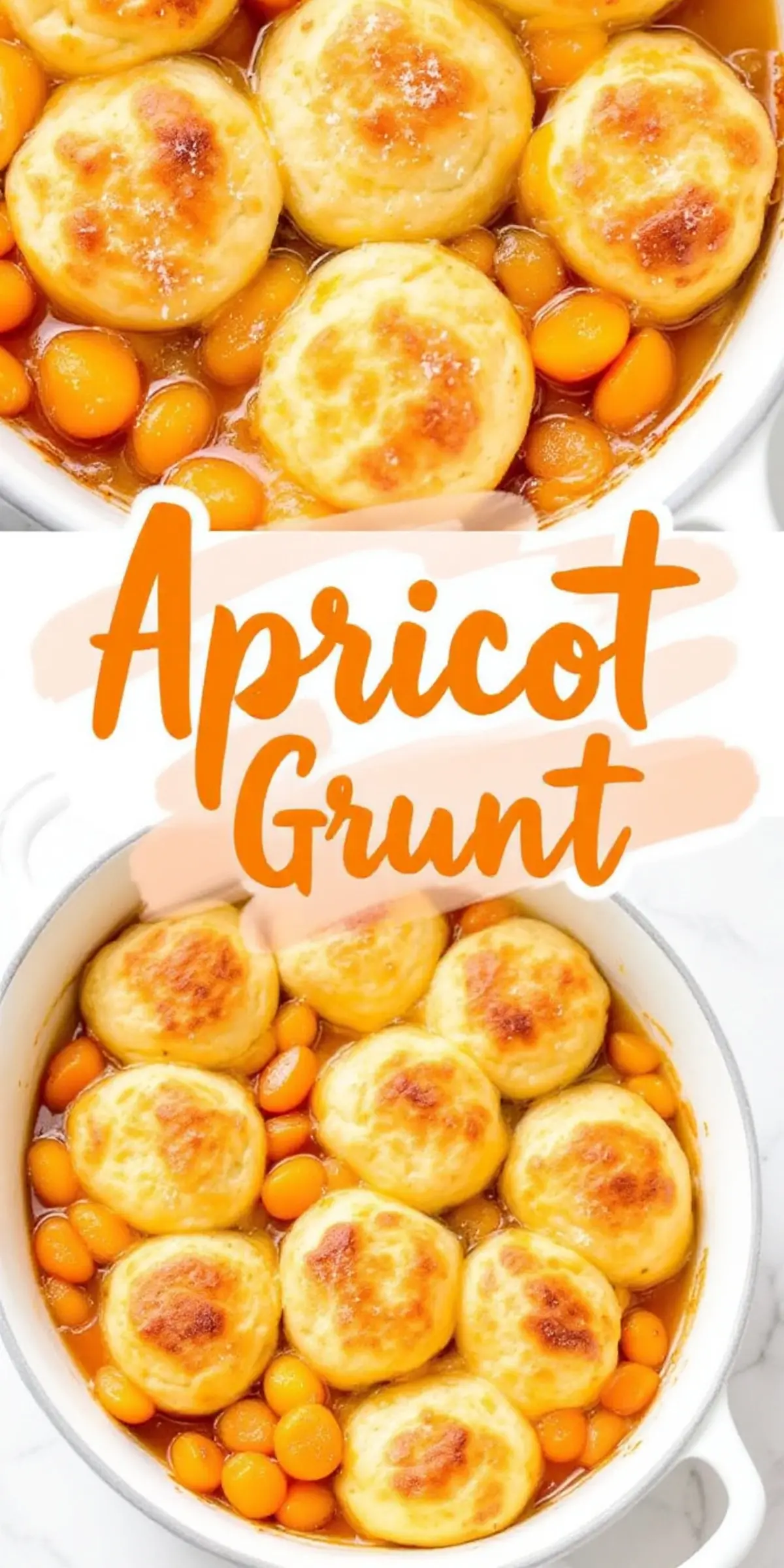
Pin it for the next time apricots show up cheap at the market.
Apricot Grunt Recipe

Made it? Tap the stars to rate it.
This apricot grunt is an old-fashioned fruit dessert made with sliced fresh or canned apricots, white and brown sugar, cinnamon, vanilla, lemon, and soft biscuit dumplings. It takes about 45 minutes and serves 6, with a loose, syrupy apricot filling under fluffy dumplings. The dough is mixed with cold butter and stirred only until combined, then dropped in spoonfuls over the fruit so the dumplings rise light instead of dense. Cook it covered on the stovetop for soft steamed dumplings like a true grunt, or bake it at 375°F for golden tops closer to an apricot cobbler. Serve it warm with vanilla ice cream or whipped cream, and keep leftovers in the fridge for up to 3 days.
Ingredients
- FOR THE APRICOT FILLING:
- 4 cups apricots, sliced (fresh or canned, drained)
- ½ cup granulated sugar
- ¼ cup brown sugar
- 1 teaspoon vanilla extract
- 1 teaspoon cinnamon
- 1 tablespoon lemon juice
- 1 tablespoon cornstarch
- ½ cup water
- FOR THE DUMPLING TOPPING:
- 1 ½ cups all-purpose flour
- 2 tablespoons granulated sugar
- 2 teaspoons baking powder
- ½ teaspoon salt
- ¼ cup unsalted butter, cold and cubed
- ½ cup whole milk
- 1 teaspoon vanilla extract
Instructions
- PREPARE THE APRICOT FILLING: Preheat the oven to 375°F (190°C) if baking. In a large, oven-safe skillet or baking dish, combine the sliced apricots, granulated sugar, brown sugar, vanilla extract, cinnamon, and lemon juice. In a small bowl, mix the cornstarch with water until smooth, then pour it over the apricots. Stir to combine. If cooking on the stovetop, heat over medium until the mixture begins to bubble and thicken slightly. If baking, set the dish aside while preparing the topping.
- MAKE THE DUMPLING DOUGH: In a medium bowl, whisk together the flour, granulated sugar, baking powder, and salt. Add the cold, cubed butter and use a pastry cutter or your hands to work it into the dry ingredients until the mixture resembles coarse crumbs. Pour in the milk and vanilla extract, then stir until just combined. The dough should be soft but not overly sticky.
- ASSEMBLE AND COOK: Drop spoonfuls of the dumpling dough evenly over the apricot filling, leaving small gaps to allow steam to escape. If baking, place the dish in the oven and bake for 25-30 minutes, or until the dumplings are golden brown and the fruit is bubbling. If cooking on the stovetop, cover with a lid and simmer on low for 20-25 minutes until the dumplings are firm and cooked through.
Notes
Fresh or canned apricots both work. Drain canned apricots thoroughly so the can syrup does not thin the filling. If fresh apricots are very tart, add 1 extra tablespoon of sugar. For the stovetop method, the filling must be bubbling before the dough goes on, and the lid should stay on for the first 15 minutes; lifting it lets the steam out and leaves the dumplings gummy underneath. The dumplings are done when a toothpick in the center of one comes out clean. Stir the dough only until no dry flour shows; overmixing makes tough dumplings. The stovetop method gives softer, steamed dumplings, while baking gives a crisper, golden-brown topping. For extra flavor, add a pinch of nutmeg or swap the vanilla extract for almond extract. If the filling gets too thick, stir in a splash of warm water. Store leftovers in an airtight container in the refrigerator for up to 3 days and reheat gently on the stovetop, in the microwave, or in a 350°F oven.
Nutrition Information
Yield
6Serving Size
1Amount Per Serving Calories 381Total Fat 9gSaturated Fat 5gTrans Fat 0gUnsaturated Fat 3gCholesterol 23mgSodium 399mgCarbohydrates 70gFiber 3gSugar 40gProtein 6g

Made it? Tap the stars to rate it