
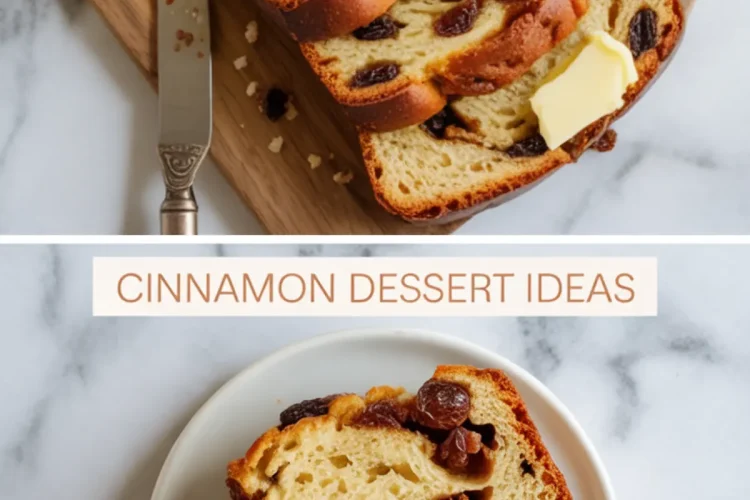
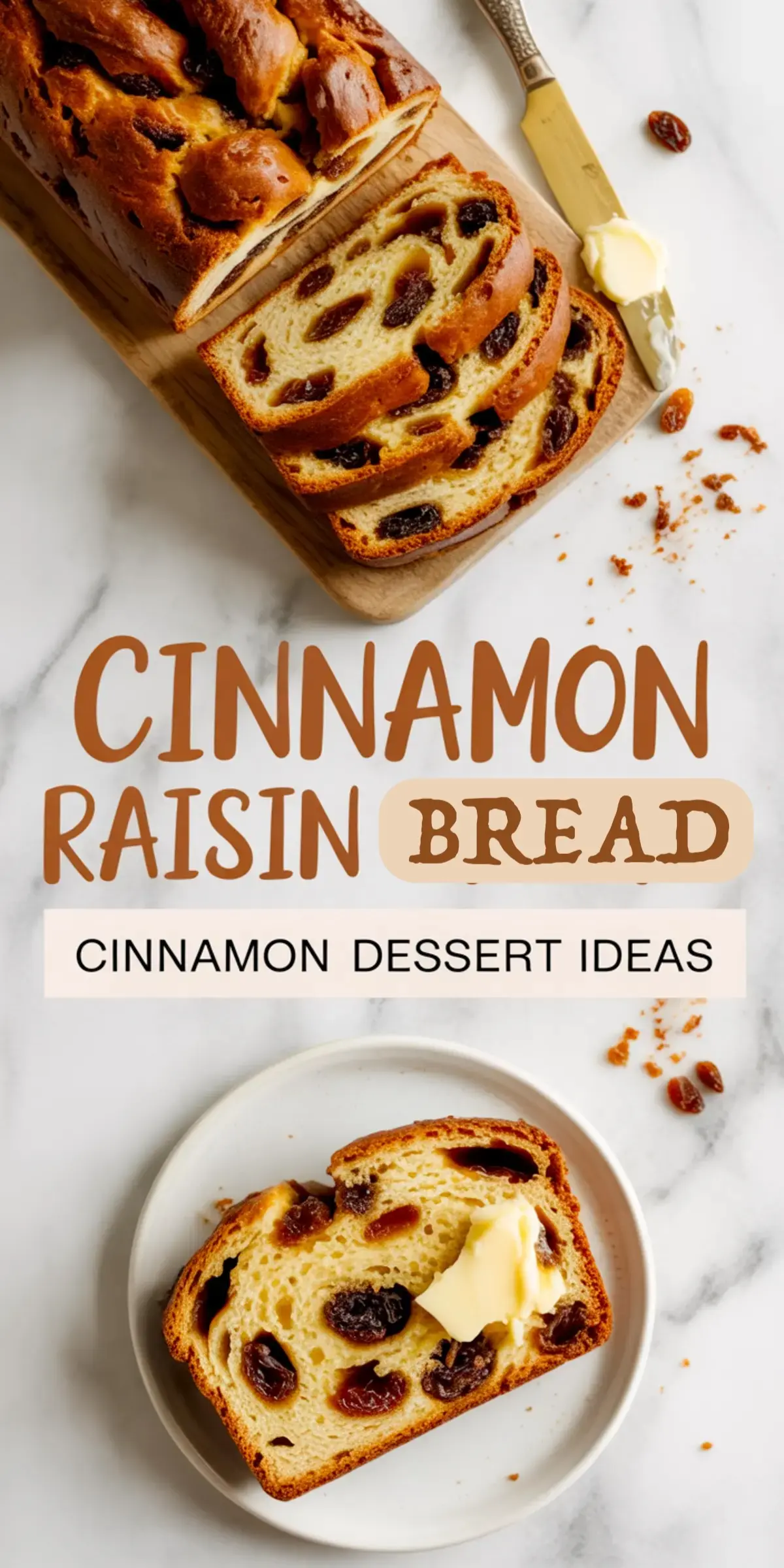
Cinnamon raisin bread brings a kind of comfort that’s hard to improve. The dough is soft but holds its shape, the raisins plump after a warm soak, and the cinnamon adds more than just scent it gives the loaf warmth and structure.
This recipe walks you through how to make brown bread with raisins that doesn’t dry out or turn crumbly by day two. You’ll learn how to knead raisins without tearing the dough, why soaked raisins matter, and how to coax a soft crumb with structure.
If you’re looking for the best cinnamon raisin bread recipe to toast in the morning, this loaf delivers.
You’ll also find guidance if you’re used to other raisin breads like cinnamon raisin sourdough or raisin bread machine recipes. This one uses simple tools and offers hands-on techniques.
It’s more involved than cinnamon raisin biscuits or cinnamon raisin bagels, but the payoff is bigger. One slice from this loaf, warm and buttered, tastes like something you didn’t rush through.
Following a special diet?
Every recipe on this site can be converted to gluten-free, vegan, dairy-free, keto, nut-free or egg-free with adjusted ratios so nothing falls flat.
Try the Recipe Converter →Ingredients That Keep the Texture Soft and the Flavor Balanced
Start with warm milk to activate the yeast. This helps the dough lift without tasting overly yeasty. I use active dry yeast here, not instant, so the texture develops slowly and predictably.
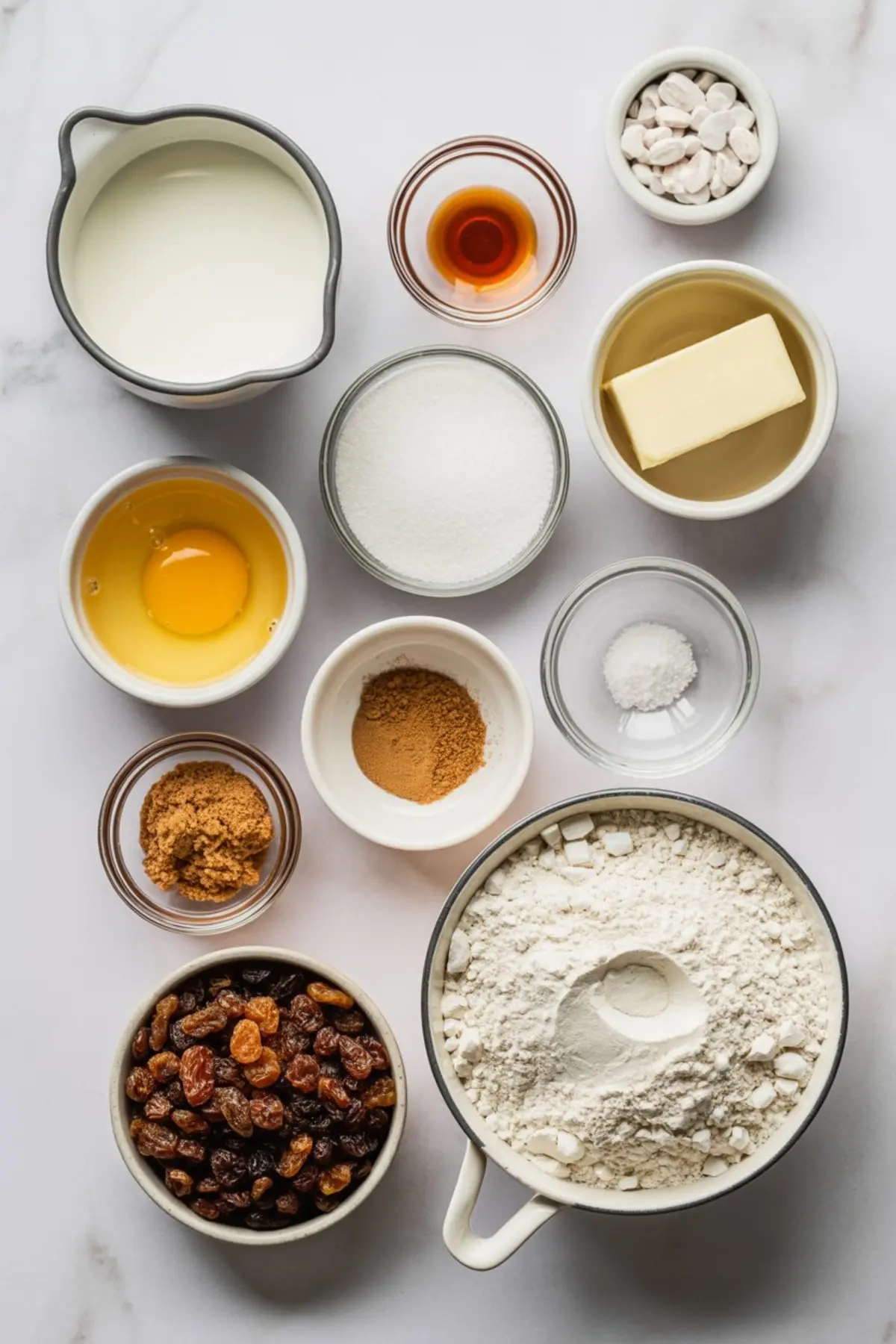
Butter, egg, and sugar come next. They bring tenderness and just enough richness to balance the cinnamon. I’ve tried oil in place of butter before, but the crumb lacked structure. Stick with butter.
Raisins go in after the initial kneading. They hold their shape better this way. I always soak mine for ten minutes in warm water before draining. It keeps them soft, but not mushy, during baking.
If you like a deeper cinnamon flavor, cinnamon extract helps. Just a half teaspoon adds warmth without leaving streaks. It’s subtle but noticeable.
How to Fold in the Raisins Without Tearing the Dough
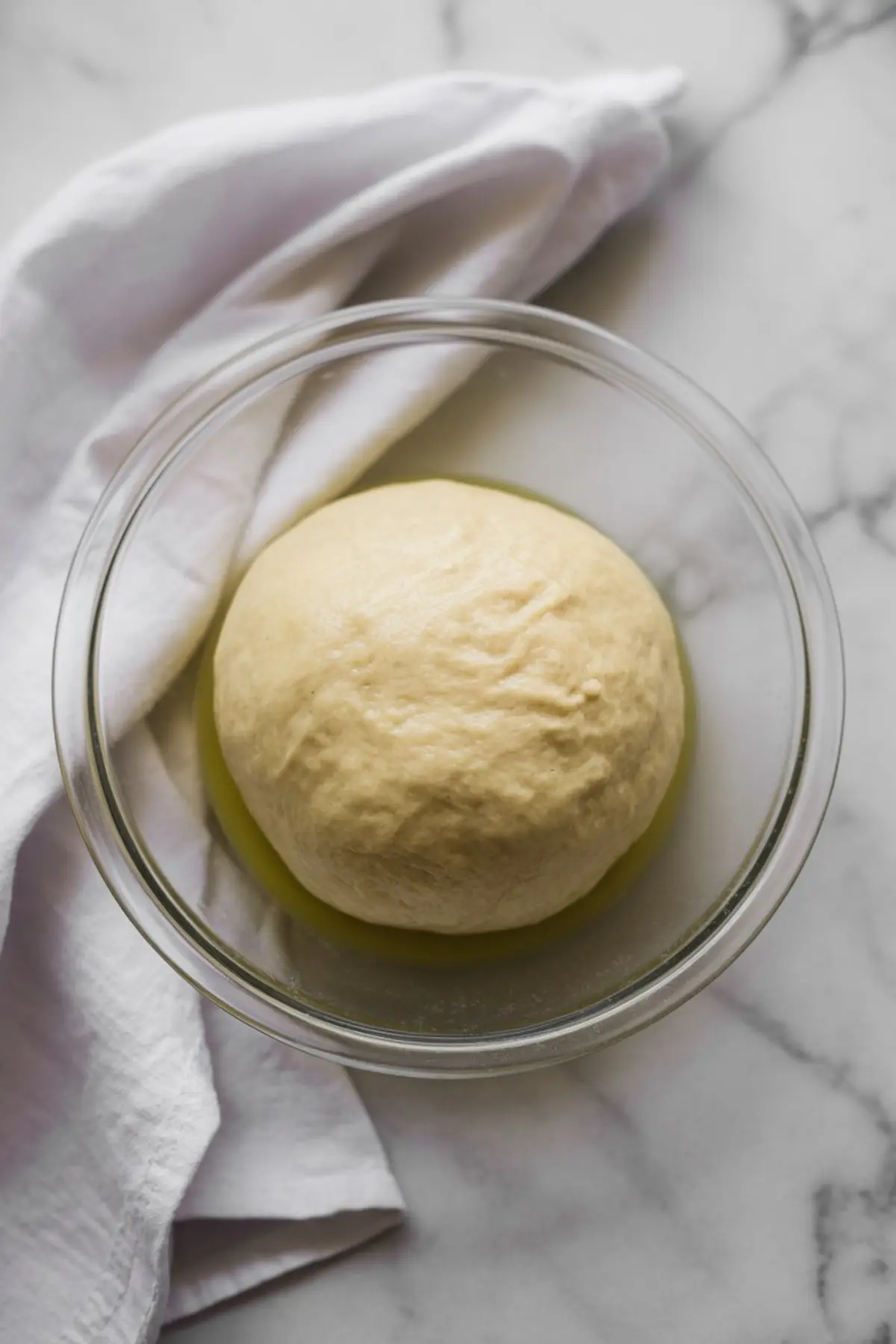
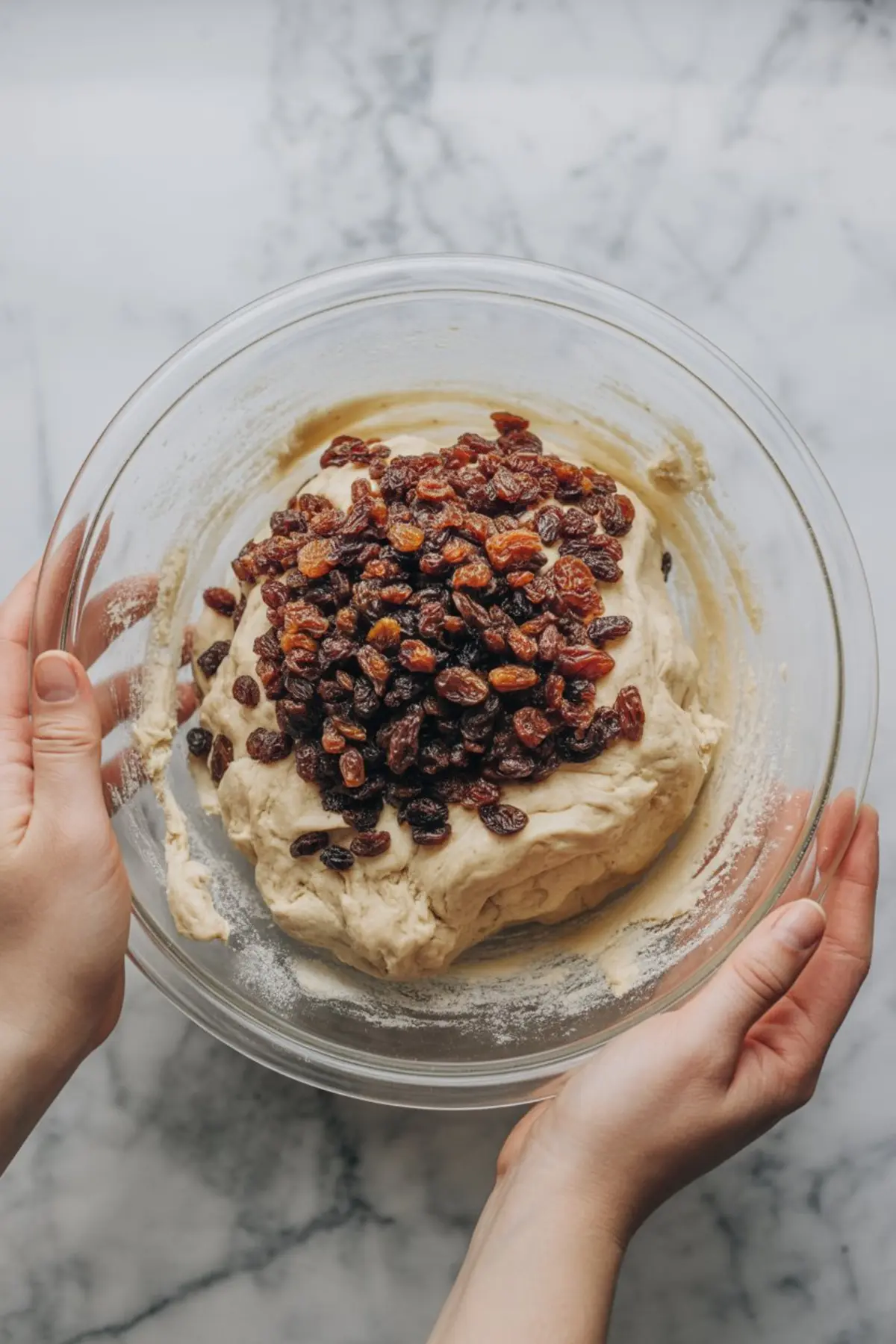
Once the dough has come together, knead it briefly before adding raisins. I’ve seen some recipes that add them in early, but that usually results in streaks and broken fruit. The key is waiting. Once the dough becomes elastic, gently press in the raisins a handful at a time.
They’ll try to slip out, but just keep folding the dough over itself and they’ll eventually distribute evenly. This method gives a better rise and avoids tearing the gluten strands.
You can incorporate the ground cinnamon after the raisins. This prevents dark streaks and keeps the color speckled instead of muddy. That matters if you plan to slice and serve this at a brunch table.
Baking and Cooling for a Balanced Crust
Place the shaped dough into a greased loaf pan for the second rise. It should rise about an inch above the rim before baking. Don’t rush it.
Bake at 350°F until the top turns golden and sounds hollow when tapped. I usually give mine a quick check at the 35-minute mark. If the crust darkens too quickly, tent it with foil.
Right out of the oven, brush the top with melted butter. This softens the crust and gives a little sheen. Let the loaf cool for at least 10 minutes before removing it from the pan.
If you slice too soon, the crumb compresses. Letting it rest helps the inside settle and makes neater slices.
Serving and Storage Suggestions for Homemade Raisin Bread
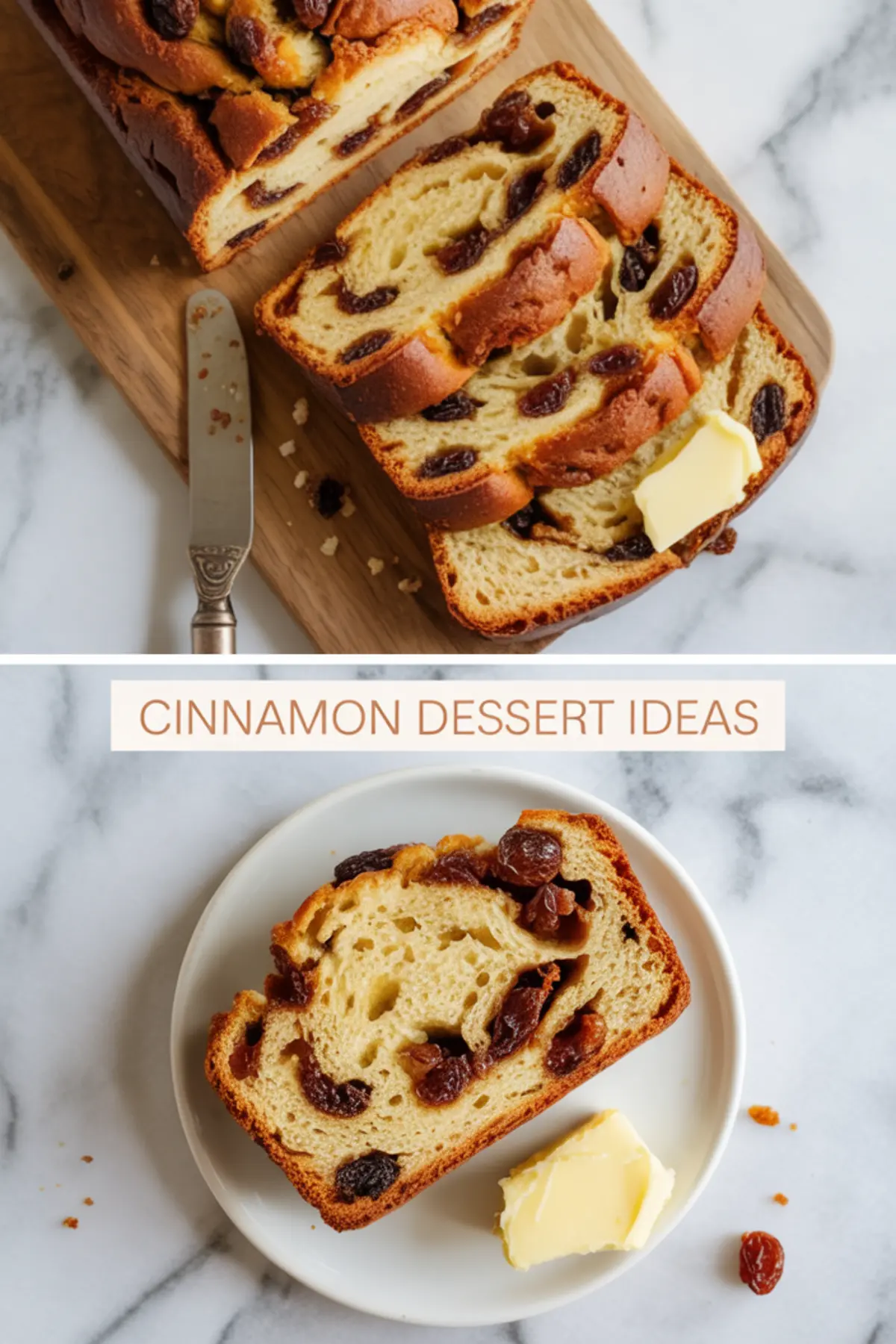
I like to serve this bread thick-sliced, lightly toasted, with salted butter. It also works well with soft cheese or a smear of cinnamon honey.
For storing, keep it tightly wrapped at room temperature for up to three days. If you don’t plan to eat it all, slice and freeze it. Toasting from frozen brings back the same soft middle and crisp crust.
You could also cube it for bread pudding or slice it thin for French toast. In that case, let it sit out uncovered overnight to dry slightly.
Related Recipes for Fall Baking
If you enjoy baking this cinnamon raisin loaf, you might also like this Pear Bread Recipe for something spiced and fruity.
Or try my Cranberry Orange Bread Recipe for a zesty take on holiday loaves.
Another option is this Pistachio Bread Recipe that brings a nutty, soft interior with a golden crust.
And for classic fall flavors, bake the Easy Pumpkin Bread Recipe.
Save This Recipe and Share Your Results
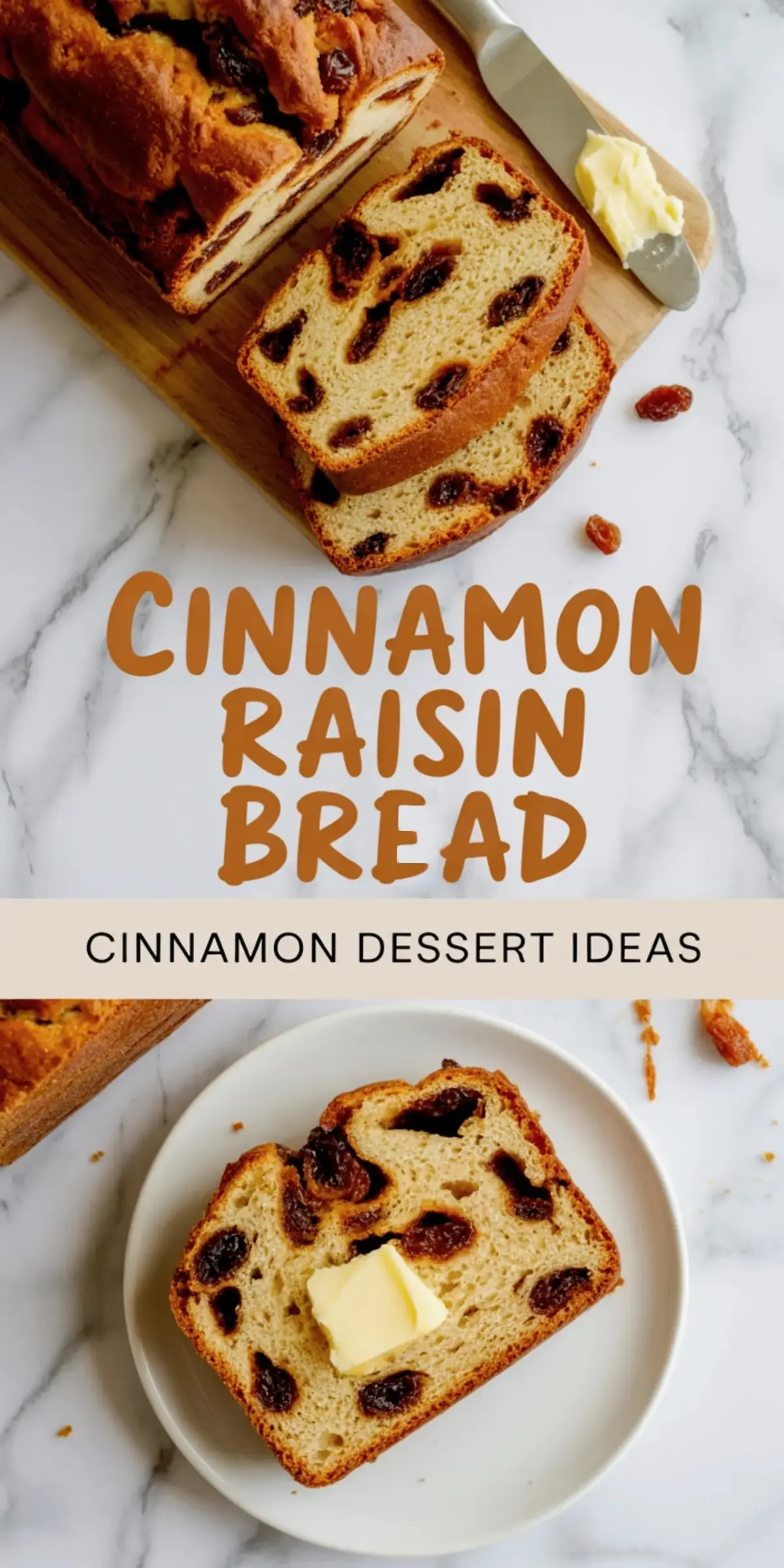
Save this cinnamon raisin bread recipe on Pinterest to find it again when you’re ready to bake. You’ll want to return to it.
If you try it, I’d love to hear how it turned out. Share in the comments if you added a twist or had a question we can learn from each other.
Cinnamon Raisin Bread Recipe
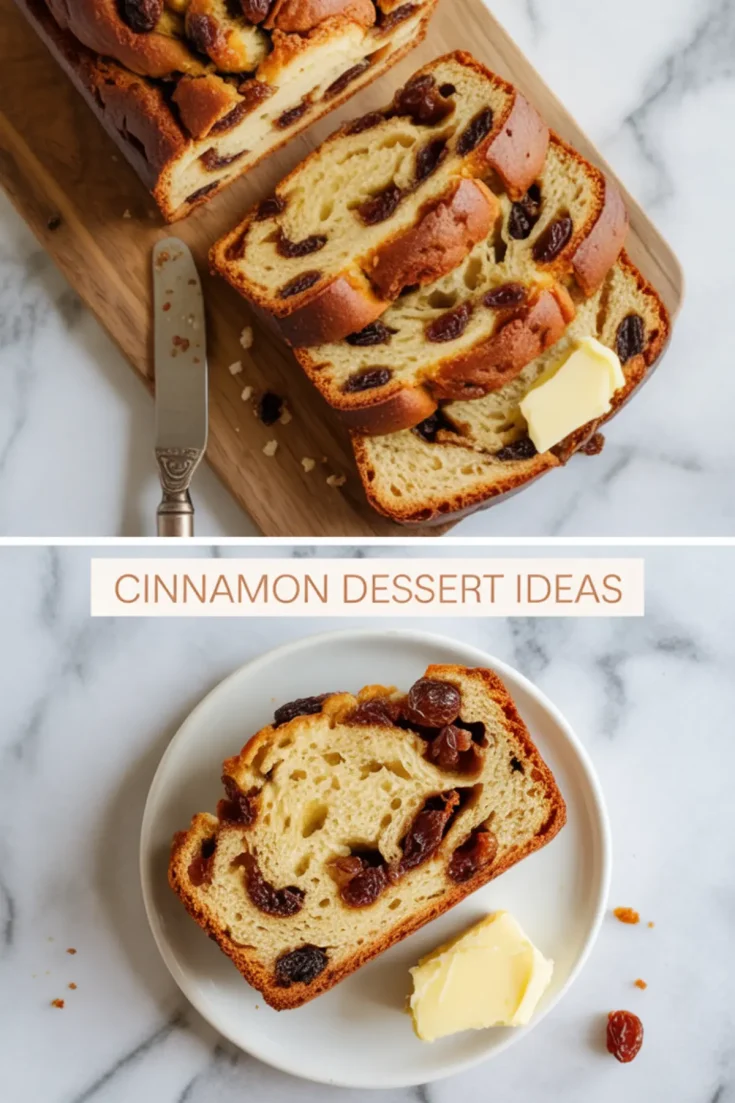
Cinnamon raisin bread recipe is one of my favorite homemade loaves to bake. I mix a soft dough, swirl in cinnamon sugar, and fold in plump raisins for a sweet slice that’s perfect toasted with butter. Some call it easy homemade cinnamon raisin bread, others raison cinnamon bread, but no matter the name it’s always comforting. I’ve tried braided cinnamon raisin bread for a pretty twist, baked it in a Dutch oven for a rustic crust, and even used a bread machine for raisin bread machine recipes. Among raisin bread variations, cinnamon raisin sourdough and cinnamon raisin bagels are fun too, but nothing beats a fresh cinnamon loaf bread. This homemade raisin bread is simple, classic, and a recipe I come back to again and again.
Ingredients
- FOR THE DOUGH:
- 1 cup warm milk (110°F / 45°C)
- 2 ¼ tsp active dry yeast (1 packet)
- 3 tbsp granulated sugar
- 3 tbsp unsalted butter, melted
- 1 large egg
- 1 tsp salt
- 3 ½ cups all-purpose flour
- ¾ cup raisins (soaked in warm water for 10 minutes, then drained)
- 1 tsp ground cinnamon
- Optional: ½ tsp cinnamon extract
- FOR BRUSHING:
- 1 tbsp melted butter (after baking)
Instructions
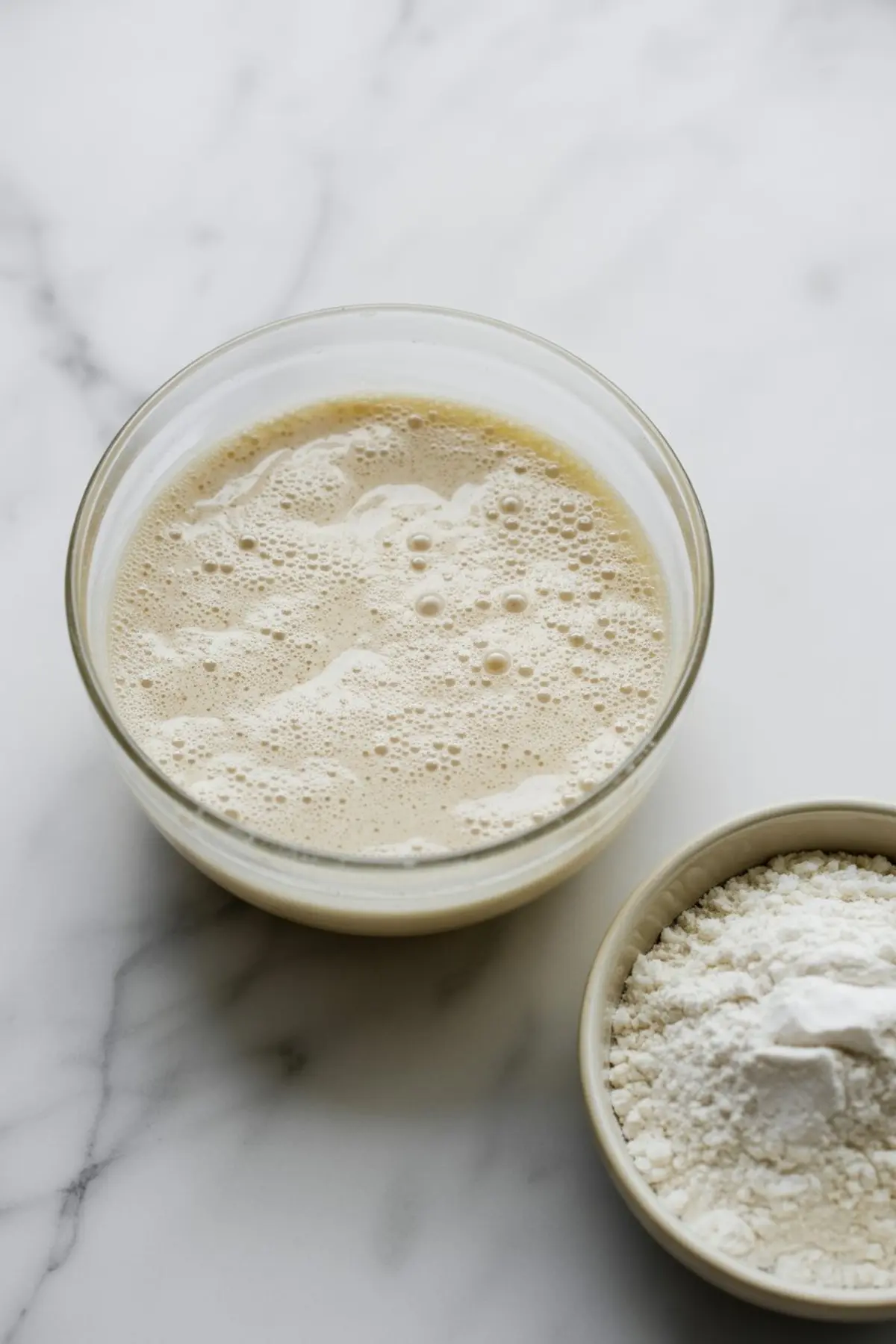
- ACTIVATE THE YEAST: In a large mixing bowl, combine the warm milk, sugar, and yeast. Stir gently and let the mixture sit for 5 to 10 minutes, or until it becomes foamy on top.
- ADD THE WET INGREDIENTS: Add the melted butter, egg, and salt to the foamy yeast mixture. Stir until fully combined. If using cinnamon extract, add it now and mix well.
- ADD THE FLOUR: Gradually add the flour, about 1 cup at a time, mixing after each addition until a soft dough forms. Transfer the dough to a lightly floured surface or knead it directly in the bowl until smooth.
- KNEAD IN THE RAISINS: Knead the dough for 2 to 3 minutes, then begin incorporating the drained raisins a handful at a time. Continue kneading for another 4 to 5 minutes until the raisins are evenly distributed.
- ADD THE CINNAMON: Sprinkle the ground cinnamon evenly over the dough and knead gently until it is fully incorporated. The dough should appear speckled without dark streaks.
- FIRST RISE: Place the dough into a greased bowl, cover with a clean towel or plastic wrap, and let it rise in a warm place for 1 to 1.5 hours or until doubled in size.
- SHAPE THE DOUGH: Gently punch down the risen dough and shape it into a log. Place it seam-side down in a greased 9x5 inch loaf pan.
- SECOND RISE: Cover the pan loosely and let the dough rise again for 45 to 60 minutes, or until it is puffy and about 1 inch above the rim of the pan.
- BAKE: Preheat the oven to 350°F (175°C). Bake the bread for 35 to 40 minutes until golden brown on top and it sounds hollow when tapped.
- COOL AND BRUSH: Remove the bread from the oven and immediately brush the top with melted butter. Allow it to cool in the pan for 10 minutes before transferring to a wire rack to cool completely.
Notes
For a more noticeable cinnamon flavor without streaking the dough, use cinnamon extract in addition to ground cinnamon. Soaking the raisins ensures they stay moist during baking. Store cooled bread tightly wrapped at room temperature for up to 3 days or freeze for longer storage.
Nutrition Information
Yield
10Serving Size
1Amount Per Serving Calories 273Total Fat 6gSaturated Fat 3gTrans Fat 0gUnsaturated Fat 2gCholesterol 33mgSodium 263mgCarbohydrates 48gFiber 2gSugar 12gProtein 7g
