
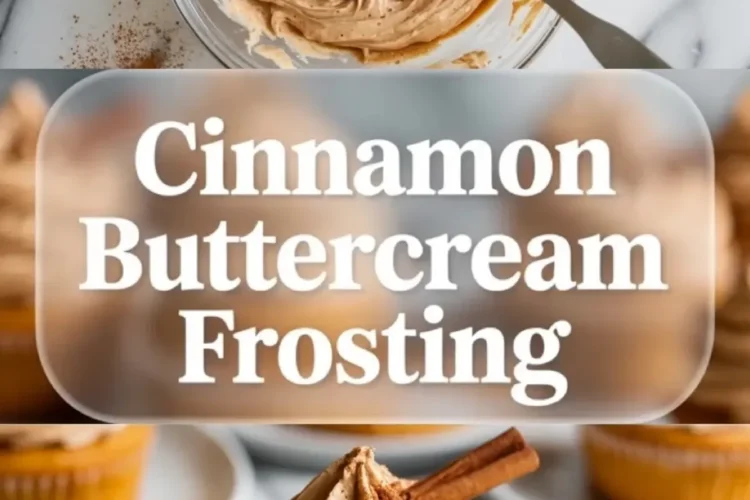
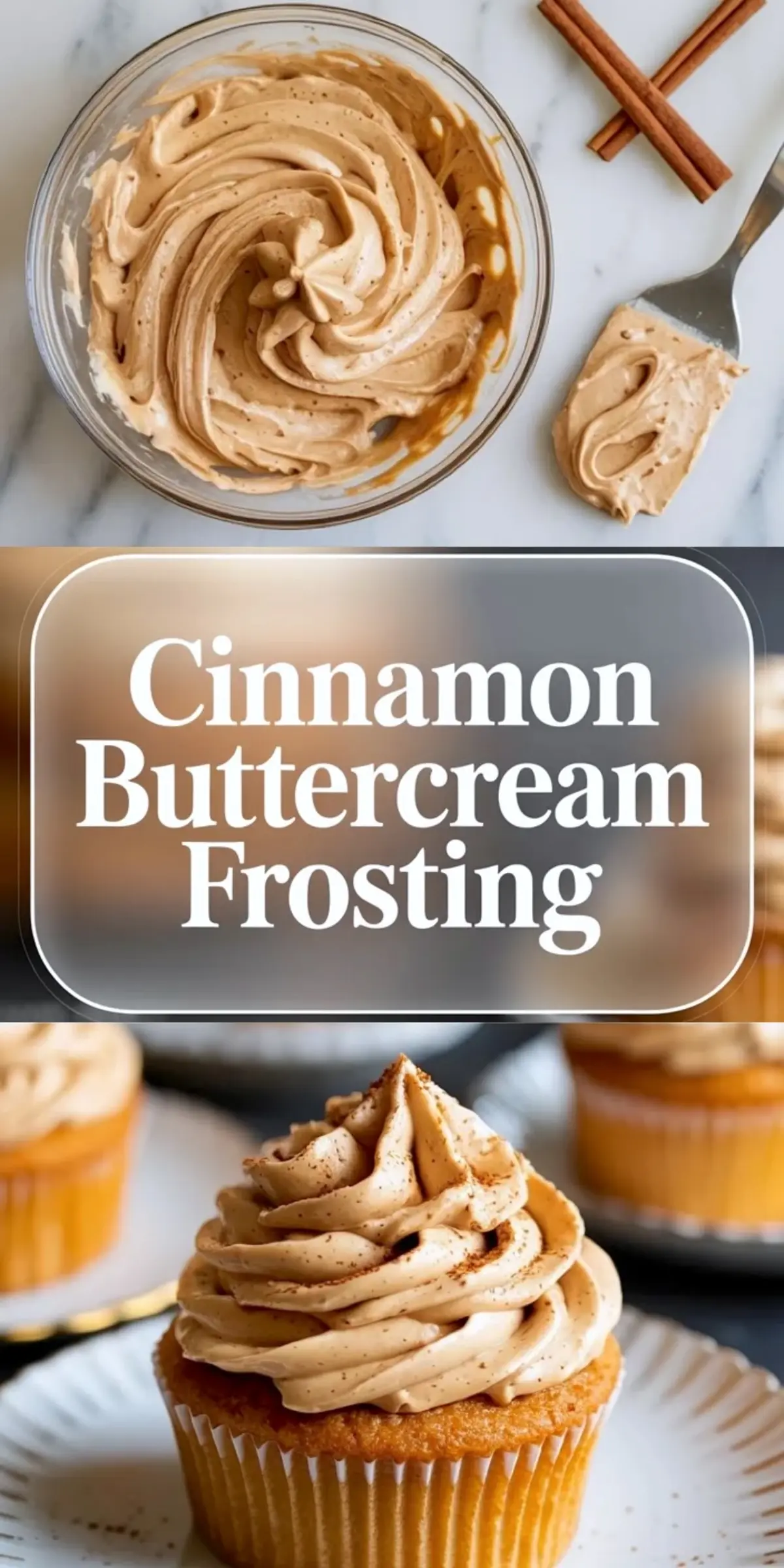
This cinnamon buttercream frosting is a fluffy American buttercream made with 1 cup softened butter, 4 cups powdered sugar, 2 teaspoons ground cinnamon, vanilla, and a splash of cream or milk. It takes about 30 minutes and makes about 3 cups, enough to frost 12 cupcakes or one 8 inch layer cake.
The trick is the butter. Beat it alone for 3 to 4 minutes until it turns pale before any sugar goes in, and the frosting comes out light and smooth instead of dense. The cinnamon then has a soft base to sit in, so it tastes warm rather than dusty.
Following a special diet?
Every recipe on this site can be converted to gluten-free, vegan, dairy-free, keto, nut-free or egg-free with adjusted ratios so nothing falls flat.
Try the Recipe Converter →How Much Cinnamon Goes in Buttercream
Use 2 teaspoons of ground cinnamon for every 1 cup of butter and 4 cups of powdered sugar. That gives a clear cinnamon flavor that still tastes like buttercream, with a light tan color and tiny brown flecks.
For a stronger spice, go up to 1 tablespoon. Stop there, though. Past that, ground cinnamon starts to feel dusty on the tongue and turns a little bitter. Taste after the frosting has rested for 10 to 15 minutes, because the spice gets stronger as it sits in the butter. Vanilla and the pinch of salt matter here too. They round off the sharp edge of the cinnamon, so do not leave them out.
The tablespoon of brown sugar is optional. It pushes the flavor toward cinnamon roll filling, with a faint caramel note. If you like that direction, the cookie butter frosting goes even further with spiced cookie flavor.
Cassia or Ceylon: Picking the Cinnamon
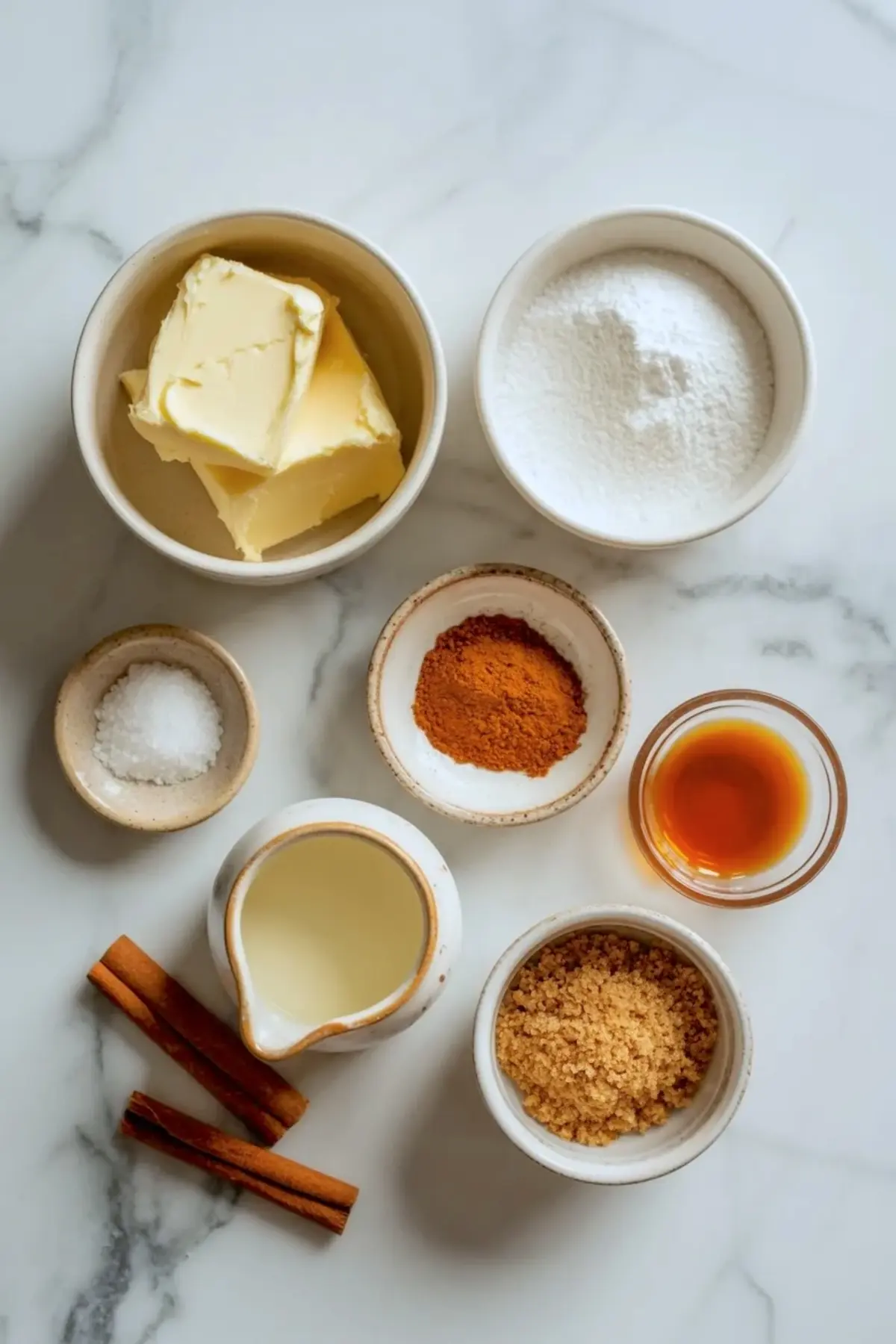
Most supermarket ground cinnamon is cassia. It is bold, spicy, and a little hot, and the 2 teaspoons in this recipe are measured for it. Ceylon cinnamon is softer and more floral. If that is what you have, use about 3 teaspoons for the same warmth.
Freshness shows quickly in a frosting this simple. Smell it first. Rub a pinch between your fingers, and fresh cinnamon smells sweet and sharp right away. If you have to search for the scent, the jar is old and the frosting will taste flat no matter how much you add. Cinnamon sticks do not work here, because there is no liquid to infuse.
Beating the Butter Pale Before the Sugar
Softened butter for buttercream should dent easily when you press it, but it should not look shiny or greasy. Around 65 to 68°F is right. Butter that is too cold leaves small lumps, and butter that is too warm gives a soft, slumping frosting that will not hold a swirl.
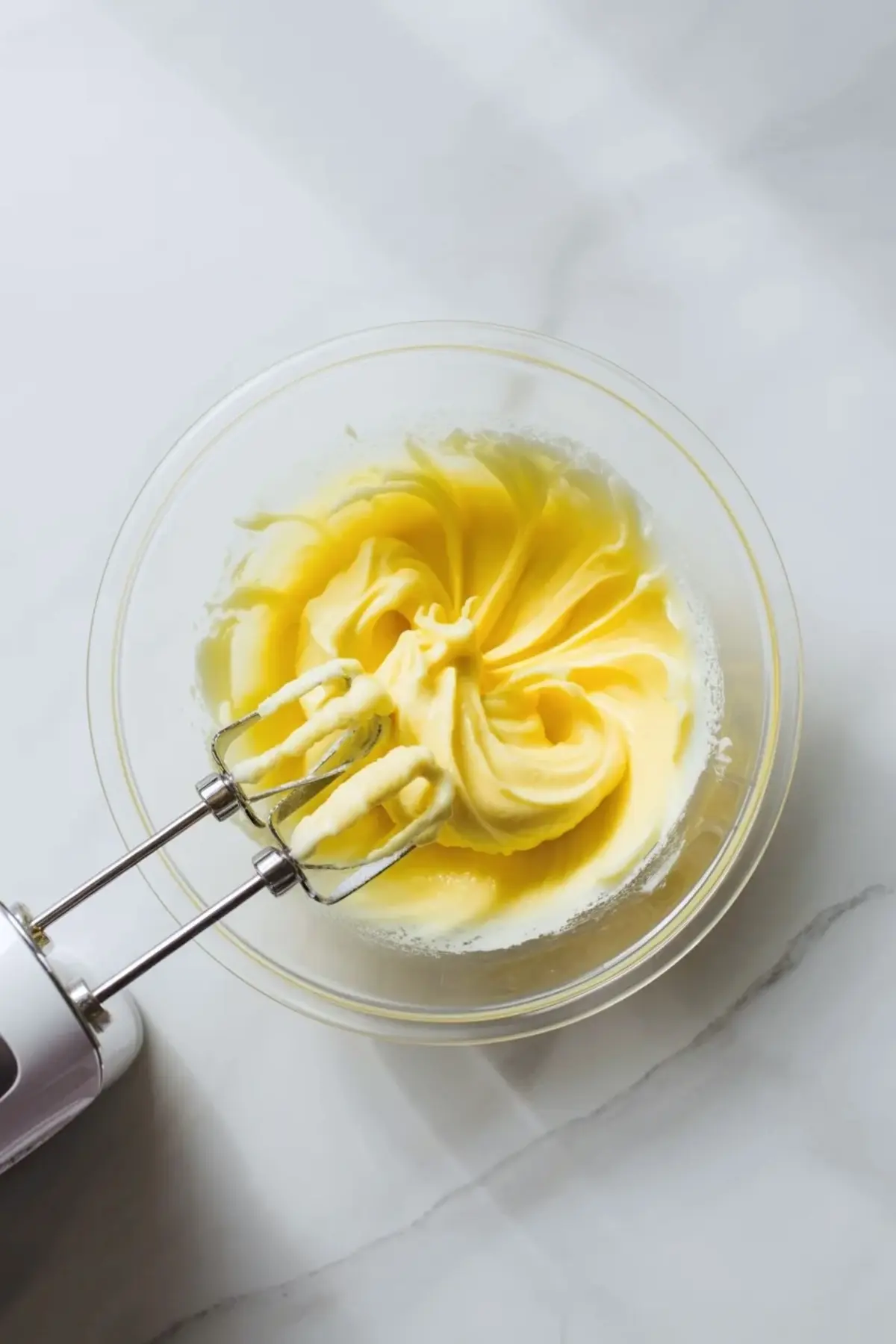
Do not rush this part. Beat the butter on medium speed for 3 to 4 minutes. It changes from yellow to almost ivory and looks fluffy and creamy. Then add the powdered sugar one cup at a time on low speed, so it does not cloud out of the bowl, and scrape the sides between additions. Once the sugar is in, add the cinnamon, vanilla, brown sugar if using, and salt, and mix until the color is even.
Piping Swirls or Spreading on a Layer Cake
Add the heavy cream or milk 1 tablespoon at a time with the mixer running. Two tablespoons usually give a stiff frosting for piping, where a swirl keeps its ridges and the beaters leave sharp lines. The third tablespoon relaxes it for spreading on a cake, so it glides over the crumb without tearing it. Finish with 2 to 3 minutes on medium high speed until it looks light and airy.
Heavy cream gives a richer frosting that holds piped shapes a little better. Milk works fine. It just thins the frosting faster, so add it in smaller splashes. If you go too far, beat in powdered sugar 2 tablespoons at a time.
When Cinnamon Frosting Turns Gritty, Soupy or Dusty
- Gritty or sandy: the brown sugar crystals have not softened, since buttercream has almost no water to dissolve them. Beat in 1 teaspoon more cream and mix for another minute. Next time, press the brown sugar through a sieve before adding it.
- Soupy or slumping: the butter was too warm or the kitchen is hot. Chill the bowl for 15 to 20 minutes, then beat again until fluffy.
- Too stiff to spread: add cream 1 teaspoon at a time. Cold frosting from the fridge also looks stiff, so let it warm up before changing anything.
- Dusty or bitter: too much cinnamon or old spice. Beat in a few tablespoons of softened butter and a little vanilla to soften it.
- Too sweet: add another pinch of salt. It cuts the sweetness without making the frosting taste salty.
Cinnamon Buttercream, Cinnamon Butter, or Cinnamon Cream Cheese Frosting?
These three get mixed up. They do different jobs. Cinnamon buttercream is this recipe: mostly powdered sugar beaten into butter, stiff enough to pipe, and fine at cool room temperature for a day once the cake is frosted.
Cinnamon butter is a spread for toast, rolls, and sweet potatoes. It is butter whipped with a little powdered sugar, honey, and cinnamon, far less sweet, and it is not meant to frost a cake.
Cream cheese versions, like this cream cheese frosting for cinnamon rolls, taste tangier and softer and need the fridge. For thin icing that melts into warm rolls, use cinnamon roll frosting instead.
Fall Cakes and Cupcakes That Suit Cinnamon Frosting
Cinnamon buttercream shines on cakes where the spice is not buried under chocolate. It suits a cinnamon cake, apple cake, pumpkin cupcakes, and snickerdoodle cupcakes. It is also very good on a banana cake, where cinnamon and banana do the work together.
Coffee cupcakes take it well too. Coffee and cinnamon support each other instead of fighting for attention. For a plain base that lets the frosting carry the flavor, use a moist vanilla cake.
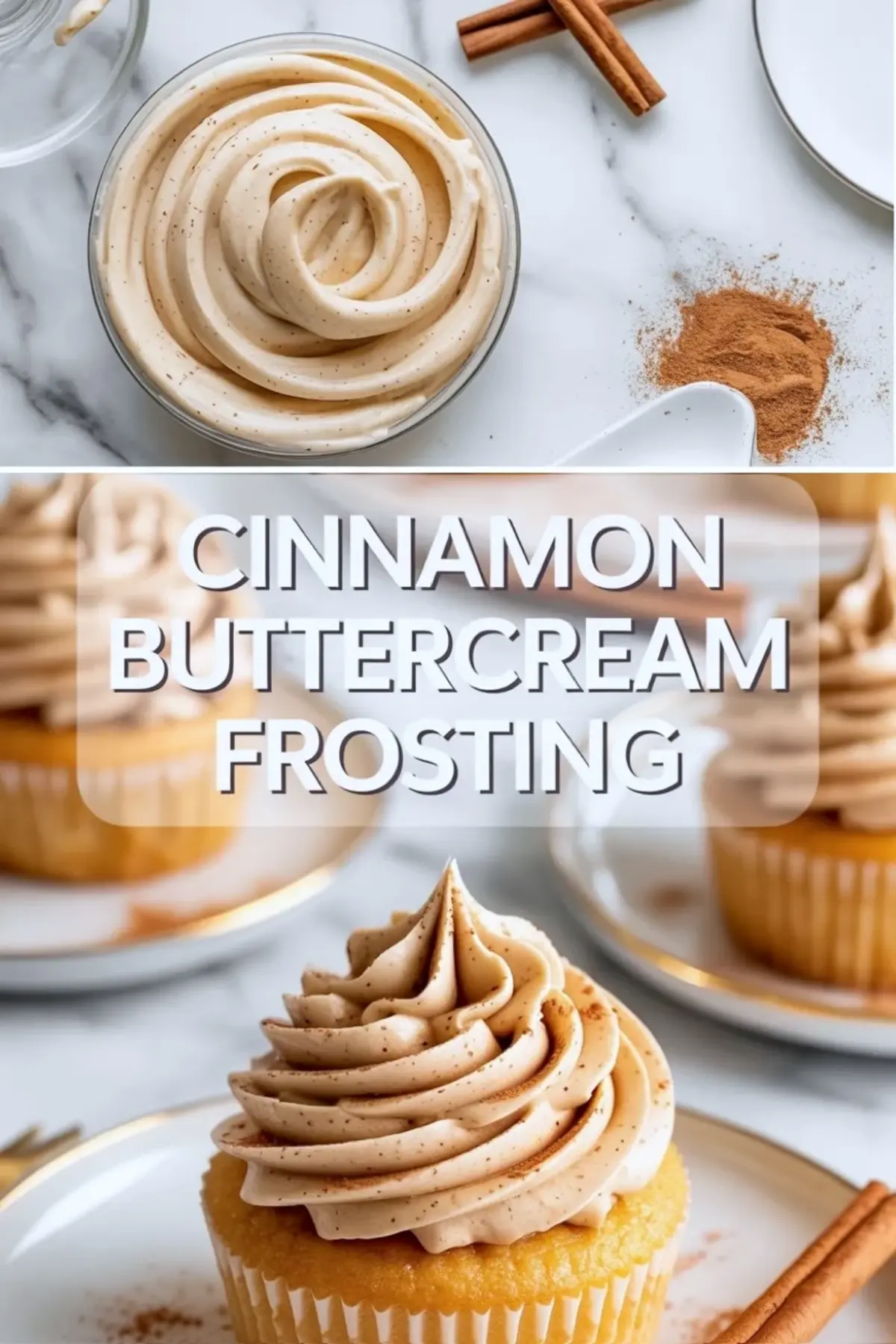
Making It Ahead and Rewhipping From Cold
Store the frosting in an airtight container in the fridge for up to 5 days, or freeze it for up to 3 months and thaw it overnight in the fridge. Cold buttercream looks hard and sometimes a little broken. That is normal. Leave it on the counter at room temperature for an hour or so, then rewhip for a minute or two until it is fluffy again. Add cream only if it is still stiff after rewhipping.
Frosted cupcakes keep at cool room temperature for a day, covered. In a warm kitchen, keep them in the fridge and take them out 30 minutes before serving so the frosting softens.
Cinnamon Frosting Questions From Bakers
How much frosting does this recipe make?
About 3 cups. That frosts 12 cupcakes with a generous swirl or one 8 inch layer cake.
Can I use milk instead of heavy cream?
Yes. Use whole milk and add it in small splashes, because milk thins the frosting faster than cream.
Can I add pumpkin pie spice?
Yes. Swap 1 teaspoon of the cinnamon for pumpkin pie spice for a warmer, more autumn flavor.
Does cinnamon buttercream crust?
It forms a thin, dry skin after a few hours in the air, like most American buttercream. Underneath it stays soft.
Cinnamon Buttercream Frosting
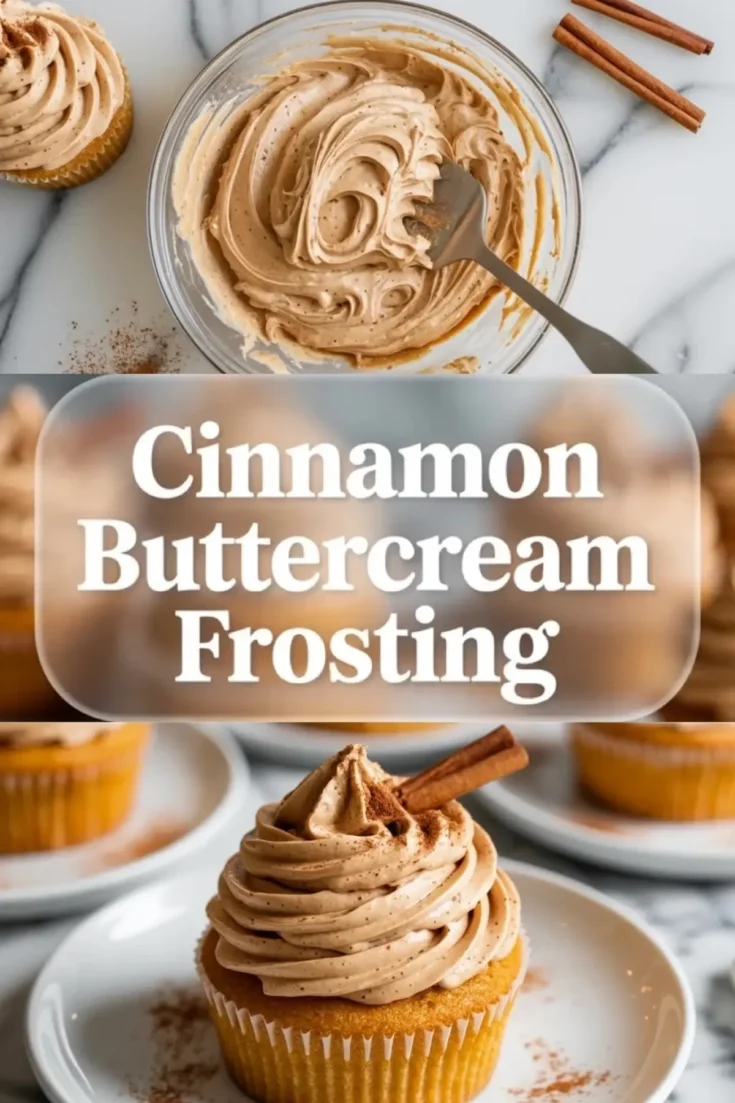
This cinnamon buttercream frosting is a fluffy American buttercream made with softened butter, powdered sugar, ground cinnamon, vanilla, and a splash of cream or milk. It takes about 30 minutes and makes about 3 cups, enough to frost 12 cupcakes or one 8 inch layer cake, with a soft, pipeable texture and a warm tan color. The butter is beaten pale for 3 to 4 minutes before the sugar goes in, so the cinnamon frosting stays light instead of dense or chalky. Use it on spice cake, apple cake, pumpkin cupcakes, banana cake, coffee cupcakes, or a cinnamon cake. Add the brown sugar for a cinnamon roll flavor, and keep leftovers in the fridge for 5 days or the freezer for 3 months.
Ingredients
- 1 cup unsalted butter, softened
- 4 cups powdered sugar
- 2 teaspoons ground cinnamon
- 1 teaspoon vanilla extract
- 2–3 tablespoons heavy cream or milk
- 1 tablespoon brown sugar (optional)
- Pinch of salt
Instructions
STEP 1: BEAT THE BUTTER: Place the softened butter into a large mixing bowl. Beat with an electric mixer on medium speed for 3–4 minutes until the butter becomes pale, creamy, and fluffy. Properly whipped butter helps create a light and smooth frosting texture.
STEP 2: ADD THE POWDERED SUGAR: Add the powdered sugar gradually, one cup at a time, mixing on low speed after each addition to prevent the sugar from spilling out of the bowl. Once fully combined, increase the mixer speed and continue beating until the frosting looks smooth and creamy.
STEP 3: MIX IN THE FLAVORINGS: Add the ground cinnamon, vanilla extract, brown sugar if using, and a pinch of salt. Beat until all ingredients are evenly combined and the frosting develops a warm cinnamon aroma.
STEP 4: ADJUST THE CONSISTENCY: Pour in the heavy cream or milk one tablespoon at a time while mixing. Continue adding liquid until the frosting reaches your preferred texture. Use a slightly softer consistency for spreading on cakes or a thicker consistency for piping onto cupcakes.
STEP 5: WHIP UNTIL FLUFFY: Beat the frosting on medium-high speed for an additional 2–3 minutes until light, airy, and fluffy. This final mixing step creates a bakery-style texture that pipes and spreads beautifully.
Notes
Use butter that dents easily but is not greasy, around 65 to 68°F; warm butter makes soupy frosting.
Two tablespoons of cream give a stiff piping frosting, three make it soft enough to spread on a cake.
Supermarket cinnamon is usually cassia. If you use milder Ceylon cinnamon, add about 1 extra teaspoon. Taste after 10 minutes of resting before adding more, as the flavor grows.
If brown sugar leaves the frosting gritty, beat in 1 teaspoon more cream and mix another minute.
Store leftover frosting in an airtight container in the refrigerator for up to 5 days or freeze for up to 3 months. Bring it to room temperature and re-whip before using.
