
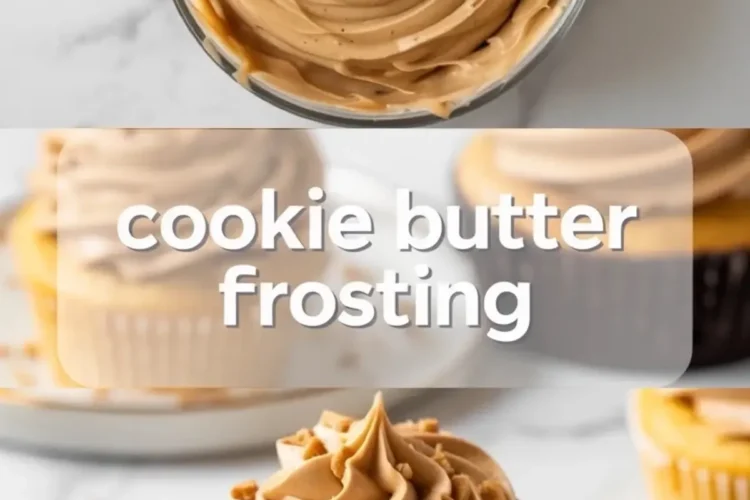
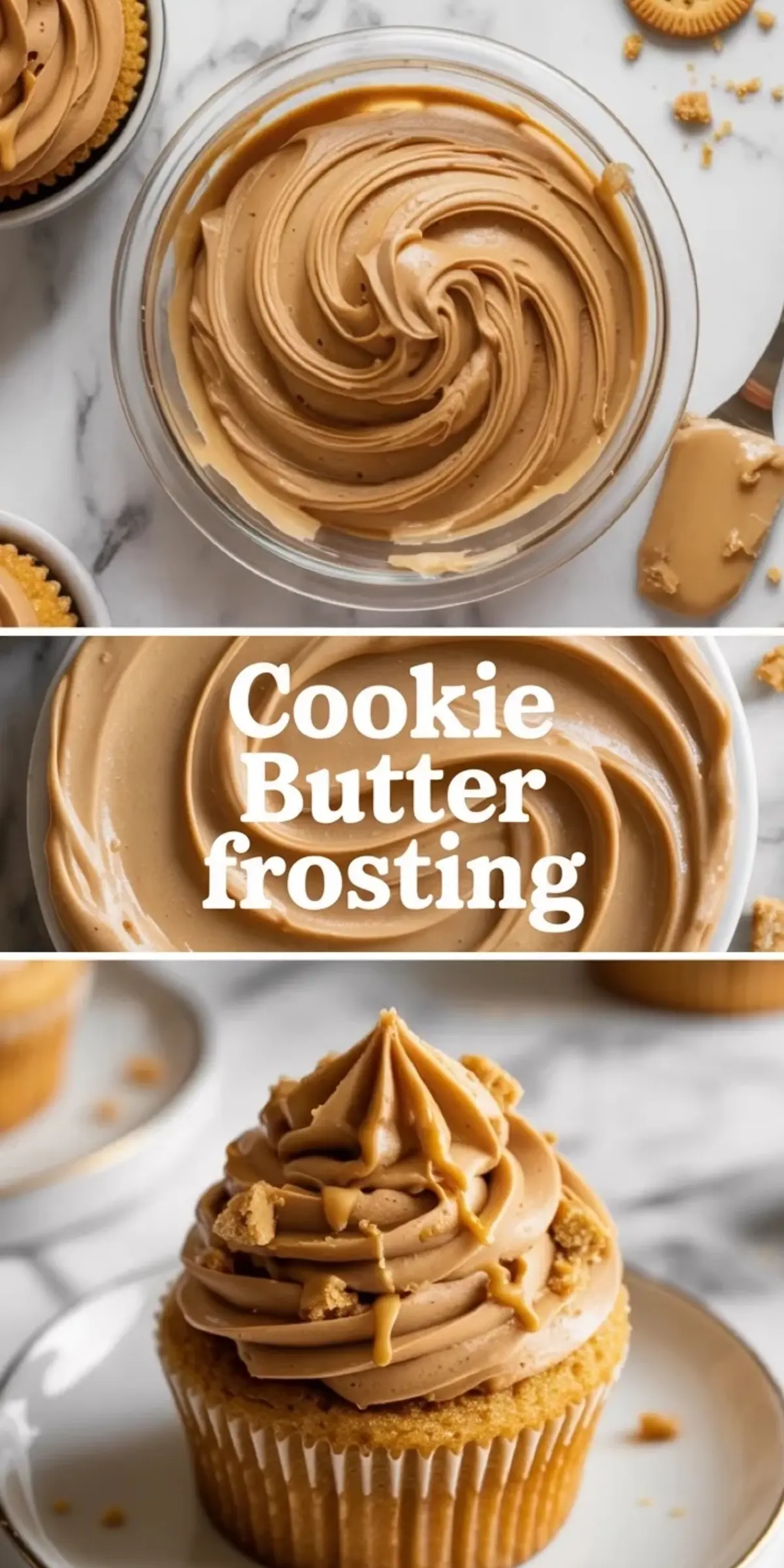
This cookie butter frosting is one of the easiest ways to give a cake or cupcake a deeper, warmer flavor without making the decorating process any harder. It blends butter with cookie butter spread, powdered sugar, vanilla, and cream to create a fluffy frosting that tastes rich, spiced, and caramel like while still feeling smooth enough to spread or pipe neatly. If you want a frosting that lands somewhere between classic vanilla buttercream and a more distinctive bakery flavor, this is a very good one to keep around.
It is especially useful when you want something a little more memorable than plain buttercream but do not want to build a complicated filling or cooked frosting. Cookie butter frosting works beautifully on cupcakes, snack cakes, layer cakes, brownies, and sandwich cookies, and it pairs well with vanilla, chocolate, spice, and coffee flavored bakes. If you already love the flavor of homemade Biscoff cookie butter, this frosting is a natural next step.
Following a special diet?
Every recipe on this site can be converted to gluten-free, vegan, dairy-free, keto, nut-free or egg-free with adjusted ratios so nothing falls flat.
Try the Recipe Converter →Why Cookie Butter Makes Frosting Taste So Good
Cookie butter brings more than sweetness. It adds a toasted cookie flavor with hints of spice and caramel that makes the frosting taste fuller than plain vanilla buttercream. That is why cookie butter frosting can feel special even when the method stays very simple. You get depth without needing melted chocolate, browned butter, or extra flavor extracts.
It also changes the texture in a useful way. Because the spread is already smooth and creamy, it blends into softened butter easily and helps create a frosting that feels silky rather than stiff. The result is a Biscoff buttercream frosting that spreads cleanly, pipes well, and stays soft enough to bite through on cupcakes and cookies.
The Ingredients That Matter Most
Softened butter gives the frosting its body, so beating it until pale and fluffy is worth the time. That first step creates the light base that helps the finished frosting feel airy instead of dense. Cookie butter spread brings the signature flavor, and a smooth spread will usually give you the sleekest finish, though a crunchy version can work if you want a little texture.
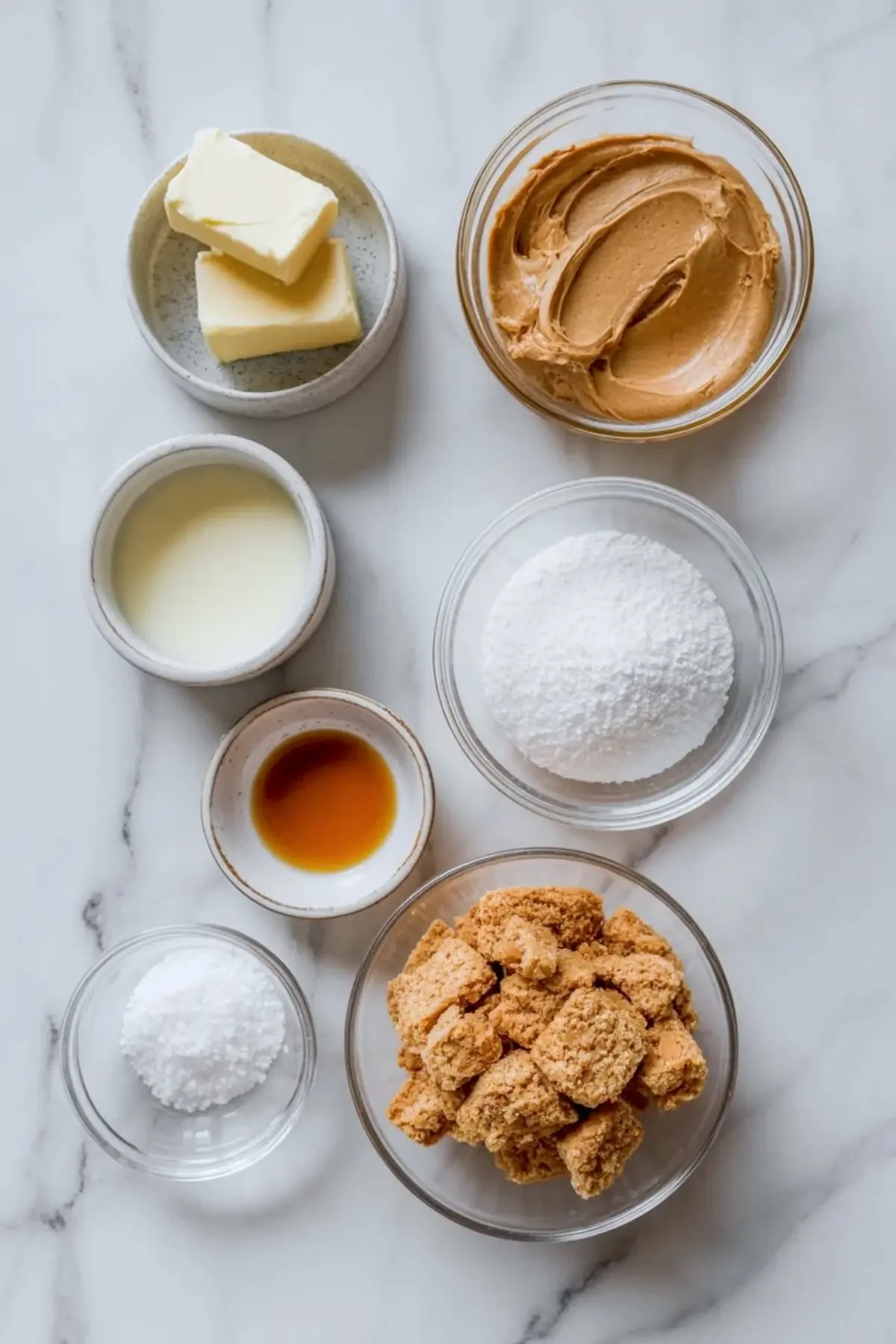
Powdered sugar sweetens and firms the frosting, while vanilla rounds out the spiced cookie notes. A small amount of cream or milk loosens the mixture just enough to make it spreadable and easy to pipe. Salt matters too because it keeps the sweetness from feeling flat. If you like rich flavored buttercreams, Nutella buttercream frosting is another strong one to save.
How To Keep The Texture Fluffy Instead Of Heavy
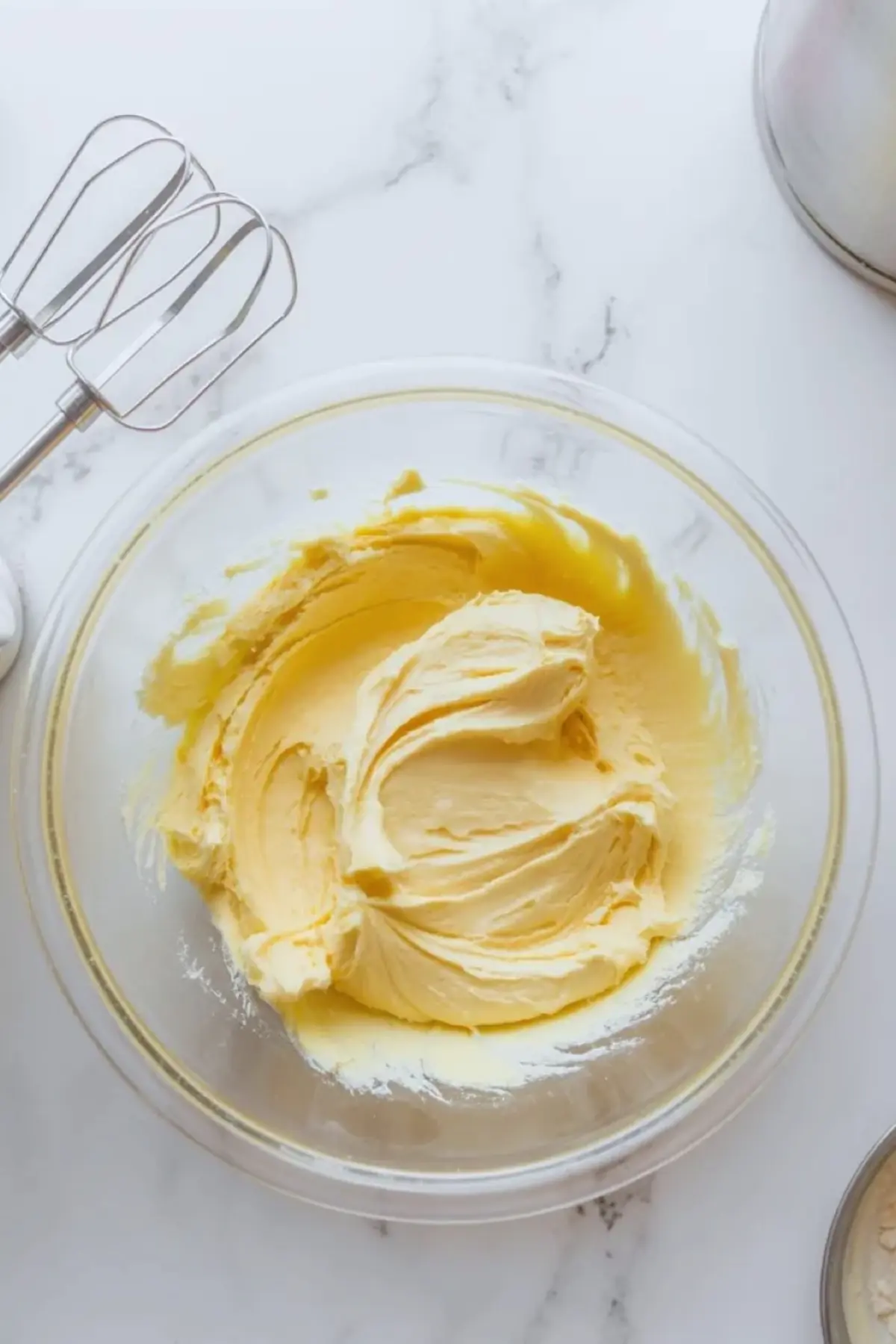
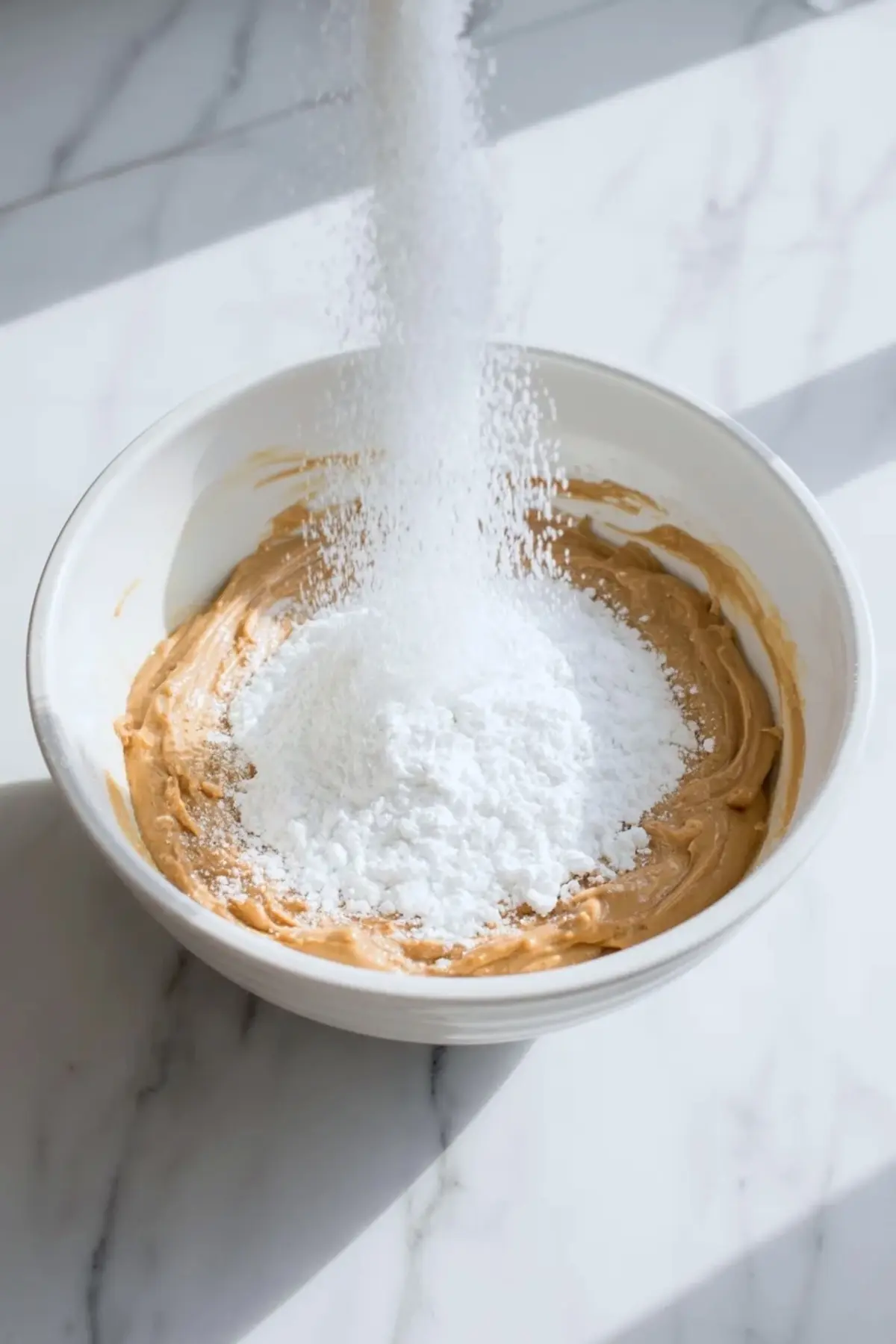
The easiest way to keep this cookie butter buttercream frosting light is to whip the butter first before anything else goes in. Once the butter looks pale and soft, beat in the cookie butter until the mixture looks fully smooth and evenly colored. From there, add the powdered sugar gradually so the frosting stays controlled instead of turning dense all at once.
After the sugar is in, finish with the vanilla, salt, and cream, then beat again until the frosting turns silky and spreadable. This last mixing stage matters because it pulls everything together and gives the frosting the airy texture people usually want from Biscoff frosting for cupcakes and cakes. If it still feels too firm, add a small splash of cream. If it feels too loose, another spoonful of powdered sugar will usually bring it back.
Best Cakes And Cupcakes To Pair With It
Cookie butter frosting for cake works best when the cake underneath is simple enough to let the frosting stand out. Vanilla cake, chocolate cake, spice cake, brown sugar cake, and espresso flavored bakes all make sense here because they support the warm cookie flavor rather than fighting it. This frosting is also a good match for brownies or sandwich cookies when you want a thicker, richer finish.
For cupcakes, the frosting pipes nicely and holds swirls well, which makes it useful for birthday bakes, snack trays, and casual party desserts. If you want a good cake pairing idea, try it with something smoky sweet like maple bacon cupcakes for a more playful contrast, or keep it simple with vanilla cupcakes and crushed cookie crumbs on top.
Small Adjustments That Change The Finish
If you want a softer frosting for a sheet cake or snack cake, add the extra tablespoon of cream mentioned in the recipe. For a firmer frosting that holds sharper piping, start with less cream and beat until smooth before deciding if it needs more. You can also use crunchy cookie butter spread if you want a little texture, though the finish will not be quite as smooth for detailed piping.
For garnish, crushed Biscoff cookies are the obvious choice, but a light dusting of cinnamon or fine cookie crumbs also works well. If you are building a cookie themed dessert board, this frosting sits nicely beside treats like soft homemade Biscoff cookies because the flavors feel connected without becoming repetitive.
Common Problems And How To Fix Them
If the frosting looks too stiff, it usually just needs a little more cream and a bit more beating time. If it looks too loose, the butter may have been too warm or too much liquid was added too quickly. In that case, a short chill or a little more powdered sugar will help. Graininess usually means the sugar was added too fast or not beaten in long enough.
If the cookie butter flavor feels weaker than expected, use a more generous spoonful of spread on the next batch or top the finished cake with crushed Biscoff cookies to reinforce the flavor. Because this frosting is sweet by design, salt is also important. Even a small pinch helps keep the final result balanced instead of one note.
Storage And Make Ahead Tips
You can keep leftover cookie butter frosting in an airtight container in the refrigerator for several days. When you are ready to use it again, let it come back toward room temperature first, then re whip it so it turns smooth and fluffy again. That extra quick mix makes a real difference and helps restore the softer texture you want for spreading and piping.
If you are making it ahead for cupcakes or a cake, you can also frost the dessert and chill it briefly to help the swirls set. Just give the finished bake a little time at room temperature before serving so the frosting softens back up. The flavor tends to settle in nicely after a few hours, which makes this a practical make ahead option.
Save This Biscoff Frosting For Your Next Cake
Save this cookie butter frosting recipe for the next time you want a buttercream that feels easy to make but tastes more distinctive than the usual vanilla version. It is fluffy, creamy, and packed with warm cookie flavor that works on cupcakes, cakes, brownies, and cookies alike. If you make it, save it to Pinterest and come back with questions or a note about what you paired it with.
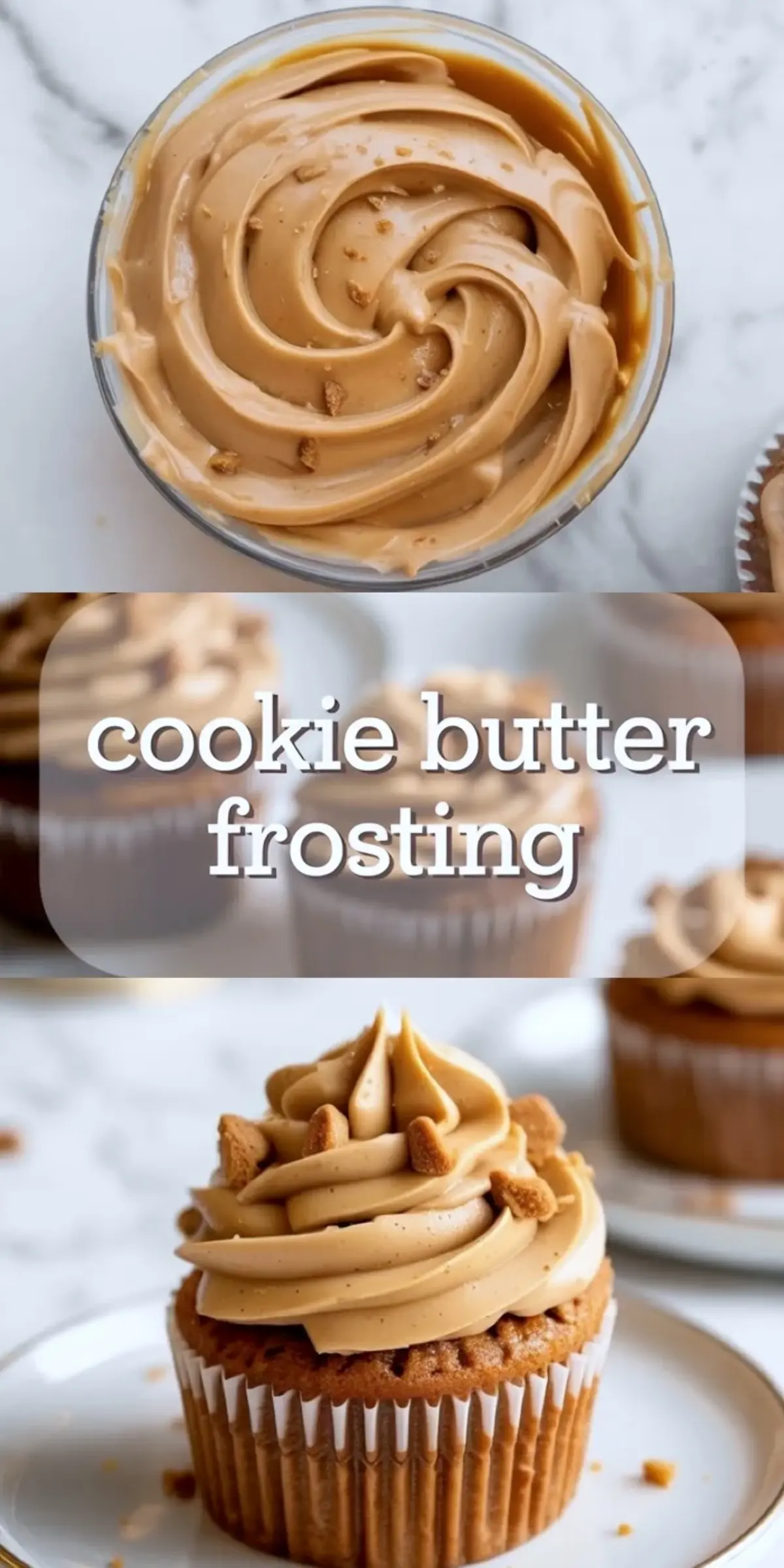
Cookie Butter Frosting Recipe
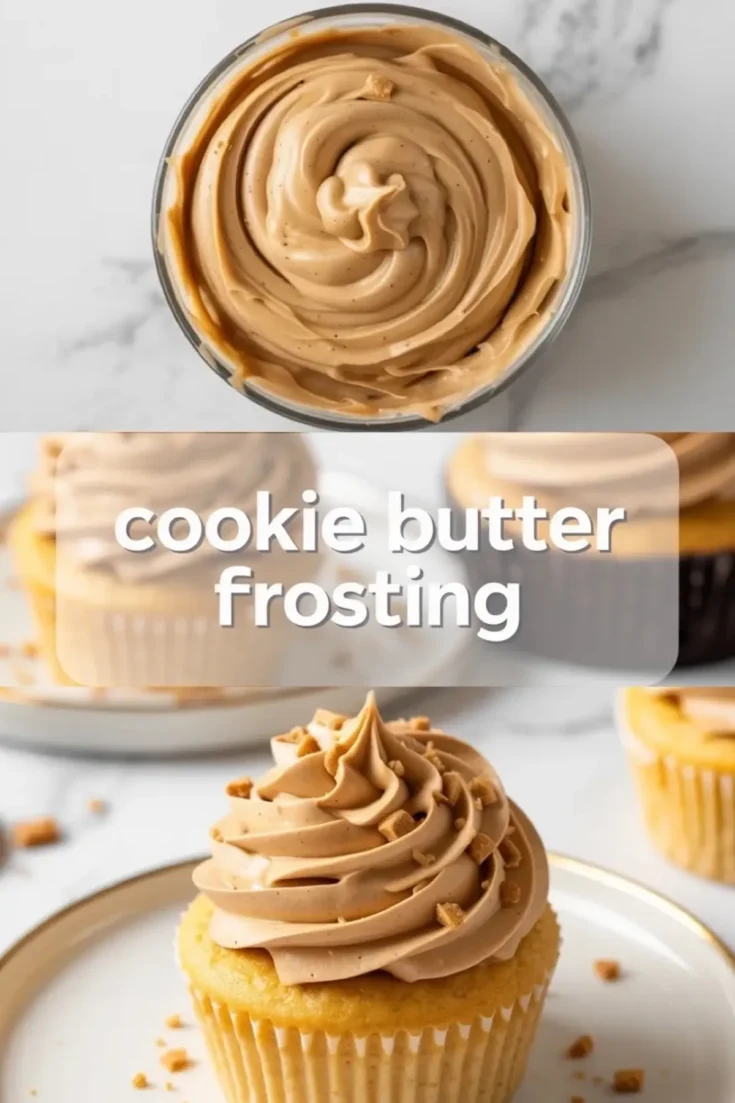
This cookie butter frosting turns Biscoff spread, butter, powdered sugar, vanilla, and a little cream into a fluffy buttercream with warm spiced cookie flavor and a smooth, pipeable texture. It is rich, creamy, and easy to spread on layer cakes, cupcakes, brownies, and sandwich cookies, while still holding its shape well for swirls, borders, and simple decorating. If you have been looking for a cookie butter frosting recipe, Biscoff frosting recipe, or cookie butter icing that tastes cozy without being hard to make, this one gives you deep cookie flavor, soft structure, and enough stability for both casual cakes and more polished birthday and party bakes.
Ingredients
- 1 cup unsalted butter, softened
- 1 cup creamy cookie butter spread
- 3 cups powdered sugar
- 2–3 tablespoons heavy cream or milk
- 1 teaspoon vanilla extract
- 1/4 teaspoon salt
- Optional toppings:
- Crushed Biscoff cookies
- Cookie crumbs
- Ground cinnamon
Instructions
BEAT THE BUTTER: Place the softened butter into a large mixing bowl. Beat with a hand mixer or stand mixer for 2–3 minutes until the butter becomes light, pale, and fluffy. Scrape down the sides and bottom of the bowl halfway through mixing to ensure even texture.
ADD THE COOKIE BUTTER: Add the cookie butter spread to the whipped butter. Beat until fully combined and smooth. The frosting will develop a creamy texture and a light caramel color.
MIX IN THE POWDERED SUGAR: Add the powdered sugar one cup at a time while mixing on low speed. Once each addition is incorporated, increase the mixer speed slightly and continue beating until the frosting becomes fluffy and smooth.
ADD THE VANILLA AND CREAM: Pour in the vanilla extract, salt, and 2 tablespoons of heavy cream or milk. Beat for another 2 minutes until the frosting looks silky and spreadable. Add the remaining tablespoon of cream if a softer consistency is needed.
FROST THE DESSERTS: Spread or pipe the frosting onto completely cooled cupcakes, cakes, brownies, or cookies. Garnish with crushed Biscoff cookies, cookie crumbs, or a light dusting of cinnamon if desired.
Notes
Store leftover frosting in an airtight container in the refrigerator for up to 5 days. Allow the frosting to come to room temperature and re-whip before using for the smoothest texture.
For extra cookie flavor, use crunchy cookie butter spread instead of creamy.
This frosting pipes well with large star piping tips and holds its shape nicely for decorated cupcakes.
Nutrition Information
Yield
12Serving Size
1Amount Per Serving Calories 518Total Fat 26gSaturated Fat 11gUnsaturated Fat 14gCholesterol 44mgSodium 100mgCarbohydrates 72gFiber 0.2gSugar 65gProtein 0.8g
