
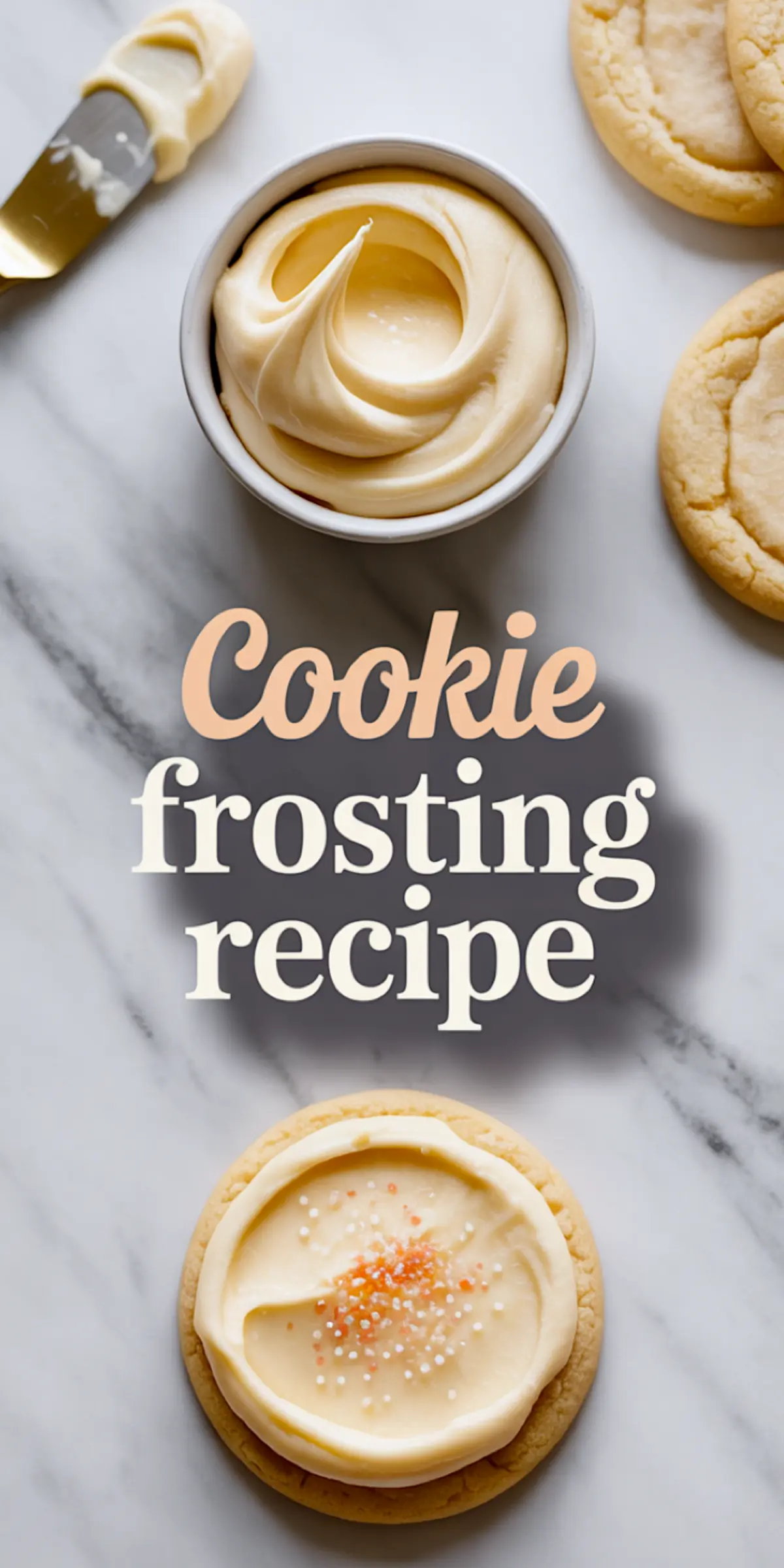
Cookie Frosting Recipe gives you a smooth, glossy finish that spreads easily and sets clean for decorated cookies. This Sugar Cookie Frosting Recipe works for piping, flooding, and simple spreading, and it answers every search for Frosting Recipes Easy For Cookies, Homemade Icing For Cookies, and a reliable Cookie Frosting Recipe Easy method.
The texture feels light and creamy, yet it holds shape with structure. That balance makes this one of my most used Frosting Recipes For Cookies, especially during holiday baking when details matter.
The ratio drives the structure. Two sticks of butter to four cups of powdered sugar creates stability without stiffness, and 2 to 4 tablespoons of cream adjusts texture with precision.
Butter carries flavor and body, powdered sugar builds volume, and cream loosens the mixture just enough for control. That balance keeps the frosting smooth and pipeable instead of dense or grainy, which often happens in rushed batches.
For a firmer finish that dries with a clean surface, I use my Sugar Cookie Icing That Hardens on detailed cutouts. This version stays softer, which I prefer for bite and mouthfeel.
What You Need
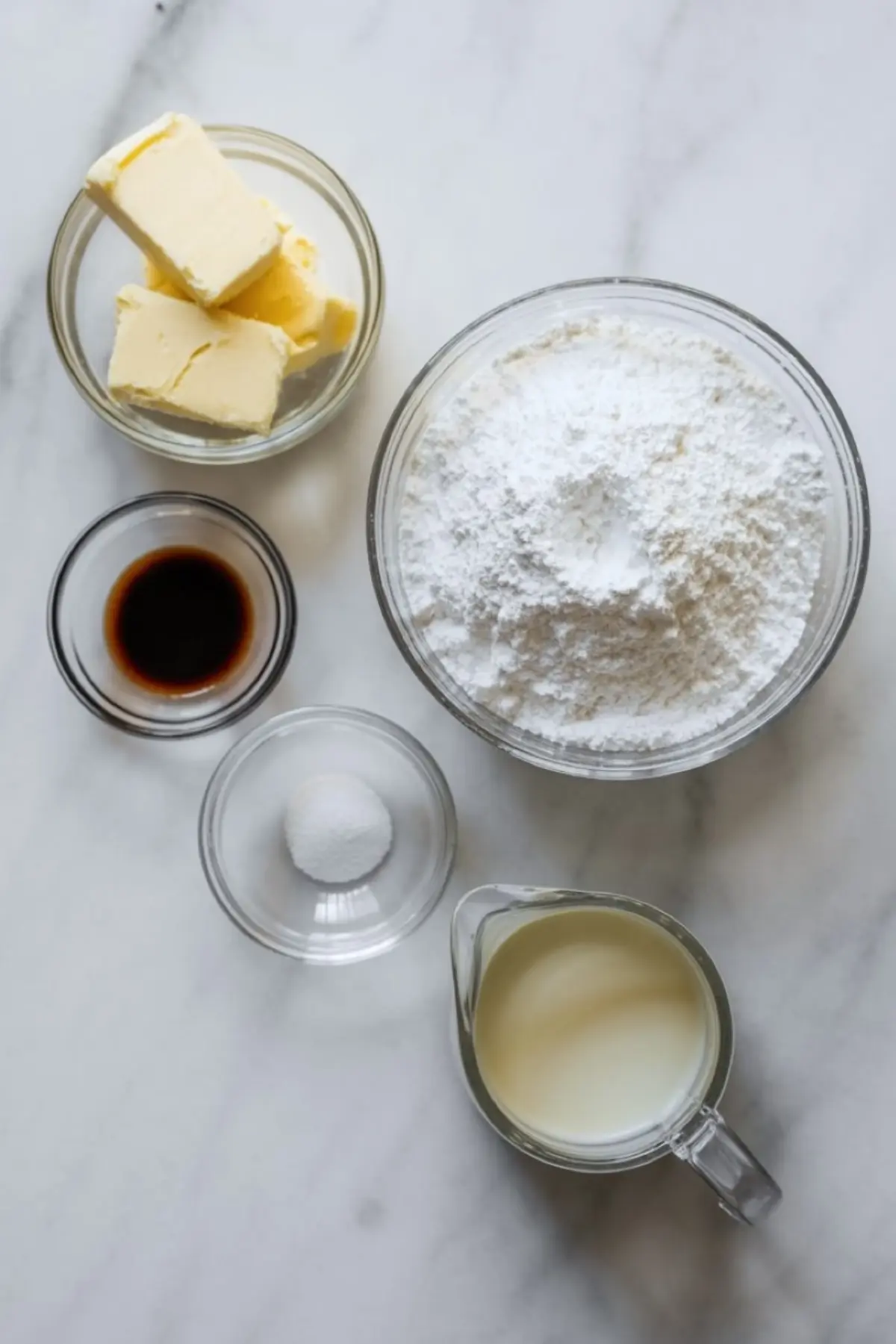
Unsalted butter forms the base, and I always choose real butter with a clean dairy scent. Butter with higher fat content whips smoother and tastes fuller, which matters in a simple Homemade Frosting For Cookies.
Powdered sugar must be sifted. Lumps show up instantly in pale frosting, and that small step prevents gritty texture.
Vanilla extract gives warmth, and almond extract adds a bakery note that feels familiar. I rotate between them depending on the cookie base, and sometimes I mix both for depth.
Heavy cream creates richness, and milk keeps it lighter. Cream builds structure faster, which helps if you plan to pipe borders or flowers.
Salt sharpens sweetness. A small pinch keeps the frosting from tasting flat.
Key Technique Spotlight
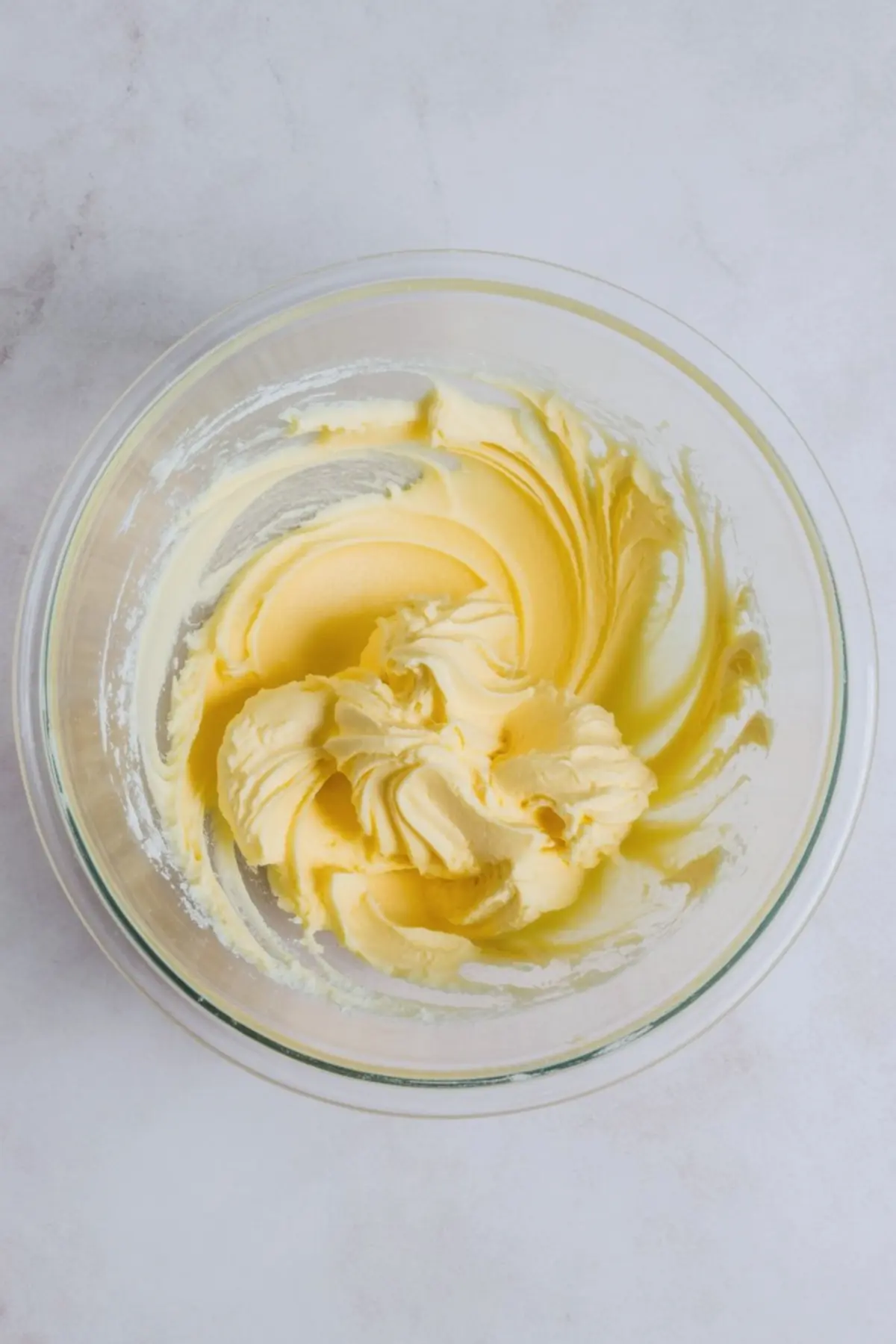
Softened butter sets the tone for everything. Butter that bends under gentle pressure blends smoothly, while cold butter leaves small lumps that no mixer can fully hide.
I beat the butter alone first for a full two minutes. That step traps air and gives the final frosting a lighter texture, which you feel immediately on the tongue.
If you need a thicker style for swirls, my sugar cookie frosting recipe shares a slightly denser approach. Both rely on proper creaming.
How To Make It
Beat the butter on medium speed until it turns pale and creamy. The color should lighten slightly, and the texture should look silky, not greasy.
Add powdered sugar one cup at a time on low speed. The mixture will look crumbly at first, then come together into a thick paste as the sugar blends in.
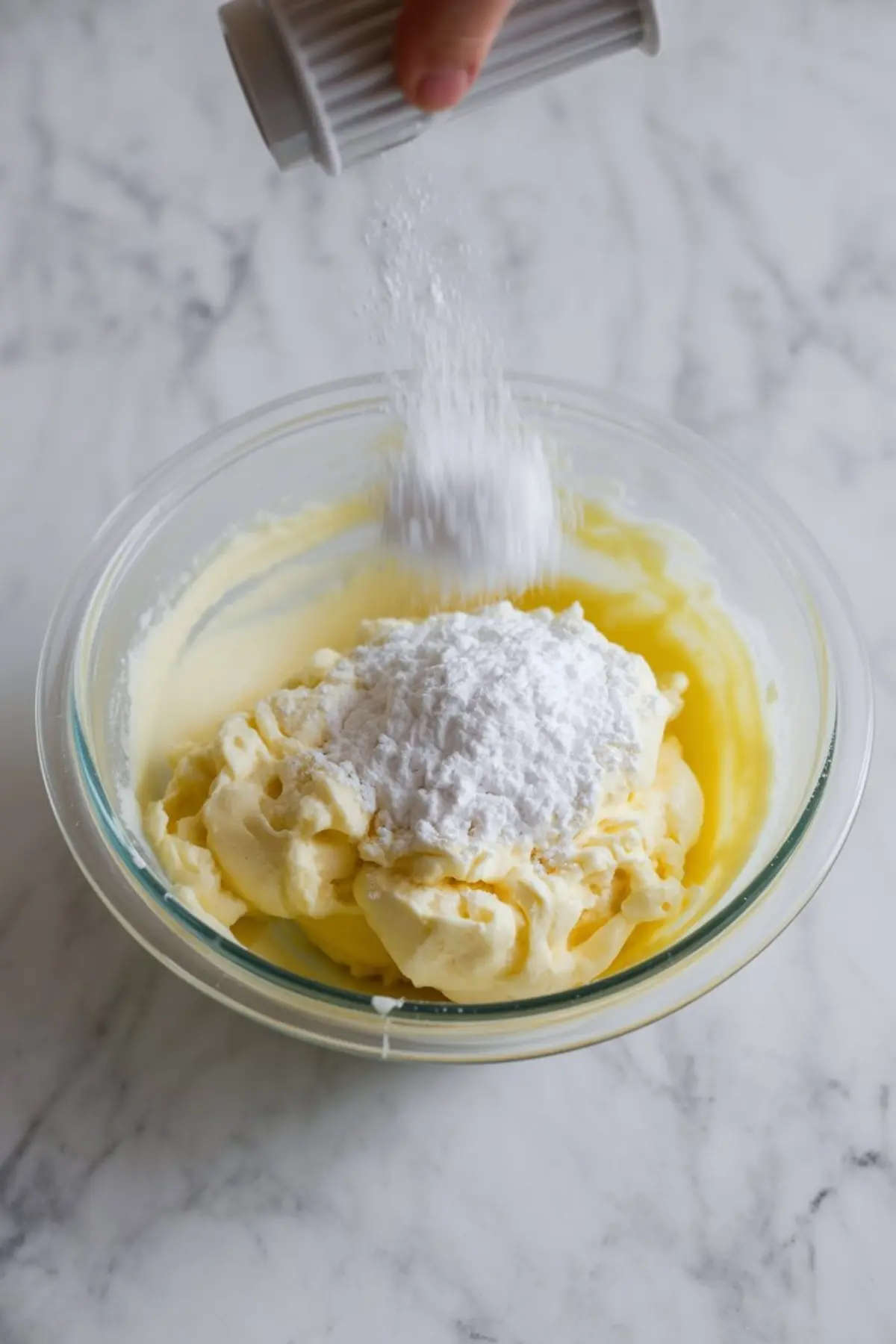
Mix in vanilla and salt once the sugar fully incorporates. The frosting will smell sweet and warm at this stage, which always signals that flavor has settled in.
Add cream one tablespoon at a time until the texture loosens. For piping, stop when the frosting holds peaks; for spreading, add a touch more liquid until it glides easily.
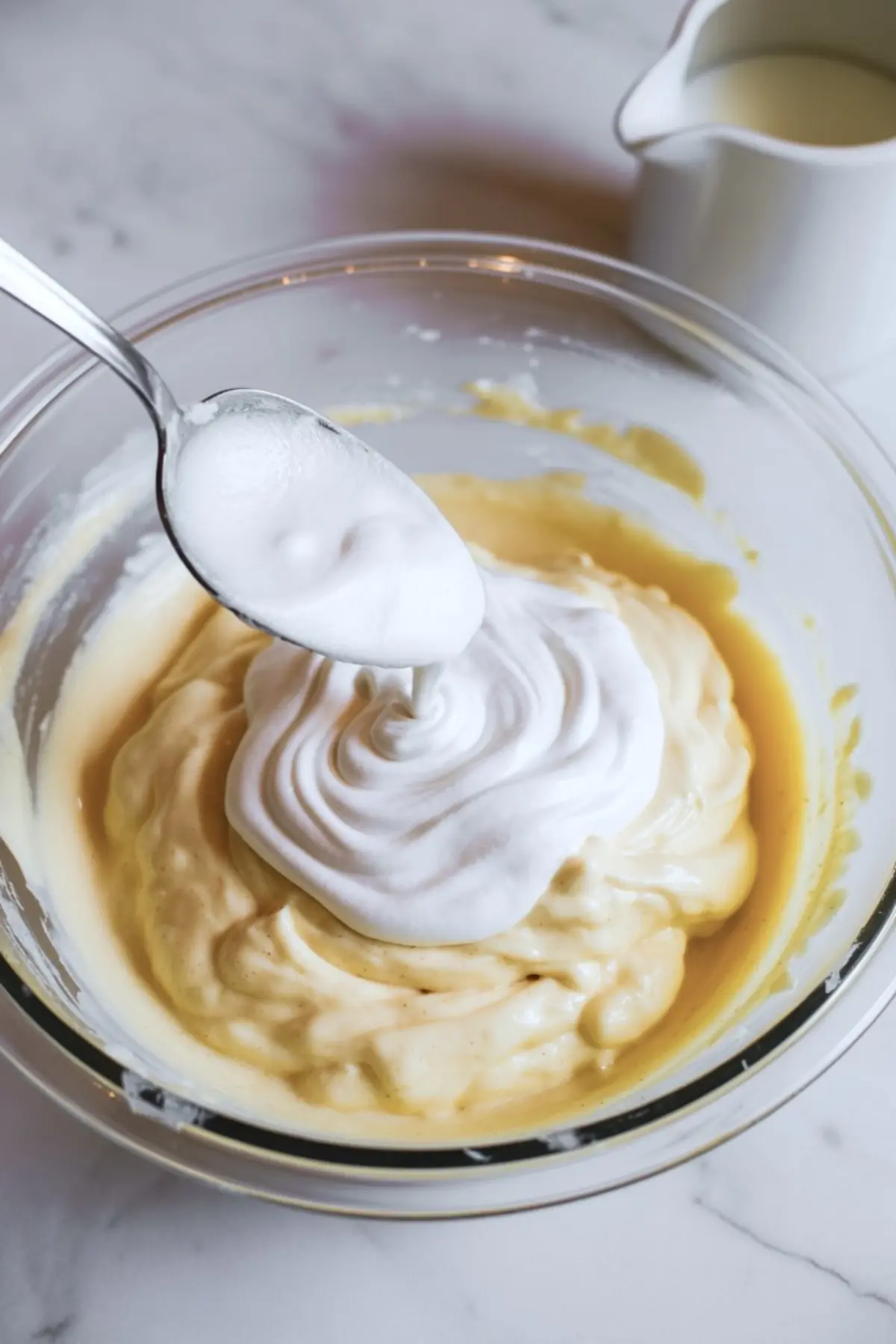
Whip on medium high for two to three minutes. The frosting should look fluffy and glossy.
How To Tell It Is Done
The frosting holds a soft peak that bends gently at the tip. It spreads without tearing the cookie surface.
Overmixed frosting can look airy but feel greasy. Undermixed frosting appears dull and heavy.
I trust texture over time. A spoon test tells you more than the clock.
Troubleshooting
If the frosting looks too thick, add cream in small drops and mix again. Thick frosting usually lacks enough liquid.
If it looks too loose, add sifted powdered sugar one tablespoon at a time. Extra liquid causes sliding edges.
If it feels gritty, the sugar likely was not sifted. Strain the frosting or rewhip with a small splash of cream.
For a different flavor profile, try a layer of cookie dough frosting on cupcakes instead. Texture changes completely, and it feels playful.
Ways To Change It
Swap almond extract for vanilla to create a classic bakery flavor. Add 1 teaspoon lemon zest for brightness in spring cookies.
Mix in cocoa powder for a chocolate version. Start with 2 tablespoons and adjust sugar to balance.
Stir in a spoonful of my Easy Bavarian Cream Recipe for a softer, custard style spread. That variation works beautifully between cookie layers.
Storage
Store the frosting in an airtight container at room temperature for one day. Refrigerate for up to five days.
Bring it to room temperature and rewhip briefly before using. Freezing works for up to two months in a sealed container.
Practical Tips
Use gel food coloring for bold shades without thinning the frosting. Liquid coloring changes texture quickly.
Scrape the bowl often. Even mixing prevents streaks.
Test consistency on a single cookie first. Small adjustments make a big difference.
How To Serve It
Spread it thick on sugar cookies for soft edges. Pipe borders on holiday cutouts.
Swirl it high on cupcakes. Use it as a filling between two thin cookies.
I often frost simple vanilla cookies and let the color carry the theme. Simple. Clean. Effective.
Save This Recipe
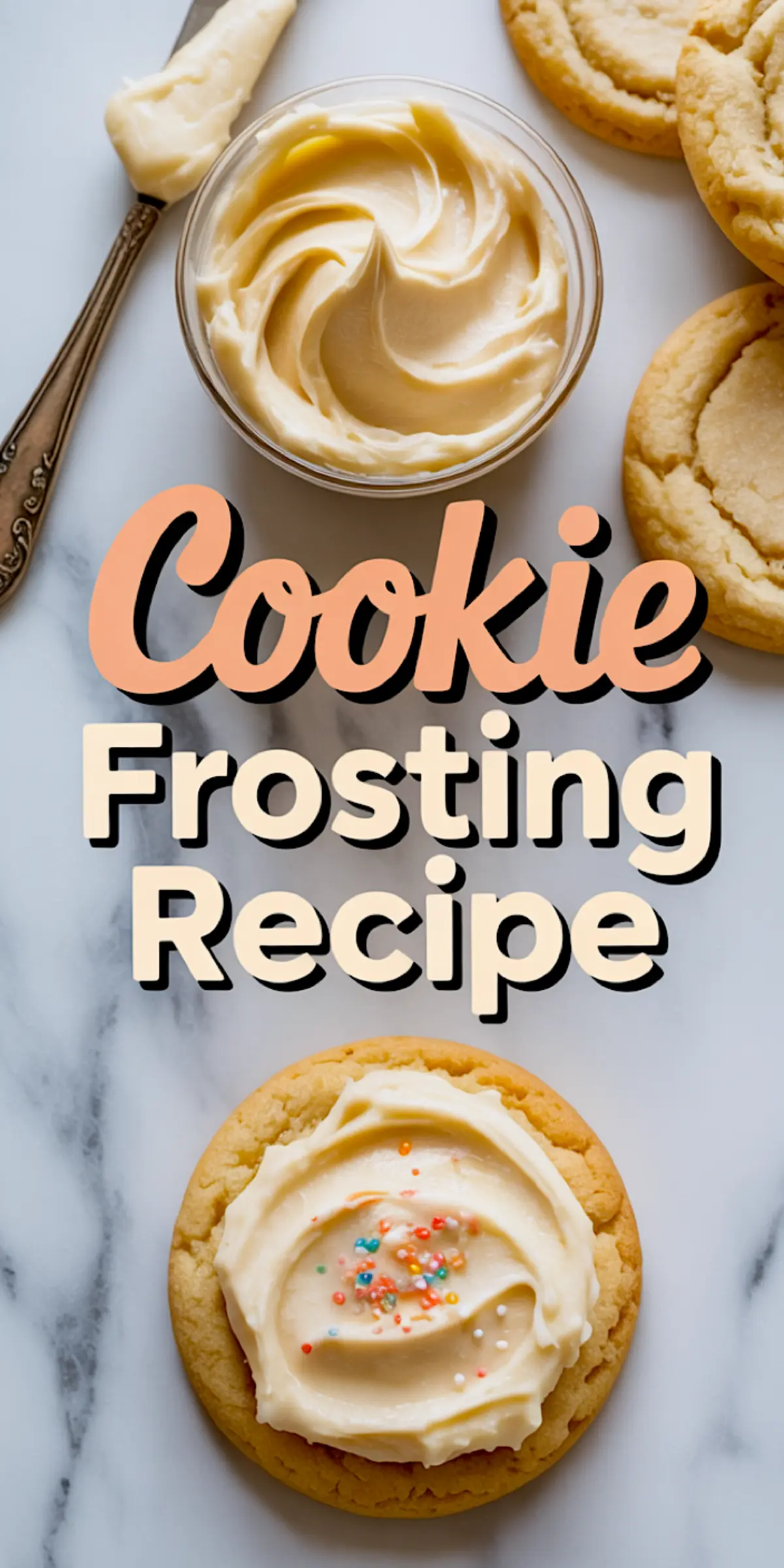
Save this Cookie Frosting Recipe to your baking board for easy access during holidays. Share in the comments how you flavored it or ask any question that comes up, I read them all and love hearing your variations.
Cookie Frosting Recipe
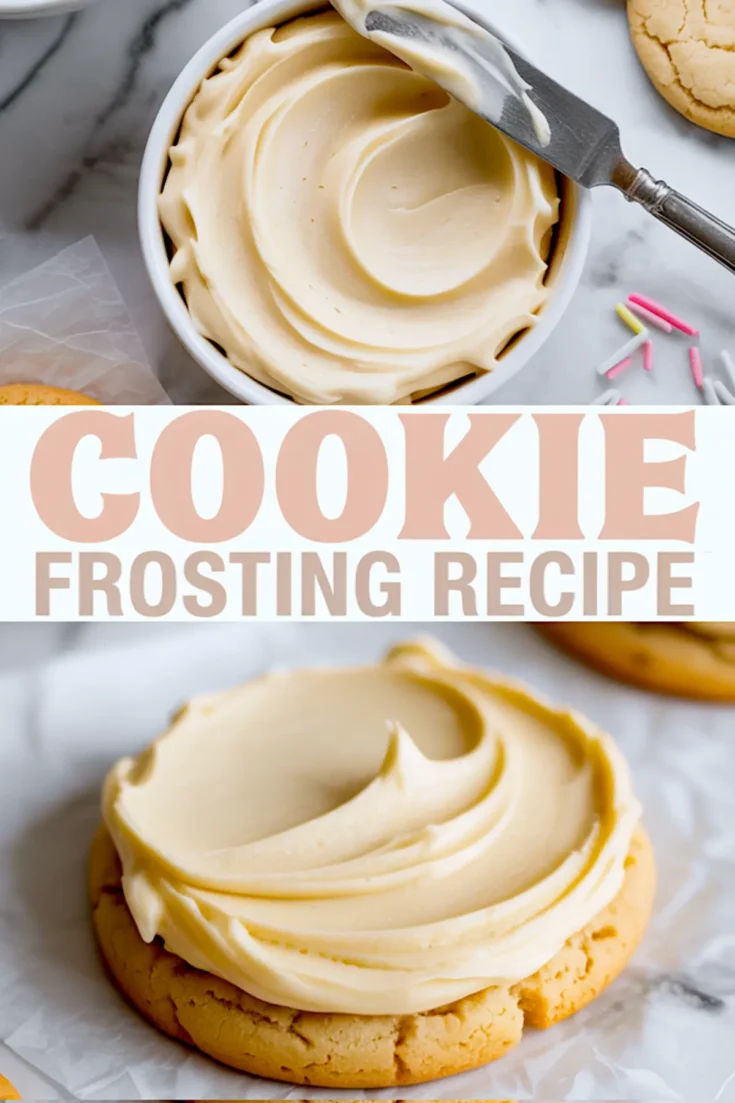
This smooth and glossy cookie frosting recipe is perfect for decorating all your favorite treats. Made with simple ingredients, this sugar cookie frosting recipe spreads easily and sets with a clean finish. If you need reliable frosting recipes for cookies, this one delivers the right texture every time. Try this cookie frosting recipe easy method for piping, flooding, or spreading. It also works as homemade icing for cookies that dries beautifully without becoming too hard. Save this go-to guide for classic homemade frosting for cookies and holiday baking projects.
Ingredients
- 1 cup (2 sticks) unsalted butter, softened
- 4 cups powdered sugar, sifted
- 1 tablespoon vanilla extract or almond extract
- 2–4 tablespoons heavy cream or milk
- 1/8 teaspoon salt
- Optional: Food coloring or gel paste
Instructions
- BEAT THE BUTTER: In a large mixing bowl, use a hand mixer or stand mixer fitted with a paddle attachment to beat the softened butter on medium speed until smooth and creamy, about 2 minutes.
- ADD THE POWDERED SUGAR: Gradually add the sifted powdered sugar, one cup at a time, mixing on low speed to prevent a sugar cloud. Scrape down the sides of the bowl as needed to fully incorporate the sugar.
- ADD VANILLA AND SALT: Once all the sugar is mixed in, add the vanilla extract and salt. For a classic bakery-style flavor, almond extract can be substituted for vanilla.
- ADJUST CONSISTENCY: Add heavy cream or milk one tablespoon at a time, mixing on low speed until the frosting reaches the desired consistency. Use less liquid for piping and more for a spreadable texture.
- WHIP UNTIL FLUFFY: Increase the mixer speed to medium-high and whip the frosting for 2–3 minutes until light, fluffy, and smooth.
- ADD COLOR (OPTIONAL): If using food coloring or gel paste, divide the frosting into separate bowls and mix in color as desired until evenly tinted.
Notes
Frosting can be made ahead and stored in an airtight container in the refrigerator for up to 5 days. Bring to room temperature and rewhip briefly before using.
Nutrition Information
Yield
1Serving Size
1Amount Per Serving Calories 4728Total Fat 318gSaturated Fat 200gTrans Fat 5gUnsaturated Fat 100gCholesterol 912mgSodium 501mgCarbohydrates 463gSugar 455gProtein 20g
