
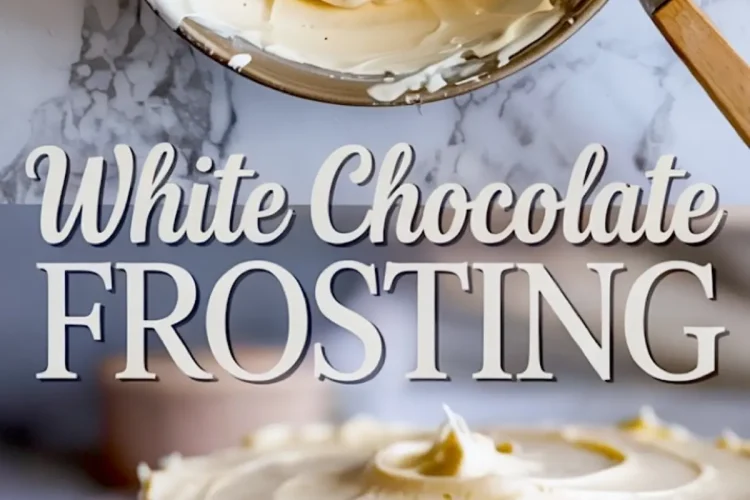
This white chocolate frosting is a buttercream made with 200 g of melted white chocolate, 225 g of soft unsalted butter, 250 g of powdered sugar, a splash of cream, vanilla, and a pinch of salt. It takes about 15 minutes of prep plus 5 minutes to melt the chocolate. One batch frosts 12 cupcakes or one 8 inch layer cake.
The trick is temperature. The chocolate goes in lukewarm, so it blends into the butter instead of melting it into soup or setting into little flecks. I’ve used it on a layered white chocolate cake and on cupcakes for my niece’s birthday, and it pipes clean on both.
What One Batch of White Chocolate Icing Covers
- Makes: about 700 g of frosting, enough for 12 cupcakes or one 8 inch layer cake
- Ratio: roughly equal weights of white chocolate and butter, with a little more powdered sugar
- Time: 15 minutes of prep and 5 minutes to melt the chocolate
- Texture: soft and pipeable at room temperature, firm when chilled
- Flavor: sweet and milky with vanilla; the salt keeps it from tasting flat
- Bigger cakes: make 1½ batches for a 3 layer cake or tall piped swirls
White Chocolate Bars vs Chips for Buttercream
Use a bar. Look for cocoa butter near the top of the ingredient list; Lindt and Green & Black’s both have it. White chips are made to keep their shape in a hot oven, so they often carry stabilizers and sometimes palm oil. They melt thick and uneven, and in frosting that shows up as a waxy feel on the tongue and a softer set. Candy melts are not chocolate at all.
Chop the bar finely, to about the size of peas. Small, even pieces melt at the same rate, and that matters here. White chocolate scorches at a lower heat than dark chocolate. Once it turns thick, dull, and clumpy, it will not come back.
Melting White Chocolate Without Scorching It
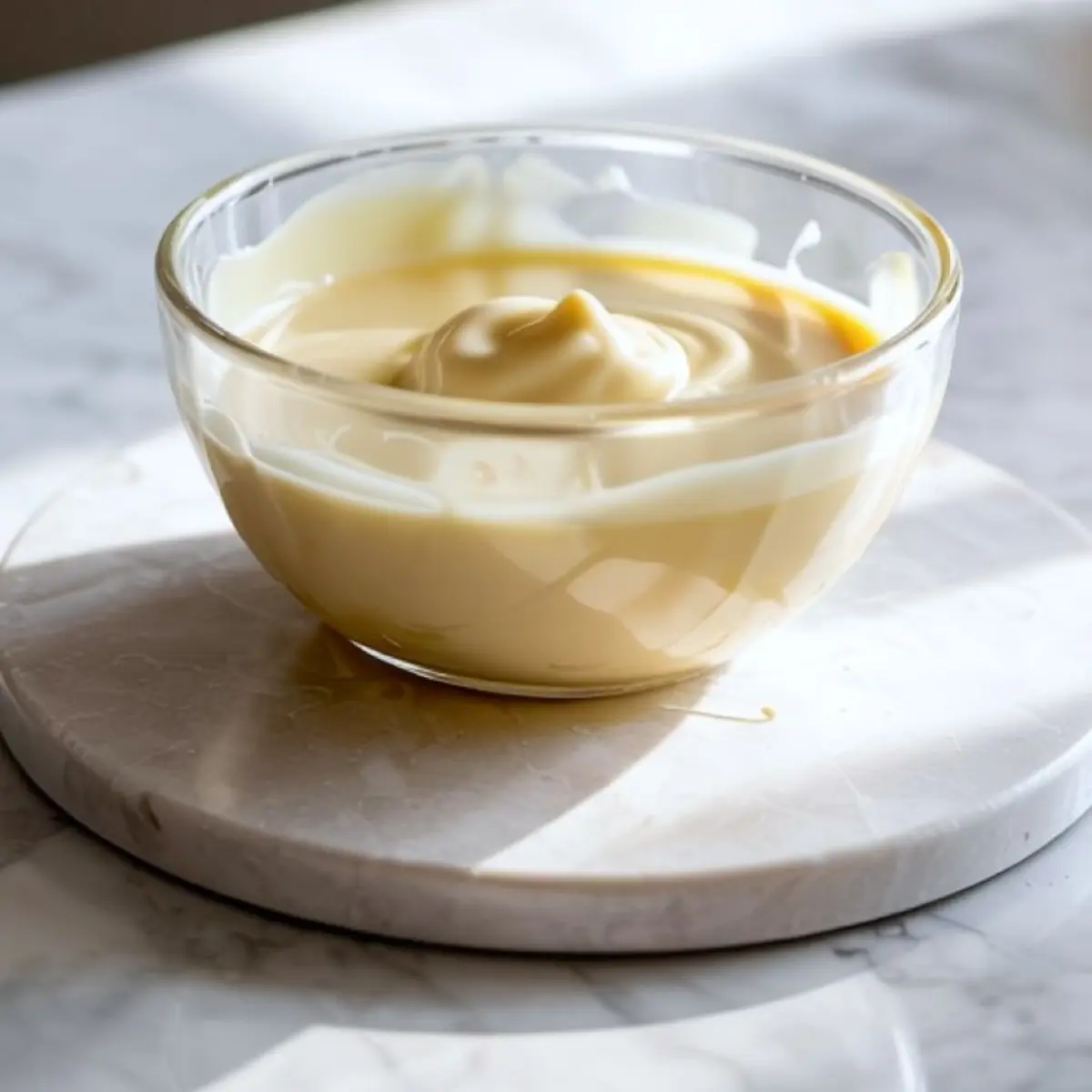
Set a heatproof bowl over barely simmering water, or use the microwave in 20 second bursts and stir after each one. Stop heating while a few small lumps remain. Stirring melts them in the warm chocolate, and you get a smooth, glossy bowl like the one above.
Keep water and steam out. Even a teaspoon of water can make melted chocolate seize into a stiff, grainy paste, so wipe the bottom of the bowl when you lift it off the pan.
Then wait. The chocolate should cool until it feels just warm on your lip, about 85 to 90°F (29 to 32°C), and still pour easily. That takes 5 to 10 minutes. Beat the butter in the meantime.
Mixing the White Chocolate Buttercream: Butter, Chocolate, Sugar
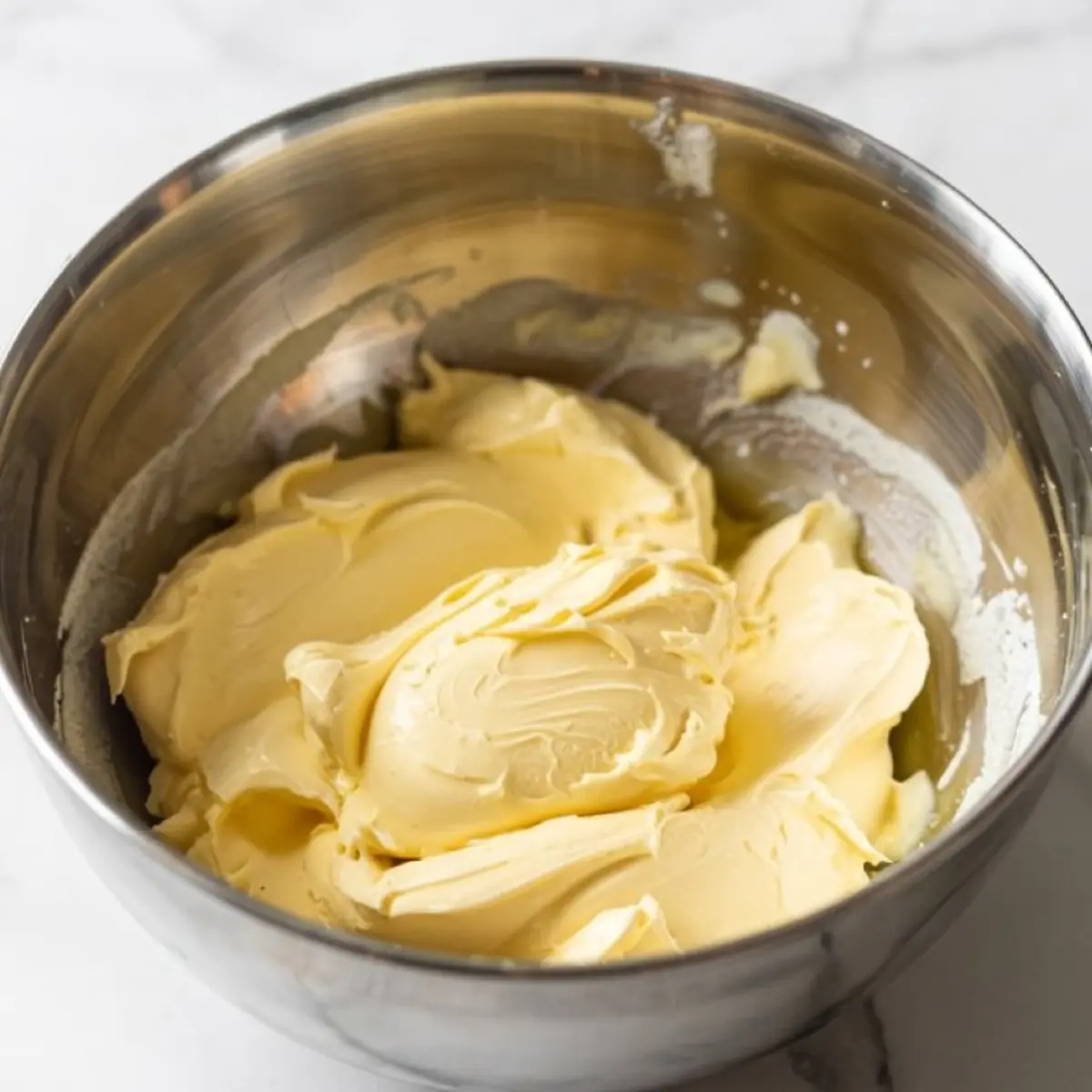
Beat the soft butter on medium high for 2 to 3 minutes, until it turns pale and creamy like in the photo. Soft means about 65°F (18°C). A finger leaves a dent, but the butter is not shiny or greasy. Warmer butter cannot hold air, and the frosting ends up loose.
Turn the mixer to low and pour in the cooled chocolate in a thin stream. Scrape the bowl and beat again until no streaks remain. Add the sifted powdered sugar a spoonful at a time on low, or it will cloud up over the counter. When it’s all in, beat on medium high for 1 to 2 minutes until fluffy.
Finish with the vanilla, the salt, and 2 tablespoons of heavy cream or milk, and beat on medium until smooth. Need it softer for spreading? Add more cream, 1 teaspoon at a time. Cream makes it richer. Milk keeps it a touch lighter.
Soupy, Flecked or Stiff White Chocolate Frosting
- Soupy or runny: the chocolate or the butter was too warm. Chill the bowl for 10 to 15 minutes, then beat again. It usually comes right back together.
- Tiny hard flecks: the chocolate was too cool and set when it hit the butter. Wrap a towel dipped in hot water around the bowl for a minute and keep beating until smooth.
- Grainy all through: unsifted sugar, or chocolate that seized from a drop of water. Sifting fixes the first. Seized chocolate cannot be rescued, so melt a fresh bar.
- Too stiff to pipe: beat in cream 1 teaspoon at a time.
- Too sweet for you: add another pinch of salt and pair it with a dark cake or tart fruit.
Pairing White Chocolate Icing With Chocolate Cake
This is a sweet, milky frosting, so it shines against something darker or sharper. Spread it on a sour cream chocolate cake or pipe it onto chocolate cupcakes for that black and white look. On a red velvet cake it brings out the cocoa without the tang of cream cheese frosting.
For a white on white cake, spread a thin layer of raspberry jam or strawberry preserves under the frosting. The fruit cuts through the sweetness. If you want a richer filling between the layers, use white chocolate ganache filling inside and keep this buttercream for the outside.
Finishing a Layer Cake in White Chocolate Buttercream
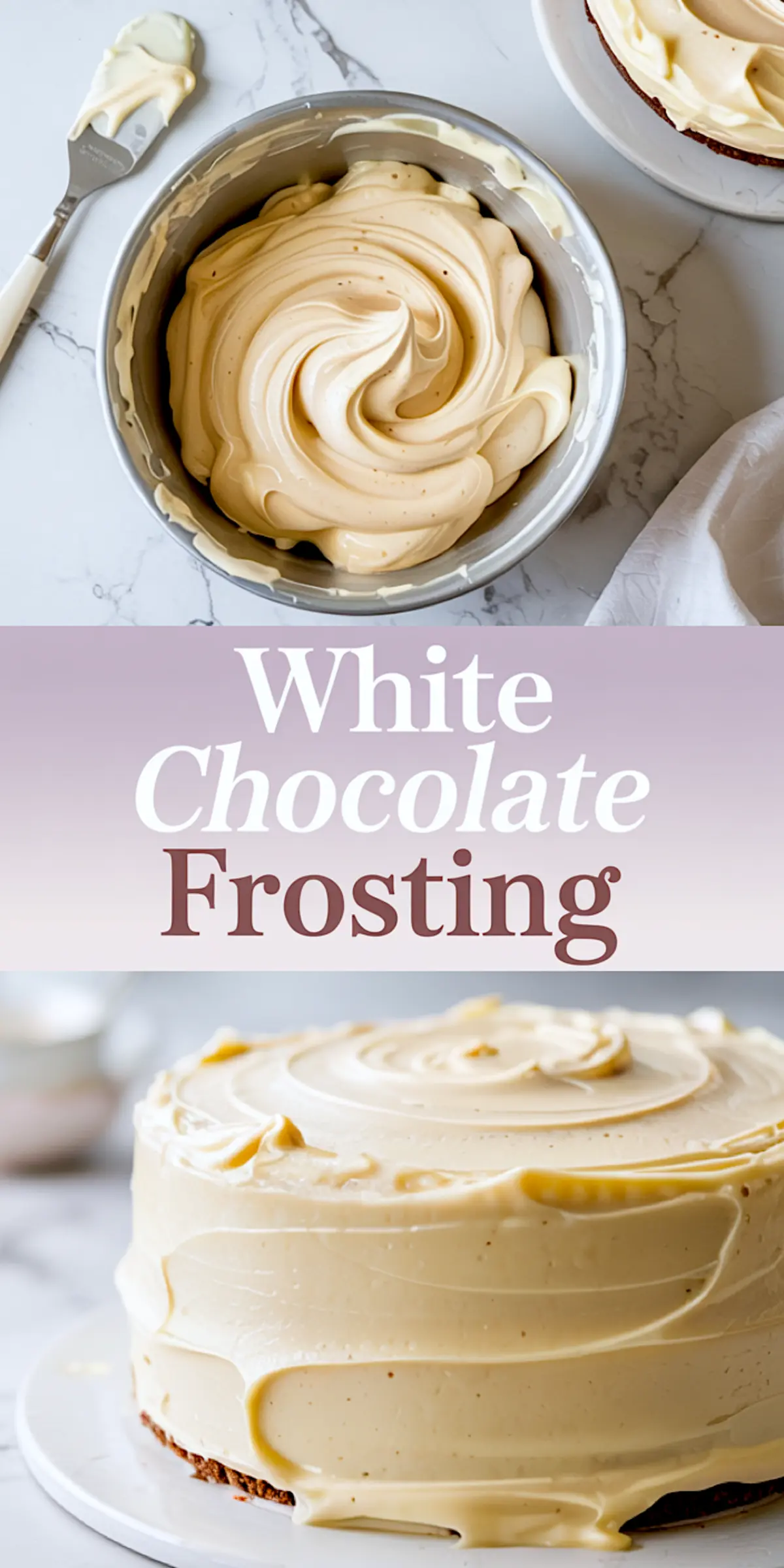
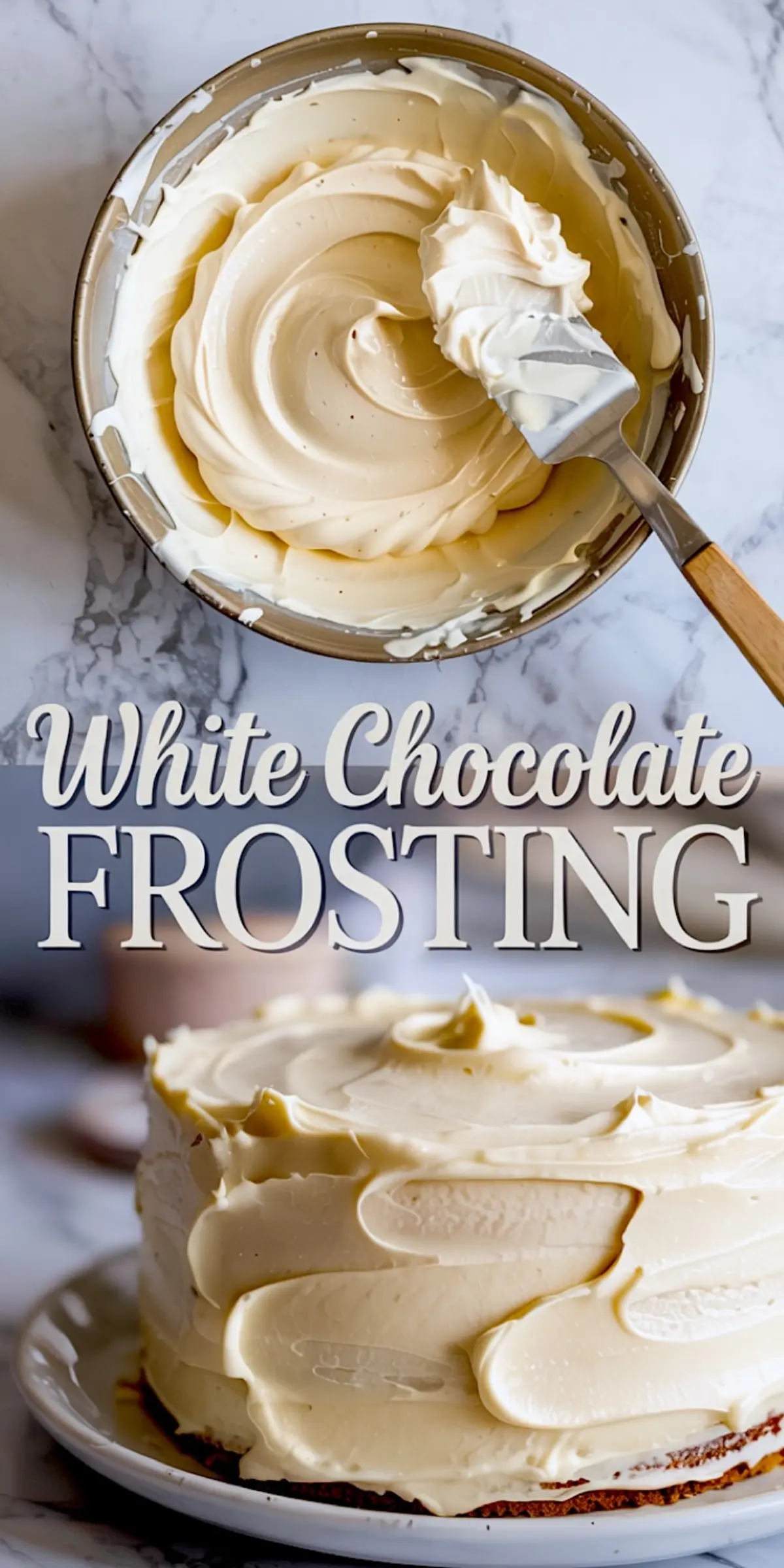
Spread a thin crumb coat first and chill the cake for 20 minutes. The crumbs stay locked in, and the second coat goes on clean. For the smooth sides in the photo, dip a bench scraper or offset spatula in hot water, dry it, and pull it around the cake in one long sweep.
Does White Chocolate Buttercream Get Hard?
Yes, in the fridge. Cocoa butter sets when cold, so it firms up more than plain buttercream does. At cool room temperature it stays soft enough to slice cleanly. Take a frosted cake out of the fridge 30 to 45 minutes before serving.
Heat works the other way. Above about 75°F (24°C) the butter softens and piped edges start to slump, so on a warm day keep the cake chilled until shortly before you serve it.
Storing and Rewhipping White Chocolate Frosting
Keep it in a sealed container in the fridge for up to 3 days. It will be firm, so let it sit out for about an hour, then rewhip for a minute until creamy. It also freezes for up to 1 month. Thaw it overnight in the fridge before it comes to room temperature.
Lighter or Darker Alternatives to White Chocolate Frosting
For shortcakes and berry cakes, whipped cream frosting is far lighter, though it has none of this structure. For a cocoa version with the same smooth feel, try whipped chocolate frosting. And when the cake itself is white, a rich chocolate buttercream gives the opposite contrast.
White Chocolate Icing Questions
Is white chocolate icing the same as white chocolate buttercream?
Here, yes. British bakers often call it white chocolate butter icing. A white chocolate glaze or ganache is thinner and pourable, made with cream instead of butter.
Can I color white chocolate frosting?
Use gel food coloring and add it a drop at a time. The frosting is ivory, not pure white, so pale blues and pinks come out slightly warmer than on plain vanilla buttercream.
Can I use white chocolate chips?
You can, but the frosting will be softer and slightly waxy. A bar with cocoa butter near the top of the label melts smoother and tastes cleaner.
White Chocolate Frosting Recipe
Made it? Tap the stars to rate it.
This white chocolate frosting is a smooth buttercream made with melted white chocolate bars, soft unsalted butter, powdered sugar, heavy cream or milk, vanilla, and a pinch of salt. It takes about 15 minutes of prep plus 5 minutes to melt the chocolate and frosts 12 cupcakes or one 8 inch layer cake, staying soft and pipeable at room temperature. The melted chocolate cools to lukewarm before it goes into the beaten butter, so this white chocolate buttercream turns fluffy instead of soupy or flecked. Use it as white chocolate icing for chocolate cake, chocolate cupcakes, red velvet, or white chocolate cake with raspberry jam. Keep it in the fridge for 3 days or freeze it for 1 month, then rewhip.
Ingredients
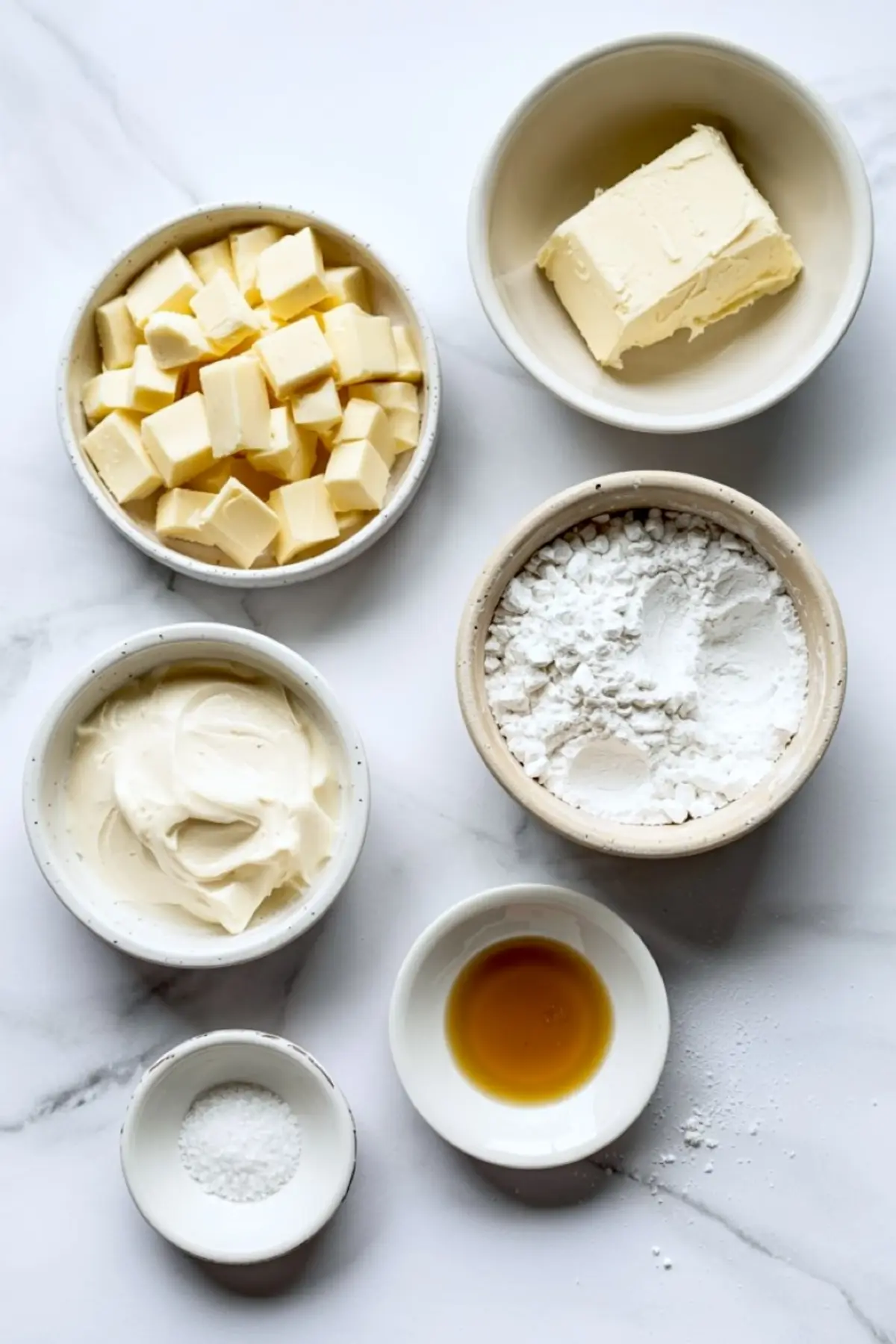
- 200g white chocolate, chopped (use high-quality chocolate with cocoa butter)
- 225g unsalted butter, softened
- 250g powdered sugar, sifted
- 2 tablespoons heavy cream or milk, plus more if needed
- 1 teaspoon pure vanilla extract
- Pinch of salt
Instructions
- MELT THE CHOCOLATE: Place chopped white chocolate in a heatproof bowl. Gently melt over a double boiler or in the microwave using 20-second bursts, stirring after each burst until fully smooth. Let it cool slightly until lukewarm but still pourable.
- BEAT THE BUTTER: In a large bowl, beat the softened butter on medium-high speed for 2 to 3 minutes until pale, smooth, and creamy. This helps create a light texture.
- ADD THE MELTED CHOCOLATE: With the mixer on low, slowly stream in the cooled white chocolate. Scrape down the sides of the bowl and continue beating until fully combined.
- INCORPORATE THE SUGAR: Add sifted powdered sugar gradually, mixing on low to start, then increasing to medium-high speed once incorporated. Beat for another 1 to 2 minutes until fluffy.
- FINISH WITH LIQUIDS: Add the vanilla extract, pinch of salt, and 2 tablespoons of cream. Beat on medium speed until the frosting is smooth. Adjust the consistency with more cream, 1 teaspoon at a time, if needed.
- USE AS DESIRED: The frosting is now ready to spread on cakes, pipe onto cupcakes, or use between cake layers.
Notes
Use a white chocolate bar that lists cocoa butter as a main ingredient; chips and candy melts give a waxy, softer frosting. Cool the melted chocolate until it feels just warm and still pours (about 85 to 90°F / 29 to 32°C). Too warm and the frosting turns soupy: chill it 10 to 15 minutes and rewhip. Too cool and it sets into flecks: warm the bowl briefly while beating. Keep water and steam away from the chocolate or it will seize. The frosting firms in the fridge, so let a frosted cake sit out 30 to 45 minutes before serving. Store covered in the fridge up to 3 days or freeze up to 1 month; bring to room temperature and rewhip before using. Make 1½ batches for a 3 layer cake.

Made it? Tap the stars to rate it