
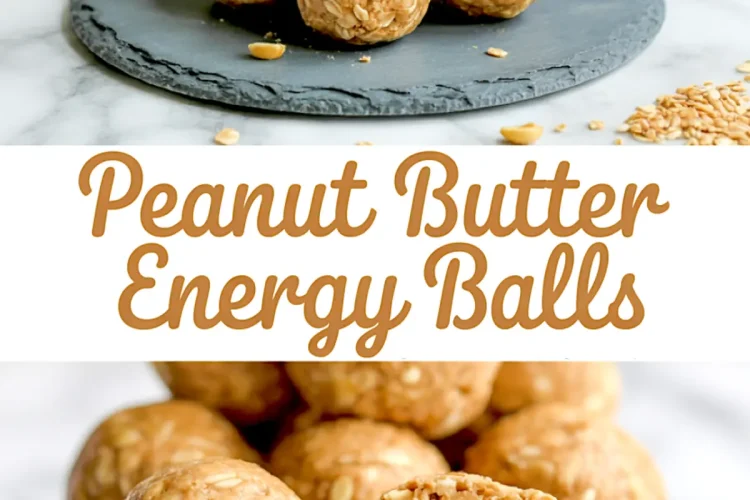
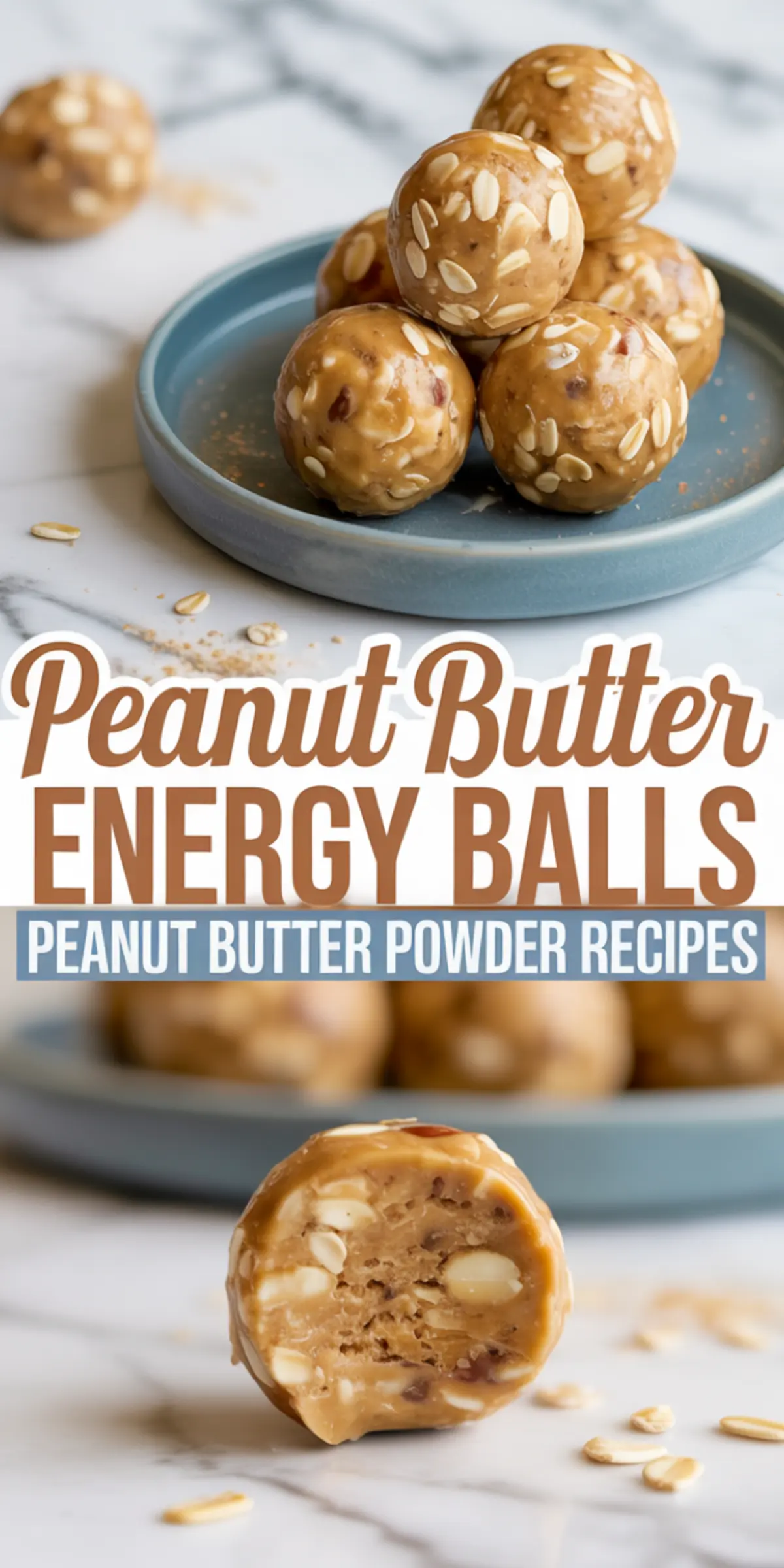
These no-bake peanut butter oatmeal balls are made with 1 cup old-fashioned rolled oats, ½ cup creamy peanut butter, ¼ cup peanut butter powder, and ¼ cup honey or maple syrup, with optional mini chocolate chips and chopped peanuts. They take 10 minutes to mix and roll plus 30 minutes in the fridge, and one bowl makes about 20 peanut butter energy balls with 4 grams of protein each.
That is the whole idea. One bowl, no oven, and a snack that holds up in a lunchbox, after a workout, or straight from the freezer.
I have made them dozens of times, and they have earned a permanent spot in my weekly prep. The one ingredient that sets this recipe apart is the peanut butter powder, and I will explain below what it does and how to make the balls without it. If you like a simpler, chewier bite, my peanut butter oat balls are the close cousin of this recipe.
Following a special diet?
Every recipe on this site can be converted to gluten-free, vegan, dairy-free, keto, nut-free or egg-free with adjusted ratios so nothing falls flat.
Try the Recipe Converter →Quick Facts
- Yield: about 20 energy balls, rolled from about a tablespoon of dough each
- Time: 10 minutes prep, 30 minutes chilling, 40 minutes total
- Per ball (recipe card, 20 balls): 106 calories, 4 g protein, 11 g carbohydrates, 6 g fat
- Core ratio: 1 cup oats to ½ cup peanut butter, ¼ cup peanut butter powder, and ¼ cup honey or maple syrup
- Liquid: 1 to 2 tablespoons milk or plant milk, only if the dough is dry
- Storage: up to 1 week in the fridge, about 3 months in the freezer
- Diet notes: vegetarian; gluten free if you use certified gluten-free oats
Why Peanut Butter Powder Belongs in Energy Balls
Most energy ball recipes lean heavily on peanut butter, and they end up as sticky, dense lumps. Peanut butter powder changes the balance. It deepens the peanut flavor without adding weight, and it soaks up just enough moisture to keep the mix from clinging to your hands. That matters when you want to roll 20 balls quickly.
I have made batches both with and without it, and the difference is noticeable. In my notes, the version with the powder holds its shape better after chilling, which is why I keep it in when I want high protein peanut butter balls for the week. PB2, PBfit, and other brands of peanut butter powder all work here.
Peanut Butter Oatmeal Balls With Real Peanut Butter
No peanut butter powder in the pantry? You can still make these peanut butter oatmeal balls with regular peanut butter only. The recipe already uses ½ cup of creamy peanut butter as the binder, so the simplest version just leaves out the ¼ cup of powder and keeps everything else the same.
Here is what changes, and how I handle it:
- Texture: without the powder, the dough is softer and stickier, because nothing is absorbing the extra moisture.
- Milk: hold it back. The powder is what soaks up moisture, so without it the dough may not need any milk. Add it only if the mix is truly crumbly.
- Rolling: if the dough smears on your palms, stir in a spoonful of extra oats or pop the bowl in the fridge for a few minutes, then roll.
- Flavor: still clearly peanut butter, just less intense, since the powder is what deepens the peanut flavor.
The nutrition on the recipe card is for the version with powder, so the regular peanut butter version will not match those numbers exactly. If you want a peanut butter snack that skips oats altogether, the easy peanut butter protein balls focus on pure peanut flavor. You can even use homemade peanut butter here, as long as it is smooth and well stirred.
Oats, Sweetener, and Mix-Ins
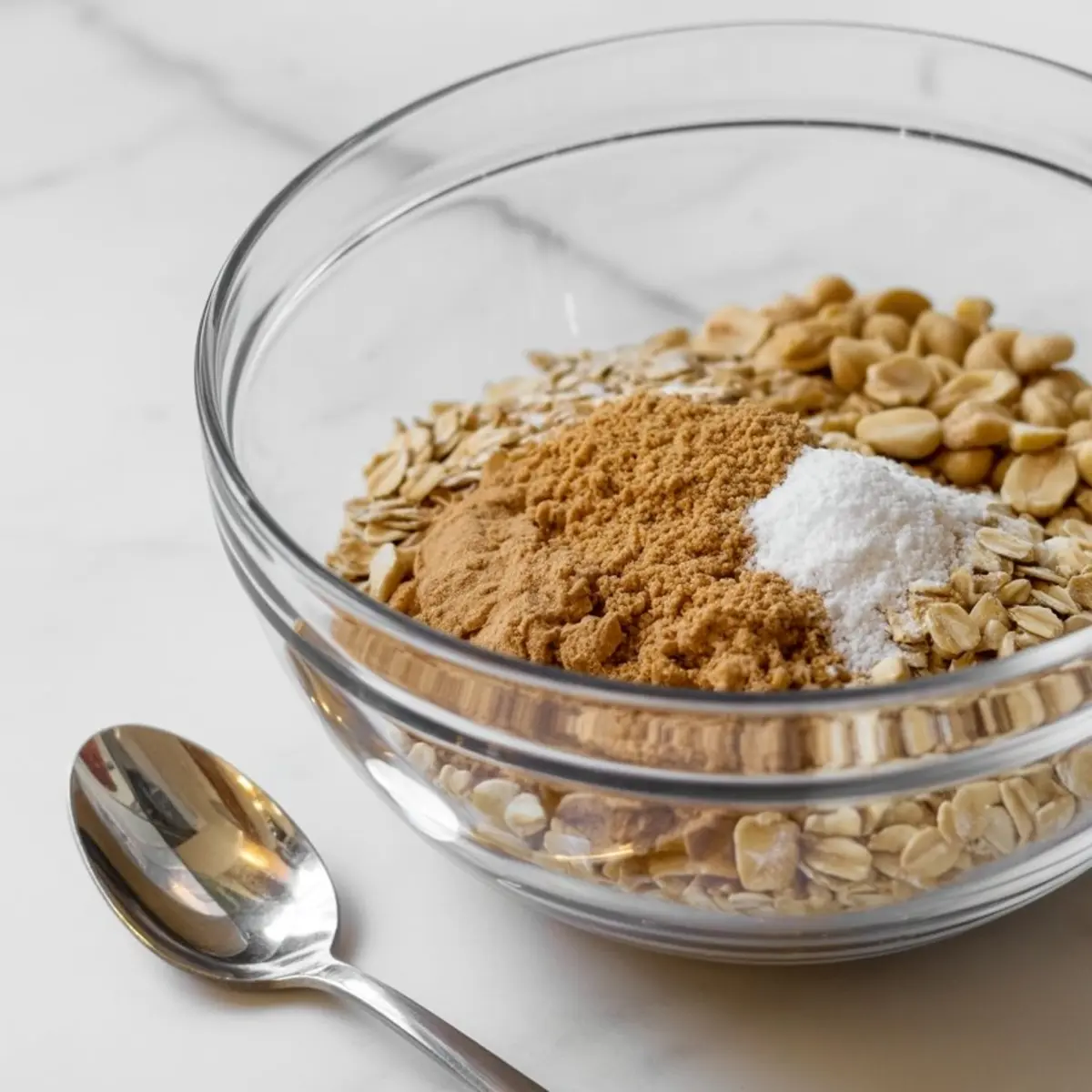
Old-fashioned rolled oats give these peanut butter oat balls their structure and chew. Quick oats work in a pinch, but they break down more and give a softer bite. If you want that satisfying texture, use rolled.
I use natural creamy peanut butter, stirred well so the oil is mixed back in. Honey or maple syrup adds sweetness and helps hold everything together. A ½ teaspoon of vanilla and a pinch of sea salt round out the flavor.
The mini chocolate chips and chopped peanuts are both optional, ¼ cup each. I have made the balls without chips, but a few scattered through the dough lift the whole bite. If you prefer them unsweetened, lean on the chopped peanuts for crunch instead.
Honey vs Maple Syrup in Peanut Butter Energy Balls
I have tested both sweeteners in this energy balls recipe. Both bind the dough, but they behave differently:
- Honey: gives a slightly firmer ball that holds up better for travel or warm weather. In my kitchen notes, honey batches rolled faster and needed less milk.
- Maple syrup: keeps the mix softer with a deeper, more mellow sweetness. Maple batches needed a touch more moisture but tasted slightly richer.
My rule: honey when the balls live in the fridge and get grabbed all week, maple when I want a softer bite straight from the freezer.
Mixing and Rolling in One Bowl
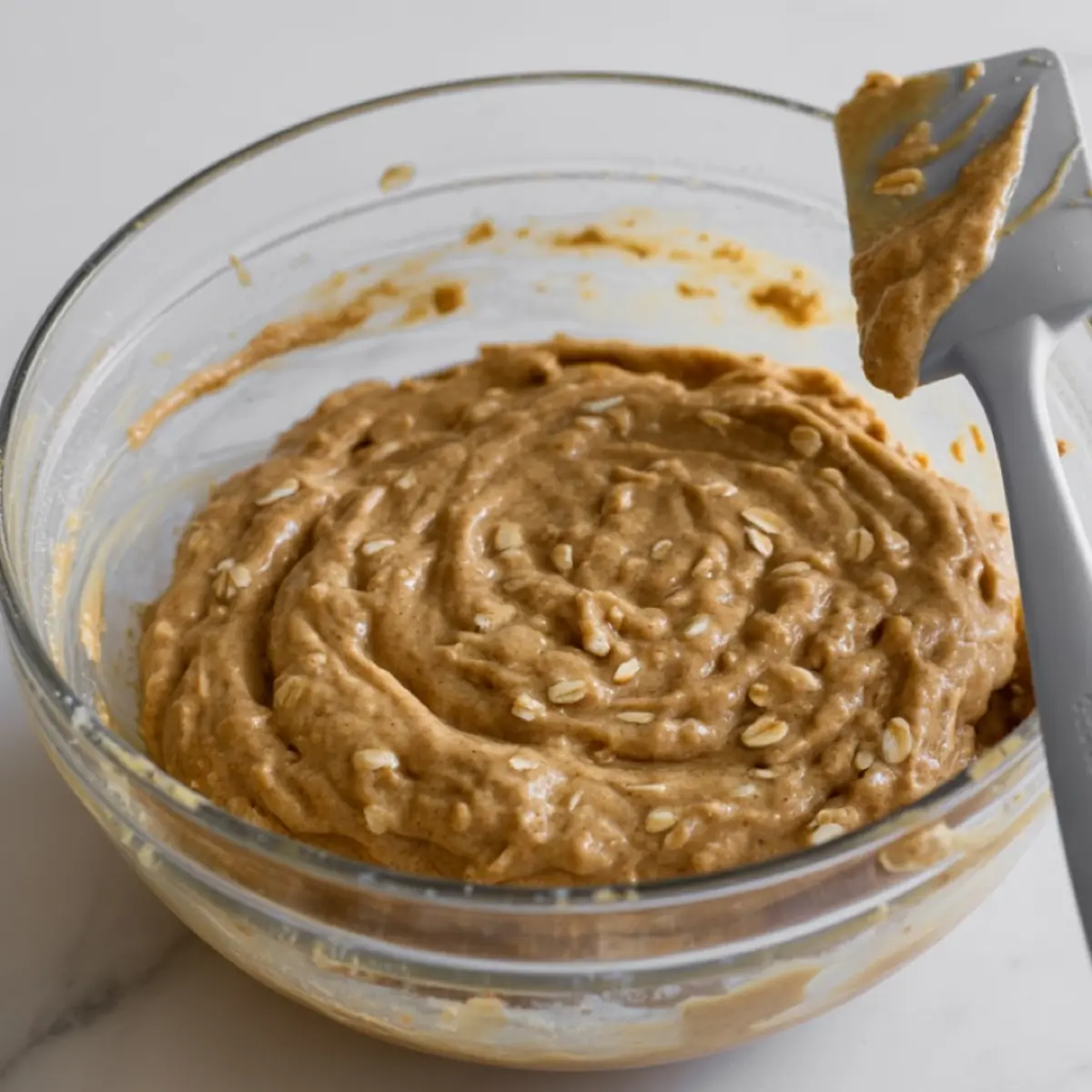
Stir the oats, peanut butter powder, chopped peanuts if using, and sea salt together in a large bowl so the dry ingredients are evenly spread. Add the peanut butter, honey or maple syrup, and vanilla, and mix with a spoon or spatula until the dough starts to clump. Depending on your peanut butter, it may look dry at first. Add milk one spoonful at a time, up to 2 tablespoons, just until it forms a soft, pliable dough.
Fold in the mini chocolate chips last and stop as soon as they are scattered through. Scoop portions with a tablespoon or small cookie scoop and roll each one between your palms into a smooth, compact ball.
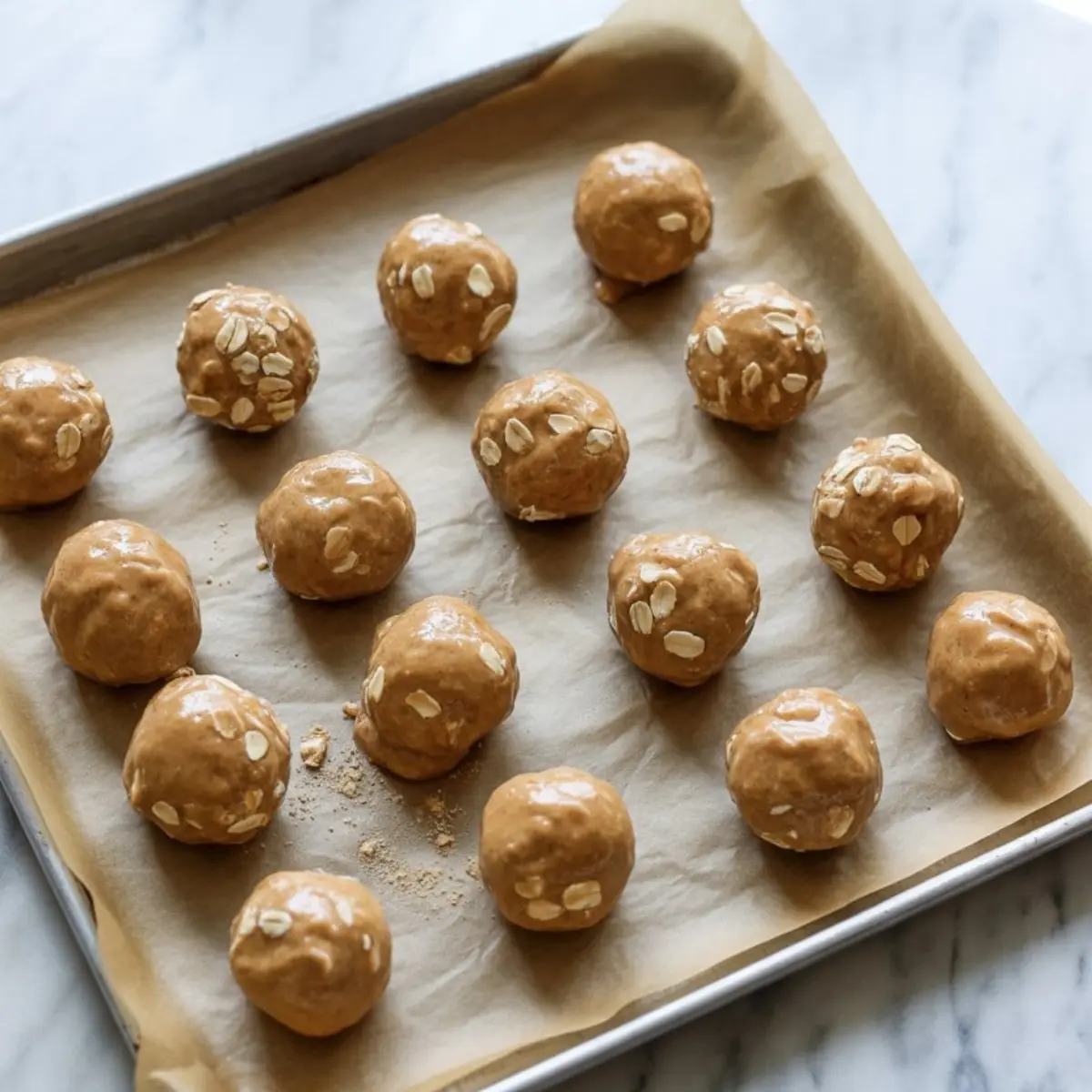
Set the balls on a parchment-lined plate or tray, spaced apart, and refrigerate for at least 30 minutes. That short chill firms them up so they do not stick together in storage.
If the Mix Is Too Dry or Too Sticky
- Too dry or crumbly: add milk or plant milk a spoonful at a time. Some peanut butter brands make a drier dough and need the full 2 tablespoons.
- Too sticky to roll: chill the bowl for a few minutes, stir in a spoonful of oats, or roll with slightly damp hands.
- Balls flatten on the tray: they need the full 30 minutes in the fridge before you stack or pack them.
- Chips will not stay in: the dough is too dry. Add a little milk, then fold the chips in again.
- Balls feel soft in a lunchbox: switch to honey next time for a firmer set, and pack them cold.
Storing and Freezing Energy Bites
Keep the chilled balls in an airtight container in the fridge for up to 1 week. For longer storage, freeze them in a single layer first, then move them to a zip bag or freezer-safe box, where they keep for about 3 months. You can eat them straight from the freezer or let them soften for a few minutes.
In warmer months, the chilled texture is actually better. They stay soft enough to bite but hold their shape longer in lunchboxes and snack bags. I have brought them to meetings and kept a stash in the back of my freezer for snack emergencies.
More No-Bake Peanut Butter Snacks
When I want something sliceable, I make no-bake peanut butter bars or a tray of no-bake peanut butter oat cups. For more protein in a similar format, try the high-protein peanut butter oat cups or berry almond protein bars.
In fall, pumpkin protein balls freeze just as well and add a seasonal variation. For a peanut-free option, date almond coconut balls roll up the same way. And for breakfast, the same flavors show up in peanut butter overnight oats.
Things People Ask
How do you make peanut butter energy balls without peanut butter powder?
Leave out the ¼ cup peanut butter powder and keep the ½ cup regular peanut butter; the dough will be softer, so add milk only if needed and chill before rolling if it sticks.
How much protein is in one peanut butter energy ball?
About 4 grams per ball when the batch makes 20, according to the recipe card nutrition, along with 106 calories.
Can I use PB2 for these protein balls?
Yes. PB2 and PBfit are peanut butter powders, so either one works as the ¼ cup of peanut butter powder.
Do no-bake peanut butter oatmeal balls need to be refrigerated?
Yes. Chill them for at least 30 minutes to firm up, then store them in an airtight container in the fridge for up to 1 week.
Can I use quick oats instead of rolled oats?
You can, but quick oats break down more and give a softer, less chewy energy ball, so rolled oats are the better choice.
Are peanut butter oat balls gluten free?
They are gluten free when you use certified gluten-free oats and check the labels on your peanut butter powder and chocolate chips.
If you try a variation, tell me in the comments. Did you go honey or maple, with powder or without? I read every comment.
Peanut Butter Energy Balls Recipe
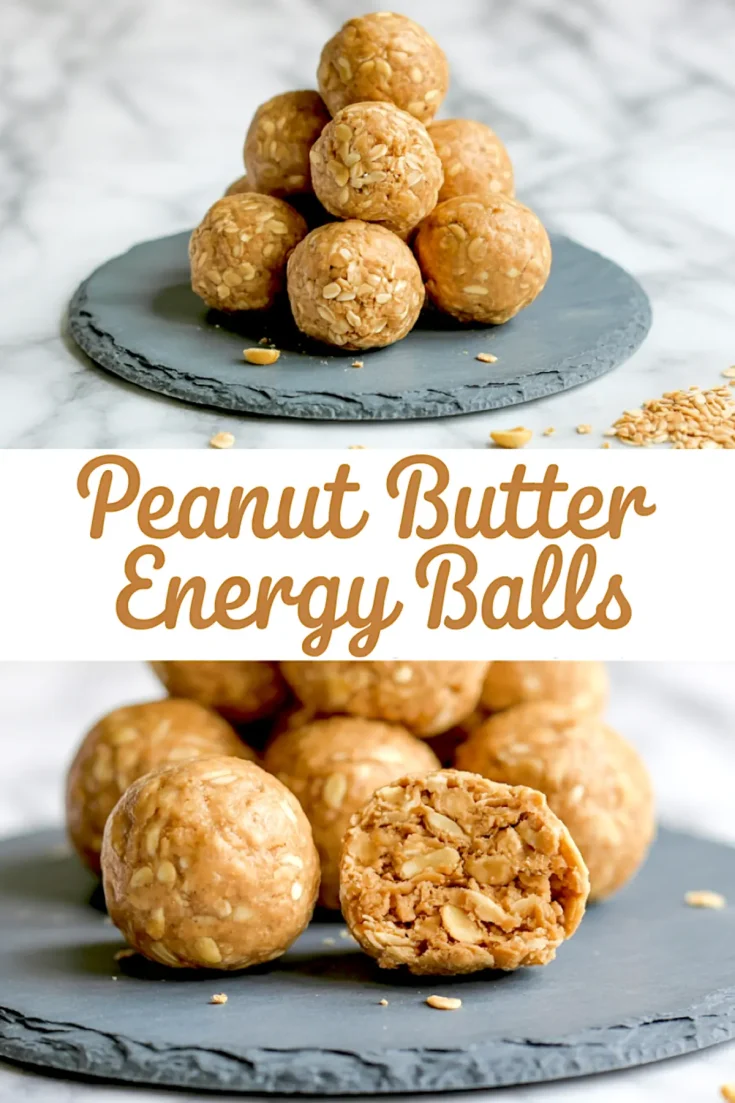
These peanut butter energy balls are no-bake peanut butter oatmeal balls made with rolled oats, creamy peanut butter, peanut butter powder, honey or maple syrup, and optional mini chocolate chips and chopped peanuts. They take 10 minutes to mix plus 30 minutes to chill, and one bowl makes about 20 chewy energy balls. The peanut butter powder absorbs extra moisture so the dough rolls cleanly and holds its shape, and you can leave it out for peanut butter oat balls made with regular peanut butter only. Pack them as a lunchbox snack, a post-workout bite, or breakfast on the go. Store them in the fridge for 1 week or freeze them for about 3 months.
Ingredients
- 1 cup old-fashioned rolled oats
- 1/2 cup creamy peanut butter
- 1/4 cup peanut butter powder
- 1/4 cup honey or maple syrup
- 1/4 cup chopped peanuts (optional)
- 1/4 cup mini chocolate chips (optional)
- 1/2 teaspoon vanilla extract
- Pinch of sea salt
- 1–2 tablespoons milk or plant milk (as needed)
Instructions
- COMBINE DRY INGREDIENTS: In a large mixing bowl, stir together the rolled oats, peanut butter powder, chopped peanuts (if using), and a pinch of sea salt until evenly mixed.
- ADD WET INGREDIENTS: Add the creamy peanut butter, honey or maple syrup, and vanilla extract. Mix thoroughly with a spoon or spatula until the ingredients begin to come together. If the mixture is too dry or crumbly, add 1 to 2 tablespoons of milk, a little at a time, until it forms a soft, pliable dough.
- FOLD IN CHOCOLATE CHIPS: Gently fold in the mini chocolate chips if using. Mix until the chips are evenly distributed throughout the dough.
- ROLL INTO BALLS: Scoop out portions of dough using a tablespoon or small cookie scoop. Roll each portion between your palms to form smooth, compact balls. Repeat until all dough is used. You should end up with about 18 to 20 balls.
- CHILL: Place the rolled balls on a parchment-lined plate or tray. Refrigerate for at least 30 minutes to allow them to firm up before serving or storing.
Notes
Peanut butter powder such as PB2 or PBfit works here. To make the balls with regular peanut butter only, leave out the peanut butter powder; the dough will be softer and stickier, so add milk only if needed and chill the dough briefly before rolling. Honey gives a slightly firmer ball, while maple syrup keeps them softer with a deeper flavor. If the mixture is dry, add milk a spoonful at a time; if it is sticky, chill it for a few minutes or add a spoonful of oats. Nutrition is an estimate for 20 balls. Use certified gluten-free oats if needed. Store in an airtight container in the refrigerator for up to one week, or freeze for up to three months.
Nutrition Information
Yield
20Serving Size
1Amount Per Serving Calories 106Total Fat 6gSaturated Fat 1gTrans Fat 0gUnsaturated Fat 3gCholesterol 2mgSodium 58mgCarbohydrates 11gFiber 1gSugar 7gProtein 4g
