
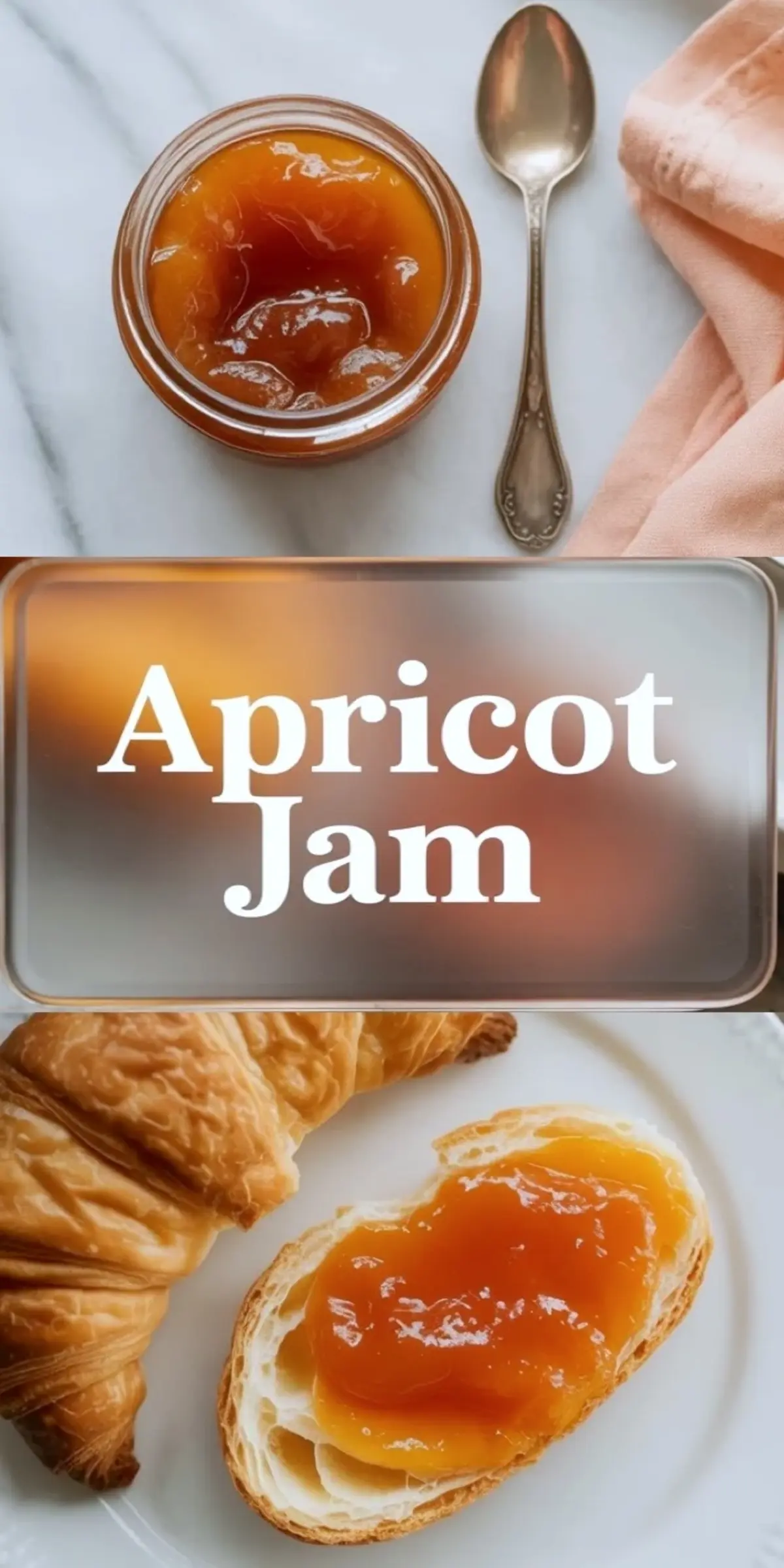
Apricot Jam is the kind of preserve that earns its place quickly because it gives you bright fruit flavor in a form that is much easier to keep using. If you want an Apricot Jam Recipe that tastes clearly of real fruit and not just sugar, this is one of the most practical homemade spreads to keep around.
A good Homemade Apricot Jam should taste sunny, soft, and distinctly apricot, with enough sweetness to feel generous and enough fruit character to stay interesting. That balance is exactly why an Easy Apricot Jam Recipe works so well on toast, biscuits, pastries, yogurt, and simple desserts.
Following a special diet?
Every recipe on this site can be converted to gluten-free, vegan, dairy-free, keto, nut-free or egg-free with adjusted ratios so nothing falls flat.
Try the Recipe Converter →What Makes Apricot Jam So Useful
Some preserves end up sitting in the fridge after the first few uses. Apricot jam usually does better than that. It has enough brightness to wake up breakfast, enough softness to work in baking, and enough fruit flavor to hold its own in simple desserts without feeling heavy.
That range is part of the appeal. It can be a breakfast spread one day and a quick pastry filling the next. If you like homemade jars that actually keep finding jobs, apricot jam is a strong one to make.
The Flavor Apricot Jam Should Have
The best apricot jam should taste clearly of apricots first. Sweetness matters, but it should not flatten the fruit into something generic. You want a preserve that still carries some of the fruit’s natural brightness, just in a softer and more concentrated form.
That is what makes apricot jam different from darker, heavier preserves. It feels lighter on the palate, but still full enough to be satisfying. If you like fruit preserves with a cleaner finish, this is exactly the kind of jar that tends to disappear quickly.
Fresh Fruit Does Most of the Work
This is one of those recipes where the fruit quality shows up immediately. Ripe apricots bring better aroma, better sweetness, and a fuller finish that makes the final jam feel complete. If the fruit tastes flat before cooking, the jam usually will too.
Because the ingredient story is simple, apricots do most of the work here. That simplicity is part of the reason a Homemade Apricot Jam Recipe can be so satisfying. Good fruit in, better jam out.
Texture, Spreadability, and Gloss
A good apricot jam should be soft, glossy, and easy to spread. It should not feel runny like syrup, but it should not turn stiff or gummy either. That middle ground is what makes it useful in more than one setting.
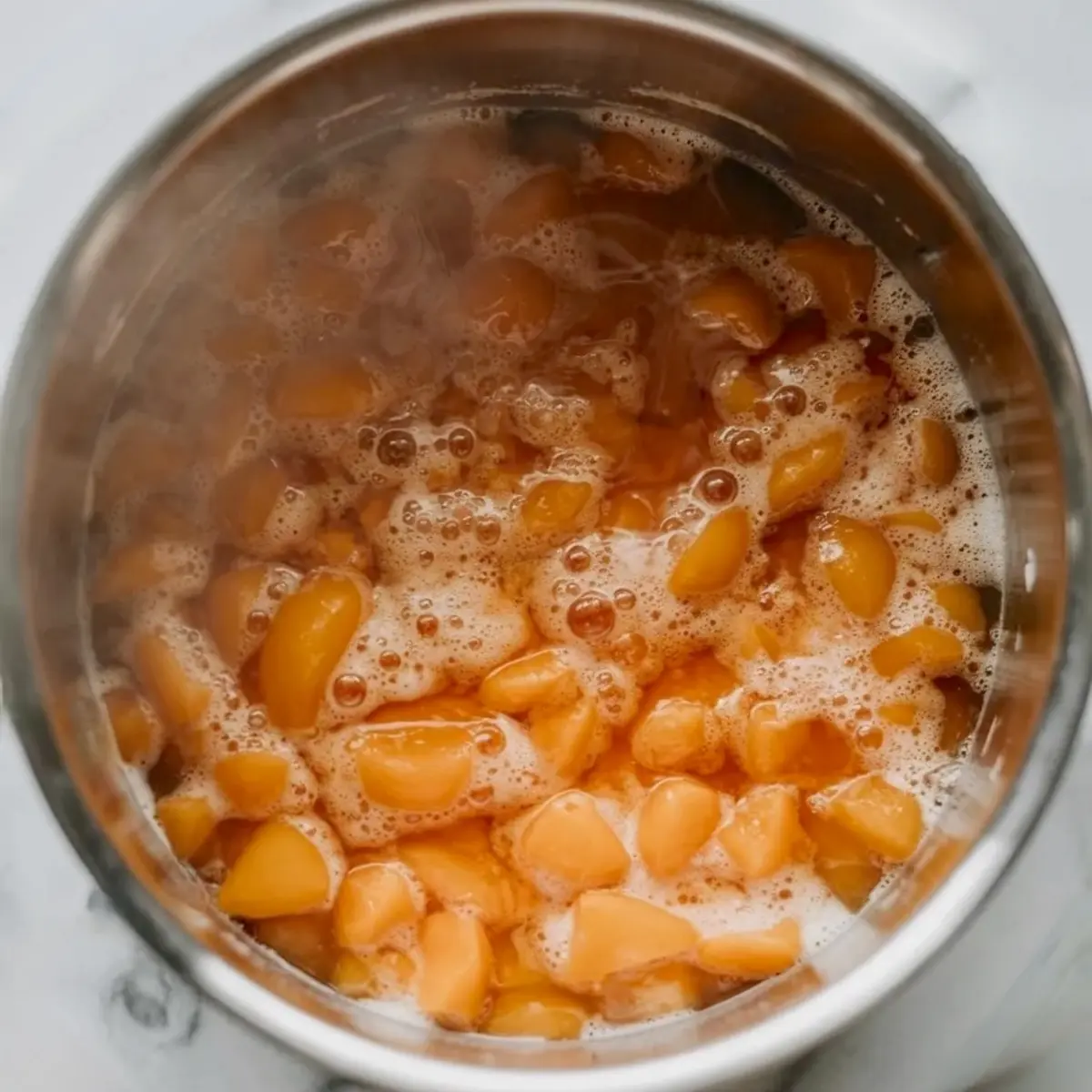
When the texture lands properly, the jam works just as well on breakfast toast as it does in pastries or dessert fillings. If you like another fruit preserve with the same glossy homemade feel, Fig Preserves Recipe is a good one to compare.
Best Ways to Use Apricot Jam
Toast and biscuits are the obvious starting point, but they are not the whole story. Apricot jam also works beautifully in yogurt, thumbprint cookies, cake fillings, dessert bars, and simple cheese boards when you want something fruit-forward that still feels easy to use.
It is also a natural match for soft breads and light pastries. For an easy breakfast pairing, it works especially well with Sour Cream Scones or a soft slice of Sweet Condensed Milk Bread.
Why Homemade Jam Still Wins
Store-bought apricot jam can be fine, but homemade gives you more control over the texture, sweetness, and actual fruit flavor. You get a preserve that tastes more like apricots and less like a generic sweet spread, which is a much better trade if the fruit itself is the reason you are making it.
That is why even a simple apricot jam recipe can feel more useful than expected. Once the jar is ready, it starts improving ordinary breakfasts and quick desserts without asking much from the rest of the plate.
How to Tell the Jam Is Ready
The mixture should look glossy and thicker than it did at the start, with the fruit broken down enough to spread smoothly. It should mound lightly on a spoon instead of pouring off like juice. That is usually the point where it starts behaving like jam rather than cooked fruit.
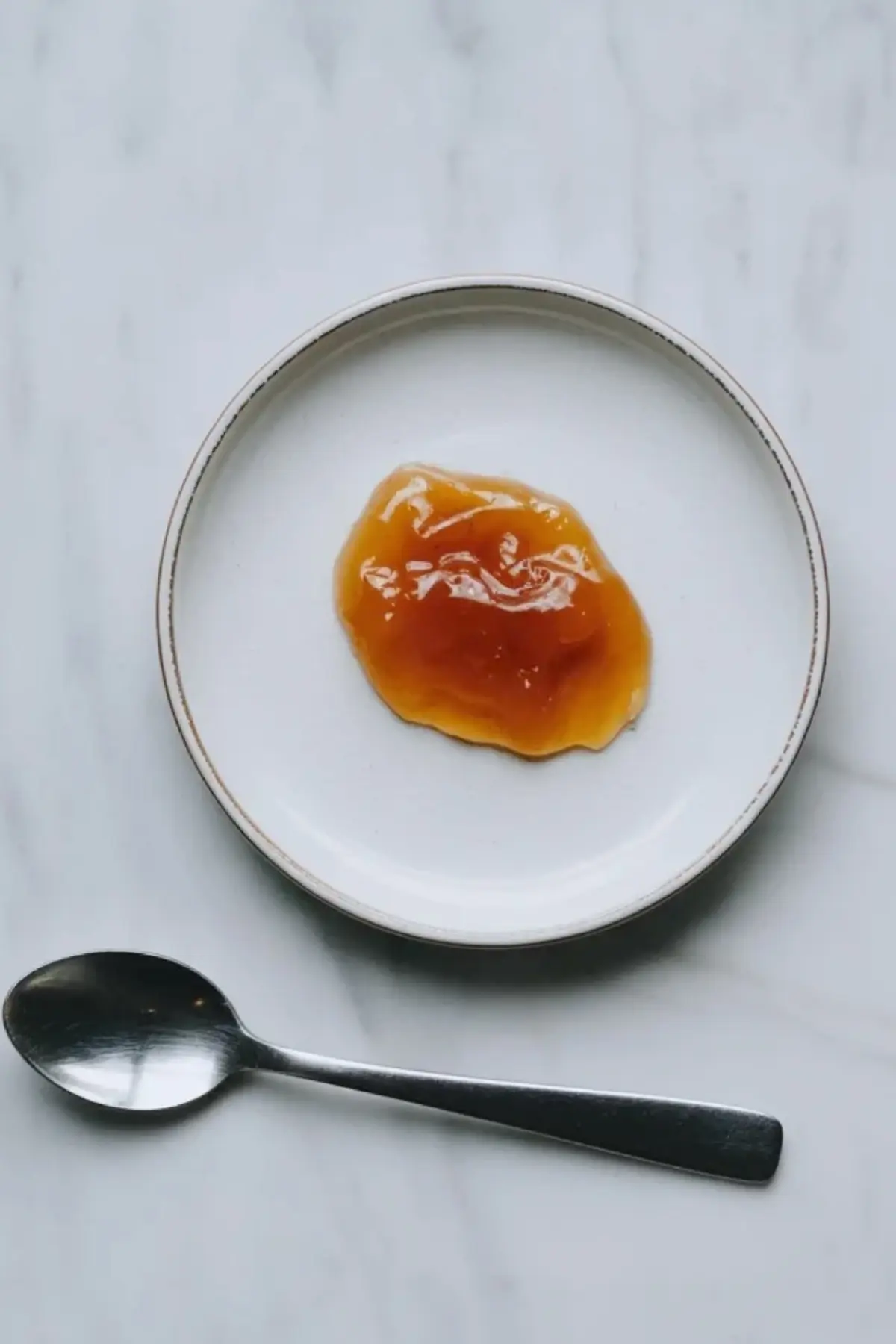
The main thing is not to push it too far. Jam continues to settle as it cools, so stopping while it is still soft enough to loosen a little is usually the better move.
Where It Fits in a Fruit-Preserve Rotation
Apricot jam sits in a very useful middle ground. It is brighter than some darker fruit preserves, but softer and less sharp than citrus-heavy options. That makes it easy to pair with a lot of foods without overpowering them.
If you like keeping more than one fruit preserve around, it pairs naturally with options like Pineapple Jam for a brighter tropical direction or Plum Jam Recipe for something deeper and more sweet-tart.
A Small Recipe That Keeps Paying Off
Part of the value here is that apricot jam sounds simple, but it keeps turning out to be useful. It helps with breakfast, fills pastries, lifts plain yogurt, and gives soft breads or biscuits a quick upgrade with almost no extra work.
That kind of flexibility is usually what makes a recipe worth repeating. If one jar keeps finding new jobs in the kitchen, the recipe has done exactly what it should.
Save This Recipe
Save this apricot jam for the next time you want a bright homemade preserve with real fruit flavor, soft texture, and more range than the average breakfast spread. It is easy to make, easy to use, and worth keeping around once the jar is open.
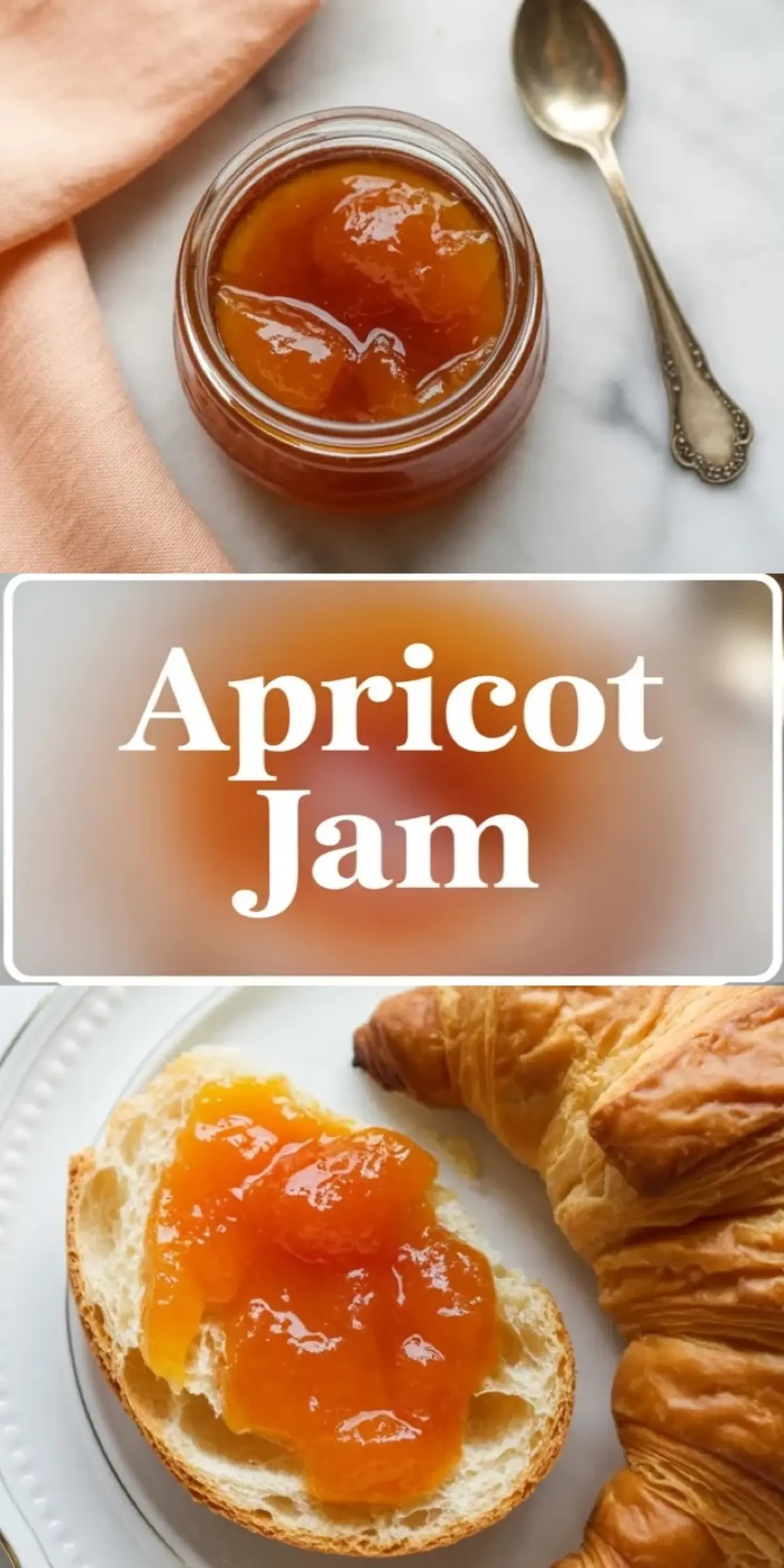
If you try it, leave a comment and say how you used it first. Toast is the obvious answer, but apricot jam usually ends up going further than that.
Apricot Jam Recipe
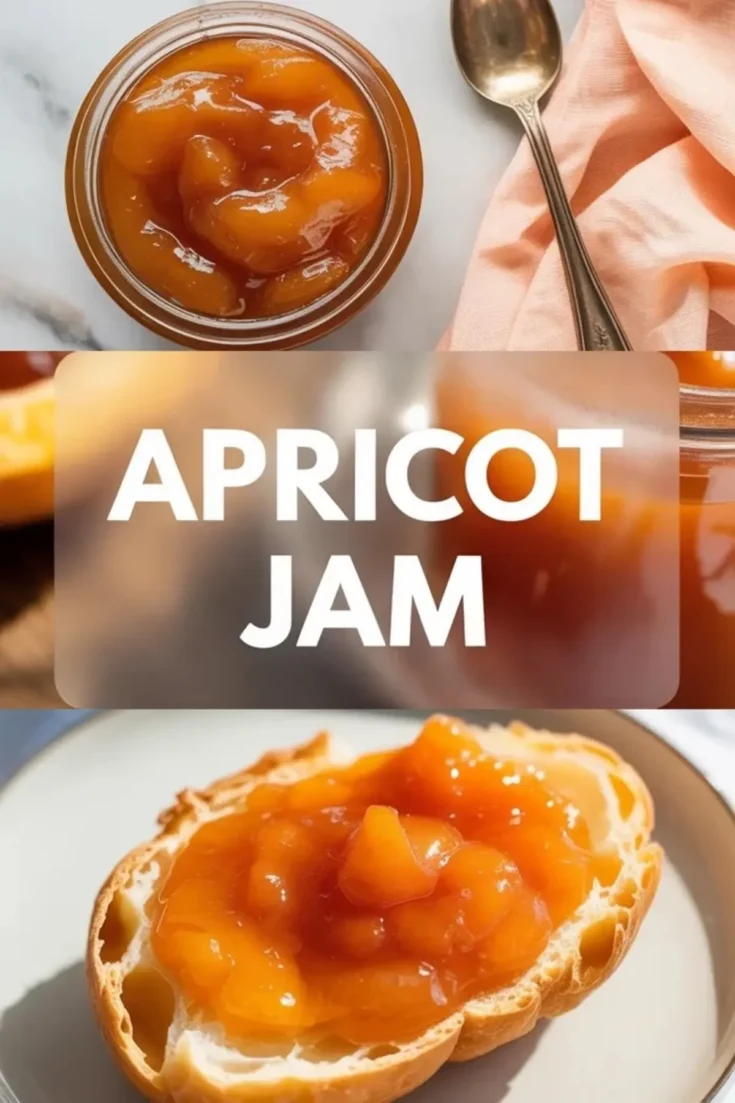
Save this Apricot Jam for a bright, fruity preserve with real apricot flavor and a soft glossy texture that spreads beautifully. If you love Apricot Jam Recipe ideas, Homemade Apricot Jam, and easy fruit preserves that work beyond breakfast, this is an easy one to keep nearby. This Easy Apricot Jam Recipe works on toast, biscuits, yogurt, pastries, and simple desserts, and it gives you a practical way to turn ripe fruit into something you will actually use. If you want a Homemade Apricot Jam Recipe that feels simple, useful, and worth repeating, this one fits beautifully.
Ingredients
- 2 pounds (900g) fresh ripe apricots, pitted and chopped
- 2 cups (400g) granulated sugar
- 2 tablespoons fresh lemon juice
- ½ teaspoon vanilla extract or a pinch of cinnamon (optional)
Instructions
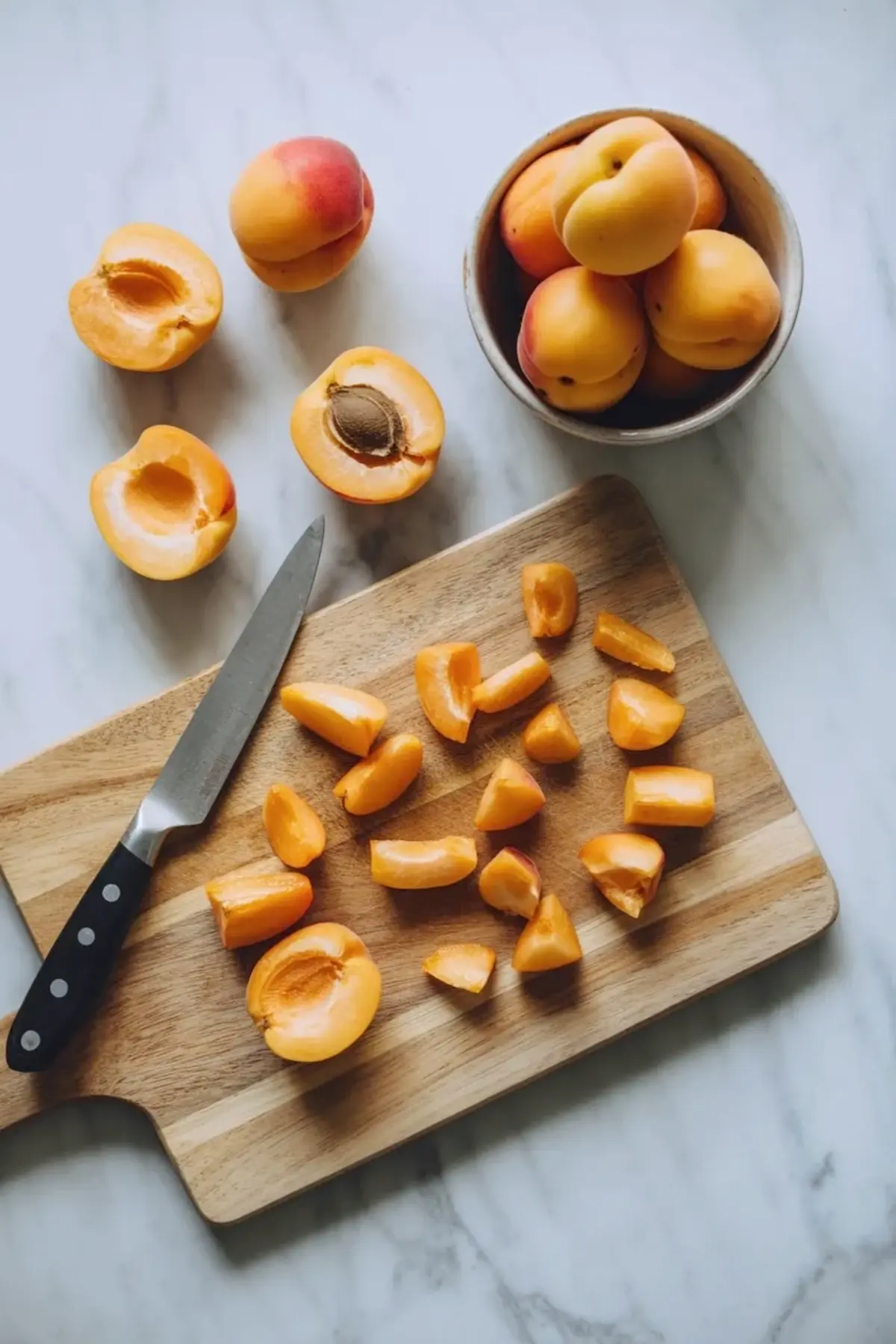
- PREPARE THE APRICOTS: Wash the apricots thoroughly under cool water. Cut them in half, remove the pits, and roughly chop the fruit. Leave the skins on; they will soften and break down during cooking.
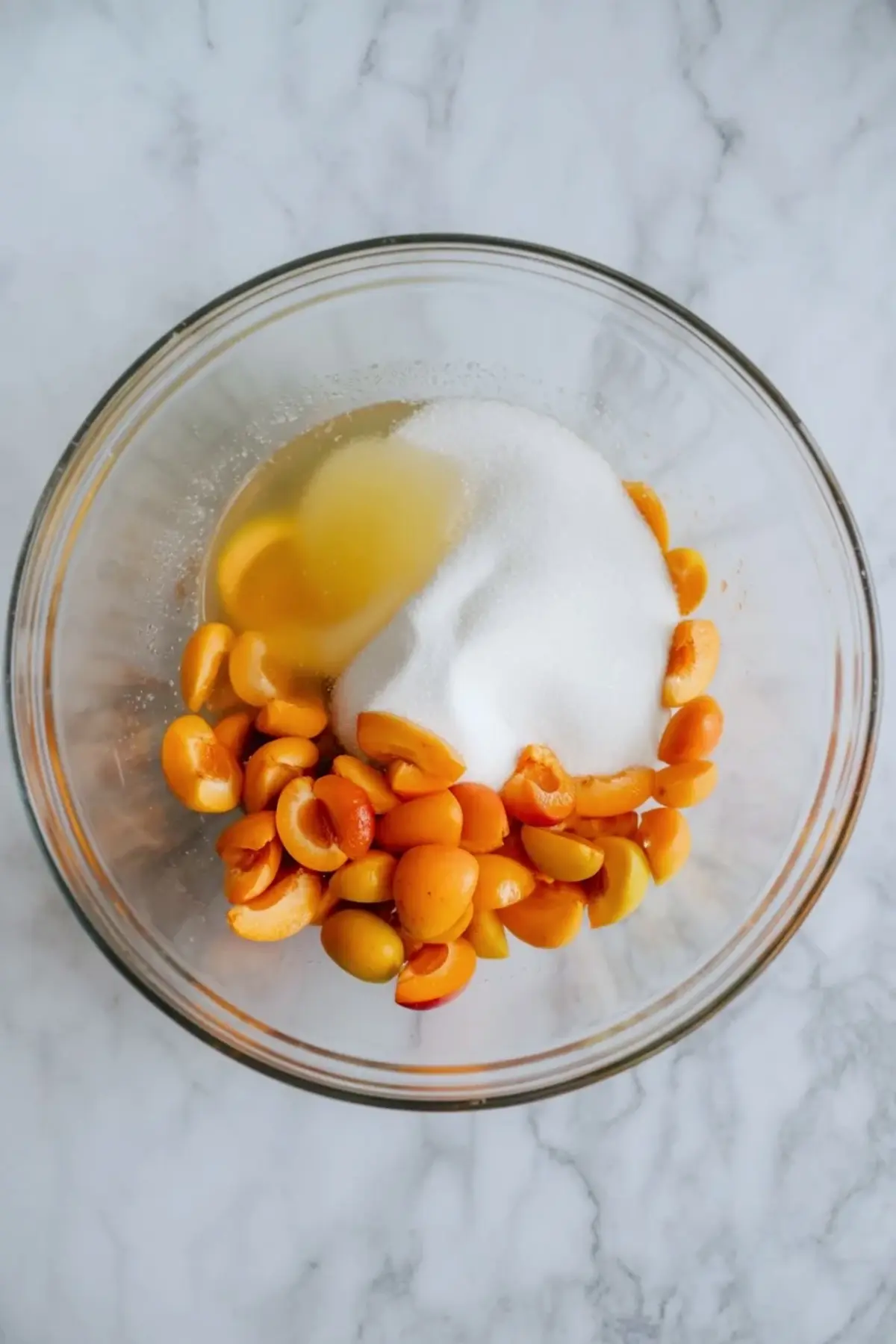
- MACERATE THE FRUIT: In a large saucepan or heavy-bottomed pot, combine the chopped apricots, sugar, and lemon juice. Stir well to combine, then let the mixture sit at room temperature for 30 minutes to allow the fruit to release its juices.
- COOK THE JAM: Set the pot over medium heat and bring the mixture to a gentle boil, stirring often. Once boiling, reduce heat slightly and continue to simmer. Stir frequently to prevent sticking or burning. Cook for 25 to 35 minutes, or until the jam thickens and clings to a spoon. To test doneness, place a small plate in the freezer before cooking. Drop a spoonful of hot jam onto the cold plate, wait 30 seconds, then push it with your finger—if it wrinkles and holds shape, it’s ready.
- JAR THE JAM: Using a clean ladle, transfer the hot jam into sterilized jars, leaving ¼ inch of headspace at the top. Wipe rims clean and seal with lids. For longer storage, process jars in a boiling water bath for 10 minutes. Otherwise, let jars cool to room temperature and refrigerate.
Notes
Use only ripe apricots for best flavor and texture. You may adjust sugar slightly based on fruit sweetness but reducing it too much may affect the jam's shelf life. For chunkier jam, leave some apricot pieces larger.
Nutrition Information
Yield
2Serving Size
1Amount Per Serving Calories 1217Total Fat 2gSaturated Fat 0gUnsaturated Fat 2gSodium 10mgCarbohydrates 298gFiber 9gSugar 292gProtein 6g
