
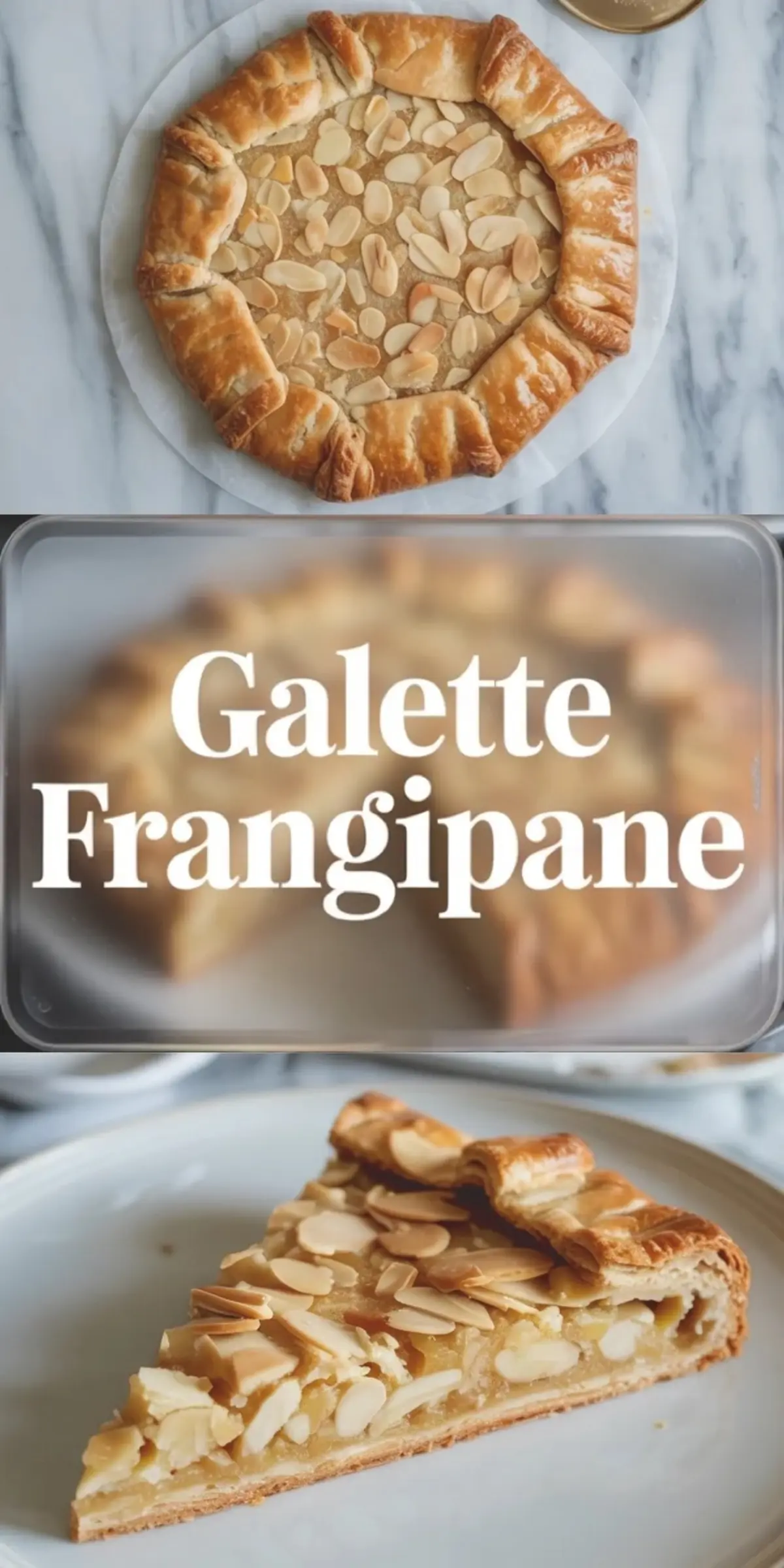
Galette frangipane is one of those pastries that feels instantly more elegant than the work it actually takes. You get a buttery crust, a rich almond filling, and the kind of golden finish that looks right at home on a holiday table or dessert board. It sits somewhere between a tart, a king cake, and a rustic French pastry, which is part of why it feels both classic and approachable.
What makes this recipe especially good is the contrast between textures. The pastry bakes crisp and flaky at the edges, while the frangipane stays soft, rich, and almond forward in the center. That balance is what makes a good galette frangipane recipe feel finished enough for guests while still staying easier to handle than a more formal tart.
Following a special diet?
Every recipe on this site can be converted to gluten-free, vegan, dairy-free, keto, nut-free or egg-free with adjusted ratios so nothing falls flat.
Try the Recipe Converter →Why Frangipane Works So Well in a Galette
Frangipane brings both flavor and structure. It gives the pastry a rich almond center that stays soft after baking, and it also helps the galette feel more substantial than a fruit-only filling. Because the almond cream bakes into a lightly set layer, every slice holds together better and tastes fuller than a plain pastry round.
That is also why this style of dessert works well for people who love galette des rois recipe ideas and other French almond pastries. You get the same warm almond character in a more rustic format that is easier to roll, fold, and serve. If you like classic pastries with a strong filling focus, chocolate hazelnut cake filling is another rich recipe that leans into texture and depth in a different way.
Ingredients That Matter Most
The pastry needs cold butter and a light hand. That is what gives you the flaky layers and keeps the dough from turning dense once baked. A little sugar in the dough helps it brown more evenly and adds a faint sweetness that supports the almond filling without making the crust taste like a cookie.
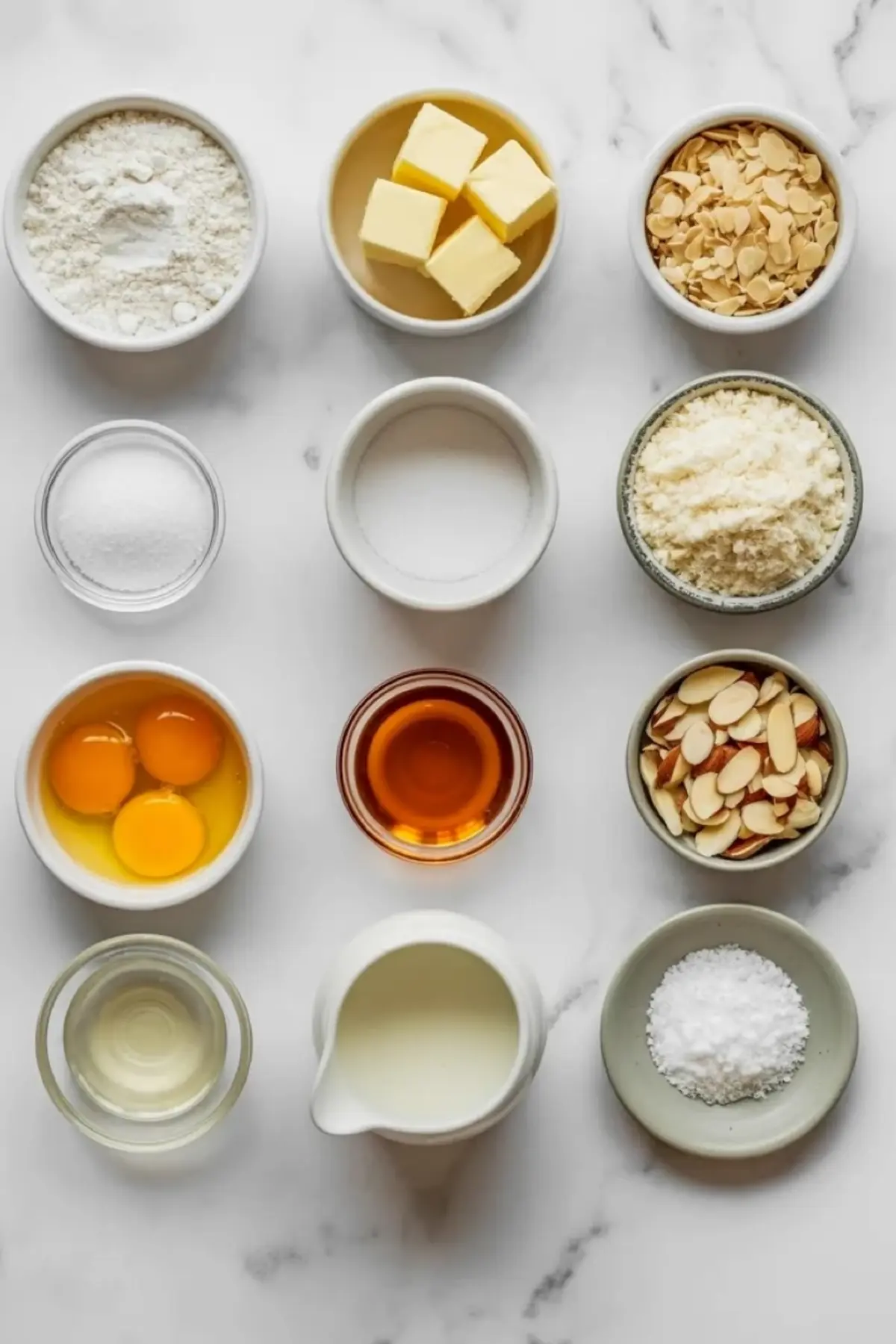
For the frangipane, almond flour is the star. It gives the filling its soft texture and its distinct almond flavor, while butter, sugar, eggs, and extracts turn it into a smooth almond cream. Sliced almonds over the top add texture and a more finished look. If you like almond driven desserts, mini banana mousse cheesecakes show the same polished dessert style in a chilled format instead.
How to Build the Pastry and Filling
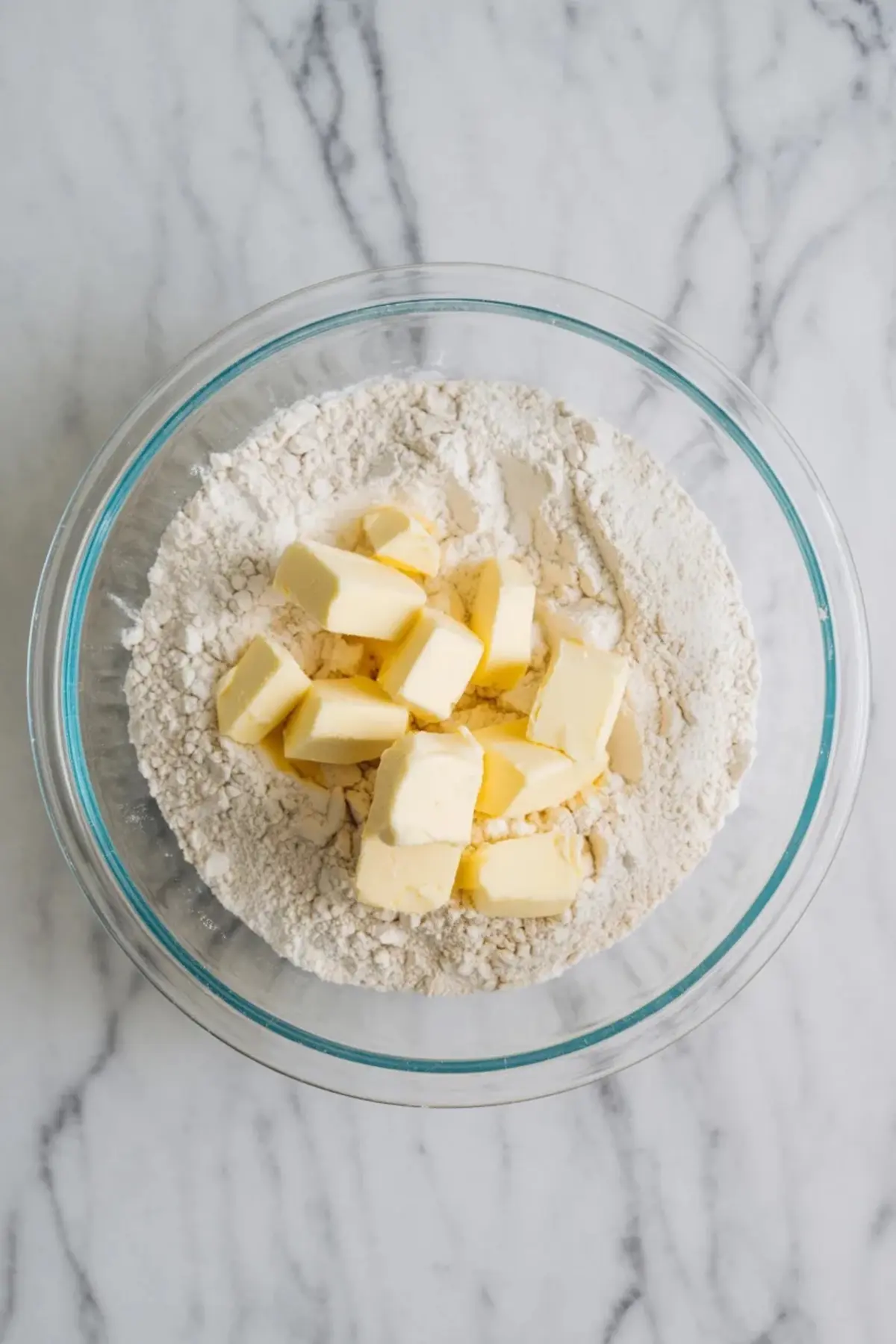
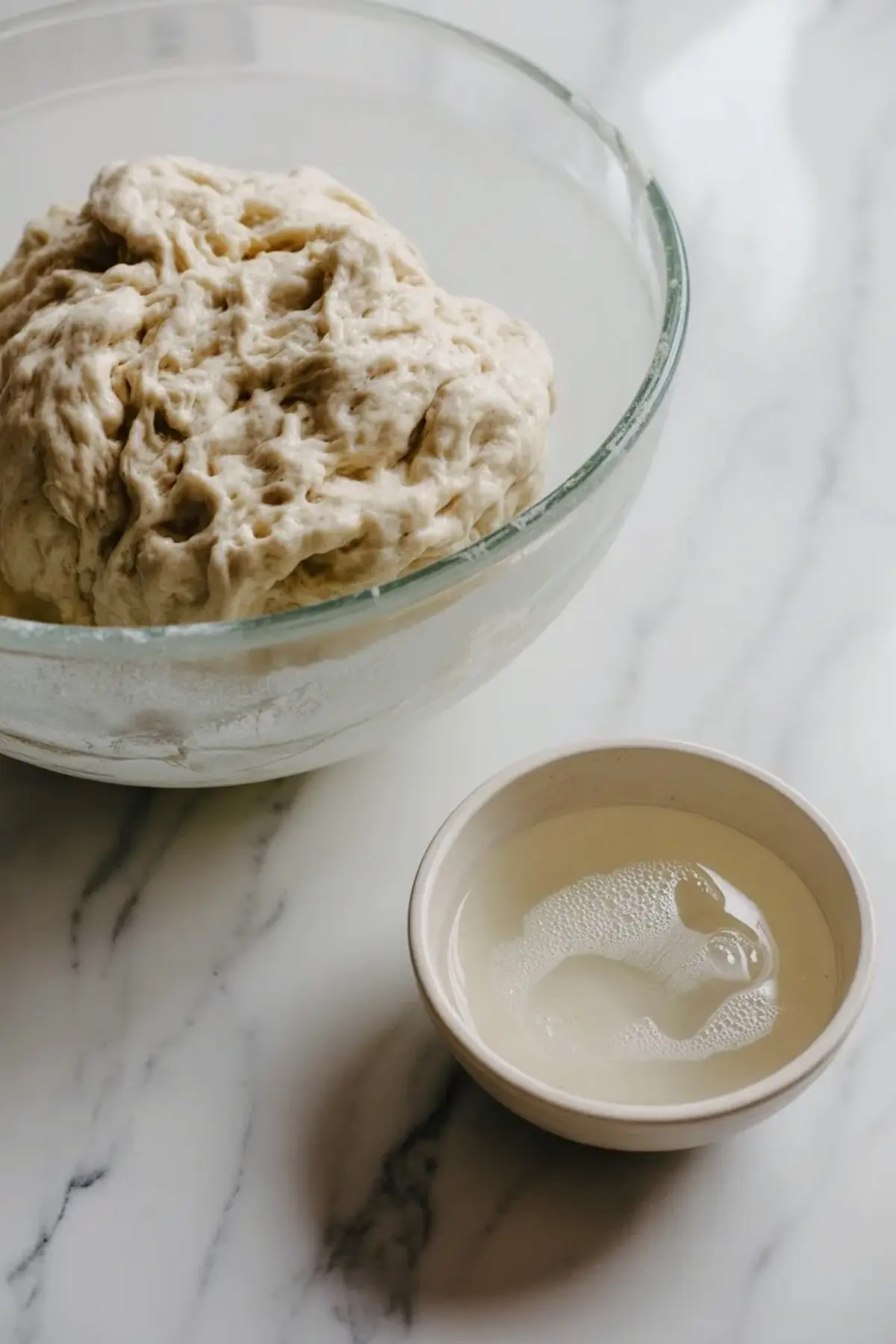
Start the dough by cutting the cold butter into the flour until you have uneven crumbs with some larger pieces still visible. That is a good sign, not a problem. Those butter pieces help create the flaky texture once the pastry bakes. Add the ice water gradually and stop as soon as the dough comes together, because overworking it will make the crust tougher than it should be.
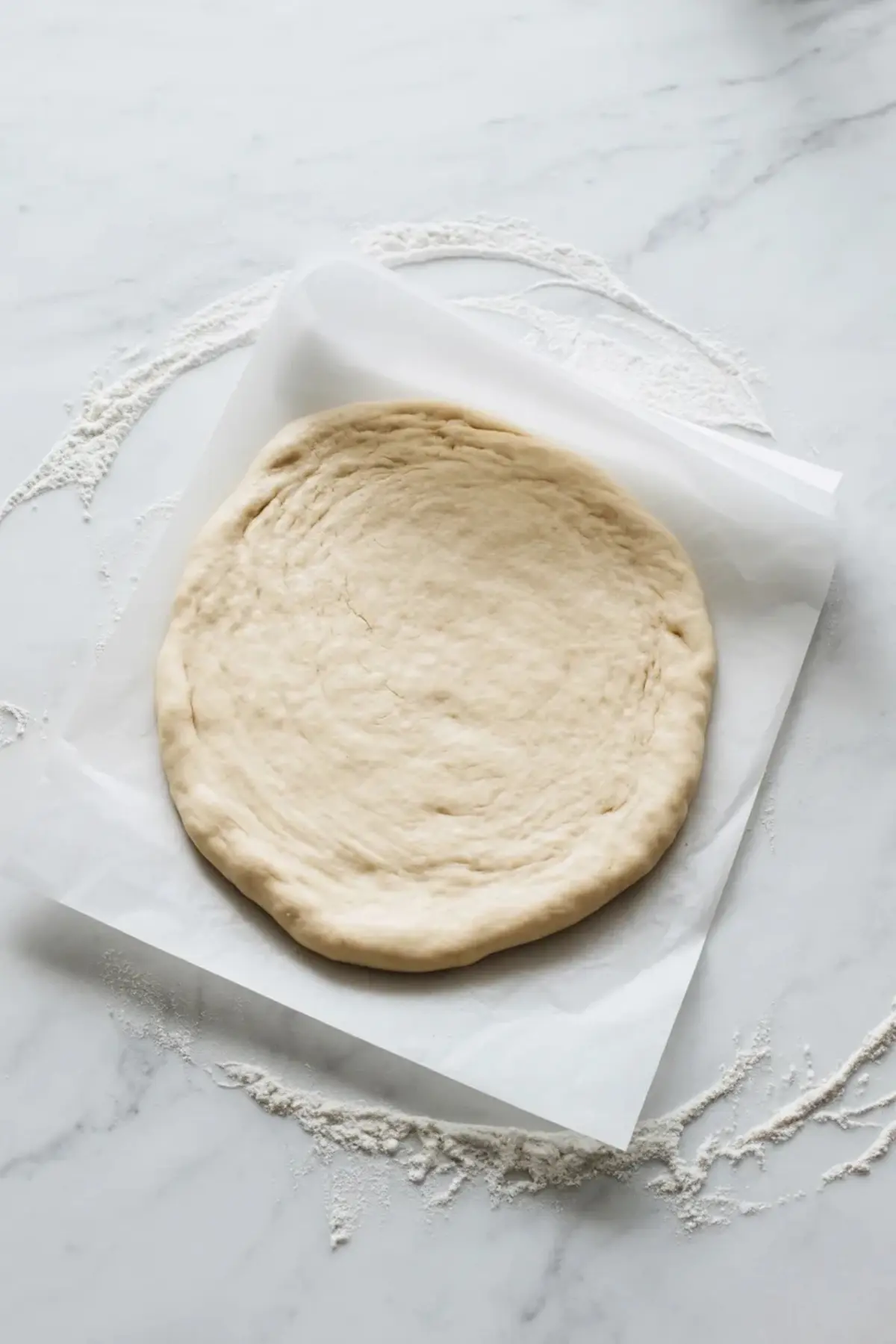
Once the dough comes together, let it rest briefly, then roll it into an even round on parchment so the galette is easier to transfer and shape. A smooth round with a clear border gives you a cleaner fold later and helps the frangipane stay centered instead of drifting toward the edge.
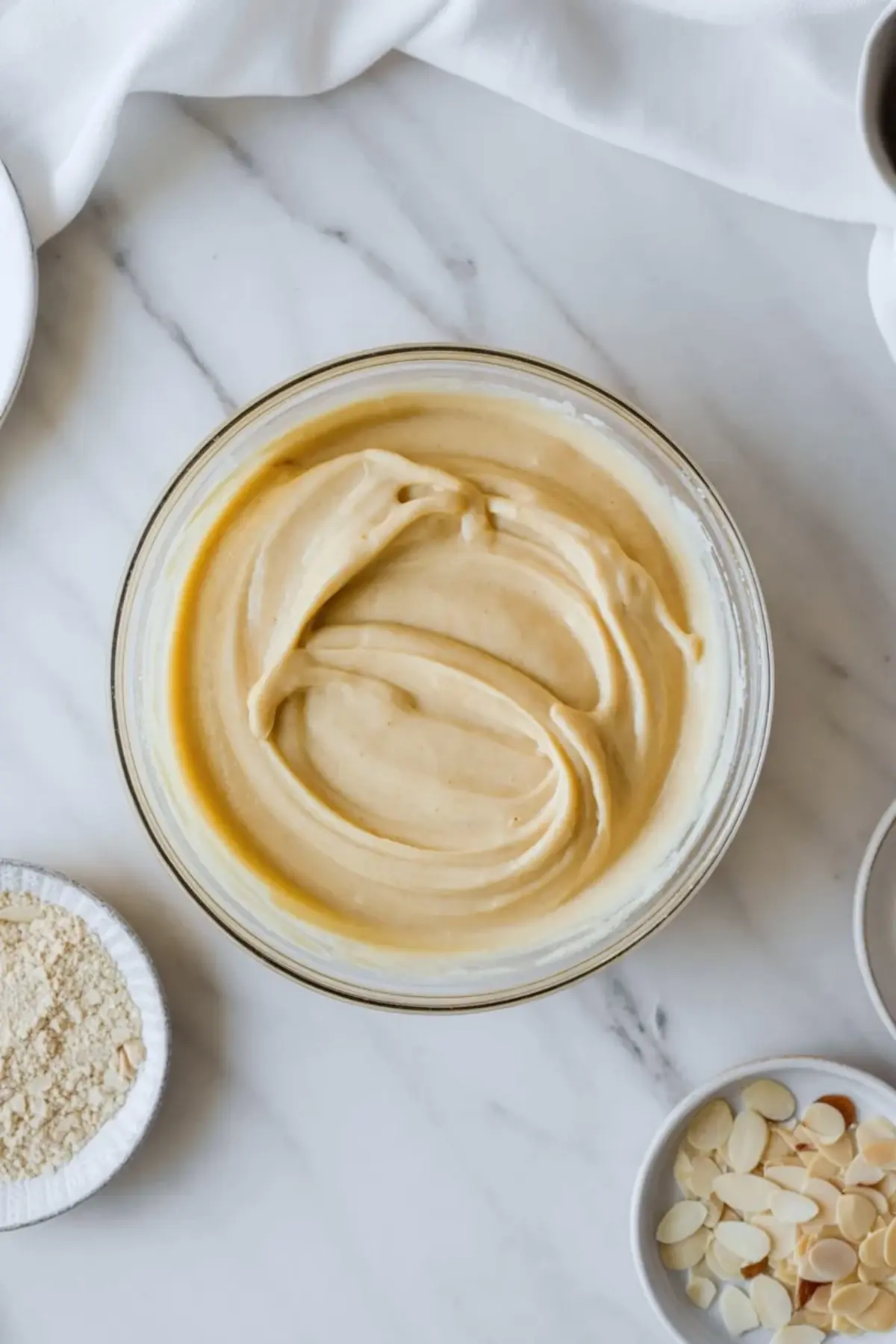
The frangipane should be mixed until smooth and evenly creamy, but not beaten so hard that it turns loose. Once the dough is rolled out, spread the filling over the center and leave a clean border so the crust can fold over neatly. That simple border is what gives the galette its rustic free-form shape while keeping the almond filling secure in the middle.
How to Tell When It Is Ready
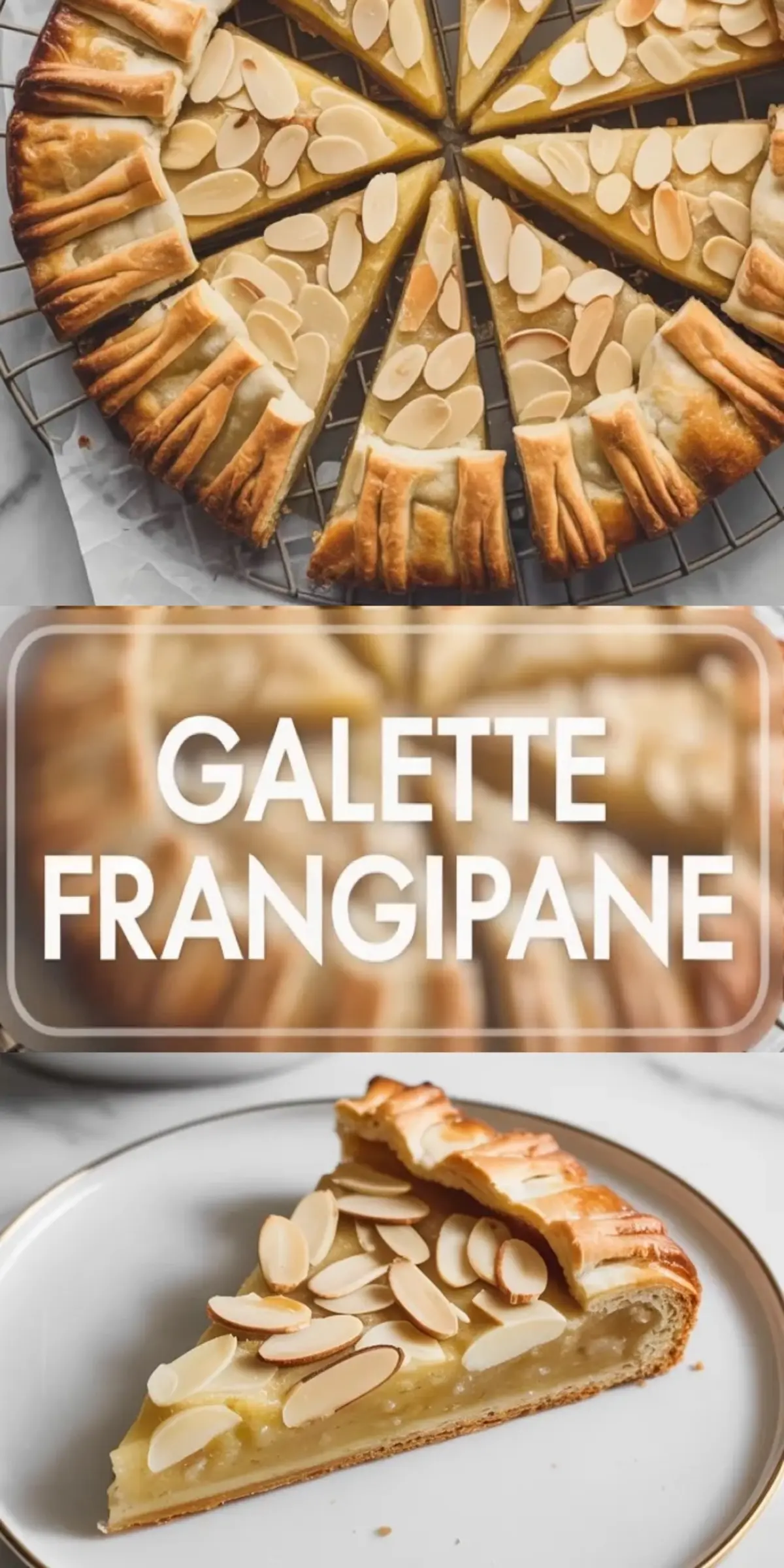
The galette is ready when the crust is deeply golden, the folded edges look crisp, and the almond filling looks set rather than wet in the center. The sliced almonds on top should be lightly toasted, not pale. Those visual signs matter more than the exact minute count because pastry thickness and oven heat can shift the timing a little.
Let it cool slightly before slicing so the filling has time to settle. Warm slices are excellent, but a short rest makes the texture cleaner and keeps the pastry from breaking apart too easily when served.
Serving and Storage Tips
This galette frangipane recipe works well for dessert after dinner, holiday baking, and weekend pastry projects that need to feel a little more special than everyday cake. It is easy to serve in wedges, and the almond filling gives it enough richness that it does not need much else on the plate.
Serve it slightly warm or at room temperature, and store leftovers covered once fully cool. Save this galette frangipane recipe when you want a classic French dessert with almond frangipane filling, crisp pastry, and a finish that looks far more complicated than it really is.
Galette Frangipane
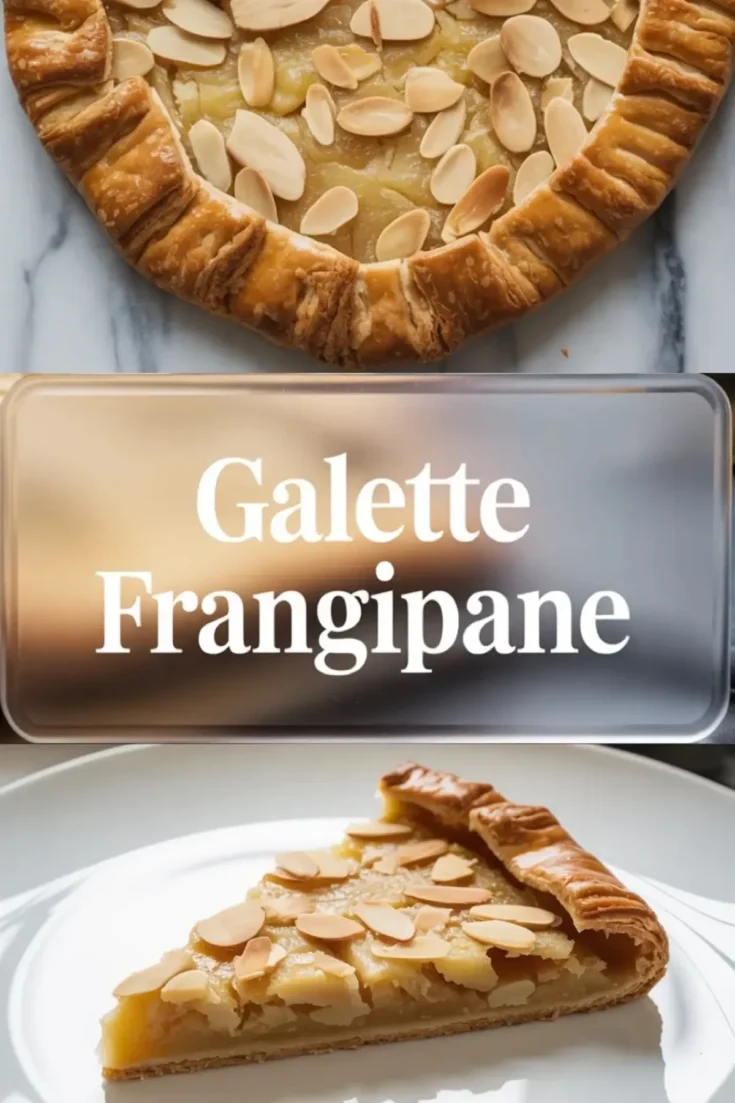
Save this galette frangipane recipe when you want a French style dessert that feels elegant without being overly fussy. It wraps a buttery pastry around a rich almond frangipane filling, then bakes until the crust turns golden and crisp at the edges. The texture gives you flaky pastry, soft almond cream, and toasted sliced almonds across the top, which makes every slice feel polished enough for dinners, holidays, and dessert tables. If you love galette des rois recipe ideas, frangipane pastry desserts, or almond frangipane pastry bakes, this one brings the same flavor profile in a rustic, shareable format. It is a strong recipe to keep when you want classic French dessert baking with clear almond flavor and a beautiful finish.
Ingredients
- FOR THE PASTRY:
- 1 ¼ cups (160g) all-purpose flour
- ½ cup (115g) unsalted butter, cold and cubed
- 2–3 tablespoons ice water
- 1 tablespoon sugar
- ¼ teaspoon salt
- FOR THE FRANGIPANE FILLING:
- ½ cup (100g) unsalted butter, softened
- ½ cup (100g) granulated sugar
- 1 cup (100g) almond flour
- 2 large eggs
- 1 teaspoon vanilla extract
- ½ teaspoon almond extract
- 1 tablespoon all-purpose flour
- FOR THE TOPPING:
- ¼ cup sliced almonds
- 1 egg
- 1 tablespoon milk
- 1 tablespoon sugar
Instructions
MAKE THE DOUGH: In a large bowl, mix the flour, sugar, and salt until evenly combined. Add the cold, cubed butter and use your fingers or a pastry cutter to work it into the flour mixture until it resembles coarse crumbs with small pea-sized pieces of butter. Add ice water one tablespoon at a time, mixing gently after each addition, until the dough just comes together. Form the dough into a disk, wrap it tightly, and chill in the refrigerator for at least 30 minutes to firm up the butter and hydrate the flour.
PREPARE THE FRANGIPANE: In a separate bowl, beat the softened butter and granulated sugar until smooth and creamy. Add the eggs one at a time, mixing thoroughly after each addition to ensure a smooth texture. Stir in the almond flour, all-purpose flour, vanilla extract, and almond extract until the filling becomes thick, smooth, and evenly combined. Set aside at room temperature.
ROLL OUT THE DOUGH: Lightly flour a clean work surface and roll the chilled dough into a circle about 10–12 inches in diameter. Work from the center outward, turning the dough occasionally to maintain an even thickness. Transfer the rolled dough to a baking sheet lined with parchment paper, ensuring it lays flat without stretching.
ASSEMBLE THE GALETTE: Spread the frangipane filling evenly over the center of the dough, leaving a 2-inch border around the edges. Carefully fold the edges of the dough over the filling, pleating as you go to create a rustic, free-form shape. Press gently to secure the folds without flattening the pastry.
ADD THE FINISHING TOUCHES: In a small bowl, whisk the egg with the milk to create an egg wash. Brush the mixture over the folded crust to promote even browning. Sprinkle sliced almonds evenly over the exposed filling and finish by sprinkling sugar over the crust for added texture and light sweetness.
BAKE THE GALETTE: Preheat the oven to 375°F (190°C). Place the assembled galette in the oven and bake for 35–40 minutes, or until the crust turns golden brown and the filling is set in the center. Remove from the oven and allow it to cool slightly on the baking sheet before slicing and serving.
Notes
For extra flavor, chill the assembled galette for 10–15 minutes before baking to help maintain the shape.
Serve slightly warm or at room temperature for the best texture and flavor balance.
