
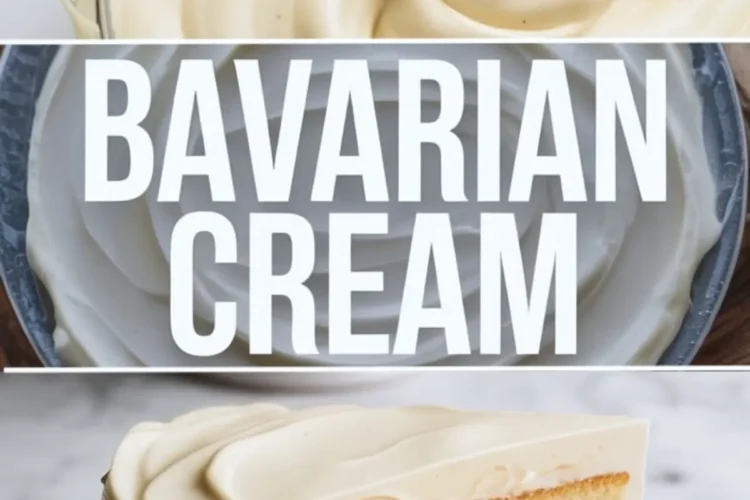
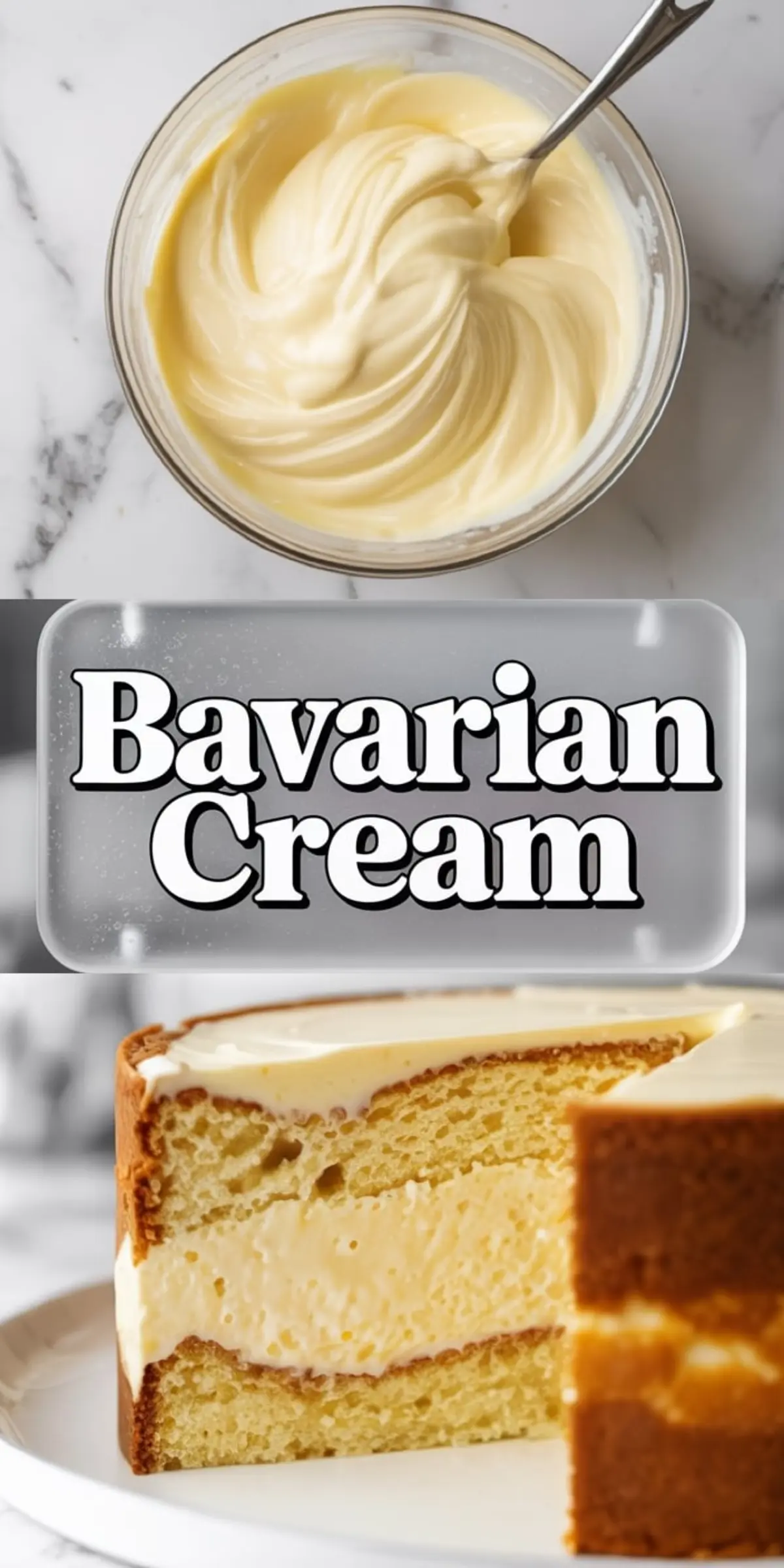
This homemade Bavarian cream recipe creates a silky, spoonable filling made from milk, egg yolks, gelatin, and whipped cream. It’s the base for Bavarian cream cake, a filling for tarts, or an elegant Bavarian cream dessert on its own. The texture is soft but holds its shape, and the flavor walks the line between light custard and whipped mousse.
You can use this easy Bavarian cream recipe in cakes, cream puffs, pies, or layer it into trifles. It’s structured enough for piping, yet melts in the mouth. It sets with a clean finish and takes on flavors well.
Following a special diet?
Every recipe on this site can be converted to gluten-free, vegan, dairy-free, keto, nut-free or egg-free with adjusted ratios so nothing falls flat.
Try the Recipe Converter →The balance between custard and cream makes this recipe dependable. Egg yolks provide structure while the gelatin stabilizes the texture without making it rubbery. Whipped cream brings in air and softness, so the result isn’t heavy.
The key is cooling the custard properly before folding. If it’s too warm, the cream collapses. Too cold, and it won’t blend evenly. A temperature just slightly below room temp works best. Expect a chill time of four hours or more. That’s what gives it structure.
What Each Ingredient Adds
Whole milk sets the foundation. It gives body without overwhelming the other ingredients. Using low-fat milk changes the outcome. It doesn’t thicken the same way.
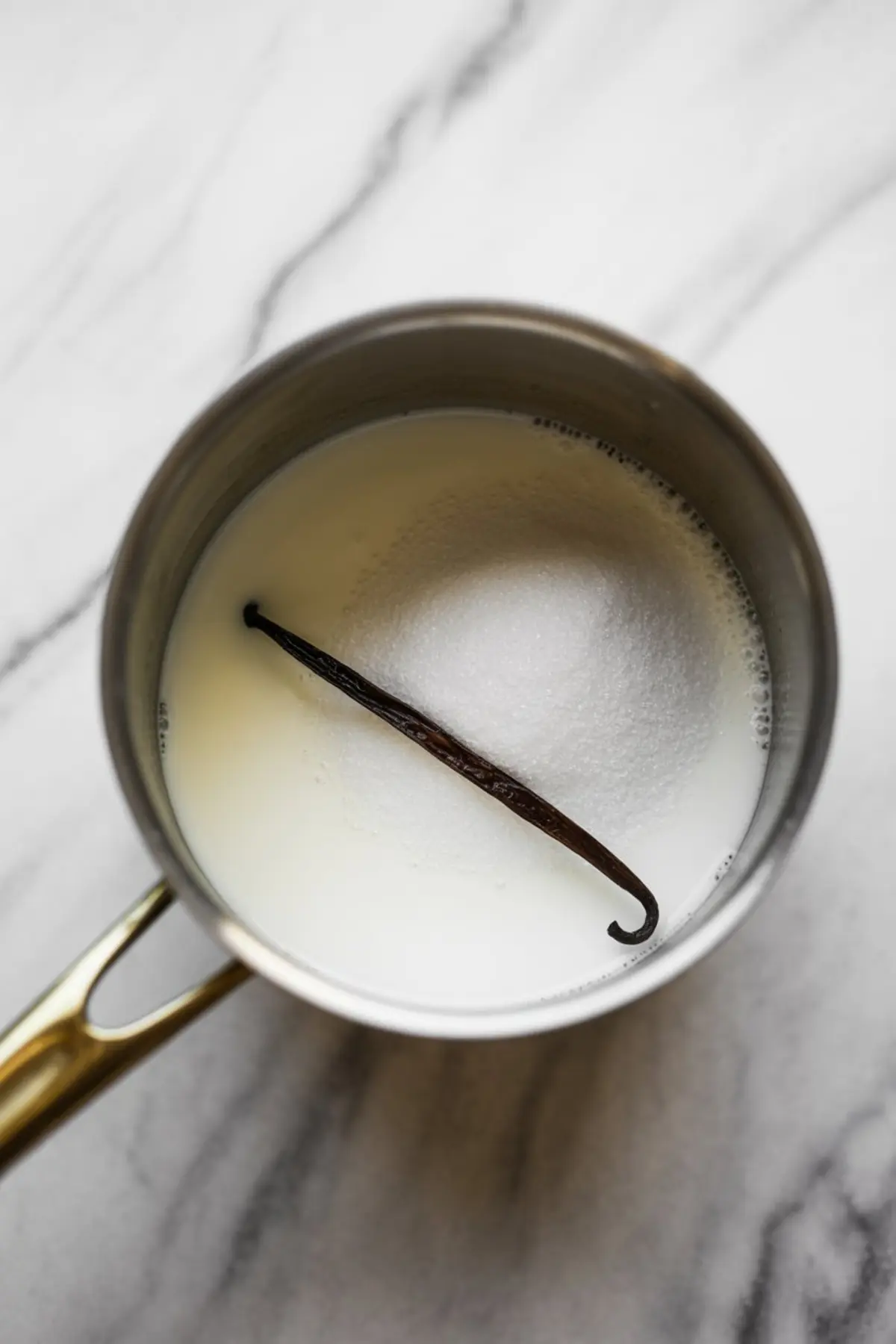
Granulated sugar splits into two uses. Half sweetens the milk, and half goes with the yolks. That division helps both mixtures heat evenly and stay smooth.
A vanilla bean gives the deepest flavor. The seeds dot the custard with specks and infuse every bite. If that’s not available, two teaspoons of vanilla extract will do, added at the end before folding in the cream.
Egg yolks thicken the custard and carry richness. They also work with gelatin to form a smooth set that isn’t stiff.
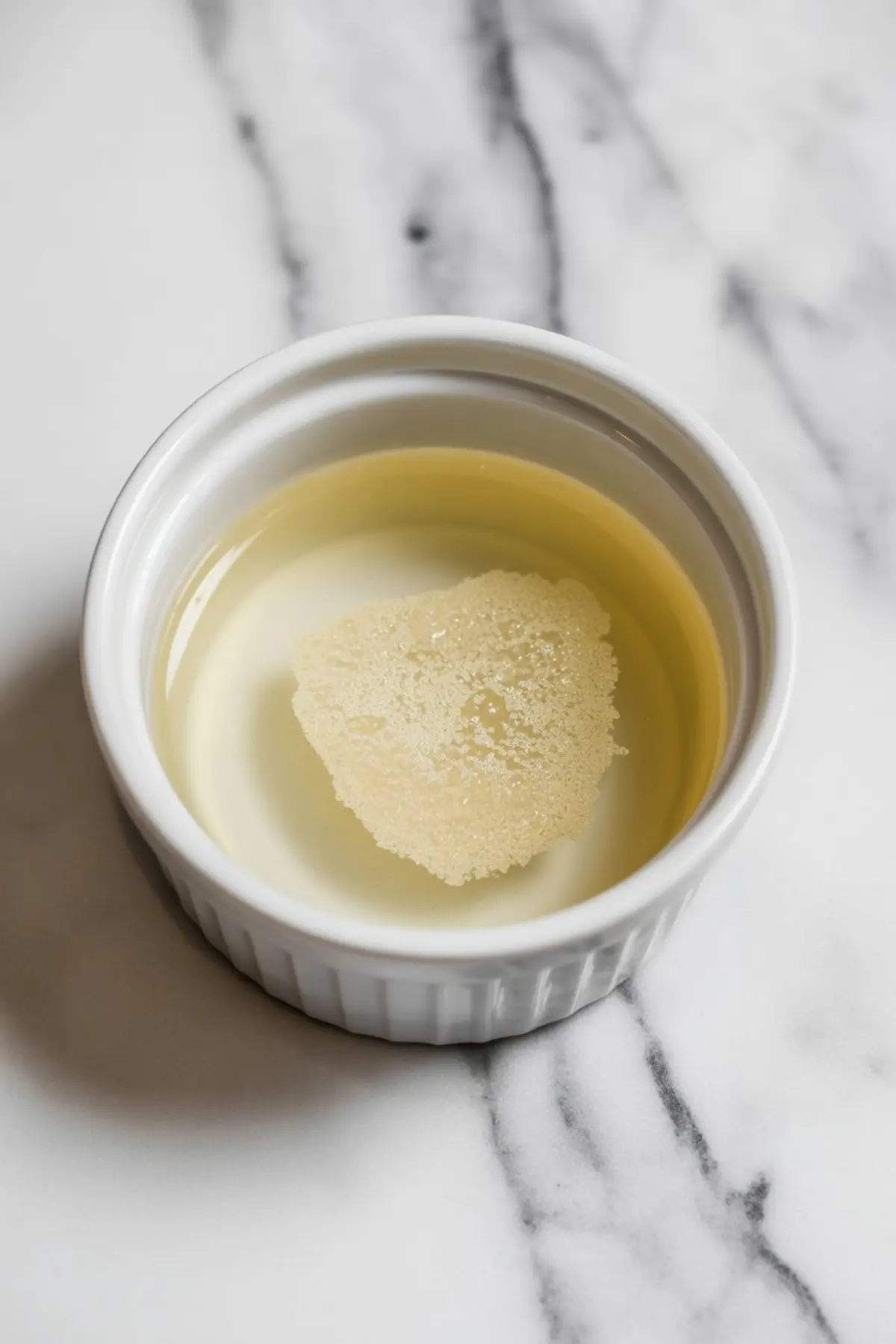
Unflavored gelatin gives the cream its signature structure. It allows the mixture to set firmly enough for slicing while staying smooth and creamy. Blooming it properly matters. Don’t skip the cold water step.
Cold water activates the gelatin. You’ll need just three tablespoons. It turns grainy gelatin into a spongy mass ready to dissolve in warmth.
Heavy cream adds volume. Whip it to soft peaks, not stiff. Soft peaks blend into the custard more gently, which preserves the airy structure.
Try this peanut butter mousse filling for a richer, nuttier twist in layered desserts using similar ratios.
Spotlight on Custard Timing
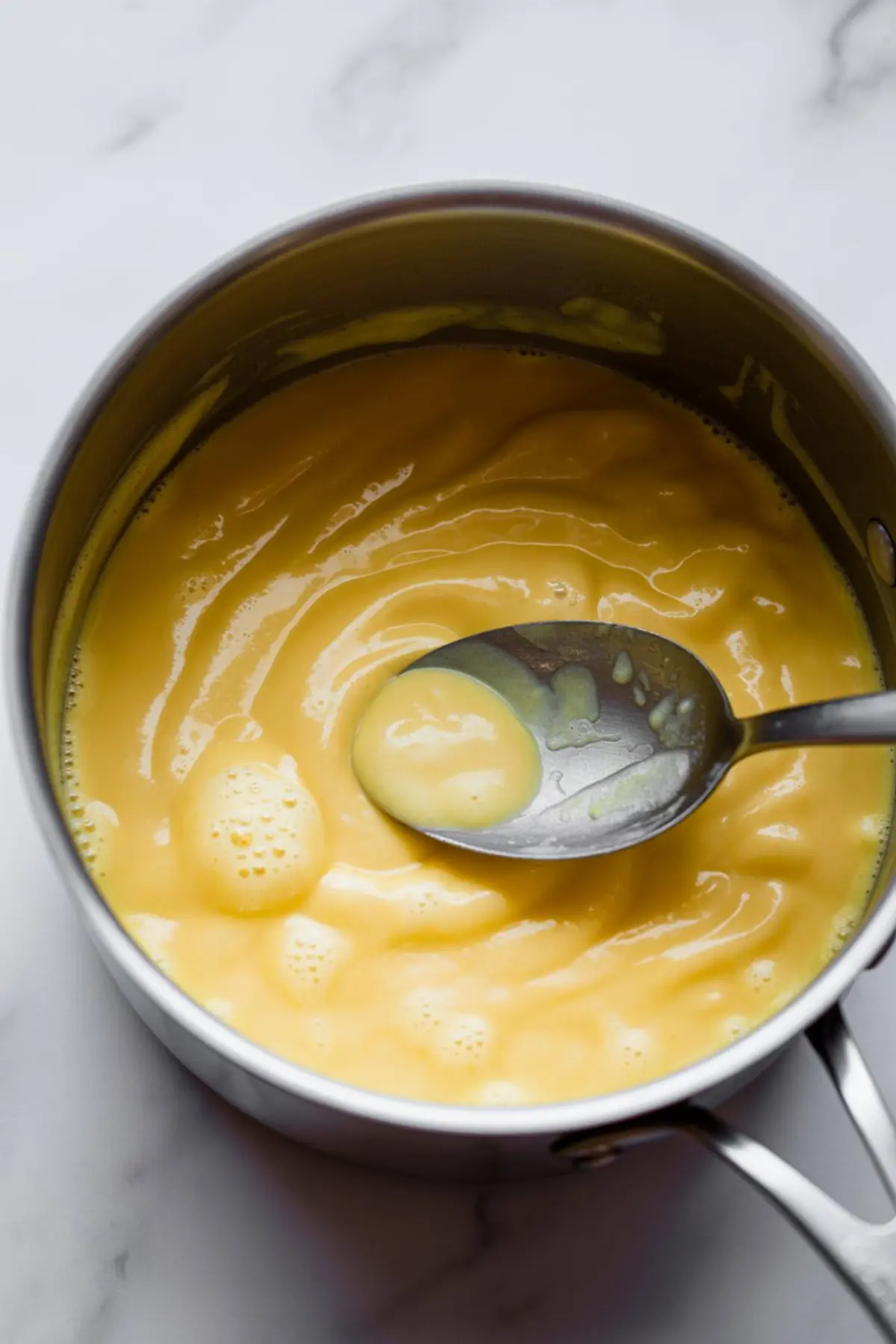
The most important step is cooking the egg mixture. Too fast, and it curdles. Too slow, and it never thickens. Aim for medium-low heat and stir constantly with a wooden spoon or spatula. You’ll notice it starts to cling slightly to the back of the spoon. That’s your signal.
Use the back-of-spoon test. If you swipe a finger across the coated spoon and the line holds, it’s done. Strain immediately and stir in the gelatin so it dissolves while the custard is still warm.
You can try this cream cheese fillin as another structured but creamy option for tarts or layer cakes.
Texture Checks While Mixing
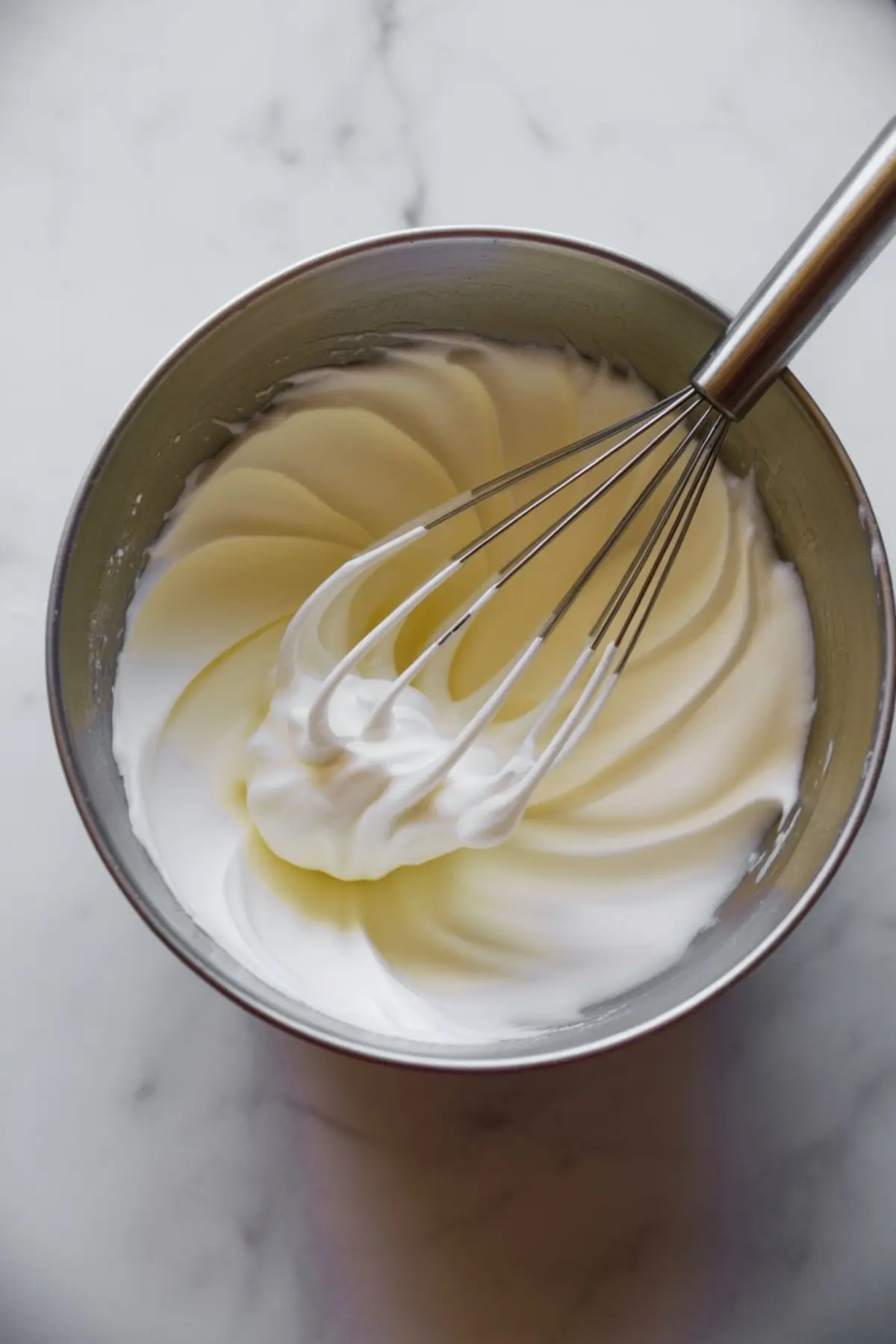
Let the custard cool until it no longer feels warm to the touch but still flows. If it thickens too much, gently whisk it to loosen. Then fold in the whipped cream in two additions using a large spatula. Do not stir.
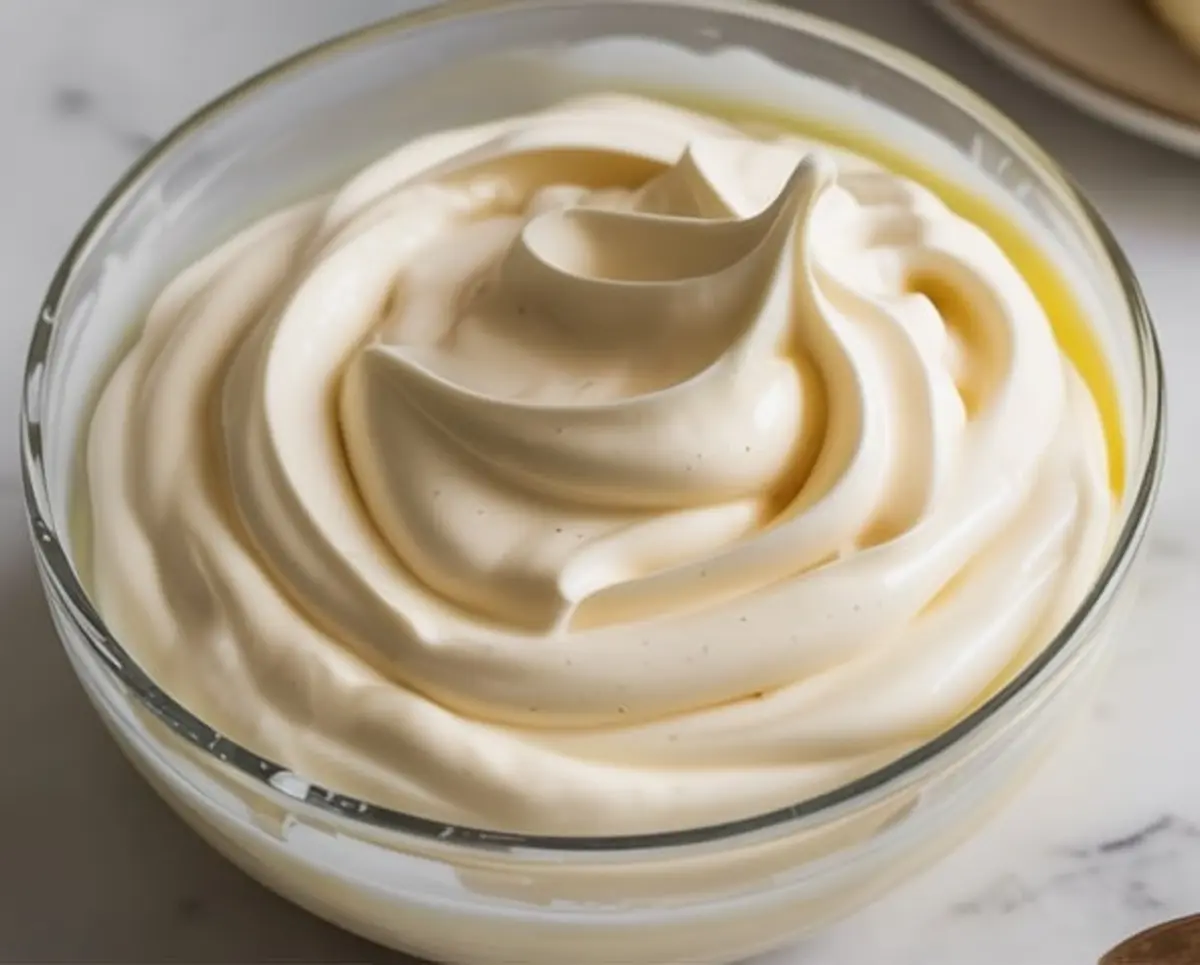
The final cream should look smooth and light. If you see streaks of whipped cream, you haven’t folded enough. If it looks flat or thin, the custard was too warm and melted the cream.
Here’s a contrast: banana cake filling gives a fruit-forward texture with similar body but less structure.
Signs It’s Set
After four hours in the fridge, Bavarian cream should feel firm to the touch. A spoon pressed into it should meet resistance but glide through. If it jiggles too much, it hasn’t fully set. If it cracks, it may have over-set from too much gelatin or too cold a fridge.
Common Issues and Fixes
If it’s too soft, the gelatin didn’t bloom properly or the whipped cream was overmixed. If it feels rubbery, the gelatin amount was too high or the custard overcooked.
A runny texture means the custard wasn’t cooked long enough. A gritty texture means the egg yolks scrambled. Both can be fixed next time by adjusting temperature and timing.
If you like cream with a more dramatic flavor, try this Baileys Irish Cream filling as a variation.
Variations You Can Try
Add 1 tablespoon of espresso to the milk for a coffee Bavarian. Stir in 2 tablespoons raspberry puree for a fruity version. Use ½ teaspoon almond extract instead of vanilla for a nutty background.
Each change adjusts the flavor slightly but keeps the structure intact. Keep the gelatin and cream ratios consistent.
Storage and Shelf Life
Store Bavarian cream in the fridge for up to 3 days. Cover tightly to prevent it from absorbing fridge odors. It does not freeze well. The texture breaks after thawing.
Use a piping bag to portion leftovers into mini dessert cups for individual servings.
Test Notes and Serving Ideas
Use a heavy-bottomed saucepan for even heating. A silicone spatula works better than a whisk during cooking. Chill your mixing bowl before whipping cream for faster results.
Make sure your gelatin isn’t expired. That seems obvious, but it matters.
Serve in cups topped with fresh berries. Layer into a chocolate cake. Pipe into puff pastry. Fill tart shells and top with fruit. Use as a trifle layer between sponge and fruit jam. Or just spoon and eat straight from the bowl.
Save This Recipe
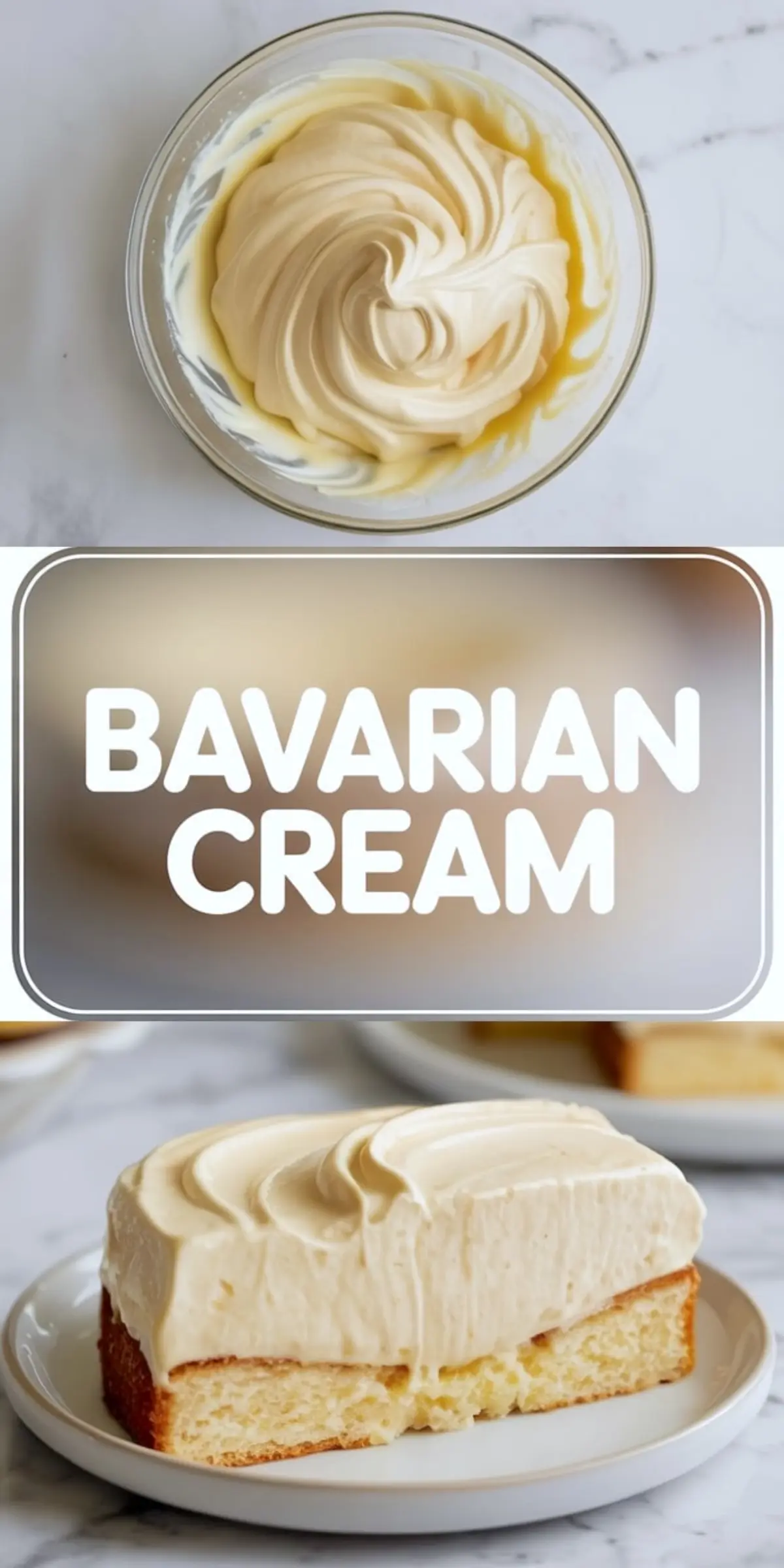
Pin this homemade Bavarian cream recipe to your Desserts board so it’s easy to find when you need a reliable base or dessert filler.
Share in the comments if you made it as a Bavarian cream pie, cake, or filling. I’d love to know how it turned out.
Homemade Bavarian Cream Recipe
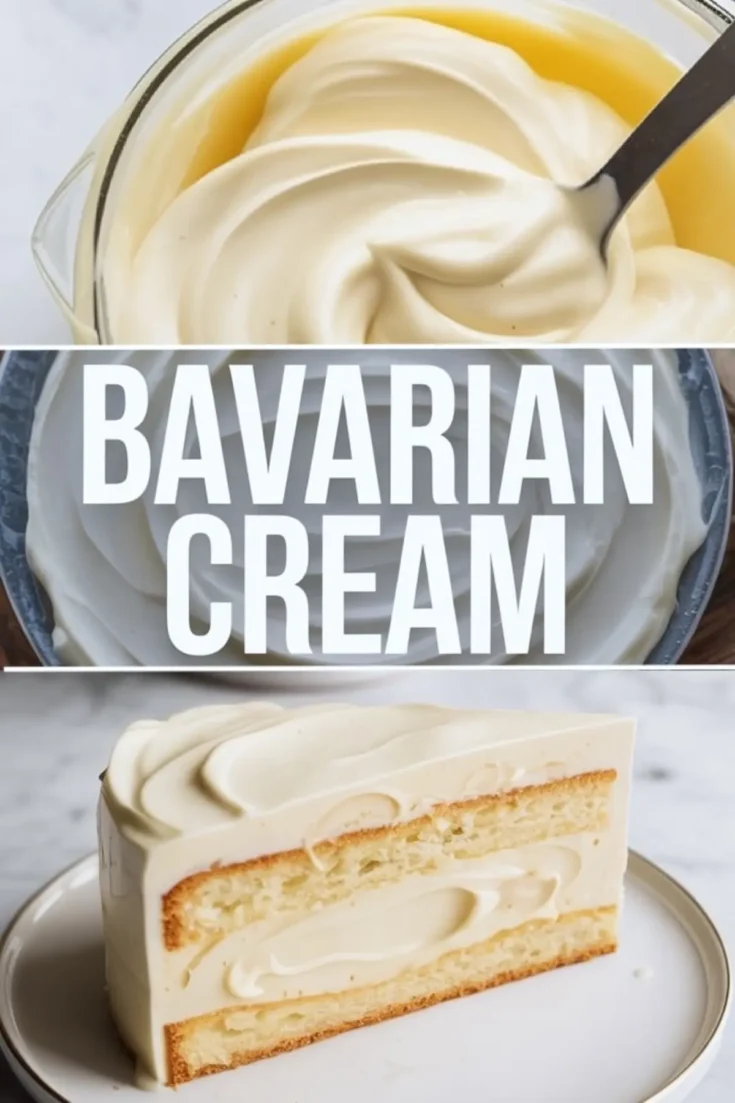
This Bavarian cream recipe is smooth, rich, and ideal for multiple uses. From Bavarian cream cake and Bavarian cream pie to layered trifles or elegant tarts, it’s a versatile option for any baker. Learn how to make Bavarian cream filling that works in pastries or as a standalone Bavarian cream dessert. This is a true classic that brings professional-quality results to your kitchen. Includes tips for easy Bavarian cream filling, plus variations for a homemade Bavarian cream that fits your baking plans. Great for those looking for a reliable Bavarian creme or filling recipe.
Ingredients
- 2 cups (480 ml) whole milk
- 1/2 cup (100 g) granulated sugar, divided
- 1 vanilla bean, split (or 2 teaspoons vanilla extract)
- 4 large egg yolks
- 2 1/2 teaspoons (1 packet) unflavored gelatin
- 3 tablespoons (45 ml) cold water
- 1 cup (240 ml) heavy whipping cream
Instructions
- BLOOM THE GELATIN: Sprinkle the unflavored gelatin over the cold water in a small bowl and let it sit for 5 to 10 minutes to fully hydrate. The mixture should swell and become slightly firm.
- HEAT THE MILK: In a medium saucepan, combine the whole milk with half of the granulated sugar (1/4 cup). Scrape the seeds from the split vanilla bean and add both seeds and pod to the milk. Heat the mixture over medium heat until steaming but not boiling.
- TEMPER THE EGG YOLKS: In a separate bowl, whisk the egg yolks with the remaining 1/4 cup of sugar until the mixture becomes pale and slightly thickened. Gradually pour about half of the hot milk into the yolks while whisking constantly to temper them, then return the tempered yolks to the saucepan with the remaining milk.
- COOK THE CUSTARD: Return the saucepan to medium-low heat and cook the mixture while stirring constantly with a wooden spoon or heatproof spatula. Cook until the custard thickens slightly and coats the back of the spoon, about 4 to 5 minutes. Do not allow it to boil.
- ADD GELATIN: Remove the custard from the heat and pour it through a fine mesh sieve into a clean bowl to remove any solids and the vanilla pod. Immediately add the bloomed gelatin and stir until completely dissolved in the warm custard.
- COOL THE CUSTARD: Let the custard mixture cool to room temperature, stirring occasionally to prevent a skin from forming. It should be cool enough to avoid melting the whipped cream, but not yet set.
- WHIP THE CREAM: In a separate bowl, whip the heavy cream to soft peaks using a whisk or mixer. Gently fold the whipped cream into the cooled custard in two additions, using a spatula and light folding motions to preserve the volume.
- CHILL AND SET: Transfer the finished Bavarian cream to a mold, cake, or serving dish. Refrigerate for at least 4 hours, or until fully set and firm to the touch.
Notes
For a smooth final texture, strain the custard while still warm before adding gelatin. If using vanilla extract instead of a bean, add it after cooking and straining the custard, just before folding in the whipped cream.
Nutrition Information
Yield
1Serving Size
1Amount Per Serving Calories 2004Total Fat 124gSaturated Fat 73gUnsaturated Fat 51gCholesterol 1079mgSodium 598mgCarbohydrates 156gSugar 158gProtein 61g
