

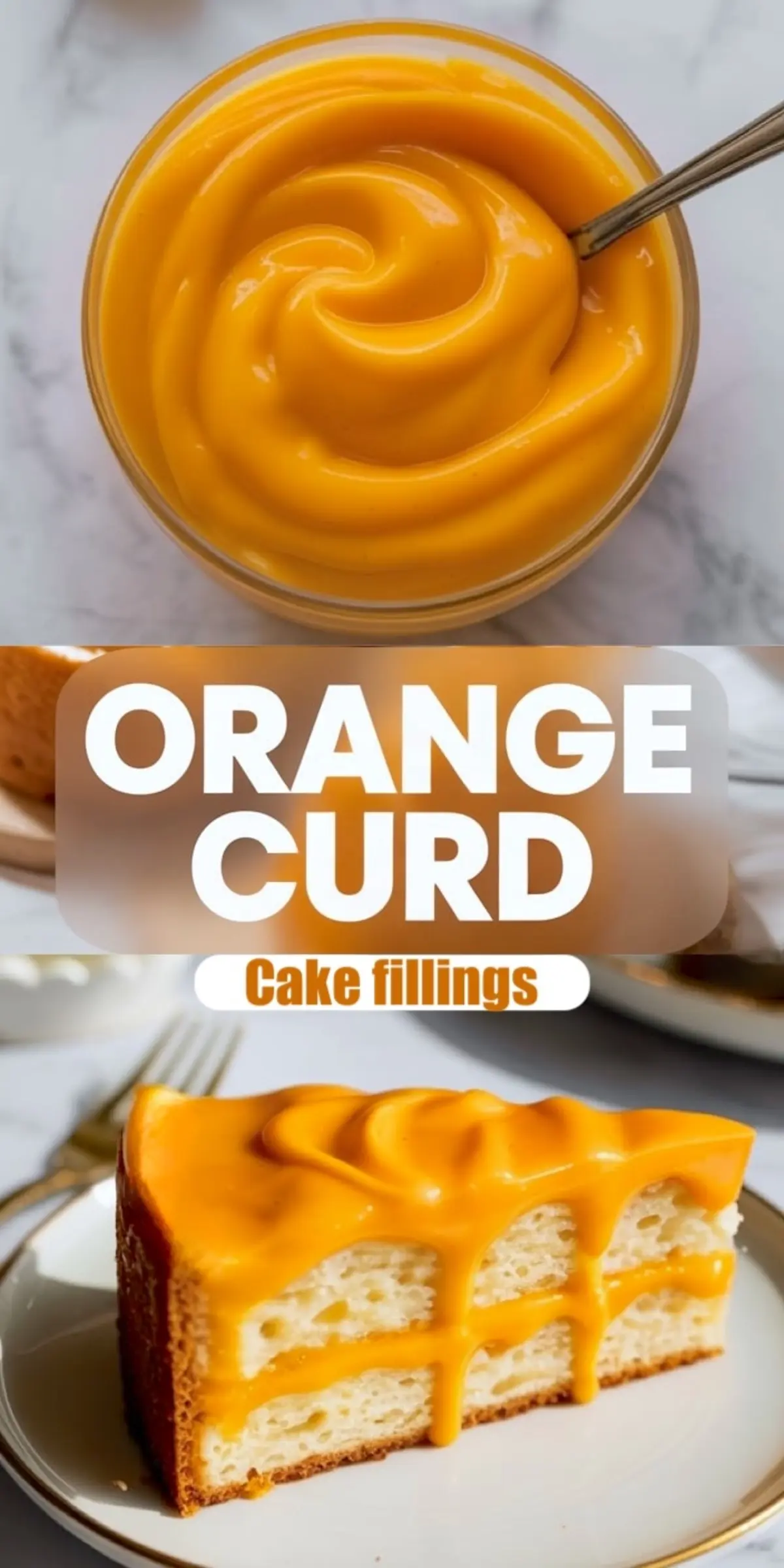
Homemade orange curd is a smooth, spoonable citrus cream cooked from 3 eggs, ⅔ cup sugar, ¾ cup fresh orange juice, orange zest, and 2 tablespoons lemon juice, then finished with 6 tablespoons butter. It takes about 22 minutes over a double boiler plus 1 to 2 hours in the fridge, and makes about 1¼ cups (300 ml).
That small amount of lemon juice is the part people skip, and it is the reason this curd sets firm enough to sit between cake layers. Orange juice alone makes a sweet, soft curd that slumps.
Following a special diet?
Every recipe on this site can be converted to gluten-free, vegan, dairy-free, keto, nut-free or egg-free with adjusted ratios so nothing falls flat.
Try the Recipe Converter →Orange Curd vs Lemon Curd
Both are made the same way, but the fruit behaves differently. Lemon juice is sharply acidic, so a lemon curd tastes tart and sets firm with very little help. Orange juice is sweeter and much milder, so an orange curd tastes rounder, sets softer, and looks paler than you expect.
- Acidity: lemon is high, orange is low; here 2 tablespoons lemon juice go in with ¾ cup orange juice to bring it up
- Set: lemon curd holds a firm line; orange curd is softer and keeps thickening as it chills
- Color: lemon curd is bright yellow; orange curd comes out light gold, which is why the recipe card lists 1 to 2 drops of orange gel color as optional
- Best for: orange curd suits vanilla, chocolate, and spice cakes and scones; lemon and lime curd suit tarts and berries
For a sharper green version, the lime curd uses the same double boiler method.
What Goes Into the Curd and What Each Part Does
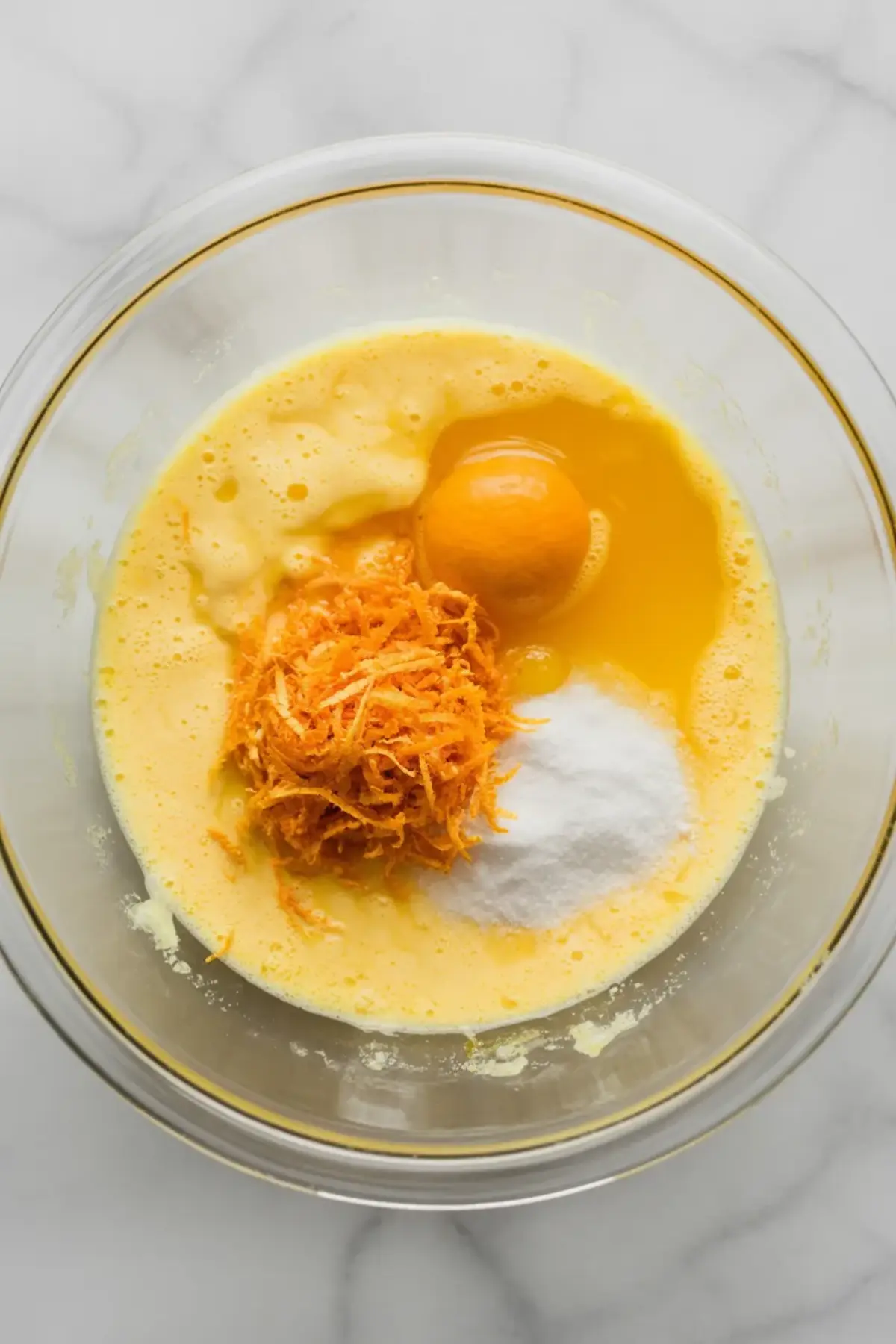
Squeeze the oranges yourself and strain the juice before you measure it; pulp makes the curd grainy and bottled juice tastes flat. One large orange gives the tablespoon of zest. Grate only the orange skin, since the white pith underneath is bitter.
The eggs thicken the curd, and whole eggs give a softer, lighter result than a yolk-only curd. Sugar keeps the eggs from setting too fast as they heat. The butter goes in cold and cubed at the end, off the heat, which is what turns a thin custard into something glossy and spreadable. A pinch of salt keeps the sweetness in check.
Cooking It Over a Double Boiler
Set a heatproof glass bowl over a saucepan with about 1 inch of barely simmering water. The bowl should not touch the water. Glass or stainless steel only: aluminum reacts with citrus juice and leaves a metallic taste.
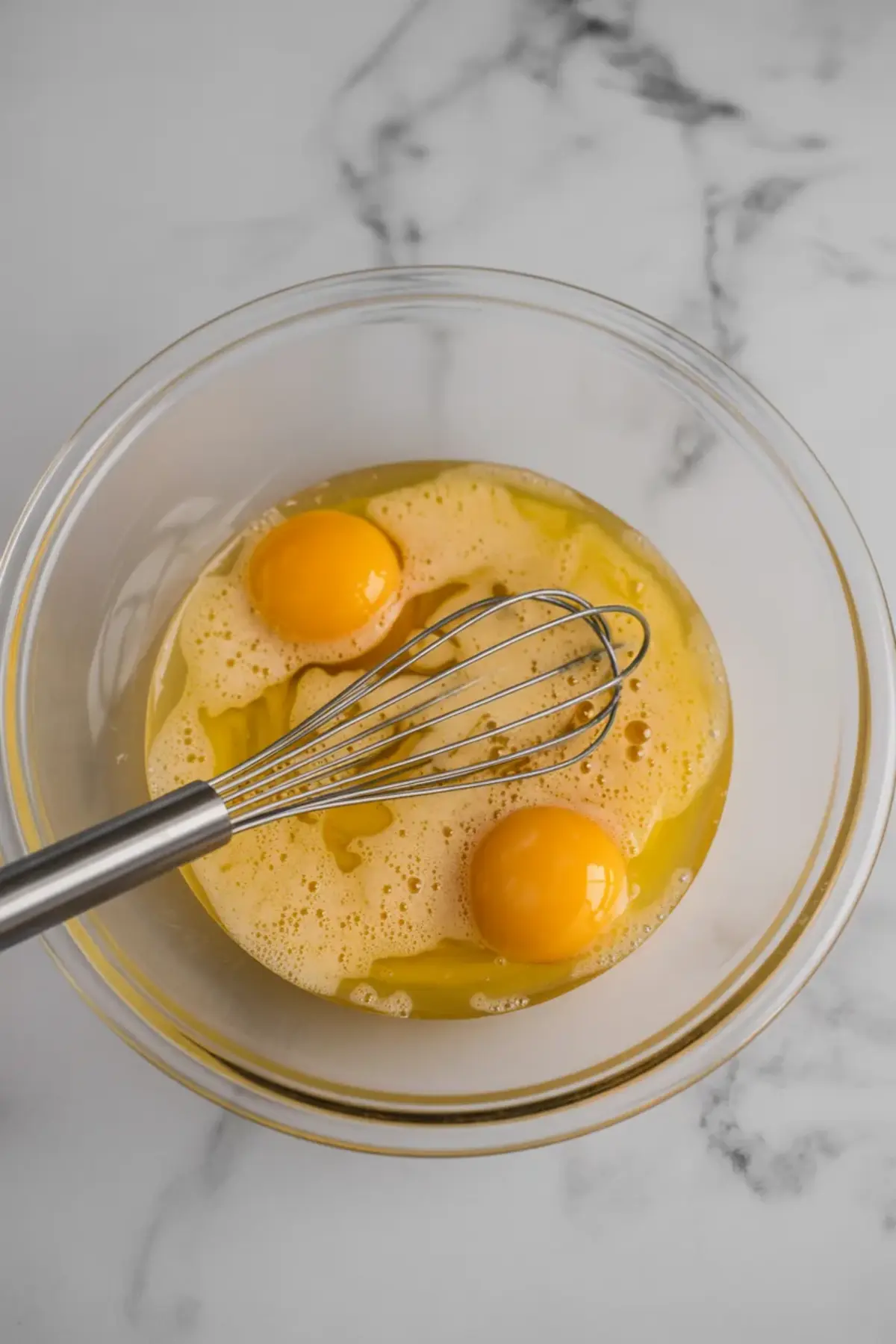
Whisk the eggs and sugar in the bowl until smooth and pale yellow. Doing this before the juice goes in matters, because sugar coats the yolks and keeps the acid from cooking them into specks. Then stir in the orange juice, lemon juice, zest, and salt. It looks thin and watery at this point, and that is normal.
Stir constantly with a silicone spatula, scraping the sides and bottom where egg sets first. The curd stays thin for a while, then thickens quickly, usually somewhere between 8 and 12 minutes. Keep the water at a gentle simmer; a hard boil heats the bowl unevenly and curdles the edges.
How to Tell the Orange Curd Is Done
It coats the back of a spoon, and when you run a finger through it, the line stays clean instead of running back together. On an instant-read thermometer that is about 170°F (77°C). Pull it there. Overcooked curd turns lumpy and dull, and undercooked curd stays watery even after chilling.
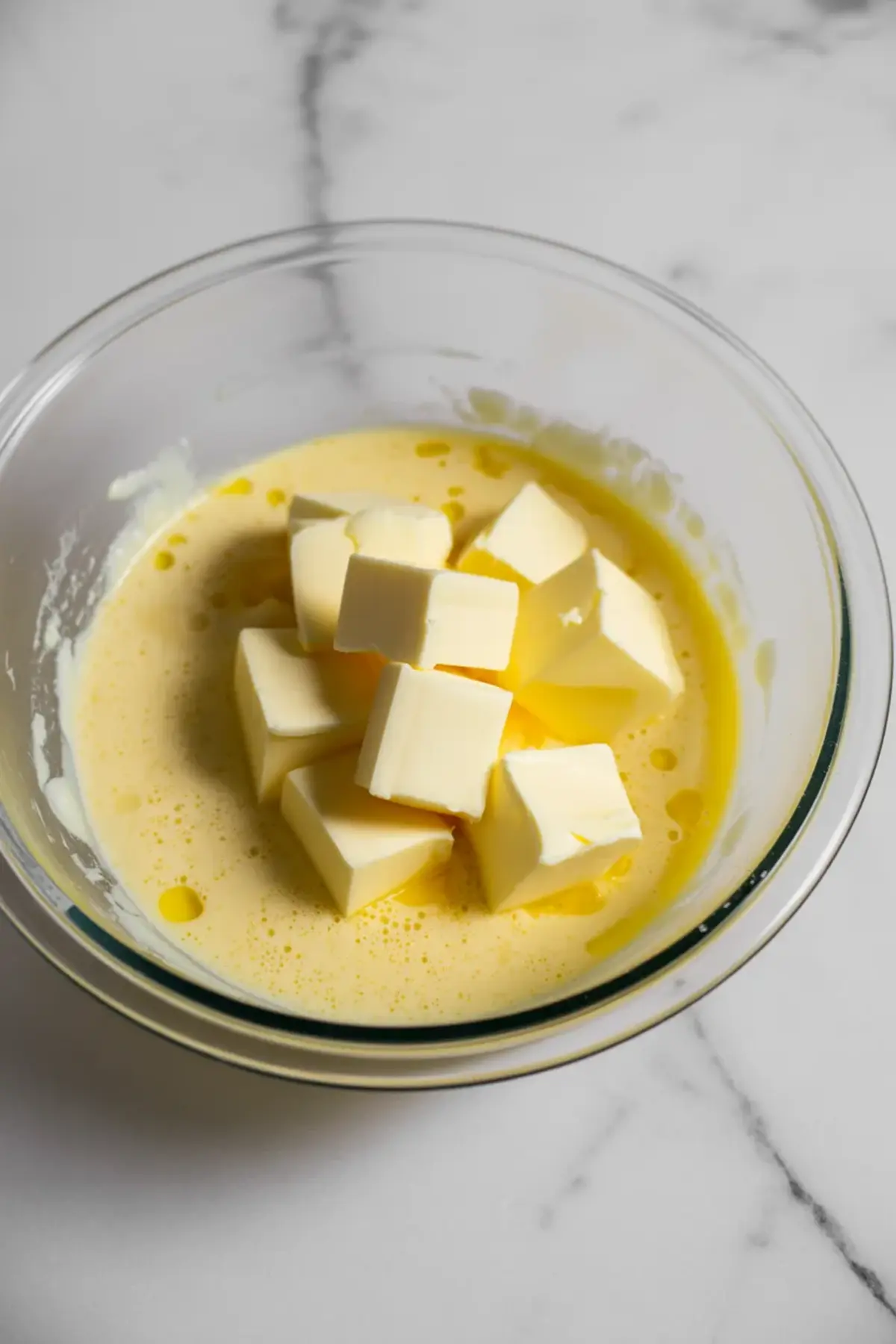
Take the bowl off the heat and stir in the butter a few cubes at a time, letting each addition melt before the next. If you want a deeper color, stir in 1 drop of orange gel color now and add a second only if needed; it darkens a little as it cools. Pour the curd through a fine mesh sieve to catch the zest and any cooked egg, then cool it, cover it, and chill for 1 to 2 hours until set.
Rescuing Thin, Lumpy, or Greasy Curd
- Still thin after 12 minutes: the water is too cool or the stirring stopped. Keep cooking and stirring until it reaches the spoon test. It also firms up a lot in the fridge.
- Small lumps: the heat was too high. Take it off at once and strain it; the sieve removes most of the cooked bits.
- Greasy or separated: the butter went in too fast or the curd was too hot. Whisk hard off the heat and add the remaining butter more slowly.
- Tastes flat or too sweet: stir in a squeeze of fresh lemon juice.
- Metallic taste: it was cooked in an aluminum or unlined pan. Use glass next time.
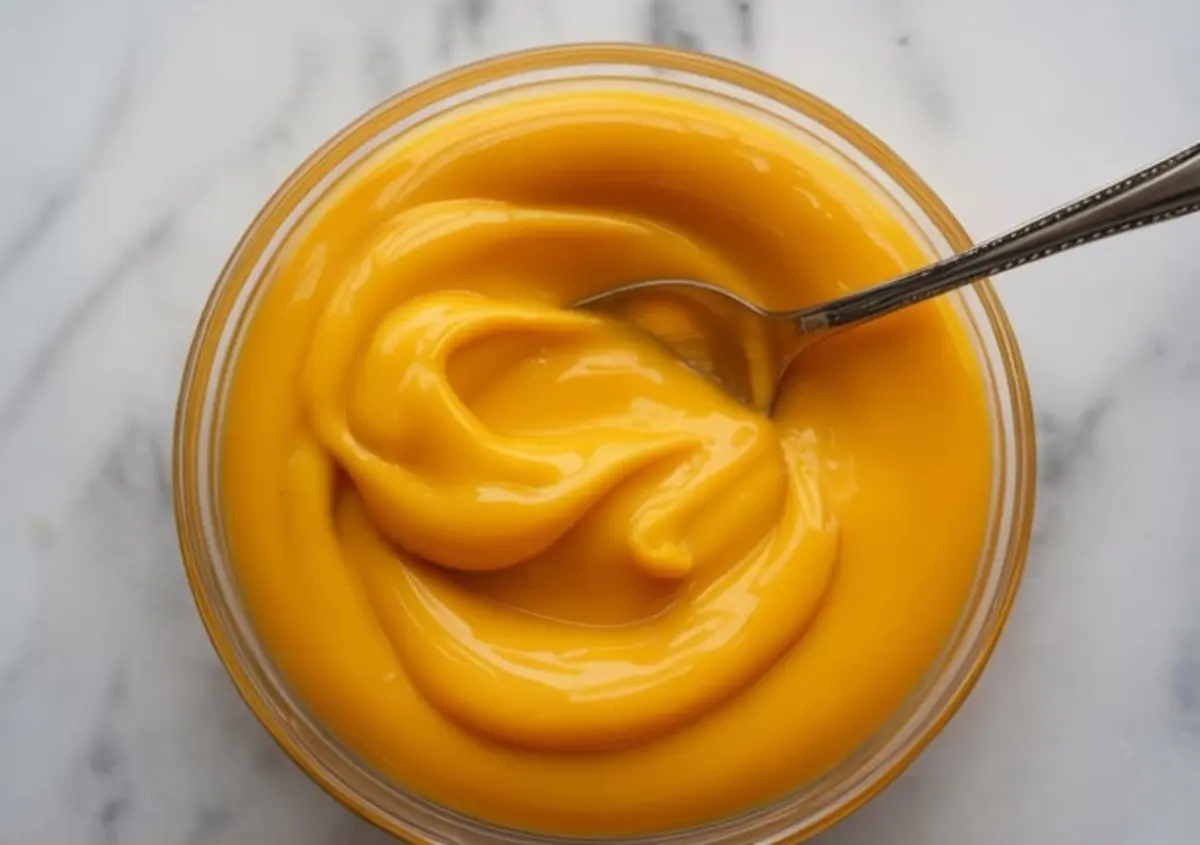
Using Orange Curd as a Cake Filling
Chill the curd completely before it goes near a cake; warm curd is too loose to hold. Pipe a ring of buttercream around the edge of the bottom layer, about ½ inch tall, then spread the curd inside it. That dam keeps the soft curd from squeezing out when the next layer goes on.
One batch gives a generous filling for one layer of an 8 or 9 inch cake, or two thinner layers. It goes well with orange buttercream frosting on the outside, and my orange cardamom cake is a natural match. For a lighter filling, fold the chilled curd into whipped cream.
Keeping It in the Fridge or Freezer
Store the curd in a clean jar in the fridge for up to 1 week, with plastic wrap pressed onto the surface so no skin forms. It freezes for up to 3 months in a sealed container. Thaw it overnight in the fridge and stir it smooth before using.
Orange Curd Questions
Can I make mandarin or clementine curd with this recipe?
Yes. Use ¾ cup strained mandarin or clementine juice and their zest in place of the orange. Keep the lemon juice, since these fruits are even sweeter.
Can I use blood oranges?
Yes, all or part of the juice. The curd turns a deeper pinkish orange and tastes a little berry-like.
What can I make with orange curd?
Fill cakes and tart shells, spoon it over warm sour cream scones, swirl it into cheesecake batter, or layer it with yogurt and crumbled orange crinkle cookies. For a berry twist, my blueberry curd shows how fruit puree changes the texture.
Why is my orange curd not setting?
Usually it came off the heat before 170°F (77°C), or the lemon juice was left out. Give it the full 1 to 2 hours in the fridge before judging; it thickens a lot as it chills.
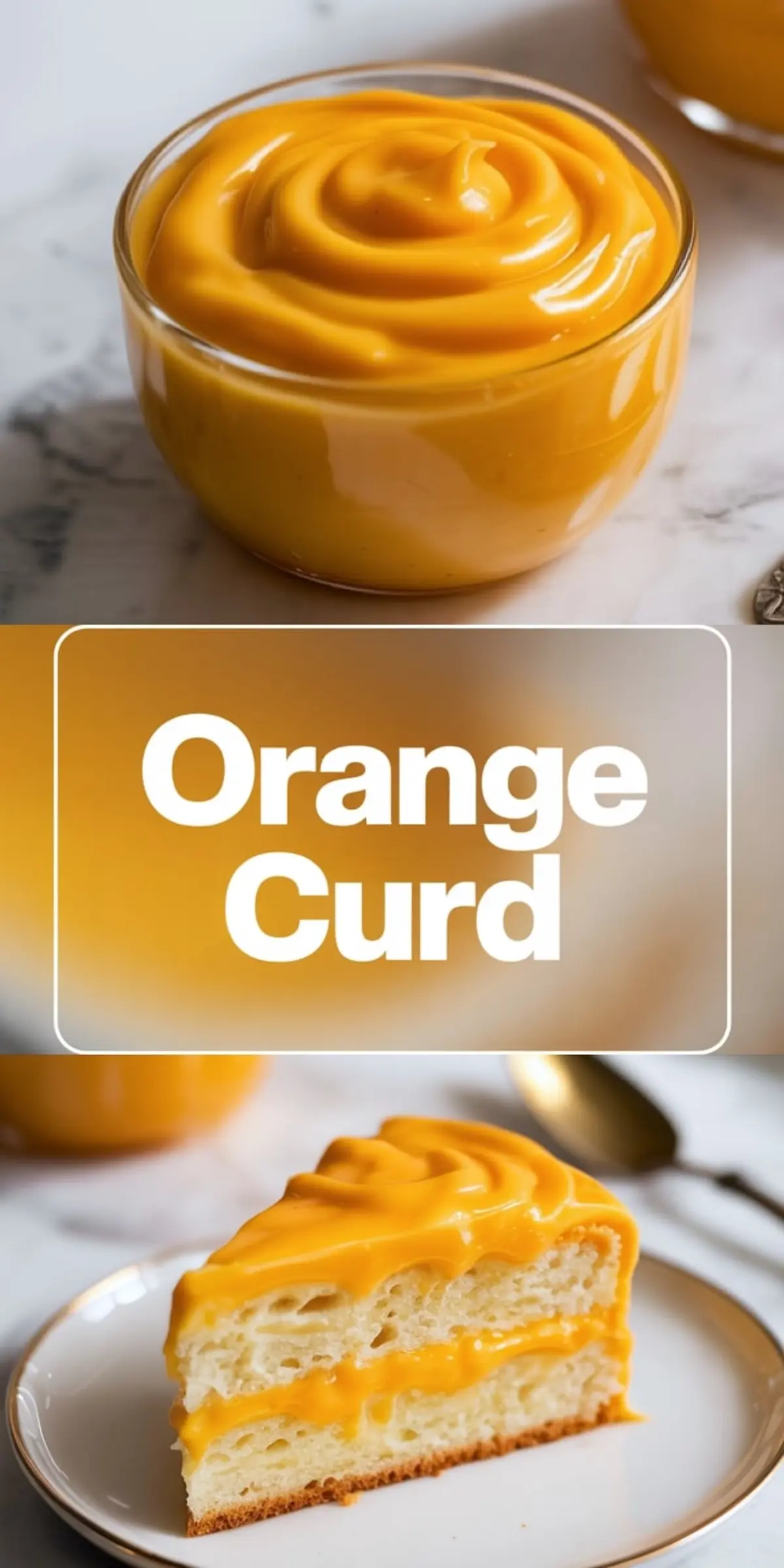
Pin this orange curd for your next layer cake or brunch, and tell me in the comments what you filled with it.
Orange Curd Recipe
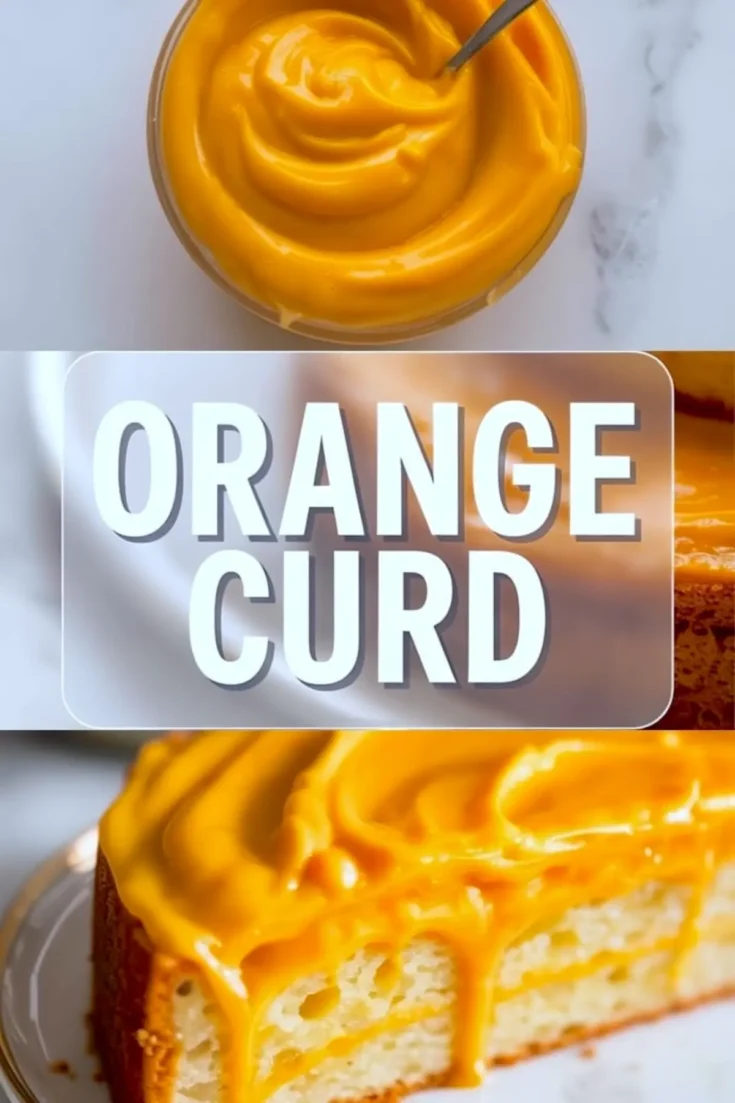
This homemade orange curd is a smooth, spoonable citrus cream made with fresh orange juice and zest, eggs, sugar, butter, and a little lemon juice. It cooks in about 12 minutes over a double boiler, sets in 1 to 2 hours in the fridge, and makes about 1¼ cups (300 ml). The lemon juice adds the acid orange juice lacks, so the curd sets thick enough to fill a cake; it is done at about 170°F, when it coats a spoon and holds a clean line. Use this orange curd as an orange cake filling between layers, in tart shells, swirled into cheesecake, or spooned over scones and yogurt. Mandarin or blood orange juice works the same way. Keep it 1 week in the fridge or freeze for 3 months.
Ingredients
- 3 large eggs
- 2/3 cup (130g) granulated sugar
- 1 tablespoon finely grated orange zest (about 1 large orange)
- 3/4 cup (180ml) fresh orange juice, strained
- 2 tablespoons fresh lemon juice
- 1/4 teaspoon salt
- 6 tablespoons (85g) unsalted butter, cut into cubes
- 1–2 drops orange gel food coloring (optional, for enhanced color)
Instructions
- SET UP A DOUBLE BOILER: Place a heatproof glass bowl over a saucepan filled with 1 inch of simmering water, ensuring the bottom of the bowl does not touch the water.
- WHISK EGGS AND SUGAR: In the bowl, whisk together the eggs and granulated sugar until the mixture is smooth and pale yellow in color.
- ADD JUICES, ZEST, AND SALT: Stir in the orange juice, lemon juice, orange zest, and salt until fully combined with the egg mixture.
- COOK THE MIXTURE SLOWLY: Stir constantly over the simmering water using a silicone spatula or whisk. Continue cooking for 8 to 12 minutes until the curd thickens and coats the back of a spoon. It should hold a clean line when swiped with a finger.
- REMOVE FROM HEAT AND ADD BUTTER: Take the bowl off the heat and stir in the butter, a few cubes at a time, allowing each addition to melt fully before adding the next. Stir until the curd is smooth and glossy.
- ADD FOOD COLORING: Once the butter is fully incorporated, add 1 drop of orange gel food coloring and stir well. Add a second drop only if a deeper color is desired, keeping in mind the color will intensify slightly as it cools.
- STRAIN FOR SMOOTHNESS: Pour the curd through a fine mesh sieve into a clean bowl to remove any zest or cooked egg bits, ensuring a silky texture.
- COOL AND REFRIGERATE: Allow the orange curd to cool at room temperature, then transfer to a jar or airtight container. Refrigerate for 1 to 2 hours, or until fully set.
Notes
Squeeze fresh oranges and strain the juice before measuring; pulp makes the curd grainy. Use a glass or stainless steel bowl, since aluminum reacts with citrus and tastes metallic. Whisk the eggs and sugar before adding the juice. Cook over gently simmering water, stirring constantly, until the curd reaches about 170°F (77°C) and holds a clean line on a spoon. To fill a cake, chill the curd fully and pipe a buttercream dam around the layer first. The food coloring is optional; orange curd is naturally pale gold. Store in the refrigerator for up to 1 week with plastic wrap on the surface, or freeze for up to 3 months. Curd thickens further as it chills.
Nutrition Information
Yield
10Serving Size
1Amount Per Serving Calories 159Total Fat 8.4gSaturated Fat 4.8gUnsaturated Fat 3.6gCholesterol 74mgSodium 78mgCarbohydrates 19gFiber 0.2gSugar 18gProtein 2.1g
