
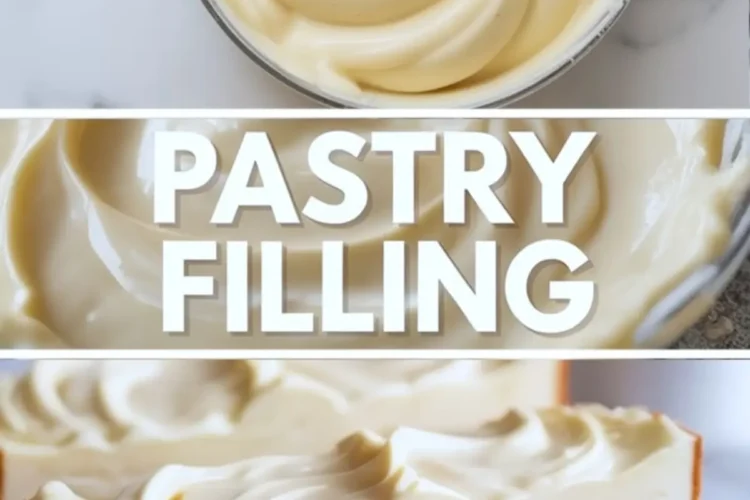
This vanilla pastry cream recipe creates a thick, smooth custard filling that bakers use in cakes, éclairs, cream puffs, and fruit tarts. Many home bakers search for a vanilla pastry cream recipe easy enough for daily baking, and this guide explains a reliable method for homemade vanilla pastry cream, basic vanilla pastry cream, and classic cream patisserie recipe techniques.
A balanced ratio of milk, eggs, sugar, and cornstarch gives this vanilla filling recipe its stable texture and deep vanilla flavor. The finished pastry cream feels silky, spoonable, and rich, which makes it one of the most useful custard filling bases in baking.
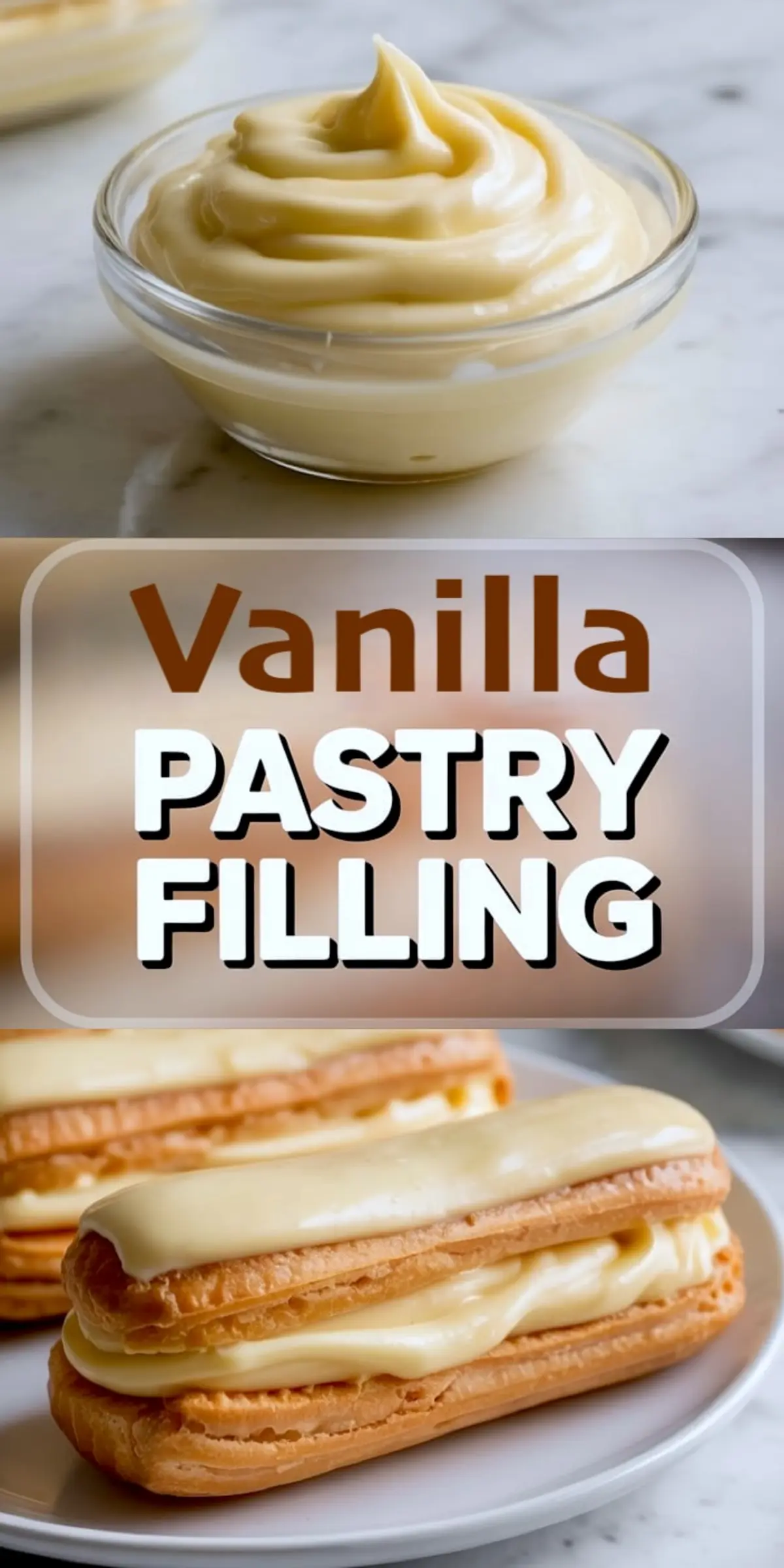
The balance that builds classic pastry cream
A stable pastry cream depends on the ratio between milk, eggs, and starch. Two cups of milk provide the creamy base, while four egg yolks and one whole egg create body and color, and a quarter cup of cornstarch thickens the custard as it cooks.
This structure allows the cream to hold inside pastries without turning stiff or gummy. French pastry kitchens rely on this same structure for cream patisserie recipe formulas that fill éclairs and layered desserts.
A similar custard structure appears in this Bavarian Cream Recipe, where eggs and dairy create a smooth filling that holds its shape inside cakes.
Ingredients that shape flavor and texture
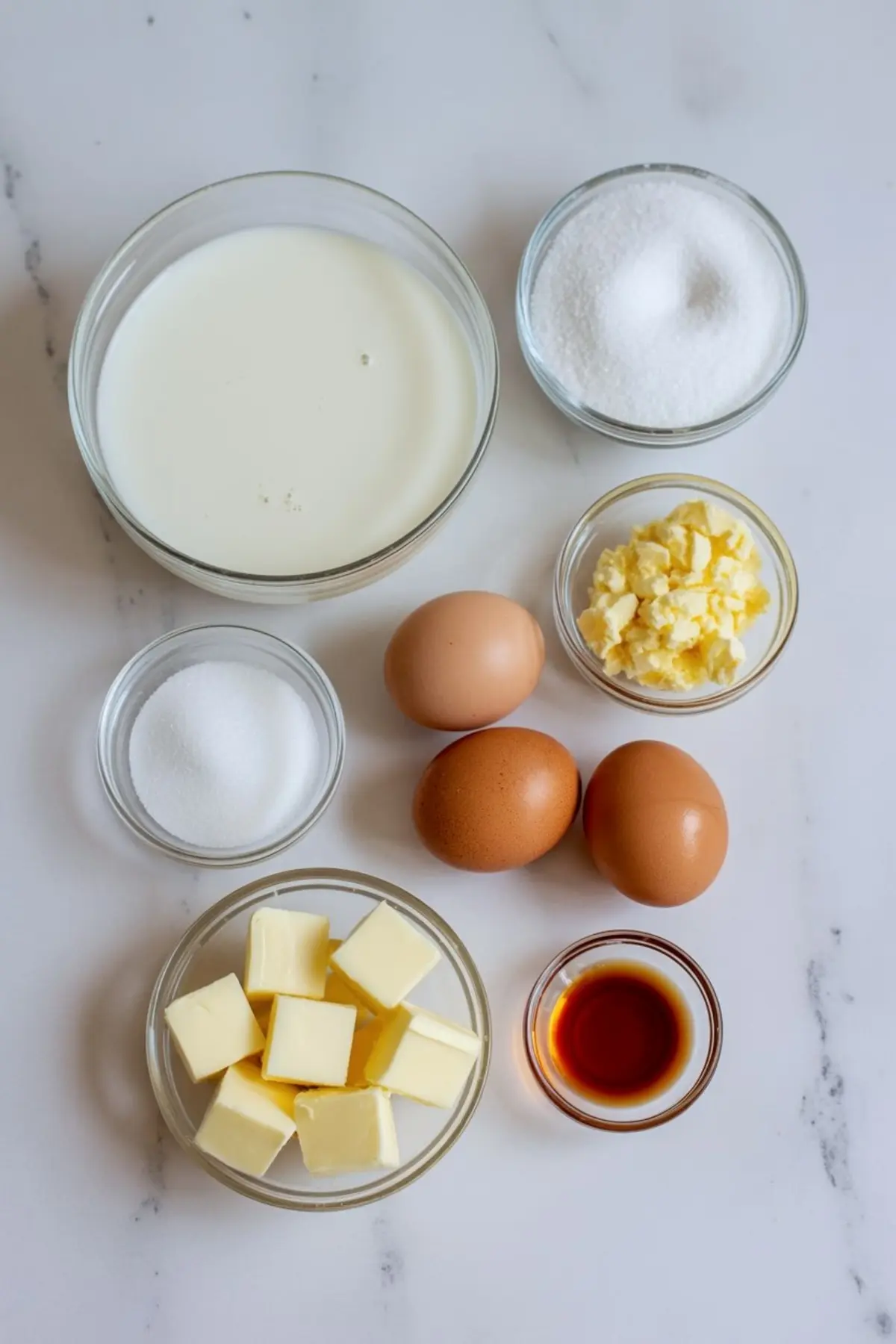
Whole milk forms the backbone of pastry cream because the fat supports the custard texture. Low fat milk creates a thinner result, while whole milk gives the cream a rounded flavor that works well inside pastries and cakes.
Egg yolks contribute richness and color. A single whole egg adds structure without making the custard heavy, which keeps this homemade vanilla pastry cream light enough for delicate desserts.
Cornstarch thickens the cream during cooking and stabilizes the custard once chilled. Sugar sweetens the cream while also protecting the eggs during heating, which helps maintain a smooth consistency.
A small amount of butter finishes the cream with softness and gloss. A similar creamy structure appears in this Cream Cheese Filling, where fat and dairy create a stable dessert filling.
The vanilla element that defines the cream
Vanilla drives the flavor of pastry cream, so quality matters here more than many bakers expect. Pure vanilla extract provides reliable flavor, while a fresh vanilla bean adds deeper aroma and visible specks that signal classic pastry work.
The bean seeds release slowly while the milk warms. That short infusion step builds the soft fragrance associated with bakery style vanilla pastry cream.
Fruit curds offer another example of concentrated flavor in a custard base. A good reference sits in this Orange Curd Recipe, where citrus replaces vanilla as the main flavor driver.
How the pastry cream comes together
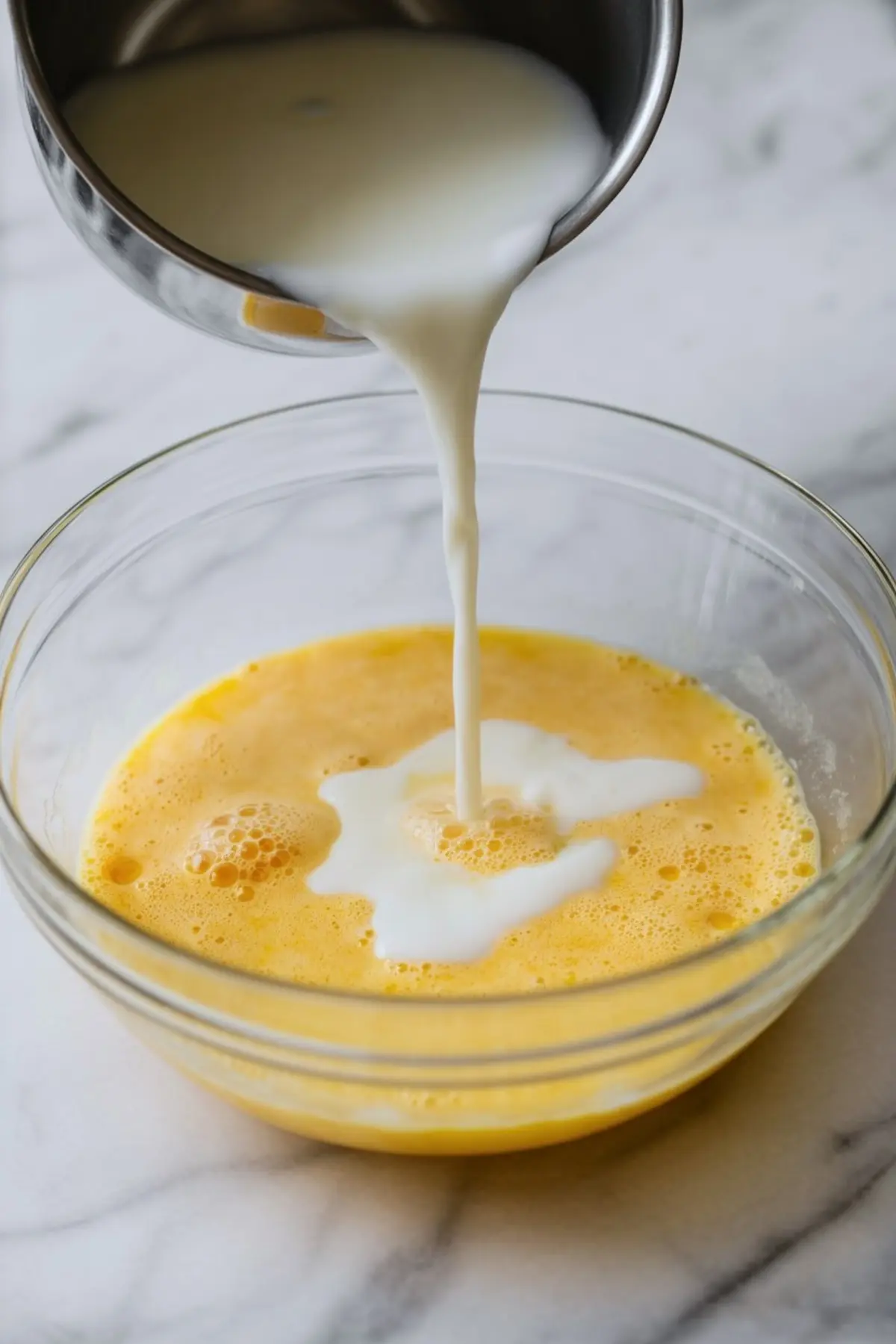
Warm milk begins the process. Gentle heat draws out the vanilla flavor and prepares the liquid for tempering with the egg mixture.
The egg mixture combines sugar, cornstarch, yolks, and one whole egg until the texture turns pale and smooth. That whisking step spreads the starch evenly so the custard thickens without lumps.
Hot milk slowly enters the eggs during tempering. Gradual mixing raises the egg temperature safely, which protects the custard from curdling during cooking.
The mixture returns to the saucepan and cooks over medium heat while constant whisking keeps the texture smooth. The cream thickens within minutes and turns glossy as the starch activates.
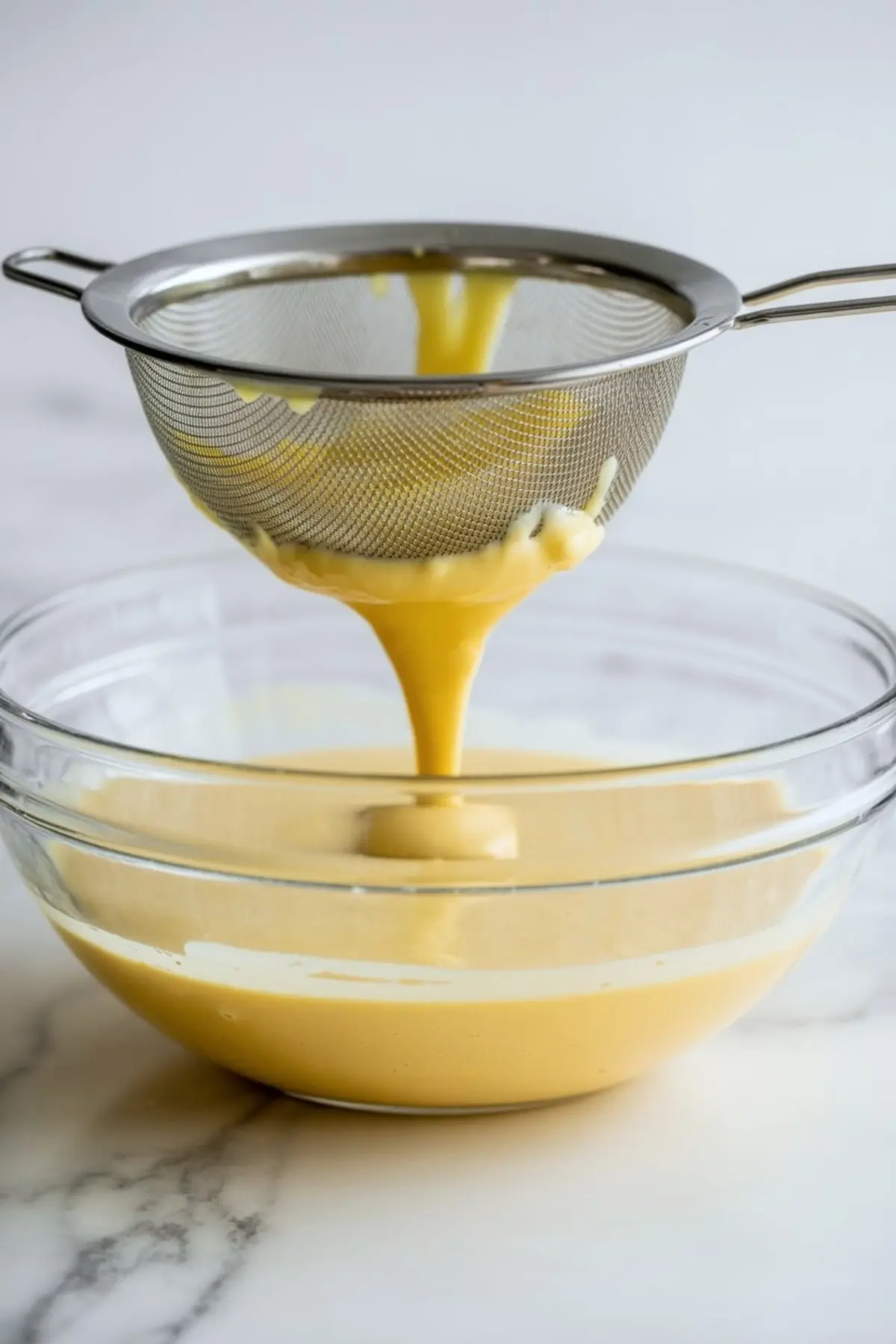
Butter and vanilla finish the custard once the heat stops. Straining through a sieve removes any small bits and creates the silky texture bakers expect.
Chilling the pastry cream with plastic wrap pressed against the surface prevents a skin from forming. Another filling option for cakes appears in this Banana Cake Filling, which uses fruit instead of custard.
How to recognize finished pastry cream
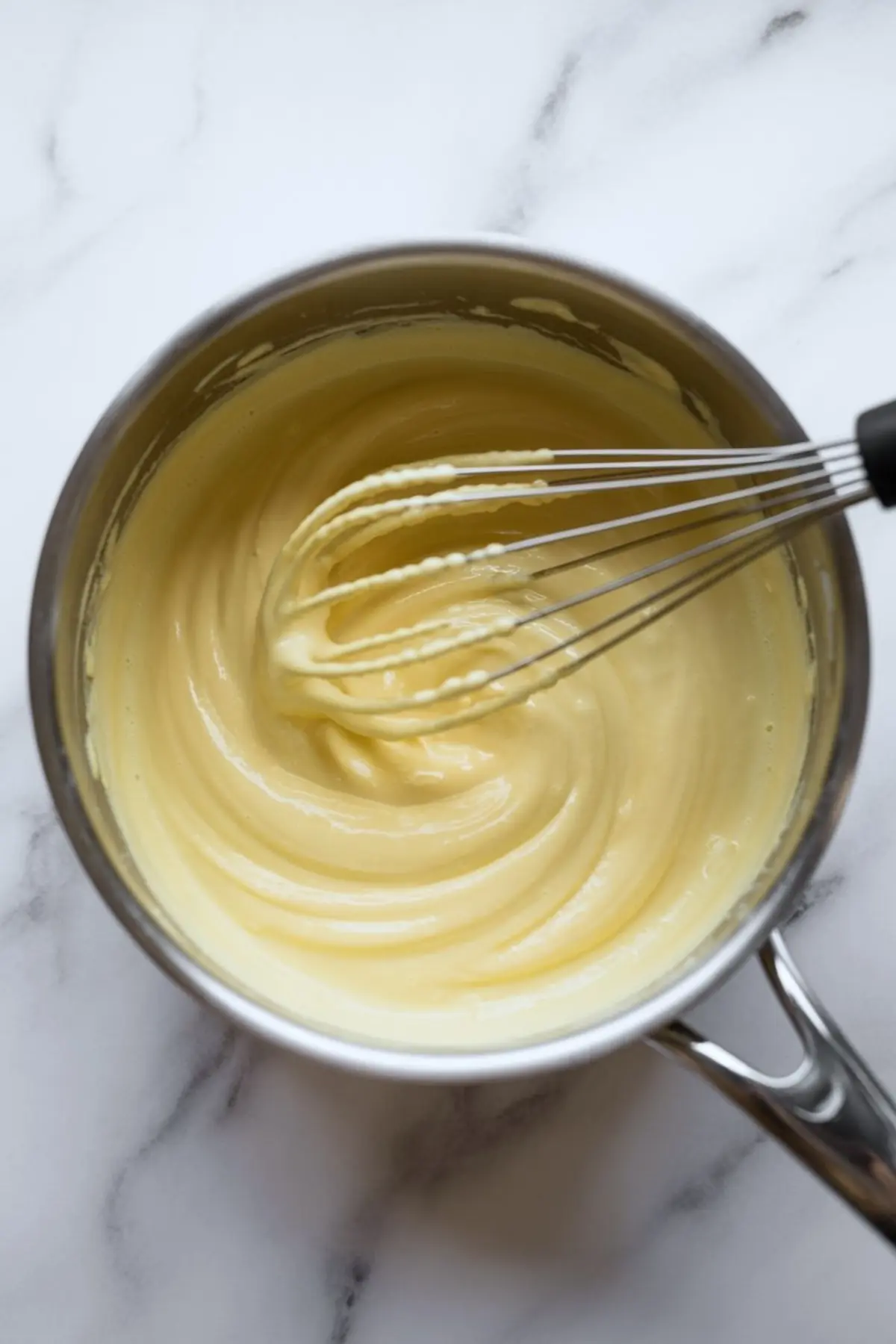
Finished pastry cream coats the back of a spoon with a smooth layer. A finger drawn across the spoon leaves a clean line that holds its shape.
The texture thickens further as the custard chills in the refrigerator. A fully cooled cream becomes dense enough to pipe or spread inside pastries.
Common pastry cream issues and fixes
Lumps usually appear when heat rises too quickly or whisking stops during cooking. Steady whisking and moderate heat keep the custard smooth.
A thin pastry cream often means the starch did not cook long enough. One additional minute of whisking after thickening allows the cornstarch to fully activate.
Curdled texture signals overheated eggs. Slow tempering and consistent whisking protect the custard structure.
Ways to change the flavor
Chocolate pastry cream forms by stirring melted dark chocolate into the finished custard. Coffee pastry cream develops when espresso powder dissolves into the warm milk.
Citrus pastry cream gains brightness from lemon or orange zest steeped in the milk. Almond pastry cream uses a small amount of almond extract after cooking.
Storage and shelf life
Pastry cream stays fresh in the refrigerator for about three days inside an airtight container. A gentle stir restores the texture before using.
Freezing changes the custard structure, so refrigeration works best for this filling. Bakers often prepare pastry cream one day before assembling cakes or pastries.
Practical tips from the kitchen
A heavy saucepan distributes heat evenly during cooking. Thin pans often create hot spots that thicken the custard unevenly.
A balloon whisk works better than a spoon during cooking. Wide whisk wires move through the custard quickly and prevent starch clumps.
A fine mesh sieve improves texture even when the cream looks smooth. Professional pastry kitchens strain custards for that reason.
How to use vanilla pastry cream
Pastry cream fills éclairs and cream puffs. The thick custard holds inside pastry shells without leaking.
Layered cakes use pastry cream between sponge layers. Fruit tarts also rely on this custard as a base beneath fresh berries.
A spoonful beside warm cake or brownies creates a simple plated dessert. A chilled bowl of pastry cream with fruit also works well on its own.
Save this recipe
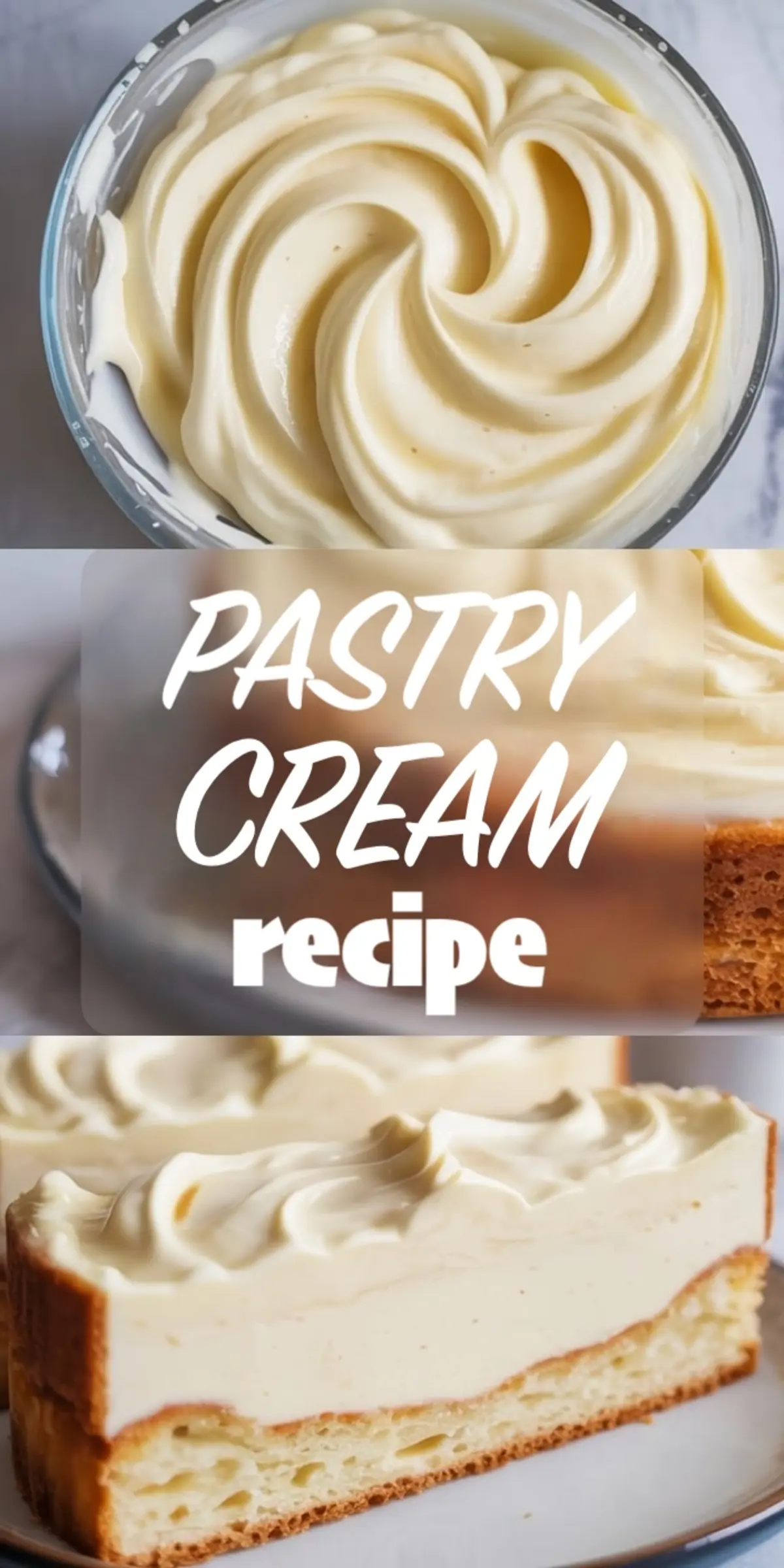
This vanilla pastry cream recipe belongs in every baker’s collection because the custard works in many desserts. Save this recipe to Pinterest so you can find it when you bake cakes, éclairs, or tarts.
A comment about your result always helps the baking community. Share your experience below or ask a question if a step needs clarification.
Vanilla Pastry Cream Recipe
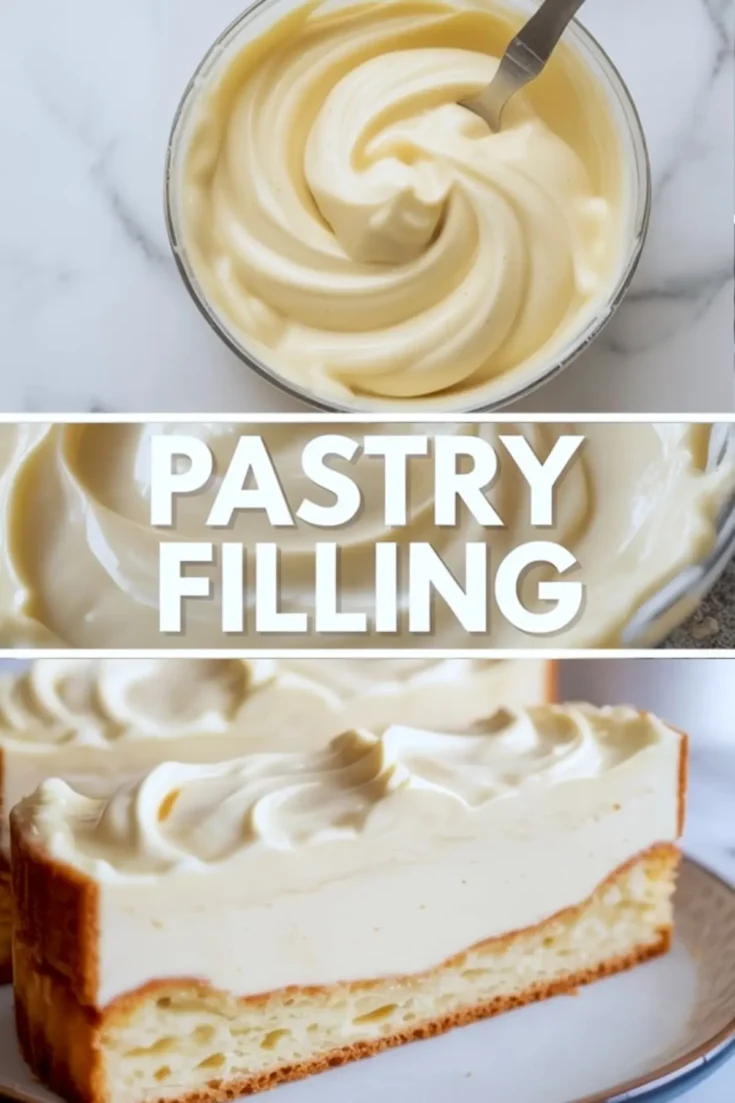
This smooth vanilla pastry cream recipe creates a rich, silky custard used in many classic desserts. The guide shows how to make vanilla pastry cream recipe easy with simple ingredients and a creamy texture that works perfectly as a custard filling for cakes, pastries, and tarts. This classic basic vanilla pastry cream delivers deep vanilla flavor and a thick, spoonable consistency.
Known in French baking as cream patisserie recipe, this versatile filling is ideal for eclairs, cream puffs, layered cakes, and fruit tarts. The recipe produces a silky homemade vanilla pastry cream that can also be used as a vanilla filling recipe for pastries and cakes. A reliable pastry cream base that every baker should know.
Ingredients
- 2 cups (480 ml) whole milk
- 1/2 cup (100 g) granulated sugar
- 1/4 cup (30 g) cornstarch
- 4 large egg yolks
- 1 whole egg
- 2 tablespoons (30 g) unsalted butter
- 1 1/2 teaspoons pure vanilla extract
- Optional: 1 vanilla bean, split and scraped
Instructions
- HEAT THE MILK: In a medium saucepan, heat the milk over medium heat until it is just below a simmer. If using a vanilla bean, add the seeds and pod to the milk while it heats. Once warm, remove from heat and let it steep for 10 minutes to infuse the flavor.
- WHISK THE EGGS AND SUGAR: In a mixing bowl, whisk together the sugar, cornstarch, egg yolks, and whole egg until the mixture is thick, pale, and smooth. This helps prevent lumps and creates a silky base.
- TEMPER THE EGGS: Slowly pour about half of the hot milk into the egg mixture, whisking constantly to prevent curdling. This gradually raises the temperature of the eggs without cooking them.
- COOK THE PASTRY CREAM: Pour the tempered egg mixture back into the saucepan with the remaining milk. Return the pan to medium heat and whisk constantly as the mixture thickens. Continue to whisk for 1–2 minutes after it thickens to fully cook out the cornstarch.
- FINISH THE CREAM: Remove from heat and whisk in the butter and vanilla extract, unless you already used a vanilla bean. Strain the cream through a fine mesh sieve into a clean bowl to ensure a perfectly smooth texture.
- CHILL: Press a piece of plastic wrap directly onto the surface of the cream to prevent a skin from forming. Refrigerate for at least 2 hours, or until completely chilled and set.
Notes
Pastry cream can be made up to 3 days in advance and kept refrigerated in an airtight container. Stir gently before using to restore its smooth texture.
