
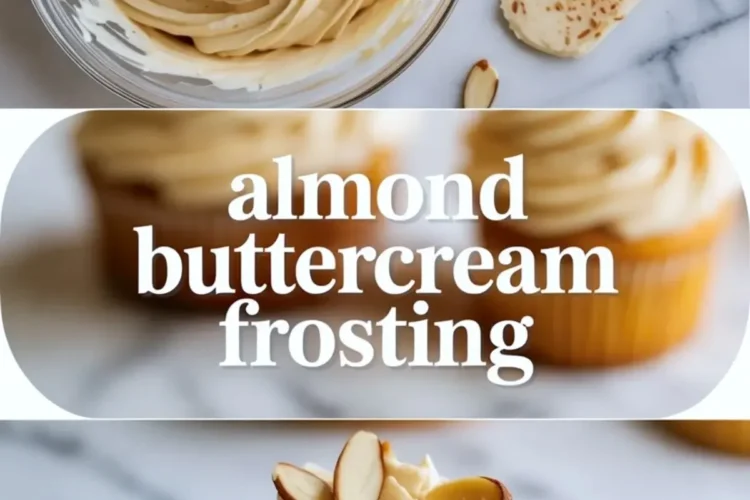
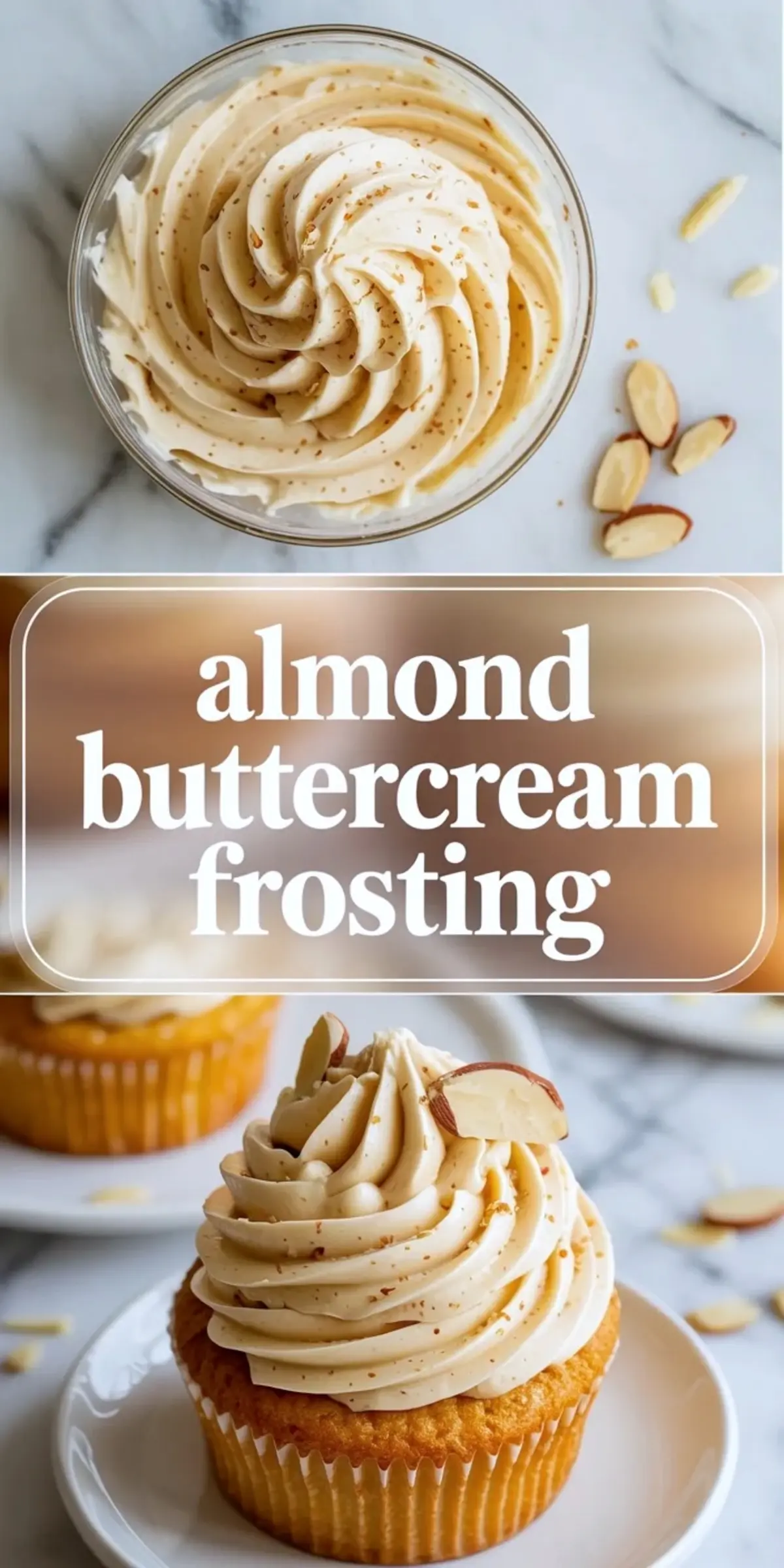
This almond buttercream frosting is a fluffy American buttercream made with 1 cup softened butter, 4 cups powdered sugar, 2 tablespoons heavy cream or milk, and 1 teaspoon each of pure almond extract and vanilla. It takes about 10 minutes with a mixer and frosts 12 cupcakes or one 8 inch layer cake.
Two steps make the texture. Beat the butter on its own for 2 to 3 minutes before any sugar goes in, and whip the finished frosting for 2 more minutes at the end. Skip either one and it still tastes good, but it pipes heavy and dense.
Following a special diet?
Every recipe on this site can be converted to gluten-free, vegan, dairy-free, keto, nut-free or egg-free with adjusted ratios so nothing falls flat.
Try the Recipe Converter →What Goes Into Almond Buttercream
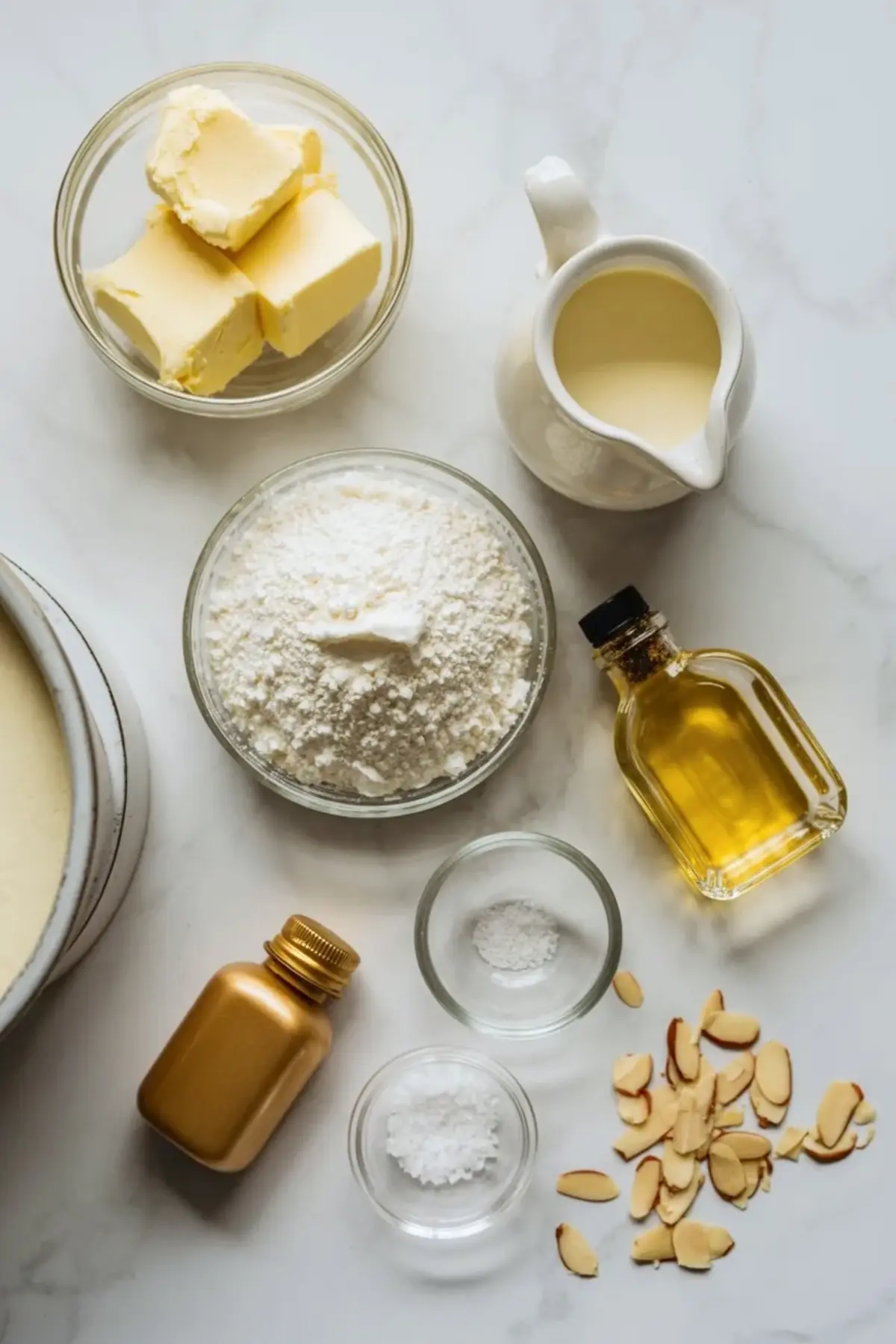
- Unsalted butter, 1 cup: softened until a finger leaves a dent, but still cool and not shiny
- Powdered sugar, 4 cups: sift it if it has lumps, because they will not beat out and they catch in piping tips
- Heavy cream or milk, 2 tablespoons: cream gives a richer, silkier frosting; milk makes it a little lighter
- Pure almond extract, 1 teaspoon: the whole almond flavor comes from this
- Vanilla extract, 1 teaspoon: rounds the almond so it tastes like a bakery frosting, not a candy
- A pinch of salt: cuts the sweetness of 4 cups of sugar
- To finish (optional): sliced almonds, almond crumbs or white chocolate shavings
How Strong Is 1 Teaspoon of Almond Extract?
Strong enough to taste clearly. One teaspoon of almond extract to 1 cup of butter and 4 cups of powdered sugar gives a frosting that reads as almond from the first bite. If almond should only sit in the background, say on a chocolate cake or for kids who are unsure about it, start with ½ teaspoon.
Taste it again after 10 minutes. Almond extract keeps opening up as the frosting sits, so a batch that seemed mild at first can taste much stronger an hour later. Add more only after that second taste.
Too Much Almond? Dilute It
More vanilla will not hide it. Beat a small plain batch in a second bowl, a few tablespoons of butter with about 1 cup of powdered sugar, then mix it into the almond frosting. Pure almond extract tastes rounder than imitation, which can turn sharp and slightly medicinal when you use a full teaspoon. If you are baking for someone with a nut allergy, check the label: many almond extracts are made from bitter almond oil.
Beat the Butter Before the Sugar
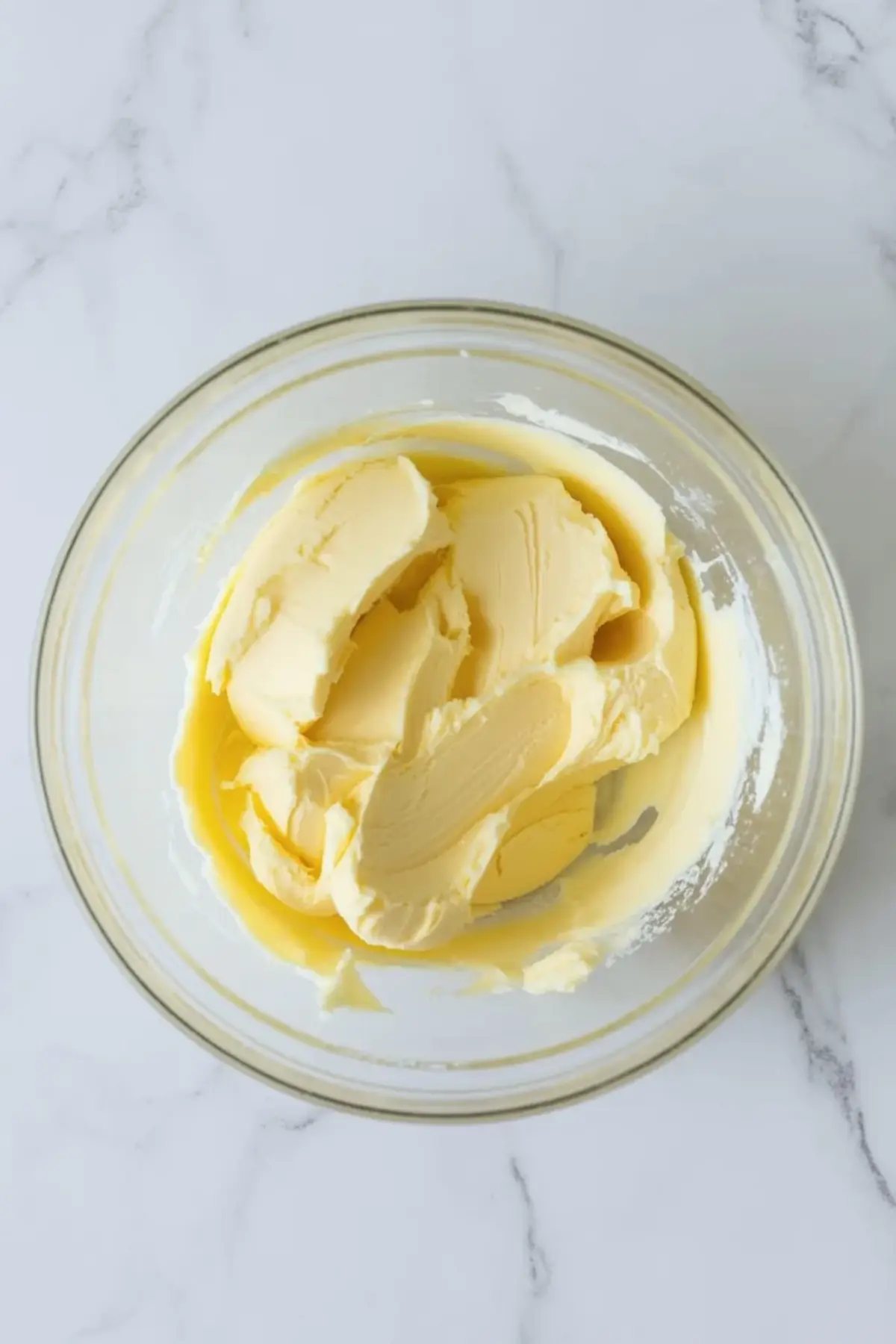
Put the softened butter in a large bowl and beat it with an electric mixer for 2 to 3 minutes. It should turn paler and look fluffy, and you should scrape the bowl once or twice so no cold streaks hide at the bottom. That air is what keeps the frosting light once 4 cups of sugar go in.
Add the powdered sugar one cup at a time on low speed. On high it flies out of the bowl. When each cup has disappeared, add the next, then raise the speed a little and mix until smooth. Now add the almond extract, vanilla and salt.
Piping Texture or Spreading Texture
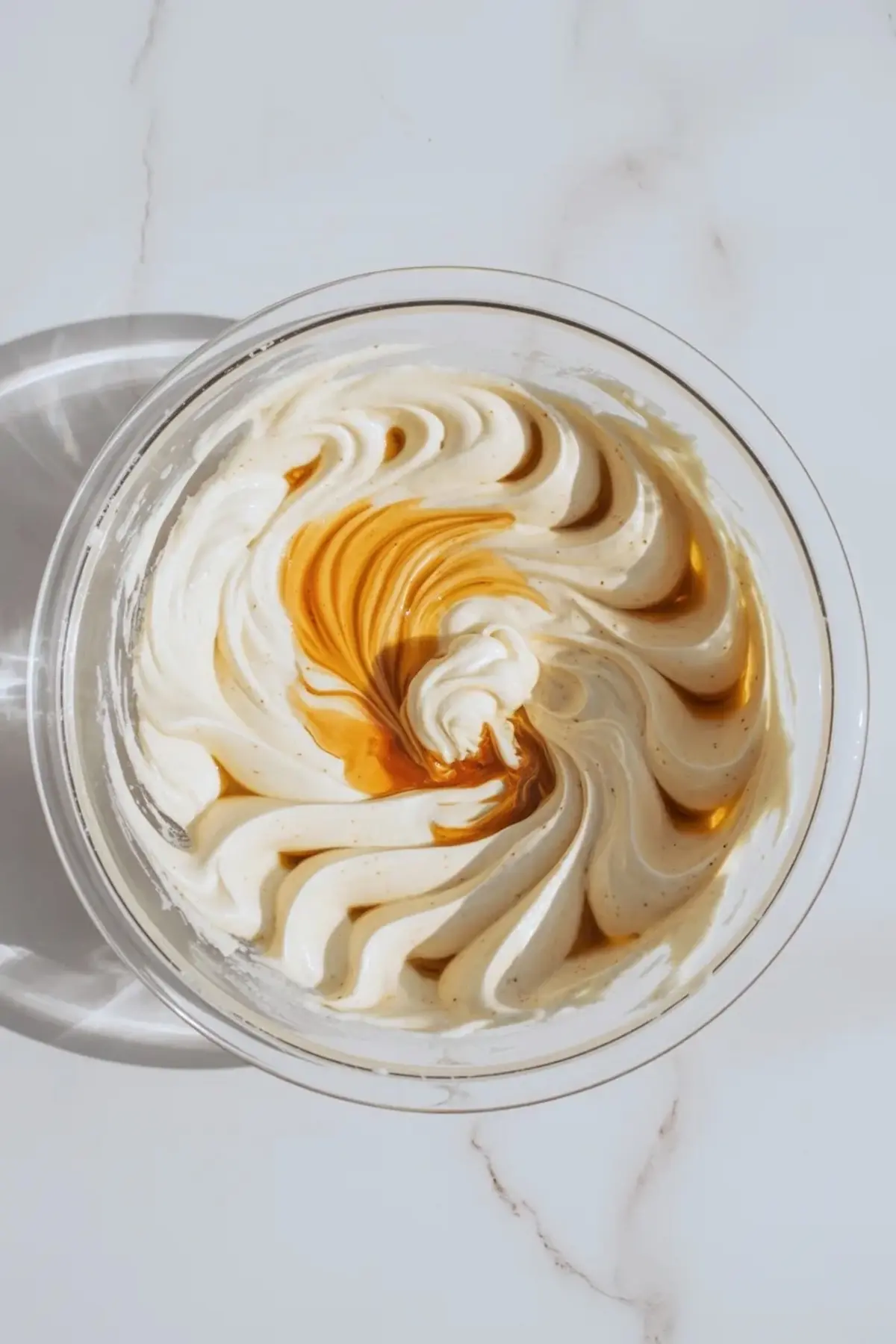
The cream decides which one you get, so add it one tablespoon at a time. For piping swirls on cupcakes or borders on a cake, stop at about 1 tablespoon. Lift the beater or a spatula: the peak should stand straight up. For spreading over a layer cake, use the full 2 tablespoons until the peak curls over at the tip.
Then whip on medium high for 2 minutes until it looks silky and a shade lighter. Not sure? Pipe one swirl on a plate. If the ridges hold sharp, it is ready for a piping bag. If they slump, beat in a few spoonfuls of powdered sugar.
Soft, Stiff or Gritty Almond Frosting
- Soft and greasy: the butter was too warm or the kitchen is hot. Chill the bowl for 15 minutes, then beat again.
- Too stiff to pipe: add cream 1 teaspoon at a time. A tablespoon at once can tip it into runny.
- Gritty or lumpy: the powdered sugar had lumps. Sift next time; for now, beat another 2 minutes.
- Full of air bubbles on a smooth cake: stir the frosting by hand with a spatula for a minute to press the air out before the final coat.
- More yellow than you want: that is the butter. Whipping a few minutes longer turns it paler.
Which Cakes Go With Almond Frosting?
Almond on almond is the obvious match. It suits an almond amaretto cake or a lemon almond cake, where it repeats the flavor already in the crumb. On a plain vanilla cake it makes a familiar cake taste like a wedding cake, and a thin layer of cherry pie filling between the layers turns it into a cherry almond cake.
Chocolate cake works too, with ½ teaspoon of extract so the almond stays a background note. For a sweeter, darker pairing, a dark chocolate buttercream is the other way to go, and cookie butter frosting brings warm spice instead of almond. It also sandwiches almond cookies into soft cookie sandwiches.
For a Wedding or Tiered Cake
This frosting is sweet and softens in a warm room. For a tiered cake that sits out for hours, a Swiss meringue buttercream is less sweet, smoother and more stable. Add 1 teaspoon of almond extract to that recipe to get the same almond wedding cake flavor.
Almond Buttercream vs Almond Glaze
Buttercream is butter beaten with powdered sugar, so it stays soft, fluffy and pipeable. An almond glaze, the thin icing you drizzle over cookies or a bundt cake, is only powdered sugar, a little milk and almond extract. It pours, sets into a thin shell and cannot hold a swirl. For layer cakes and cupcakes, use this buttercream.
Making Almond Buttercream Ahead
Keep it in an airtight container in the fridge for up to 5 days. Let it soften at room temperature for about an hour, then rewhip for a minute until fluffy again. It also freezes for up to 3 months; thaw it overnight in the fridge before rewhipping. Frosted cupcakes are fine at cool room temperature for a day. If you need a plain base for other bakes in the same week, the method is the same as my vanilla buttercream frosting.
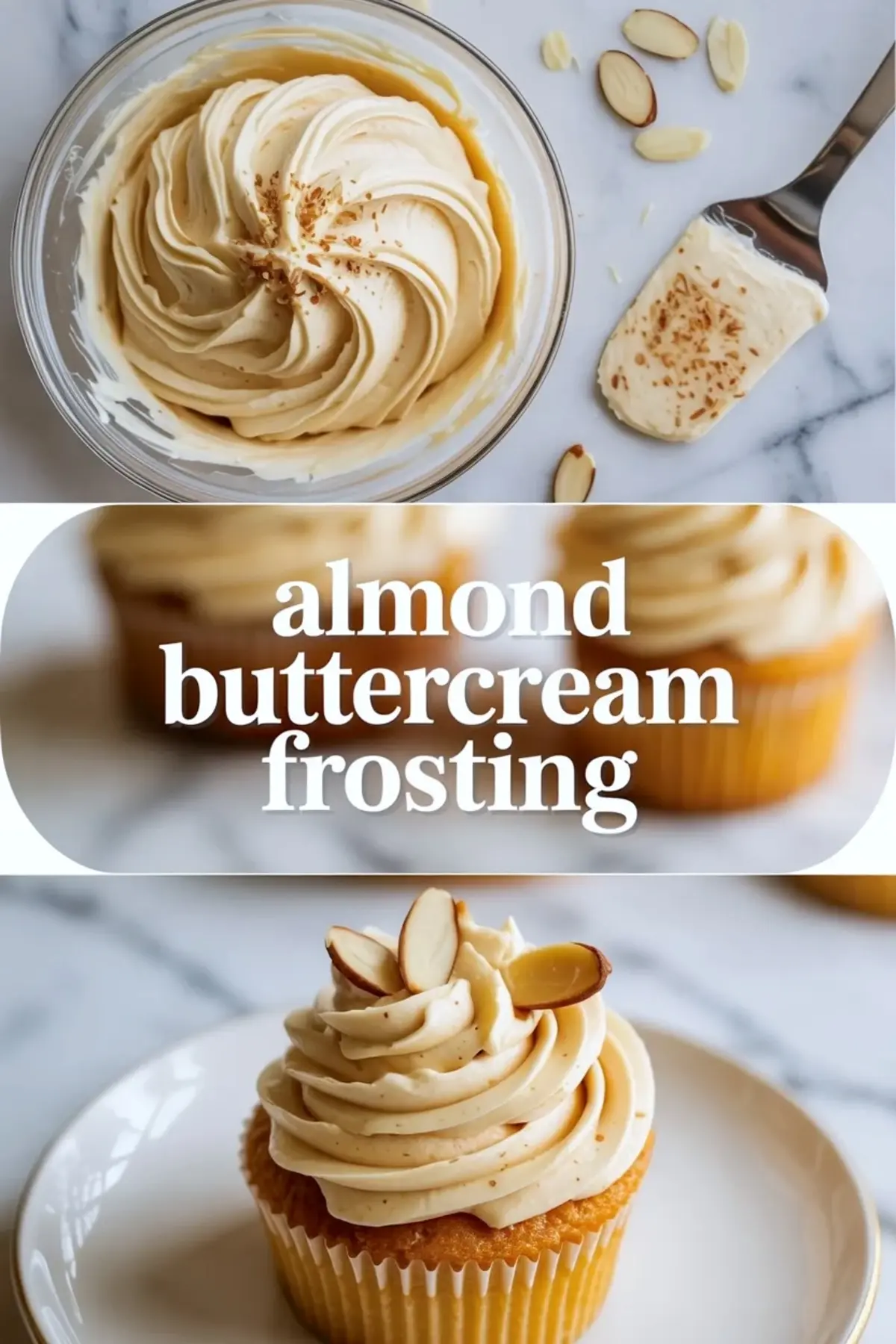
Almond Buttercream Frosting
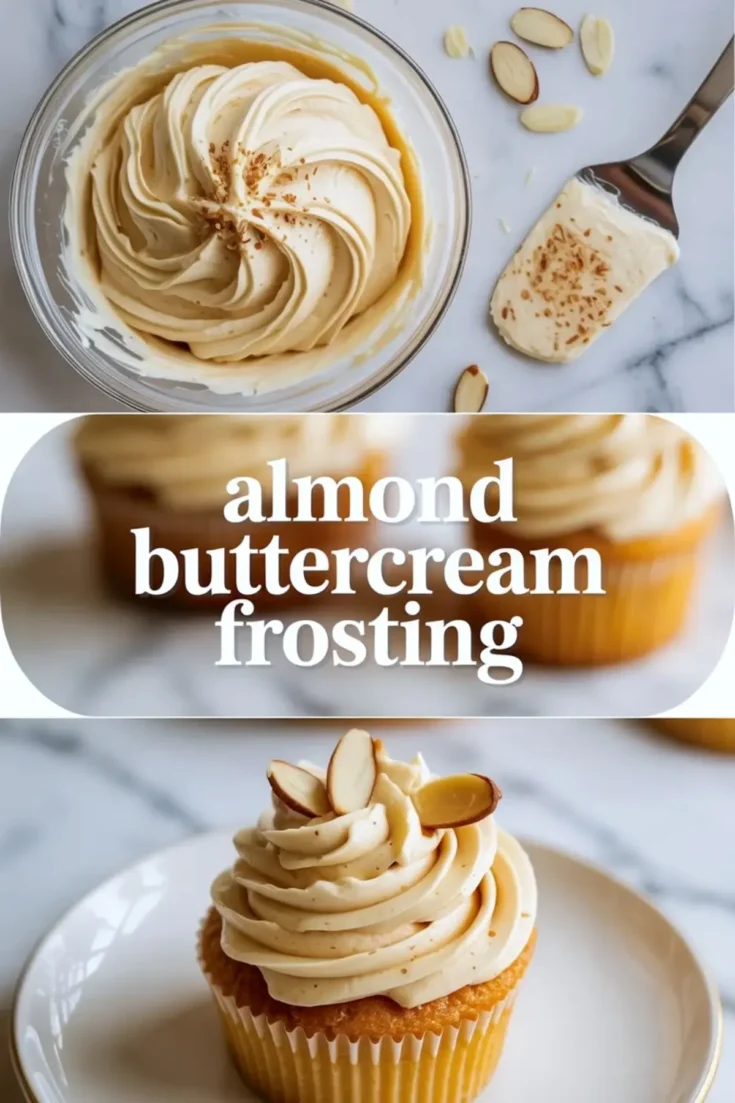
This almond buttercream frosting is a fluffy American buttercream made with softened butter, powdered sugar, heavy cream or milk, pure almond extract, vanilla and a pinch of salt. It takes about 10 minutes with a mixer and frosts 12 cupcakes or one 8 inch layer cake with a smooth texture that spreads or pipes. Beating the butter alone for 2 to 3 minutes before the sugar, then whipping the finished frosting for 2 more minutes, keeps it light; add the cream a tablespoon at a time, less for piping and more for spreading. Use this almond frosting on almond cake, vanilla or white cake, cherry almond layer cakes, cupcakes and cookie sandwiches. Try 1/2 teaspoon almond extract for a milder flavor. Keeps 5 days in the fridge; rewhip before using.
Ingredients
- 1 cup unsalted butter, softened
- 4 cups powdered sugar
- 2 tablespoons heavy cream or milk
- 1 teaspoon pure almond extract
- 1 teaspoon vanilla extract
- Pinch of salt
- Optional Garnishes
- Sliced almonds
- Almond crumbs
- White chocolate shavings
Instructions
BEAT THE BUTTER: Place the softened butter into a large mixing bowl. Beat with an electric mixer for 2 to 3 minutes until the butter becomes light, creamy, and fluffy. Scrape down the sides of the bowl as needed to ensure even mixing.
ADD THE POWDERED SUGAR: Add the powdered sugar one cup at a time while mixing on low speed. Continue mixing until each addition is fully incorporated before adding more sugar. Increase the mixer speed slightly once the sugar is blended and continue mixing until smooth.
ADD THE FLAVORING: Pour in the almond extract, vanilla extract, and salt. Mix until the frosting becomes smooth and evenly flavored. The almond and vanilla create a balanced bakery-style flavor.
ADJUST THE CONSISTENCY: Add the heavy cream or milk one tablespoon at a time until the frosting reaches the desired consistency. Use a thicker texture for piping decorations and a softer texture for spreading onto cakes.
WHIP UNTIL FLUFFY: Beat the frosting on medium-high speed for 2 additional minutes until light, airy, and silky. The finished buttercream should be smooth and easy to spread or pipe.
Notes
Use 1 teaspoon pure almond extract for a clear almond flavor, or 1/2 teaspoon for a milder one. Taste again after 10 minutes because almond flavor gets stronger as the frosting sits.
For piping, use about 1 tablespoon of cream so a peak stands straight; for spreading, use the full 2 tablespoons.
If the frosting turns soft or greasy, chill the bowl for 15 minutes and beat again. Sift lumpy powdered sugar so it does not clog piping tips.
Store in an airtight container in the refrigerator for up to 5 days or freeze for up to 3 months. Bring to room temperature and rewhip before using.
Garnish with sliced almonds, almond crumbs or white chocolate shavings.
Nutrition Information
Yield
12Serving Size
1Amount Per Serving Calories 488Total Fat 18gSaturated Fat 11gUnsaturated Fat 6.7gCholesterol 47mgSodium 4.5mgCarbohydrates 82gSugar 81gProtein 0.2g
