
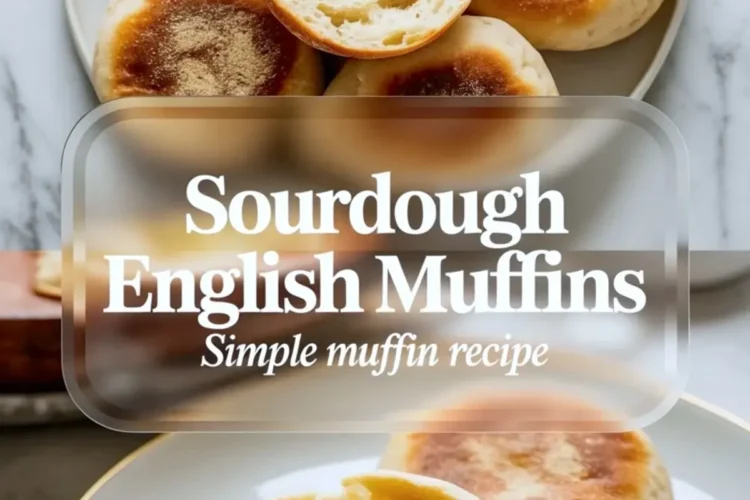
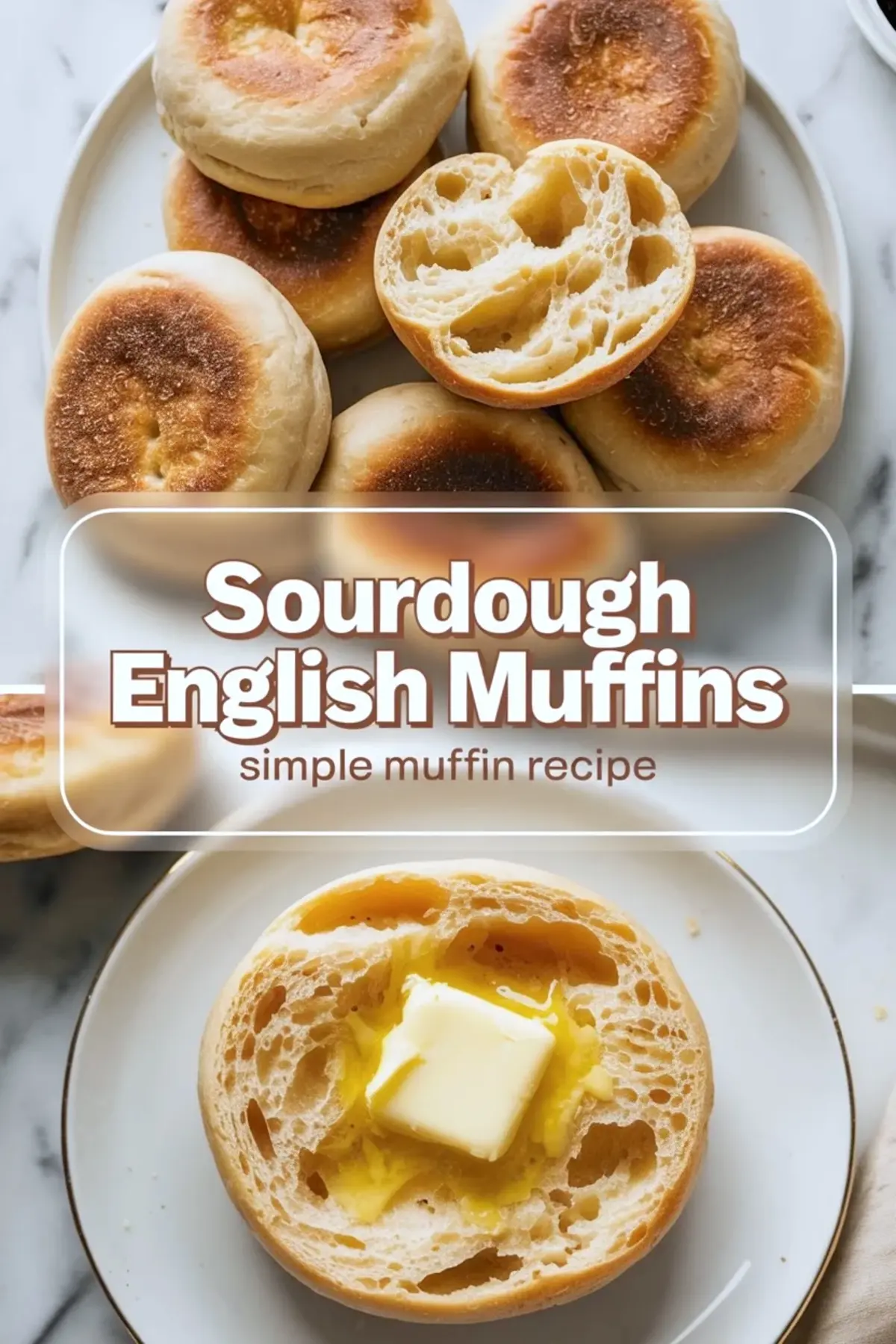
A good sourdough English muffins recipe should give you more than just the idea of homemade bread. The texture matters just as much as the flavor. You want a lightly chewy bite, a golden griddled exterior, and a center full of the nooks that hold melted butter, jam, or egg yolk the way an English muffin should.
That is what makes this style of breakfast bread worth the extra time. The sourdough starter brings depth and gentle tang, while the overnight rise gives the dough better structure without turning the process into something fussy. Once cooked and fork-split, the muffins feel far more interesting than store-bought versions and still fit naturally into an everyday breakfast routine.
Following a special diet?
Every recipe on this site can be converted to gluten-free, vegan, dairy-free, keto, nut-free or egg-free with adjusted ratios so nothing falls flat.
Try the Recipe Converter →Why Sourdough Works So Well in English Muffins
Sourdough is a particularly good fit for English muffins because it improves both flavor and texture at the same time. The starter gives the dough more complexity than a plain quick bread base, and the long fermentation helps the crumb stay tender while still building that slight chew English muffins need. The result tastes deeper without feeling heavy.
It also makes the muffins more versatile once they are cooked. They can go savory with eggs and cheese, or sweet with butter and jam, and the tangy background works in both directions. If you like breakfast breads with a similarly soft interior, Hokkaido milk bread recipe is another useful bake with a very different but equally tender crumb.
The Ingredient Balance Keeps the Dough Manageable
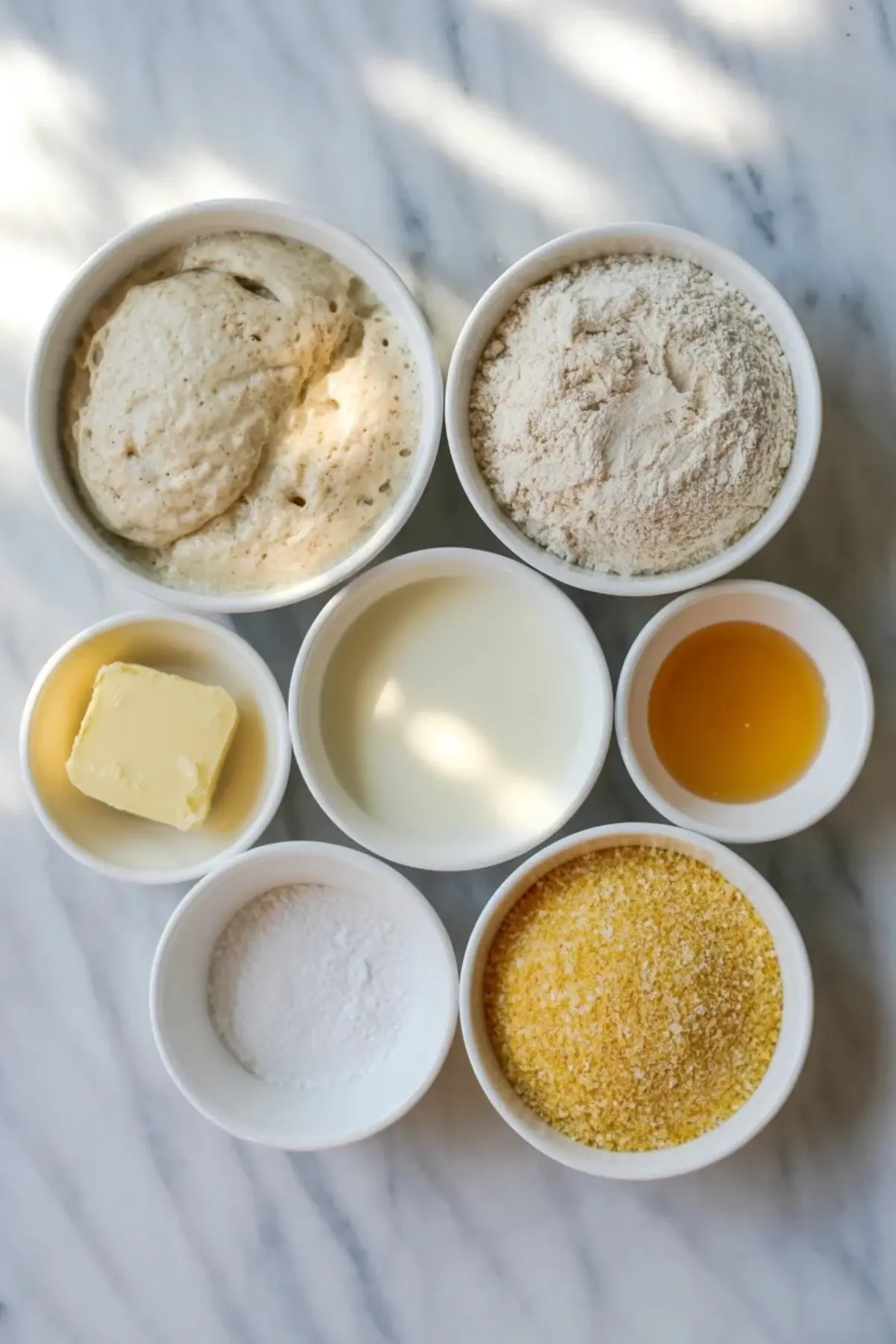
This dough is simple, but each ingredient has a job. The starter brings fermentation and flavor, milk softens the crumb, honey adds a little balance, and butter keeps the texture from feeling dry. Flour and salt finish the structure, while cornmeal helps the shaped rounds hold that familiar English muffin surface during resting and cooking.
Because the ingredient list is compact, the dough stays approachable even if you do not make sourdough breakfast recipes all the time. It is a good recipe for learning how a slightly sticky enriched dough should feel before a long rise. The payoff is a dough that is soft enough to stay tender but still easy to shape once it has fermented.
What the Overnight Rise Changes
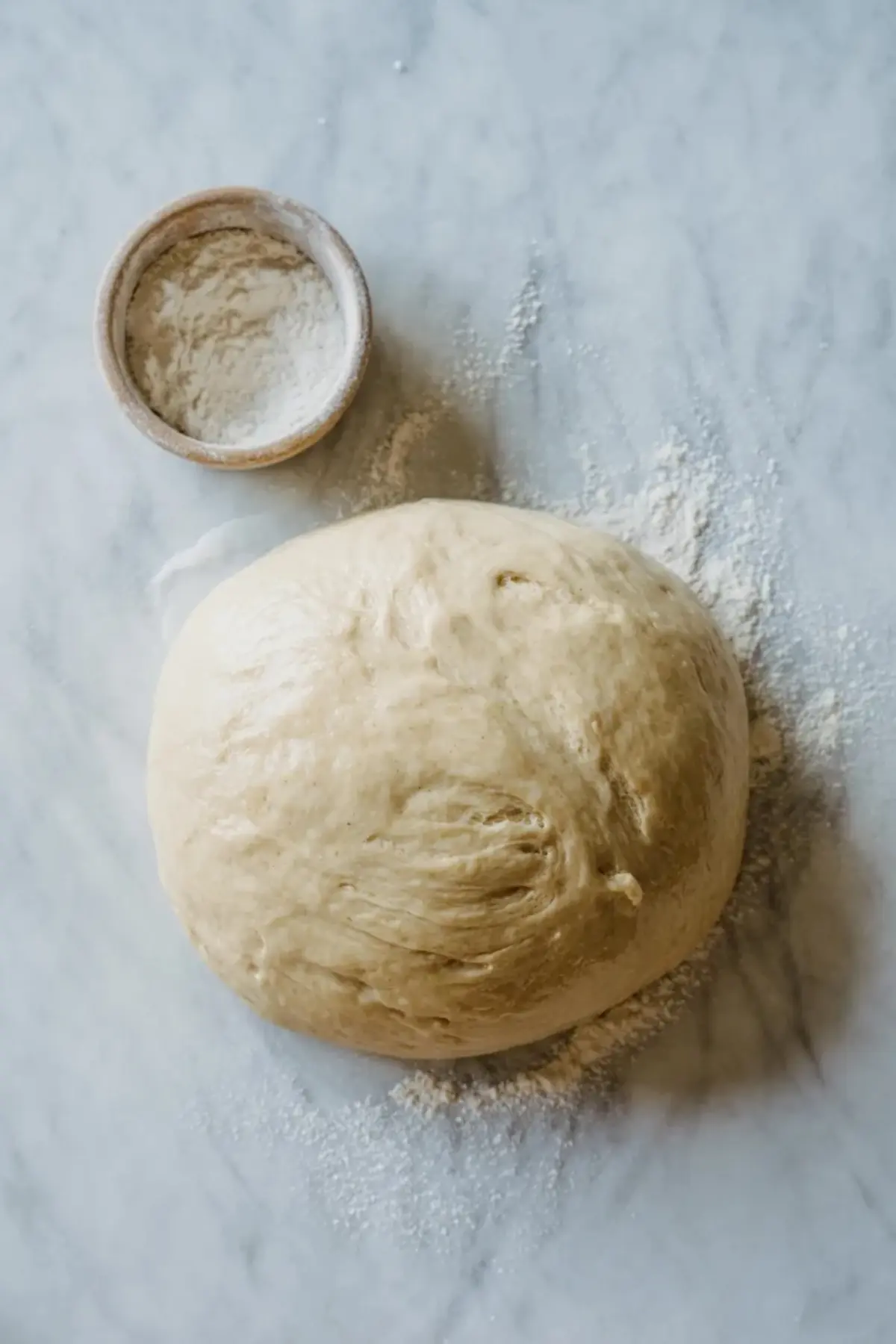
The overnight fermentation is where much of the flavor develops, but it also changes how the dough handles. By morning, the dough feels puffier, smoother, and easier to roll without fighting back as much. That extra rest is what helps the finished muffins stay lighter inside instead of dense or bready in the wrong way.
If your kitchen runs cool, the dough may need the longer end of the rise window to look properly expanded. The goal is not dramatic overproofing. You simply want enough activity that the dough feels alive and visibly fuller before you shape the rounds.
Shaping for Better Nooks and Crannies
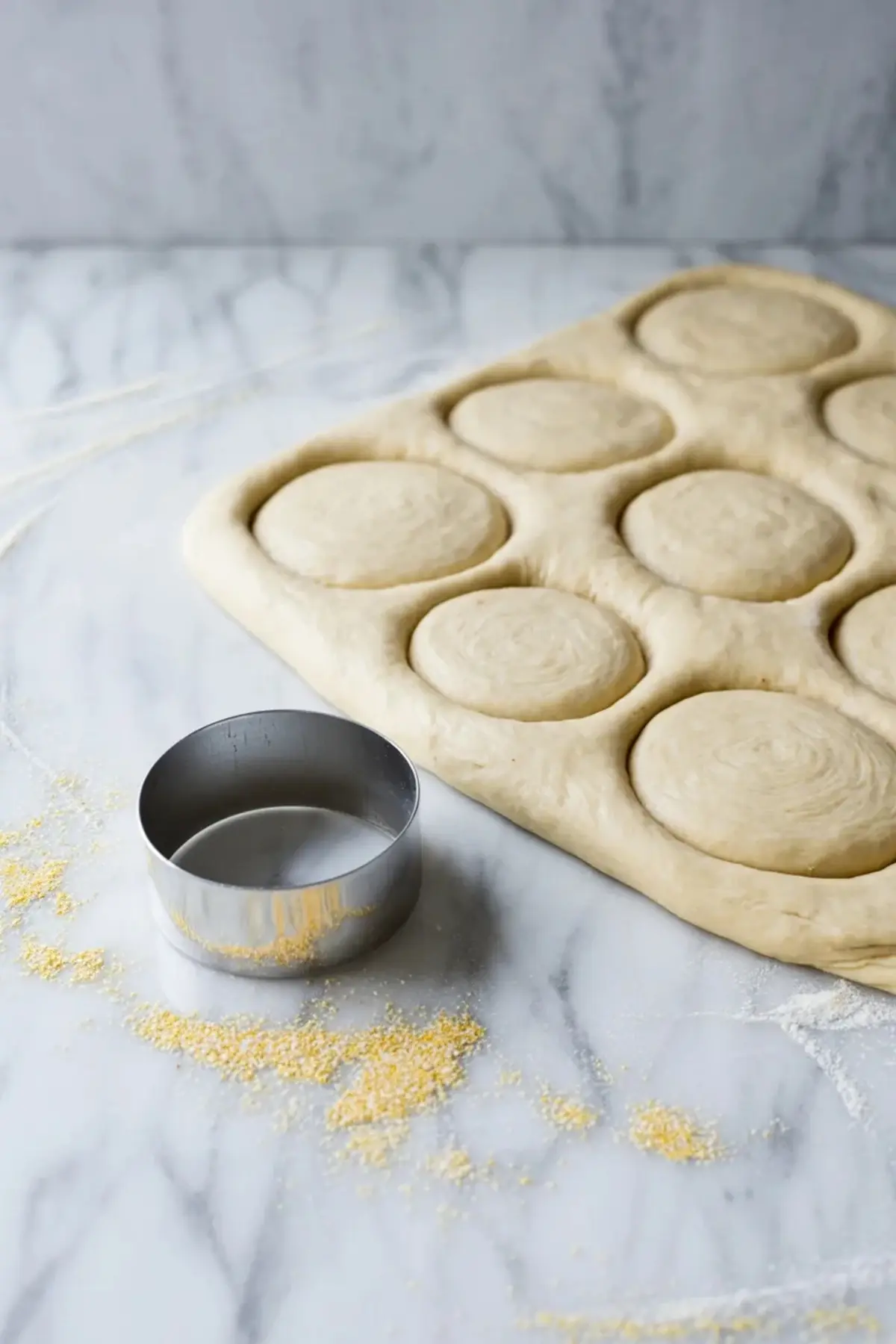
Rolling the dough to an even thickness and cutting clean rounds does a lot for the final texture. Muffins that are too thin can dry out on the griddle, while very thick rounds may brown outside before the centers are ready. A consistent thickness keeps the batch cooking more evenly and helps the fork-split interior open cleanly later.
Cornmeal matters here too. It keeps the dough from sticking during the rest and gives the muffins that familiar base texture. Once the rounds are cut, let them sit just long enough to puff slightly so they hold their shape and cook with a little more lift.
How to Cook Them Through Without Burning the Outside
Low heat is the main trick. English muffins need enough time on the skillet or griddle for the centers to cook through, so rushing with high heat usually gives you dark outsides and underdone middles. A slower cook builds the right crust and lets the dough set all the way through.
If one batch colors faster than expected, finishing the muffins briefly in the oven is a useful backup. That is especially helpful with thicker rounds. Once cooled slightly, split them with a fork instead of a knife so you keep the rough pockets that catch butter and jam. For serving ideas, pumpkin butter recipe is an easy spread option, while sweet ricotta toast shows how well soft breakfast breads pair with fruit and honey toppings.
Best Ways to Serve Sourdough English Muffins
These muffins are excellent warm from the griddle, but they also hold up well for toasting later, which makes them practical for breakfast meal prep. Use them for breakfast sandwiches, serve them with butter and jam, or toast them for a simple side with eggs. They feel familiar enough for everyday use, but the homemade texture makes them noticeably better.
Save this sourdough English muffins recipe for mornings when you want something classic, flexible, and worth making ahead. The dough is simple, the flavor is deeper than standard English muffins, and the final crumb gives you the texture that makes homemade breakfast breads feel genuinely satisfying.
Sourdough English Muffins
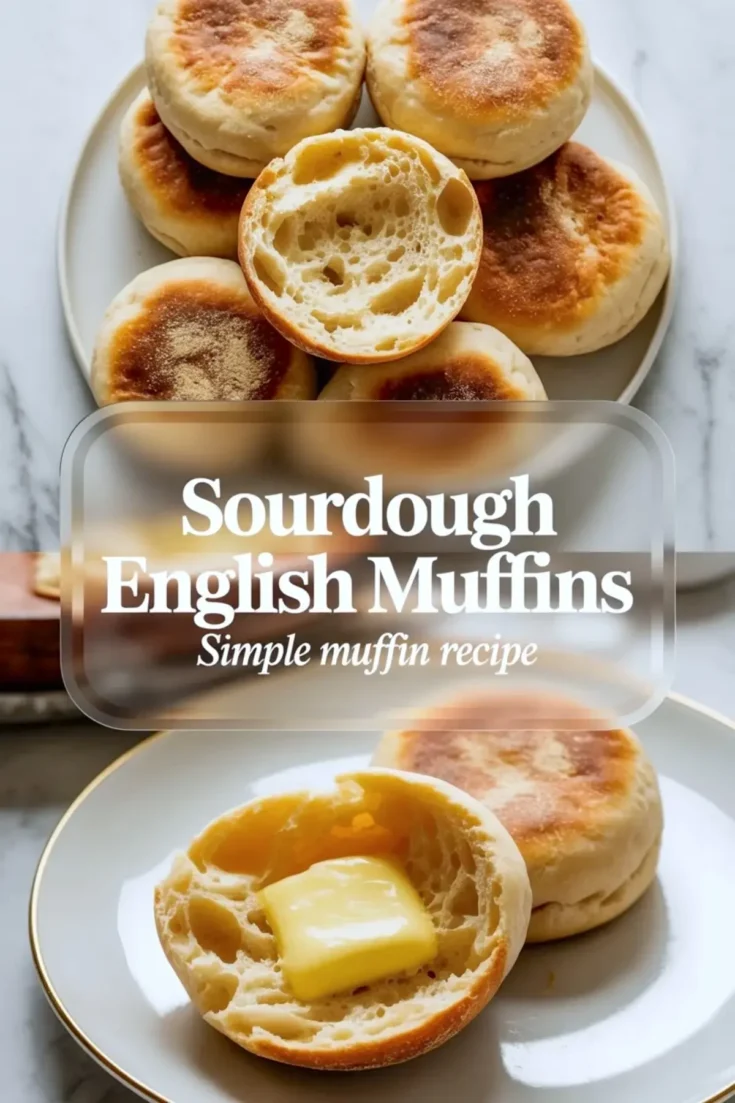
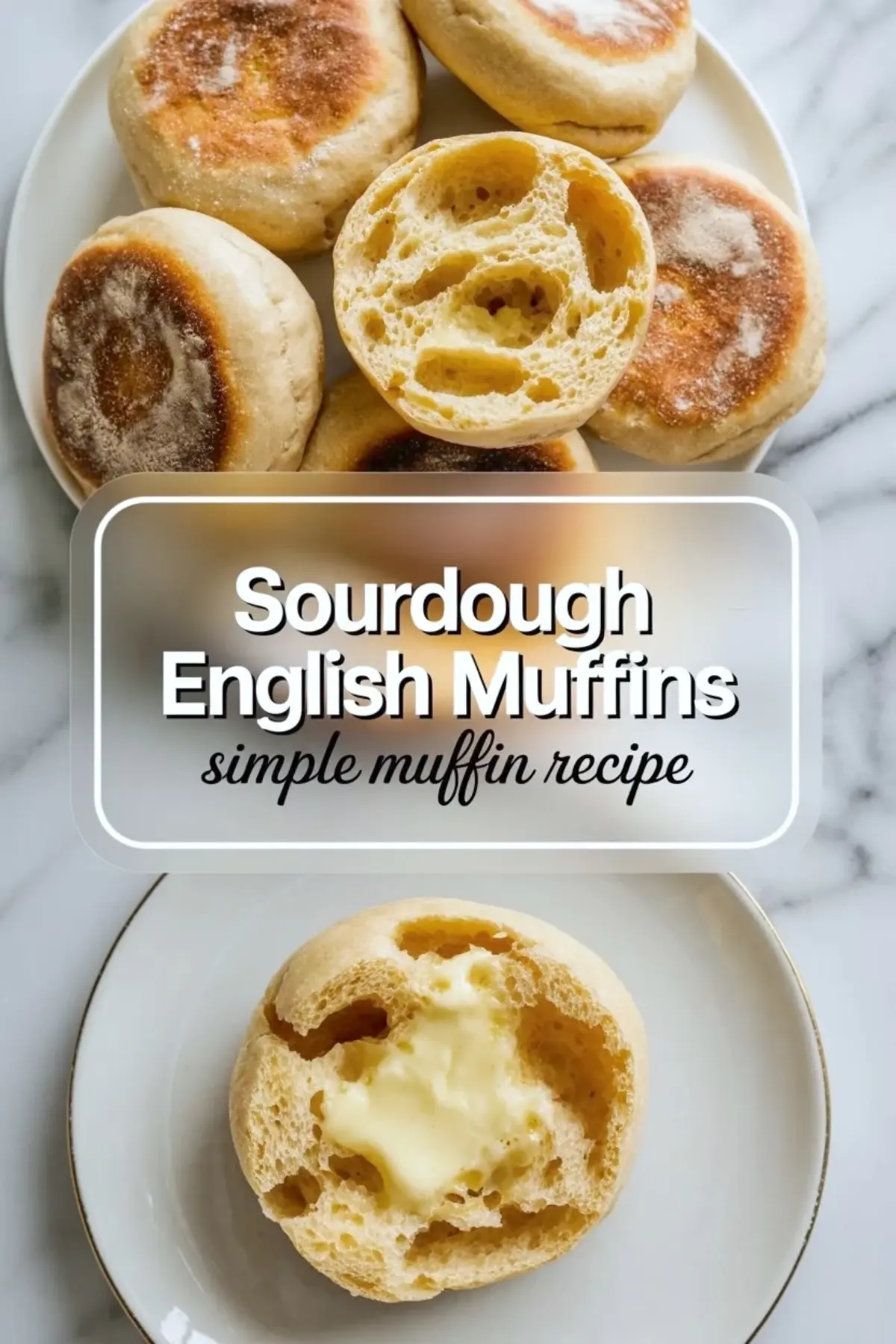
This sourdough English muffins recipe makes soft, chewy muffins with crisp griddled edges and the airy nooks that make English muffins so good with butter, jam, or eggs. The dough uses active sourdough starter for flavor and a gentle overnight rise that gives the muffins more depth without making the method difficult. Once the rounds are cut and rested, they cook low and slow in a skillet or on a griddle until golden outside and tender in the center. If you want sourdough English muffins that feel homemade, reliable, and especially good for breakfast sandwiches or toast-style spreads, this recipe gives you a simple process and the texture that makes split English muffins worth making from scratch.
Ingredients
- FOR THE DOUGH
- 1 cup active sourdough starter
- 1 cup warm milk
- 2 tablespoons honey
- 3 tablespoons softened butter
- 3 cups all-purpose flour
- 1 teaspoon salt
- FOR COOKING
- Cornmeal for dusting
- Butter or oil for the skillet
Instructions
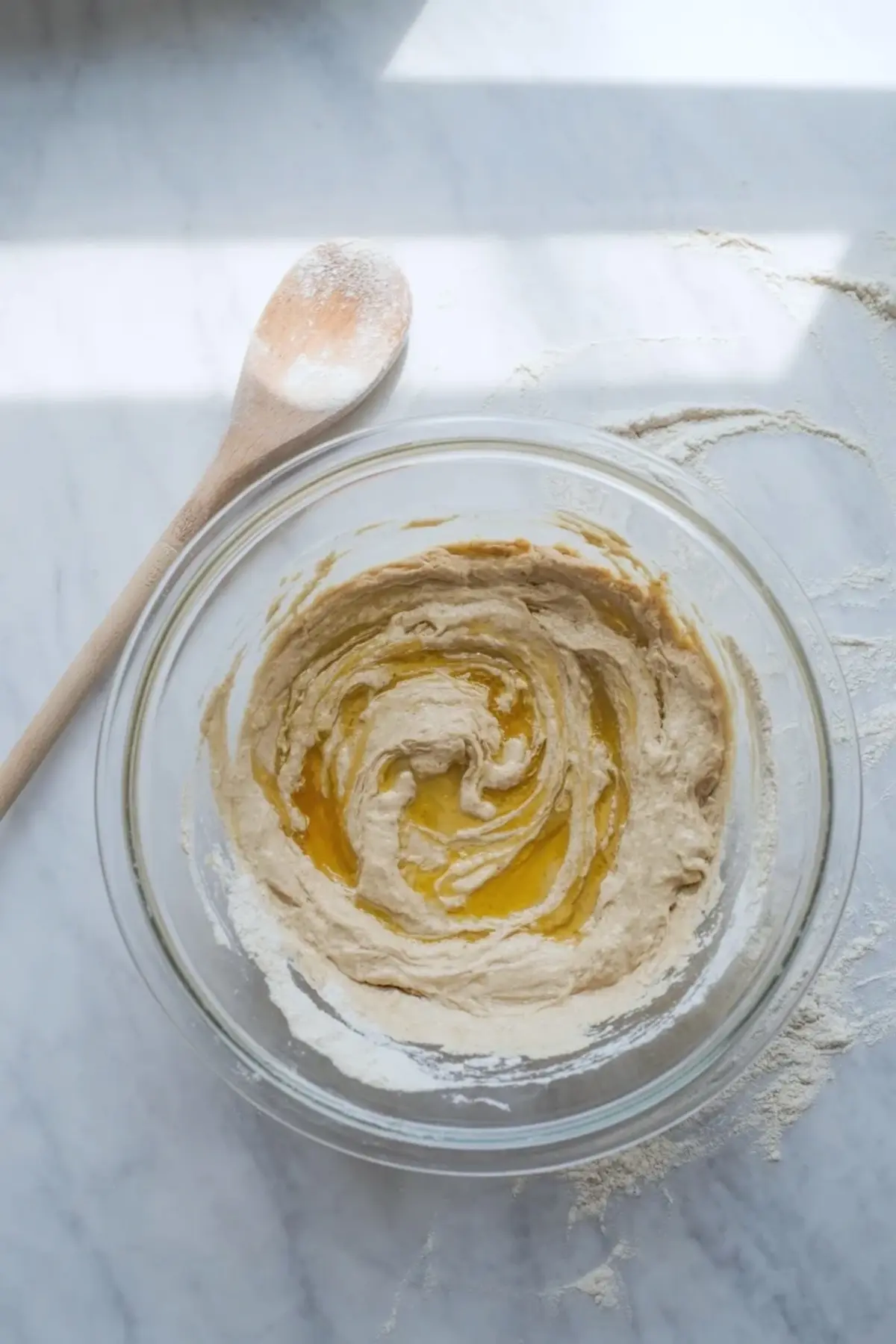
MIX THE DOUGH: In a large mixing bowl, combine the active sourdough starter, warm milk, honey, and softened butter. Stir until mostly smooth. Add the all-purpose flour and salt, then mix until a shaggy dough forms. The dough should feel soft and slightly sticky but still manageable.
KNEAD THE DOUGH: Transfer the dough to a lightly floured surface and knead for 6–8 minutes until smooth and elastic. Add small amounts of flour only if needed to prevent sticking. Place the dough into a lightly greased bowl and cover with plastic wrap or a clean towel.
FERMENT THE DOUGH: Leave the covered dough at room temperature for 8–12 hours or overnight. The dough should become puffy and nearly doubled in size by morning.
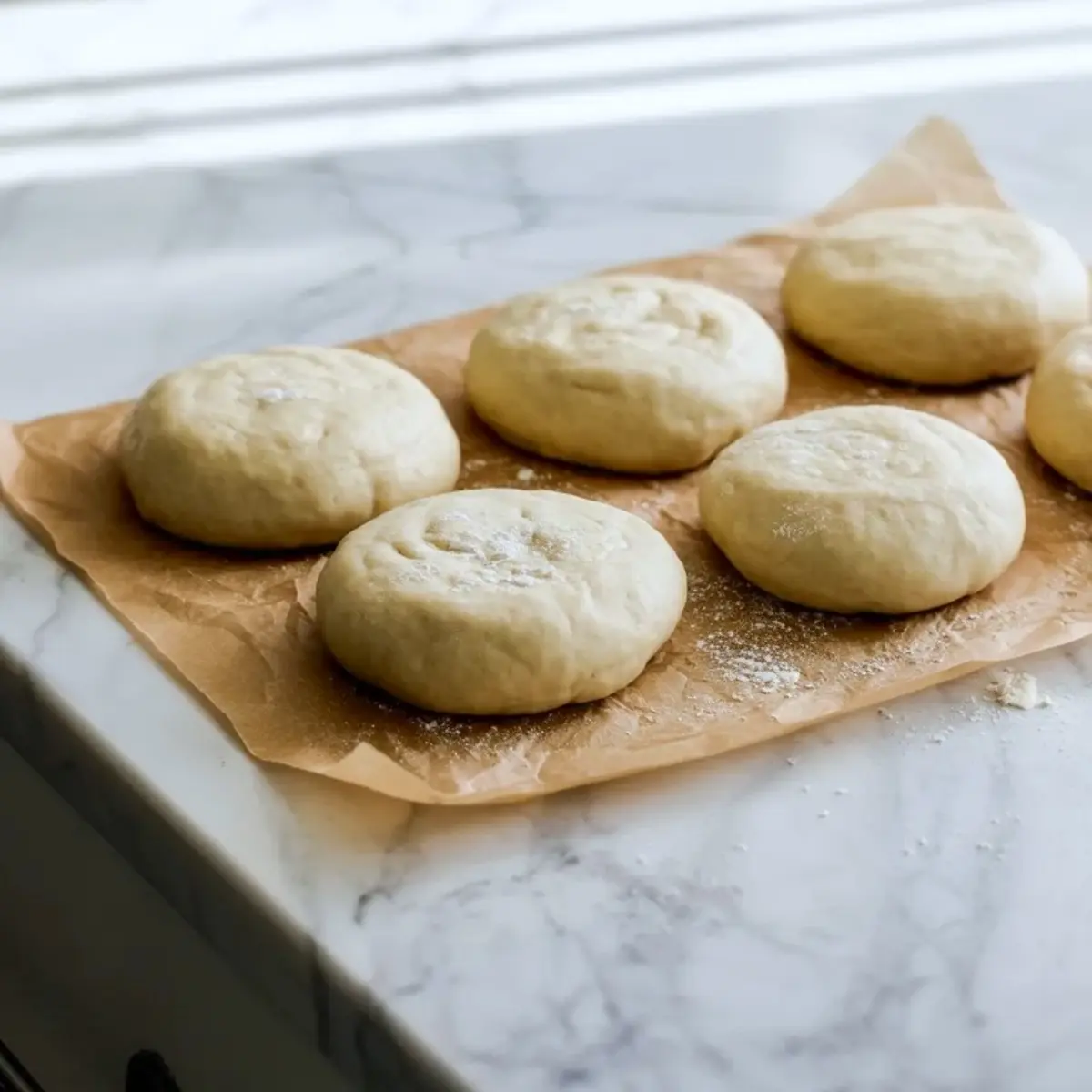
SHAPE THE MUFFINS: Transfer the dough to a lightly floured surface and gently roll it to about 1-inch thickness. Use a 3-inch round cutter or drinking glass to cut out the muffins. Place the rounds onto a parchment-lined baking sheet heavily dusted with cornmeal. Sprinkle additional cornmeal over the tops. Cover loosely and let the muffins rest for 45–60 minutes until slightly puffed.
COOK THE ENGLISH MUFFINS: Heat a large skillet or griddle over low heat and lightly grease with butter or oil. Cook the muffins for 7–10 minutes per side until deep golden brown and cooked through in the center. Keep the heat low to prevent the outsides from browning too quickly. If needed, transfer the cooked muffins to a 300°F oven for 5 minutes to finish cooking the centers.
COOL AND SERVE: Let the muffins cool slightly before splitting them open with a fork to create the classic airy texture inside. Serve warm with butter, jam, honey, eggs, or your favorite breakfast toppings.
Notes
Using a fork instead of a knife helps keep the classic nooks and crannies intact.
The dough can ferment overnight for easier morning preparation.
Store leftover English muffins in an airtight container for up to 3 days or freeze for longer storage.
Nutrition Information
Yield
10Serving Size
1Amount Per Serving Calories 392Total Fat 5gSaturated Fat 3gUnsaturated Fat 3gCholesterol 11mgSodium 412mgCarbohydrates 74gFiber 3gSugar 4gProtein 11g
